Cycling Routes in Switzerland: The National Bike Network
Arriving in Switzerland with visions of pristine landscapes often includes a fantasy of effortlessly cycling through picturesque villages and along shimmering lakes. While that dream is absolutely achievable, the reality of navigating an unfamiliar country, its public transport system, and its meticulously organized (yet initially daunting) network of cycle paths can feel like climbing a mountain before you even get on the bike. You’ve probably heard whispers of the incredible cycling routes, but how do you actually find them, plan for them, and make sure your journey is more joyful than stressful? This comprehensive guide will peel back the layers of the Swiss National Bike Network, giving you the insider knowledge to plan your perfect two-wheeled adventure, whether you're a casual rider or an aspiring Alpinist.
Unpacking the Swiss National Bike Network: A Cyclist's Dream
When you first arrive in Switzerland and see people effortlessly cruising along on their bikes, it's easy to assume they just… know where to go. The truth is, there's a brilliantly designed, extensive system behind it all, known as the "Veloland Schweiz" (Cycling Switzerland). It’s not just a few paths here and there; it’s a fully integrated national network that covers thousands of kilometers, connecting cities, mountains, and lakes with well-maintained, clearly signposted routes. For an expat or tourist, understanding this system is your golden ticket to unlocking some of the most breathtaking views and authentic experiences the country has to offer.
The "Veloland Schweiz" Concept: More Than Just Paths
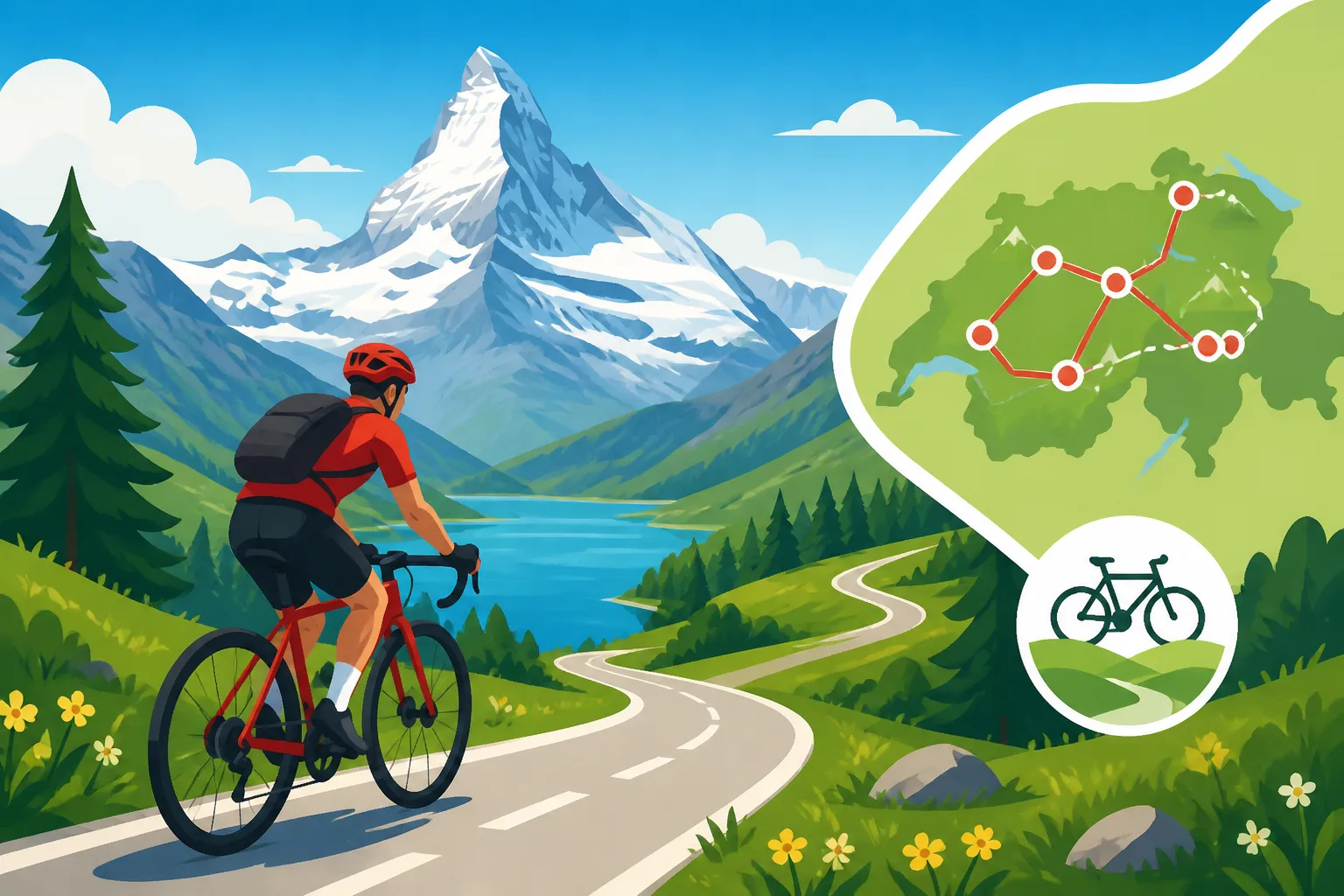
Imagine a country where almost every road, every forest path, every scenic lakeside promenade seems to have been considered for cycling. That's the essence of Veloland Schweiz. This national initiative aims to provide a coherent and safe network for cyclists of all abilities, from families with young children to seasoned road warriors. What makes it so brilliant, and often initially overwhelming, is its comprehensiveness. You’re not just looking for a bike path; you're looking for a system designed to guide you from point A to point B, often through stunning natural beauty or charming historical towns.
The signage is legendary for a reason. You’ll spot distinct red signs with white numbers for national routes, blue signs for regional routes, and green signs for local routes. These aren't just directional; they also indicate the route number, giving you confidence that you're on the right track even if you haven't checked your map in a while. The consistency is truly a lifesaver, especially if you're navigating language barriers or are simply prone to getting a bit lost. It fosters a sense of trust in the system, allowing you to focus on the scenery rather than constantly second-guessing your turns. This level of organization is quintessential Swiss, and once you get the hang of it, you'll wonder how you ever cycled without it.
Understanding the Numbered Routes: National, Regional, Local
The Swiss cycling network is neatly categorized, which helps immensely with planning. Think of it as a hierarchy, each level serving a different purpose and offering a distinct experience. Getting to grips with this classification will help you pick the perfect route for your fitness level and desired adventure.
First up, you have the National Routes, marked with big red signs and single or double digits (1-9 and a few more). These are the big boys, the grand tours. They often span hundreds of kilometers, crossing entire cantons or even the whole country. These routes are usually designed to be multi-day trips, taking you through diverse landscapes – from high Alpine passes to tranquil valleys, alongside mighty rivers, or circling vast lakes. They connect major towns and offer a comprehensive experience of a specific geographic region or theme. For instance, the Rhône Route (Route 1) follows the Rhône River from its glacial origins all the way to Lake Geneva. These routes are meticulously mapped, often use dedicated cycle paths, quiet side roads, or well-maintained gravel tracks, and prioritize scenic beauty and safety. While some sections can be challenging, the overall design aims for accessibility, allowing you to choose how much of the route you want to tackle.
Then come the Regional Routes, identifiable by their blue signs and two-digit numbers (usually 10-99). These are shorter than the national routes, typically covering a specific canton or a smaller geographic area, like a particular lake or a mountain range. They connect points of local interest, perhaps leading you through vineyards, historical sites, or to a specific natural wonder. Regional routes are fantastic for day trips or shorter weekend tours. They often integrate with the national routes, allowing you to hop on and off, or form loops that bring you back to your starting point. You might find them a bit more varied in terrain, sometimes veering onto slightly busier roads for short stretches, but always with cycling safety in mind.
Finally, there are the Local Routes, designated by green signs and three-digit numbers (100+). These are the most localized, often short loops or connections within a town or a small region. They're perfect for a quick afternoon spin, exploring a village, or connecting to public transport hubs. These are the routes you might use to cycle to the local grocery store, discover a charming café, or simply enjoy a leisurely ride through a park. They are usually very easy to navigate and tend to stick to low-traffic areas or dedicated paths.
The Heart of the Network: Key National Routes Overview
While there are many fantastic routes, a few national routes stand out for their popularity and incredible scenery. These are often the ones expats living here for years will talk about, the ones that become a rite of passage for many Swiss cyclists.
The Rhône Route (Route 1) is legendary, stretching over 320 kilometers from the Rhône Glacier in Valais down to Geneva. It’s mostly flat once you’re past the initial mountain stage, making it popular for families and those who prefer a less strenuous ride. You’ll pass through vineyards, apple orchards, and charming towns, all while following the impressive Rhône River.
Then there's the Rhine Route (Route 2), another riverine journey of about 430 kilometers, tracing the Rhine from its source in Graubünden to Basel, where it leaves Switzerland. This route offers a mix of Alpine landscapes, picturesque villages, and vibrant cities, showcasing the diversity of eastern and northern Switzerland.
The Lakes Route (Route 4) is a real gem, weaving for 260 kilometers through central Switzerland, connecting no fewer than ten of Switzerland's most beautiful lakes, including the iconic Lake Lucerne and Lake Thun. It’s more undulating than the river routes, with some challenging climbs, but the panoramic views and refreshing dips in the lakes make every pedal stroke worthwhile.
For those who crave elevation, the Alpine Route (Route 6) is calling. This demanding 450-kilometer route takes you over some of Switzerland’s most famous mountain passes, including the Susten, Furka, and Grimsel. It's a serious challenge for experienced cyclists, offering unparalleled high-alpine scenery, dramatic descents, and a true test of endurance. But oh, the bragging rights and the views!
These are just a few examples, but they illustrate the scope and variety available. Each route has its own character, its own story, and its own unique appeal, promising an unforgettable journey.
Planning Your Swiss Cycling Adventure: Tools and Resources
Alright, so you’re inspired! You’ve got the dream, now let’s talk logistics. Planning a cycling trip in Switzerland, especially if you plan to integrate public transport, requires a bit of homework. But trust me, the Swiss have made it as user-friendly as possible, with a wealth of digital and physical resources to guide you every step of the way. Don’t let the initial information overload deter you; it’s all there to make your trip smoother.
Essential Planning Tools: Maps, Apps, and Websites
The absolute cornerstone of planning any cycling trip in Switzerland is SwitzerlandMobility. This is the official platform for non-motorized traffic and recreation, and it is gold. Their website (www.schweizmobil.ch) and the accompanying app are indispensable. You can view all the national, regional, and local routes, filter by difficulty, length, and elevation profile, and even download GPX files for your GPS device. The maps are incredibly detailed, showing terrain, points of interest, public transport stops, and even accommodation options. I can’t stress enough how crucial this resource is; it will become your best friend.
For general route planning, consider downloading apps like Komoot or Outdooractive as well. While SwitzerlandMobility is the official word, these apps offer a broader community aspect, with user-generated tours and reviews which can sometimes offer helpful tips or alternative scenic detours. They often provide excellent navigation features, too, which can be a relief when you’re out on the trails.
And let’s not forget old-school maps! While digital is great, sometimes having a physical map in hand, especially when reception is spotty in the mountains, can be a real comfort. You can find excellent cycling maps at local bookstores, tourist information centers, or even many SBB stations. Brands like Kümmerly+Frey offer detailed maps specifically for the Veloland routes.
When it comes to multi-modal journeys, where you combine cycling with train travel (which you absolutely should!), you'll find the SBB website and app invaluable. This is where you can check train schedules, buy tickets, and importantly, figure out the logistics of bringing your bike. For longer journeys, I often consult Omio as well, especially if I'm planning complex itineraries involving trains from different countries or if I want to compare ticket prices from various providers to ensure I’m getting the best deal. It’s always good to have a few tools in your arsenal.
Logistics of Bike Transport on Swiss Public Transport
This is where it gets a little bit Swiss-complicated, but entirely manageable once you know the rules. Switzerland is fantastic for combining bikes and trains, which is a godsend when you want to skip a challenging climb, cover a long distance quickly, or simply enjoy a one-way route. However, it's not always as simple as just rolling your bike onto any train.
Generally, you need a separate ticket for your bike. This can be a day pass for your bike (Velo-Tageskarte), a half-fare pass for your bike (Velo-Pass), or a point-to-point ticket for the bike’s journey. If you have a SBB Travelcards: Is the Generalabonnement (GA) Worth the CHF 4000+ Cost?, your bike might get a discount on its day pass. Crucially, on many popular routes and during peak hours, you must have a reservation for your bike. This is particularly true for intercity trains (IC/IR). Regional trains (RE/R) are often more flexible, but always check the SBB app for the specific train you plan to take. Look for the little bicycle icon on the train details – it tells you if bikes are allowed, and if a reservation is required. Sometimes, during busy summer weekends, train compartments for bikes can fill up fast, so booking ahead is wise. I've had more than one frustrating experience watching a train pull away because the bike section was full, so please learn from my mistakes!
Another option, especially if you have an e-bike or a heavier touring bike, is the "bike luggage" service. SBB offers services where they transport your bike from one station to another, meaning you don't have to lug it onto the train yourself. This often takes a day or two, but it’s fantastic for multi-day tours where you want your bike waiting for you at your destination. For more detailed information, check out this guide on Taking Bicycles on Swiss Trains: Mandatory Reservations and Velo Tickets. It covers everything you need to know about navigating bikes on Swiss public transport.
Renting vs. Bringing Your Own Bike: A Practical Comparison
This is a big question for many expats and tourists. Do you invest in a bike, ship yours over, or simply rent one when you're here? There are valid arguments for each.
Bringing Your Own Bike:
- Pros: Familiarity, perfect fit, often higher quality components if you're a serious cyclist. No rental fees.
- Cons: Cost and hassle of shipping (especially from outside Europe), potential damage in transit, dealing with maintenance yourself. If you're only here for a short visit, it might not be worth it.
- Realistic View: If you live here and plan to cycle regularly, investing in a good bike is usually the best long-term option. If you’re visiting for a few weeks and don’t want the hassle, read on.
Renting a Bike:
- Pros: Convenience! No shipping, no maintenance worries. Wide variety of bikes available (city, mountain, road, e-bikes). Can try different types of bikes.
- Cons: Rental costs can add up for longer trips. Fit might not be perfect, leading to discomfort. Availability can be an issue during peak season, especially for popular e-bikes.
- Realistic View: For tourists or new expats not ready to commit, this is often the easiest and most practical solution. The "Rent a Bike" system in Switzerland is excellent. You can rent a bike at one SBB station and return it at another, making one-way tours incredibly simple. Prices vary depending on the type of bike and rental duration, but expect around CHF 40-70 per day for a decent e-bike, with discounts for multiple days. They also offer helmet rentals and sometimes even panniers. Look for "Rent a Bike" stations at major train stations or inquire at local tourist offices.
Ultimately, the choice depends on your budget, the length of your stay, and your personal cycling preferences. Many expats start by renting, then buy a second-hand bike once they're settled, and eventually invest in a new one. It's a journey, much like cycling itself!
Diving Deeper into Popular National Routes
Now for the fun part: imagining yourself on the road! While the entire national network is phenomenal, some routes consistently capture the hearts of cyclists. Let’s take a closer look at a few that offer distinct experiences and showcase the incredible diversity of Swiss landscapes. These aren’t just routes; they’re immersive journeys through culture, history, and nature.
The Rhône Route (Route 1): From Glacier to Geneva
The Rhône Route, or Route du Rhône, is a national treasure. Spanning approximately 320 kilometers, it begins its epic journey high in the Valais Alps at the base of the Rhône Glacier and gently winds its way down, following the powerful Rhône River, eventually emptying into the vast expanse of Lake Geneva, before concluding in the bustling city of Geneva.
What makes this route so appealing, especially for families or those who prefer a less strenuous ride, is its relatively flat profile once you descend from the initial mountain stages near Gletsch. The first few kilometers are steep and challenging, but soon after, you settle into a comfortable rhythm as the path largely follows the riverbed. You’ll pedal through the sun-drenched vineyards of the Valais region, famous for its Fendant and Dole wines, passing charming villages like Sion and Martigny. The air is often dry and warm here, offering a Mediterranean feel. As you move west, the landscape transforms, giving way to apple orchards and then the expansive shores of Lake Geneva (Lac Léman), where you can cycle past the famous Chillon Castle and the picturesque terraced vineyards of Lavaux, a UNESCO World Heritage site. Cycling along the lake, with the French Alps looming in the distance, is an absolutely iconic Swiss experience.
The route is incredibly well-marked, predominantly on dedicated cycle paths or quiet secondary roads, making it safe and enjoyable. You’ll find plenty of opportunities to stop for a picnic by the river, grab a refreshing drink in a village café, or even take a dip in Lake Geneva. Given its length, most people tackle the Rhône Route over 3 to 5 days, staying overnight in towns like Brig, Sion, or Montreux. You can easily combine sections of this route with boat trips on Lake Geneva, or even hop on a train to skip parts if you’re short on time or energy. For more details on exploring the region around the endpoint, check out this guide on Lake Geneva (Lac Léman): Towns, Boats, and Vineyard Walks.
The Aare Route (Route 8): Rivers, Cities, and Nature
The Aare Route, Aare-Route, is another fantastic national route, covering about 310 kilometers from the Grimsel Pass in the Bernese Alps to the German border near Koblenz. This route offers a captivating blend of high-alpine scenery, crystal-clear turquoise lakes, and vibrant Swiss cities, all while following Switzerland's longest wholly internal river, the Aare.
The starting point near the Grimsel Pass is undeniably dramatic, but much like the Rhône Route, the most challenging climbs are at the very beginning. From the pass, the route descends through the Aare Gorge and past the spectacular Reichenbach Falls (yes, the one where Sherlock Holmes almost met his end!). It then winds its way along the stunning blue waters of Lake Brienz and Lake Thun, where you can't help but stop for countless photos. Cycling between Interlaken, Thun, and Bern offers breathtaking views of the Jungfrau region’s peaks reflected in the water.
One of the major highlights of the Aare Route is its passage through Bern, Switzerland's capital. You cycle right through the UNESCO-listed Old Town, a truly unique urban cycling experience. The river itself becomes your constant companion, sometimes wide and powerful, sometimes meandering through forests and open fields. The route continues through the fertile "Granary of Switzerland" (the Seeland region), known for its agricultural produce, and then past the medieval town of Solothurn, before finally reaching the confluence of the Aare and Rhine rivers.
This route is generally considered moderately challenging, with some climbs, particularly in the initial sections and around lakes, but it’s largely manageable for regular cyclists. Its accessibility, combined with the sheer beauty and the chance to experience both pristine nature and historical cities, makes it incredibly popular. It’s ideal for a 3 to 4-day trip, with excellent infrastructure for overnight stays. For ideas on connecting trips, you might want to explore Day Trips from Bern: Thun, Interlaken, and the Emmental.
The Lakes Route (Route 4): Picture-Perfect Pedaling
If you came to Switzerland for those postcard-perfect lake views, the Lakes Route (Seen-Route) is your ultimate ride. This 260-kilometer route takes you on a stunning journey through central Switzerland, connecting no fewer than ten incredible lakes. It’s a route designed for those who want their cameras ready at all times, with endless opportunities for scenic pauses and refreshing dips.
Starting in the French-speaking region near Lake Geneva (though it really gets going in the heart of the country), the route soon plunges you into a landscape dominated by shimmering waters. You’ll circle or pass by iconic bodies of water like Lake Thun, Lake Brienz, Lake Sarnen, Lake Zug, and the magnificent Lake Lucerne. Each lake has its own character, from the deep blue glacial waters of Thun to the dramatic fjord-like arms of Lucerne, framed by towering peaks.
Unlike the predominantly flat river routes, the Lakes Route is quite undulating. You'll encounter more climbs, some of which can be challenging, especially as you traverse the terrain between lakes. This is not a flat ride; it's a constant series of ups and downs, but the reward is always a spectacular panorama. Imagine cycling along a ridge, looking down at two different lakes, or rounding a bend to discover a hidden bay with impossibly clear water. The route often hugs the shorelines, providing uninterrupted views, but it also takes you through charming lakeside villages, past orchards, and into gentle rolling hills.
It’s often tackled over 3 to 4 days, giving you ample time to enjoy boat trips (highly recommended on Lake Lucerne!), swim in the lakes, or simply relax at a lakeside café. The sections around Lake Lucerne are particularly stunning, where dramatic mountains meet the water's edge. This guide on Lake Lucerne: Cruises, Mountains, and the Swiss Path can provide even more ideas for exploring that specific highlight. For anyone seeking a blend of natural beauty and a good physical challenge, the Lakes Route is an absolute must.
The Alpine Route (Route 6): For the Experienced Climbers
For those who view mountains as an invitation rather than an obstacle, the Alpine Route (Alpenpanorama-Route) is the ultimate test and reward. This formidable 450-kilometer route is designed for experienced, fit cyclists who crave the thrill of high-alpine passes, breathtaking descents, and panoramic views that stretch for hundreds of kilometers. It traces a path through the heart of the Swiss Alps, crossing some of the most iconic mountain passes in the country.
Beginning in St. Margrethen near Lake Constance and ending in Montreux on Lake Geneva, this route is a rollercoaster of ascents and descents. You'll tackle legendary passes like the Klausen Pass, Susten Pass, Grimsel Pass, and Furka Pass, each presenting its own unique challenge and unforgettable scenery. These are not gentle climbs; expect sustained gradients and switchbacks that will test your legs and lungs. However, the feeling of reaching a pass, often with a quaint mountain restaurant or a simple hut waiting, is unparalleled. The vistas from these high points are simply awe-inspiring: glaciers, jagged peaks, deep valleys, and winding roads that look like ribbons from above.
The route demands good physical condition, a well-maintained bike (preferably a road bike with good gearing or a capable gravel bike, though e-bikes are increasingly popular for assistance), and excellent weather awareness. Conditions in the high Alps can change rapidly, even in summer, so be prepared for anything from bright sunshine to sudden rain, or even snow on the highest passes. The Alpine Route is typically completed over 6 to 8 days, allowing for recovery and proper appreciation of the majestic surroundings. It's not just a physical challenge; it's a profound immersion into the raw beauty and power of the Swiss Alps. If you’ve been cycling for years and want to truly experience Swiss mountain riding, this is the one to put on your bucket list.
Here's a quick comparison of these fantastic national routes to help you choose your adventure:
| Route Name | Start Point | End Point | Length (approx.) | Elevation Gain (approx.) | Primary Difficulty | Key Highlights |
|---|---|---|---|---|---|---|
| Rhône Route (1) | Rhône Glacier (Valais) | Geneva | 320 km | 1,200 m | Easy to Moderate | Valais vineyards, Lake Geneva, Chillon Castle, Montreux, Sion |
| Rhine Route (2) | Andermatt (Graubünden) | Basel | 430 km | 1,500 m | Easy to Moderate | Rhine Gorge, Lake Constance, Roman heritage, diverse cantons |
| Lakes Route (4) | Romanshorn (Lake Const.) | Montreux (Lake Gen.) | 510 km (original) | 5,500 m (original) | Moderate to Difficult | 10+ lakes (Lucerne, Thun, Brienz, Zug), picturesque villages, undulating terrain |
| Alpine Route (6) | St. Margrethen (SG) | Aigle (VD) | 450 km | 7,000 m | Difficult | Iconic mountain passes (Klausen, Susten, Grimsel, Furka), high alpine panoramas |
| Aare Route (8) | Grimsel Pass (BE) | Koblenz (AG) | 310 km | 1,000 m | Moderate | Lake Brienz, Lake Thun, Bern Old Town, Solothurn, Aare Gorge |
(Note: Lengths and elevation gains are approximate and can vary slightly depending on exact start/end points and specific detours. The "Lakes Route" originally referred to a longer version from Romanshorn to Montreux. A more common shorter version covers central Swiss lakes.)
Practicalities on the Road: Gear, Safety, and Amenities
So you've chosen your route, you've planned your transport, and your bike is ready. But before you hit the road, there are a few practical considerations that can make or break your trip. Switzerland is generally incredibly well-equipped for cyclists, but a little preparation goes a long way, especially when you're out in nature or navigating unfamiliar territory.
Essential Gear for Swiss Cycling
You don't need to be a pro cyclist with all the latest carbon fiber gadgets, but having the right gear can significantly enhance your comfort, safety, and enjoyment.
First and foremost, a helmet is non-negotiable. While not always legally mandatory for adult cyclists on all roads, it's simply common sense, especially given the varied terrain and potential for fast descents. Don't leave home without one.
Water and snacks are next on the list. Even if you plan to stop in villages, some stretches, particularly in the mountains or through forests, can be long between refreshment points. A couple of water bottles and some energy bars will serve you well. Speaking of water, Switzerland has an abundance of fresh, drinkable water fountains everywhere – refill often!
A basic repair kit is also wise: a spare inner tube, tire levers, a small pump, and a multi-tool can save you from a long walk. Even if you're not a master mechanic, someone else might be able to help if you have the parts.
Appropriate clothing layers are crucial. The weather in Switzerland, especially in the mountains, can change dramatically within hours. A lightweight waterproof and windproof jacket is your best friend, even on a sunny day. Padded cycling shorts will make longer rides much more comfortable. Don't forget sunglasses and sunscreen, even on cloudy days, as the UV index can be surprisingly high, especially at altitude.
As for bike types, it really depends on your route. For the predominantly flat river routes (Rhône, Rhine), a comfortable touring bike or even a city bike with good gears is usually sufficient. For the Lakes Route or any regional routes with significant climbs, a road bike or a well-geared trekking bike is better. For the Alpine Route, a road bike is ideal, or a robust gravel bike. And if you’re concerned about the climbs, don’t hesitate to rent an e-bike. They are incredibly popular here for a reason – they level the playing field and allow you to enjoy the scenery without completely exhausting yourself. You can learn more about the rules for different types of bikes in E-Bike Categories in Switzerland: Helmets, Plates, and Speed Limits.
Safety and Etiquette: Sharing the Path
Switzerland is a very safe country, and the cycling infrastructure reflects that. However, common sense and courtesy go a long way.
Road Rules: Cyclists generally follow the same traffic laws as cars. Ride on the right-hand side of the road. Obey traffic lights and signs. Helmets are not mandatory for adults on bicycles (only for e-bikes up to 45 km/h), but strongly recommended. Lights are mandatory after dark.
Sharing the Path: Many national and regional routes use shared paths with pedestrians, especially in scenic areas or through villages. Always be mindful of walkers, slow down, and use your bell (another essential piece of gear!) to give a polite warning before passing. Hikers often have priority on trails not specifically designated for bikes. Remember, you’re often passing through someone’s backyard or local recreation area, so be respectful of the local environment and its users. For more on general Swiss rules, you might want to check out Swiss Everyday Rules: Recycling, Quiet Hours, and Neighborhood Etiquette.
Mountain Safety: If you're tackling mountain routes, be extra cautious on descents. Roads can be steep, narrow, and sometimes gravelly. Watch out for larger vehicles, especially PostBuses, which have the right of way on some narrow mountain roads and signal their approach with a distinct horn. Always check the weather forecast before heading into the high Alps. A guide like What to Pack for a Day Trip to the Swiss Alps could offer additional tips for mountain adventures. In case of emergency, remember Switzerland's emergency numbers: 144 for ambulance, 117 for police, 118 for fire. This Emergency Medical Services: Ambulances, REGA, and Crisis Protocols guide can provide further details.
The cycling infrastructure in Swiss cities is constantly improving, too. While not always as robust as, say, the Netherlands, dedicated bike lanes and safe routes are becoming more common. For urban cycling tips, check out Cycling Infrastructure in Swiss Cities: Bike Lanes and E-Bike Rules.
Accommodation and Food Along the Routes
You'll be pleased to know that Switzerland is incredibly set up for tourists, including cyclists. You’re rarely far from a place to eat or sleep, especially along the national routes.
Accommodation: From charming bed & breakfasts and guesthouses in picturesque villages to larger hotels in towns, options are plentiful. Many accommodations specifically cater to cyclists, offering secure bike storage, drying facilities for wet clothes, and sometimes even tools for minor repairs. Look for places with the "Bed+Bike" certification. It's always a good idea to book ahead, especially during peak season (summer), and particularly if you're traveling through smaller, less populated areas. Websites like Booking.com are excellent for finding suitable places to stay along your route. You can often filter for bike-friendly options.
Food & Drink: You'll discover a culinary journey as you cycle. Switzerland boasts fantastic bakeries (Bäckerei) for breakfast and quick snacks, delightful village restaurants (Gasthof, Restaurant) for hearty lunches and dinners, and charming mountain huts (Berghütte) in the higher elevations. Don't be shy about trying local specialties like Rösti, Älplermagronen, or various regional cheeses.
For budgeting, remember that dining out in Switzerland can be expensive. Many cyclists opt to buy supplies at local supermarkets like Coop or Migros (check out Grocery Shopping: Coop, Migros, Aldi, Lidl, and Denner Compared for a comparison) and pack their own picnics. There are often designated picnic areas with benches and sometimes even public BBQ grills along the routes. This is a great way to save money and enjoy the stunning scenery. You can also look into local food experiences via platforms like GetYourGuide for unique tastings or culinary tours in specific regions you pass through.
Beyond the National Network: Exploring Regional and Local Trails
While the national routes are magnificent, they are just the tip of the iceberg. The true beauty of the Swiss cycling network lies in its incredible depth and breadth, with regional and local trails offering countless opportunities for exploration, often leading to lesser-known gems or providing perfect short loops. Don't feel confined to the red signs – the blue and green routes have their own distinct charm.
Regional Routes: Connecting Cantons and Highlights
The regional routes, marked with blue signs and two-digit numbers, act as fantastic connectors and explorers of specific cantonal highlights. They might not span the entire country, but they delve deeper into the unique landscapes and cultures of a particular area. For instance, the Jura Bike (Route 70) takes you through the stunning, rolling hills and quiet valleys of the Jura Mountains, a stark contrast to the dramatic Alps. It’s known for its serene pastures, horse breeding, and charming, isolated villages.
Another example is the Herzroute (Route 99), the "Heart Route," which is specifically designed for e-bikes and takes you through idyllic pre-alpine landscapes, connecting lakes, historic towns, and stunning viewpoints. These routes are perfect for a two to three-day trip or for extending a national route adventure by taking a scenic detour. They often highlight local products, specific historical sites, or natural wonders that the national routes might bypass. The beauty of regional routes is their ability to offer a more intimate experience, allowing you to slow down and truly immerse yourself in the local atmosphere. They are generally well-maintained and clearly signposted, much like their national counterparts, giving you the confidence to venture off the main arteries without fear of getting truly lost.
Local Trails: Hidden Gems and City Cycling
The local routes, marked with green signs and three-digit numbers, are your go-to for shorter, more casual rides. These are the paths you’ll see locals using for their daily commutes, family outings, or a quick afternoon spin. They are typically short loops or point-to-point connections within a town, a specific valley, or a recreational area.
For example, many Swiss cities have excellent local cycling networks that let you explore urban parks, riverside paths, and quieter residential streets. In Zurich, you can cycle along the Limmat River or around Lake Zurich, exploring different neighborhoods and taking in the city's vibrant atmosphere. These routes are ideal for newcomers to a city who want to get acquainted with their surroundings or for anyone looking for a relaxed ride after a day of sightseeing. While cities like Zurich and Geneva have excellent public transport, using a bike for short distances can be faster and more enjoyable. If you’re planning on exploring city centers by bike, be aware of pedestrian zones and ensure you understand the local traffic rules. For insights into urban mobility, you might find this guide on Public Transport in Zurich: ZVV Zones, Tickets, and Night Service helpful, as it often touches upon how cycling integrates with other modes of transport.
These local trails are often where you discover unexpected hidden gems: a secluded picnic spot, a charming local farm shop selling fresh produce, or a lesser-known viewpoint. They provide a wonderful opportunity to connect with the immediate surroundings and experience a slice of authentic Swiss life beyond the major tourist attractions.
E-Bikes and Assisted Cycling: Embracing the Hills
The rise of e-bikes has revolutionized cycling in Switzerland, making the country’s famously hilly terrain accessible to a much broader audience. What was once only for the fittest cyclists is now a joy for almost anyone, thanks to a little electric boost.
E-bikes are everywhere in Switzerland, and for good reason. They allow you to tackle those challenging ascents of the Lakes Route or even some sections of the Alpine Route without completely burning out. This means you can cover more ground, enjoy the views more, and arrive at your destination with enough energy to explore. If you’re new to Switzerland or returning to cycling after a break, an e-bike is an excellent choice.
Rental services for e-bikes are ubiquitous, often available at "Rent a Bike" stations at major train stations, local bike shops, and even many hotels. You can usually choose between different levels of assistance, allowing you to customize your ride. Many routes, especially the regional ones, have dedicated e-bike charging stations along the way, so you don't have to worry about running out of juice. The Swiss love their e-bikes, and it's a fantastic way for expats to truly integrate and explore the country's stunning landscapes without feeling intimidated by the climbs. So don't hesitate – embrace the e-bike revolution and see how much more of Switzerland opens up to you!
Disclaimer
Please remember that while I strive to provide accurate and up-to-date information based on my experiences and publicly available data, rules, regulations, and prices in Switzerland can change. Always verify current conditions, opening hours, and specific requirements (like bike reservations on trains) with official sources like SBB, SwitzerlandMobility, or local tourist offices before embarking on your trip. Cycling, especially in mountainous terrain, carries inherent risks; always prioritize your safety, wear appropriate gear, and be aware of weather conditions. This guide is for informational purposes only and does not constitute professional advice.