Booking Hotels in Switzerland: Best Times and Platforms
Oh, the quest for a comfortable, yet affordable, hotel room in Switzerland! It’s a rite of passage for every expat and tourist, often accompanied by a gasp at the prices and a moment of panic about where to even begin looking. Trust me, I’ve been there, staring at booking sites late into the night, wondering if I'd ever find a decent bed that didn't require selling a kidney. This guide is here to cut through the confusion and help you navigate the often-intimidating world of Swiss hotel bookings, from understanding the best times to snag a deal to knowing which platforms actually deliver.
The Unique Landscape of Swiss Hotel Booking
Switzerland isn't just another European country when it comes to accommodation. It's a land of stunning beauty, impeccable service, and, let's be honest, premium prices. What works in, say, Spain or Italy for finding a hotel often needs a slight recalibration here. The demand is consistently high, driven by a booming tourist industry, numerous international events, and a strong local economy that means Swiss residents also travel extensively within their own borders.
High Costs and Value Perception
The first thing that hits you when looking at Swiss hotel prices is often the sheer number on the screen. It can feel like you're being asked to pay double or triple what you might for a similar room elsewhere. This isn't just random; it's a reflection of several factors: high wages for staff, stringent building and environmental standards, and the overall premium cost of living and operating a business in Switzerland. While the sticker shock is real, the value often is too. You're typically paying for cleanliness, reliability, excellent service, and often, breathtaking views that are simply unparalleled. It’s rarely about "luxury" in the flashy sense but rather a solid, dependable, and high-quality experience. You might be surprised to find that even a humble mountain guesthouse can offer amenities and standards that would be considered luxury elsewhere.
Seasonal Fluctuations and Local Events
Unlike some destinations where tourism is relatively flat year-round, Switzerland experiences distinct peaks and troughs. These aren't just dictated by global travel trends but heavily by the seasons and a packed calendar of local events. Imagine trying to book a hotel in Zurich during the Street Parade, or a cozy chalet in Zermatt in peak ski season. Prices skyrocket, and availability plummets. Then there are the smaller, but equally impactful, regional events like the Fête des Vignerons in Vevey (every ~20 years!) or the various Cantonal holidays that can unexpectedly drive up demand in specific areas. It’s not just about Christmas or summer holidays; it’s about understanding the micro-seasons that affect specific regions and cities. Planning around these can save you a fortune, or conversely, ensure you don't miss out on an experience by finding yourself without a room.
When to Book Your Swiss Accommodation for the Best Deals
Timing is absolutely everything in Switzerland. Seriously, it can be the difference between a charming lakeside hotel costing you CHF 150 a night or CHF 400. Mastering this aspect of booking is crucial for staying within budget.
Understanding Peak Seasons: Summer, Winter, and Festival Times
Let's talk about the big ones. Summer (June to August) is bustling, especially in popular hiking regions like the Engadine Valley or the Jungfrau Region. Everyone wants to enjoy the lakes, the sunshine, and the crisp mountain air. Prices for hotels in these areas, and in major cities like Zurich and Geneva, will be at their highest. If your heart is set on experiencing the country in its summer glory, be prepared to book well in advance – we’re talking 6-12 months out for the best selection and decent rates in highly sought-after locations.
Then there's winter (December to March), which sees a massive influx of ski enthusiasts. Resorts like Verbier, St. Moritz, and Davos become playgrounds for both local and international visitors. Again, demand drives prices up significantly, particularly around Christmas, New Year's, and the February school holidays. If you're planning a ski trip, definitely look into your accommodation options as early as possible, especially for family-friendly resorts where the best rooms get snapped up quickly. You'll want to review your options for Skiing in Switzerland: Resorts, Passes, and Costs for Residents long before the first snowfall.
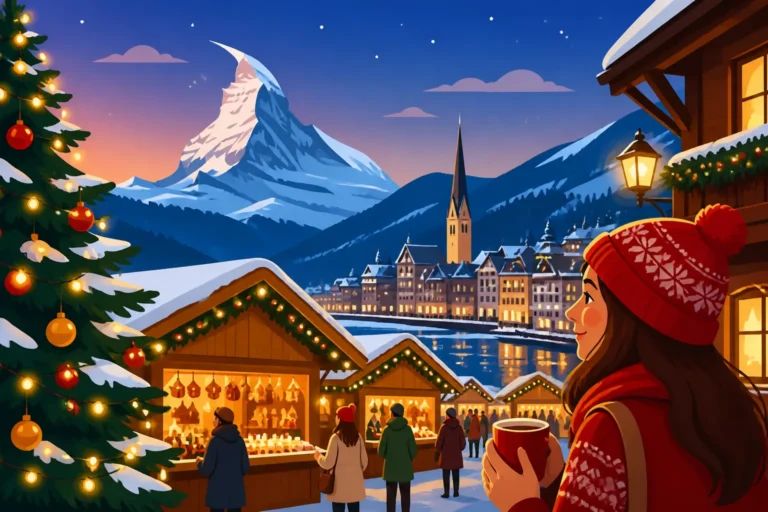
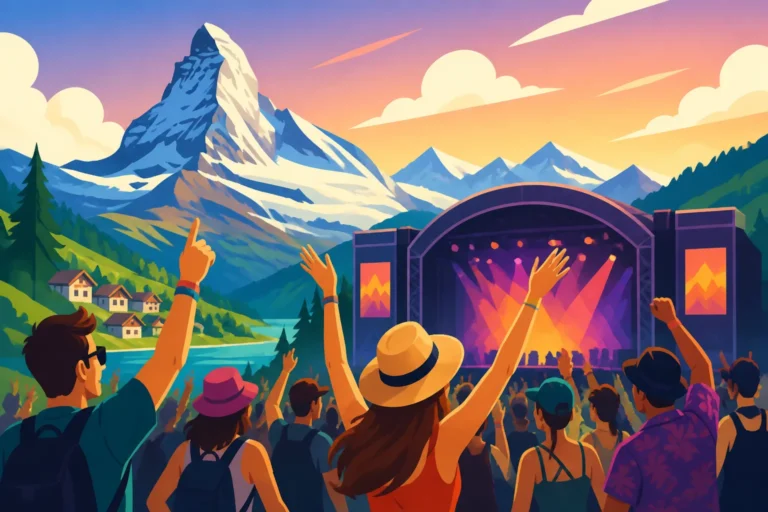
Beyond these broad seasonal peaks, always check local event calendars. Swiss Christmas Markets: The Best in Zurich, Basel, and Montreux, for example, transform cities into magical hubs, but also make hotel rooms incredibly scarce and expensive from late November through December. Major trade fairs in Basel or Geneva, or cultural festivals like the Montreux Jazz Festival, will also cause localized price surges. A quick search for "events in [city name] [month]" can save you a lot of grief.
The Sweet Spot: Shoulder Seasons and Mid-Week Stays
For those looking to balance good weather with more reasonable prices, the shoulder seasons are your best friend. This typically means late April to May, and September to October. During these months, the weather can still be beautiful – think vibrant spring blooms or stunning autumn foliage – but the crowds have thinned out, and hotels are more likely to offer competitive rates. You might even find pleasant conditions for exploring the Swiss Alps for Expats: Hiking, Skiing, and Mountain Access without the summer crowds on the trails.
Similarly, consider planning your stays from Sunday night through Thursday night. Weekend rates, especially Friday and Saturday, are almost universally higher in Switzerland. Many business hotels in cities that are quiet on weekends will offer special "leisure" packages to fill rooms, while mountain hotels might have slightly lower mid-week rates once the weekend warriors have left. Flexibility with your dates can truly pay off here, helping you stick to your Budget Travel in Switzerland: Seeing the Country Without Overspending.
Last-Minute vs. Advance Booking: The Swiss Reality
In many places, a last-minute booking can sometimes yield a fantastic deal as hotels try to offload unsold inventory. In Switzerland, this is generally not the case, particularly in popular areas. While you might occasionally stumble upon a small discount in a less touristy town or during an extremely quiet period, relying on last-minute deals is a risky strategy that more often leads to limited choices and higher prices.
For anything resembling a good experience in a desirable location, advance booking is almost always recommended. For major cities like Zurich, Geneva, or Lucerne, and popular mountain destinations, booking 3-6 months in advance is a safe bet. For peak seasons and high-demand events, push that out to 9-12 months if you can, especially if you have specific hotel preferences or need multiple rooms. Even for simpler options like Hostels and Holiday Apartments, booking ahead ensures you get your pick. The Swiss value punctuality and planning, and the booking landscape often reflects this national trait.
Top Platforms and Strategies for Finding Hotels in Switzerland
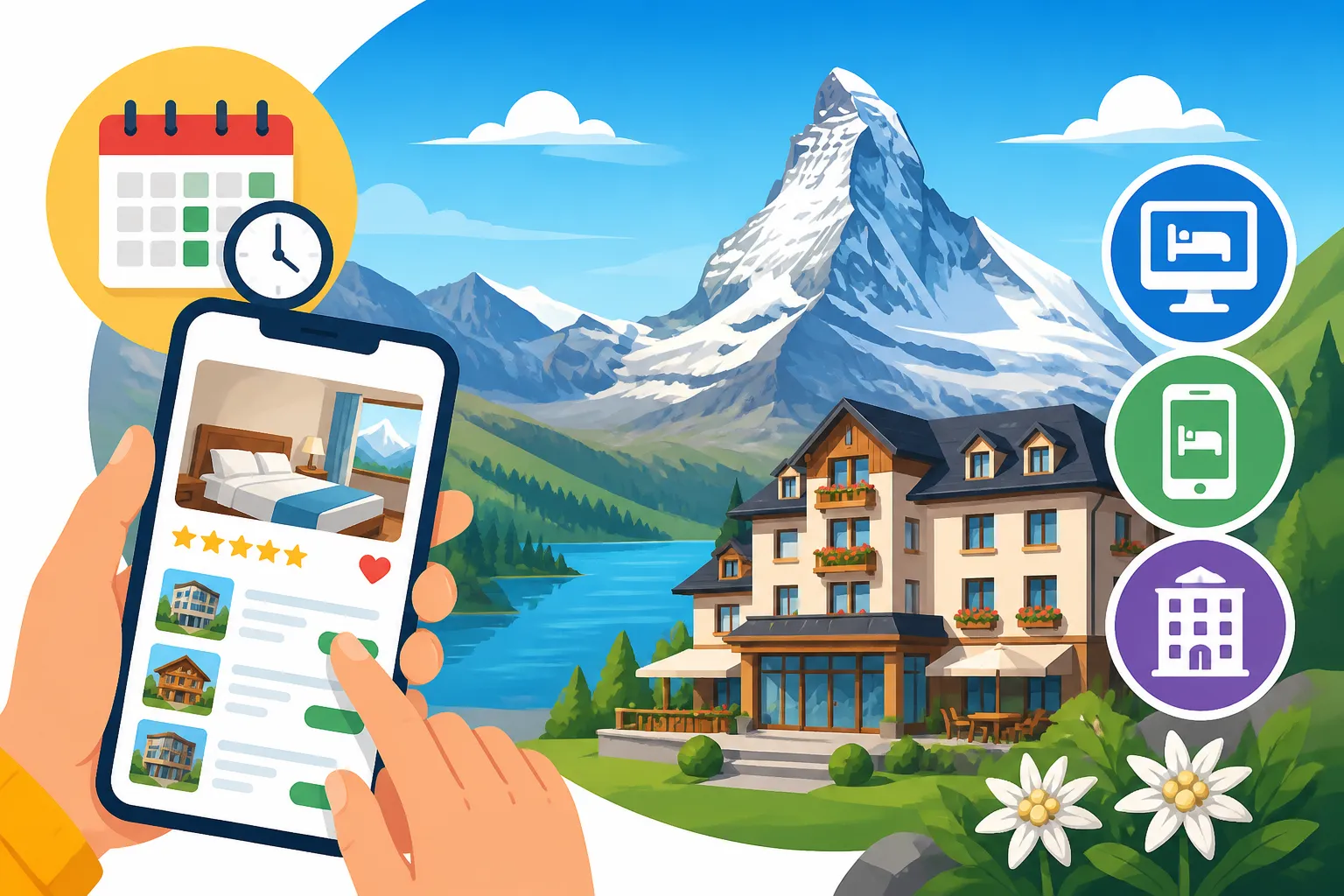
Once you’ve got your timing down, the next step is knowing where to look. There’s a vast ocean of booking sites out there, but some are definitely more useful than others when navigating the Swiss market.
Major Online Travel Agencies (OTAs) and Their Role
For most initial searches, the big OTAs are indispensable. They offer a broad overview of options, pricing, and availability.
- Booking.com: This is arguably the most dominant platform in Europe, and certainly in Switzerland. You'll find the widest array of hotels, from luxury resorts to budget guesthouses, often with comprehensive reviews and flexible cancellation policies. It's usually my first stop to get a sense of the market. Its extensive filter options are also incredibly helpful for narrowing down choices by price, location, and amenities.
- Expedia / Hotels.com: These are also popular and can sometimes offer different package deals (e.g., flight + hotel). It’s always worth cross-referencing prices here, as competitive pricing can vary.
- Agoda: While more known for Asia, Agoda sometimes pops up with competitive rates for certain Swiss properties, so don’t discount it entirely, especially for more budget-friendly options.
Remember, while OTAs are great for discovery and comparison, they often charge hotels a commission. This doesn't always translate to higher prices for you, but it's worth keeping in mind. And sometimes, these platforms will list experiences too. For example, you might find tours or activities through platforms like GetYourGuide that could influence where you decide to stay based on proximity to an attraction.
Direct Bookings and Hotel Websites
After you've identified a few potential hotels on an OTA, always, always check the hotel's official website. Many Swiss hotels, especially independent ones or smaller chains, will offer incentives for direct bookings. This could include:
- A slightly lower price: To bypass OTA commissions.
- Added perks: Free breakfast, a welcome drink, a room upgrade, or perhaps a free public transport pass for the local area.
- More flexible cancellation terms: Especially important given how quickly plans can change.
- Access to loyalty programs: If you travel frequently, sticking with a specific chain can earn you points or status that bring future benefits.
For larger chains like Marriott, Hilton, or Accor, joining their loyalty programs and booking directly through their sites is almost always beneficial. Even smaller, local chains might have their own programs. Never underestimate the power of direct communication with the hotel either – a friendly email asking about special offers can sometimes yield unexpected results.
Lesser-Known Gems: Local Tourism Sites and Niche Platforms
Don't stop at the big names! Switzerland has a fantastic network of regional and local tourism offices, and their websites can be goldmines.
- MySwitzerland.com: The official tourism board website is excellent for destination inspiration and often links directly to local hotel listings or specific deals.
- Regional Tourism Sites: If you know which canton or specific town you're visiting (e.g., Swiss Cities Guide: Zurich, Geneva, Basel, Bern, and Beyond), search for their official tourism site (e.g., "Zürich Tourismus" or "Engadin St. Moritz Tourismus"). These sites often feature smaller, independent hotels and guesthouses that might not heavily market themselves on international OTAs, and they can have unique local packages.
- Swiss Historic Hotels: If you're looking for character and history, this specific association lists charming, historic properties that offer a different kind of experience.
- Hotelleriesuisse: The national hotel association often has a directory that can be useful for finding certified hotels.
Sometimes, transportation platforms like Omio can indirectly assist by showing you the best ways to get between cities, which might lead you to explore hotel options in smaller, well-connected towns that are more affordable than the major hubs.
Alternative Accommodation: Apartments, Hostels, and Mountain Huts
Hotels aren't the only game in town, and for many expats and budget-conscious travelers, alternatives offer significant savings and a different experience.
- Serviced Apartments (e.g., Vision Apartments, CityPop): These are fantastic for longer stays or for families. They offer the comfort of an apartment with some hotel-like services. You can find more about these options by checking out Finding Temporary Serviced Apartments: Vision Apartments and CityPop. They often have kitchenettes, allowing you to save on eating out, which, let's face it, is a huge budget booster in Switzerland.
- Hostels: Switzerland has a great network of youth hostels, which are usually incredibly clean, safe, and often located in stunning areas. They’re not just for young backpackers anymore; many offer private rooms and are excellent for families on a budget.
- Vacation Rentals (Airbnb, HomeAway, etc.): For those who prefer self-catering, renting an entire apartment or chalet can be more cost-effective, especially for groups or families. Just be aware of local regulations and tourist taxes, which might be added on.
- Mountain Huts (SAC Huts): If you're a hiker, staying in a Swiss Alpine Club (SAC) hut is an unforgettable, albeit rustic, experience. These are not hotels, but basic accommodation high in the mountains, offering dormitory-style sleeping and simple meals. They are significantly cheaper than hotels and offer unparalleled access to hiking trails. Check out our guide on The Swiss Alps for Expats: Hiking, Skiing, and Mountain Access for more insights into these experiences.
Tips for Securing the Best Value and Avoiding Pitfalls
Even with the right timing and platforms, a few extra tricks can help you optimize your hotel booking strategy in Switzerland.
Leveraging Loyalty Programs and Memberships
As mentioned, chain loyalty programs are powerful, but don't overlook other memberships.
- SBB Half-Fare Card / GA Travelcard: While not directly for hotels, these train passes significantly reduce transport costs, making it feasible to stay slightly outside city centers where hotels are often cheaper. The money saved on transport might allow you to upgrade your accommodation choice! A useful resource for this is The Half-Fare Travelcard (Halbtax): The Must-Have Pass for Swiss Residents.
- Swiss Alpine Club (SAC) Membership: If you're a keen hiker, an SAC membership gets you discounted rates at mountain huts across Switzerland and neighboring countries.
- Hotel Loyalty Programs: If you frequently visit Switzerland or stay with international chains, accumulating points can lead to free nights or significant discounts.
Reading the Fine Print: Cancellation Policies and Tourist Taxes
This might sound like a boring detail, but it can save you a world of hurt.
- Cancellation Policies: Always check this, especially if your plans are uncertain. Some "non-refundable" rates are significantly cheaper, but you're locked in. Many Swiss hotels offer free cancellation up to 24 or 48 hours before check-in, which is highly recommended for flexibility.
- Tourist Taxes (Kurtaxen): Most cantons and communes levy a tourist tax per person per night. This is usually a small amount (a few francs), but it can add up for longer stays or multiple people. Sometimes it's included in the displayed price on OTAs, sometimes it's explicitly stated as "payable at the hotel." Clarify this to avoid surprises. In many cities, paying this tax grants you a local visitor card (like the BaselCard or Geneva Pass) which offers free public transport and discounts on attractions, so it's not all bad!
- Resort Fees / Service Charges: Less common than in some other countries, but always double-check if there are any additional mandatory fees beyond the room rate and tourist tax.
Geographical Considerations: Commuter Towns vs. Tourist Hotspots
Switzerland is incredibly well-connected by its public transport system. This means you don't always have to stay in the absolute heart of a major city or ski resort to enjoy it.
- Commuter Towns: Consider staying in smaller towns just a short train ride away from Zurich, Geneva, or Lucerne. For example, Rapperswil or Winterthur are easily accessible from Zurich and often have more affordable and charming hotels. You could learn more about transport by reading our guide to Switzerland by Train: The SBB Network, Scenic Routes, and Day Trips. This strategy is also useful for understanding the broader Renting in Switzerland: The Complete 2027 Guide for Expats context where commuter zones are often key.
- Mountain Valleys: Instead of staying directly in a high-profile ski village, look at options in the valley below. A quick bus or train ride can get you to the lifts, but your accommodation costs could be significantly lower. Plus, you might find that the local shops and restaurants in these areas are more authentic and less geared towards fleeting tourists.
- Cross-Border Options: For cities very close to the border, like Geneva or Basel, some travelers consider staying just across in France or Germany. This can sometimes offer significant savings, but you need to factor in daily commuting time, transport costs, and potential border queues or administrative hurdles. It’s a trade-off, and one that requires careful planning.
Here's a quick comparison of popular booking platforms to help you decide:
| Feature | Booking.com | Hotels.com / Expedia | Airbnb / HomeAway | Direct Hotel Website |
|---|---|---|---|---|
| Pros | Huge inventory, detailed reviews, good filters, often flexible cancellation | Bundle deals (flights+hotel), loyalty program (Hotels.com rewards) | Unique properties, self-catering, good for groups/long stays, local experience | Best rate guarantee often, exclusive perks, clearer communication, loyalty points |
| Cons | Can feel impersonal, prices not always lowest | Less inventory than Booking.com, sometimes complex UI | Variable quality, host dependency, less flexible cancellation, cleaning fees | Limited to one brand, less comparison, fewer reviews for small hotels |
| Best For | Broad search, comparisons, last-minute (if unavoidable) | Package deals, earning free nights with loyalty | Families, groups, extended stays, unique experiences | Confirming best price, securing specific rooms, loyalty members |
| Swiss Specific Notes | Very popular, wide coverage across all cantons and towns. | Also widely used, good for international chains. | Growing in popularity, especially for chalets and city apartments. | Often includes public transport pass for local area. |
When you’re planning your trip and booking your stays, remember that Switzerland is a small country with excellent public transport. Often, staying a bit outside the most expensive core areas can save you a lot, and you won’t feel isolated. Whether you're planning a multi-city adventure or a quiet retreat in the mountains, taking the time to understand the nuances of Swiss hotel booking will make your experience much smoother and, hopefully, leave a bit more in your pocket for that delicious Swiss chocolate or a scenic train ride!
Disclaimer
This article is for general informational purposes only and does not constitute professional advice. Laws, prices and regulations vary by location and change over time. Consult a qualified professional for guidance on your specific situation.