Aletsch Glacier Viewpoints: The Easiest Way to See It
Trying to navigate the majestic Swiss Alps to witness truly iconic sights like the Aletsch Glacier can feel utterly overwhelming for expats, especially when you're not a seasoned mountaineer or a hardcore hiker. You see those breathtaking photos, dream of standing amidst such grandeur, but then the logistics hit you: cable cars, multiple transfers, varying levels of difficulty. This guide is here to cut through the confusion and show you the most straightforward, easiest ways to experience the magnificent Aletsch Glacier, ensuring you get those postcard-perfect views without needing specialized gear or an expedition planner.
The Aletsch Glacier: A Natural Wonder with a Swiss Challenge
Let's be honest, Switzerland is full of incredible mountains, but the Aletsch Glacier holds a special, almost mythical status. It’s not just a glacier; it's the largest and longest glacier in the Alps, a true natural marvel. Seeing it in person is a profound experience, one that many expats put right at the top of their Swiss bucket list.
Understanding the Glacier's Immense Scale and Significance
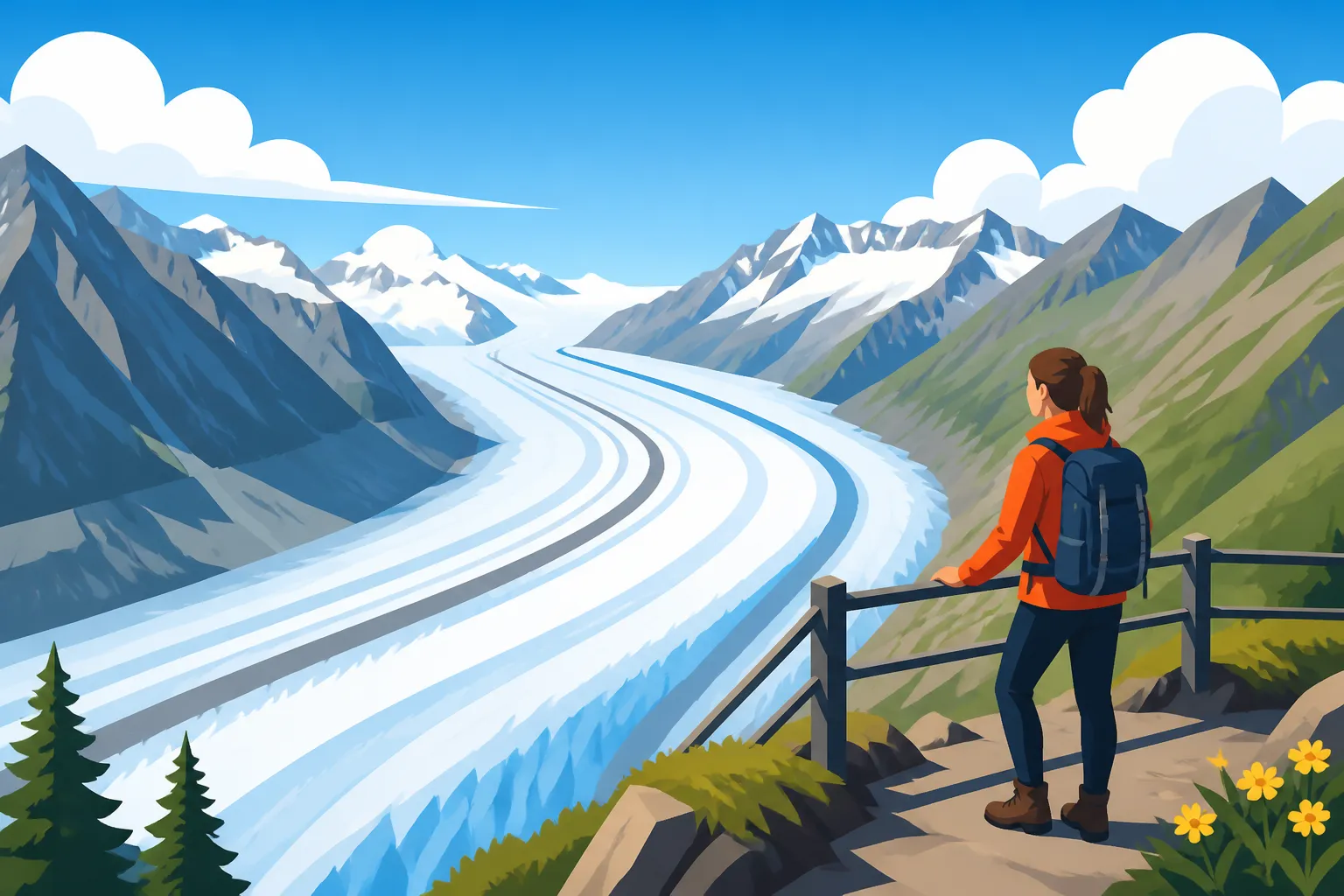
Imagine a river of ice, stretching for about 23 kilometers (that’s over 14 miles!) and covering more than 80 square kilometers. That’s the Aletsch Glacier, a colossal mass of ancient ice slowly, imperceptibly, carving its way through the landscape of the Bernese Alps. It’s so significant that it's part of the UNESCO World Heritage Site "Swiss Alps Jungfrau-Aletsch," a designation that speaks volumes about its ecological and geological importance.
From certain viewpoints, you truly grasp its sheer size. The vastness of the ice, the deep crevasses, the moraines – it's a humbling sight. When you look at it, you're not just seeing ice; you're seeing millennia of geological history, a powerful reminder of nature's relentless forces and, sadly, the visible impact of climate change. For many, it's a powerful moment of reflection, seeing something so ancient and grand, yet so vulnerable.
The "Swiss Challenge" of Alpine Accessibility for Newcomers
Now, here’s where the "Swiss challenge" often comes in for us expats. Unlike some destinations where you can simply drive up to a viewpoint, accessing the Aletsch Glacier involves a distinct Swiss approach: efficient, multi-stage public transport, usually culminating in a series of cable cars. This system is incredible once you understand it, but for a newcomer, it can feel like deciphering a complex puzzle. Which cable car from which village? What’s the difference between Bettmeralp, Riederalp, and Fiescheralp? And how much is this all going to cost?
The goal isn't just to "get there" but to actually see the glacier comfortably and without unnecessary stress. Many of us aren't looking to don crampons or embark on a multi-day trek (though those are certainly options for the more adventurous!). We simply want to witness this natural wonder with relative ease, maybe enjoy a warm drink at a panoramic restaurant, and soak in the views. This guide is built precisely for that desire – a straightforward path to an awe-inspiring experience. If you're generally interested in how to navigate the mountains, you might also find our guide on Mountain Railways and Cable Cars: Reaching Switzerland’s Peaks helpful.
The Easiest Gateway: Cable Cars to the Aletsch Arena Plateau
The beauty of the Aletsch Glacier region, often marketed as the "Aletsch Arena," is its incredible accessibility despite its high-alpine location. The key to seeing it easily lies in the fantastic network of cable cars that whisk you up from the Rhône Valley floor to the car-free villages on the Aletsch plateau: Riederalp, Bettmeralp, and Fiescheralp. From these charming villages, further cable cars or short, well-marked paths lead directly to the prime glacier viewpoints.
Choosing Your Starting Point: Mörel, Betten, or Fiesch
Your journey to the Aletsch Glacier generally starts from one of three valley stations, all easily reachable by train in the canton of Valais:
- Mörel (for Riederalp): This is the westernmost gateway. The cable car from Mörel takes you directly to Riederalp, a lovely car-free village with stunning views and access to the Moosfluh and Hohfluh viewpoints. It’s often a bit quieter than Bettmeralp.
- Betten Talstation (for Bettmeralp): Located in the middle, the cable car from Betten Talstation (not to be confused with Betten Dorf, which is higher up) ascends to Bettmeralp. This village is arguably the most popular, bustling with families and offering direct access to the Bettmerhorn viewpoint.
- Fiesch (for Fiescheralp): The easternmost access point, the cable car from Fiesch takes you up to Fiescheralp, a high-altitude hamlet that serves as the base for the cable car to the Eggishorn, offering arguably the most expansive views of the glacier.
All three valley stations are well-connected by the SBB train network, making it entirely feasible to visit without a car. This is a common and efficient way to explore Switzerland. For a broader understanding of how to use the fantastic rail system, check out our piece on Switzerland by Train: The SBB Network, Scenic Routes, and Day Trips.
The Scenic Ascent: Your Cable Car Journey to the Car-Free Villages
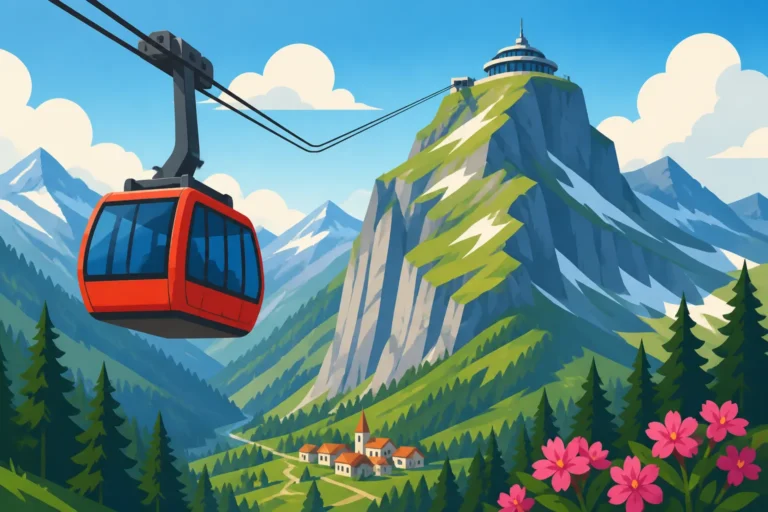
Once you've chosen your starting point (often dictated by which viewpoint you prioritize or which part of the glacier region you want to explore first), the cable car ride itself is part of the experience. These aren't just utilitarian lifts; they're modern, comfortable, and offer increasingly spectacular views as you climb thousands of meters above the valley.
As you ascend, the everyday world falls away. The Rhone Valley stretches out below you, the air gets crisper, and soon you're surrounded by an alpine panorama. The journey to these car-free villages, like Bettmeralp or Riederalp, is a delight in itself. You step out into a pedestrianized paradise, often greeted by traditional chalets and the sweet chime of cowbells in summer. It’s an immediate shift into that quintessential Swiss mountain charm.
From these villages, you then connect to another cable car, or take a short walk, to reach the ultimate glacier viewpoints. Don't worry, the signage is excellent, and the system is designed to be intuitive for visitors. Just follow the signs for "Bettmerhorn," "Eggishorn," "Moosfluh," or "Hohfluh."
Bettmerhorn and Eggishorn: Unforgettable Panoramas, Minimal Effort
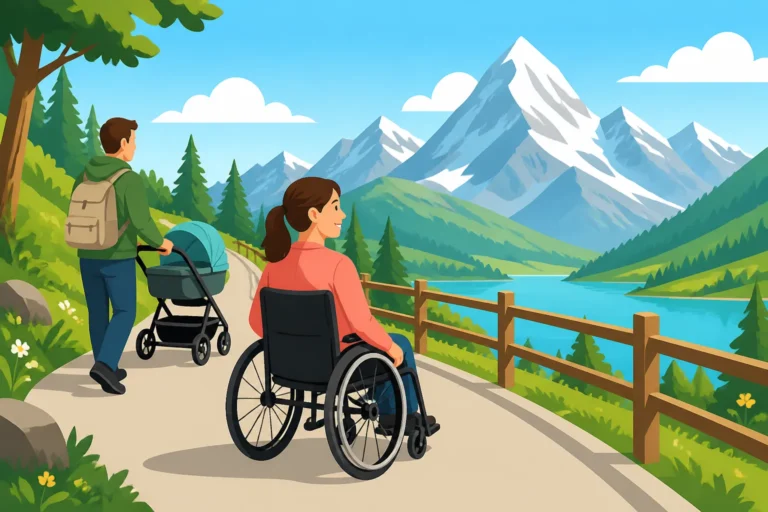
When it comes to the "easiest way" to see the Aletsch Glacier, the absolute standouts are the viewpoints at Bettmerhorn and Eggishorn. These are designed for maximum impact with minimal physical exertion, perfect for families, those with limited mobility, or anyone who simply wants to gaze in awe without breaking a sweat.
Bettmerhorn: A Grandstand View with Family-Friendly Options
From the charming village of Bettmeralp (reached by cable car from Betten Talstation), another gondola whisks you up to Bettmerhorn (2,647m). When you step out, you’re immediately faced with a truly breathtaking vista. The Aletsch Glacier sprawls out before you, its immense curves and contours clearly visible. It feels like standing in a natural amphitheater, with the glacier as the main stage.
What makes Bettmerhorn particularly accessible and family-friendly is the infrastructure. There’s a panoramic restaurant right at the summit station where you can grab a coffee, a meal, or even just a warm soup while drinking in the views. The viewing platforms are spacious and secure, often featuring informative panels that explain the glacier’s geology and its current state. You can spend a good hour or two here, just observing and photographing. For kids, there are often playful elements and plenty of space to run around, keeping them entertained while you marvel at the landscape. It’s truly a grandstand view, easily enjoyed by almost anyone.
Eggishorn: The Ultimate Glacier Panorama (and a Thrilling Ride)
If you're looking for the most expansive view of the entire Aletsch Glacier, then Eggishorn (2,869m) is your destination. You reach it by taking the main cable car from Fiesch to Fiescheralp, and then connecting to a smaller, more thrilling cable car that climbs steeply to the very summit. This second leg of the journey is an adventure in itself, with incredible aerial views of the landscape unfolding beneath you.
Once at the top, the panoramic platform on Eggishorn offers an unparalleled 360-degree vista. You see the entire sweep of the Aletsch Glacier, from its origins high up near the Jungfraujoch all the way down to the Massa Gorge. On a clear day, you can also spot iconic peaks like the Matterhorn and Mont Blanc in the distance. There's a small summit cross here, and while there isn't a large restaurant like Bettmerhorn, there's usually a small kiosk for refreshments. The platform is well-secured, allowing for safe exploration and photography. It’s truly a moment where you feel on top of the world, effortlessly soaking in one of Switzerland's most magnificent natural spectacles. You could even use a site like Omio to plan your train journey to Fiesch, ensuring a smooth connection to the cable cars.
Short, Gentle Walks from the Summit Stations
Even for those prioritizing ease, there are often short, relatively flat paths right around the summit stations that allow for a gentle stroll without requiring any serious hiking gear. From Bettmerhorn, for example, there are paved or well-maintained gravel paths that loop around the immediate area, offering different angles of the glacier and surrounding peaks. These are perfect for getting away from the immediate crowds at the cable car exit, finding a quiet spot to sit, and simply enjoying the tranquility.
Similarly, from Eggishorn, while the immediate summit area is rockier, there are often clear, marked paths that allow you to explore the ridge a bit, always with the glacier in view. These aren't strenuous hikes, but rather opportunities to stretch your legs, breathe in the crisp mountain air, and find your perfect photo spot. Always remember that even gentle alpine walks require sensible shoes and checking the weather – you can never be too prepared in the mountains! Our guide on What to Pack for a Day Trip to the Swiss Alps has some great advice.
Practical Planning for Your Glacier Adventure
Getting to the Aletsch Glacier easily requires a bit of planning, especially when it comes to transportation and tickets. But trust me, once you understand the system, it's incredibly straightforward and designed to make your journey as seamless as possible.
Navigating Public Transport and Ticket Systems
Switzerland's public transport system is legendary for its efficiency, and the Aletsch Arena is no exception. As mentioned, your journey will likely involve an SBB train to Mörel, Betten Talstation, or Fiesch, followed by one or two cable car rides. Here’s a quick breakdown:
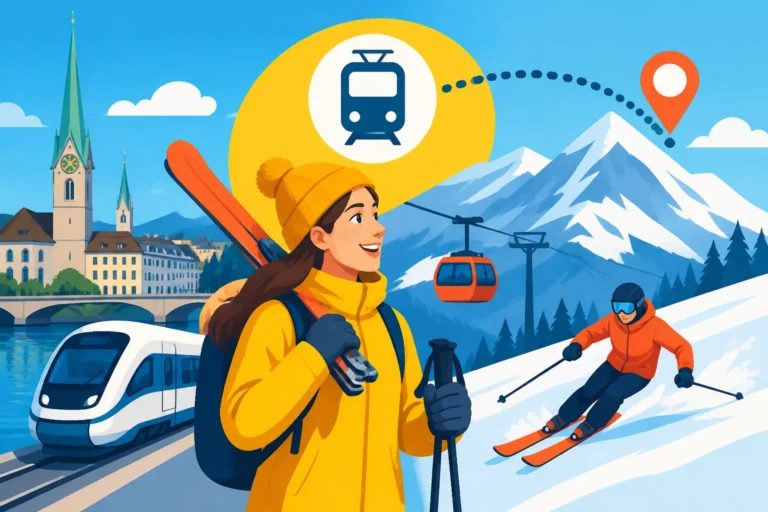
- Train Journeys: Use the SBB website or app to plan your train route from anywhere in Switzerland. Direct trains from major cities like Zurich, Bern, or Geneva will take you towards Brig or Visp, where you'll typically transfer to a regional train that stops at your chosen valley station (Mörel, Betten Talstation, or Fiesch). This is where a service like Omio can be really useful for buying your train tickets in advance and seeing all the connections.
- Cable Car Tickets: Once you arrive at the valley station, you'll purchase tickets for the cable cars. You can buy individual return tickets for each leg (e.g., Fiesch to Fiescheralp, then Fiescheralp to Eggishorn) or look into the "Aletsch Explorer" pass, which often covers all the cable cars in the region for a day. This pass can be a great value if you plan to visit multiple viewpoints or villages.
- Saving Money: This is Switzerland, so costs can add up! If you live in Switzerland or are visiting for an extended period, a The Half-Fare Travelcard (Halbtax): The Must-Have Pass for Swiss Residents is almost always worth it, as it slashes all train and most cable car fares by 50%. Even a Saver Day Pass (Spartageskarte) bought in advance for your train journey can save you a significant amount.
What to Wear, What to Bring, and When to Go
Even for an "easy" trip to a high-alpine viewpoint, sensible preparation is key to comfort and enjoyment.
- Layer Up: The weather in the mountains can change rapidly, even in summer. Always dress in layers that you can easily add or remove. A warm base layer, a mid-layer (fleece or light jacket), and a waterproof/windproof outer shell are essential.
- Footwear: Even if you're only planning short walks around the viewpoints, wear comfortable, sturdy shoes with good grip. Sneakers are generally fine for paved paths, but hiking boots are better if you venture even slightly off the main areas.
- Essentials: Don't forget sunglasses (the glare off the ice and snow can be intense, even in summer), sunscreen, a hat, and a reusable water bottle. A small backpack for these items, plus snacks, is a good idea. Binoculars can also enhance your view of the glacier's details.
- Best Time to Go:
- Summer (June-September): This is the most popular time. The weather is generally warmest and most stable, and all cable cars and paths are open. You'll see green alpine meadows contrasting with the ice.
- Autumn (October-November): Often brings stunning clear skies and vibrant larch tree colors, though it can get chilly. Some cable car schedules may be reduced towards the end of the season.
- Winter (December-April): The region transforms into a winter wonderland, popular for skiing and snowshoeing. The glacier is covered in snow, offering a different kind of beauty. Cable cars still run, but paths around the viewpoints might be snow-covered and require winter footwear.
Always check the weather forecast and the operating status of the cable cars before you head out. Websites like MétéoSuisse or local Aletsch Arena webcams (which you can find via a quick search) are your best friends for this. Our guide on Weather Apps and Webcams for Planning Swiss Mountain Trips offers more insights.
Beyond the Main Viewpoints: Moosfluh and Other Hidden Gems
While Bettmerhorn and Eggishorn offer the most accessible and iconic glacier views, the Aletsch Arena has a few other accessible gems worth considering, especially if you have a bit more time or want to experience the glacier from different angles.
Moosfluh: A Dynamic Viewpoint with Geodynamic Changes
For a slightly different perspective, consider heading to Moosfluh (2,333m). You access it via a cable car from Riederalp. What makes Moosfluh unique is its direct proximity to the glacier and the fact that its viewing platform literally moves with the mountain, thanks to geological shifts! It offers incredible close-up views of the glacier's massive tongue, and you can truly appreciate the scale and power of the ice.
From Moosfluh, there's often a lovely, relatively flat panoramic trail that hugs the ridge, leading towards the Riederfurka and the beautiful Villa Cassel, a historic manor house that now serves as a Pro Natura center and hotel. This walk is generally easy and offers continuous views of the glacier and the surrounding landscape. It's a fantastic option if you want to spend a bit more time immersed in the environment without committing to a full-blown mountain hike. There's usually a charming mountain restaurant here, too, where you can enjoy a coffee or a meal with a view.
Considerations for More Adventurous Exploration
While this guide focuses on the easiest ways, it's worth noting that the Aletsch Arena offers a plethora of options for those craving more adventure.
- Longer Hikes: From any of the main viewpoints or villages (Riederalp, Bettmeralp, Fiescheralp), you can embark on longer, well-marked hiking trails that traverse the Aletsch Forest, lead to the glacier snout, or connect the different viewpoints. These require more time, better fitness, and appropriate hiking gear, but they offer even deeper immersion into this pristine environment. Some of these trails are considered easy to moderate, perfect for building up your confidence. You can learn more about different trail difficulties in our Swiss Hiking for Beginners: Trail Grades and the SAC System article.
- Glacier Treks: For the truly adventurous, guided glacier treks are available, allowing you to actually walk on the Aletsch Glacier with a certified mountain guide. This is a completely different experience, requiring specialized equipment (crampons, harness, rope) and a professional guide, but it's an unforgettable way to connect with the ice. These are typically organized by local mountain schools and can be booked in advance through platforms like GetYourGuide or local tour operators.
- Overnight Stays: To fully appreciate the alpine tranquility, consider staying overnight in one of the car-free villages like Bettmeralp or Riederalp. Waking up to mountain views and having the early morning or late evening light on the glacier is magical. You can find many lovely chalets and hotels through platforms like Booking.com.
The point is, the easy viewpoints are just the beginning. The Aletsch Glacier region is a place you can revisit again and again, each time discovering a new layer of its immense beauty and finding an adventure that suits your current mood and energy level.
Aletsch Arena Viewpoints Comparison
Here's a quick comparison of the most popular and easily accessible viewpoints for the Aletsch Glacier:
| Viewpoint | Elevation (m) | Main Access Point | Cable Car Stages from Valley | Key Feature | General Ease of Access | Notes |
|---|---|---|---|---|---|---|
| Bettmerhorn | 2,647 | Bettmeralp | 2 (Betten-Bettmeralp-Bettmerhorn) | Wide panoramic view of the glacier's curve, good infrastructure. | Very Easy | Panoramic restaurant, paved paths, family-friendly. Ideal for first-timers. |
| Eggishorn | 2,869 | Fiescheralp | 2 (Fiesch-Fiescheralp-Eggishorn) | Most expansive 360° view of the entire glacier, Matterhorn in distance. | Very Easy | Higher altitude, more exposed, small kiosk. Thrilling final cable car. |
| Moosfluh | 2,333 | Riederalp | 2 (Mörel-Riederalp-Moosfluh) | Close-up view of the glacier tongue, dynamic moving platform. | Easy | Scenic ridge walks, good for different perspectives, leads to Villa Cassel. |
Disclaimer
The information provided in this guide is for general informational purposes only and does not constitute professional advice. While we strive to ensure accuracy, details such as prices, schedules, and regulations in Switzerland can change. Always verify current information with official sources, such as SBB, local tourism boards, and cable car operators, before making any travel plans. The author and publisher are not responsible for any actions taken based on the information provided herein. Mountain activities inherently carry risks; always assess your capabilities, wear appropriate gear, and respect nature.