Day Trips from Bern: Thun, Interlaken, and the Emmental
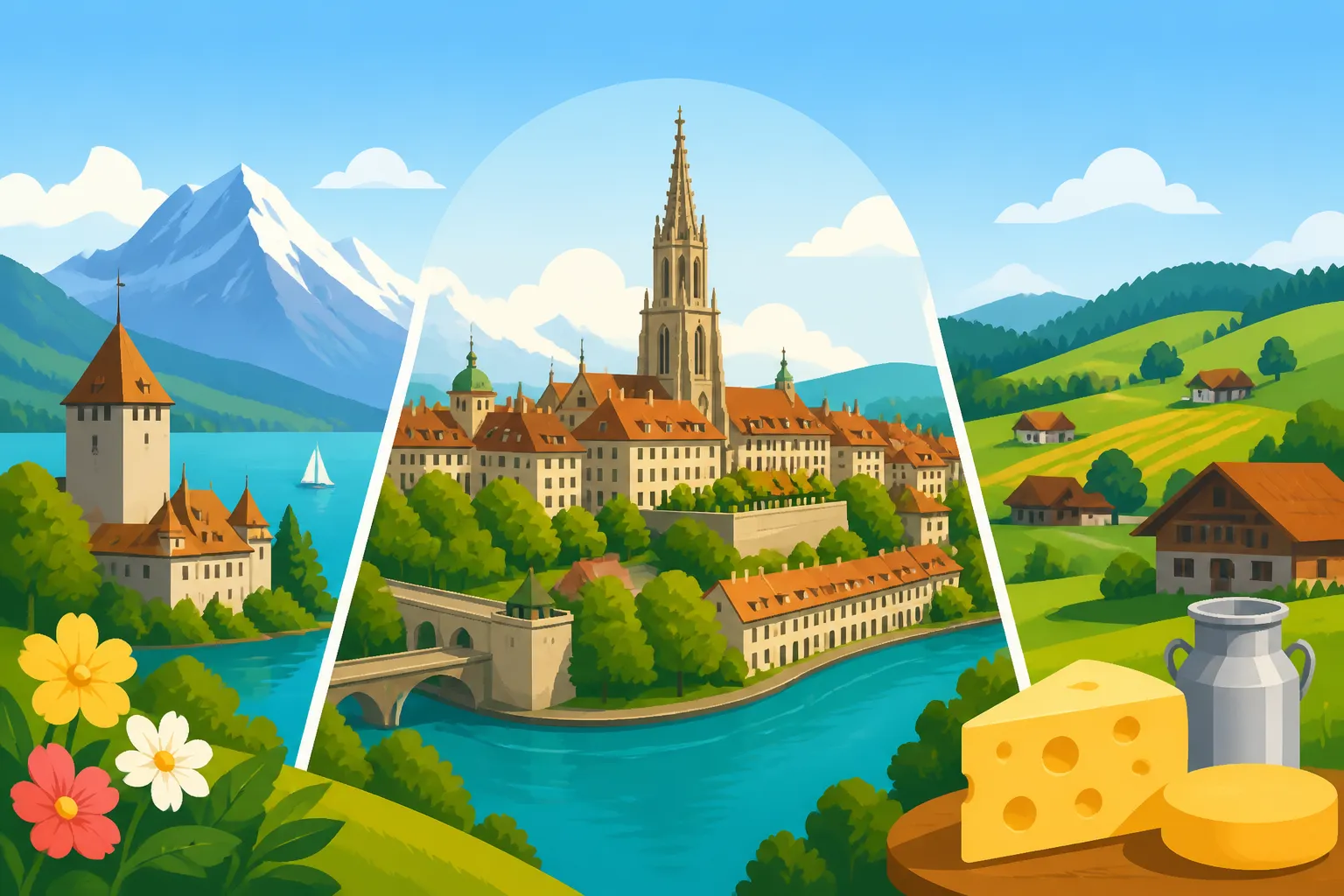
As an expat who’s called Switzerland home for years, I know that initial feeling: you arrive in Bern, settle into its picturesque medieval charm, and then start to wonder, "Okay, now what?" You see all those stunning mountain photos and glistening lakes, but figuring out how to get there, what’s worth seeing, and how to avoid breaking the bank can feel like a whole other administrative hurdle. This guide is designed to cut through that noise, offering you a deeply personal, practical roadmap to three utterly fantastic day trips from Bern – to the idyllic lakeside town of Thun, the adrenaline-pumping Interlaken, and the rolling, cheesy hills of the Emmental region.
Why Bern is Your Perfect Gateway to Swiss Adventures
Bern, our beloved capital, isn't just a UNESCO World Heritage site with bears and medieval arcades; it's also a surprisingly strategic launchpad for exploring some of Switzerland's most iconic landscapes and experiences. For new arrivals, its central location and excellent transport links mean you don't need to fret about car ownership or complex navigation to immerse yourself in Swiss beauty.
Bern's Central Location and Transport Hub
When I first moved here, I was a bit intimidated by the sheer number of destinations within what looked like a short train ride. But Bern's main train station (Bern Hauptbahnhof) is a true marvel of efficiency and connectivity. It's like the heart of a well-oiled machine, pushing out trains in every direction, making it incredibly easy to reach almost any major town or region in the country within an hour or two. This central position is a game-changer for day trips. You're not stuck having to go back to Zurich or Geneva to get to a different region; Bern is perfectly situated to bridge the German, French, and even Italian-speaking parts of Switzerland. For example, you can be enjoying a relaxed morning coffee in Bern's Old Town, and by lunchtime, you could be sailing on Lake Thun, hiking in the Bernese Oberland, or even exploring the Gruyères region.
Embracing Car-Free Exploration from Bern
One of the biggest anxieties for many expats is the thought of driving in a new country, especially one with notoriously strict traffic rules and challenging mountain roads. The beauty of Switzerland, and particularly when based in Bern, is that you absolutely don't need a car for most major explorations. The public transport system here is, frankly, legendary. The trains, buses, and even boats are integrated seamlessly, often running like clockwork, and usually take you directly to where you want to go. Forget the stress of parking, navigating unfamiliar roads, or figuring out winter tires. I learned early on that the best way to travel around Switzerland is often by letting someone else do the driving, allowing you to simply sit back, soak in the views, and actually enjoy the journey itself. Plus, with the SBB Travelcards: Is the Generalabonnement (GA) Worth the CHF 4000+ Cost? or The Half-Fare Travelcard (Halbtax): The Must-Have Pass for Swiss Residents, your travel costs can become significantly more manageable.
Making the Most of SBB Connections
The Swiss Federal Railways (SBB) is your best friend here. Their website and app are incredibly user-friendly, providing real-time schedules, platform information, and even predicting how full a train might be. You can plan your entire day trip, from the moment you leave your apartment in Bern to your arrival at a mountain cable car station, all through one system. For example, traveling from Bern to Interlaken Ost is a direct, comfortable journey that takes just under an hour. To Thun, it’s a mere 20-minute hop. Even reaching the heart of the Emmental is often just a short train and then a PostBus ride. Don't be shy about checking connections; many routes involve a smooth change in an intermediate station like Burgdorf or Konolfingen, which are well-signposted and designed for easy transfers. Trust me, once you get the hang of it, you'll feel like a local navigating the system effortlessly. I often use platforms like Omio to compare routes and book tickets, especially when I'm feeling a bit overwhelmed by too many options or planning a journey that might involve multiple legs.
Charming Lake Thun and its Medieval Treasures
Just a stone's throw from Bern, Lake Thun offers a delightful escape into a postcard-perfect landscape of sparkling blue waters, majestic mountains, and a rich tapestry of history. It's the kind of place where you feel like you've stepped into a fairytale, all within an easy commute from the capital.
Exploring Thun Town: Castle, Aare, and Old Town
Thun itself is a captivating town that deserves more than just a quick glance. Its medieval Old Town, perched along the fast-flowing Aare River as it exits Lake Thun, is a labyrinth of charming alleys, elevated walkways, and flower-bedecked bridges. The iconic Zähringer Castle, with its distinctive white towers, stands sentinel over the town, offering incredible panoramic views from its battlements. I remember my first time climbing up there – the views of the lake, the surrounding peaks, and the terracotta rooftops of the town below were simply breathtaking.
Wandering through Thun, you'll notice the unique "Hochzeitsterrasse" (wedding terrace) and the charming little shops built directly into the bridge over the Aare. It’s a fantastic place for a leisurely stroll, a bit of window shopping, or enjoying a coffee at one of the lakeside cafes. In summer, you'll even spot brave souls floating down the Aare from Interlaken all the way to Bern, passing right through Thun. It's a truly vibrant and picturesque destination that makes you feel instantly relaxed.
Lake Thun Boat Cruises and Shoreline Delights
The lake itself is arguably the main attraction, and a boat cruise is an absolute must-do. The boats operated by BLS offer frequent services connecting Thun with various villages along both shores, including Interlaken. Gliding across the turquoise waters, with the imposing peaks of the Eiger, Mönch, and Jungfrau in the distance, is an experience that truly captures the essence of Switzerland. You can simply enjoy a round trip, or hop off at different stops to explore a lakeside village or castle.
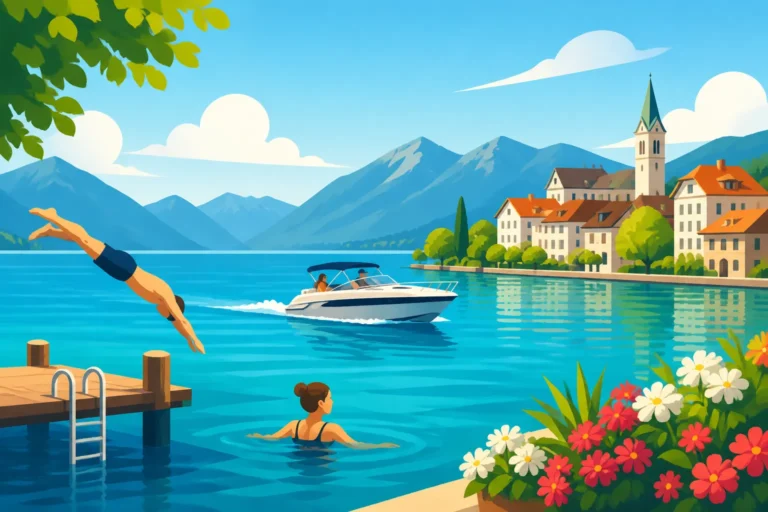
For those who enjoy a bit of active exploration, the shoreline itself is dotted with charming promenades and even small beaches (Badis) for swimming in the warmer months. Imagine taking a dip in the pristine waters with a backdrop of the Alps – it's invigorating! Pack a picnic, find a quiet spot along the shore in Faulensee or Merligen, and just enjoy the tranquility. You can find more ideas for Lake Zurich: Swimming Spots, Boat Trips, and Lakeside Towns, which can give you a good idea of what to expect on Lake Thun as well.
Historical Castles Around Lake Thun (Spiez, Oberhofen)
Beyond Thun Castle, the region boasts several other stunning castles, each with its own unique history and charm. Spiez Castle, dramatically situated on a peninsula jutting into the lake, is another architectural gem. Its medieval keep and baroque new castle offer a fascinating glimpse into centuries of local history. You can reach it easily by boat or a short walk from Spiez train station. The castle grounds are beautiful, perfect for a gentle stroll, and often host cultural events.
Then there's Oberhofen Castle, with its enchanting water tower that seems to float directly on the lake. This castle is exceptionally picturesque and often graces travel brochures. It houses a living museum, showcasing different eras of aristocratic life, and its gardens are impeccably maintained, offering stunning views back towards the Bernese Alps. Visiting these castles provides a wonderful contrast to the bustling city life of Bern and lets you step back in time. You can easily combine a boat trip with visits to one or two of these historical strongholds for a truly rich cultural day out.
Interlaken: The Adventure Capital on Your Doorstep
Just a short, scenic train ride from Bern, Interlaken is where the tranquility of the lakes meets the raw power of the Alps. It’s world-renowned as an adventure capital, but even if adrenaline isn’t your primary goal, it offers an incredible gateway to the stunning Jungfrau region and a wealth of scenic beauty.
Gateway to the Jungfrau Region and Alpine Thrills
Interlaken literally means "between the lakes" (Lake Thun and Lake Brienz), and it truly lives up to its name. It’s an energetic hub, often bustling with international tourists, all eager to experience the majestic mountains surrounding it. From here, you can connect to trains and cable cars heading deep into the Bernese Oberland, including iconic destinations like Lauterbrunnen, Grindelwald, Wengen, and the famous Jungfraujoch 'Top of Europe': Planning the Trip and Saving Money.
For the thrill-seekers, Interlaken is a playground. Think paragliding with panoramic views of the lakes and mountains, canyoning, white-water rafting on the Lütschine River, bungee jumping, and even skydiving. I’ve seen countless people take the leap, and the pure joy (and terror!) on their faces is infectious. If you’re looking for a guided adventure, checking out options on platforms like GetYourGuide can be super helpful. They often bundle experiences or offer pick-up points right from Interlaken, simplifying the logistics. Even if you're not participating, watching the paragliders gracefully descend onto Höhematte Park in the middle of town is a spectacle in itself. It's truly the Exploring Interlaken: Gateway to the Jungfrau Region, setting the stage for unforgettable experiences.
Lake Brienz and Lake Thun: Blue Waters and Water Sports
Interlaken is uniquely positioned between two distinct lakes, each with its own character. Lake Thun, which we just discussed, is known for its deep blue hue and castles. Lake Brienz, on the other hand, captivates with its brilliant turquoise-emerald waters, fed by glacial melt, giving it an almost otherworldly glow. Both lakes offer incredible opportunities for boat trips, stand-up paddleboarding, kayaking, and simply enjoying the pristine alpine air.
Boat cruises on Lake Brienz take you to charming villages like Giessbach, home to the spectacular Giessbach Falls and the historic Grandhotel Giessbach, or to the woodcarving village of Brienz itself. The journey is incredibly scenic, surrounded by steep, forested slopes. In summer, these lakes become vibrant hubs for swimming and watersports, offering a refreshing contrast to the mountain activities. It’s easy to spend a whole afternoon simply relaxing by the water, soaking up the sun, and marveling at the vibrant colors.
Beyond the Thrills: Relaxation and Scenic Views
Even if jumping out of a plane isn't your cup of tea, Interlaken and its surroundings still offer plenty of serene experiences. A visit to Harder Kulm, Interlaken's "home mountain," is a great option. A funicular takes you up to a stunning panoramic viewing platform where you can gaze down at Interlaken, the two lakes, and the iconic peaks of the Bernese Oberland. It's easily accessible and perfect for families or anyone seeking incredible views without a strenuous hike.
Another fantastic option is a gentle walk along the Aare River between the two lakes, enjoying the clean air and the sound of the rushing water. There are also charming souvenir shops, cafes, and restaurants in Interlaken itself. You might also consider exploring the St. Beatus Caves, a natural wonder nestled above Lake Thun, which offer a cool escape and fascinating underground formations. Interlaken is a place where you can easily blend adventure with relaxation, making it a perfect day trip for any type of traveler.
The Serene Rolling Hills of Emmental
Moving away from the dramatic peaks and shimmering lakes, the Emmental region offers a completely different, yet equally captivating, Swiss experience. Think lush green hills, traditional farmhouses, and, of course, the world-famous cheese. It's a tranquil retreat that feels miles away from the hustle and bustle, though it's easily reachable from Bern.
Uncovering the Secret of Emmentaler Cheese
For any food lover, a trip to the Emmental is incomplete without delving into the origins of its namesake cheese. Emmentaler AOP, with its distinctive holes, is a staple of Swiss cuisine, and visiting its birthplace is an absolute delight. The Emmentaler Schaukäserei (show dairy) in Affoltern im Emmental is a fantastic place to start. Here, you can watch cheesemakers at work, learn about the traditional production process, and even try your hand at making a small cheese yourself (or at least observing the process up close!).
I remember being fascinated by the giant copper vats and the sheer scale of the operation, yet still appreciating the artisanal touch. Of course, the best part is the tasting! You can sample different maturities of Emmentaler and other local cheeses. The onsite restaurant often serves delicious traditional dishes featuring the cheese, of course. This area is truly the heart of Swiss Cheese Regions: Gruyère, Emmental, Appenzeller, and More, offering a rich gastronomic adventure. It's a fantastic educational and tasty experience, perfect for families or anyone curious about Swiss culinary heritage.
Picturesque Villages and Traditional Farmhouses
The landscape of the Emmental is characterized by its gentle, rolling hills, dotted with iconic Emmental farmhouses. These grand, wooden structures, with their wide roofs and colourful flower boxes, are architectural beauties and an integral part of the region's charm. Each farmhouse tells a story, and driving or cycling through the countryside, you get a real sense of traditional Swiss rural life.
Villages like Trubschachen, Langnau im Emmental, and Burgdorf are delightful to explore. They offer quaint main streets, local bakeries selling regional specialties (like the famous Emmentaler Nusstorte, a nutty tart), and a slower pace of life. It’s a wonderful place to simply wander, enjoy the fresh air, and soak in the authentic Swiss atmosphere. Burgdorf, in particular, boasts an impressive medieval castle, offering another glimpse into the region's history. It's a far cry from the sleek modernism of cities, providing a grounding and utterly charming experience.
Cycling and Hiking Through the Emmental Landscape
The undulating landscape of the Emmental is tailor-made for outdoor activities, particularly cycling and hiking. The hills might look gentle, but they offer just enough challenge for an invigorating ride or walk, rewarding you with stunning panoramic views around every bend. There are numerous well-marked Cycling Routes in Switzerland: The National Bike Network and hiking trails (check SwitzerlandMobility for maps and routes) that crisscross the region, suitable for various fitness levels.
Imagine cycling past grazing cows, hearing the clang of their bells, and stopping at a local farm stand for fresh milk or direct-from-the-farm cheese. The Emmental is less about dramatic mountain peaks and more about the serene beauty of the Swiss countryside. It's a place where you can truly disconnect, breathe deeply, and appreciate the idyllic rural scenery. Whether you opt for a leisurely bike ride or a more strenuous hike, the Emmental offers a refreshing escape and a chance to experience a different, quieter side of Switzerland.
Practical Planning for Your Bernese Day Trips
Embarking on a day trip from Bern, while relatively straightforward thanks to Switzerland's incredible infrastructure, still benefits from a bit of planning. From understanding the best ways to pay for your journey to knowing what to throw in your backpack, a little foresight goes a long way in ensuring a smooth and enjoyable adventure.
Navigating Public Transport: Tickets and Passes
The Swiss public transport system, while excellent, can seem a bit complex at first glance. The golden rule: always have a valid ticket. Conductors are vigilant, and fines are hefty. For day trips from Bern, your best friend will likely be the SBB Mobile app. You can buy tickets directly through it, often finding "Saver Day Passes" (Spartageskarte) or "Supersaver Tickets" (Sparbillette) if you book far enough in advance. These can significantly reduce costs.
For longer stays or multiple trips, definitely consider The Half-Fare Travelcard (Halbtax): The Must-Have Pass for Swiss Residents. It grants you 50% off almost all public transport tickets (trains, buses, boats, cable cars). For example, a return ticket from Bern to Interlaken might be around CHF 30-40 full price, but with a Half-Fare, it's CHF 15-20. If you plan to travel extensively, the SBB Travelcards: Is the Generalabonnement (GA) Worth the CHF 4000+ Cost? might even be worth considering, especially for those heavy travel months. Remember that mountain railways and cable cars often aren't fully covered by standard tickets, but the Half-Fare Card still gives you 50% off. Using platforms like Omio can also help you compare transport options and prices for your planned routes, giving you a comprehensive overview.
Here’s a quick overview of typical travel times and estimated costs (without Half-Fare) from Bern:
| Destination | Travel Time (one-way, approx.) | Estimated Train Cost (return, full price) | Main Attraction |
|---|---|---|---|
| Thun | 20-30 minutes | CHF 15-20 | Thun Castle, Lake Thun Boat Cruises |
| Interlaken | 50-60 minutes | CHF 30-40 | Jungfrau Region, Adventure Sports |
| Emmental | 40-70 minutes (train + bus) | CHF 25-35 | Emmentaler Show Dairy, Cycling |
Note: Costs are approximate for 2nd class, full fare, and can vary based on specific destination within the region, route, and time of booking. The Half-Fare Card typically halves these prices.
Essential Packing and Preparation Tips
You might think "it's just a day trip," but Swiss weather, especially in the mountains, can be notoriously fickle. Always check the weather forecast for your destination, not just Bern. I've been caught out many times by sunshine in Bern turning into rain or even snow further up! Layers are your friend – even in summer, a warm jacket or fleece is essential for higher altitudes or boat rides. Comfortable walking shoes are a must, especially if you plan on exploring towns or doing any light hiking.
Don't forget essentials like sunscreen and sunglasses, as the sun can be intense even on cloudy days, especially with reflection from water or snow. A reusable water bottle is also a good idea; Swiss tap water is excellent and free. If you're heading to the mountains, having a small backpack with snacks, a map, and perhaps a small first-aid kit can be incredibly useful. Think about it, you don't want to get caught without a water bottle when you're halfway up a beautiful hiking trail in Emmental. If you need a comprehensive guide, check out What to Pack for a Day Trip to the Swiss Alps.
Dining and Local Specialties on Your Outings
One of the great joys of exploring Switzerland is sampling the regional cuisine. In Thun and Interlaken, you'll find plenty of traditional Swiss restaurants (serving classics like Rösti and Zürcher Geschnetzeltes), as well as international options. Don't miss out on fresh lake fish if you're dining near Lake Thun or Brienz. Look for "Fischknusperli" (fried fish pieces) or local trout. For a truly Swiss experience, it's worth checking out my guide on Swiss Food and Drink Culture: Regional Specialties and Dining Etiquette.
When you venture into the Emmental, obviously, cheese is king. Beyond the show dairy, many local restaurants will feature Emmentaler in various dishes. Try a classic cheese platter with different maturities, or a hearty 'Chäschüechli' (small cheese tart). For snacks, local bakeries offer incredible bread, pastries, and regional treats. If you're on a budget, packing your own lunch from a Coop or Migros is a popular and very Swiss thing to do. Find a scenic spot by the lake or in the hills, and enjoy a picnic with a view. And remember, in Switzerland, planning your meals is part of the adventure, especially if you want to avoid peak tourist prices. For broader advice, my article on Dining Out in Switzerland: Reservations, Tipping, and Mealtimes can be quite useful.
Disclaimer
Please note that while I strive to provide accurate and up-to-date information based on my experiences and available resources, situations in Switzerland (like public transport schedules, prices, or opening hours) can change. Always verify current details with official sources before planning your trip. This guide is for informational purposes only and does not constitute official advice.