What to Pack for a Day Trip to the Swiss Alps
Oh, the Swiss Alps! Majestic, breathtaking, utterly glorious… and sometimes, a real head-scratcher when it comes to deciding what on earth to wear or bring. You've probably heard the old adage about experiencing all four seasons in a single day here, and believe me, it’s not just a cute saying – it’s a lived reality that can catch even seasoned expats off guard. This guide is here to save you from being that person shivering at 2,000 meters in a T-shirt or lugging a suitcase for a simple hike.
Understanding Alpine Weather Vagaries
Let's be real, you might check the forecast for a sunny day in the valleys, only to find yourself unexpectedly enveloped in a misty cloud at the summit, or caught in a sudden downpour, or even a snow flurry in summer at higher elevations. The Swiss Alps are stunning, but they are also incredibly unpredictable. This isn't just about packing for warmth; it's about packing for adaptability.
The Four Seasons in a Day Phenomenon
I've been there, thinking I was prepared. One moment, you're basking in glorious sunshine, hiking along a ridge, shirt sleeves rolled up, feeling like you've conquered the world. The next, a bank of clouds rolls in over a peak, the temperature plummets, and suddenly you're scrambling for anything with a zipper. This isn't dramatic storytelling; it's just how it goes in the mountains here. The microclimates are intense. A sunny, warm valley can be a chilly, windy, and even wet mountain top, all within a 30-minute train or cable car ride. If you don't believe me, just look at the difference between Lucerne and the top of Mount Pilatus on the same day. It's a classic example.
It's not just temperature swings either. You can have clear skies, then a sudden thunderstorm, followed by sunshine again. The thin air at altitude means the sun feels more intense when it's out, leading to quicker sunburns, but the moment it disappears behind a cloud, the heat vanishes too. This is why a strategic packing list isn't just a suggestion; it's crucial for comfort and safety. As an expat, you'll learn quickly that the mountains demand respect, and part of that respect is being adequately prepared for whatever she throws your way.
Checking the Forecast – But Don't Blindly Trust It
Of course, you should absolutely check the weather forecast before heading out. Local Swiss meteorological services, like MeteoSwiss, are pretty accurate for general trends. Many mountain resorts also have specific forecasts for different altitudes, which are invaluable. However, even the best forecasts are just that: forecasts. They can change rapidly, and local conditions at specific peaks or in narrow valleys might differ significantly from the broader regional outlook.
Think of the forecast as a guideline, not a gospel. It will tell you if you're likely to need rain gear, or if there's a strong chance of cold winds. But it won't necessarily tell you that the specific hiking trail you've chosen is shaded for half the day, making it feel much cooler than the sunny exposé on the opposite slope. So, while you definitely want to consult those apps and websites – and maybe even check the live webcams from a place like Jungfraujoch 'Top of Europe': Planning the Trip and Saving Money – always assume there's a margin of error and pack accordingly. It’s better to have an extra layer you don't use than to wish you had one.
The Layering Principle: Your Alpine Best Friend
This is the golden rule, the Swiss Army Knife of alpine dressing. Layering isn't just about putting on multiple clothes; it's about strategic combinations that allow you to adapt to changing temperatures and activity levels. You need pieces you can easily add or remove, stuffing them into your daypack as conditions shift. This way, you stay comfortable, avoid overheating when hiking uphill, and don't freeze when stopping for a scenic view or sitting on a windy peak.
Base Layers: Wicking Away the Sweat
Your base layer is the first line of defense, the one directly against your skin. Its primary job is to manage moisture. When you're hiking, you'll sweat, even if it's cold. Cotton is the enemy here. Once cotton gets wet, it stays wet, making you feel clammy and eventually chilling you to the bone. This is a common rookie mistake I’ve seen countless times, and it leads to uncomfortable trips and even hypothermia in extreme cases.
Instead, opt for synthetic materials like polyester or merino wool. Merino wool is a natural wonder – it's breathable, wicks moisture away, and retains warmth even when damp. Plus, it's naturally odor-resistant, which is a huge bonus on longer hikes! A good base layer, either a lightweight long-sleeve or short-sleeve depending on the season and expected activity level, will keep you dry and regulate your body temperature much more effectively.
Mid-Layers: The Insulating Warmth
Next up is your mid-layer, the insulation. This is what traps warm air close to your body. Think fleeces, puffy vests, or light down jackets. The key here is warmth without excessive bulk. You want something that provides a good amount of insulation but can also be easily compressed and stored in your backpack when not needed.
A medium-weight fleece jacket is often ideal for most alpine day trips. It's versatile, breathes well, and dries relatively quickly if it gets a bit damp. For colder weather, or if you know you'll be spending time at very high altitudes (like a visit to the Gornergrat Railway: Matterhorn Views from Zermatt), a lightweight down or synthetic puffy jacket can be a lifesaver. Again, avoid heavy cotton hoodies or sweaters that take ages to dry and become incredibly heavy when wet.
Outer Shell: Protection Against the Elements
Finally, the outer shell. This is your shield against wind, rain, and snow. It doesn't necessarily need to be warm, but it must be waterproof and windproof. A good quality waterproof and breathable jacket (often labeled Gore-Tex or similar technologies) is an absolute must-have for any trip into the Swiss Alps, regardless of the season. Even on a perfectly sunny day, you could encounter a sudden gust of cold wind or a quick, unexpected rain shower.
Pair this jacket with waterproof or water-resistant trousers if you plan on serious hiking or if the forecast leans towards wet weather. For casual visits to mountain tops or easy strolls, your regular trousers might suffice, but having a lightweight pair of waterproof over-trousers in your pack isn't a bad idea, especially in spring or autumn. Remember, getting soaked through is not only miserable but can quickly become dangerous in colder mountain temperatures. Think of it as your portable fortress against the elements. You want a jacket that can keep you comfortable whether you're dealing with a mild breeze or a full-blown mountain squall.
Essential Gear for Your Alpine Day Pack
Now that we've covered the clothes on your back, let's talk about what goes in your actual daypack. This isn't just about convenience; some of these items are genuinely critical for your safety and enjoyment. You’d be surprised how many people forget the basics when distracted by the stunning views.
Footwear: Grip and Support are Non-Negotiable
This is perhaps the single most important item after your clothing layers. Do not skimp on footwear. Flip-flops, fashion sneakers, or worn-out trainers might be fine for strolling through Zurich, but they are a recipe for disaster on even the easiest alpine trails. The terrain can be uneven, rocky, muddy, or even slippery due to residual snow or dampness.
You need sturdy hiking shoes or boots with good ankle support and excellent grip. A waterproof membrane (like Gore-Tex) is highly recommended. You'll thank me when you accidentally step in a puddle or cross a small stream. Make sure they are broken in! New boots on a long hike are a surefire way to get blisters and ruin your day. Pair them with proper hiking socks – again, merino wool or synthetics are best for moisture wicking and preventing blisters. If you're just going up a cable car to a restaurant, sturdy walking shoes with good soles might be enough, but if there's any walking involved, opt for the proper gear. Consider reading about Swiss Hiking for Beginners: Trail Grades and the SAC System to understand the demands of different trails.
Headwear and Handwear: Small But Mighty Protectors
These often get overlooked, but they play a crucial role in temperature regulation.
- Hat: A lightweight beanie or wool hat is essential, even in summer, especially at higher altitudes. A significant amount of body heat escapes through your head, and a sudden drop in temperature or a strong wind can make you feel cold very quickly. Conversely, a wide-brimmed hat or a baseball cap is crucial for sun protection when the sun is beaming down, protecting your face and neck from intense UV radiation.
- Gloves: Lightweight gloves, fleece or wool, are a good idea to pack for almost any alpine trip. Your hands can get cold very quickly in the wind, and they also get exposed to the sun. Having them can make a huge difference in your comfort, especially if you're holding onto poles or railings. They don't take up much space and are easy to forget until you desperately need them.
Sun Protection: The High-Altitude Hazard
The sun at high altitude is no joke. Even on cloudy days, UV radiation is much stronger due to the thinner atmosphere and reflection off snow or ice. You'll burn faster and more severely than you would at sea level.
- Sunscreen: A high SPF (30 or higher) broad-spectrum sunscreen is non-negotiable. Apply it generously to all exposed skin, including your face, ears, neck, and hands, and reapply frequently, especially if you're sweating.
- Sunglasses: Good quality sunglasses with UV protection are essential to protect your eyes from glare and harmful UV rays. Snow blindness is a real risk in winter and at high altitudes.
- Lip Balm with SPF: Don't forget your lips! They're susceptible to sunburn and windburn.
Water and Snacks: Fueling Your Adventure
Even for a day trip, you'll be exerting yourself, and good hydration and energy are vital.
- Water Bottle/Hydration Pack: Carry plenty of water. Access to potable water might be limited on trails. A reusable bottle is great, as Swiss tap water is generally excellent, and many fountains offer drinkable water (look for "Trinkwasser"). For more active days, consider a hydration pack.
- Energy-Boosting Snacks: Pack high-energy, non-perishable snacks like trail mix, nuts, dried fruit, granola bars, chocolate, or a sandwich. You'll burn more calories than you think, and having a quick energy boost can prevent "bonking" (hitting the wall) on a hike.
- Thermos (Optional): In colder weather, a thermos with hot tea or coffee can be an incredible morale booster.
Safety and Navigation: Better Safe Than Sorry
Even on well-marked Swiss trails, it’s always wise to be prepared.
- First-Aid Kit: A small, basic first-aid kit is crucial. Include band-aids, antiseptic wipes, pain relievers, blister treatment (like Compeed!), any personal medications, and possibly an emergency blanket. Knowing some Mountain Safety in Switzerland: Weather, Gear, and Emergency Numbers is vital.
- Map and Compass/GPS App: While many trails are excellently signposted, having a physical map (waterproofed, ideally) or a reliable GPS app on your phone (like Hiking Apps for Switzerland: SwitzerlandMobility and Komoot) can be a lifesaver if you get disoriented, especially if cell service is spotty. Make sure your phone is fully charged and consider a power bank.
- Headlamp/Flashlight: Even if you plan to be back before dark, delays can happen. A small headlamp is invaluable if you end up walking in low light or need to find something in your bag.
- Emergency Contact Information: Carry a card with emergency contacts, including any medical conditions or allergies. Consider a REGA Membership: Why Expats Need Air Rescue Insurance in the Alps for peace of mind.
- Multi-tool/Knife: Always handy for various unexpected situations.
Remember, most travel to the Alps can be done easily by public transport thanks to the fantastic SBB network. Tools like Omio can help you compare and book train and bus tickets, making the journey hassle-free. If you're booking any tours or guided experiences, sites like GetYourGuide are excellent resources, offering everything from city tours to paragliding in Interlaken. For those planning an overnight stay, Booking.com can help you find suitable accommodation in mountain towns.
Seasonal Considerations for Alpine Packing
While the core layering principle remains, some slight adjustments are necessary depending on the time of year.
Summer/Autumn Hikes: Lighter, But Still Prepared
In the warmer months (June to September), you might be tempted to go lighter, and often you can. The valleys are lush, the lakes inviting, and the sun feels wonderful. However, the rule of rapidly changing weather still applies, perhaps even more so as summer thunderstorms can be violent and sudden.
- Breathable Fabrics: Prioritize highly breathable and quick-drying fabrics for your base and mid-layers.
- Rain Gear: A lightweight, packable waterproof jacket is still essential. You probably won't need heavy waterproof trousers unless a downpour is explicitly forecasted for a long hike.
- Sun Protection: This is paramount. The summer sun at altitude is intense.
- Insect Repellent: Especially if hiking near forests or lakes in the evening, insect repellent can be a good idea. Ticks can be a concern in lower elevations.
- Water: You'll need more water in summer heat.
Autumn (September to November) offers spectacular colors but can bring colder temperatures, especially at night or on shaded trails. The first snows can fall at higher elevations surprisingly early. So, your mid-layers should be a bit warmer, and wind protection becomes even more critical.
Winter Wonderland Trips: Adding Warmth
Visiting the Alps in winter for skiing, snowshoeing, or just enjoying the festive markets (perhaps using your SBB Travelcards: Is the Generalabonnement (GA) Worth the CHF 4000+ Cost? or The Half-Fare Travelcard (Halbtax): The Must-Have Pass for Swiss Residents to get around) means cranking up the warmth and waterproofness.
- Warm Base Layers: Thermal underwear (long-sleeve top and bottoms) made of merino wool or synthetic materials.
- Thicker Mid-Layers: A good fleece or a proper insulated jacket (down or synthetic) is essential. You might even layer two mid-layers.
- Heavy-Duty Outer Shell: Your outer jacket and trousers absolutely need to be waterproof and windproof. Ski jackets and pants are ideal if you're doing snow sports.
- Warm Hat, Gloves, Scarf: A heavy-duty winter hat that covers your ears, warm, waterproof gloves or mittens, and a scarf or neck gaiter are non-negotiable.
- Warm, Waterproof Boots: Snow boots with excellent grip are a must.
- Goggles/Extra Sunglasses: For snow glare protection.
- Hand/Foot Warmers: Small chemical warmers can be a game-changer if you're prone to getting cold.
Even if you're just going up to a mountain restaurant via a Mountain Railways and Cable Cars: Reaching Switzerland's Peaks, the walk from the station to the restaurant can be cold and icy. So, always assume the conditions will be more extreme at the top than in the valley. And speaking of getting around, don't forget to check the SBB Mobile App to Book Scenic and Regional Journeys or look into a Saver Day Pass (Spartageskarte): How Residents Save on Day Trips for more cost-effective travel!
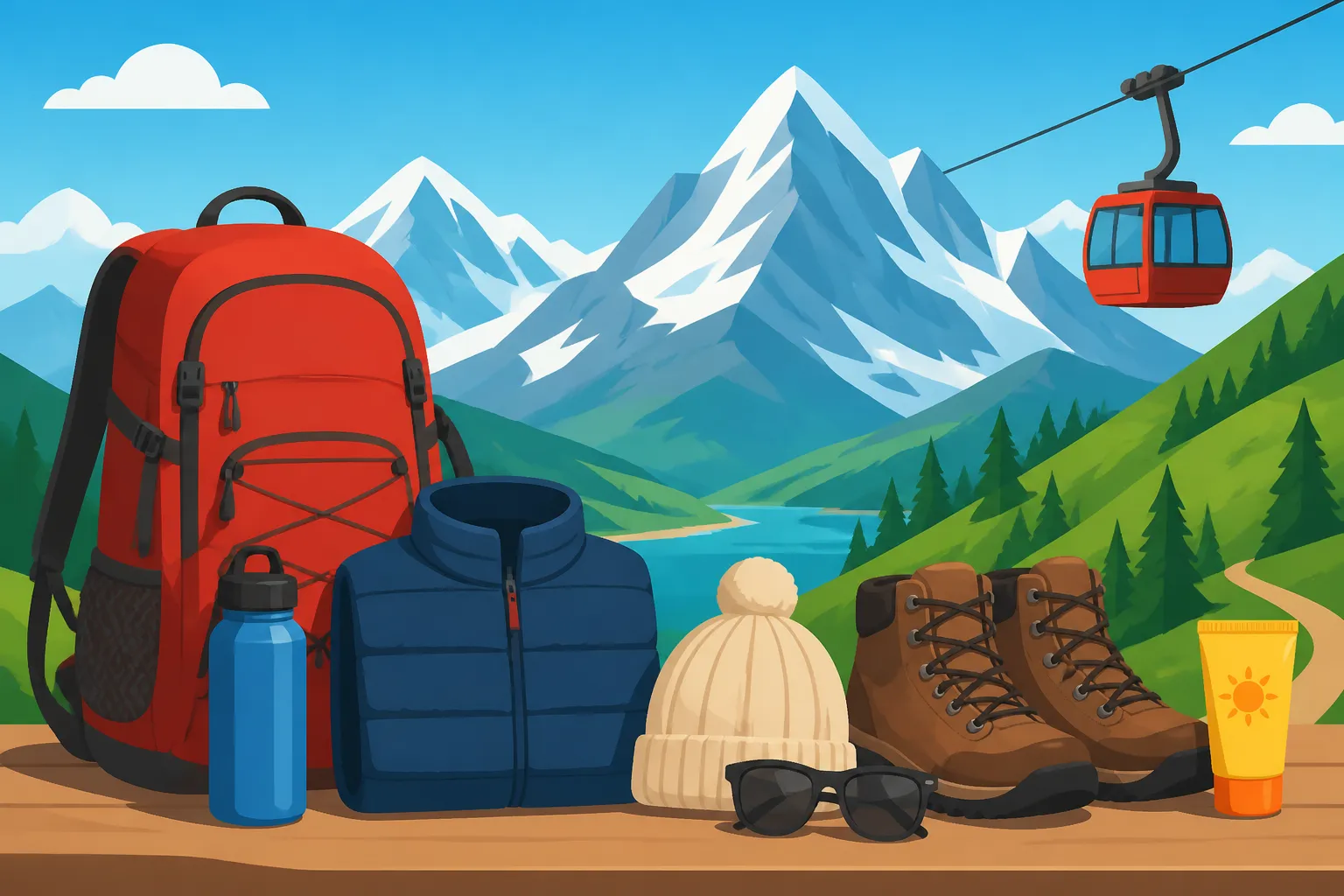
Here’s a quick summary table to help you visualize the essentials:
| Category | Essential Item | Why It's Needed | Seasonal Note (Summer/Autumn | Seasonal Note (Winter) |
|---|---|---|---|---|
| Clothing | Wicking Base Layer (Top) | Moisture management, warmth, comfort | Lightweight short/long | Thermal long-sleeve |
| Insulating Mid-Layer (Fleece) | Traps warmth, breathable, easily removable | Medium-weight fleece | Thicker fleece, light down/puffy jacket | |
| Waterproof/Windproof Jacket | Protection from rain, snow, wind | Lightweight, breathable | Heavy-duty, insulated, robust waterproof | |
| Hiking Trousers | Durable, comfortable, quick-drying | Convertible/light | Insulated, waterproof ski pants or sturdy hiking pants with over-trousers | |
| Footwear | Hiking Boots/Shoes | Ankle support, grip, waterproof | Sturdy, waterproof | Warm, waterproof snow boots |
| Hiking Socks | Moisture-wicking, blister prevention | Synthetic/Merino | Thick thermal socks | |
| Accessories | Hat | Warmth (beanie) or sun protection (cap/brimmed) | Sun hat, light beanie | Warm winter hat/beanie covering ears |
| Gloves | Hand protection from cold/wind | Lightweight liner gloves | Warm, waterproof ski gloves/mittens | |
| Sunglasses | UV protection, glare reduction | Essential | Goggles recommended, essential sunglasses | |
| Sunscreen & Lip Balm | Protects from intense high-altitude UV rays | High SPF essential | High SPF essential, especially for reflective snow | |
| Daypack Gear | Water Bottle/Hydration Pack | Hydration is crucial, especially when active | Min. 1.5-2L | Min. 1L, consider thermos with hot drink |
| Snacks | Energy boost for hiking, prevents fatigue | Energy bars, nuts | High-calorie snacks, chocolate | |
| First-Aid Kit | Basic injury care, blister treatment | Essential | Essential, add emergency blanket | |
| Map & Navigation App/Device | Route finding, safety if lost | Essential | Essential, check app for offline maps | |
| Headlamp/Flashlight | Emergency light source for unexpected delays | Small flashlight | Headlamp with fresh batteries | |
| Portable Charger | Keeps phone charged for emergencies/navigation | Essential | Essential (cold drains batteries faster) |
Navigating the Swiss Alps for a day trip can be an absolutely unforgettable experience, filled with unparalleled beauty and fresh air. Just remember, the mountains are always in charge. Pack smart, dress in layers, and respect the power of nature. Your comfort and safety depend on it. Happy exploring!
Disclaimer
The information provided in this guide is for general informational purposes only and does not constitute professional advice. While we strive to provide accurate and up-to-date information, conditions in the Swiss Alps can change rapidly. Always consult official weather forecasts, trail conditions, and local authorities before embarking on any trip. Personal preparation, including proper gear and knowing your physical limits, is your responsibility. We are not liable for any incidents or inconveniences that may arise from reliance on this information.