Lake Geneva (Lac Léman): Towns, Boats, and Vineyard Walks
Oh, Lac Léman, or Lake Geneva as most of us English speakers call it! It’s one of those iconic Swiss destinations that looks absolutely breathtaking in photos, but when you actually sit down to plan a visit, you realize just how vast and multi-faceted it is. Trying to figure out which charming town to visit, how to navigate the boats, or where to find those famous vineyards can feel a bit like herding cats. This guide is here to untangle all that glorious complexity, offering you a veteran expat’s roadmap to truly experiencing the best of Lake Geneva, whether you’re here for a weekend or a lifetime.
Getting Acquainted with Lac Léman: An Expat's Perspective
Lake Geneva isn't just a pretty backdrop; it's a living, breathing entity that profoundly shapes the culture and lifestyle of western Switzerland, known as Romandie. For us expats, it’s often one of the first major natural wonders we encounter, and it quickly becomes a favorite escape. It's truly a place where postcard views become your daily reality, but also a place with a distinct personality you learn to love.
Why Lake Geneva is More Than Just a Body of Water
This vast, crescent-shaped lake, the largest in Switzerland and one of the largest in Western Europe, is steeped in history and culture. Imagine centuries of poets, artists, and revolutionaries finding inspiration on its shores, from Lord Byron and Mary Shelley crafting Frankenstein in a villa by Montreux, to Freddie Mercury falling in love with its peaceful beauty. It’s not just a body of water separating two countries; it's a crossroads of Gallic charm and Swiss efficiency, where the vineyards climb steeply from the shore, and elegant cities sparkle at night. You’ll find world-class museums, bustling markets, and tranquil hidden coves all within a stone’s throw of each other. The air itself feels different here, often milder than the German-speaking cantons, thanks to the lake's tempering effect and the protective Jura mountains. This unique blend creates a sophisticated yet relaxed atmosphere that captures the hearts of so many who settle or visit here.
Navigating the Shores: French vs. Swiss Side
Understanding the duality of Lake Geneva is key to appreciating its diverse offerings. Roughly two-thirds of the lake's shoreline belongs to Switzerland, primarily in the cantons of Vaud and Geneva, while the remaining third is part of France (Haute-Savoie). This means you’re often crossing an international border, even if it's just a quick ferry ride.
The Swiss side is generally known for its pristine infrastructure, charming historical towns, and the famous Lavaux vineyards. Cities like Geneva and Lausanne exude a polished, international vibe, while Montreux and Vevey offer a more leisurely, "Riviera" feel. Public transport is excellent, and everything tends to run like a well-oiled Swiss clock. You’ll find higher prices, but also exceptional quality and service. Expect to hear French predominantly, though English is widely spoken in major tourist hubs and international organizations.
The French side, featuring towns like Évian-les-Bains and Thonon-les-Bains, offers a slightly different, more relaxed, and often more affordable experience. It can feel a bit more rustic and "real," less manicured than its Swiss counterpart. While still beautiful, the infrastructure might not be quite as slick, but you gain a different cultural flavor and often stunning views back across the lake to the Swiss Alps. Many Swiss residents even pop over to France for groceries or a more budget-friendly meal. Traveling between the two sides by boat or car is straightforward, though remember your passport for border crossings, especially if driving. This geographical split truly gives you two distinct worlds to explore within one magnificent lake region.
Charming Swiss Towns to Explore Along Lac Léman
The Swiss shore of Lake Geneva is dotted with incredible towns, each with its own character and allure. You could spend weeks exploring them all, but for a first-timer or a busy expat seeking a weekend escape, focusing on a few key spots will give you a fantastic taste of the region.
Geneva: The International Hub with Lakeside Charms
Geneva, at the southwestern tip of Lac Léman, often feels like a different country altogether from the rest of Switzerland. It’s a city that buzzes with international diplomacy and finance, home to countless organizations like the UN and the Red Cross. But don’t let its serious facade fool you; Geneva also boasts incredible lakeside beauty and a vibrant cultural scene.
The iconic Jet d'Eau, a powerful water jet shooting 140 meters into the sky, is your constant companion, visible from almost everywhere. Take a stroll along the Quai du Mont-Blanc or the Jardin Anglais to get the best views of the jet, and if the weather’s clear, catch a glimpse of Mont Blanc itself dominating the horizon. The Old Town, or Vieille Ville, is a maze of cobblestone streets, hidden courtyards, and grand architecture, culminating at St. Pierre Cathedral, which you can climb for panoramic views. When you need a break from exploring, grab a coffee at one of the many chic cafes, or if you're looking for more practical insights, our guide on Geneva Expat Healthcare Guide: International Clinics and Public Hospitals offers great local advice. Geneva can sometimes feel a bit pricey and reserved, but by delving into its charming side streets and lake promenades, you’ll discover its warm heart. It's a city that’s best enjoyed at a leisurely pace, allowing its quiet sophistication to seep in.
Lausanne: Olympic Spirit and Terraced Beauty
Just a short train ride from Geneva, Lausanne sprawls across three hills, offering dramatic views over the lake and the French Alps. It’s a city that effortlessly blends ancient history with a youthful, dynamic energy, largely thanks to its prestigious universities and its role as the Olympic Capital.
The Ouchy promenade, right by the lake, is where you’ll find families strolling, rollerbladers gliding, and boats departing. It’s also home to the Olympic Museum, a truly engaging experience even for those who aren’t huge sports fans. From Ouchy, you can take the charming metro (the only one in Switzerland!) straight up to the city center, saving your legs from the steep climb. The Cité, Lausanne’s medieval old town, is crowned by the magnificent Notre-Dame Cathedral, a Gothic masterpiece with a stunning rose window. Lausanne is known for its vibrant nightlife, boutique shopping, and a slightly more bohemian feel than Geneva. It’s a city that invites you to explore its many levels and discover its hidden staircases and viewpoints. For those settling in the region, understanding the local services is key, and our Vaud Expat Healthcare Guide: CHUV and Riviera Medical Centers might just be the lifesaver you need.
Montreux: The Riviera, Jazz, and Chillon Castle
Often dubbed the "Swiss Riviera," Montreux boasts a microclimate that encourages palm trees and exotic flora to flourish along its magnificent promenade. The town has an undeniable glamour, attracting artists and musicians for centuries.
The promenade itself is a highlight, stretching for miles along the lake, adorned with sculptures, including the famous one of Freddie Mercury, who lived and recorded here. Every July, Montreux transforms into a global stage for the renowned The Montreux Jazz Festival: A Resident's Guide to Attending, an experience not to be missed if you’re lucky enough to be in town. But even without the music, Montreux offers a serene beauty. Just a short walk or boat ride from the town center lies the majestic Chillon Castle (Château de Chillon), Switzerland's most visited historic monument. This island fortress, dating back to the 12th century, is truly a step back in time. Wander through its ancient courtyards, explore its dungeons (made famous by Lord Byron’s poem), and climb its towers for incredible lake views. The castle is incredibly well-preserved and offers a captivating glimpse into medieval life. You can purchase tickets on the spot or often find skip-the-line options via platforms like GetYourGuide, which can save you time during peak season. Montreux is a place to slow down, breathe in the fresh air, and let the beauty wash over you.
Vevey & Nyon: Quainter Gems with Rich History
While Geneva, Lausanne, and Montreux draw the biggest crowds, the smaller towns along Lake Geneva offer a more intimate and equally enriching experience. These spots often highlight the everyday Swiss life, away from the grander tourist trails.
Vevey, nestled between Lausanne and Montreux, is a charming, quieter town famous for its connections to Charlie Chaplin, who spent the last 25 years of his life here. You’ll find a whimsical statue of him on the promenade, overlooking the lake, and the Chaplin’s World museum, housed in his former manor, is a fantastic, interactive experience. Vevey is also the global headquarters of Nestlé, giving it a somewhat unassuming industrial backbone amidst its picturesque facade. Don’t miss the Grande Place, home to one of Europe's largest covered markets, especially vibrant on Tuesdays and Saturdays when local produce and crafts are on display.
Further west, closer to Geneva, lies Nyon, a town boasting a rich Roman heritage. Its Roman Museum, nestled within the magnificent castle, showcases artifacts from the ancient colony of Colonia Iulia Equestris. The castle itself offers stunning views of the lake and the Jura mountains. Nyon’s lakeside promenade is delightful for a leisurely walk, and its quaint old town is perfect for exploring without the bustling crowds of its larger neighbors. These towns offer a chance to absorb the local atmosphere, discover hidden historical gems, and enjoy the tranquil beauty of the lake without feeling rushed. They’re perfect for a relaxed afternoon or a day trip where you can truly unwind.
Cruising Lac Léman: Boats, Ferries, and Panoramic Views
One of the most quintessential ways to experience Lake Geneva is from the water itself. The panoramic views of the Alps, the terraced vineyards, and the charming towns sparkling along the shore are simply unparalleled when seen from a boat. It's a peaceful, utterly Swiss experience that everyone should try.
CGN Boats: Your Scenic Transport Network
The Compagnie Générale de Navigation (CGN) operates an extensive network of boats across Lake Geneva, serving as both vital transport links and scenic pleasure cruises. These aren't just any old ferries; many of CGN's fleet include magnificent Belle Époque paddle steamers, beautifully restored to their original grandeur, offering a truly nostalgic journey across the water. Imagine gliding past Montreux, seeing the Chateau de Chillon from a completely different perspective, or watching the Lavaux vineyards climb the hills while sipping a coffee on deck.
The CGN boats connect almost every significant town on both the Swiss and French sides of the lake, making them a fantastic way to explore without the hassle of driving or parking. You can hop on a regular ferry to cross to a French town like Évian-les-Bains or Thonon-les-Bains for a different cultural experience, or choose a themed cruise, perhaps a gourmet lunch cruise or a sunset apéro trip. Your The Half-Fare Travelcard (Halbtax): The Must-Have Pass for Swiss Residents or SBB Travelcards: Is the Generalabonnement (GA) Worth the CHF 4000+ Cost? often give you discounts on these boat trips, making them even more accessible. Tickets can be purchased directly at the piers, online on the CGN website, or sometimes even through travel platforms like Omio, especially for combined transport options. Just be sure to check the seasonal timetables, as services are more frequent and extensive in summer.
Popular Boat Trip Destinations and Routes
With so many routes available, choosing a boat trip can be part of the adventure! Here are a few popular options that consistently delight:
- Geneva to Yvoire (France): This is a classic. Yvoire is a stunning medieval village on the French side, often referred to as one of the "most beautiful villages in France." The boat trip itself offers great views back to Geneva’s Jet d’Eau, and Yvoire is car-free, perfect for a leisurely afternoon of exploring artisan shops and enjoying lakeside dining.
- Lausanne (Ouchy) to Évian-les-Bains (France): Another popular cross-border hop. Évian, famous for its mineral water, is a lovely resort town with grand hotels and a relaxed vibe. It's a fantastic way to experience a piece of France for an afternoon.
- Montreux to Chillon Castle: While you can walk to the castle, arriving by boat adds a touch of magic. Seeing the castle from the water, rising dramatically from its rocky islet, is truly special and offers superb photo opportunities.
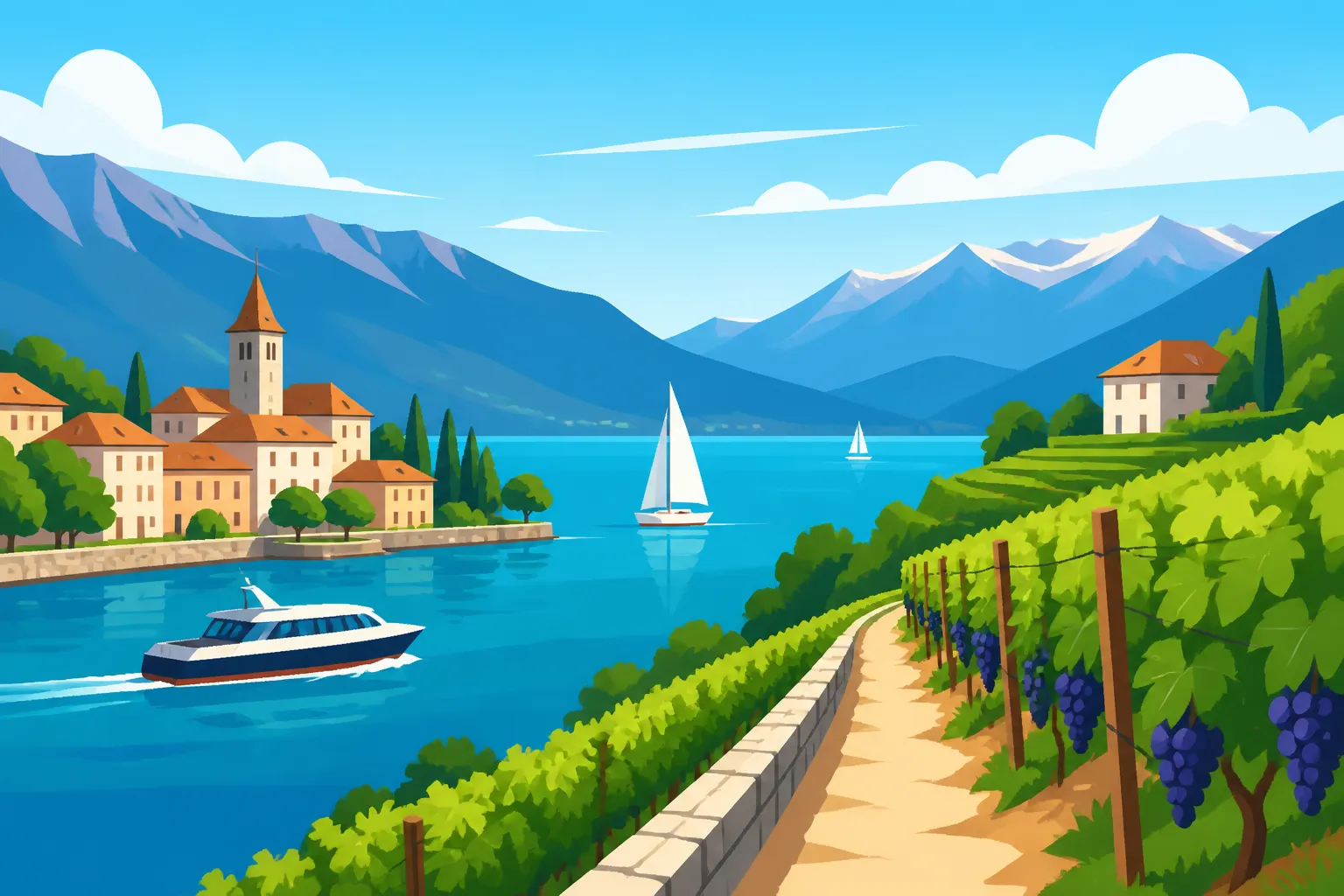
- A "Grand Tour" of the Lavaux Vineyards: While not a single route, many CGN boats cruise along the Lavaux shoreline. This allows you to combine a scenic boat trip with a vineyard walk. You might disembark in a village like Cully or Lutry and embark on an unforgettable hike through the terraces.
These boat trips are excellent for Combining Boat and Train Trips on Swiss Lakes, offering a different perspective and a relaxing pace to your explorations. Remember to check the weather before you go, as lake conditions can occasionally be choppy, though usually, Lac Léman is a serene experience.
Vineyard Walks and Wine Culture: The Lavaux Terraces
You might associate Switzerland more with mountains and chocolate, but its wine culture, especially around Lake Geneva, is a truly spectacular secret. The Lavaux vineyards are not just fields of grapes; they are a UNESCO World Heritage site, a testament to centuries of human endeavor and a feast for the eyes (and palate!).
Exploring the UNESCO-Protected Lavaux Vineyards
Stretching for about 30 kilometers along the northern shore of Lake Geneva, the Lavaux Vineyard Terraces are an astonishing sight. These perfectly manicured, steeply sloping terraces have been cultivated for over a thousand years, dating back to the 11th century when Cistercian monks began shaping the landscape. What makes Lavaux truly unique is its "three suns" effect: the actual sun, the reflection of the sun off the lake, and the heat absorbed and radiated by the stone walls of the terraces. This unique microclimate helps the grapes ripen to perfection.
Walking through these vineyards is an absolute must-do. There are numerous well-marked trails catering to all fitness levels, from easy strolls to more challenging hikes that take you right through the heart of the grapevines. One of the most popular routes is the Lavaux Panoramic Trail, which offers breathtaking views at every turn, connecting picturesque wine-producing villages like Lutry, Cully, Epesses, and St-Saphorin. The best times to visit are late spring when everything is vibrantly green, or autumn during the vendanges (grape harvest) when the leaves turn golden and red, and the air is thick with the scent of fermenting grapes. Our detailed guide on Hiking the Lavaux Vineyard Terraces Above Lake Geneva can help you plan your exact route and give you more specific tips for navigating the trails. Make sure to wear comfortable shoes, bring water, and definitely pack your camera – the views are endlessly Instagrammable!
Wine Tasting and Local Delights in Lavaux
Beyond the stunning scenery, Lavaux is about the wine itself. The dominant grape variety here is Chasselas, a white wine that perfectly embodies Swiss elegance. It's typically dry, fruity, and crisp, often with a hint of minerality from the unique terroir. It's a wine that expresses its origin beautifully, and each village in Lavaux produces its own distinct version.
The best way to experience Lavaux wine is, of course, to taste it! Many of the small, family-run wineries (often called domaines or caveaux) have tasting rooms. You’ll usually find signs indicating Dégustation (tasting) or Vente Directe (direct sales). Don't expect grand, commercialized tasting experiences like in Napa Valley; these are often more intimate, personal affairs, sometimes even in the winemaker's own cellar. Many villages also have communal caveaux where several local winemakers offer their wines for tasting by the glass or bottle. Some popular spots include the Lavaux Vinorama in Rivaz, which offers an excellent introduction to the region's wines through a film and guided tastings, or simply walking into a small caveau in Epesses.
Pairing your Chasselas with some local cheese or a planchette vaudoise (a platter of local cured meats and cheese) is a perfect way to enjoy the regional flavors. While Chasselas is the star, you'll also find some lovely reds from Pinot Noir and Gamay grapes. This region is truly a hidden gem for wine lovers, offering a delightful and authentic Swiss experience that beautifully complements our other insights into Swiss Wine Regions: Valais, Vaud, Geneva, and Ticino Explained. A wine tasting here isn't just about the drink; it's about connecting with the land and the passionate people who have cultivated it for generations.
Practicalities for Your Lake Geneva Adventure
Planning a trip to Lake Geneva, like any Swiss adventure, involves a bit of practical know-how to make sure everything runs smoothly. From getting around to finding a place to rest your head, a little preparation goes a long way.
Transport Connections: Train, Bus, and Car
Getting to and around the Lake Geneva region is, predictably, incredibly efficient thanks to Switzerland's world-class public transport system. The SBB (Swiss Federal Railways) network is your best friend. Major cities like Geneva, Lausanne, and Montreux are all well-connected by direct train lines.
- Trains: For inter-city travel along the lake, trains are usually the fastest and most comfortable option. They offer frequent services and stunning views. If you're planning extensive travel, especially beyond the Lake Geneva region, investing in a The Half-Fare Travelcard (Halbtax): The Must-Have Pass for Swiss Residents is almost always a smart move for expats and tourists alike, as it halves the price of almost all public transport tickets. For those truly living on the rails, the SBB Travelcards: Is the Generalabonnement (GA) Worth the CHF 4000+ Cost? offers unlimited travel. You can easily check schedules and book tickets via the SBB website or the excellent SBB Mobile app. You can also explore options for bus and train tickets through platforms like Omio, especially if you're coming from outside Switzerland or looking for more integrated travel planning.
- Buses & Trams: Within cities like Geneva and Lausanne, comprehensive bus and tram networks ensure you can reach almost anywhere. Most cities provide free public transport passes to hotel guests, so always check with your accommodation.
- Cars: While public transport is excellent, a car offers flexibility, especially if you want to explore some of the smaller villages or drive up into the surrounding mountains. However, be prepared for potentially expensive parking in city centers and remember that crossing the border into France will require your passport and a car vignette for Swiss highways.
Accommodation and Dining Tips
Finding the right place to stay and eat can significantly enhance your Lake Geneva experience. The region offers a wide range of options, from luxurious lakeside hotels to charming boutique guesthouses and budget-friendly hostels.
- Accommodation: In major cities like Geneva and Lausanne, you'll find a plethora of international hotels. For a more charming or local experience, look for smaller hotels or B&Bs in Montreux, Vevey, or the Lavaux villages. Booking.com is an invaluable resource here, offering a vast selection and user reviews to help you find something that fits your budget and style. Consider staying slightly outside the main city centers for potentially better value, especially if you have a public transport pass. During peak season (summer, Montreux Jazz Festival), it's highly advisable to book well in advance.
- Dining: Swiss dining can be pricey, and Lake Geneva is no exception. However, there are ways to enjoy the local cuisine without breaking the bank. Look for Plat du Jour (dish of the day) specials at lunchtime, which offer excellent value. Many lakeside restaurants specialize in fresh fish, particularly filets de perche (perch fillets), a local delicacy. Don't shy away from traditional Swiss-French dishes like fondue or raclette, especially in the cooler months. For a more casual meal, pick up supplies from a Coop or Migros supermarket for a picnic by the lake – a truly Swiss experience! Remember that Tipping in Switzerland: Is Service Included in Restaurant Bills? is common practice, with a small extra amount appreciated for good service, though not mandatory.
Best Time to Visit and What to Pack
The Lake Geneva region is beautiful year-round, but each season offers a different charm:
- Summer (June-August): This is peak season. The weather is warm, perfect for swimming in the lake, enjoying boat trips, and attending outdoor festivals like the Montreux Jazz Festival. Expect bustling crowds and higher prices. Pack light clothing, swimwear, comfortable walking shoes, and sun protection.
- Autumn (September-November): Many expats find this the most beautiful time. The Lavaux vineyards are ablaze with color during the grape harvest (vendanges), and the air is crisp. It’s ideal for hiking and wine tasting without the summer crowds. Pack layers, a light jacket, and good walking shoes.
- Spring (April-May): The region bursts into bloom, and the temperatures are mild. It’s perfect for gentle walks, sightseeing, and enjoying the fresh air. Prices are generally lower than in summer. Pack layers, a raincoat, and comfortable shoes.
- Winter (December-March): While cold, the lake rarely freezes, offering a serene, quiet beauty. Christmas markets (like the Montreux Noël) add a festive touch, and the nearby Alps offer skiing opportunities. Pack warm clothing, waterproof boots, and scarves.
No matter the season, comfortable walking shoes are always a must, as exploring these picturesque towns and vineyards involves a fair bit of strolling. Layers are also key, as the weather can change quickly, especially near the mountains.
Beyond the Beaten Path: Local Experiences
While the major towns and vineyards are undoubtedly stunning, there’s a deeper layer to Lake Geneva that you discover when you venture just a little off the main tourist track or seek out local happenings. This is where you truly start to feel like a resident, not just a visitor.
Markets, Festivals, and Local Events
One of the best ways to immerse yourself in the local culture around Lake Geneva is by visiting the regional markets and participating in smaller, more intimate festivals. These events offer a glimpse into the everyday life of the Swiss-French community and a chance to mingle with locals.
- Farmer's Markets: Beyond the large Grande Place market in Vevey, many smaller towns have weekly farmer’s markets (marchés) where you can find fresh local produce, artisanal cheeses, charcuterie, and regional specialties. These are fantastic places to pick up ingredients for a picnic or simply soak in the lively atmosphere. Towns like Morges or Rolle often have charming markets on specific days.
- Seasonal Festivals: While Montreux has its famous Jazz Festival, the region hosts many other seasonal celebrations. In autumn, look out for fêtes des vendanges (grape harvest festivals) in the Lavaux villages, where you can enjoy live music, local food, and, of course, freshly pressed grape juice or new wine. During Advent, many towns host smaller, cozy Swiss Christmas Markets: The Best in Zurich, Basel, and Montreux where you can enjoy vin chaud (mulled wine) and local crafts. Keep an eye on local tourism office websites for event listings, as these smaller, more authentic gatherings are often the most memorable.
- Village Life: Simply spending an afternoon in a tiny village like St-Saphorin, high up in the Lavaux vineyards, watching the world go by from a small cafe, can be more enriching than rushing through a major city. These spots often hold little secrets, from ancient fountains to tiny, historic chapels.
Hidden Swimming Spots and Lakeside Activities
Lake Geneva isn't just for looking at; it’s for swimming, paddling, and playing! While major cities have their well-known plages (beaches) or bains (lido/bathing areas), many quieter spots offer a more secluded experience.
- Secret Swimming Spots: Ask a local, and they might point you to a small grassy area or a public access point that isn't officially a "beach" but offers crystal-clear water and fewer crowds. In Lausanne, beyond Ouchy, areas like Vidy or Pully have lovely, often less crowded, lakeside parks with swimming access. The tiny villages in Lavaux also often have small, rocky inlets perfect for a quick, refreshing dip after a vineyard walk. Always look for signs indicating water quality and safety.
- Water Sports: For the more adventurous, Lake Geneva offers abundant opportunities for water sports. You can rent kayaks or stand-up paddleboards (SUPs) in many towns, from Geneva to Montreux. Paddling on the calm waters, especially in the early morning or late afternoon, offers a unique perspective of the shore and the mountains. You can even paddle right up to Chillon Castle! Lessons are available for beginners, and many rental shops are conveniently located near public transport stops.
- Cycling: The flat paths along the lake are perfect for cycling, offering miles of scenic routes. You can rent bikes in most major towns and explore at your own pace. Some trails even extend into the vineyards or connect to the French side of the lake, offering a fantastic day out.
Exploring these local facets of Lake Geneva allows you to move beyond the tourist highlights and truly connect with the relaxed, beautiful lifestyle that defines this incredible region. It's about finding your own personal slice of paradise, whether that's a quiet market square or a hidden stretch of beach.
| Town | Vibe | Top Attractions | Best For | Average Hotel Price (Rough) |
|---|---|---|---|---|
| Geneva | Cosmopolitan, Diplomatic | Jet d'Eau, Old Town, UN, Museums | City break, Luxury, Culture | CHF 250-400 |
| Lausanne | Vibrant, Youthful | Olympic Museum, Ouchy, Old Town | Culture, Nightlife, Active | CHF 180-300 |
| Montreux | Riviera charm, Artistic | Chillon Castle, Freddie Mercury, Jazz | Relaxation, Scenery, Music | CHF 200-350 |
| Vevey | Quaint, Family-friendly | Charlie Chaplin Museum, Nestlé HQ | Quiet escapes, Foodies, Families | CHF 150-250 |
| Nyon | Historic, Tranquil | Roman Museum, Castle, Lakeside | History buffs, Lakeside strolls | CHF 150-250 |
Disclaimer
Please remember that while I strive to provide the most accurate and up-to-date information based on my experience and available data, circumstances in Switzerland can change. Always verify opening hours, prices, and regulations with official sources before making plans. This guide is for informational purposes only and does not constitute official advice.