Winter Hiking Trails (Winterwanderwege) in Switzerland
When the Swiss winter descends, it's easy to fall into the trap of thinking your outdoor adventures are limited to expensive ski resorts or just hunkering down indoors. Many of us expats arrive with visions of crisp mountain air, but the reality of slushy city sidewalks and the sheer cost of winter sports can feel a bit deflating. But fear not, my friends! This comprehensive guide will walk you through the magical world of Winterwanderwege, showing you how to embrace the serene beauty of Switzerland's snowy landscapes on foot, safely and joyfully.
Understanding Winterwanderwege: More Than Just a Walk in the Snow
It’s true, Switzerland is a hiker’s paradise in summer, but that doesn't mean the trails close up when the snow falls. In fact, many transform into something even more enchanting: designated winter hiking trails, or Winterwanderwege. These aren't just any paths; they're specially prepared and marked routes designed for safe, breathtaking winter exploration.
What Exactly Are Winter Hiking Trails?
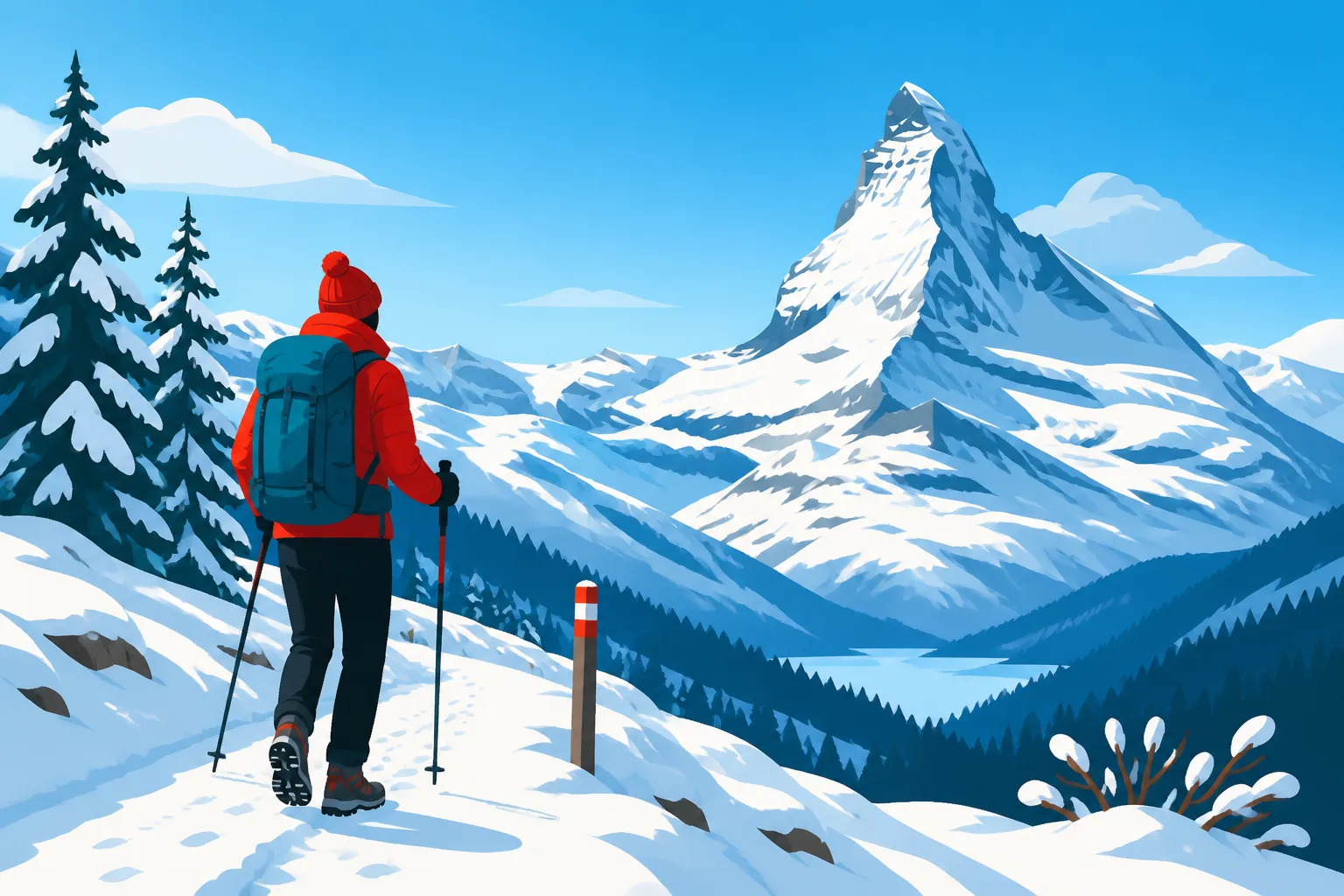
Unlike regular hiking paths that might be treacherous or simply impassable under snow and ice, Winterwanderwege are maintained trails, often groomed or compacted to provide a solid, walkable surface. You’ll recognize them by their distinct pink signage – those bright pink poles sticking out of the snow are your guiding stars! These signs are crucial because they differentiate safe, prepared paths from potentially dangerous, unmaintained areas, especially in avalanche-prone regions. The Swiss take their trail safety very seriously, so if you stick to the pink, you're generally on solid ground.
These trails range in difficulty from easy, flat strolls around a frozen lake, perfect for families or those new to winter conditions, to more challenging ascents that offer panoramic views. Some even connect between mountain villages or lead to cozy mountain restaurants for a well-deserved Glühwein or Rösti. It’s such a relief to know you don’t need to be an expert mountaineer to enjoy the winter Alps; you just need to follow the pink markers. If you're keen to dive deeper into the overall outdoor experience, check out our guide on The Swiss Alps for Expats: Hiking, Skiing, and Mountain Access.
Why Choose Winter Hiking Over Other Winter Sports?
Let's be honest, getting into skiing or snowboarding in Switzerland can feel like signing up for a second mortgage. The gear, the lessons, the lift passes – it all adds up quickly! And for some, the thrill of speed isn't what they're after; it's the quiet contemplation, the fresh air, and the sheer beauty of a snow-covered landscape. This is where winter hiking truly shines. It's significantly more accessible and budget-friendly than most other winter sports. You don't need expensive equipment (though good boots are essential, we'll get to that!), no special skills, and no need to contend with crowded slopes or long lift queues.
Winter hiking offers a completely different kind of Swiss experience. Imagine walking through a silent forest, branches heavy with fresh snow, or emerging from a tree line to a vista of pristine white peaks under a clear blue sky. It's a meditative experience, a chance to truly connect with nature at a slower pace. Plus, it's fantastic exercise without the high impact or learning curve of skiing. It’s also a perfect activity when you feel a bit stir-crazy from the short, grey days and just need to breathe in some proper, crisp mountain air. For those considering other winter activities, our article on Sledding (Schlitteln) Runs in Switzerland: Family Winter Fun offers another fantastic, often more budget-friendly alternative.
Essential Gear and Safety Tips for a Smooth Winter Hike
Even on well-maintained Winterwanderwege, winter conditions demand respect and preparation. This isn't your summer stroll in the park; temperatures can drop, conditions can change quickly, and daylight hours are shorter. Being properly equipped and informed can make all the difference between a magical day out and a miserable, potentially dangerous, one.
Dressing for Success: Layering is Key!
The golden rule for any outdoor activity in Switzerland, especially in winter, is layering. You need to be able to adjust your clothing as you warm up with exertion or cool down when you stop for a break. Start with a moisture-wicking base layer (no cotton!), add insulating mid-layers like fleece or wool, and top it off with a waterproof and windproof outer shell. Your legs will appreciate insulated hiking trousers, ideally waterproof.
But the most critical piece of gear is your footwear. Invest in sturdy, waterproof hiking boots with good ankle support and excellent grip. The trails, while groomed, can still have icy patches, especially in shaded areas. Many experienced winter hikers also recommend microspikes (small crampons that fit over your boots) or at least poles for added stability, especially on descents. Don't forget warm socks, a hat, gloves (preferably waterproof), and a neck gaiter or scarf. It sounds like a lot, but trust me, shivering through a beautiful landscape is no fun.
Here's a quick rundown of essential gear:
| Item | Description | Why It's Essential |
|---|---|---|
| Waterproof Hiking Boots | High-cut, insulated, and waterproof with strong grip | Prevents cold, wet feet; crucial for traction on snow/ice |
| Layered Clothing | Base (moisture-wicking), Mid (fleece/wool), Outer (waterproof/windproof) | Allows adjustment to temperature and activity levels |
| Warm Hat & Gloves | Insulated, waterproof gloves are ideal | Prevents heat loss from extremities |
| Neck Gaiter/Scarf | Buff or similar | Protects face and neck from wind and cold |
| Microspikes/Poles | Optional but highly recommended, especially for icy conditions | Enhances grip and stability, reduces risk of falls |
| Backpack | With enough space for extra layers, food, and water | Carries essentials, allows hands-free walking |
| Thermos with Warm Drink | Tea, coffee, or hot chocolate | Provides warmth and comfort; a little luxury on the trail |
| Sunscreen & Sunglasses | Even in winter, UV rays are strong, especially at altitude | Protects skin and eyes from glare and sunburn |
For a broader perspective on preparing for any high-altitude excursion, our post on What to Pack for a Day Trip to the Swiss Alps offers more detailed insights.
Navigating and Staying Safe in the Winter Landscape
Safety is paramount, and winter hiking comes with its own set of considerations. Always check the weather forecast and snow conditions before you head out. Websites like meteoswiss.ch are your best friends. Pay attention to warnings about fresh snowfall, strong winds, or rapidly changing temperatures. While Winterwanderwege are generally safer from avalanches than unmarked backcountry, extreme conditions can still pose risks. If in doubt, choose a lower-altitude trail or reschedule. Our guide on Mountain Safety in Switzerland: Weather, Gear, and Emergency Numbers is a must-read before any mountain adventure.
Daylight is precious in winter, so plan your route to ensure you're back well before dusk. Even a short 2-hour hike can feel much longer if you're suddenly walking in twilight. Carry a fully charged phone, and perhaps even a power bank, as cold temperatures can drain batteries quickly. Pack plenty of water (it's easy to dehydrate in cold, dry air) and high-energy snacks. And always, always tell someone where you're going and when you expect to be back. The Swiss Alps are stunningly beautiful, but they can be unforgiving if you're unprepared. Using the SBB Mobile App to plan your transport can also be very helpful for timing your return journey from more remote locations.
Top Winter Hiking Regions and Specific Trail Recommendations
Switzerland is brimming with incredible Winterwanderwege, from high-alpine panoramas to serene lakeside paths. The key is finding the right trail for your fitness level, the prevailing weather, and what kind of scenery you're craving. Here are some of my go-to regions and specific trails that offer truly memorable winter experiences.
Alpine Majesty: Jungfrau Region and Zermatt
If you're dreaming of postcard-perfect snowy peaks, the Jungfrau Region and Zermatt are iconic for a reason. These areas offer unparalleled views of some of Switzerland's most famous mountains, like the Eiger, Mönch, Jungfrau, and of course, the Matterhorn. The trails here are generally well-maintained and offer varying degrees of challenge.
In the Jungfrau Region, a fantastic option is the panoramic trail from Männlichen to Kleine Scheidegg. You take a gondola up to Männlichen, and from there, a relatively flat, groomed path winds its way towards Kleine Scheidegg, offering continuous, breathtaking views of the Eiger North Face. It usually takes about 1.5 to 2 hours, making it perfectly manageable. You can grab lunch at Kleine Scheidegg before taking a train back down. Another gem is the path around Lake Bachalpsee above Grindelwald First, though checking conditions for this specific trail is crucial as it can sometimes be more challenging. Booking your train tickets and mountain transport can be easily done through platforms like Omio or the SBB website, helping you find the best connections. Our general guide on Switzerland by Train: The SBB Network, Scenic Routes, and Day Trips offers excellent tips for navigating Swiss public transport.
Zermatt offers equally stunning scenery with the Matterhorn as its majestic backdrop. One of my favorite winter hikes there is the trail from Riffelalp to Riffelberg. You can take the Gornergrat railway up to Riffelalp, then enjoy a relatively gentle downhill walk with incredible Matterhorn views, passing charming wooden chalets. This path is often sheltered and less exposed than some higher-altitude trails. Don't forget your camera for this one! Many visitors find it easy to plan their Zermatt trip and even book guided snowshoe hikes through platforms like GetYourGuide, if they want a more curated experience.
Lakeside Serenity and Forest Wonders: Lower Altitude Options
Sometimes, you want the winter magic without the high-altitude effort, or perhaps the weather isn't cooperating for a high-alpine adventure. Switzerland has plenty of gorgeous lower-altitude Winterwanderwege that offer tranquil forests and sparkling lake views.
The Engadin Valley, while still alpine, has many accessible, flat trails around its frozen lakes, such as Lake St. Moritz or Lake Silvaplana. The crisp, dry Engadin air and the sparkling light reflecting off the snow and ice create a truly unique atmosphere. Many trails here are cross-country ski tracks but also have a dedicated winter hiking lane. You can find beautiful loops that take an hour or two, often ending near a warm café.
Closer to major cities, you'll find wonderful options too. Near Zurich, the Uetliberg offers a popular winter hiking trail that leads to the peak (or just short of it) with stunning views over the city and Lake Zurich, often above the low-hanging fog (Nebel). It’s easily accessible by train and provides a refreshing escape from city life without a long journey. Similarly, in the Lake Lucerne region, paths around Mount Rigi offer diverse winter experiences, from gentle walks to more challenging trails, often with cozy mountain huts nearby for a break. These lower-altitude options are excellent for Winter Travel Tips: Staying Safe and Warm in the Swiss Alps without the extreme conditions.
When planning your overnight stays for these regions, platforms like Booking.com are incredibly useful for finding accommodation, from quaint B&Bs to larger hotels, often with flexible cancellation policies perfect for unpredictable winter weather.
Planning Your Trip: Transport and Accommodation
Navigating Switzerland's public transport system, especially in winter, is surprisingly straightforward and often the best way to reach trailheads. The Swiss Federal Railways (SBB) network is world-class and reaches even remote mountain villages. Make sure to check our detailed guide on Exploring Switzerland: The Complete Travel Guide for Residents (2027) for a broader overview of travel.
For cost-effective travel, consider purchasing a Half-Fare Travelcard (Halbtax): The Must-Have Pass for Swiss Residents if you plan to travel by train frequently. This slashes the cost of all public transport by 50%. For specific day trips, keep an eye out for Saver Day Pass (Spartageskarte): How Residents Save on Day Trips, which can offer significant discounts if booked in advance. The SBB Mobile App is indispensable for checking timetables, purchasing tickets, and staying updated on any service interruptions due to weather.
When it comes to accommodation, especially if you're planning a multi-day trip or want to stay overnight in a specific region, options range from simple mountain huts to luxurious hotels. Our article Mountain Huts vs Hotels: Where to Stay in the Swiss Alps provides a comparative analysis to help you decide.
Common Challenges and How to Overcome Them
Despite the beauty and accessibility, winter hiking in Switzerland isn't without its quirks and challenges. As an expat, I’ve definitely learned a few lessons the hard way, like the time I underestimated the sheer number of layers needed for a cloudy, windy day at 2000 meters. But with a bit of foresight and flexibility, you can easily navigate these hurdles.
Dealing with Unpredictable Weather and Trail Closures
Swiss mountain weather is notoriously fickle. A sunny forecast can quickly turn into a blizzard, or a clear path might become dangerously icy overnight. The biggest frustration for many is when you’ve planned a perfect day only to find your chosen trail is closed due to avalanche risk, heavy snowfall, or falling rocks. It happens! The key is to be flexible and always have a Plan B.
Before you leave, always check the local tourism office websites or the specific resort's winter reports. They usually have up-to-date information on trail status. For example, Zermatt's official website will list all open and closed Winterwanderwege. Websites like bergfex.ch also offer detailed snow reports and open lift/trail statuses for various resorts. If your high-alpine plan is scuppered, pivot to a lower-altitude forest walk or a lakeside stroll. It's better to enjoy a safer, albeit different, hike than to risk it or be disappointed. Remember to use the SBB Mobile App to Book Scenic and Regional Journeys as conditions can change rapidly and you might need to find an alternative route or destination.
Managing Costs and Finding Budget-Friendly Options
While winter hiking is cheaper than skiing, costs can still add up, especially if you're taking multiple mountain railways or eating out frequently. Switzerland is famously expensive, and a spontaneous Glühwein and soup at a mountain restaurant can quickly inflate your budget.
To keep costs down, pack your own food and drinks. A thermos of hot tea or soup, sandwiches, and some Swiss chocolate are perfect for a trailside picnic with a million-dollar view. Many gondola stations and larger towns have Coop or Migros supermarkets where you can stock up. When travelling, rely on your Half-Fare Travelcard (Halbtax): The Must-Have Pass for Swiss Residents and look for those Saver Day Pass (Spartageskarte): How Residents Save on Day Trips deals on SBB. You can also explore trails that start directly from valley towns, minimizing the need for expensive mountain transport. For instance, paths around Lake Geneva or Lake Lucerne are often accessible by regular public transport. Sometimes, the most beautiful experiences are the simplest and cheapest – a walk through a local forest, bundled up warm, with a homemade treat.
Disclaimer
The information provided in this guide is for general informational purposes only and does not constitute professional advice. While we strive to provide accurate and up-to-date information, conditions in the mountains, particularly in winter, can change rapidly and without warning. Always consult official local sources for weather forecasts, avalanche warnings, and trail conditions before embarking on any winter hike. Personal safety is your responsibility; ensure you are adequately equipped, physically prepared, and have informed someone of your itinerary.