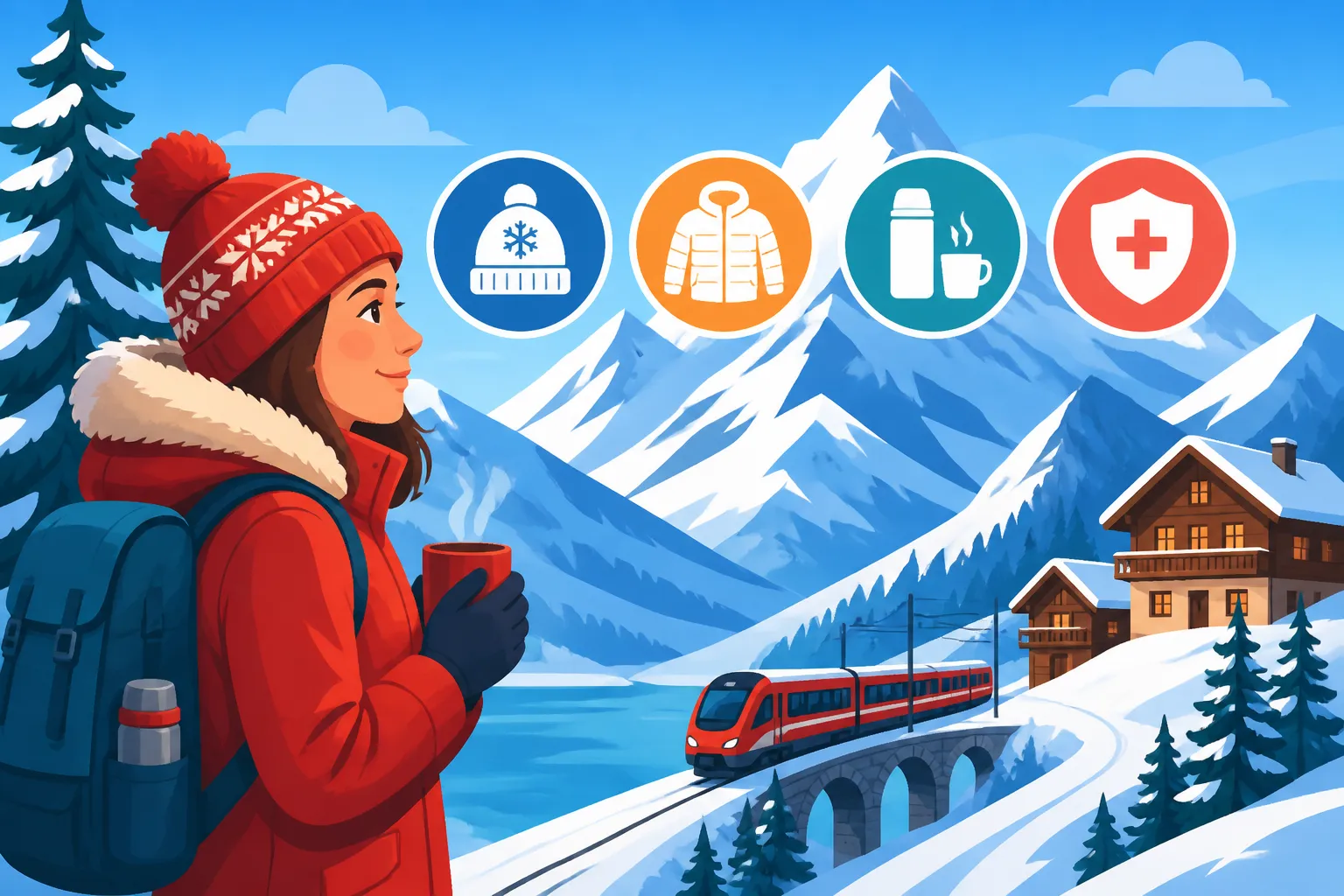
Winter Travel Tips: Staying Safe and Warm in the Swiss Alps
Winter in the Swiss Alps sounds like a dream, doesn't it? Sparkling snow, crisp air, majestic peaks… but let me tell you, as someone who’s lived through a few Swiss winters, those idyllic scenes can quickly turn uncomfortable, or even dangerous, if you’re not prepared. The mountains here demand respect, and staying safe and warm isn't just about comfort; it's about making sure your incredible Alpine adventure doesn't become a nightmare. This guide will walk you through everything you need to know to truly embrace the magic of a Swiss winter, from packing smart to navigating the snow-covered terrain.
Getting Ready for Alpine Winter: Essential Preparations
Before you even set foot on a train or in a car heading up into the crisp mountain air, a significant part of your winter survival in Switzerland happens in the planning stages. This isn't your average city break where you can wing it; the Alps are a different beast entirely. Forethought is your best friend.
Packing the Right Layers: The Swiss Secret
Forget fashion; function is king in the Swiss Alps, especially when it comes to what you wear. The key to staying warm without feeling like the Michelin Man is layering, and trust me, it’s a science the Swiss have mastered. You need to think in three distinct layers: base, mid, and outer.
The base layer is your first line of defence against sweat and cold. Materials like merino wool or synthetic fabrics are fantastic because they wick moisture away from your skin, keeping you dry even when you're exerting yourself. Cotton, on the other hand, traps moisture and will leave you feeling clammy and cold the moment you stop moving – a cardinal sin in winter. Next comes the mid-layer, which is all about insulation. A good fleece jacket or a lightweight down vest works wonders here, trapping your body heat without adding excessive bulk. This is the layer you might adjust throughout the day depending on your activity level and the ambient temperature.
Finally, the outer shell is your protection from the elements: wind, snow, and unexpected rain. This needs to be waterproof and windproof, but also breathable enough to prevent overheating. Think Gore-Tex or similar high-performance materials. I remember my first winter in Zermatt, thinking a simple waterproof jacket would suffice. I was quickly humbled by the biting Alpine wind and found myself shivering on the Gornergrat. Investing in a good quality outer shell is not a luxury; it’s a necessity. Don't underestimate the power of a proper jacket and trousers when facing the elements up high. For a deeper dive into what to pack, check out our guide on What to Wear Skiing in Switzerland: Layering for the Alps.
Booking Accommodation Wisely: Location and Comfort
Choosing where to stay in the Alps isn't just about finding a charming chalet; it's about strategic placement for safety, convenience, and comfort. Proximity to ski lifts, bus stops, or the train station can make or break your trip, especially when heavy snowfall hits or temperatures plummet. Imagine lugging all your ski gear through a meter of fresh snow just to reach your accommodation!
When browsing options, perhaps on a platform like Booking.com, pay close attention to reviews regarding heating and insulation. Older chalets, while picturesque, sometimes struggle to keep up with modern insulation standards, leading to chilly nights. Look for places that explicitly mention good heating, double-glazed windows, and easy access to transport. Staying closer to the village center often means you're near shops, restaurants, and medical facilities, which offers significant peace of mind if something unexpected happens. For instance, in popular resorts like Grindelwald or Verbier, a central location ensures you’re never too far from help or a warm meal after a long day on the slopes.
Understanding Mountain Safety Basics
The Swiss Alps are stunning, but they are also a powerful natural environment that demands respect. Before embarking on any mountain activity, even a simple winter stroll, you need to understand some fundamental safety principles. This isn't about being paranoid; it's about being prepared and making informed decisions. Always inform someone of your plans – your hotel reception, a friend, or family – including your intended route and estimated return time.
Checking local conditions is paramount. Mountain weather can change in a heartbeat, transforming a clear, sunny morning into a whiteout blizzard within minutes. Heed all warning signs, closures, and local advice, even if you think you're experienced. Those signs aren't there to spoil your fun; they're there to keep you alive. Getting lost in a sudden fog or blizzard can be disorienting and dangerous, even on what seems like a familiar path. For comprehensive advice on keeping safe, consider reading Mountain Safety in Switzerland: Weather, Gear, and Emergency Numbers.
Staying Safe on the Slopes and Trails
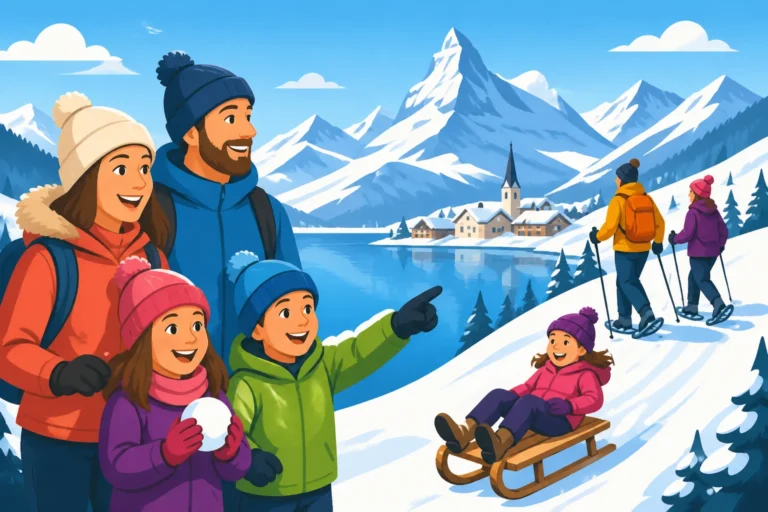
Once you've got your gear and accommodation sorted, it's time to hit the snow. Whether you're a seasoned skier or a curious snowshoer, there are specific codes of conduct and practical steps to ensure everyone enjoys the Alpine environment safely.
Skiing and Snowboarding: Know Your Limits
The exhilaration of speeding down a pristine piste is one of winter's greatest joys, but it comes with responsibility. Switzerland, like many Alpine nations, adheres to the FIS (International Ski Federation) rules of conduct on its slopes. These rules cover everything from respecting other skiers and controlling your speed to helping out in case of an accident. Ignoring them is not only dangerous but can also lead to legal repercussions if you're involved in a collision.
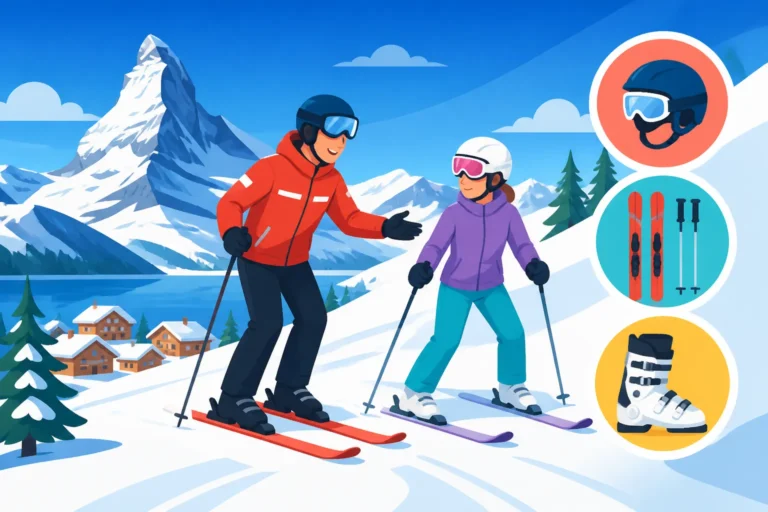
It’s crucial to match your ambitions to your abilities. Don't push yourself onto runs that are too challenging just because your friends are doing it. The steepest black runs of Verbier or the famous Eiger descent near Grindelwald are incredible, but they require serious skill. If you're new to skiing or rusty, investing in lessons is a smart move. Many resorts offer group or private lessons, and they can significantly boost your confidence and technique. Always stick to marked and open pistes, as venturing off-piste without proper training, equipment, and a local guide can expose you to avalanche risks and hidden dangers. For more on navigating the Swiss ski scene, check out Skiing in Switzerland: Resorts, Passes, and Costs for Residents.
Winter Hiking and Snowshoeing: Trail Conditions and Gear
If skiing isn't your thing, or you simply want a change of pace, winter hiking and snowshoeing offer a serene way to experience the snow-covered landscapes. However, these activities also come with their own set of safety considerations. Unlike summer hiking, winter trails can be icy, slippery, and obscured by fresh snow. Always stick to designated winter hiking paths, which are often marked with pink signs. These paths are usually maintained and checked for safety, minimizing avalanche risk.
Proper footwear is absolutely non-negotiable. Waterproof, insulated hiking boots with good grip are essential. For snowshoeing, you’ll naturally have snowshoes, but even for regular winter walks, microspikes or trekking poles can provide much-needed stability on icy patches. Carrying a small backpack with water, snacks, a fully charged phone, and extra layers is always a good idea. Even on seemingly easy trails, conditions can change rapidly. Our guide on Snowshoeing and Winter Hiking in Switzerland for Non-Skiers and Winter Hiking Trails (Winterwanderwege) in Switzerland will give you excellent starting points and detailed advice for these activities.
Avalanche Awareness and Mountain Rescue
This is a serious topic, and one that every visitor to the Swiss Alps needs to be aware of. While groomed pistes and marked winter hiking trails are generally safe from avalanches, venturing off-piste, even slightly, increases your risk exponentially. If you're considering any backcountry activities – freeriding, ski touring, or off-trail snowshoeing – you absolutely must go with a certified local guide. They know the terrain, understand the snowpack, and carry essential safety equipment like transceivers, probes, and shovels.
It's also crucial to understand the Swiss mountain rescue system. In case of a serious accident, the emergency number for mountain rescue (and ambulance services) is 144. They are incredibly efficient, but a rescue operation in the high Alps is complex and expensive. Many expats and regular visitors opt for a REGA membership, which helps cover the costs of air rescue. While it's not insurance, it's a strongly recommended patronage that can literally save your life and your bank account. You can find more details in Emergency Medical Services: Ambulances, REGA, and Crisis Protocols and REGA Membership: Why Expats Need Air Rescue Insurance in the Alps.
Keeping Warm and Cozy: Gear and Habits
Staying warm isn't just about throwing on a coat; it's about comprehensive protection and smart habits to combat the persistent cold that can seep into your bones in the Alps.
Essential Clothing and Accessories
Beyond the core layering system, several key accessories are vital for enduring the Swiss winter. Your extremities are often the first to feel the chill, so protect them diligently. A good pair of warm, waterproof gloves or mittens is non-negotiable. Mittens are generally warmer than gloves because your fingers share body heat, but gloves offer more dexterity. A warm hat or beanie is also crucial, as a significant amount of body heat can escape through your head.
Don't forget a neck gaiter or balaclava to shield your face and neck from biting winds, especially when you're soaring down a mountain or facing an exposed trail. Wool or thermal socks are another game-changer; avoid cotton at all costs here too. And for your eyes, high-quality sunglasses or ski goggles are essential not just for comfort, but to protect against the intense UV radiation at high altitudes and the glare off the snow. You can find excellent rental options for skis and basic gear, including helmets and sometimes goggles, which can be useful when you're exploring Renting Ski Equipment in Switzerland: Costs and Where to Book.
Here’s a quick checklist of essential winter items:
| Item Category | Essential Item | Why You Need It |
|---|---|---|
| Layering | Base Layer (merino/synthetic) | Wicks sweat, keeps you dry and warm. |
| Mid Layer (fleece/down) | Insulation, traps body heat. | |
| Outer Shell (waterproof/windproof) | Protection from snow, wind, and rain. | |
| Extremities | Warm Gloves/Mittens | Protect fingers from frostbite. |
| Warm Hat/Beanie | Significant heat loss from the head. | |
| Neck Gaiter/Balaclava | Covers neck and face from cold wind. | |
| Wool/Thermal Socks | Keeps feet dry and insulated. | |
| Safety | Sunscreen (SPF 30+) | High altitude sun can cause severe burns. |
| Sunglasses/Goggles | Protects eyes from UV rays and glare. | |
| Map & Compass/GPS (offline) | Navigation, especially on unfamiliar trails. | |
| Small First-Aid Kit | For minor injuries or emergencies. | |
| Miscellaneous | Power Bank for Phone | Cold drains phone batteries quickly. |
| Insulated Water Bottle | Stay hydrated, hot drinks stay warm. | |
| Lip Balm with SPF | Prevents chapped lips from sun and cold. |
Warming Up Off the Slopes: Food, Drink, and Relaxation
The Swiss understand winter, and they know how to warm you up from the inside out. After a chilly day outdoors, there's nothing quite like indulging in the local culinary delights. A steaming mug of rich Swiss hot chocolate (often Schoggi or Chocolat chaud) is a classic, or for the adults, a hearty Glühwein (mulled wine) found at most mountain huts and Christmas markets.
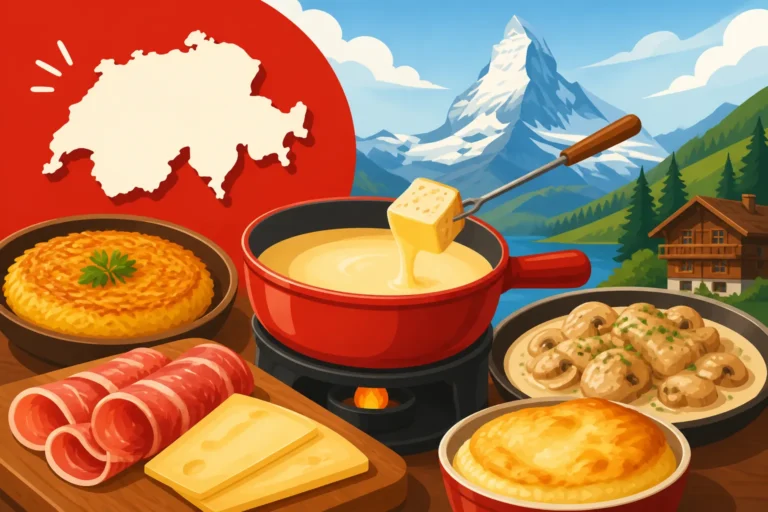
Of course, the iconic dishes like fondue and raclette are not just delicious; they are communal, warming experiences perfect for cold evenings. Imagine dipping crusty bread into bubbling cheese after a day on the slopes – pure bliss! Beyond food, many resorts offer fantastic wellness facilities. Look for hotels with saunas, steam rooms, or even outdoor heated pools with stunning mountain views. A long, hot soak is an excellent way to soothe tired muscles and restore your core temperature. Many local Therme (thermal baths) like those in Leukerbad or Bad Ragaz also provide a luxurious way to relax and truly thaw out. You can sometimes find deals for these experiences on platforms like GetYourGuide which package local activities.
Protecting Your Skin and Eyes
The sun at high altitudes in winter is incredibly powerful, even if it feels cold. The snow reflects up to 80% of UV radiation, meaning you're hit with rays from both above and below. This makes sunburn a very real and often surprising risk. Always apply a high SPF (30 or higher) sunscreen to any exposed skin, especially your face, ears, and neck, and reapply frequently.
Your lips are also susceptible to chapping and sun damage, so a good quality lip balm with SPF is a must. Don't forget your eyes either! Prolonged exposure to UV radiation and glare from the snow can lead to photokeratitis (snow blindness), a painful but temporary condition. Invest in good quality sunglasses that offer 100% UV protection, or, if you're skiing, wear appropriate ski goggles. They should fit snugly and offer excellent peripheral vision to keep you safe and comfortable.
Navigating Transport and Weather Challenges
The beauty of a snow-covered landscape can also present practical challenges, especially when it comes to getting around. Swiss infrastructure is legendary, but even it can be tested by severe winter conditions.
Public Transport in Winter: SBB and Mountain Connections
Switzerland's public transport system, primarily run by SBB (Swiss Federal Railways), is incredibly efficient and often the best way to travel during winter. Trains and PostBuses are usually equipped to handle snow and ice, offering a reliable alternative to driving. This is especially true when roads become treacherous or are temporarily closed due to heavy snowfall or avalanche risk. Many mountain resorts are car-free (like Zermatt or Wengen), making the train the only way in.
Plan your journeys in advance using the SBB Mobile App or their website. It provides real-time updates on delays and platform changes, which can be invaluable when unexpected weather hits. Consider purchasing a Half-Fare Travelcard (Halbtax): The Must-Have Pass for Swiss Residents or even a SBB Travelcards: Is the Generalabonnement (GA) Worth the CHF 4000+ Cost? if you're staying for an extended period, as these can offer significant savings. Websites and apps like Omio can also help you compare and book train and bus tickets, making multi-leg journeys across different transport providers seamless. Even in whiteout conditions, the trains keep chugging along, offering safe, warm passage through stunning winter landscapes. For detailed insights into the network, refer to Public Transport in Switzerland: SBB, GA, Half-Fare Cards, and Commuting.
Driving in Snowy Conditions: Tires and Vignettes
While public transport is often ideal, sometimes driving is necessary or preferred, especially if you're carrying a lot of gear or exploring less accessible areas. However, driving in Swiss winter conditions is not for the faint of heart. Winter tires are not legally mandatory by a specific date, but they are absolutely essential for safety from October to Easter in any conditions where snow or ice might be present. You can be fined and held liable in an accident if you don't have them. Some mountain roads will also require snow chains, which you should know how to fit.
Always check road conditions before you set off, especially for mountain passes. Websites like TCS (Touring Club Schweiz) or local police sites provide current information on pass closures and chain requirements. And don't forget your Autobahn vignette if you plan to use Swiss motorways; these are essential year-round. Our guide on How to Get Snow Tires and Drive Safely in the Alps in Winter provides crucial details for anyone planning to drive. Remember, even with the best tires and chains, take it slow, leave plenty of space, and avoid sudden braking or steering. Swiss traffic laws are strict, and fines for unsafe driving, especially in winter, can be substantial.
Checking Weather and Snow Reports
This cannot be stressed enough: the weather is the ultimate boss in the mountains. Always check the forecast and current conditions from reliable sources before heading out for any activity. MeteoSwiss (the official Swiss weather service) offers highly accurate forecasts, usually available in English, German, French, and Italian, and they have an excellent app.
Beyond general weather, for skiers and snowboarders, checking the local snow report and avalanche bulletin (available from SLF – Institute for Snow and Avalanche Research) is non-negotiable. These reports provide crucial information on snow depth, recent snowfall, temperature, and, most importantly, the avalanche risk level for specific regions. Many resorts also have their own apps or websites with live weather cameras and piste status updates. A seemingly beautiful, clear day can be misleading if strong winds are creating dangerous snowdrifts or if temperatures are plummeting rapidly. Being informed allows you to adjust your plans, ensuring your winter adventure remains safe and enjoyable.
Disclaimer
The information provided in this guide is intended for general informational purposes only and does not constitute professional advice. While we strive to provide accurate and up-to-date information, local regulations, weather conditions, and safety guidelines can change rapidly. Always consult official sources, local authorities, and experienced guides for the most current and specific advice regarding your activities in the Swiss Alps. Your safety is your responsibility.