Exploring Zermatt: Car-Free Living Under the Matterhorn
Oh, Zermatt! It's one of those places in Switzerland that sounds absolutely magical, right up until you start planning how to actually get there and move around a village where cars are forbidden. Many of us expats have stared at the map, scratching our heads, wondering how this "car-free" thing works in practice. This guide is here to untangle all those questions, helping you navigate Zermatt with ease, so you can truly soak in the breathtaking majesty of the Matterhorn without any logistical headaches.
Zermatt's Car-Free Charm: Embracing a Unique Alpine Experience
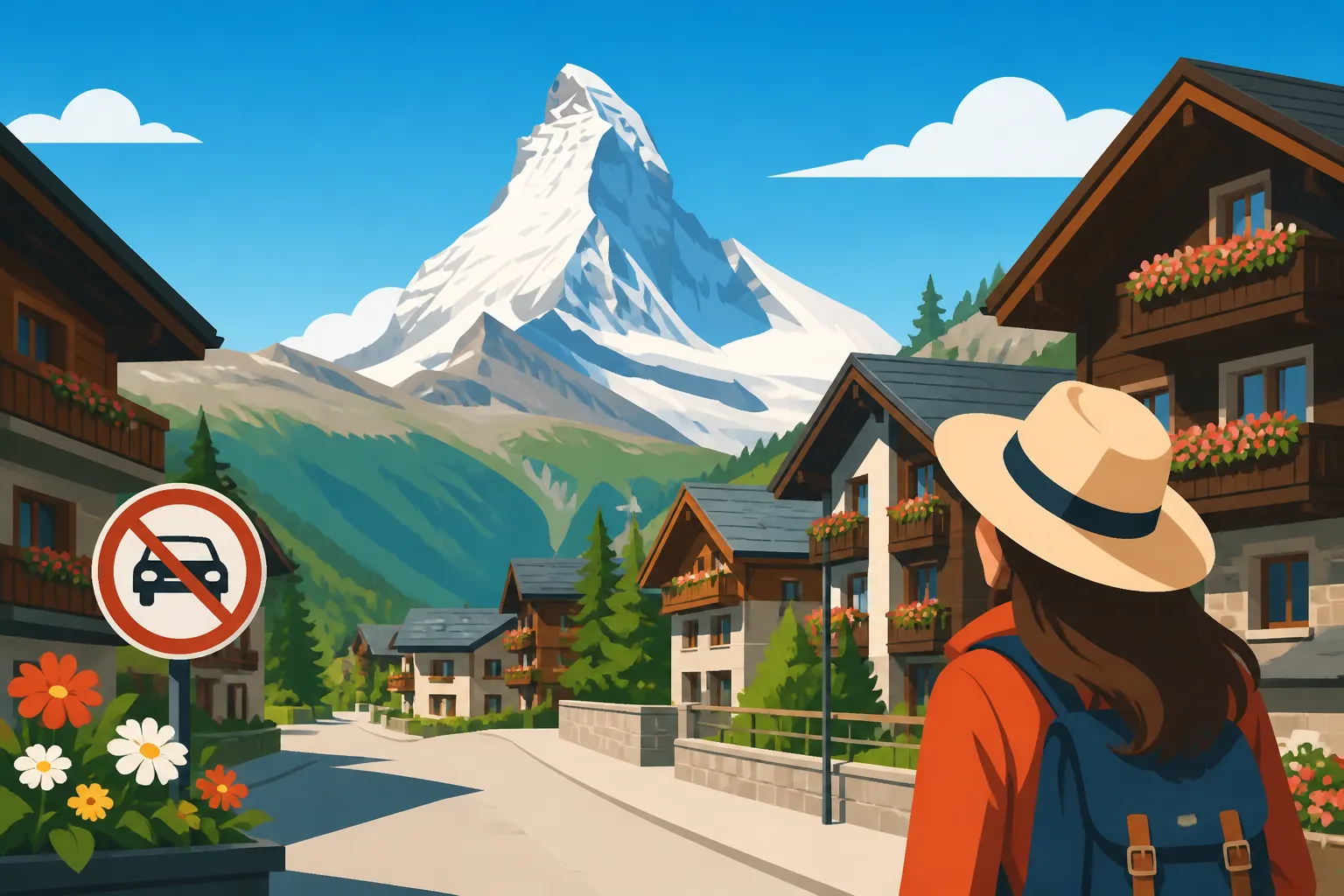
Zermatt isn't just another pretty Swiss village; it's an experience unto itself, largely because of its steadfast commitment to being car-free. This isn't just a quirky local custom; it's a deliberate choice rooted in preserving its pristine alpine air and ensuring the village retains its traditional, tranquil atmosphere. Imagine strolling through cobblestone streets, hearing only the gentle whir of electric taxis and the distant clanging of cowbells, rather than the incessant drone of combustion engines. It’s glorious, but it does require a bit of planning, especially if you’re used to driving everywhere.
Why Zermatt is Car-Free and What It Means for Visitors
The decision to make Zermatt car-free dates back to the 1960s, a visionary move long before environmental concerns became mainstream. The primary goal was to protect the air quality and reduce noise pollution in this iconic mountain resort, famous for being nestled at the foot of the magnificent Matterhorn. This means that private vehicles are simply not allowed to enter the village limits. For visitors, this translates into a unique arrival process, but also an incredibly peaceful and charming stay. You'll quickly find that the absence of cars forces you to slow down, appreciate your surroundings more, and truly embrace the alpine pace of life.
However, it also means you can't just drive up to your hotel. You'll need to prepare for a multi-modal journey, involving trains, and then either walking or taking one of Zermatt's signature electric vehicles. It's a small inconvenience, I promise, for the huge payoff in tranquility and crisp mountain air. Don't let the "no cars" rule intimidate you; it's part of what makes Zermatt so special and beloved by locals and tourists alike.
The Arrival Experience: From Täsch to Zermatt
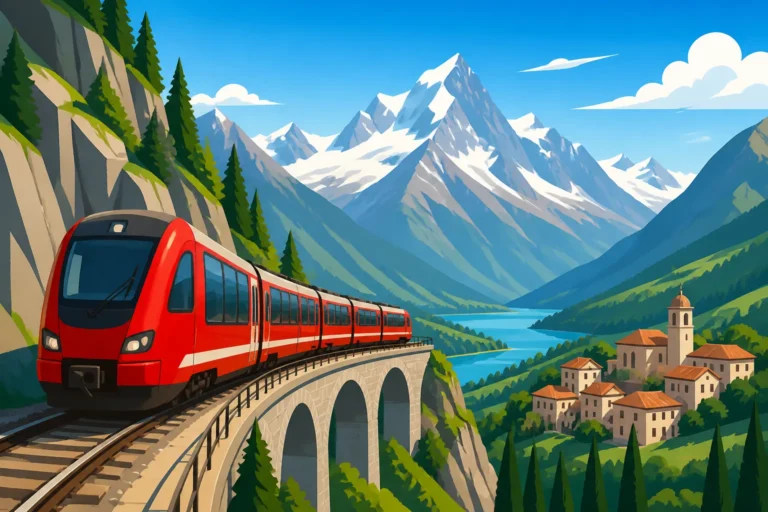
Your journey to Zermatt will almost certainly involve the small village of Täsch, located just 5 kilometers (about 3 miles) down the valley. This is where the road ends for private vehicles. If you're driving, you'll park your car here in one of the large parking garages – the Matterhorn Terminal Täsch is the most prominent and convenient, offering thousands of parking spaces. From Täsch, you then transfer to the Matterhorn Gotthard Railway, a shuttle train that runs frequently, taking you directly into the heart of Zermatt in about 12 minutes. This seamless connection is surprisingly efficient, even if it feels like an extra step.
For those of us relying on public transport from the get-go, it’s even simpler. The train takes you directly to Zermatt, often without any changes from major Swiss cities. You can easily book your train tickets via the SBB website or through platforms like Omio, which can sometimes streamline your booking if you're traveling from further afield and want to see all your options at once. Just make sure to check the timetable in advance, especially during peak seasons or late evenings. This train journey, often winding through stunning valleys, is part of the adventure itself! For more details on this leg of the journey, refer to our guide on How to Reach Zermatt Without a Car (Täsch Park and Ride).
Getting Around Zermatt Village: Electric Taxis and Foot Power
Once you step off the train in Zermatt, you'll immediately notice the calm. There are no noisy buses or roaring car engines. Instead, you'll see a fleet of small, silent electric vehicles resembling golf carts. These are Zermatt's electric taxis, and they are your primary means of motorized transport within the village if you don't fancy walking. Most hotels offer a pick-up service from the train station in their own electric shuttles, which is incredibly handy, especially with luggage. Be sure to check with your accommodation beforehand if this is an option.
Aside from these charming electric taxis, Zermatt is very much a pedestrian's paradise. The village center is compact and easily walkable, with most shops, restaurants, and amenities within a comfortable stroll. Embrace it! Exploring on foot allows you to discover hidden alleys, quaint chalets, and stunning viewpoints that you might otherwise miss. Remember, good walking shoes are your best friend here, whether you're just popping to the bakery or embarking on a serious hike.
Reaching the Mighty Matterhorn and Other Peaks
Zermatt is, without a doubt, dominated by the iconic pyramid of the Matterhorn. But this region offers access to an entire world of high-alpine splendor, with several unique mountain experiences, each providing a different perspective and adventure. Getting to these peaks involves a fantastic network of mountain railways, cable cars, and gondolas – a true marvel of Swiss engineering.
The Gornergrat Railway: Iconic Views and High-Altitude Adventures
The Gornergrat Railway is perhaps the most famous and accessible way to get truly up close and personal with the Matterhorn and its surrounding glaciers. This cogwheel railway, operating since 1898, is an engineering masterpiece that chugs its way up from Zermatt (1,604m) to the Gornergrat summit (3,089m). The journey itself is spectacular, offering increasingly dramatic panoramic views of the Matterhorn, Monte Rosa massif, and no less than 29 other 4,000-meter peaks.
At the top, the Gornergrat Kulm Hotel offers accommodation, a restaurant, and an observation deck that will steal your breath away. You can spend hours up here, simply gazing at the unparalleled vista, taking photos, or starting one of the many well-marked hiking trails that descend from the summit. It's a must-do for any visitor, regardless of the season. During winter, it's a gateway to some incredible ski runs, while in summer, it's a hiker's dream, with lakes like Riffelsee reflecting the Matterhorn on clear days. For comprehensive information on this incredible journey, be sure to check out our guide on Gornergrat Railway: Matterhorn Views from Zermatt.
Matterhorn Glacier Paradise: Europe's Highest Cable Car Station
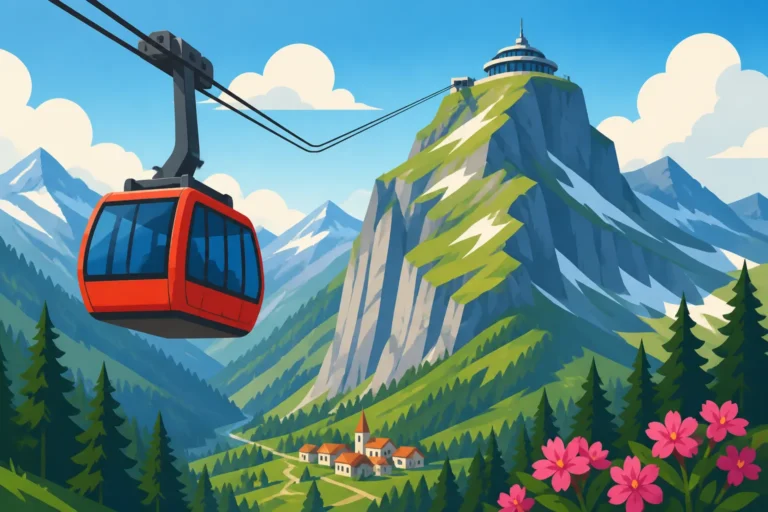
If you're looking to go even higher, the Matterhorn Glacier Paradise is your destination. This isn't just any cable car ride; it takes you to the highest cable car station in Europe, sitting at a staggering 3,883 meters (12,740 feet). From Zermatt, you'll take several cable cars, often changing at Furi and Trockener Steg, to reach this glacial wonderland. The ascent itself is an experience, especially the new "Matterhorn Glacier Ride" with its crystal cabins offering breathtaking views.
At the top, the views are truly out of this world. You can explore a glacier palace carved deep into the ice, offering stunning ice sculptures and even a slide! There's also a cinema lounge, a restaurant, and, of course, unparalleled panoramic views of the French, Italian, and Swiss Alps. This is a year-round ski area, so don't be surprised to see skiers and snowboarders even in the height of summer. Be aware that the altitude can be challenging for some, so take it easy and stay hydrated. Dress warmly, even on a sunny day, as it's perpetually cold up there!
Sunnegga, Blauherd, and Rothorn: Family-Friendly Mountains and Lakes
While Gornergrat and Matterhorn Glacier Paradise offer grand, high-alpine experiences, the Sunnegga-Blauherd-Rothorn area provides a slightly gentler, yet equally stunning, mountain adventure, particularly popular with families and hikers. You reach Sunnegga via an underground funicular from Zermatt – it's a speedy ride that pops you out at 2,288 meters. From Sunnegga, you can continue by gondola to Blauherd (2,571m) and then by cable car to Rothorn (3,103m).
This area is famous for its "Five Lakes Walk" (5-Seenweg), a relatively easy and incredibly scenic hike that connects five beautiful mountain lakes (Stellisee, Grindjisee, Grünsee, Moosjisee, and Leisee), many of which offer stunning reflections of the Matterhorn. Leisee, easily accessible from Sunnegga, even has a playground and barbecue areas, making it perfect for families with younger children. In winter, this is a fantastic ski area with a variety of slopes and the Wolli Park for beginners. It's truly an all-season playground, less about pushing to the highest point and more about soaking in the beauty at a comfortable elevation. Many visitors find booking specific excursions via platforms like GetYourGuide convenient, as they can sometimes combine transport with guided activities.
Essential Planning for Your Zermatt Trip
Visiting Zermatt, especially as an expat or tourist, requires a bit more thought than just booking a hotel and showing up. Its unique car-free status and high-alpine environment mean that some advanced planning can make all the difference between a good trip and a truly unforgettable one.
Accommodation Choices: Hotels, Apartments, and Mountain Huts
Zermatt offers a wide array of accommodation options to suit every budget and style, from luxurious 5-star hotels with Matterhorn views to cozy self-catering apartments and even rustic mountain huts for the adventurous. For shorter stays, especially if it’s your first time, a hotel near the train station or the main street (Bahnhofstrasse) can be incredibly convenient for arriving with luggage and accessing the mountain railways. Many hotels in Zermatt are renowned for their traditional chalet style, offering balconies with iconic views.
If you're planning a longer stay or traveling with family or a group, renting an apartment or chalet can be a fantastic option. This gives you more space, kitchen facilities, and a taste of local living. You can find many options on platforms like Booking.com. For the truly intrepid, or those embarking on multi-day hikes, consider staying in a traditional mountain hut (SAC Hütte). These offer basic, communal accommodation and meals in stunning, remote locations – an unforgettable, authentic alpine experience. Remember that prices in Zermatt can be on the higher side, so booking well in advance, especially during peak ski season or summer holidays, is highly recommended. For general advice on finding a place to stay in Switzerland, our guide on Renting in Switzerland: The Complete 2027 Guide for Expats might offer some useful perspectives.
Best Time to Visit Zermatt: Seasons and Activities
Zermatt is a year-round destination, each season offering its own unique charm and array of activities.
Winter (December to April): This is prime time for skiing and snowboarding. Zermatt boasts one of the largest and highest ski areas in the world, with guaranteed snow. Beyond skiing, you can enjoy snowshoeing, ice skating, sledding, or simply soaking in the festive atmosphere of the village. The crisp air and snow-covered chalets create a postcard-perfect scene.
Spring (May to June): A transitional period. Lower slopes might still be skiable, while hiking trails at mid-elevations begin to open. It’s a great time to witness the thawing landscapes and the first wildflowers, often with fewer crowds.
Summer (July to September): The hiking and mountain biking season truly comes alive. The entire network of trails opens up, and you can explore lush meadows, sparkling lakes, and high-alpine passes. Glacier skiing is still possible at Matterhorn Glacier Paradise. The weather is generally pleasant for outdoor activities.
Autumn (October to November): A beautiful, often overlooked season. The larch trees turn a brilliant golden yellow, creating stunning contrasts with the white peaks. It's excellent for hiking, offering clear skies and fewer tourists, though some cable cars might have short maintenance closures.
Consider your primary interests when planning your visit. Are you here for the thrill of the slopes, the tranquility of a summer hike, or the vibrant colors of autumn? Each period offers something distinct.
Budgeting for Your Zermatt Adventure: Costs and Savings
Let's be real: Zermatt isn't exactly a budget destination. Swiss prices, in general, are high, and Zermatt, as a premier alpine resort, is no exception. Accommodation, mountain railway tickets, food, and activities can add up quickly. However, with smart planning, you can certainly manage your expenses without feeling like you're missing out.
- Accommodation: As mentioned, consider self-catering apartments to save on dining out. Or, if you're a keen hiker, a night in a mountain hut is far cheaper than a hotel.
- Mountain Railways: These are often the biggest expense. A The Half-Fare Travelcard (Halbtax) is almost essential for Swiss residents, as it halves the cost of virtually all public transport and mountain railways, making a significant difference over several days. Children often travel free or at heavily discounted rates with a Junior Travelcard. Look into multi-day passes if you plan extensive mountain excursions.
- Food: Eating out in Zermatt can be expensive. Utilize local supermarkets (Coop, Migros) for groceries, picnics, and packed lunches. Many hotels offer half-board options (breakfast and dinner), which can sometimes be more cost-effective than à la carte dining every night.
- Activities: Hiking itself is free! Focus on walking and enjoying the natural beauty. Some museums or entry fees are minimal.
- When to visit: Shoulder seasons (late spring, early autumn) often see lower prices for accommodation compared to peak winter or summer.
It's wise to set a daily budget and track your spending. Prioritize what's most important to you – perhaps one special meal out, or ensuring you get to the Matterhorn Glacier Paradise. For broader strategies on managing your expenses in Switzerland, check out our article on Budget Travel in Switzerland: Seeing the Country Without Overspending.
Beyond the Peaks: Activities and Experiences in Zermatt
While the Matterhorn is undoubtedly the star, Zermatt offers a wealth of activities and experiences that go far beyond simply gazing at the iconic peak. Whether you're an adrenaline junkie, a nature lover, or simply someone who appreciates good food and a leisurely stroll, there's something here for everyone.
Hiking and Mountain Biking: Trails for Every Level
Zermatt is a hiker's paradise, boasting over 400 kilometers (250 miles) of marked trails that cater to all fitness levels, from gentle valley walks to challenging high-alpine treks. You can choose scenic routes that traverse flower-filled meadows, like the easy path from Sunnegga to Findeln, or embark on more demanding climbs to mountain passes that offer unparalleled panoramas. The "Five Lakes Walk" from Blauherd is a perennial favorite, providing stunning Matterhorn reflections and plenty of picnic spots. Don't forget the Gorner Gorge for a unique, refreshing walk through a geological marvel.
For mountain bikers, Zermatt also offers a fantastic network of trails, including thrilling downhill routes and scenic cross-country paths. Many of the gondolas and cable cars are equipped to transport bikes, making it easier to access higher trails. Before you head out, always check the weather, wear appropriate footwear, and carry enough water and snacks. Understanding trail markers is key to safe hiking; our guide on Swiss Hiking for Beginners: Trail Grades and the SAC System can provide some helpful tips.
Winter Sports Wonderland: Skiing, Snowboarding, and More
When the snow falls, Zermatt transforms into a world-class winter sports destination. With over 360 kilometers (224 miles) of pistes, Zermatt shares an interconnected ski area with Cervinia and Valtournenche in Italy, offering incredible variety for skiers and snowboarders of all abilities. The high altitude ensures excellent snow conditions well into spring, and the Matterhorn Glacier Paradise even offers year-round skiing.
Beyond traditional skiing, you can try cross-country skiing, carve down thrilling sled runs, or explore the serene winter hiking trails that crisscross the landscape. Snowshoeing is another popular activity, allowing you to discover the quieter, untouched corners of the snowy mountains. For families, the "Wolli Park" at Sunnegga provides a safe and fun environment for children to learn to ski. Remember to secure your ski passes and rental equipment in advance, especially during peak holiday periods. You can find more practical advice on this in our detailed guide about Skiing in Switzerland: Resorts, Passes, and Costs for Residents.
Dining and Shopping: Local Delights and Souvenirs
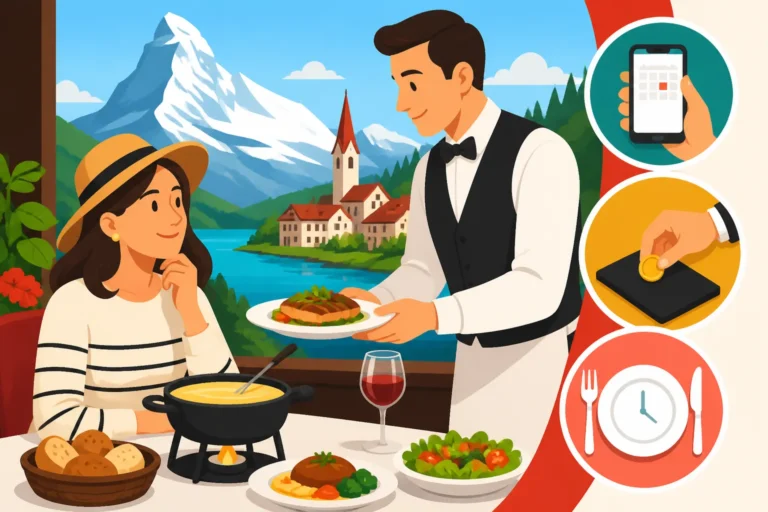
After a day of adventure, Zermatt offers a vibrant culinary scene, ranging from cozy traditional eateries (think fondue and raclette!) to Michelin-starred fine dining. Don't miss out on trying some local Valais specialties, like dried meat (Walliser Trockenfleisch) or hearty alpine cheeses. Many mountain restaurants offer spectacular views to accompany your meal, making for an unforgettable dining experience. Reservations are often recommended, especially for dinner. You can find general Swiss dining etiquette and tips in our article on Dining Out in Switzerland: Reservations, Tipping, and Mealtimes.
For shopping, Zermatt offers a charming mix of high-end boutiques, souvenir shops, and sporting goods stores. You'll find everything from Swiss watches and traditional wood carvings to quality outdoor gear and local delicacies. The main street, Bahnhofstrasse, is the hub for shopping. Don't forget to pick up some delicious Swiss chocolate or a bottle of local Valais wine to take home!
Practical Tips and Local Insights for Expats
As an expat in Switzerland, you quickly learn that while the scenery is breathtaking, the systems and nuances can take a little getting used to. Zermatt is no different. Here are some practical tips to ensure your visit goes as smoothly as a perfectly executed ski run.
Navigating Tickets and Passes: Swiss Travel Pass and Peak2Peak
The costs of mountain transport can be significant, so understanding the various passes available is crucial for saving money.
- Swiss Travel Pass: If you're touring Switzerland extensively by public transport, the Swiss Travel Pass is fantastic. It covers trains, buses, and boats across the country and offers discounts (usually 50%) on most mountain railways and cable cars, including the Gornergrat and Matterhorn Glacier Paradise.
- Half-Fare Travelcard (Halbtax): This is a must-have for almost every resident and many tourists staying longer. It gives you 50% off all public transport and mountain railways for a year. The savings add up incredibly quickly.
- Peak2Peak Ticket: This specific Zermatt pass allows you to visit both Gornergrat and Matterhorn Glacier Paradise in one go, sometimes offering a slight discount compared to buying individual tickets.
- Local Zermatt Passes: If you're staying for several days and plan on doing a lot of skiing or hiking, look into the Zermatt Bergbahnen (Mountain Railways) passes, which offer unlimited rides for a set number of days within the Zermatt-Cervinia area.
Always compare the costs based on your planned activities. Sometimes, a combination of a Half-Fare Card and local Zermatt passes works out to be the most economical. It’s definitely worth doing the math before you arrive.
What to Pack and Prepare for Alpine Conditions
The weather in the mountains can change incredibly quickly, so layers are your best friend. Even in summer, you can experience all four seasons in a single day, especially if you're venturing to higher altitudes.
- Layers: Pack base layers, mid-layers (fleece or wool), and a waterproof/windproof outer shell.
- Footwear: Sturdy, comfortable hiking boots are essential if you plan to hit the trails. Even for village strolls, comfortable shoes are key.
- Sun Protection: The sun at high altitude is intense. Bring high-SPF sunscreen, sunglasses, and a hat, even on cloudy days.
- Hydration: Always carry a water bottle. High altitudes can lead to dehydration more quickly.
- Small Backpack: Handy for carrying water, snacks, extra layers, and your camera.
- Adaptors: Don't forget your Swiss power adaptors (Type J).
- Warmth in Winter: For winter trips, add thermal underwear, warm gloves, a scarf, and a warm hat to your packing list. Our specific guide on What to Pack for a Day Trip to the Swiss Alps gives even more precise advice.
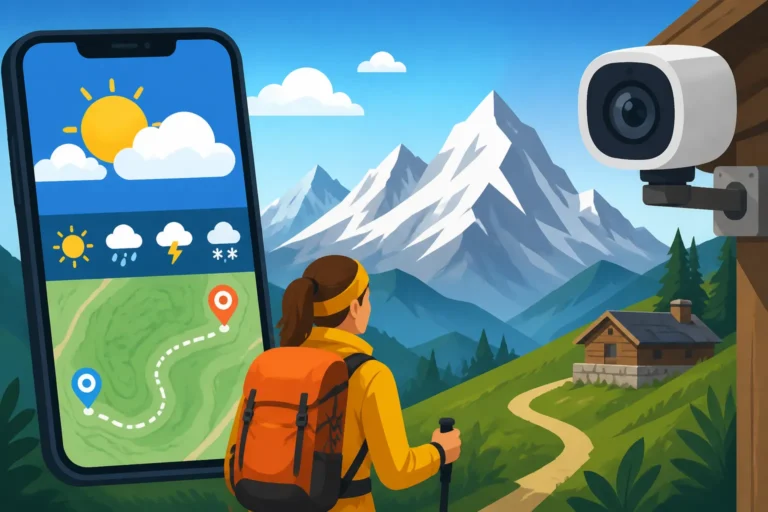
Always check the local weather forecast before heading out for the day. Mountain weather apps are very reliable here.
Embracing Zermatt's Unique Culture and Etiquette
Zermatt, while international, still retains a strong sense of Swiss alpine culture. Being aware of a few local customs can enhance your experience and help you fit in.
- Punctuality: Swiss people value punctuality. Be on time for reservations and appointments.
- Greetings: A simple "Grüezi" (Swiss German for hello) or "Bonjour" (French) is always appreciated.
- Quiet Hours: Like much of Switzerland, Zermatt observes "Ruhezeiten" (quiet hours), especially in residential areas. Sundays are particularly calm, with many shops closed. Respect these times.
- Hiking Etiquette: When hiking, greet fellow hikers, stay on marked trails, and take all your rubbish with you. If you encounter cows, give them space, especially if they have calves.
- Respect for Nature: Zermatt's pristine environment is cherished. Help keep it that way by leaving no trace.
- Tipping: Tipping in restaurants is not mandatory but appreciated for good service, usually by rounding up the bill or adding 5-10%.
- Swiss German: While High German, French, and English are widely spoken, you'll hear the local Valais dialect of Swiss German. Don't worry about speaking it, but a friendly "Merci vielmal" (thank you very much) or "Adieu" (goodbye, especially in French-speaking parts) goes a long way.
Embrace the slower pace, the stunning natural beauty, and the friendly, if sometimes reserved, locals. Zermatt is a place where you truly disconnect from the hustle and bustle and reconnect with nature. It’s an unforgettable corner of the world, and now you’re ready to explore it.
Disclaimer
Please note that while we strive to provide accurate and up-to-date information, circumstances in Switzerland, including travel regulations, prices, and opening hours, can change. We recommend verifying critical details with official sources, such as the Zermatt tourism office, SBB, and specific service providers, before making any definitive plans.