Which Side of the Glacier Express Has the Best Views?
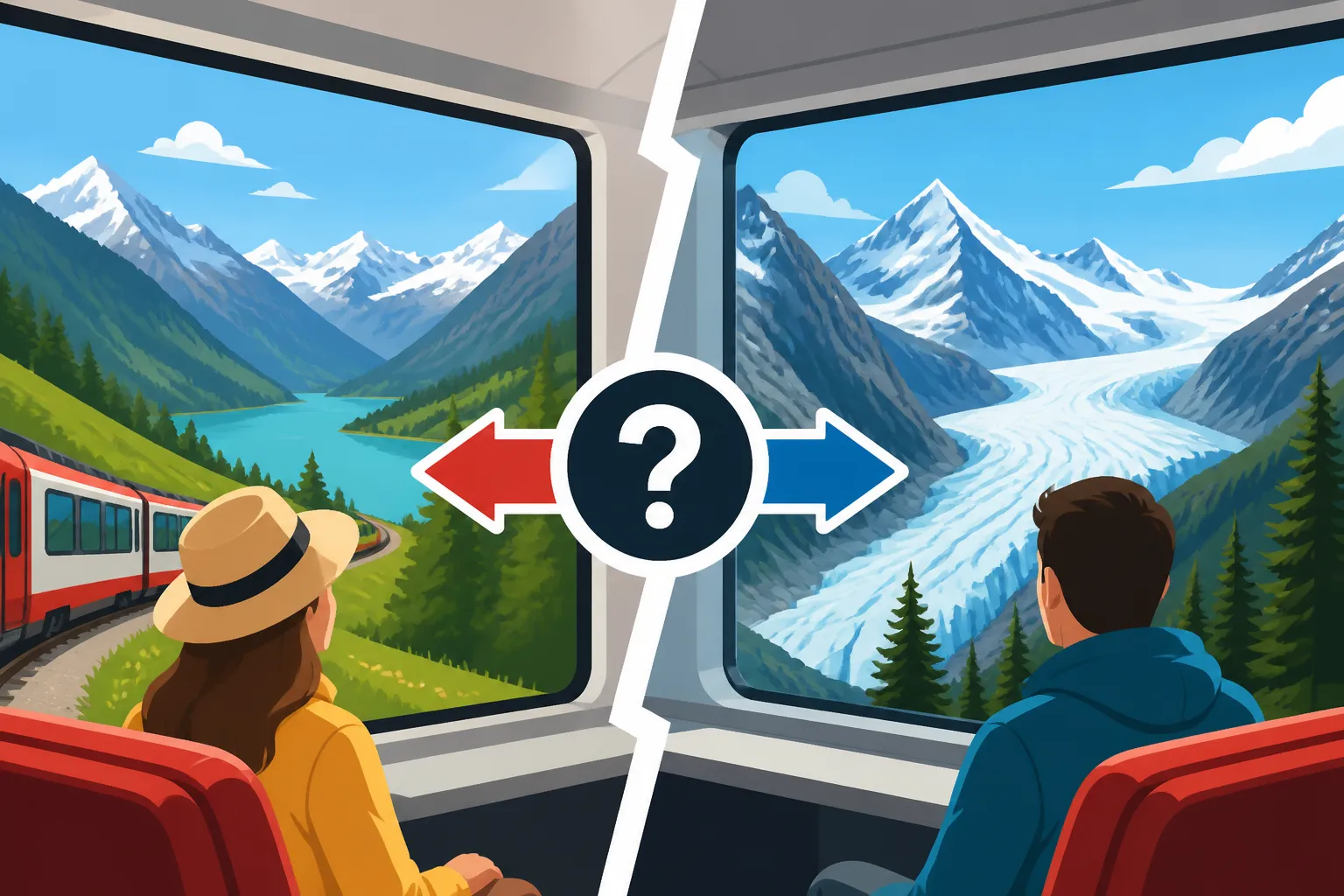
Oh, the Glacier Express! It's one of those quintessential Swiss experiences that every expat dreams of, a true bucket-list item. But let's be real, even with such a stunning journey, the devil is in the details, and nothing is more frustrating than picking a seat only to find all the "best" views are on the other side. You've booked your tickets, maybe splurged on the Excellence Class, and now you're wondering how to guarantee those postcard-perfect panoramas. Well, my friend, you're not alone. Figuring out which side of the Glacier Express has the best views isn't as straightforward as it seems, because the answer truly depends on the specific segment of the journey and the direction you're traveling. This guide is here to untangle that for you, offering a detailed breakdown of the iconic route.
Understanding the Glacier Express Route and Its Directionality
Before we dive into the nitty-gritty of left versus right, it's crucial to grasp the sheer scope of the Glacier Express route. This "slowest express train in the world" connects Zermatt in the canton of Valais with St. Moritz (or Davos) in Graubünden, traversing some of Switzerland's most breathtaking landscapes. We're talking about winding through deep valleys, climbing over high mountain passes, and navigating engineering marvels like spiral tunnels and soaring viaducts.
The journey typically lasts about eight hours, carving its path from west to east or vice versa. The views aren't static; they unfold, shift, and surprise you at every turn, which is why a blanket recommendation for "always sit on the left" or "always sit on the right" simply won't cut it. What's magnificent on one side for an hour might be completely obscured for the next, while the opposite side suddenly reveals a dramatic vista. For instance, sometimes the best views are literally behind you as the train turns, something you often miss in the moment. When planning your trip, consider checking out resources like The Glacier Express: Booking, Routes, and Is It Worth It for Residents to get a full picture of the experience.
Key Segments and Their Unique Charms
The Glacier Express journey can be broken down into a few distinct segments, each with its own character and photographic opportunities. Knowing these will help you visualize the advice on seating:
- Zermatt to Brig: Starting from the car-free village nestled at the foot of the Matterhorn, this initial stretch takes you through the Mattertal valley, surrounded by towering peaks.
- Brig to Andermatt: This section involves a steady climb through the Goms valley, offering glimpses of the Rhône Glacier's origins and classic Swiss villages.
- Andermatt to Disentis/Mustér: Here's where the train tackles the majestic Oberalp Pass, the highest point of the journey at 2,033 meters (6,670 feet).
- Disentis/Mustér to Chur: This segment is famous for the dramatic Rhine Gorge, often called the "Swiss Grand Canyon," a truly spectacular sight.
- Chur to St. Moritz/Davos: The final stretch involves the UNESCO World Heritage-listed Albula Line, featuring the iconic Landwasser Viaduct and a series of spiral tunnels.
Remember, as an expat, you might qualify for discounts. Many travelers compare the costs with regular trains, which you can read more about in Glacier Express vs Regular Trains on the Same Route: The Cost Difference.
Westbound vs. Eastbound: A Tale of Two Perspectives
The direction you travel profoundly impacts which side offers the "best" views. While there's no single "correct" answer, understanding the flow of the landscape as the train moves will empower you to make an informed decision. Let's break it down, generally assuming you want to face into the view rather than turning around constantly.
For the purpose of this guide, we'll primarily consider the journey from Zermatt to St. Moritz (eastbound), and then briefly touch upon the reverse. Many people book their tickets directly through SBB, but you can also find options on platforms like Omio, which sometimes offers competitive pricing and allows easy comparison of different routes and times.
Zermatt to St. Moritz (Eastbound Journey)
This is a popular direction, starting from the iconic Matterhorn village and heading into the heart of Graubünden.
Zermatt to Brig: Valais Valleys and Alpine Peaks
As you depart Zermatt, you'll initially want to be on the right side of the train for those lingering views of the Matterhorn receding behind you. However, don't fret too much if you're on the left; the panoramic windows mean you'll still get a good sense of the mountain, just a different angle.
Once you leave Zermatt, the Matterhorn views quickly become less prominent as you descend through the narrow Mattertal valley. For the rest of this section, both sides offer charming, if not overwhelmingly dramatic, views of traditional Valais villages, the Vispa river, and the surrounding lower mountains. The right side might offer slightly better unobstructed views of some villages nestled on the slopes, but it's not a critical decision point. This section is more about soaking in the local atmosphere.
Brig to Andermatt: Goms Valley and Rhone Glacier's Origins
After a brief stop in Brig, the train begins its ascent through the picturesque Goms valley. Here, the left side often presents slightly better views.
You'll be tracing the course of the young Rhône River, and the left side generally offers more expansive views of the valley floor, the charming old wooden chalets in villages like Münster-Geschinen, and the gradual ascent towards the higher alpine regions. The right side will mostly be against the mountain slopes or offer less open vistas. As the train climbs, you'll start to feel the grandeur of the high Alps around you, and the left side helps you appreciate the scale of the landscape as it opens up. For planning accommodations near the start or end of your trip, platforms like Booking.com can be very useful to find a cozy hotel or apartment.
Andermatt to Disentis/Mustér: Conquering the Oberalp Pass
This is one of the most exciting segments, as the Glacier Express climbs to its highest point at the Oberalp Pass. For the most part, the right side of the train will give you the best direct views as you ascend the pass.
As you twist and turn your way up, the right side will look out over the stunning Oberalp Lake, often partially frozen or surrounded by snow even in spring, with the lighthouse (yes, a lighthouse in the mountains!) standing proudly by its shore. The panorama of the surrounding peaks from the highest point is truly magnificent. The left side will largely be facing into the rock face or offer views of the railway infrastructure. However, as the train makes sweeping turns, especially around the summit, the views will briefly shift to the left, so keep an eye out and be ready to peek across the aisle or stand up if you can. It's a truly exhilarating part of the journey. Many travelers combine this with other mountain excursions; checking sites like GetYourGuide for scenic tours can give you ideas for future adventures.
Disentis/Mustér to Chur: The Spectacular Rhine Gorge (Ruinaulta)
Now, this is arguably the most famous part of the Glacier Express, and seating is paramount. From Disentis heading towards Chur, the left side offers the most direct and dramatic views of the Rhine Gorge.
The train descends into the "Swiss Grand Canyon," a deep, narrow gorge carved by the young Rhine River. On the left, you'll have uninterrupted views down into the gorge, with its unique white rock formations, the turquoise river winding below, and lush green forests clinging to the cliffs. It's truly a geological marvel. While the right side will still offer glimpses and certainly impress, it won't give you that immersive "looking down into the abyss" feeling that the left side provides. Be prepared for everyone to be glued to the windows here, camera in hand! This section is short but incredibly impactful, so choose wisely if you can.
Chur to St. Moritz/Davos: The Albula Line and Engineering Feats
This final stretch, particularly the UNESCO World Heritage-listed Albula Line, is a marvel of railway engineering and natural beauty. Here, the views are so diverse that both sides offer incredible sights, and you'll find yourself constantly looking left, right, and even back.
- Left Side: You'll get excellent views of the deep valleys and the winding route the train has taken, sometimes seeing other sections of the track far below or above you due to the ingenious spiral tunnels. You'll also see more of the dramatic landscapes of Graubünden, including castles and charming villages.
- Right Side: This side offers the quintessential view of the famous Landwasser Viaduct as the train curves to cross it. This is probably the most photographed spot on the entire route, where the train emerges from a tunnel and immediately crosses the multi-arched viaduct, seemingly suspended in mid-air. You'll want your camera ready for this! Furthermore, the right side often provides better views of the various tunnels and galleries that the train navigates through the mountains.
Because of the many twists, turns, and spiral tunnels, the views constantly change. If you're traveling with a partner or friend, try to get seats opposite each other so you can enjoy both perspectives without too much craning of necks. No matter which side you pick, this section is a masterpiece of engineering meeting nature. If you're considering a more extensive rail trip through Switzerland, knowing how to use your Half-Fare Travelcard (Halbtax): The Must-Have Pass for Swiss Residents can save you a bundle on tickets.
St. Moritz to Zermatt (Westbound Journey)
If you're traveling in the reverse direction, from St. Moritz to Zermatt, simply reverse the advice:
- St. Moritz to Chur (Albula Line): Again, both sides offer fantastic views due to the twists and turns. The Landwasser Viaduct view will now be best seen from the left side as the train approaches it.
- Chur to Disentis/Mustér (Rhine Gorge): As you ascend through the Rhine Gorge towards Disentis, the right side will give you the most direct views down into the gorge.
- Disentis/Mustér to Andermatt (Oberalp Pass): For the climb over the Oberalp Pass, the left side will offer the best views of the Oberalp Lake and the surrounding mountain panorama.
- Andermatt to Brig (Goms Valley): Descending through the Goms valley, the right side will generally provide more expansive views of the valley floor and traditional villages.
- Brig to Zermatt (Mattertal Valley): The Matterhorn will eventually come into view as you approach Zermatt, and this will be best seen from the left side.
Knowing Are Swiss Scenic Trains Covered by the GA Travelcard? can also help you determine the most economical way to experience this journey if you are a resident.
Practical Tips for Securing the Best Glacier Express Views
So, you've decided on your direction and noted down the best sides for each segment. Now, how do you actually make sure you get those seats? It's not always easy, but a little planning goes a long way.
Booking Your Seats Strategically
When you book your Glacier Express tickets, whether through SBB or a third-party like Omio, you often have the option to select your seat. This is where your research pays off.
- Book Early: The Glacier Express is incredibly popular, especially during peak seasons (summer and winter holidays). Seats, particularly window seats and those on the "best view" side, get snapped up quickly. As soon as your travel dates are firm, book your tickets.
- Consult a Seating Plan: Many booking platforms or the Glacier Express website itself will show you a seating plan for the panoramic carriages. Take your time to study it and pick seats that align with the recommendations above. Remember that "left" and "right" are usually determined by the direction of travel, but on a diagram, they might refer to the left and right sides of the carriage looking forward. Double-check the orientation!
- Group Travel: If you're traveling as a couple or a small group, try to book seats facing each other across the aisle. This way, you can easily switch sides for different segments or simply enjoy the views from both perspectives without disturbing other passengers. Many use GetYourGuide to plan group tours, and this seating strategy is key for groups on scenic trains.
- Excellence Class: If you've opted for the Glacier Express Excellence Class, you're in for an even more luxurious treat. These carriages have individual window seats guaranteed. The booking process usually involves selecting a specific seat number, so you can meticulously choose your spot based on the direction. Keep in mind that even in Excellence Class, the "best" side still shifts throughout the journey, but you'll have an unobstructed view the entire time.
Maximizing Your Experience Onboard
Even if you don't get the perfect seat for every single segment, there are still ways to make the most of your journey:
- Move Around (Responsibly): The panoramic coaches are designed for viewing. If the train isn't too crowded, and you're not in Excellence Class (where moving is less common due to the individual setup), you can often stand in the vestibules between carriages or briefly lean across to the other side to catch a specific view. Just be mindful of other passengers, especially those who did book that prime window spot.
- Bring a Good Camera (and clean lenses): With those huge panoramic windows, reflections can be a challenge. Try to press your lens as close to the glass as possible to minimize glare, and always wipe down the window with a clean cloth if you can reach it, before taking photos.
- Listen to the Commentary: The Glacier Express offers multilingual audio commentary (via headphones) that points out landmarks, explains the engineering marvels, and provides cultural insights. This is invaluable, as it will often alert you to upcoming sights, helping you know when to look left, right, or even behind you!
- Embrace the Journey: Sometimes, the best view isn't a dramatic canyon or a soaring peak, but simply a quiet moment watching a cow graze in a lush meadow, or a tiny village church steeple disappearing into the mist. Switzerland is full of these charming details, and focusing too much on the "perfect" shot can make you miss the subtle beauty. For more tips on blending in, read Swiss Customs and Etiquette: Social Norms Every Newcomer Should Know.
Summary of Best Sides by Segment and Direction
To make things a little easier, here’s a quick reference table for the most iconic parts of the Glacier Express journey. This table assumes you want the primary direct view from your window for that segment.
| Segment | Direction Zermatt -> St. Moritz (Eastbound) | Direction St. Moritz -> Zermatt (Westbound) | Key Views to Anticipate |
|---|---|---|---|
| Zermatt – Brig (Mattertal Valley) | Right (Matterhorn receding) | Left (Matterhorn approaching) | Matterhorn (briefly), alpine villages |
| Brig – Andermatt (Goms Valley) | Left | Right | Expansive valley views, traditional chalets |
| Andermatt – Disentis (Oberalp Pass) | Right | Left | Oberalp Lake, mountain panorama, highest point |
| Disentis – Chur (Rhine Gorge) | Left (Crucial for direct views) | Right (Crucial for direct views) | Deep canyon, white cliffs, Rhine River below |
| Chur – St. Moritz (Albula Line) | Both (Landwasser Viaduct on Right) | Both (Landwasser Viaduct on Left) | Landwasser Viaduct, spiral tunnels, castles, high alpine scenery |
Ultimately, the Glacier Express is an experience, and while optimal seating enhances it, the sheer beauty of the journey will captivate you regardless. Don't stress too much if your ideal seats aren't available. Just relax, soak it all in, and enjoy the ride through Switzerland's incredible landscapes. Planning your pre- or post-train stay? Booking.com can help you find suitable accommodation to complement your trip.
Disclaimer
The information provided in this guide is for general informational purposes only and is based on common travel experiences and publicly available data as of 2026. Train schedules, seating configurations, and specific scenic conditions (e.g., snow cover, foliage) can vary. It is always recommended to verify details with the Glacier Express operator or your booking agent before travel. Personal preferences for views can also differ.