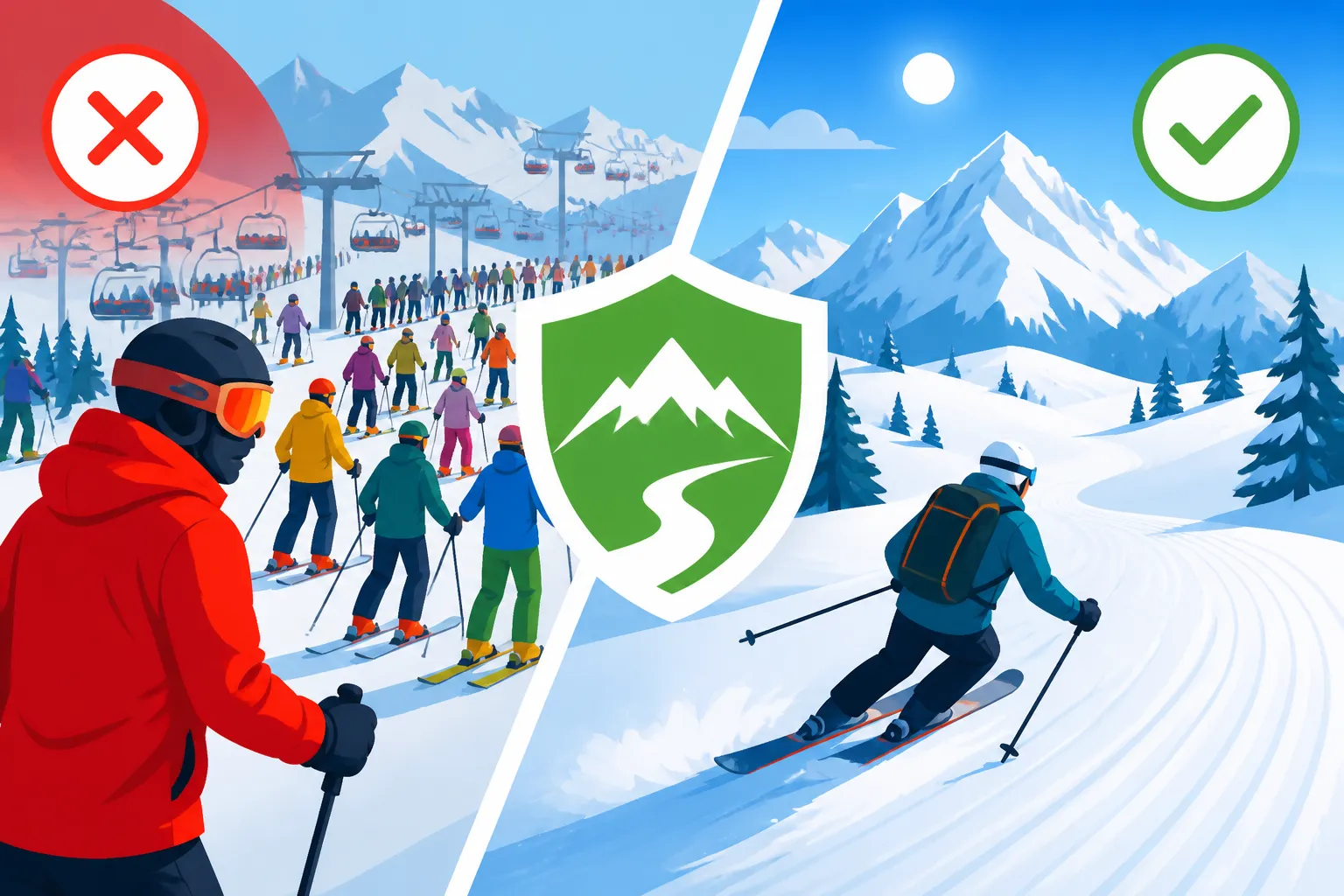
Avoiding Crowds on Swiss Ski Slopes During School Holidays
Oh, the sheer joy of planning a Swiss ski trip, right? You envision pristine slopes, crisp mountain air, and cozy Après-Ski fondue sessions. Then you hit the slopes during school holidays, and suddenly it's less "pristine slope" and more "human conveyor belt" at the lift lines. It’s a classic expat frustration, feeling like you’ve been caught in a stampede when all you wanted was a peaceful carve. But don't despair! This guide is packed with realistic, hard-won wisdom from years of living here, designed to help you dodge the masses and reclaim the magic of Swiss skiing, even during the busiest times.
Understanding the Peak Season Calendar: When Not to Go (If You Can Help It)
Navigating the Swiss ski season means being acutely aware of the calendar, especially when it comes to school holidays. It's not just Swiss kids you're contending with; a significant influx of families comes from Germany, France, Italy, and beyond, all converging on the same majestic slopes. Knowing these dates is your first and most crucial line of defense against the crowds.
Major Holiday Periods and Their Impact
There are a few key windows when Swiss ski resorts transform into bustling hubs, and if you can avoid them, your stress levels (and lift queue times) will thank you. The most intense period is typically Christmas and New Year's, running from mid-December through the first week of January. Everyone wants a white Christmas in the Alps, and that means everyone is in the Alps. This is followed by the February/Carnival holidays (often known as Fasnacht weeks in Switzerland), which can shift slightly but generally fall between mid-February and early March. This time often sees a second, equally strong surge of European families enjoying their winter break. Finally, Easter holidays, usually in March or April, can bring another wave, especially to higher-altitude resorts that still boast good snow.
During these times, not only are the slopes packed, but accommodation prices soar, restaurants are fully booked, and even booking train tickets to mountain regions becomes a strategic mission. It’s not uncommon to spend 20-30 minutes in a queue for a popular gondola, or find beginner slopes so saturated that learning feels impossible. The general vibe, while still festive, often swaps serene enjoyment for a more hurried, shoulder-to-shoulder experience, particularly at the most popular resorts like Zermatt, Verbier, and the Jungfrau Region. For those keen on exploring the peaks without the constant jostle, you might consider some of the Best Scenic Train for Families With Young Children in Switzerland options during the shoulder season instead.
The Sweet Spots: Shoulder Seasons and Off-Peak Days
If your schedule allows, aiming for the "shoulder seasons" or even better, mid-week skiing, can be a game-changer. Mid-January through early February (after New Year's and before the main Carnival rush) and mid-March through early April (after the February rush but before Easter, or later in April at high-altitude resorts) are often fantastic. The snow is usually excellent, the days are getting longer in spring, and critically, the crowds thin out dramatically. You'll find shorter lift lines, more space on the pistes, and often better deals on accommodation and even ski passes.
Consider arriving on a Sunday afternoon and skiing Monday through Friday. Even at popular resorts, weekdays outside of official holiday periods are significantly calmer. This is especially true if you can sneak away for a day trip. Instead of a full week, a series of strategic day trips can offer more peaceful skiing. Remember to check local cantonal school holiday calendars, as they can differ slightly from the federal ones and international schedules. Websites like ch.ch or specific cantonal education sites can provide these dates. This flexibility can also help you find Affordable Ski Areas in Switzerland for Locals on a Budget that might be overlooked by the larger tourist crowds.
Here’s a rough guide to typical peak periods to consider:
| Period | Approximate Dates | Crowd Level | Price Level | Notes |
|---|---|---|---|---|
| Christmas & New Year | Mid-Dec to Early Jan | Very High | Very High | Everyone wants a white Christmas. Book everything far in advance. |
| February/Carnival | Mid-Feb to Early March | High | High | European school holidays. Popular for families. |
| Easter | Late March to Mid-April | Medium-High | Medium-High | Higher resorts still have great snow. Lower resorts may close. |
| Mid-January | Early Jan to Mid-Feb | Low-Medium | Medium | Often fantastic snow, much calmer after New Year's. |
| Mid-March/April | Mid-March to End of Season | Low-Medium | Medium-Low | Spring skiing, sunny days, slushy afternoons at lower altitudes. |
Strategic Skiing: Tactics for Beating the Crowds Day-by-Day
Even if you have to go during school holidays, there are still plenty of smart moves you can make to minimize your time in queues and maximize your time on snow. It’s all about planning and being a bit unconventional.
Early Bird Gets the Fresh Tracks
This might sound obvious, but it’s amazing how many people sleep in. Getting to the lifts right when they open (usually around 8:30 or 9:00 AM) can give you a solid hour or two of relatively empty slopes. The early morning snow is often the best of the day – crisp, corduroy-perfect pistes waiting for you. Most families, especially with younger children, tend to arrive closer to 10:00 AM, creating that first rush. If you can be showered, breakfasted, and on the first gondola up, you'll feel like you have the mountain to yourself for a precious window.
Plan your route to hit the most popular runs first, before they get chopped up and crowded. By the time the masses arrive, you'll have already bagged a few fantastic runs and can then either move to less popular areas or take a well-deserved early coffee break. It might mean setting your alarm a bit earlier than you’d like on vacation, but trust me, that feeling of gliding down an empty run as the sun just hits the peaks is absolutely worth it. This strategy is also excellent for families, allowing them to truly enjoy the slopes without fear of collisions from overly enthusiastic adults, making it ideal for those seeking Family Ski Resorts in Switzerland: Best Areas for Children.
Mid-Day Mobility and Lunch Timing
When the main crowds hit their peak – typically between 10:30 AM and 1:30 PM – this is your cue to do something different. Instead of joining the fray, use this time strategically. Many people flock to the main mountain restaurants for lunch between 12:00 PM and 2:00 PM. This is your prime opportunity to keep skiing. Pack a picnic lunch – a sandwich, some fruit, a Schoggistängeli (chocolate bar), and a thermos of tea – and eat it on a quiet bench with a view, or even on a less-trafficked slope. The mountain restaurants can be incredibly busy, expensive, and sometimes chaotic during these peak lunch hours.
If you absolutely want a hot meal at a mountain hut, aim for a very early lunch (around 11:30 AM) or a late lunch (after 2:00 PM). You'll find far fewer people and much more relaxed service. Another tactic is to use this mid-day rush to explore areas that are further out from the main lifts or require an extra traverse. Many casual skiers stick to the central, easily accessible runs. Venture a little further, and you'll often be rewarded with significantly emptier pistes. You can use apps like those available via the SBB Mobile App to Book Scenic and Regional Journeys to check connection times and plan your moves efficiently, ensuring you reach those quieter spots.
Evening Skiing and Alternative Activities
Some resorts offer evening skiing (night skiing) on select days. This can be a magical and often less crowded experience. The slopes are beautifully lit, the air is crisp, and there’s a certain tranquility to skiing under the stars. Check the resort's schedule for specific dates and times, as this isn't available everywhere every night.
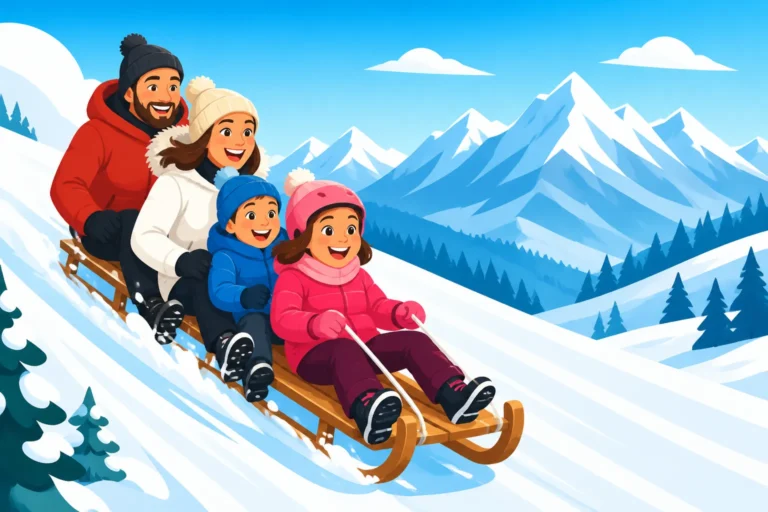
Beyond skiing, remember that Swiss winter holidays offer a plethora of other activities that are often less impacted by the ski crowds. Think about a day of Snowshoeing and Winter Hiking in Switzerland for Non-Skiers through a serene forest, or perhaps a thrilling afternoon on a toboggan run, as highlighted in Sledding (Schlitteln) Runs in Switzerland: Family Winter Fun. Many resorts also have ice skating rinks, indoor pools, or even spa facilities where you can relax while the masses battle it out on the slopes. You could even use a platform like GetYourGuide to discover unique local experiences that bypass the ski lifts entirely, offering a different perspective of the stunning winter landscape.
Exploring Lesser-Known Gems: Alternative Ski Resorts Off the Beaten Path
Switzerland boasts hundreds of ski resorts, and while the big names draw the biggest crowds, there are many fantastic, smaller, and often more charming options that offer superb skiing without the same level of frenzy, even during peak season.
Prioritizing Smaller, Local Resorts
Instead of Zermatt, Verbier, or St. Moritz, consider places that cater more to local Swiss families or those looking for a quieter experience. Resorts like Adelboden-Lenk, Engelberg-Titlis (though Titlis can be busy at the very top, the lower runs are often calm), Arosa Lenzerheide (especially the Lenzerheide side), or Grächen in Valais are excellent choices. They still offer extensive terrain, modern lifts, and breathtaking scenery, but often lack the international hype that draws the mega-crowds. These resorts might not have the same number of Gucci boutiques, but they offer genuine Swiss charm, often at a more palatable price point.
The key is to look for resorts that are not on the "must-see" list for international tourists. Think about regions slightly off the main railway lines, or those that require a bit more effort to reach. The extra travel time is often repaid tenfold in peace and quiet. For instance, the Val d'Anniviers in Valais, with its interconnected resorts like Grimentz, Zinal, and Vercorin, offers a vast and challenging ski area with typically fewer crowds than its flashier neighbours like Crans Montana. These hidden gems can provide a much more authentic and enjoyable Swiss ski experience.
Geographical Considerations: East vs West, North vs South
The language regions of Switzerland also play a role in crowd dynamics. French-speaking (Romandie) and German-speaking (Deutschschweiz) cantons often have slightly different holiday schedules, and their resorts tend to attract different primary visitor groups. Resorts in Ticino (Italian-speaking Switzerland) like Bosco Gurin or Airolo-Pesciüm can also be surprisingly quiet, especially if you're travelling from the German or French parts of the country. They offer a completely different vibe and often benefit from more sunshine.
Furthermore, consider the accessibility from major airports. Resorts that are a straightforward 1-hour train ride from Geneva or Zurich tend to be busier than those requiring a longer journey or a bus connection from a smaller train station. If you're willing to venture a bit deeper into the mountains, perhaps using Omio to plan intricate train and bus connections to places like Disentis or Andermatt-Sedrun (which has become more popular but still has quiet pockets), you'll often find more space. For detailed information on reaching various resorts by train, our guide on Switzerland by Train: The SBB Network, Scenic Routes, and Day Trips can be invaluable.
Smart Planning and Booking: Leveraging Tools and Flexibility
Once you've decided when and where to go, the next step is to plan your logistics like a pro. Smart booking strategies and flexible thinking are essential, especially during school holidays.
Accommodation Strategies: Beyond the Main Resorts
When the popular resorts are bursting at the seams, consider staying in a nearby, smaller town that's a short bus or train ride away from the main ski lifts. For example, if you're skiing in the Jungfrau Region, instead of staying right in Wengen or Grindelwald, look for accommodation in Lauterbrunnen or even down in Interlaken. These base towns are usually less expensive and less crowded, but still offer excellent connections to the slopes. You can use platforms like Booking.com to find a wider array of options in these surrounding areas, sometimes uncovering true gems that are a fraction of the price of staying slope-side.
Staying slightly further afield can often mean enjoying a quieter evening atmosphere, a wider choice of local restaurants, and easier access to other non-skiing activities. You might even find better deals on ski rentals or grocery stores outside the immediate resort bubble. This approach requires a bit more planning for your daily commute to the lifts, but with Switzerland's incredibly efficient public transport system, it's often surprisingly smooth. Always check the bus and train schedules in advance, especially for early morning starts. For more insights into booking accommodations, you can check out Mountain Huts vs Hotels: Where to Stay in the Swiss Alps or even Budget Accommodation in Switzerland: Hostels and Holiday Apartments for truly economical options.
Lift Pass Purchases and Rental Logistics
Pre-purchasing your lift passes online, particularly multi-day passes or regional passes, can save you precious time waiting in line at the ticket office. Many resorts offer online discounts and allow you to pick up your pass from a machine or even have it mailed to you. This might not directly reduce crowds on the slopes, but it certainly cuts down on the hassle at the base station. If you have a Half-Fare Travelcard (Halbtax): The Must-Have Pass for Swiss Residents, remember that while it won't give you discounts on ski passes, it will reduce the cost of your train and bus travel to the resort.
For ski rentals, booking your equipment online in advance is highly recommended during peak times. Many shops offer this service, allowing you to just pick up your gear when you arrive, minimizing your wait time. Even better, consider renting from a town before you get to the actual ski resort. A larger sports shop in a valley town like Interlaken, Thun, or Visp might have better availability, competitive prices, and less frantic service than a tiny shop in a packed resort village. Remember to research specific resorts' passes and prices, as discussed in Skiing in Switzerland: Resorts, Passes, and Costs for Residents.
Leveraging Technology for Real-Time Updates
Most major Swiss ski resorts now have excellent websites and apps that provide real-time information. Use these to your advantage.
- Live lift status: See which lifts are open, closed, or experiencing delays.
- Piste status: Check which runs are groomed, open, or closed.
- Webcams: Get a live view of the weather and, crucially, the queues at popular lifts.
- Crowd indicators: Some advanced apps even use anonymized data to give a sense of how busy certain areas of the mountain are.
By checking these resources first thing in the morning and throughout the day, you can dynamically adjust your plans. If you see a particular gondola has a massive queue, divert to a different part of the mountain. If one area is getting too busy, head to another. This real-time flexibility is your secret weapon against the static planning of the masses. Remember, a successful ski day during busy periods isn't about avoiding all crowds, but about making informed choices to minimize their impact on your experience. And for all things travel, be it trains, buses, or flights to get to or from the slopes, Omio is a fantastic tool for comparing routes and booking tickets efficiently across Switzerland and Europe.
Disclaimer
The information provided in this guide is intended for general informational purposes only and does not constitute professional advice. While we strive to offer accurate and up-to-date content, circumstances in Switzerland, including ski resort operations, holiday schedules, and pricing, can change rapidly. Always verify current conditions, opening hours, and specific regulations directly with official sources, such as ski resort websites, local tourist offices, and transportation providers, before making any travel plans or decisions. Skiing and other mountain activities carry inherent risks, and it is essential to be adequately prepared and insured.