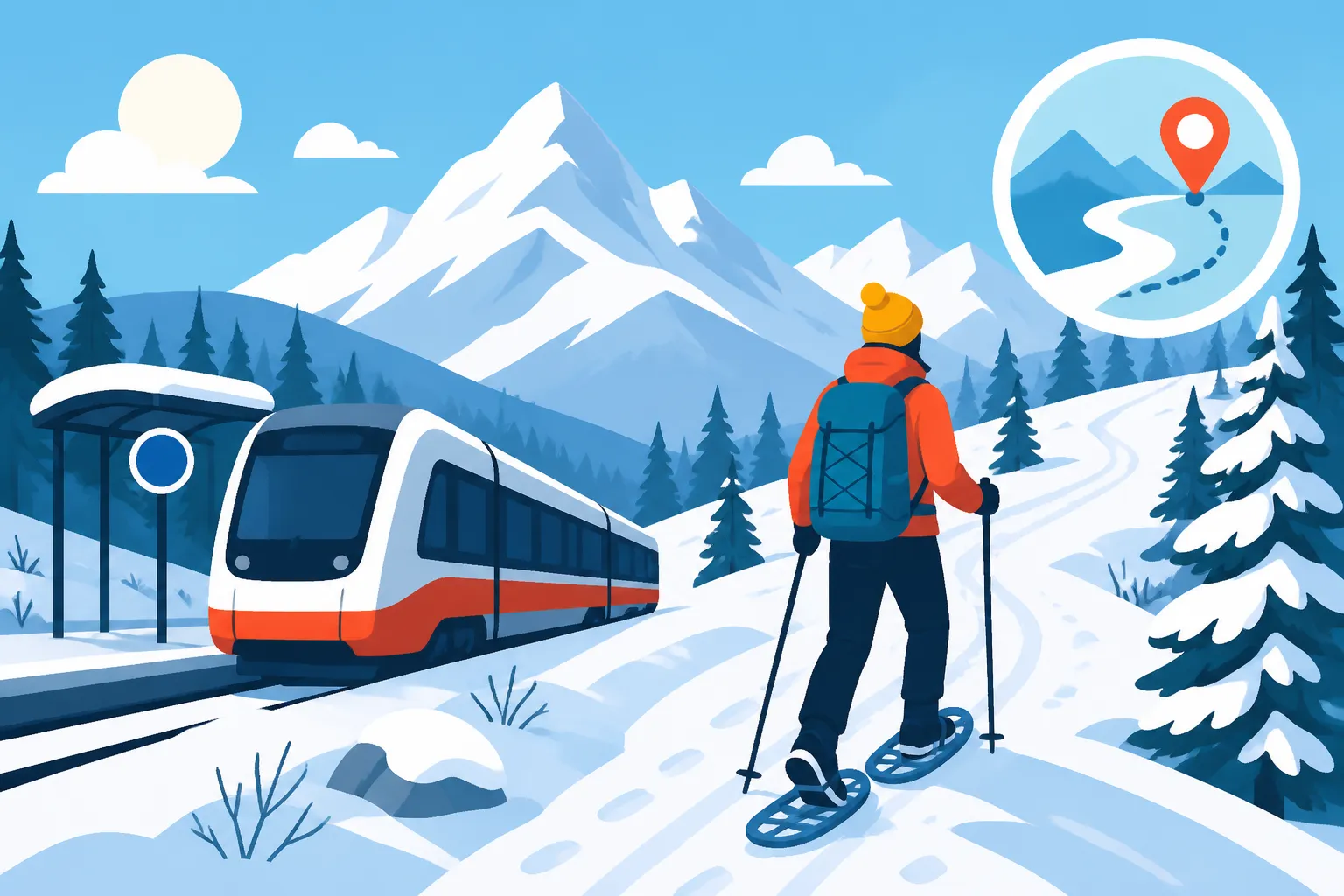
Snowshoeing Trails Accessible by Public Transport
As an expat in Switzerland, you quickly learn that winter transforms our landscapes into something out of a fairytale, beckoning you to explore. But let's be honest, navigating snowy mountain roads, dealing with winter tires, and finding parking can be a real headache, especially if you don't own a car or simply dread winter driving. Don't let that stop you! This guide is going to unlock the magic, revealing how you can access breathtaking snowshoeing trails across this beautiful country using nothing but our famously efficient public transport system.
The Unbeatable Advantage of Public Transport for Your Winter Escapades
When you first arrive in Switzerland, the sheer convenience of the public transport system is often one of the first things that truly impresses you. It’s reliable, punctual, and seemingly connects every village, no matter how remote. For winter activities like snowshoeing, this isn't just a perk; it's a game-changer.
The Expat Car Conundrum in Winter
Let’s be real for a moment. Owning a car in Switzerland comes with its own set of challenges, and in winter, these amplify. The initial cost of purchase, the hefty insurance, annual road tax, and then the non-negotiable requirement for winter tires (which can be a significant expense, along with the hassle of changing them twice a year) are just the start. Then there’s the annual motorway vignette, usually around CHF 40, which is mandatory if you plan to hit the highways.
Beyond the financial outlay, consider the logistics. Driving on icy or snow-covered mountain roads requires a certain level of skill and confidence. Many passes are closed in winter, forcing long detours. And once you reach your destination, parking in popular mountain resorts can be an absolute nightmare, often expensive, limited, or both. Imagine finally getting to the trailhead, only to spend another 30 minutes circling for a spot, feeling your motivation slowly ebb away. This is a common frustration for many expats, especially those used to more car-centric living. The joy of a spontaneous day trip can quickly turn into a logistical puzzle.
The SBB Network: Your Winter Wonderland Lifeline
This is where the Swiss Federal Railways (SBB) and the broader public transport network truly shine. It’s not just about trains; it’s an integrated system of PostBuses, trams, and mountain cable cars that work together seamlessly. You can genuinely get from almost any urban center to the base of a pristine snowshoe trail without ever touching a steering wheel.
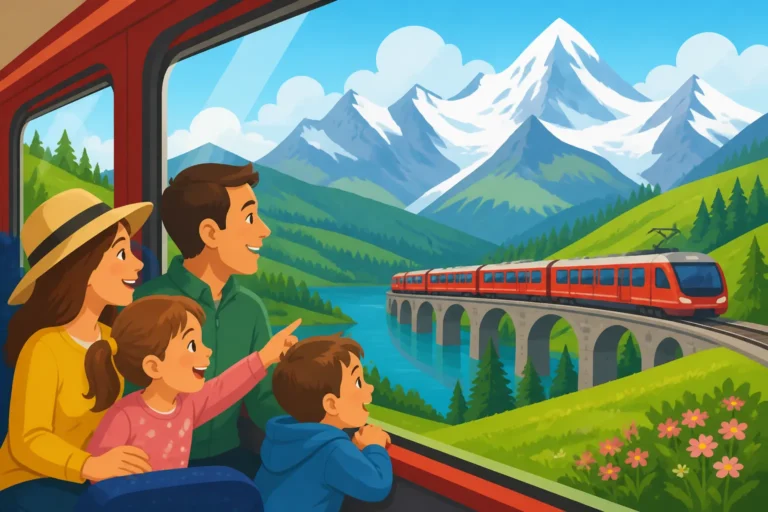
Think about it: no stress about road conditions, no wrestling with parking, and no white-knuckle drives up winding mountain roads. Instead, you can relax on a warm, comfortable train, gazing out at the passing snowy landscapes, sipping a coffee, or catching up on a book. It transforms the journey from a chore into an integral, enjoyable part of the adventure. The precision of Swiss public transport also means you can plan your day down to the minute, knowing connections will usually be met. Whether you're in Zurich, Geneva, Basel, or any other major city, a world of winter hiking is just a train and bus ride away. Many expats find that embracing the SBB system not only saves money but significantly reduces stress and enhances their overall quality of life here. If you haven't already, seriously consider investing in The Half-Fare Travelcard (Halbtax): The Must-Have Pass for Swiss Residents – it's a game-changer for day trips!
Environmental and Stress Benefits
Beyond the practicalities, there are other, perhaps less tangible, benefits. Choosing public transport is a more environmentally friendly option, reducing your carbon footprint as you head to the mountains. It aligns beautifully with the Swiss ethos of sustainability and appreciating nature.
Moreover, the entire experience feels different. Instead of focusing on the road, you're present in the journey. You can chat with your companions, plan your route on the SBB app, or simply enjoy the majestic views that unfold outside your window. By the time you arrive, you’re refreshed and ready to hit the snow, rather than feeling frazzled from the drive. This relaxed approach allows you to truly immerse yourself in the natural beauty of the Swiss Alps, which is, after all, why most of us expats came here in the first place!
Essential Planning for Your Car-Free Snowshoe Adventure
Embarking on a snowshoeing trip in the Swiss Alps, even on marked trails, requires a bit more foresight than a summer hike. The mountains can be fickle, and being prepared is key to an enjoyable and safe experience.
Gear Up: What to Pack and Rent
First things first: your gear. You don't want to be caught unprepared in the Swiss winter, as the weather can change dramatically in a matter of hours.
- Snowshoes and Poles: Obviously, you’ll need snowshoes! These distribute your weight, preventing you from sinking too deep into the snow. Poles are crucial for balance, especially on uneven terrain or descents. If you don't own them, fear not! Most major sports shops in mountain towns (like those in Interlaken, Grindelwald, or Engelberg) offer daily rentals. Many smaller villages also have local sports equipment shops that can sort you out. It’s often much cheaper to rent for a day or a weekend than to buy a full set, especially when you're just starting out or only go a few times a season.
- Layered Clothing: This is vital. Think moisture-wicking base layers, an insulating middle layer (fleece or light down), and a waterproof/windproof outer shell. You’ll generate a lot of heat while moving, but you'll get cold quickly when you stop. Don't forget waterproof trousers!
- Warm, Waterproof Boots: Your regular hiking boots might suffice if they're waterproof, but consider insulated winter hiking boots for better warmth and grip. Ensure they are compatible with snowshoes (most standard hiking boots are).
- Gloves, Hat, and Scarf/Neck Gaiter: Essential for protecting extremities.
- Sun Protection: Even on cloudy days, the sun reflecting off the snow can cause severe sunburn and snow blindness. Pack sunglasses (preferably UV-protected, category 3 or 4), sunscreen, and lip balm with SPF.
- Food and Drink: Bring plenty of water or a warm thermos of tea, along with high-energy snacks like nuts, chocolate, and sandwiches. You'll burn more calories than you think!
- Safety Gear (and when to use it): For marked and groomed snowshoe trails, typical avalanche gear (transceiver, probe, shovel) isn't usually necessary, as these trails are generally assessed for safety. However, if you plan to venture off-piste or into ungroomed backcountry, you absolutely need proper avalanche training and equipment. For most accessible public transport routes, sticking to designated trails is sufficient. Always carry a first-aid kit, a fully charged phone, and a portable power bank.
Navigating SBB and Beyond
The beauty of the Swiss public transport system is its seamless integration. Your journey will often involve a train, followed by a PostBus, and perhaps even a gondola or funicular to reach the higher trailheads.
- The SBB Mobile App: This is your best friend. It provides real-time schedules, platform numbers, potential delays, and even allows you to purchase tickets directly. Make sure you have it downloaded and a payment method set up. For longer routes or if you are travelling with companions from different starting points, checking schedules on the SBB website or using general booking platforms like Omio can also be helpful for a broader overview and comparing different journey options, although for within Switzerland, SBB is usually the most direct booking route.
- Tickets and Passes: If you live here, you likely have a Half-Fare Card, which gives you 50% off most train, bus, and boat tickets. If you're planning multiple trips, a SBB Travelcards: Is the Generalabonnement (GA) Worth the CHF 4000+ Cost? might be worth considering, as it offers unlimited travel. For spontaneous trips, look out for "Saver Day Passes" (Spartageskarte) or "Supersaver Tickets" (Sparbillette), which can offer significant discounts if booked in advance and for specific routes. Just remember, these are non-refundable and tied to a specific connection.
- Connecting Services: Don't be surprised if your journey involves several changes. Swiss transport is designed for efficiency. Always check the connection times and allow a little buffer, especially if you have mobility issues or a lot of gear. PostBuses are usually bright yellow and specifically designed for mountain routes, often connecting smaller villages to train stations. Mountain railways and gondolas are usually clearly signposted from the bus stops.
- Guided Tours: If you're new to snowshoeing or prefer not to plan the logistics, consider a guided tour. Many tour operators, easily discoverable on platforms like GetYourGuide, offer snowshoeing experiences that often include transport from a major city, rental equipment, and a local guide. This takes all the planning stress away, allowing you to simply enjoy the scenery and the company.
Safety First: Weather, Avalanche, and Trail Markers
The mountains are stunning, but they demand respect. Your safety is paramount.
- Check the Weather: Always, and I mean always, check the weather forecast for your specific destination before you leave. Mountain weather can change rapidly. A sunny morning can turn into a whiteout blizzard by afternoon. Use reliable Swiss weather apps (like SRF Meteo or MeteoSwiss) that provide detailed mountain forecasts. Remember the concept of Weather and Geography: Föhn Winds, Winter Readiness, and Alpine Living – a strong Föhn can bring surprisingly warm temperatures but also high winds.
- Avalanche Bulletin: If you're venturing anywhere near off-piste or in areas with any slope, consulting the Swiss Federal Institute for Snow and Avalanche Research (SLF) bulletin (www.slf.ch) is non-negotiable. This provides detailed avalanche risk assessments by region. Stick to designated, marked snowshoe trails, as these are generally safer and regularly maintained.
- Trail Markers: Most official snowshoe trails are clearly marked with pink poles or signs. These markers guide you and ensure you stay on a safe path, away from potential hazards or sensitive wildlife areas. Pay attention to them! If the markers disappear, retrace your steps. Don't rely solely on GPS, as batteries can die in the cold.
- Inform Someone: Always let someone know your plans – your route, your estimated return time, and who you're with. If you encounter any issues, the emergency number in Switzerland for mountain rescue is 1414 (REGA) or the general emergency number 112. For more details on this, you might find Emergency Medical Services: Ambulances, REGA, and Crisis Protocols helpful.
Top Snowshoeing Trails Accessible by Public Transport
Switzerland is blessed with an abundance of fantastic snowshoeing trails, and many of them are perfectly accessible without a car. Here are a few gems across different regions that are well-connected by public transport.
Easy & Family-Friendly Options
These trails are perfect for beginners, families, or anyone looking for a relaxed outing without too much strenuous climbing.
- Flumserberg (Eastern Switzerland):
Flumserberg is a popular ski resort, but it also boasts well-maintained snowshoe and winter hiking trails. To get there, you take a train to Flums, then hop on a PostBus that winds its way up to the resort area, typically to Tannenheim or Tannenboden. From Tannenboden, the "Panoramaweg" offers stunning views of the Churfirsten mountain range and Lake Walen, with relatively gentle terrain. It's usually well-groomed, making it easy to navigate. You'll find mountain restaurants along the way, perfect for a warming soup or a hot chocolate. The convenience of the PostBus dropping you right at the starting point means less faff and more fun! This is a fantastic option for a Day Trips by Train: The Best Swiss Destinations Within Two Hours from Zurich or St. Gallen. - Engelberg-Brunni (Central Switzerland):
Engelberg, easily reachable by train from Lucerne, is a charming monastery village and a major winter sports hub. From Engelberg station, a local bus can take you to the Brunni cable car station. The Brunni area is known for its sunny, south-facing slopes and offers a lovely snowshoe trail often called the "Brunni-Alpenrösli" route. You take the cable car up to Ristis, and from there, the trail leads through peaceful snowy forests and open areas. It's often less crowded than the main Titlis side of Engelberg, offering a serene experience. The terrain is varied but generally easy, and there are inviting mountain huts like Restaurant Ristis and Bergrestaurant Fürenalp where you can refuel.
Moderate Challenges with Stunning Views
For those with a bit more experience or looking for a slightly longer, more challenging route, these options combine rewarding exercise with truly spectacular vistas.
- Melchsee-Frutt (Central Switzerland):
This high-altitude plateau is a hidden gem. Your journey starts with a train to Sarnen, then a PostBus ride up to Stöckalp. From there, a large gondola (which operates even in snowy conditions) whisks you up to the car-free Melchsee-Frutt village. Once you step out, you’re in a winter wonderland. The "Panoramaweg" snowshoe trail loops around the frozen lake and offers incredible views of the surrounding peaks. The air up here is crisp, and the silence is often only broken by the crunch of snow under your snowshoes. There are several cozy restaurants and even a small hotel if you decide to extend your stay. It's a slightly longer journey, but absolutely worth it for the sense of remoteness and grandeur. - Lenzerheide (Graubünden):
The Graubünden canton is a paradise for winter sports, and Lenzerheide is a prime example. Take a train to Chur, the oldest town in Switzerland, and then a PostBus will take you directly to Lenzerheide. The resort offers a well-developed network of snowshoe trails. One popular choice is the route towards Alp Fops or around the idyllic Heidsee lake. The terrain here offers rolling hills and open fields, interspersed with pine forests, providing varied and visually appealing snowshoeing. The views of the Plessur Alps are breathtaking. Lenzerheide also has excellent infrastructure, with numerous restaurants and cafes to warm up in after your trek. For those looking to make a weekend of it, Booking.com offers a wide range of accommodation options in Lenzerheide, from charming guesthouses to luxury hotels.
West Switzerland Gems
Don't think all the best snowshoeing is in the German-speaking part! Romandie has its own fantastic spots.
- Les Paccots (Fribourg):
Just a stone's throw from cities like Lausanne and Geneva, Les Paccots offers surprisingly wild and beautiful terrain. Take a train to Châtel-St-Denis, then a local bus directly to Les Paccots. This charming, low-key resort is a favorite among locals for its tranquil atmosphere. Several marked snowshoe trails wind through forests and open meadows, offering lovely views of Lake Geneva on clear days. The trails vary in difficulty, but many are suitable for families. Afterwards, enjoy some local fondue in one of the rustic restaurants. - Château-d'Oex (Vaud):
Nestled in the Pays-d'Enhaut region, Château-d'Oex is famous for its hot-air balloon festival, but it's equally wonderful for snowshoeing. It's accessible by the scenic GoldenPass Line train from Montreux or Zweisimmen. The village itself is charming, and from the train station, you can easily access several snowshoe circuits. Trails here often lead through picturesque valleys and past traditional chalets, offering a truly authentic Swiss experience. The "Sentier raquettes La Braye" is a good option, providing panoramic views once you gain some elevation.
Here's a quick overview of some of these fantastic, public-transport-accessible snowshoe trails:
| Trail Name (Location) | Nearest Public Transport Stop (after train) | Difficulty | Approx. Travel Time from Zurich (one-way) | Key Feature |
|---|---|---|---|---|
| Flumserberg Panoramaweg (SG) | Tannenboden Dorf (PostBus) | Easy | 1h 30m | Panoramic views of Lake Walen & Churfirsten |
| Engelberg-Brunni Alpenrösli (OW) | Ristis (Cable Car) | Easy/Mod | 1h 15m | Sunny, south-facing slopes, mountain huts |
| Melchsee-Frutt Panoramaweg (OW) | Melchsee-Frutt (Gondola from Stöckalp) | Moderate | 2h 00m | High-alpine plateau, frozen lake, silent beauty |
| Lenzerheide (Heidsee loop) (GR) | Lenzerheide/Lai (PostBus) | Easy/Mod | 1h 45m | Idyllic lake, pine forests, Plessur Alps views |
| Les Paccots (FR) | Les Paccots (Bus) | Easy/Mod | 2h 00m (from Geneva) | Tranquil atmosphere, close to Lake Geneva, local food |
Making the Most of Your Snowshoeing Trip
Your snowshoe adventure doesn't have to end once you take off your snowshoes. Switzerland offers myriad ways to enrich your winter day out.
Where to Stay and Fuel Up
After a few hours of crunching through fresh snow, there’s nothing quite like a warm meal and a cozy atmosphere.
- Mountain Restaurants (Berggasthaus / Restaurant d'Alpage): Most accessible snowshoe trails will have at least one mountain restaurant along the route or at the starting/ending point. These are fantastic places to warm up with a hearty Gerstensuppe (barley soup), a classic Fondue or Raclette, or even just a hot chocolate (heisse Schoggi) with a generous dollop of whipped cream. They often boast stunning panoramic views, making the dining experience an unforgettable part of your day. Don't be shy; even if you just need to pop in for a quick drink and to use the facilities, you'll generally be welcomed.
- Overnight Stays: Sometimes, a single day isn’t enough to soak it all in. Consider turning your snowshoeing trip into a weekend getaway. Platforms like Booking.com are invaluable for finding accommodation. You can search for hotels, guesthouses, or even charming apartments in the mountain villages nearest your chosen trail. Staying overnight allows you to experience the tranquility of the mountains after the day-trippers have left, perhaps catching a magical sunrise or sunset over the snow-covered peaks. Imagine waking up, stepping out, and being just minutes away from the fresh snow.
- Local Village Amenities: Even small mountain villages have local bakeries, small grocery stores (often a Coop Pronto or Volg), and pharmacies. You can grab some fresh bread, cheese, and local treats for a picnic on the trail or pick up any forgotten essentials.
Beyond Snowshoeing: Combining Activities
Swiss winter offers more than just one type of fun. Why not combine your snowshoeing with another activity?
- Sledding (Schlitteln): Many resorts that offer snowshoeing also have dedicated sledding runs. After your snowshoe hike, you could rent a Schlitten (sled) and enjoy a thrilling descent! This is particularly popular with families. If you're looking for more info, check out Sledding (Schlitteln) Runs in Switzerland: Family Winter Fun.
- Winter Hiking: Often, snowshoe trails overlap or run parallel to groomed winter hiking paths. If someone in your group prefers to stick to boots, they might be able to join you on a parallel path. Winter hiking on groomed trails requires less specialized equipment than snowshoeing, just good waterproof boots and poles. For general information on this, see Snowshoeing and Winter Hiking in Switzerland for Non-Skiers.
- Thermal Baths: After a day out in the cold, there’s nothing quite as rejuvenating as a visit to a thermal bath. Many mountain regions have fantastic spas that draw on natural springs. Places like Leukerbad or Bad Ragaz are famous for this. Imagine soaking your tired muscles in warm, mineral-rich waters while gazing at the snowy peaks outside. It’s the ultimate way to unwind and treat yourself after a rewarding day in nature.
- Local Culture: Take some time to explore the charming mountain villages themselves. Discover their traditional architecture, browse local craft shops, or simply enjoy a coffee and people-watch. Many villages have their own unique character and history that are worth a little exploration before catching your train home. This is part of the broader experience of Exploring Switzerland: The Complete Travel Guide for Residents (2027).
The beauty of the Swiss public transport system is that it truly opens up the entire country for exploration, even in winter. Don't let the lack of a car deter you from experiencing the serene beauty of snowshoeing in the Alps. With a little planning and the right mindset, you'll be enjoying pristine snowscapes and crisp mountain air in no time!
Disclaimer
The information provided in this guide is for general informational purposes only and is subject to change. While we strive to provide accurate and up-to-date information, readers should always verify details such as opening hours, prices, public transport schedules, and weather conditions directly with the service providers or relevant authorities before planning their trip. Snowshoeing and other mountain activities carry inherent risks, and participants are responsible for their own safety, including having appropriate gear, checking weather and avalanche conditions, and adhering to marked trails.