Sledding (Schlitteln) Runs in Switzerland: Family Winter Fun
Winter in Switzerland, for many of us expats, often conjures images of eye-wateringly expensive ski passes, designer thermal wear, and a general feeling that winter sports are reserved for the truly affluent or those with a serious gear addiction. It's a valid frustration, feeling like you're missing out on quintessential Swiss experiences because of the price tag or the sheer logistical headache. But let me tell you, there's a beloved winter activity that offers pure, unadulterated joy, a genuine dose of Swiss alpine magic, and won't require a second mortgage: sledding, or as the locals call it, Schlitteln. This guide is here to break down everything you need to know to transform that sledding dream into a fantastic family (or even adult!) reality.
Why Sledding is the Ultimate Swiss Winter Fun
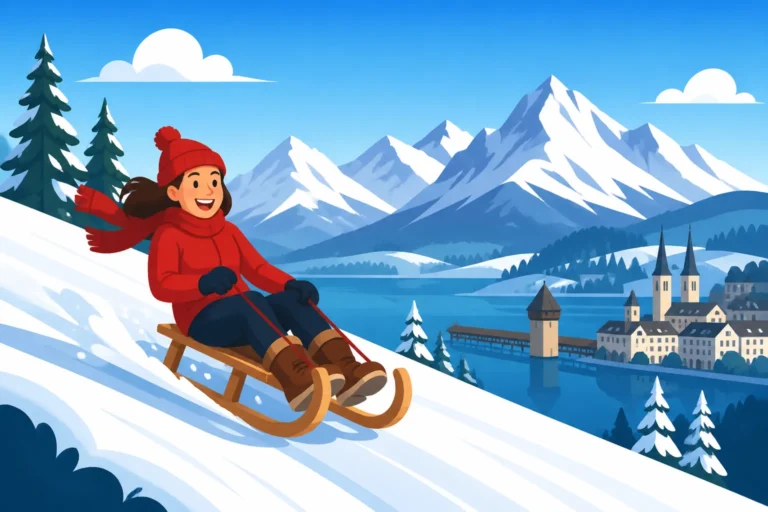
Forget everything you thought you knew about sledding. This isn't just about kids sliding down a tiny hill in the park, though that's delightful too. In Switzerland, Schlitteln is a serious sport, a thrilling pastime, and an accessible way for everyone to embrace the snowy landscapes. It’s an adventure that balances adrenaline with breathtaking scenery, and it’s a refreshing alternative to the often-overwhelming world of skiing and snowboarding.
More Than Just a Childhood Memory
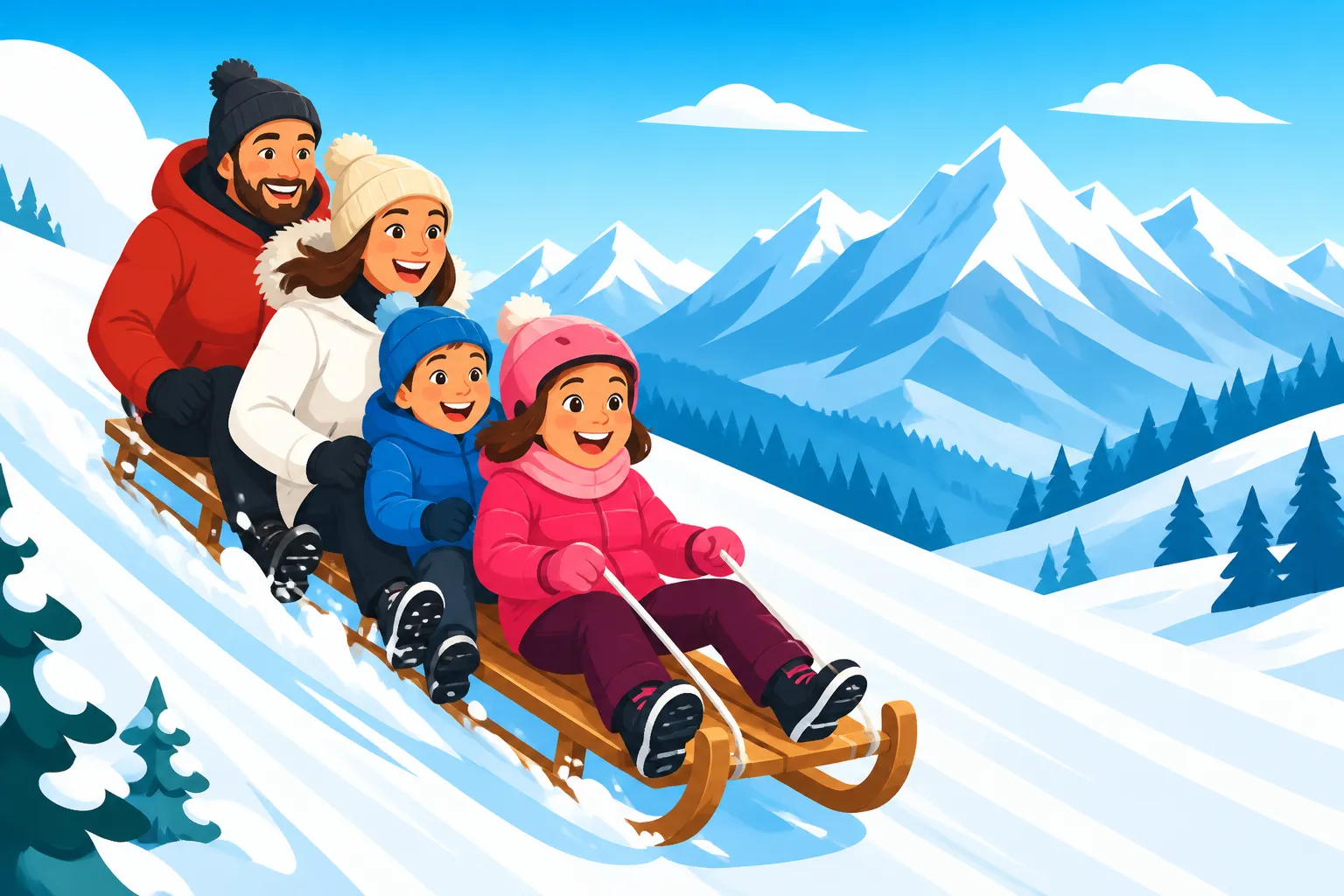
When you mention sledding to many foreigners, they picture a plastic toboggan and a gentle slope. Here in Switzerland, the reality is far grander. We're talking about dedicated, often kilometres-long, groomed runs that wind through forests, past charming mountain huts, and offer panoramic views that would make a postcard jealous. These aren't just for toddlers; many runs are challenging enough to get your heart pumping and bring out the competitive spirit in adults. I've seen groups of seasoned expats in their 40s and 50s, laughing like teenagers, careening down runs like Preda-Bergün, which is over 6 kilometers long! There's a real spectrum of experiences, from gentle beginner slopes in village ski areas to expert runs that require serious steering skills and a bit of courage. It’s a chance to truly let loose, feel the wind in your hair, and immerse yourself in the winter wonderland without needing years of practice or expensive lessons.
The Cost-Effective Winter Thrill
Let's be honest, the cost of living in Switzerland can be a bit of a shock, and winter sports are no exception. Skiing or snowboarding for a family can quickly add up: lift passes, equipment rental, lessons, not to mention the obligatory mountain meal. It’s enough to make you reconsider your life choices. Sledding, however, offers a fantastic escape from this financial pressure cooker. While some major sled runs require a specific lift pass to get to the top (and trust me, walking 6km uphill with a sled is not the "fun" part), these passes are typically far cheaper than a full day ski pass. Often, you can buy a dedicated sledding day pass or a specific number of ascents. Some smaller, local hills might even be entirely free, requiring only a short hike up. Plus, the equipment itself is a fraction of the cost. A basic plastic sled can be bought for under CHF 30 at a local supermarket like Migros or Coop Bau & Hobby, or you can often rent a robust wooden sled right at the base of the mountain for a reasonable daily fee. When you compare that to the hundreds of francs a day skiing can set you back, sledding suddenly looks like a brilliant, budget-friendly option for soaking up the Swiss winter.
Physical Activity with a View
While the descent is exhilarating, sledding often involves a bit of physical effort, whether it's pulling your sled uphill on a less-serviced run or navigating bumpy sections with your body weight. It's an active way to enjoy the crisp mountain air, get some fresh blood pumping, and truly earn that hot chocolate or Glühwein afterwards. You're out in nature, surrounded by snow-covered pines, towering peaks, and often crystal-clear blue skies. Imagine whizzing past frozen waterfalls or through silent, snow-laden forests, with the majestic Swiss Alps as your backdrop. This isn't just exercise; it's a sensory experience that combines the thrill of speed with the serene beauty of the alpine landscape. It’s a wonderful way to switch off from the daily grind, reconnect with nature, and create genuinely happy memories that don't involve staring at screens.
Top Sledding Runs in Switzerland: Regional Highlights
Switzerland boasts an incredible array of sledding runs, each with its unique charm and challenge. From gentle slopes perfect for beginners and young families to adrenaline-pumping descents that will test even the most experienced Schlittel enthusiast, there's truly something for everyone. Let's explore some of the most popular and celebrated runs across the country.
Central Switzerland's Family Favorites
The heart of Switzerland is dotted with fantastic options, often easily accessible from major cities like Zurich and Lucerne. These areas often blend stunning scenery with excellent infrastructure, making them ideal for a stress-free family day out.
One of the absolute gems in Central Switzerland is the sled run at Melchsee-Frutt. It's renowned for being Switzerland's longest sled run, stretching an impressive 8 kilometers! You take a gondola up to the high-alpine plateau, which instantly transports you to a serene winter wonderland. From there, the run winds its way down through a beautiful landscape, offering a mix of open stretches and forested sections. It’s perfectly groomed, making for a smooth and fast ride. Because of its length, it’s advised to take breaks, and there are a couple of mountain restaurants along the way, perfect for a warming drink or a hearty meal. This run is a particular favorite for families with older children or adults seeking a long, exhilarating descent.
Another wonderful option in Central Switzerland is Mount Rigi, often called the "Queen of the Mountains." While famous for its panoramic views and cogwheel railways, Rigi also offers lovely sledding opportunities. There are several shorter, more manageable runs, particularly around Rigi Kulm or Rigi Staffel, that are excellent for younger children and beginners. The beauty here is that you can combine your sledding with a scenic train ride, making the journey up part of the adventure itself. You can easily access Rigi via boat from Lucerne across Lake Lucerne, then switch to the cogwheel train, or directly from Arth-Goldau. The views from the top, overlooking multiple lakes and snow-capped peaks, are simply unparalleled. For those looking to experience the full grandeur of the Swiss Alps, checking the forecast and snagging a Saver Day Pass (Spartageskarte): How Residents Save on Day Trips through the SBB website or Omio can make getting there a breeze and save you a few francs.
The Bernese Oberland's Epic Descents
The Bernese Oberland, with its iconic peaks like the Eiger, Mönch, and Jungfrau, is not just a hiker's paradise but also home to some of Switzerland's most legendary and longest sledding runs. These often combine epic mountain scenery with challenging, long descents.
Perhaps the most famous, and certainly one of the most thrilling, is the Faulhorn-Bussalp-Grindelwald run. This is touted as Europe's longest sledding trail, a staggering 15 kilometers! The adventure begins with a PostBus ride from Grindelwald to Bussalp, followed by a scenic winter hike (or PistenBully ride on certain days) up to Faulhorn. The hike itself is an experience, offering incredible views of the Eiger North Face. Once at the top, the descent is legendary. It’s fast, exhilarating, and relentless, winding down 1600 vertical meters. This run is definitely for experienced sledders who are comfortable with speed and can handle tight turns. It’s a whole-day affair, and you’ll want to be well-prepared with appropriate clothing and plenty of snacks. For those planning a full day in this region, combining it with other activities might be interesting; check out The Jungfraujoch 'Top of Europe': Planning the Trip and Saving Money for nearby attractions.
Another incredible option in the Bernese Oberland, directly underneath the imposing Eiger, is the Eiger Run at Kleine Scheidegg. While not as long as Faulhorn, it's still a respectable 4.2 kilometers with a 700-meter vertical drop. What makes this run special are the unparalleled, up-close views of the Eiger North Face, the Mönch, and the Jungfrau. You access it via the Jungfrau Railway, getting off at Kleine Scheidegg. The run itself is a mixture of open slopes and forested areas, offering plenty of thrills. It’s also often less crowded than some other major runs, making it a hidden gem for those who prefer a bit more space.
Eastern Switzerland's Hidden Gems
Eastern Switzerland might be less known to some expats for its winter sports compared to the big names, but it holds some fantastic sledding opportunities, particularly in the Graubünden region. These runs often offer a more traditional, charming Swiss alpine experience.
The Preda-Bergün sled run is an absolute classic and a UNESCO World Heritage site experience to boot, thanks to the Rhaetian Railway which parallels parts of the run. This 6-kilometer run is unique because it follows a winding mountain road that is closed to car traffic in winter, transforming into a dedicated sledding track. You take the train (or bus) from Bergün up to Preda, and then it's a glorious, sweeping descent back down to Bergün. The run is beautifully maintained and offers incredible views of the surrounding valleys and the engineering marvels of the railway bridges. It's suitable for families, though it can get quite fast in sections, so good braking skills are a plus. They even offer night sledding on certain evenings, which is an absolutely magical experience under the stars. Given its unique railway connection, this is a perfect day trip for those who appreciate scenic train journeys. To plan your railway adventure, refer to SBB Travelcards: Is the Generalabonnement (GA) Worth the CHF 4000+ Cost?.
Further east, in the canton of Appenzell Innerrhoden, you'll find the picturesque village of Schwägalp, at the foot of the mighty Säntis mountain. While primarily known for its cable car up Säntis, Schwägalp also offers a lovely, shorter sled run perfect for families. The charm here lies in the gentle slopes, the traditional Appenzeller architecture, and the opportunity to combine sledding with a visit to the Säntis summit for truly spectacular views. It's a more relaxed sledding experience, ideal for those with very young children or who prefer a less strenuous day out.
Western Switzerland's Scenic Slopes
The French-speaking part of Switzerland, Romandie, also has its share of fantastic sledding runs, often offering stunning views over Lake Geneva or the surrounding Jura and Pre-Alps.
One notable spot is Les Diablerets in the canton of Vaud. This resort boasts an impressive 7.2-kilometer sled run, starting from Col de Bretaye and descending all the way down to the village. You reach the start point via a charming cogwheel train. The run offers a good mix of speed and scenic beauty, passing through forests and open meadows with views of the surrounding peaks. It's a popular choice for both families and groups of friends looking for a fun day out. Les Diablerets also offers plenty of other winter activities, making it a great destination for a multi-activity day. Booking your train tickets in advance via Omio or checking GetYourGuide for bundled experiences could save you time and hassle.
Another excellent option in Vaud is the sled run near La Robellaz in the Vallée de Joux, a beautiful high-altitude valley known for its watchmaking heritage. This run, while not as long as some others, offers a delightful and authentic experience. It's usually well-maintained and provides a lovely descent through peaceful, snow-covered landscapes, making it perfect for a tranquil family outing away from the larger, busier resorts.
Here's a quick comparison of some popular sledding runs:
| Sled Run Name | Location | Length (approx.) | Vertical Drop (approx.) | Difficulty | Highlights |
|---|---|---|---|---|---|
| Melchsee-Frutt | Obwalden | 8 km | 800 m | Moderate | Switzerland's longest, high-alpine plateau, scenic |
| Faulhorn | Bernese Oberland | 15 km | 1600 m | Difficult | Europe's longest, Eiger views, requires hike |
| Preda-Bergün | Graubünden | 6 km | 400 m | Moderate | UNESCO railway, night sledding, well-groomed |
| Eiger Run | Bernese Oberland | 4.2 km | 700 m | Moderate-Difficult | Up-close Eiger North Face views, scenic railway access |
| Les Diablerets | Vaud | 7.2 km | 700 m | Moderate | Long descent, train access, Vaud Alps views |
| Rigi (various) | Central Switzerland | 0.5 – 2 km | 100 – 300 m | Easy-Moderate | "Queen of the Mountains" views, cogwheel railway |
Planning Your Sledding Adventure: Logistics and Gear
A successful sledding trip, like any Swiss adventure, benefits from a bit of planning. While it's certainly less complex than a full-on ski trip, knowing what kind of sled to use, what to wear, and how to get there can make all the difference between a good day and a truly fantastic one.
Choosing Your Sled and Where to Get One
The world of sleds is surprisingly diverse! You’re not just limited to the basic plastic saucer you might remember from childhood. The type of sled you choose can significantly impact your experience.
- Classic Wooden Sleds (Davoser Schlitten / Hörnerrodel): These are the iconic Swiss sleds. They are sturdy, durable, and offer good control, especially on packed snow. They are also fantastic for two people (one sitting, one steering/braking at the back). You can rent these at almost all major sledding resorts, often right at the bottom station of the mountain railway. Expect to pay around CHF 15-25 for a day's rental. Many expats eventually buy one, often found at places like Coop Bau & Hobby, Landi, or specialized sports stores. They last for ages!
- Plastic Bobs/Racer Sleds: These are lightweight, often very fast, and come in various shapes. They are great for speed but can be a bit harder to control than wooden sleds, especially for beginners. They are widely available at supermarkets (Migros, Coop) or larger sports retailers like Ochsner Sport or Decathlon, typically costing CHF 20-50.
- Airboards: These are inflatable sleds that you lie on, headfirst. They are incredibly fast, agile, and offer a unique, thrilling experience. Some resorts have dedicated airboard runs or offer them for rental. These are definitely for the more adventurous.
- Snow Tubes: Large inflatable rings, primarily for dedicated snow tubing parks, which are sometimes found at larger resorts. They offer a very bouncy, fun ride with minimal effort.
If you’re just starting out or only plan to sled occasionally, renting a wooden sled at the resort is usually the best and easiest option. They are comfortable, safe, and the rental staff can give you quick tips. If you get hooked, then investing in your own wooden sled or a plastic bob makes sense. Look out for sales at the end of winter season! For those in cities, it's worth noting that smaller local shops or even online marketplaces like Tutti.ch can sometimes have second-hand options.
What to Wear: Staying Warm and Dry
This is Switzerland, and even on a sunny winter's day, temperatures can be bracing, especially when you're whizzing down a mountain. Dressing appropriately is crucial for comfort and enjoyment. Layering is your best friend!
- Base Layers: Start with thermal underwear (long-sleeved top and leggings) made of wool or synthetic material. Avoid cotton, as it retains moisture and will make you feel cold once you start sweating or get wet.
- Mid-Layers: A fleece jacket or a warm sweater will provide insulation.
- Outer Layers: This is where you need serious protection. A waterproof and windproof ski jacket and ski trousers are ideal. These will keep you dry from snow (which you will encounter, trust me!) and protect against the biting wind.
- Extremities: Don't forget your head, hands, and feet!
- Hat: A warm, insulated hat that covers your ears is essential.
- Gloves/Mittens: Waterproof, insulated gloves are non-negotiable. Wet, cold hands are miserable.
- Socks: Wool or synthetic ski socks will keep your feet warm and prevent blisters.
- Footwear: Waterproof winter boots with good grip are crucial. You'll be walking in snow, likely through slush at some point, and possibly having to brake with your feet. Regular trainers simply won't cut it.
- Goggles/Sunglasses: On bright, sunny days, the reflection off the snow can be intense. Goggles also protect your eyes from wind and flying snow.
- Sunscreen: Yes, even in winter! The sun at altitude is powerful, and snow reflects UV rays. Apply high-SPF sunscreen to any exposed skin.
- Helmet: While not always mandatory for sledding (unlike skiing for children), a helmet is highly recommended, especially for faster runs or if you're sledding with children. Accidents can happen, and protecting your head is paramount. Many resorts will offer helmet rentals alongside sleds.
Remember that you’ll be sitting directly on the snow, so a bit of extra padding in your ski pants (or even wearing an old pair of waterproof rain pants over your ski pants for extra protection) can be a godsend on longer runs. If you need to pick up some gear, check out Renting Ski Equipment in Switzerland: Costs and Where to Book for general information on winter gear rentals, as many places also rent out sleds and helmets.
Transportation to the Slopes
Getting to the best sledding runs in Switzerland is usually straightforward thanks to the country's superb public transport network. The SBB (Swiss Federal Railways) system is incredibly efficient and well-integrated with mountain transport.
- Train is Your Best Friend: For most major sledding destinations, taking the train is the easiest and often most scenic option. Stations are typically well-connected to bus routes or directly at the base of mountain railways. Use the SBB Mobile App or their website to plan your journey. It provides real-time information, platform numbers, and even shows you how to get from the train station to the specific gondola or bus stop.
- Mountain Railways & Gondolas: Once you arrive at the base of the mountain, you'll usually take a gondola, cable car, or cogwheel train up to the start of the sled run. These are typically included in your sledding day pass.
- PostBuses: For some more remote sledding areas, a yellow PostBus will be your final connection. These are also perfectly integrated into the SBB timetable.
- The Half-Fare Travelcard (Halbtax): If you plan on doing more than one or two trips by public transport within Switzerland in a year, getting a The Half-Fare Travelcard (Halbtax): The Must-Have Pass for Swiss Residents is a no-brainer. It gives you 50% off almost all train, bus, boat, and many mountain railway tickets. It pays for itself very quickly.
- Driving: While possible, driving can sometimes be more hassle than it's worth, especially on snowy winter roads. Many mountain villages are car-free (like Zermatt) or have limited, expensive parking. If you do drive, ensure your car is equipped with winter tires, and carry snow chains in your boot, just in case. Always check road conditions before you leave.
Don't underestimate the sheer convenience of letting the train take the strain. You can relax, enjoy the views, and not worry about navigating icy roads or finding parking. Many resorts offer special "sled packages" that include the train journey and lift passes, often found via Omio or GetYourGuide.
Safety First: Essential Tips for a Smooth Ride
Sledding is immense fun, but like any winter sport, it comes with inherent risks. Ensuring everyone has a safe and enjoyable time means understanding the rules, knowing how to control your sled, and keeping an eye on your surroundings.
Understanding Run Classifications and Rules
Unlike ski pistes that have standardized color codes (blue, red, black), sled runs don't always have a universal classification system. However, most designated sled runs will indicate their difficulty level, usually with terms like "easy," "medium," or "difficult," or sometimes with specific instructions.
- Designated Runs Are Best: Always stick to designated sledding runs. These are groomed, checked for hazards, and usually separated from ski pistes, reducing the risk of collisions with skiers or snowboarders. Sledding on ski pistes is generally forbidden and extremely dangerous.
- Signage is Key: Pay attention to all signs along the run. These can indicate sharp curves, intersections, pedestrian crossings, or areas where you need to slow down.
- Yield to Those Below: Always assume there might be someone below you, even if you can’t see them. The person coming from above is responsible for avoiding those below.
- Give Space: Maintain a safe distance from other sledders. Don't tailgate!
- No Stopping in Blind Spots: If you need to stop, pull over to the side of the run in a visible spot. Never stop in the middle of the run or in a blind curve.
- Walking Up: If you need to walk up a portion of the run, always keep to the very edge and face oncoming traffic. This is particularly important on runs where walking is generally not expected or allowed.
- Mountain Patrol: Many popular runs have a mountain patrol. Follow their instructions without question – they are there for your safety.
The Art of Braking and Steering
This isn't your backyard hill where you just point and hope for the best. On long, winding Swiss sled runs, effective braking and steering are essential skills.
- Braking: The primary way to brake on a sled is with your feet. Dig your heels into the snow, pushing down firmly. For wooden sleds, you can also use your hands on the snow to slow down, but be mindful of obstacles. On faster plastic bobs, foot braking is even more crucial. Practice gentle braking on flatter sections before you hit steeper parts.
- Steering with Your Feet: For wooden sleds, you steer by leaning your body and dragging one foot lightly to turn in that direction. The person in front on a two-person sled usually does most of the steering.
- Steering with Ropes/Handles: Some plastic bobs or airboards have handles or ropes for steering. Practice with these to get a feel for how they respond.
- Body Weight: Leaning your body into a turn helps tremendously, especially on faster, more agile sleds.
- Eyes Up: Always look ahead, not just at the immediate snow in front of you. Anticipate turns, bumps, and other sledders. This gives you time to react.
- Practice Makes Perfect: Don't be shy about starting on an easier, flatter section to get a feel for your sled and how it handles. Confidence comes with practice.
Sledding with Children: Special Considerations
Sledding with children can be an incredibly rewarding family experience, but it requires extra vigilance and planning.
- Choose Appropriate Runs: Opt for shorter, gentler, and wider runs. Many resorts have dedicated "kids' zones" or very easy slopes perfect for little ones. The Rigi, for instance, has several such areas.
- Helmets are a Must: For children, a helmet is absolutely non-negotiable. Their heads are precious and more vulnerable.
- Supervision: Never let young children sled unsupervised, even on seemingly safe slopes. An adult should always be with them, either on the same sled or directly behind them if they are on their own.
- Two-Person Sleds: For very young children (under 5-6), it's often best for an adult to ride with them on a sturdy wooden sled, with the child sitting in front. The adult can then control the speed and steering.
- Teach the Basics: Show your children how to brake with their feet and how to steer. Emphasize looking ahead and moving out of the way if they fall.
- Dress Warmly: Children get cold faster than adults, especially when sitting still on a sled or after a fall. Ensure they are dressed in full waterproof gear, with extra layers.
- Regular Breaks: Plan for frequent breaks for warming up, snacks, and drinks. A thermos of hot tea or chocolate is always a winner.
- Know Your Child's Limits: Don't push them too hard or too fast. If they're tired, cold, or scared, it's time to stop. The goal is fun, not endurance!
- Emergency Contact: Make sure children (if they're old enough to carry one) know how to contact you or a local emergency number (like 144) in case of separation or an accident. It's also good to have a designated meeting point if you're sledding in a larger group. Remember that Emergency Medical Services: Ambulances, REGA, and Crisis Protocols are available, but prevention is always better.
Making the Most of Your Day: Food, Transport, and Beyond
A day of sledding isn't just about the ride down; it's about the entire experience. From delicious Swiss mountain food to convenient public transport and even combining it with other winter activities, there are plenty of ways to enhance your Schlitteln adventure.
Fueling Up: Mountain Restaurants and Picnics
A day of bracing mountain air and exhilarating descents works up a serious appetite! Luckily, Swiss mountain regions are famous for their cozy and inviting restaurants.
- Mountain Restaurants (Bergrestaurants): Most sledding runs will have at least one charming mountain restaurant at the start, along the route, or at the end. These are perfect for warming up with a hot chocolate, a hearty soup, or classic Swiss dishes like Rösti with eggs and bacon, Älplermagronen (Swiss alpine macaroni cheese), or a traditional fondue. The prices can be a little higher than in the valleys, but the atmosphere and the views are often worth it. Check out Mountain Restaurants (Bergrestaurants): Dining With a View for more on this delightful experience. Expect to see lots of families and groups sharing stories of their rides.
- Picnic Power: To save a bit of money and enjoy the stunning scenery even more directly, pack a picnic! A backpack with some sandwiches, Swiss cheese, sausages, fruit, and of course, a thermos of hot tea or coffee is always a good idea. Many runs have designated picnic spots or benches where you can stop and refuel while soaking in the views. Just remember to pack out everything you pack in – leave no trace!
- Bring Water: Staying hydrated is important, even in cold weather. Carry a reusable water bottle.
Combining Sledding with Other Activities
One of the great things about many Swiss winter resorts is the sheer variety of activities on offer. You don't just have to sled all day.
- Winter Hiking: Many sledding resorts also have dedicated Winter Hiking Trails (Winterwanderwege) in Switzerland. These are often well-groomed and signposted, offering a more tranquil way to explore the snowy landscape. You could do a shorter hike in the morning and then switch to sledding in the afternoon, or vice-versa.
- Snowshoeing: For a more adventurous walk, try snowshoeing. Some resorts offer guided snowshoe tours, allowing you to venture off the beaten path into pristine snow.
- Visiting a Viewpoint: Many sled runs start from or pass by spectacular viewpoints or mountain summits accessible by cable car. Take a few extra minutes (or an extra lift ride) to soak in the 360-degree panoramas.
- Thermal Baths: After a cold day on the slopes, there's nothing quite like unwinding in a warm thermal bath. Some regions, like Valais or Graubünden, are particularly known for their natural thermal spas. This makes for a perfect end to a physically active day.
- Local Attractions: If your chosen sledding spot is near a charming town or village, consider spending an hour or two exploring its streets, shops, or local museums. For example, after sledding at Preda-Bergün, exploring the quaint village of Bergün is a lovely addition to the day.
Booking Accommodation for Longer Stays
While many sledding runs are perfect for a day trip, especially if you're based in a major city and utilize Switzerland's efficient public transport, some of the more epic runs or those in remote regions might warrant an overnight stay. This allows you to really relax, explore the area more deeply, or even try night sledding, which is a magical experience under the stars.
- Mountain Hotels: Many mountain resorts offer hotels or guesthouses right on the slopes or in the village. This allows for early starts or enjoying the quiet evenings once the day-trippers have left. You can check options on Booking.com for a wide range of choices, from rustic guesthouses to more luxurious hotels.
- Holiday Apartments: For families or groups, a holiday apartment (often found on platforms like Booking.com or specific regional tourism sites) can be a cost-effective and comfortable option, providing more space and the ability to self-cater.
- Youth Hostels: For budget-conscious travelers, Swiss Youth Hostels are a fantastic option. They are clean, modern, and often located in beautiful settings, offering both dorm rooms and private rooms.
- Farm Stays: In some rural regions, you might even find Schlaf im Stroh (sleep in straw) options or farm stays, offering a truly unique and authentic Swiss experience, albeit often requiring a bit more rustic spirit.
When booking, consider the proximity to the sled run, public transport connections, and any family-friendly amenities. During peak season or school holidays, it's always advisable to book well in advance. Planning a multi-day trip for Family Travel in Switzerland: Kid-Friendly Destinations and Tips will also help you make the most of your adventure. Don't forget to pack your What to Pack for a Day Trip to the Swiss Alps checklist for longer stays!
Disclaimer
The information provided in this guide is for general informational purposes only and does not constitute professional advice. While we strive to provide accurate and up-to-date information, circumstances and regulations in Switzerland can change. Always check the official websites of specific sledding resorts, mountain transport operators, and cantonal authorities for the most current information, operating hours, snow conditions, and safety guidelines before planning your trip. Sledding, like any outdoor activity, carries inherent risks. Always prioritize safety, wear appropriate gear, and follow all posted rules and instructions. We cannot be held responsible for any incidents or accidents that may occur.