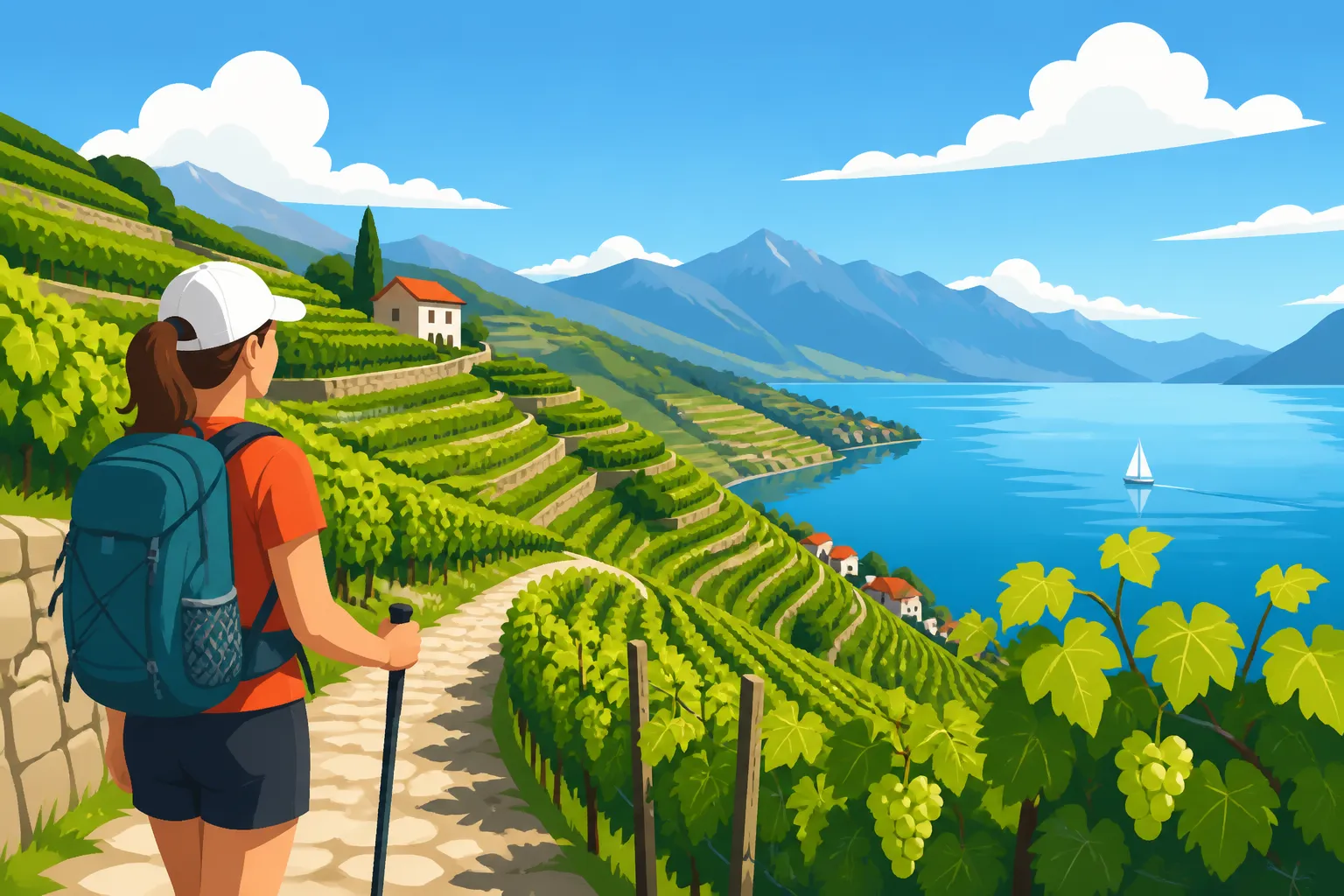
Hiking the Lavaux Vineyard Terraces Above Lake Geneva
Living in Switzerland, it's easy to get caught up in the hustle of city life or the immediate grandeur of the high Alps. But sometimes, what you crave is that unique, authentic Swiss experience that combines natural beauty with cultural depth, all without feeling like you're on a tourist conveyor belt. Hiking the Lavaux Vineyard Terraces offers just that: a breathtaking journey through ancient vineyards, charming villages, and stunning Lake Geneva vistas that truly nourish the expat soul, and this guide will show you exactly how to soak it all in.
Why Lavaux Calls to You: More Than Just a Pretty View
When you first arrive in Switzerland, the sheer beauty is almost overwhelming, isn't it? But after a while, you start searching for those places that resonate a bit deeper, places with a story etched into their very landscape. Lavaux is precisely one of those gems, an area where human endeavor and natural splendor intertwine in a way that just feels… Swiss. It's not just a pretty postcard; it's a living, breathing testament to centuries of tradition, passion, and sheer hard work.
A UNESCO World Heritage Site with Deep Roots
Imagine terraced vineyards clinging to steep hillsides, stretching as far as the eye can see, with the shimmering expanse of Lake Geneva below and the snow-capped Alps in the distance. This isn't just a picturesque scene; it's the Lavaux vineyard landscape, a UNESCO World Heritage site since 2007. The history here is incredibly rich, dating back to the 11th century when Benedictine and Cistercian monks first began cultivating these challenging slopes. They literally carved out this landscape, building the dry stone walls that still support the terraces today. It’s a landscape that tells a tale of incredible human ingenuity and perseverance.
As an expat, coming across places like Lavaux can be a profound experience. It allows you to peel back another layer of Swiss culture, moving beyond the stereotypes of chocolate and cheese (though you'll find plenty of both here!) and delving into the agrarian heart of the country. It’s a place where you can feel connected to generations of Swiss who dedicated their lives to tending these vines, and that, my friends, is a connection worth seeking out. It's a reminder that this country, for all its modern efficiency, is deeply rooted in tradition and respect for the land.
The Microclimate and Unique Terroir
What makes the wine from Lavaux so special, apart from its stunning backdrop? It's all about what the locals lovingly call the "three suns." First, you have the direct rays from the sky, soaking the vines from above. Second, the vast surface of Lake Geneva acts like a massive mirror, reflecting additional sunlight and warmth onto the terraces. And third, the ancient stone walls that define each terrace absorb heat during the day and gently release it throughout the cooler nights, creating a remarkably stable microclimate. This unique combination helps the grapes ripen perfectly, giving the wines their distinct character.
This exceptional terroir is particularly kind to the Chasselas grape, which is the undisputed king of Lavaux. While you might be more familiar with international varietals, discovering Chasselas here is an absolute must. It's a crisp, often mineral-driven white wine that perfectly embodies the freshness of the region. Trying it right here, with a view of the very vines it came from, is an experience that simply cannot be replicated anywhere else. It really drives home the idea that the land shapes the wine, and the wine, in turn, tells the story of the land.
Planning Your Lavaux Adventure: Routes, Transport, and Practicalities
So, you’re convinced. You want to lace up your hiking boots and immerse yourself in this incredible landscape. Great choice! But like most things in Switzerland, a little planning goes a long way to ensure your adventure is as smooth as the finest Chasselas. Don't worry, it's simpler than figuring out your Swiss Taxes Explained: Federal, Cantonal, and Municipal Rates.
Choosing Your Path: Popular Routes and Difficulty Levels
The most famous route, and for good reason, is the Lavaux Panoramic Trail, a roughly 11-kilometer stretch from St-Saphorin to Lutry. This path is incredibly well-maintained and signposted, making it nearly impossible to get lost – a blessing for those of us who tend to wander! You can start or end in various picturesque villages along the way, such as Rivaz, Epesses, or Cully, allowing you to tailor the length of your hike. For instance, a common and very enjoyable section is from St-Saphorin to Cully, which is about 4-5 kilometers and relatively gentle.
The terrain varies; while much of it is paved or gravel paths winding through the vineyards, there are some steeper sections, especially if you decide to ascend or descend directly into a village. However, for the most part, it’s a gentle, undulating walk, perfect for a leisurely afternoon. Allow yourself anywhere from 2 to 4 hours, not including stops for wine tasting or photos. If you're someone who likes a good workout, you can power through it, but honestly, the real joy here is taking your time. For those with limited mobility or small children, consider shorter segments or even utilizing the Lavaux Express tourist train, which offers a delightful alternative, chugging through the vineyards on wheels. You can check out local maps or use hiking apps to customize your route based on your fitness level and how much vineyard magic you want to absorb.
Getting There and Around: Public Transport is Your Best Friend
One of the truly wonderful things about hiking in Switzerland is how seamlessly you can get around using public transport. Lavaux is no exception; in fact, it’s designed for it! The region is dotted with quaint train stations right within the vineyards – think Grandvaux, Cully, Rivaz, and St-Saphorin. The regional SBB trains make frequent stops at these stations, connecting you easily from major hubs like Lausanne or Montreux. You really don't need a car here, and honestly, trying to navigate parking in these tiny villages is a headache you don't need.
Your best bet is to check the SBB Mobile app or the main SBB website for schedules. It’s incredibly intuitive and will show you exactly how to get from point A to point B, including bus connections if needed. For those with a The Half-Fare Travelcard (Halbtax): The Must-Have Pass for Swiss Residents or even a SBB Travelcards: Is the Generalabonnement (GA) Worth the CHF 4000+ Cost?, your journey will be even more economical. You can purchase tickets directly through the SBB app or at any station. I've often used Omio to check international connections and broader travel plans, though for purely Swiss train travel, the SBB app is usually my go-to. It makes planning a Day Trips by Train: The Best Swiss Destinations Within Two Hours an absolute breeze. Just hop off the train, step onto the trail, and let the views unfold.
Essential Packing and Best Times to Visit
Before you head out, a few practical considerations will make your trip much more enjoyable. Comfortable walking shoes are paramount – leave the fancy city sneakers at home unless they have excellent support. While much of the path is paved, you’ll appreciate good grip on any gravel sections or slightly steeper inclines. Bring plenty of water, especially during the warmer months, as shade can be sparse. Sunscreen, a hat, and sunglasses are also non-negotiable, given the "three suns" effect. Even on a cloudy day, that reflection off the lake can be surprisingly intense. Layers are always a good idea in Switzerland; the weather can change quickly, as I often remind people when talking about What to Pack for a Day Trip to the Swiss Alps.
The Lavaux vineyards are stunning in every season, but each offers a different charm. Spring, from April to May, sees the vines bursting with fresh green growth and cherry blossoms adding pops of color, often with fewer crowds. Summer (June to August) is lush and vibrant, perfect for combining your hike with a swim in Lake Geneva, but it can be hot and busy. Autumn (September to October) is perhaps the most magical, with the leaves turning golden and russet, and the air filled with the scent of harvest. This is when the region truly comes alive with activity. Winter, while quieter, can still be beautiful on a crisp, clear day, but some of the village wine cellars might have reduced hours. Generally, late spring and early autumn offer the most comfortable hiking temperatures and postcard-perfect scenery.
What to Expect on the Trail: Views, Villages, and Vino
Alright, you've planned your route, you're on the train, and you're ready to step into the postcard. What’s it really like once you're on the ground, winding your way through these incredible terraces? It’s an experience that engages all your senses, not just your eyes.
Panoramic Vistas and Lake Geneva Sparkle
From the moment you step onto the trail, the views are simply relentless, in the best possible way. Each turn reveals a slightly different perspective of the terraced vineyards, meticulously maintained rows of green stretching out towards the sparkling blue expanse of Lake Geneva. On a clear day, you can see the French Alps across the lake, including the majestic Mont Blanc, which will truly make you pause and pinch yourself. The scale of it all is humbling, especially when you realize it was all built by hand, centuries ago.
You’ll find countless spots that just beg for a photograph, but honestly, put the phone down for a bit and just be. Feel the gentle breeze off the lake, listen to the distant clang of cowbells, and take in the sheer tranquility. It’s a wonderful contrast to the often bustling urban environments many of us expats are used to. It's a place that forces you to slow down, to appreciate the simple, enduring beauty of nature and human effort. Sometimes, you just need a place where the biggest decision is which beautiful vista to admire next.
Charming Winemaking Villages and Their Secrets
As you meander along the path, you'll eventually descend into one of the many charming winemaking villages nestled right within the terraces. St-Saphorin, Epesses, Cully – each one has its own distinct character, but all share a common thread of narrow, winding streets, ancient stone houses adorned with vibrant geraniums, and a palpable sense of history. These aren't tourist traps; they are genuine working villages, where life revolves around the vine.
Keep an eye out for the small, unassuming entrances to caves à vin or caveaux. These are the heart and soul of Lavaux, where local winemakers (often family-run for generations) sell their wines directly from their cellars. Don’t expect grand tasting rooms or slick marketing; many are humble, sometimes just a door into a cool, dim stone cellar. This is where you get to meet the people behind the wine, hear their stories, and taste the fruits of their labor. It's an intimate, authentic experience, much more rewarding than any large commercial winery. If you're looking for curated experiences or want to learn more about the specifics of the region's produce, platforms like GetYourGuide offer various walking and tasting tours that can enhance your visit. This ties in perfectly with exploring the broader Swiss Food and Drink Culture: Regional Specialties and Dining Etiquette and understanding the nuances of Swiss Wine Regions: Valais, Vaud, Geneva, and Ticino Explained.
Mid-Hike Refreshments and Wine Tasting
A hike through Lavaux would be incomplete without indulging in some of the local wine. As you pass through the villages, you’ll often find signs pointing to these private cellars. Many welcome walk-in visitors for a tasting, especially during peak season, but it never hurts to check their opening hours, particularly if you’re visiting off-season. Some might require a quick phone call to arrange an appointment, especially for larger groups. Tasting usually involves a small fee, which is often waived if you purchase a bottle or two. And trust me, you'll want to buy a bottle or two.
Imagine this: you've been walking for an hour or two, your legs feel good, and then you stumble upon a tiny terrace attached to a winemaker's house, offering small plates and glasses of their own Chasselas. Sitting there, overlooking the lake, with the sun warming your face and a crisp, local wine in hand – that’s the moment you came for. Besides wine, many local restaurants in the villages offer traditional Vaudois fare, like assiette vaudoise (a platter of local cold cuts and cheeses), which pairs perfectly with the regional wines. This is more than just a hike; it's a sensory journey through Swiss culinary and viticultural heritage.
Making the Most of Your Visit: Beyond the Hike
While the hike itself is the star of the show, there are plenty of ways to extend your Lavaux experience and truly savor the region's charm. You've come all this way, why rush off immediately?
Extending Your Stay: Accommodation Options
If your schedule allows, consider staying a night or two in one of the charming villages. There’s something truly special about waking up amidst the vineyards, with the morning mist still clinging to the lake and the quiet rhythm of village life beginning. You’ll find a range of small, family-run hotels, boutique guesthouses, and even some delightful B&Bs. These offer a more intimate experience than staying in a larger city like Lausanne or Montreux, putting you right in the heart of the wine region.
Platforms like Booking.com are excellent for finding accommodation that suits your budget and preferences. Just input one of the Lavaux villages, like Cully, Lutry, or St-Saphorin, and browse the options. Many places offer rooms with spectacular lake and vineyard views, providing the perfect backdrop for a relaxing evening after your hike. It's a fantastic way to truly unwind and soak in the atmosphere, perhaps with a bottle of the local wine you picked up earlier in the day. Getting a good night's rest ensures you're ready for more Swiss adventures or even a leisurely departure, as described in Booking Hotels in Switzerland: Best Times and Platforms.
Combining Your Hike with Other Activities
The Lavaux region is perfectly situated for combining your vineyard hike with other fantastic experiences around Lake Geneva. You could easily couple your hike with a scenic Lake Geneva (Lac Léman): Towns, Boats, and Vineyard Walks. Many boat services operate along the lake, connecting towns like Lausanne, Vevey, and Montreux, offering a different perspective of the terraced vineyards from the water. Imagine seeing the very paths you walked from a stately paddle steamer!
Alternatively, explore the nearby cities. Lausanne, with its vibrant student scene and beautiful old town, is just a short train ride away. Montreux, famous for its jazz festival and the stunning Chillon Castle, is also very accessible. You could even plan a Day Trips from Geneva: Montreux, Gruyères, and the Lavaux Vineyards that includes a morning hike and an afternoon exploring a nearby cultural site. The possibilities are endless, making Lavaux a perfect centerpiece for a multi-faceted regional exploration.
Respecting the Environment and Local Culture
Finally, a quick word on being a responsible visitor. Remember that the Lavaux vineyards are not just a hiking trail; they are active agricultural land, the livelihood for many local families. Always stick to the marked paths, and never, ever wander into the vineyards themselves without explicit permission. These are private properties, and you wouldn't want someone walking through your garden, right? Pack out everything you pack in, leaving no trace behind. Swiss residents take immense pride in their clean and pristine environment, and we expats should certainly do the same.
In the villages, remember your basic Swiss Customs and Etiquette: Social Norms Every Newcomer Should Know. A friendly "Grüezi" (or "Bonjour" in this French-speaking region) goes a long way, and generally, keep noise levels respectful, especially in residential areas. By respecting the land and the local culture, you're not just enjoying a beautiful hike; you're becoming a part of the living tradition of Lavaux, making your experience even more enriching.
Lavaux Hiking Overview
To give you a clearer picture of some popular route segments and what to expect, here's a quick overview:
| Route Segment | Start Point | End Point | Approximate Distance | Estimated Hiking Time | Terrain Highlights | Experience Level |
|---|---|---|---|---|---|---|
| Lavaux Panoramic Trail (Long) | St-Saphorin | Lutry | 11 km | 3-4 hours | Varied, mostly paved, some gentle inclines | Easy to Moderate |
| Classic Lavaux Wander | St-Saphorin | Cully | 4.5 km | 1.5-2 hours | Mostly flat/gentle descent, through villages | Easy |
| Rivaz to Epesses Loop | Rivaz | Rivaz | 3 km | 1 hour | Rolling hills, intimate vineyard paths | Easy |
| Cully to Lutry Lakeside | Cully | Lutry | 5 km | 1.5-2 hours | Flatter, lakeside promenade stretch | Easy |
| Montreux to Chardonne (Uphill) | Montreux | Chardonne | 6 km | 2-2.5 hours | Significant uphill, stunning views | Moderate |
Note: Hiking times are estimates and do not include stops for photos, wine tasting, or meals. Always wear appropriate footwear and carry water.
Disclaimer
The information provided in this guide is for general informational purposes only and does not constitute professional advice. While we strive to provide accurate and up-to-date information, rules, regulations, and conditions in Switzerland can change. Always verify current details with official sources, local authorities, and service providers before making any decisions. We are not responsible for any inaccuracies or omissions, or for any actions taken based on the information provided herein.