Taking Your Dog on Swiss Trains and Mountain Railways
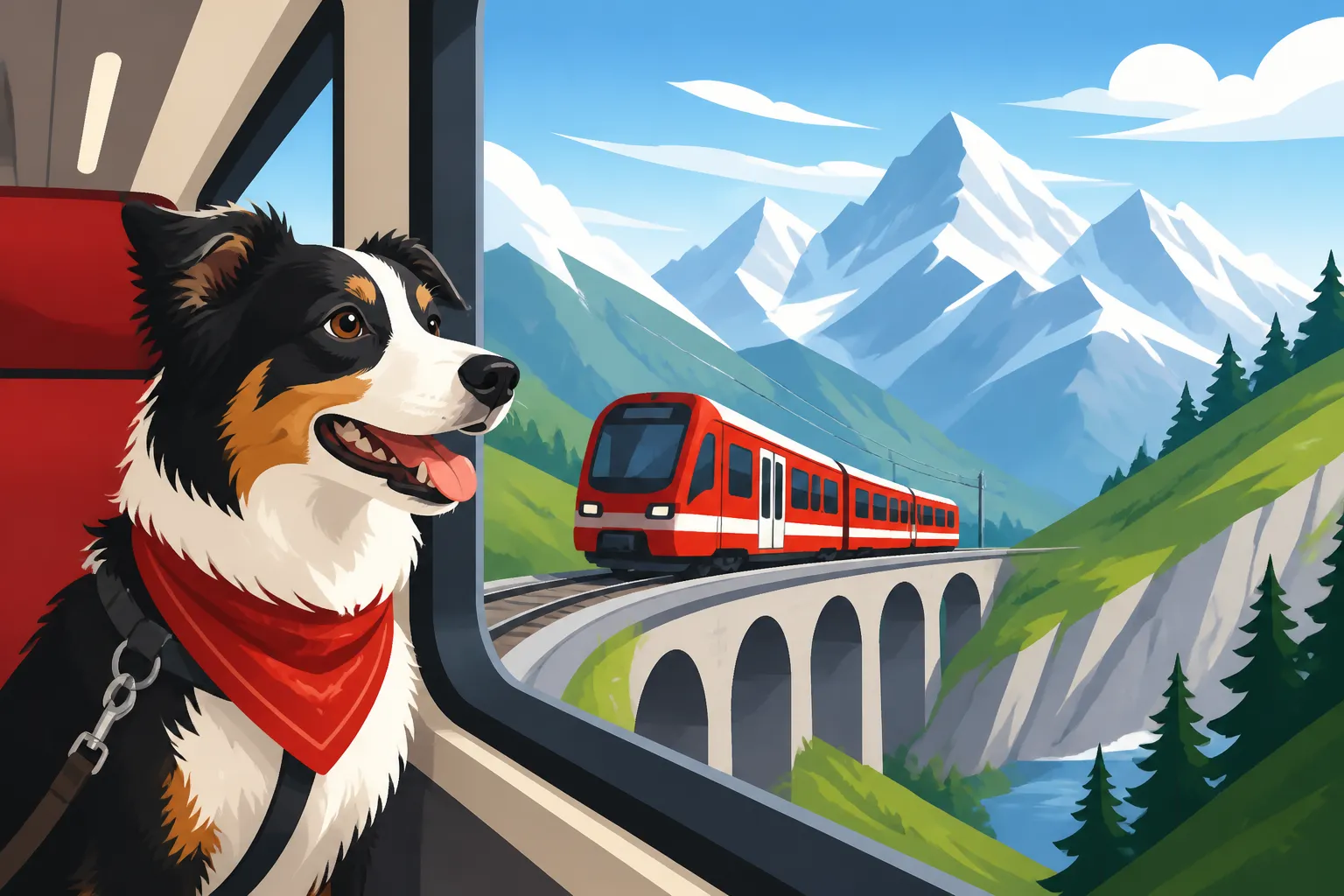
Ah, the joys of life in Switzerland! We expats often navigate a labyrinth of rules and regulations that can make even the simplest tasks feel like a quest, and bringing our beloved canine companions along for the ride on public transport is no exception. It's not as straightforward as just hopping on a train with your furry friend, which can be a real head-scratcher when you're used to more relaxed systems. This guide is here to untangle the Swiss rules for taking your dog on trains and mountain railways, helping you understand the ticketing, etiquette, and practicalities so you and your dog can explore this beautiful country together, stress-free.
Understanding the Swiss Federal Railways SBB Policies for Dogs
When you first arrive in Switzerland, you quickly learn that the SBB (Swiss Federal Railways) is the backbone of the entire country, and its efficiency is legendary. But when it comes to dogs, it's not a one-size-fits-all policy, which can catch many newcomers off guard. You might assume your dog travels free, or maybe a simple child's ticket will do, but the reality is a bit more nuanced.
Ticketing for Dogs on SBB Trains
The fundamental rule with SBB is that if your dog isn't small enough to fit into a carrier or basket that you can carry like hand luggage, they're going to need a ticket. This isn't just a suggestion; it's a firm rule that conductors do enforce. It’s vital to understand the distinction between the options available so you don't end up with an unexpected fine or a grumpy conductor.
For those tiny companions, the rules are quite lenient. If your dog is small, meaning it measures up to 30 cm at shoulder height, and it travels in a suitable carrier, basket, or bag, then it can ride for free. This is great news for owners of Chihuahuas, Pomeranians, or even small terriers, as long as they're tucked away comfortably. The key here is "suitable" and "hand luggage size" – don't try to sneak a larger dog in a too-small bag; it won't fly. You're expected to keep them enclosed and quiet, ensuring they don't bother other passengers.
Now, for our larger, four-legged friends, it gets a little more involved. Any dog that doesn't fit the "small and in a carrier" description needs its own valid ticket. The default for these larger dogs is to pay the half-fare price of a 2nd class ticket, regardless of whether you, their human, hold a 1st or 2nd class ticket. This means if you have a Half-Fare Travelcard, your dog still pays half of the full 2nd class fare. It's a common point of confusion, so be prepared for this. For longer journeys, this can add up, so planning is essential.
Thankfully, the SBB offers a couple of options to make things a bit more economical for frequent travelers with larger dogs. The "Day Pass for Dogs" (Hundepass) is an excellent choice if you plan on making multiple journeys in a single day. For a flat fee, which currently sits around CHF 35, your dog can travel with you all day long on all SBB trains, buses, and most boats and post buses. This is incredibly convenient if you're doing a day trip that involves several train changes or combining rail with boat travel. Imagine a scenic trip from Zurich to Lucerne, a boat ride on Lake Lucerne, and then a funicular up a nearby mountain – the Day Pass for Dogs covers a lot!
If you're truly a frequent traveler with your dog, perhaps commuting or exploring extensively throughout the year, the "GA for Dogs" (Hundepass GA) is the ultimate solution. This annual pass costs around CHF 80 and allows your dog unlimited travel on the entire SBB network for a whole year. This is a no-brainer if you live in Switzerland and plan on integrating your dog into your public transport routine. It's similar in concept to the annual Half-Fare Travelcard for humans, making regular journeys with your dog much simpler and more cost-effective. For more details on human travel passes, you might want to read our guide on The Half-Fare Travelcard (Halbtax): The Must-Have Pass for Swiss Residents.
General Rules and Expectations on Trains
Beyond the ticket, there are certain unspoken and spoken rules for bringing dogs onto Swiss trains. Firstly, your dog must always be on a leash. This isn't just for safety; it's a matter of respect for other passengers. A dog wandering freely can startle people, especially children, or interfere with luggage. Secondly, while not always strictly enforced, having a muzzle handy for larger dogs, especially during peak travel times or in crowded carriages, is highly recommended. Some cantons or specific transport companies might have stricter rules, and being prepared means avoiding potential issues. You can often find compact, comfortable muzzles at local pet stores.
Another crucial point is to ensure your dog is well-behaved. Loud barking, jumping on seats, or bothering other passengers is generally not tolerated. The Swiss value order and quiet, especially in public spaces. It's your responsibility as the owner to ensure your dog is calm and poses no disturbance. This might mean choosing quieter carriages or times of day for travel if your dog is particularly excitable. Always make sure your dog has relieved itself before boarding and have plenty of waste bags for any emergencies at stations. Remember, a pleasant experience for everyone means a higher chance of continuing to enjoy dog-friendly public transport in the future.
Navigating Mountain Railways and Cable Cars with Your Canine Companion
Ah, the Swiss Alps! The majestic peaks, the crisp air, the endless hiking trails – it’s a paradise for dogs and their owners. But getting up those mountains often involves an intricate network of cogwheel trains, gondolas, and cable cars. This is where things can get a bit more… Swiss. Unlike the relatively unified SBB system, the rules and pricing for dogs on mountain transport can vary significantly from one operator to another. This is probably the biggest "gotcha" for expats, as you can't assume what works for one mountain will work for another.
Variable Policies Across Mountain Transport Operators
It’s truly a mixed bag out there. Some mountain transport companies are incredibly dog-friendly, allowing smaller dogs to travel free and charging a very reasonable flat fee for larger dogs. Others might charge half-fare, similar to SBB, while a few might even surprise you with a full adult fare for your canine. This is why the golden rule here is always, always check the specific mountain railway or cable car operator's website before you plan your trip. A quick search for "Jungfraujoch dog policy" or "Pilatus dog ticket" will usually give you the precise information you need. Don't rely on general assumptions, because a CHF 50 ticket for your dog on an unplanned whim can certainly put a dent in your mountain adventure budget.
Let's look at a few examples to illustrate the variations. For instance, the Jungfraubahn network, which takes you up to the majestic Jungfraujoch 'Top of Europe', has a specific policy where larger dogs typically need a ticket at a reduced fare, similar to a child's ticket. They're generally welcomed, but you'll pay for the privilege. Compare that to some smaller, regional gondolas where your dog might ride for free or for a nominal fee of CHF 5-10. Even within one region, you might find different rules. The Gornergrat Railway near Zermatt, offering iconic Matterhorn views, usually has a separate dog ticket, for example. Many companies, when you're purchasing tickets online, for example through a platform like Omio or even directly, will have an option for "dog" or "animal" tickets clearly listed if applicable.
When planning your adventures, especially if you’re using platforms like GetYourGuide to book excursions, always look for specific mentions of dog policies. If it's not immediately clear, a quick email to the operator or a phone call can save you a lot of hassle at the ticket counter. This is especially true if you are planning a longer trip through a specific region like the Bernese Oberland or exploring the Italian-speaking canton of Ticino; consolidate your research on dog policies for all legs of your journey.
Ensuring Dog Comfort on Mountain Journeys
Traveling in gondolas, cable cars, and cogwheel trains can be a unique experience for dogs, and not always in a good way initially. The enclosed spaces, the movement, the varying altitudes, and sometimes the crowds can be unsettling. It’s important to prepare your dog for these conditions.
Firstly, try to choose off-peak times if possible. A crowded gondola full of excited tourists can be overwhelming for even the calmest dog. If you have to travel during busy periods, ensure your dog is accustomed to being close to strangers and can remain calm. Secondly, the confined space of a cable car means your dog needs to be comfortable lying down or sitting quietly at your feet. For larger breeds, this can sometimes be a tight squeeze, so consider how much space you'll realistically have, especially if you're traveling with luggage or other family members. Our guide on Luggage and Ski Transport on Swiss Public Transport might give you some insight into how tight spaces can get!
Altitude can also affect dogs, just as it affects humans. While a short ride up a mountain isn't usually an issue, if your dog is prone to anxiety or has any respiratory issues, consult with your vet before embarking on very high-altitude trips. Always carry water and a collapsible bowl; even on a cool day, the sun can be intense, and dogs can dehydrate quickly. The air can also be drier up high. Finally, consider bringing a small blanket or a familiar mat for your dog to lie on. The floor of a cable car or train can be cold or dirty, and a familiar scent can provide comfort in new environments.
Practical Tips for a Smooth Journey with Your Pooch
Embarking on a public transport adventure with your dog in Switzerland can be wonderfully rewarding, but it’s definitely an exercise in preparation and awareness. From the moment you leave your front door to the time you return, a little forethought can make all the difference between a smooth, enjoyable trip and a stressful ordeal.
Essential Gear and Onboard Etiquette
Before you even step out, pack a "doggy day bag." This should include essentials like a portable water bottle and collapsible bowl (hydration is key, especially on hotter days or longer journeys), plenty of waste bags (and use them!), and some treats to reward good behavior or distract your dog if they get anxious. A small towel might be useful if you encounter rain or mud, especially if you plan to go for a hike at your destination, such as exploring some Dog-Friendly Hikes and Outdoor Spots in Switzerland.
Onboard the train or bus, your dog should remain at your feet. While tempting to let them peek their head over the seat, it's best to keep them close and out of the way of other passengers. If you have a larger dog, consider positioning yourselves near the doors or in a less crowded section of the carriage if available. Most SBB trains have dedicated zones for quiet travel, which you should, naturally, avoid.
It's also a good idea to ensure your dog has had ample opportunity to relieve itself before boarding, and during longer journeys, take advantage of station stops for quick toilet breaks. Being mindful of hygiene is crucial; no one wants to step into a mess, and maintaining cleanliness helps keep Swiss public transport dog-friendly. Always have a muzzle readily available for larger dogs, even if it's not strictly required for your specific journey, as rules can change or situations might arise where it becomes necessary.
Planning Your Route and Staying Informed
The Swiss public transport network is incredibly efficient, but planning your journey carefully, especially with a dog, can make it even smoother. The SBB Mobile App is your best friend here. Not only can you check schedules and buy tickets, but you can also often see how busy trains are, helping you pick quieter times for travel. While it might not explicitly show dog-specific seating (there isn't any), knowing which trains are less crowded can reduce stress for both you and your dog. You can also explore options for SBB Mobile App: How to Find the Cheapest Train Fares for your own tickets, and then add your dog's pass.
Consider the weather. Switzerland's climate can be extreme, from scorching summers to freezing winters. On hot summer days, ensure your dog doesn't overheat. Seek shaded areas at stations, provide extra water, and avoid traveling during the hottest parts of the day if possible. In winter, paw protection might be necessary, especially if you're hitting snowy trails in the mountains. Always check weather forecasts and webcams, particularly for mountain excursions; our guide on Weather Apps and Webcams for Planning Swiss Mountain Trips can be a huge help here.
If you're planning a full day out or a weekend trip, perhaps a Car-Free Weekend in the Swiss Alps, factor in breaks for your dog. They might need more rest than you do, especially if they're not used to long periods of travel or new environments. Finding dog-friendly restaurants or picnic spots near your transit points can also enhance the experience.
Beyond the Ticket: Dog Etiquette and Comfort in Switzerland
Bringing a dog into a new country involves more than just understanding the transport rules; it's about integrating into the local culture and ensuring your furry friend's well-being in a foreign land. Switzerland is generally a very dog-friendly country, but with its own set of expectations and unwritten rules that are important for expats to grasp.
General Swiss Dog-Friendliness and Social Norms
Overall, the Swiss adore dogs, and you'll see them everywhere – on hikes, in town centers, and often even in casual restaurants. However, this love for dogs comes with an expectation of good behavior and responsible ownership. Unlike some other countries where dogs might be allowed to roam freely in certain public spaces, a leash is almost always expected in populated areas, and definitely on public transport.
When it comes to restaurants and shops, policies vary widely. Many restaurants with outdoor seating will happily welcome a well-behaved dog, often even offering a bowl of water. For indoor dining, it's always best to ask beforehand, especially in fancier establishments. Some shops might have a "no dogs" sign, while others will be perfectly fine with your leashed companion. Never assume; a quick glance at the door for a sign or a polite inquiry can prevent awkward situations. If you are looking for accommodation, platforms like Booking.com often allow you to filter for "pet-friendly" hotels, but even then, always double-check directly with the hotel about any specific breed restrictions or additional fees for dogs.
Waste disposal is another crucial aspect of Swiss dog etiquette. You'll find "Robidogs" (special bins with free waste bags) or regular public bins almost everywhere. It's an unwritten rule, practically a civic duty, to pick up after your dog immediately. Failure to do so can result in hefty fines and, more importantly, a grumpy local resident who won't hesitate to give you the "stink eye." Being a responsible dog owner contributes to Switzerland's overall cleanliness and maintains the country's dog-friendly reputation.
Ensuring Your Dog's Health and Happiness on the Go
Traveling, especially on public transport, can be stressful for some dogs. Pay close attention to your dog's body language. Are they panting excessively? Whining? Trying to hide? These could be signs of discomfort or anxiety. If your dog is consistently stressed by public transport, it might be worth considering shorter trips, training, or alternative transport methods.
Hydration is paramount, particularly during long journeys or in warm weather. Always carry enough water for your dog, even if you expect to find water sources along your route. Mountain streams might look inviting, but not all natural water sources are safe for dogs to drink. During peak summer, our guide on Best Lakes for Swimming Near Zurich in Summer might inspire some post-train-ride dips to cool off!
Finally, always ensure your dog has up-to-date vaccinations and is generally healthy before embarking on any extensive travel. If you're moving to Switzerland, be aware of specific local requirements for dog registration and potential taxes. Familiarize yourself with emergency vet contacts in the areas you plan to visit, just in case. Being prepared means you can relax and truly enjoy the incredible experiences that Switzerland has to offer, with your best friend by your side.
| Dog Ticket Type on SBB | Description | Cost (Approx. 2026) | Coverage | Ideal Use Case |
|---|---|---|---|---|
| Small Dog in Carrier | Dog up to 30cm shoulder height in a suitable, closed carrier. | Free | SBB Network, most public transport | Owners of very small breeds |
| Single Ticket | For larger dogs not in a carrier. | Half-fare of a 2nd class adult ticket | SBB train for specific journey | Occasional, short trips for larger dogs |
| Day Pass for Dogs | For larger dogs, valid for a full day. | CHF 35 | SBB Network, most public transport for one day | Day trips with multiple train changes |
| GA for Dogs | Annual pass for larger dogs. | CHF 80 | SBB Network, most public transport for one year | Frequent travelers with larger dogs |
Disclaimer
The information provided in this guide is intended for general informational purposes only and is based on typical regulations and practices in Switzerland. While every effort has been made to ensure accuracy, rules and prices can change, and specific cantonal or local variations may apply. We strongly recommend checking the official websites of SBB and individual mountain railway operators for the most current and precise information before planning your trip. This guide does not constitute legal or professional advice.