Day Trips by Train: The Best Swiss Destinations Within Two Hours
Ah, Switzerland! It’s a place that captures the imagination with its majestic mountains, sparkling lakes, and charming villages. But for many expats and tourists, the thought of navigating unfamiliar roads, finding parking, or just dealing with the sheer cost of car rentals can feel like an invisible barrier. Fear not, fellow adventurers! This guide is your ticket to unlocking the beauty of Switzerland, focusing on the sheer joy and convenience of train travel to fantastic destinations, all within a comfortable two-hour journey from major hubs.
The Magic of Swiss Train Travel: Why It's Your Best Friend Here
Let's be honest, arriving in Switzerland and realizing how intricate the mountain roads can be, or how eye-wateringly expensive parking is in cities, can be a bit of a reality check. You dream of those postcard views, but then you picture yourself wrestling with a GPS or trying to understand local traffic signs in three different national languages. It's enough to make anyone sigh and rethink their itinerary. But here's the secret: the Swiss train system isn't just about getting from A to B; it's an integral part of the Swiss experience itself, designed for seamless, stress-free exploration.
Beyond Just Transport: A Scenic Experience
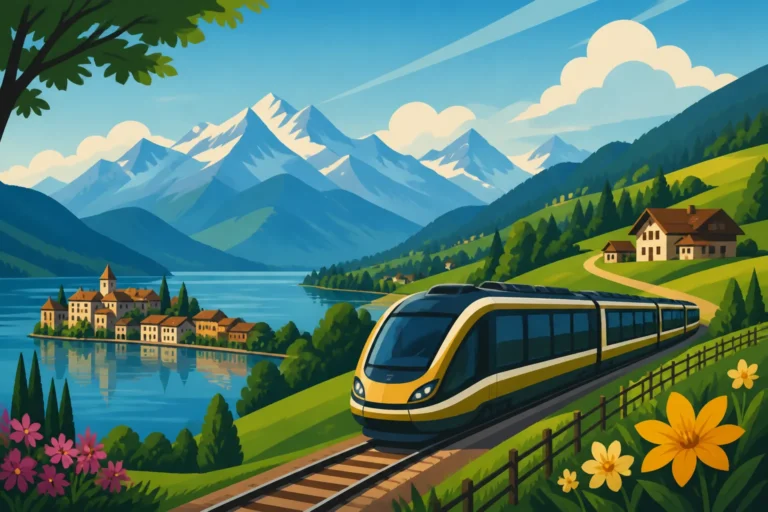
Forget the white-knuckle drives or the constant vigilance required when behind the wheel in an unfamiliar country. Swiss trains are, quite simply, an extension of the breathtaking landscape. Imagine settling into a comfortable seat, perhaps with a coffee or a local pastry, and simply watching the world glide by. One minute you're passing through a bustling city, the next you're hugging the edge of a pristine lake, then plunging into a verdant valley, all without once having to glance at a map or worry about the next turn.
This isn't just a practical way to travel; it's an immersive scenic tour. On many routes, the train windows act like cinematic screens, framing snow-capped peaks, cascading waterfalls, and picturesque chalets. You gain an entirely different perspective than you would from a car, often reaching viewpoints and traversing terrain that roads simply can't. It frees you up to truly engage with your surroundings, take photos, chat with travel companions, or simply reflect on the incredible beauty unfolding outside.
The efficiency of the Swiss public transport system is legendary, and it's not just a myth. Trains run with astonishing punctuality, connecting even the most remote corners of the country. Stations are clean, well-signposted (often in English), and seamlessly integrated, making transfers usually a breeze. You'll rarely experience the kind of delays or chaotic scenes that can plague other national rail networks. It’s a well-oiled machine, meticulously maintained, ensuring your journey is as smooth as possible.
The stress-free nature of train travel here really can't be overstated. You don't have to worry about tolls, petrol prices, or accidentally taking a wrong turn onto a mountain pass you weren't prepared for. There's no frantic search for parking once you arrive at your destination, no need to navigate one-way systems in historic city centers. Just hop on, relax, and let the professionals handle the logistics. This allows you to arrive at your destination refreshed and ready to explore, rather than tired and irritable from a long drive. It transforms travel from a chore into a delightful part of your holiday.
Unlocking Value: The Half-Fare Card and Other Passes
Now, let's talk about making Swiss train travel even more appealing for your wallet. If you're planning to stay for more than a few days, or if you're a resident, The Half-Fare Travelcard (Halbtax): The Must-Have Pass for Swiss Residents is an absolute game-changer. This isn't just a discount; it's almost a rite of passage for anyone living or spending significant time here. For a fixed annual fee (or a shorter validity for tourists), you get 50% off nearly all public transport – trains, buses, boats, and even most mountain railways and cable cars. The savings add up incredibly quickly, often paying for itself within just a few longer day trips.
Beyond the Half-Fare card, savvy travelers should also explore options like the Saver Day Pass (Spartageskarte): How Residents Save on Day Trips. These passes allow you to travel anywhere on the SBB network for an entire day, often at a significantly reduced price, provided you book well in advance. They are fantastic for spontaneous day trips once you have your Half-Fare card, as you'll often combine the two for maximum savings. The key is flexibility with your travel dates and booking as soon as your plans solidify, as prices fluctuate like airline tickets.
While the SBB Travelcards: Is the Generalabonnement (GA) Worth the CHF 4000+ Cost? offers unlimited travel across the entire public transport network, it's typically a hefty investment designed for commuters or those who travel extensively almost daily. For most expats or tourists focused on a few day trips a week, the GA is likely overkill. It's brilliant for locals who use it every single day for work and leisure, but for your purposes, the Half-Fare Card combined with Saver Day Passes will usually give you the best bang for your buck for exploring.
To tie all this together, the SBB Mobile App is indispensable. It's your personal travel planner, ticket office, and real-time information center all in one. You can easily check timetables, see platform changes, purchase tickets (applying your Half-Fare discount automatically), and even find "supersaver" tickets or buy a Saver Day Pass directly through the app. It makes navigating the system incredibly user-friendly, even if your German, French, or Italian is still a work in progress. You'll find yourself relying on it constantly, and it truly makes spontaneous adventures a reality.
Planning Your Perfect Train Day Trip: Essential Tips
Spontaneity is wonderful, but a little planning goes a long way, especially when you're maximizing your time and budget in a country like Switzerland. You want your day trips to be memorable for the right reasons – the stunning views, the delicious local treats, the unexpected discoveries – not for the missed connections or the sudden downpour you weren't prepared for. Here’s how to ensure your train adventures are as smooth as Swiss chocolate.
Mastering the SBB Mobile App and Timetables
The SBB Mobile App is more than just a ticket-buying tool; it's truly your command center for navigating Swiss public transport. Its real-time functionality is exceptional. Imagine you're at the station, and there's a last-minute platform change – the app will notify you instantly. Or perhaps there's a minor delay due to a cow on the tracks (it happens!) – the app updates immediately, showing you alternative connections. This kind of dynamic information means you're always in the loop, even when plans shift slightly, minimizing stress and wasted time.
When planning your journey, don't just look for direct trains. The app excels at showing you the fastest and most efficient connections, even if they involve multiple changes between trains, buses, or boats. Pay close attention to the transfer times it suggests; sometimes they can be as short as three minutes. While the Swiss system is incredibly efficient, if you're not agile or have a lot of luggage, you might prefer to adjust your search to allow for a slightly longer transfer time, giving you a more relaxed pace between platforms.
One of the best ways to save money, especially for longer distances or popular routes, is to hunt for "supersaver" tickets. These are limited-availability, non-refundable tickets for specific connections, and they offer deep discounts. They pop up regularly, so if you have a destination in mind, start checking a few weeks or even a month in advance. Similarly, the Saver Day Pass, as mentioned, is another excellent value. Both require booking ahead, but the savings can be substantial, sometimes cutting the cost of a return journey by more than half, especially if you also have a Half-Fare card. Just remember, these are tied to a specific date and sometimes a specific train, so no spontaneous changes!
While Swiss trains are known for their punctuality, occasional disruptions can occur. A fallen tree, a medical emergency, or even heavy snowfall can impact schedules. The SBB app will be your first source of information in such cases, providing alternative routes or estimated delays. It's always a good idea to have a fully charged phone – using the app extensively can drain your battery quickly, and you don't want to be stranded without access to critical information. Knowing the app inside out means you're well-equipped to handle any unexpected bumps on your journey.
Packing Smart for a Swiss Day Out
Swiss weather, especially in the mountains, has a mind of its own. You could start your day in sunshine, experience a cloudburst by lunchtime, and finish with clear skies and a chilly breeze. The golden rule for packing for a day trip here is layers. Think breathable base layers, a fleece or light sweater, and a waterproof and windproof outer shell, even if the forecast looks sunny. A lightweight packable down jacket can be a lifesaver, even in summer if you're heading up to higher altitudes. This way, you can easily adjust your clothing to stay comfortable throughout the day.
Comfortable footwear is non-negotiable. Even if your day trip is just for city sightseeing, you'll likely be doing a lot of walking on cobbled streets or uphill climbs. If you plan any light hikes, waterproof hiking shoes are ideal. Beyond clothing, a reusable water bottle is a must. Swiss tap water is delicious and safe everywhere, and you'll find plenty of public fountains to refill for free, saving you money and reducing plastic waste. Don't forget some snacks! While Swiss food is excellent, it can be pricey, so having a few energy bars or a piece of fruit can keep hunger at bay between meals.
Sun protection is often overlooked, even on cloudy days or in winter. The sun's rays are stronger at higher altitudes, so pack sunglasses, a hat, and high-SPF sunscreen. A power bank for your phone is another essential. Between checking the SBB app, taking photos, and navigating with maps, your phone battery will work hard. A small backpack is usually sufficient for a day trip, leaving your hands free to take photos or consult a map.
Finally, while Switzerland is incredibly safe, it's always wise to have a small, basic first-aid kit with essentials like plasters, pain relievers, and any personal medications. If you're venturing into more remote hiking areas, it's a good practice to let someone know your planned route and expected return time. Being prepared means you can truly relax and enjoy your adventure without unnecessary worries.
Budgeting and Eating on the Go
Let's address the elephant in the room: Switzerland is expensive. There’s no getting around it, and the cost of food and drink can quickly eat into your day trip budget if you’re not mindful. One of the best ways to save money is to pack a picnic or snacks. Before you head out, pop into a Migros, Coop, or even a Denner or Aldi for budget-friendly options. You can pick up fresh bread, cheese, cold cuts, fruit, and even a local chocolate bar for a fraction of the cost of a restaurant meal. Enjoying a scenic picnic with a view is often a more memorable experience anyway!
If you do want to experience Swiss dining without breaking the bank, look for "Tagesteller" (daily specials) or "Mittagsmenü" (lunch menus). Many restaurants offer these at lunchtime, providing a main course, sometimes with a starter or dessert, for a set price that's significantly cheaper than their à la carte dinner options. This is a great way to try local cuisine without the full evening price tag. Cafes also offer cheaper sandwich and salad options.
For a quick bite or something to grab and go, the larger Migros and Coop stores (especially in train stations) often have a "Take Away" section with freshly prepared sandwiches, salads, sushi, and hot items. These are convenient and generally more affordable than sitting down in a restaurant. Don't feel guilty about taking advantage of these; it's what many locals do!
As mentioned before, water is free and plentiful in Switzerland. Carry your reusable bottle and fill it up from public fountains (look for "Trinkwasser" signs, or generally, if it’s flowing, it’s safe) or tap water in cafes. Buying bottled water repeatedly will add up unnecessarily. By being smart about your food and drink choices, you can free up your budget for other experiences, like a scenic boat trip or a visit to a museum.
Day Trips from Zurich & Central Switzerland
Zurich is not only Switzerland's largest city and a financial hub, but it's also a fantastic starting point for exploring some of the country's most iconic and picturesque destinations by train. Within a two-hour radius, you can go from urban chic to medieval charm, from powerful waterfalls to serene lake cruises.
Lucerne: The Quintessential Swiss City
If you ask any expat or tourist for a must-see Swiss city that’s easily reachable, Lucerne (Luzern) will invariably be at the top of their list. It truly embodies that quintessential Swiss charm, feeling a world away from the hustle of Zurich despite being less than an hour by direct train. You’ll step off the train right into the heart of the action, with the magnificent lake sparkling before you and the historic Old Town beckoning across the Reuss River.
The city’s most famous landmarks, the Chapel Bridge (Kapellbrücke) and its octagonal Water Tower, are just a short stroll from the station. Walking across this iconic wooden bridge, admiring the painted gables and the tranquil river, is an experience in itself. The Old Town, with its beautifully preserved medieval buildings, frescoed facades, and charming squares, is perfect for a leisurely wander. Don't miss the poignant Lion Monument, a touching tribute carved into a rock face, and for those with energy, a walk along parts of the Musegg Wall offers fantastic views over the city and lake. For even deeper exploration, our guide on Exploring Lucerne: Old Town, Lake Cruises, and Mount Excursions has all the details.
Beyond the city itself, Lucerne is the gateway to some truly spectacular mountain and lake excursions. A leisurely Lake Lucerne: Cruises, Mountains, and the Swiss Path is highly recommended, offering stunning views of the surrounding peaks like Pilatus and Rigi. For a mountain adventure, consider a trip up Mount Pilatus, famous for its "Golden Round Trip" that combines a boat, the world's steepest cogwheel railway, and a panoramic cable car. Or head to Mount Rigi, often called the "Queen of the Mountains," for its easily accessible summit and incredible 360-degree views, which you can explore further in Mount Rigi, Queen of the Mountains: Easy Alpine Access from Lucerne. Both mountains offer various routes and experiences, making Lucerne a versatile hub for nature and culture.
The ease of reaching Lucerne from Zurich (a direct train takes about 45 minutes) makes it an ideal day trip. The train journey itself is pleasant, often offering glimpses of the countryside. Once you arrive, everything is within easy walking distance or accessible via public transport, so you won't need to worry about additional travel logistics within Lucerne. It's a perfect blend of urban charm, historical significance, and alpine beauty, making it an unforgettable day out.
Rhine Falls: Europe's Most Powerful Waterfall
For a truly awe-inspiring natural spectacle that's surprisingly close to Zurich, the Rhine Falls (Rheinfall) are an absolute must-see. Located near Schaffhausen, this is Europe's largest waterfall, and its sheer power and volume of water crashing over the rocks are breathtaking. You don't just see the Rhine Falls; you feel them, hear them, and almost taste the spray in the air. It’s a sensory experience that will leave you invigorated and humbled by nature’s force.
There are two main access points for the falls, each offering a different perspective. You can arrive at Neuhausen am Rheinfall station, which puts you on the northern bank with excellent panoramic views, or at Schloss Laufen am Rheinfall station, which places you directly at Laufen Castle on the southern bank. From the castle, you can descend via panoramic lifts and walkways to platforms that get you astonishingly close to the thundering water. For an even more immersive experience, various boat trips operate, taking you right into the heart of the falls, sometimes even allowing you to disembark on the rock in the middle of the cascade! These boat tours can often be booked on the spot or in advance through platforms like GetYourGuide, ensuring you get a slot on busy days.
The best time to visit the Rhine Falls is typically in late spring or early summer (May to July), when the snowmelt from the Alps feeds the Rhine, making the waterfall even more powerful. However, it's impressive year-round. If you have extra time, consider combining your visit with a trip to the nearby town of Schaffhausen, known for its beautiful medieval Old Town, complete with charming bay windows and the impressive Munot fortress overlooking the city.
From Zurich, a direct train to Neuhausen am Rheinfall takes approximately 50 minutes, making this an incredibly easy and rewarding half-day or full-day excursion. The journey is scenic and straightforward, and once you're there, clearly marked paths and signage guide you around the viewing areas. It's a perfect escape into raw nature without venturing too far into the mountains, ideal for families and anyone looking for a powerful natural wonder.
Appenzell: Rolling Hills and Traditional Charm
If you're looking for a taste of authentic, traditional Switzerland that feels a world away from bustling cities, then a day trip to Appenzell is highly recommended. This unique canton is known for its rolling green hills, distinctively painted wooden houses, and a strong adherence to ancient customs. It offers a gentle, pastoral charm that’s quite different from the dramatic alpine landscapes or elegant cityscapes you might find elsewhere. It’s a place where time seems to slow down, and tradition is deeply woven into daily life.
The village of Appenzell itself is the heart of this region. Its car-free main street is lined with beautifully decorated houses, their facades adorned with colorful frescoes depicting local history and folklore. It’s a delight to simply stroll along, admiring the architecture, popping into local shops selling traditional crafts, and perhaps sampling some Appenzeller cheese – known for its spicy flavor! The atmosphere is relaxed and unhurried, inviting you to simply absorb the unique ambiance. You might even stumble upon a traditional brass band playing in the main square during the summer months.
While the village is charming, the real magic often lies in the surrounding landscape. Appenzell is renowned for its gentle, rolling hills, which are perfect for easy walks and hikes, even for those who aren't avid mountaineers. One popular spot that's relatively close is the Ebenalp, accessible by cable car from Wasserauen (a short train ride from Appenzell village). From the top, you can walk to the iconic Äscher Cliff Restaurant or visit the Wildkirchli caves. While Ebenalp itself might take you slightly beyond the two-hour travel mark from Zurich, the journey to Appenzell village definitely falls within it, allowing you to experience the core of the region's charm.
Getting to Appenzell typically involves a train change in Gossau or Herisau from Zurich, with the total journey taking around 1 hour 45 minutes to 2 hours. The final leg of the journey on the local Appenzeller Bahnen train is particularly scenic, winding through the picturesque countryside. This day trip offers a wonderful opportunity to experience a quieter, more traditional side of Switzerland, where local culture and stunning natural beauty combine in a truly unique way.
Day Trips from Geneva & Western Switzerland Romandie
Geneva, with its international flair and stunning lakeside setting, serves as an excellent base for exploring the French-speaking part of Switzerland, known as Romandie, and even dipping a toe into neighboring France. Within a couple of hours by train, you can discover charming lakeside towns, medieval castles, and the birthplace of world-famous cheese and chocolate.
Montreux & Chillon Castle: Riviera Charm on Lake Geneva
Nestled on the eastern shores of Lake Geneva (Lac Léman): Towns, Boats, and Vineyard Walks, Montreux exudes an undeniable "Riviera" vibe. Thanks to its microclimate, palm trees line the lakeside promenade, giving it a distinctly Mediterranean feel, a stark contrast to the dramatic Alps rising behind it. From Geneva, a direct train hugs the stunning lake for about an hour, offering picturesque views all the way to this elegant town. It's an easy and incredibly scenic journey that sets the tone for a relaxing day.
The highlight of any visit to Montreux is undoubtedly Chillon Castle (Château de Chillon), Switzerland's most visited historic monument. This remarkably preserved medieval fortress seems to float on the lake, just a short walk, bus ride, or even a delightful boat trip from Montreux center. Exploring its ancient courtyards, grand halls, and dungeons, you can truly step back in time. The castle's unique position and rich history, immortalized by Lord Byron, make it a fascinating and photogenic destination. You can easily spend a couple of hours immersed in its history before heading back to Montreux.
Beyond the castle, Montreux itself invites leisurely exploration. Stroll along the flower-lined promenade, which stretches for miles, offering continuous views of the lake and the French Alps across the water. Don't miss the iconic statue of Freddie Mercury, a tribute to the legendary Queen frontman who made Montreux his home and recorded several albums here. If your visit coincides with July, you might even catch part of the world-renowned Montreux Jazz Festival, an experience unto itself.
The charm of Montreux lies in its relaxed elegance and stunning natural setting. Whether you're a history buff, a music lover, or simply seeking a beautiful lakeside escape, it offers a perfect blend for a memorable day trip. The train journey itself is a treat, making the entire experience effortless from the moment you leave Geneva.
Gruyères: Cheese, Chocolate, and Medieval Castles
Prepare your taste buds and your imagination for a trip to Gruyères, a truly picture-perfect medieval village nestled in the Pre-Alps, famous worldwide for its namesake cheese. This destination offers a delightful trifecta of history, culinary indulgence, and stunning scenery, all easily reachable by train from Geneva or Lausanne. From Geneva, the journey with a couple of changes takes roughly 1.5 to 2 hours, winding through the beautiful Fribourg countryside.
Your first stop should be La Maison du Gruyère, the Gruyère cheese factory at the base of the village. Here, you can watch cheesemakers at work (or a video if they’re not actively working), learn about the traditional production process, and, of course, enjoy a tasting of the delicious, nutty cheese. After this savory start, head up to the car-free medieval village itself, perched majestically on a hill. Explore the cobbled streets, admire the ancient buildings, and visit the impressive Gruyères Castle, which offers fascinating insights into the region's history and breathtaking views from its ramparts.
For a quirky and unexpected contrast, right in the village, you'll find the HR Giger Museum and Bar. HR Giger, the Swiss artist famous for designing the creature in the "Alien" films, created a truly unique and somewhat eerie space that's a must-see for sci-fi fans or those looking for something completely different. Before leaving, be sure to indulge in some Fondue and Raclette Culture: How and When the Swiss Eat Them at one of the village restaurants; after all, you’re in the heart of cheese country!
To complete your indulgent day, consider combining Gruyères with a visit to the Maison Cailler chocolate factory in Broc, just a short, scenic train ride away. Here, you can immerse yourself in the world of Swiss chocolate, learn about its history and production, and, yes, enjoy unlimited tastings (Cailler is a great brand!). It's a perfect pairing for a day of Swiss culinary delights. The combination of historical charm, world-class food, and stunning landscapes makes Gruyères a truly unforgettable day trip.
Lausanne: Olympic Capital and Lakeside Views
Perched dramatically on three hills overlooking Lake Geneva, Lausanne is a vibrant, sophisticated city and Switzerland's Olympic Capital. Just 35-45 minutes by direct train from Geneva, it's an incredibly convenient and rewarding day trip, offering a mix of culture, history, and stunning natural beauty. The city has a distinct energy, largely thanks to its large student population and international residents.
Your visit to Lausanne wouldn't be complete without exploring its two main areas: the historic Old Town (Cité) high up on the hill, and the elegant Ouchy lakeside promenade below. The Old Town is a charming maze of medieval streets, home to the magnificent Gothic Cathedral of Notre Dame, which offers panoramic views from its tower. Descending from the Cité, you can discover hidden courtyards, independent boutiques, and lively cafes. Navigating Lausanne's hills is made easy by its efficient metro system (the only one in Switzerland!), which effortlessly connects the lake to the upper city.
Down by the lake, Ouchy is a bustling hub. Here you’ll find the world-renowned Olympic Museum, a modern and interactive tribute to the Olympic Games, well worth a few hours of exploration. You could even look up tickets via GetYourGuide in advance to skip any queues during peak season. Stroll along the beautiful lakeside promenade, enjoy the gardens, or even rent a pedal boat on the lake. The views across Lake Geneva to the French Alps are simply stunning on a clear day, as detailed in our guide Day Trips from Lausanne: Chillon Castle, Vevey, and the Alps.
Lausanne's diverse cultural scene, coupled with its excellent food and drink options, makes it a dynamic destination. Whether you're interested in sports history, medieval architecture, or simply enjoying a vibrant urban atmosphere by the water, Lausanne offers a rich and varied experience. Its proximity and excellent train connections from Geneva make it an effortless and highly recommended day trip.
Day Trips from Basel & Northern Switzerland
Basel, strategically located at the crossroads of Switzerland, France, and Germany, offers unique opportunities for cross-border day trips in addition to exploring Switzerland's own charming capital. The city's excellent rail links make it incredibly easy to venture into neighboring countries for a taste of different cultures, often within the two-hour travel window.
Colmar, France: A Fairytale Cross-Border Escape
Just a short, incredibly picturesque train ride from Basel, you can find yourself in the enchanting town of Colmar, France. It's a cross-border escape that feels like stepping into a fairytale, boasting a unique blend of French and German influences in its architecture and culture. The direct train from Basel SBB takes less than 30 minutes, making it one of the easiest international day trips you can imagine.
Colmar's most famous quarter is "Little Venice" (Petite Venise), with its charming canals, half-timbered houses painted in vibrant colors, and flower-laden bridges. Wandering through these cobbled streets, soaking in the atmosphere, is an absolute delight. You can even take a short flat-bottomed boat tour along the canals for a different perspective of the picturesque buildings. Beyond its aesthetic charm, Colmar offers a rich history, with the impressive Saint-Martin Collegiate Church and the Unterlinden Museum housing the famous Isenheim Altarpiece.
While in Colmar, be sure to indulge in the local Alsatian cuisine. Try a traditional Flammkuchen (a thin-crust tart with various toppings), sample some local Riesling or Gewürztraminer wine (Alsace is a renowned wine region), and enjoy the relaxed French pace of life. The markets are also fantastic for picking up local produce and souvenirs. For international train tickets to places like Colmar, you might find it convenient to use a platform like Omio, which can help you compare options and book seamlessly, especially if you're not using the SBB app for cross-border.
The beauty of a day trip to Colmar is the complete change of scenery and culture, all within such a short travel time. It’s a wonderful opportunity to experience a slice of France without the hassle of a long journey, perfect for anyone based in Basel or even Zurich who wants a taste of something different.
Bern: Switzerland's Charming Capital
Often overshadowed by the glitz of Zurich or the international buzz of Geneva, Bern, Switzerland's capital, is a city that charms everyone who visits. It’s a UNESCO World Heritage site, famous for its beautifully preserved medieval Old Town, yet it carries a surprisingly relaxed and friendly atmosphere. From Basel, a direct train will whisk you to Bern in about an hour, making it an incredibly convenient day trip.
The heart of Bern is its Old Town, almost completely surrounded by the turquoise waters of the Aare River. As you emerge from the train station, you're immediately struck by the city's distinctive arcaded shopping streets (Lauben), which provide shelter from rain and sun. Key attractions include the iconic Zytglogge (Clock Tower), a medieval marvel with an elaborate hourly show that draws crowds. A visit to the Parliament Building (Bundeshaus) is a must, and if parliament is not in session, you can often take a free tour inside. For a beloved local sight, head to the Bear Park (Bärengraben) to watch Bern's furry mascots enjoying their riverside habitat. Our dedicated guide, Day Trips from Bern: Thun, Interlaken, and the Emmental, provides even more reasons to visit this charming capital.
Bern is also deeply connected to Albert Einstein, who developed his theory of relativity while living and working here; his former residence is now a small museum. In the warmer months, the crystal-clear Aare River becomes a focal point for locals, who enjoy swimming and floating downstream. Even if you're not joining in, a stroll along its banks offers serene views and a wonderful sense of calm.
The city's compact size means that most of its main attractions are easily walkable, allowing you to immerse yourself fully in its history and charm without feeling rushed. Bern offers a perfect blend of Swiss history, political importance, and laid-back urban life, making it an enriching and enjoyable day out from Basel or indeed any major Swiss city.
Freiburg im Breisgau, Germany: University Town Vibes
Another fantastic cross-border day trip from Basel takes you into the heart of the Black Forest region to the vibrant university city of Freiburg im Breisgau, Germany. Like Colmar, it's easily accessible by train, with direct connections from Basel SBB taking around 35-40 minutes. This trip offers a different cultural flavor and a more budget-friendly experience compared to Swiss cities.
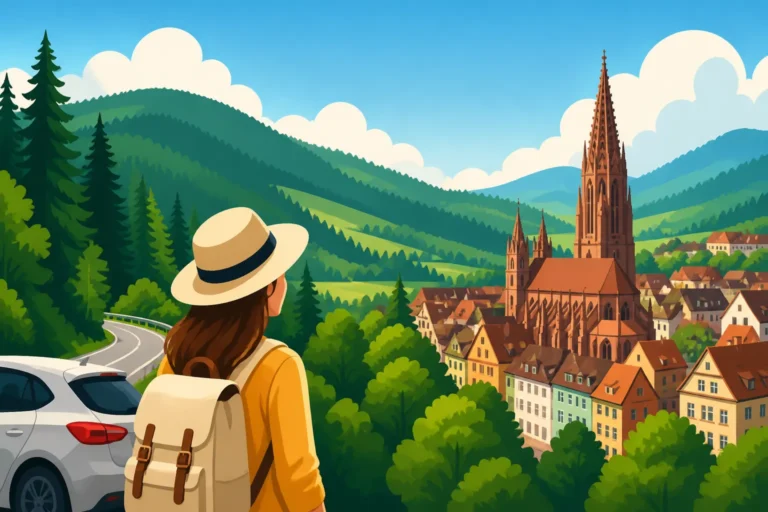
Freiburg is known for its beautiful medieval Münster (Cathedral), a stunning Gothic masterpiece with an impressive spire that dominates the city skyline. The daily market around the Münsterplatz is a feast for the senses, offering local produce, flowers, and delicious street food. One of Freiburg's most charming and unique features are the "Bächle" – small, open water channels that run alongside the pavements throughout the Old Town. Legend has it that if you accidentally step into a Bächle, you'll marry a Freiburger!
As a university town, Freiburg has a youthful and lively atmosphere, with numerous cafes, beer gardens, and independent shops. It's also renowned for its commitment to sustainability and green initiatives. The overall vibe is relaxed and welcoming, making it a pleasant place to explore at your own pace. The prices for food, drinks, and shopping are generally more affordable than in Switzerland, offering a welcome reprieve for your wallet.
Getting there is a breeze, and once again, platforms like Omio can assist with booking your international train tickets. Whether you're interested in history, a lively market, or simply enjoying a different cultural ambiance, Freiburg offers an excellent and easily managed day trip from Basel. It's a great choice for those who appreciate good food, local beer, and a charming city with a strong character.
Day Trips for Mountain Lovers Under 2 Hours from Major Hubs
While many of Switzerland's most dramatic peaks might seem like multi-day expeditions, there are plenty of incredible mountain experiences perfectly accessible for a day trip by train, especially if you're clever with your starting points and connections. You don't always need to conquer Everest to feel the alpine magic!
Interlaken: Gateway to the Bernese Oberland
Interlaken truly lives up to its name, nestled "between lakes" – the stunning Lake Thun and Lake Brienz. It's often called the adventure capital of Switzerland and serves as the quintessential gateway to the magnificent Bernese Oberland region, home to some of Switzerland's most iconic peaks. From major cities like Zurich or Bern, you can reach Interlaken within 1 to 2 hours by direct train, making the town itself a very easy and scenic journey.
While the famous peaks like Jungfraujoch (which is significantly longer than a two-hour ascent from Interlaken) require a bit more travel time beyond Interlaken, the town itself offers plenty to see and do, and shorter mountain excursions are readily available. You can watch paragliders gracefully descend onto the Höhematte park in the town center, stroll along the Aare River, or explore the local shops. Interlaken is more of a bustling hub, with a vibrant energy that comes from being a meeting point for adventurers from around the globe. Our guide on Exploring Interlaken: Gateway to the Jungfrau Region provides a deeper dive into the area.
For an immediate mountain fix that easily fits within your day trip, head up to Harder Kulm. This "Top of Interlaken" is reached by a funicular directly from Interlaken Ost station in just about 10 minutes. At the top, you'll be rewarded with breathtaking panoramic views over Interlaken itself, both Lake Thun and Lake Brienz, and the majestic Eiger, Mönch, and Jungfrau peaks. It's an easy and incredibly rewarding experience that doesn't require extensive hiking or time, making it perfect for a quick alpine immersion.
Alternatively, consider a short, scenic boat trip on either Lake Thun or Lake Brienz directly from Interlaken's ferry terminals. These lake cruises offer a completely different perspective of the surrounding mountains and charming lakeside villages, such as Brienz with its woodcarving tradition. The direct train connections from Zurich and Bern (around 2 hours and 1 hour respectively) make Interlaken an excellent base for a mountain-focused day, allowing you to pick and choose your level of adventure.
Mount Rigi: Queen of the Mountains
Mount Rigi, affectionately known as the "Queen of the Mountains," is arguably one of the most accessible and rewarding alpine experiences in Switzerland. Located in Central Switzerland, it's famous for its stunning 360-degree panoramic views over Lake Lucerne, Lake Zug, and the surrounding Alps. From Zurich, you can reach the base of Rigi (like Vitznau or Goldau) in approximately 1 hour 15 minutes to 1 hour 45 minutes, often involving a train change in Lucerne or Arth-Goldau.
The true beauty of Rigi lies in the variety of ways to ascend and descend. The most popular option is the "Golden Round Trip" from Lucerne, which combines a scenic boat cruise across Lake Lucerne to Vitznau, followed by an ascent on Europe's first cogwheel railway to Rigi Kulm. From the summit, you can descend via a different cogwheel line to Goldau or take a cable car down to Weggis before another boat back to Lucerne. This offers an incredible diversity of transport and views in one unforgettable day. For more on this majestic mountain, consult Mount Rigi, Queen of the Mountains: Easy Alpine Access from Lucerne.
Once at the summit of Rigi Kulm, you'll find easy walking paths, numerous viewpoints, and restaurants. Even if you're not an experienced hiker, you can enjoy a gentle stroll along the ridgeline, taking in the unparalleled vistas. For those seeking relaxation, the Rigi Kaltbad mineral baths offer a serene mountain spa experience. In winter, Rigi transforms into a magical snowy playground, popular for winter hiking, sledding, and snowshoeing, with trails clearly marked.
Rigi is a fantastic choice for families, couples, or solo travelers looking for a hassle-free mountain experience. The ease of access, the variety of transport options, and the sheer beauty of the landscape make it a truly special day trip that delivers incredible alpine views without the arduous journey often associated with higher peaks.
Stoos: Car-Free Village and Steepest Funicular
For an exhilarating and unique mountain experience that’s a little off the main tourist circuit but still incredibly accessible, head to Stoos. This charming, car-free mountain village in Central Switzerland is famous for its record-breaking funicular, making the journey an attraction in itself. From Zurich, you can reach the base of the funicular in Schwyz in about 1 hour 15 minutes to 1 hour 30 minutes by train, followed by a short bus ride.
The Stoosbahn funicular railway is the steepest in the world, with a gradient of 110%! As the cabin adjusts to the incline, you'll feel like you're defying gravity, a truly thrilling ride that offers fantastic views as you ascend. Once you reach the car-free village of Stoos, you'll be greeted by tranquil alpine meadows, traditional chalets, and a sense of calm that only a vehicle-free environment can provide.
The main draw in Stoos, especially during the warmer months, is the stunning Stoos Ridge Walk (Stoos Gratwanderung). This panoramic trail, accessible via a chairlift from the village, offers absolutely incredible 360-degree views of Lake Lucerne, Lake Lauerz, and countless surrounding peaks. While the full ridge walk is a moderate hike, even walking a portion of it provides spectacular vistas. In winter, Stoos transforms into a popular ski resort with slopes suitable for all levels, as well as designated winter hiking and sledding routes.
Stoos offers a wonderful blend of adventure, natural beauty, and peaceful alpine charm. It's an ideal day trip for those who want an authentic Swiss mountain experience, a dose of thrilling engineering, and the chance to escape the urban grind, all within a surprisingly short and easy train journey from the country's major centers.
Popular Swiss Day Trip Destinations by Train
Here’s a quick overview of some of the best train day trips within two hours from major Swiss cities, helping you visualize distances and plan your adventures. Keep in mind that times are approximate and vary slightly depending on the specific starting station and connections.
| Destination | Travel Time (from Zurich) | Key Attraction | Best For | Typical SBB Cost (Half-Fare) |
|---|---|---|---|---|
| Lucerne | ~45 min | Chapel Bridge, Lake Cruise | Culture, Lake Views | CHF 12-15 |
| Rhine Falls | ~50 min | Europe's most powerful waterfall | Nature, Boat Trips | CHF 10-13 |
| Bern | ~1 hour | Old Town, Bear Park, Parliament | Capital City, History | CHF 25-30 |
| Montreux | ~2 hours | Chillon Castle, Lake Geneva | Riviera Vibe, History (quicker from Geneva: ~1h) | CHF 30-35 (from Zurich) |
| Interlaken | ~2 hours | Gateway to Alps, Harder Kulm | Adventure, Mountain Views | CHF 30-35 |
| Appenzell | ~1h 45m | Traditional Village, Rolling Hills | Culture, Gentle Hikes | CHF 20-25 |
| Gruyères | ~2 hours | Cheese, Castle, HR Giger Museum | Foodies, History (quicker from Geneva/Lausanne) | CHF 35-40 (from Zurich) |
| Lausanne | ~2h 15m | Olympic Museum, Lake Geneva | Culture, Lakeside City (quicker from Geneva: ~40m) | CHF 40-45 (from Zurich) |
| Colmar (FR) | ~30 min (from Basel) | Little Venice, Half-Timbered Houses | Cross-border, Fairytale Charm | CHF 15-20 (from Basel) |
| Freiburg (DE) | ~40 min (from Basel) | Cathedral, Bächle, University Vibe | Cross-border, Lively City | CHF 15-20 (from Basel) |
| Mount Rigi | ~1h 30m | 360° Alpine Panorama, Cogwheel Train | Mountain Views, Easy Access | CHF 30-40 (from Zurich base) |
| Stoos | ~1h 30m | Steepest Funicular, Ridge Walk | Adventure, Car-free Village | CHF 25-35 (from Zurich base) |
Disclaimer
The information provided in this guide is for general informational purposes only. While we strive to keep it accurate and up-to-date, details such as prices, schedules, and opening hours can change without notice. Always check official websites, such as SBB.ch, and local tourism boards for the most current information before planning your trip. Travel times are approximate and can vary based on specific connections and service disruptions. We are not responsible for any inconveniences or expenses incurred as a result of relying on this information.