Beginner-Friendly Ski Resorts Near Zurich
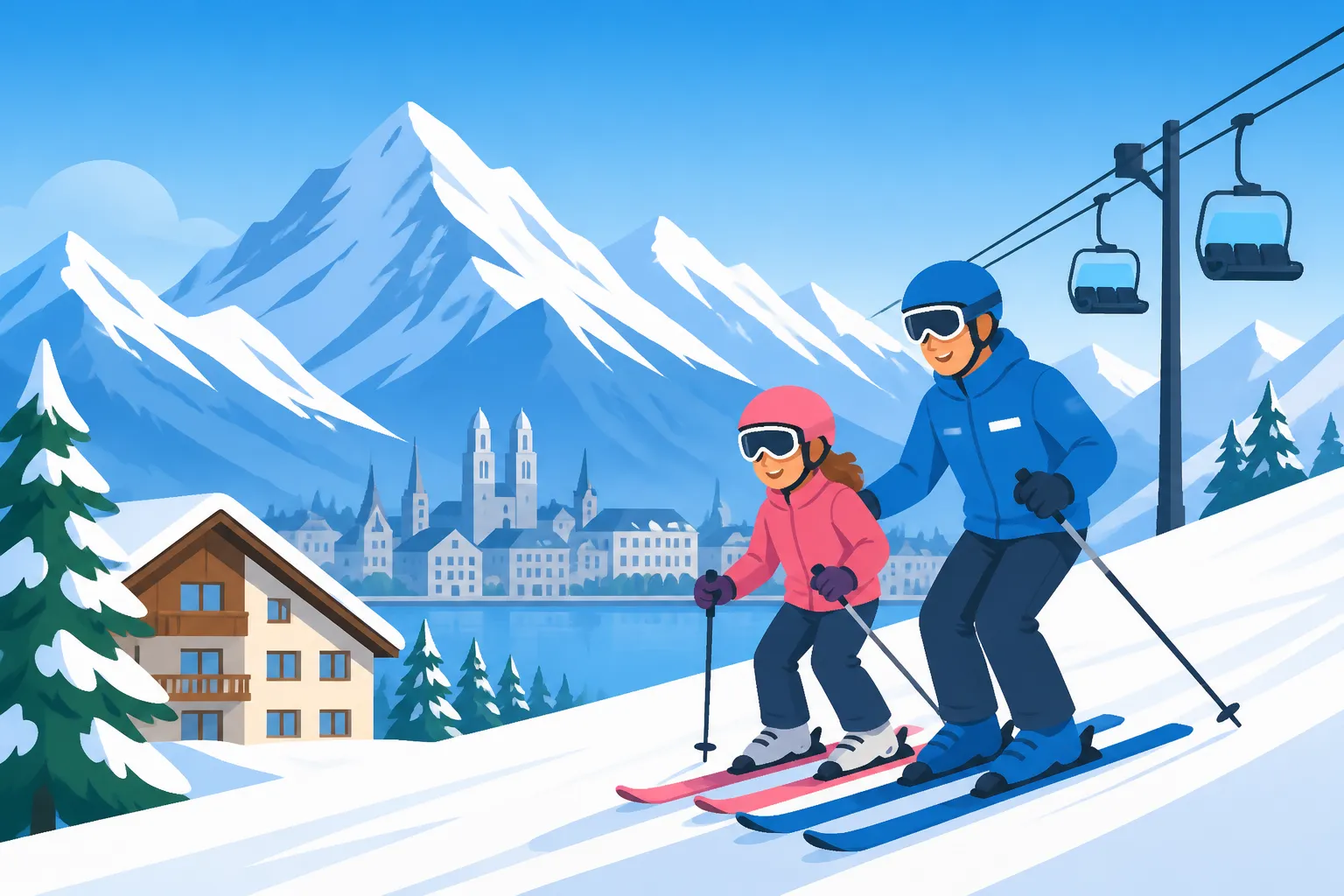
Moving to Switzerland, you're likely dreaming of those picture-perfect snow-capped peaks and gliding effortlessly down a pristine slope. But let's be real, for many expats, the sheer scale of the Alps and the perceived exclusivity of Swiss skiing can feel incredibly daunting. This guide is here to demystify the process and point you to the most accessible and beginner-friendly ski resorts within easy reach of Zurich, ensuring your first turns on the snow are more joy than jolt.
Navigating the Swiss Ski Scene as a Beginner Near Zurich
When you first arrive, the idea of hitting the slopes can seem like a monumental task. You hear about resorts like Zermatt or Verbier, which are incredible, but frankly, they’re not designed for someone learning to snowplow. For new arrivals, the challenge isn't just about learning the sport; it's about understanding the logistics, the costs, and finding a place where you feel comfortable making mistakes. That’s where the "beginner-friendly" aspect truly shines, especially around a major city like Zurich.
Why Proximity and Ease of Access Matter
Let's face it, nobody wants to spend three hours on a train, then another hour on a bus, only to arrive at a bustling resort completely overwhelmed. As a beginner, particularly one still finding their feet in a new country, simplicity is key. You want a resort that's not only close enough for a day trip from Zurich but also straightforward to navigate. Think less about prestige and more about practicalities: how easy is it to get there via public transport? Are the ski rentals right by the slopes? Is the ski school clearly signposted and welcoming to non-German speakers?
The major appeal of these closer-to-home resorts is that they cut down on travel fatigue and the overall complexity of a ski day. You can wake up, have a relaxed breakfast, hop on a train or bus, and be on the snow within an hour or two. This is particularly valuable if you're bringing children or if you're just dipping your toes into skiing and aren't ready for a full-blown alpine expedition. It also helps manage costs; shorter travel times mean less spent on expensive tickets, and smaller resorts often have more reasonable prices for day passes and food.
What Makes a Resort "Beginner-Friendly"?
So, what exactly are we looking for when we say "beginner-friendly"? It's more than just having a few green slopes. A truly beginner-friendly ski resort near Zurich offers a holistic experience designed to make learning enjoyable and stress-free.
Firstly, the slope profile is paramount. You need wide, gentle, consistent gradients where you can focus on technique rather than immediately fearing a steep drop-off. Many beginner areas, often called "Kinderländer" or "practice slopes," feature magic carpets or very slow, easy-to-use button lifts. These are crucial for building confidence before tackling longer, slightly steeper runs accessed by chairlifts. Secondly, dedicated ski schools are non-negotiable. Look for resorts with established ski schools offering group lessons, ideally with English-speaking instructors. Learning the fundamentals correctly from the start prevents bad habits and makes progression much faster. Many resorts allow you to book these in advance through platforms like GetYourGuide, which can streamline your planning.
Thirdly, on-site or easily accessible rental shops are a massive bonus. For your first few trips, buying all the gear is a huge investment and frankly, unnecessary. Being able to rent skis, boots, poles, and helmets directly at the resort saves you the hassle of lugging equipment on public transport. These shops are usually quite efficient, getting you fitted and on your way quickly. We'll delve deeper into this in our guide on Renting Ski Equipment in Switzerland: Costs and Where to Book. Finally, the overall atmosphere matters. Smaller, family-oriented resorts tend to be less crowded and have a more relaxed, less intimidating vibe. This means fewer expert skiers whizzing past you at top speed, allowing you to learn at your own pace without feeling pressured or unsafe.
Top Beginner-Friendly Ski Resorts Within Easy Reach of Zurich
Alright, let's get down to the nitty-gritty. These are the places I'd recommend to anyone starting out, or even for families with young children just getting their ski legs. They are all designed to offer a fantastic introduction to the sport without the overwhelm.
Atzmännig: The Local's Secret for First Turns
If you're looking for an absolute gem that many expats might overlook in favor of flashier names, Atzmännig is it. Located in the picturesque Ricken region of St. Gallen, it's about an hour's drive or a very manageable journey by public transport from Zurich. This place is the epitome of beginner-friendly. The slopes are predominantly blue (easy) and wide, making it perfect for those taking their very first turns or for children. There’s a wonderful, gentle "practice meadow" with a magic carpet, which is fantastic for getting used to your skis without the added stress of a T-bar or chairlift.
The resort itself is quite compact, meaning you won't get lost or feel overwhelmed by a sprawling network of runs. This focused setup allows for a more relaxed learning environment. Atzmännig also boasts a well-regarded ski school, which caters to both children and adults. You can book private or group lessons, and finding an English-speaking instructor is generally feasible, though it’s always good to inquire beforehand. Rental facilities are right at the base of the slopes, making logistics incredibly simple. You can easily get there by taking a train to Rapperswil and then a PostBus directly to Atzmännig. Planning your journey with services like Omio can help you find the most convenient connections and purchase tickets effortlessly. The vibe here is very much family-oriented and unpretentious – a true local favorite for a reason.
Flumserberg: More Variety, Still Accessible
Flumserberg is another excellent choice, offering a bit more in terms of size and variety than Atzmännig, yet still very much within the beginner's comfort zone and easily accessible from Zurich. Located roughly an hour and a half by train and bus into the Heidiland region, it provides stunning views of Lake Walensee and the surrounding mountains. What makes Flumserberg stand out for beginners is its dedicated learning zones and a good mix of easy blue runs that allow for progression. While it has more challenging red runs too, the beginner areas are clearly separated and well-maintained.
There are multiple ski schools scattered across the resort, such as Schweizer Skischule Flumserberg, which offer comprehensive programs for all ages and skill levels. They often have dedicated instructors who can teach in English, making lessons more effective for non-German speakers. You’ll find ample rental options, both at the valley stations and up on the mountain. For those considering staying overnight to make a weekend of it, Booking.com offers several hotels and apartments in the area, allowing you to maximize your time on the snow. You can also look into booking ski passes or lesson packages in advance through platforms like GetYourGuide, which can save time and sometimes money. Flumserberg is ideal if you've already had a couple of beginner lessons and are ready for slightly longer runs, or if your group has mixed abilities, as there's enough to keep everyone happy without straying into overly difficult territory.
Sattel-Hochstuckli: Fun for the Whole Family (and Beginners Too)
Sattel-Hochstuckli, located in Canton Schwyz, is another fantastic option, just about an hour from Zurich by car or a bit longer by public transport (train to Sattel-Aegeri, then bus). What makes this place unique and incredibly appealing for beginners and families is its revolving gondola, the "Stuckli Rondo," which offers a panoramic ride up the mountain. Once at the top, you'll find a very well-defined beginner's area. The slopes are gentle, wide, and perfect for building confidence. It's often less crowded than some larger resorts, providing a more relaxed atmosphere.
Beyond the main slopes, Sattel-Hochstuckli is known for its other winter activities, making it a great all-around winter playground. They have a fantastic tubing park, which is brilliant fun even if you're not skiing, and numerous winter hiking trails. This means that if someone in your party isn't keen on skiing all day, they still have plenty of options. The ski school here is excellent, particularly for children, focusing on making learning playful and engaging. They also offer lessons for adults who are new to skiing. Gear rental is available directly at the valley station. The overall feeling is one of cheerful family fun, making it an excellent choice for a low-stress first ski experience.
Amden-Arvenbüel: Small, Serene, and Uncomplicated
For those who truly want to avoid any hint of hustle and bustle and prefer a more intimate, village-like atmosphere, Amden-Arvenbüel is a hidden gem. Nestled above Lake Walensee, about an hour and fifteen minutes from Zurich, it's a smaller, quieter resort that feels a world away from city life. Amden-Arvenbüel is specifically lauded for its incredibly gentle slopes, making it absolutely perfect for absolute novices or very young children. There are a few short T-bar lifts accessing easy blue runs, and the focus here is truly on learning at a comfortable pace.
The ski school in Amden-Arvenbüel is renowned for its personal approach, often offering private or semi-private lessons that can be tailored to your specific needs. If you're someone who might feel intimidated by large group lessons or busy slopes, this is your sanctuary. Renting equipment is straightforward, with shops conveniently located near the lifts. The village itself is charming and offers a few cozy restaurants and guesthouses if you decide to extend your stay. It's the kind of place where you truly feel like you're escaping, offering a serene backdrop for your first forays into the world of skiing. This small scale ensures that you'll have plenty of space to practice and build your skills without feeling rushed or overwhelmed by more advanced skiers.
Practical Tips for Your First Ski Trip Near Zurich
So, you've picked your resort. Now what? Preparing for your first ski trip in Switzerland can still feel like a puzzle, but with a few pointers, you'll be gliding down those slopes with confidence.
Getting There: Public Transport is Your Best Friend
Switzerland's public transport system is legendary, and it's absolutely your best friend when heading to the slopes. Most resorts, even the smaller ones, are well-connected by a combination of trains and PostBuses. Not only is it efficient, but it also saves you the headache of driving on snowy mountain roads, navigating unfamiliar parking, and paying often exorbitant parking fees.
For seamless travel, I highly recommend getting a The Half-Fare Travelcard (Halbtax): The Must-Have Pass for Swiss Residents. It pays for itself quickly, especially if you plan multiple trips. You can purchase your tickets easily online or via the SBB Mobile app. Many resorts offer "Snow'n'Rail" packages, which include discounted train travel and a ski pass, so always check the SBB website for these combined deals. Platforms like Omio can also help you plan complex journeys and compare options, especially if you're traveling from a specific part of Zurich. Don't forget to check the timetables carefully, especially for the return journey, as bus services to smaller villages might run less frequently in the late afternoon or evening. For more comprehensive insights into railway options, consider reading Travelcards for Tourists vs Residents: Which Swiss Pass Suits You.
Gear Rental and Ski Schools: Don't Skimp on the Basics
As a beginner, renting your equipment is definitely the way to go. You don't want to invest in expensive gear before you even know if you'll enjoy the sport. All the resorts mentioned above have excellent rental shops right at the base of the slopes or in the nearby villages. These shops stock modern, well-maintained equipment suitable for beginners. You'll rent skis, boots, poles, and a helmet. Helmets are not strictly mandatory for adults but are highly recommended for everyone – your head will thank you! For a detailed breakdown of costs and options, check out our guide on Renting Ski Equipment in Switzerland: Costs and Where to Book.
Enrolling in a ski school is another essential step. Don't be tempted to try and learn from a well-meaning friend or partner; professional instructors will teach you the correct techniques from day one, which is crucial for safety and progression. Group lessons are more affordable and a great way to meet other beginners. Many ski schools allow you to book in advance online, and some, like those found through GetYourGuide, offer packages that include equipment rental and lift passes. This can simplify your day immensely. You can also explore Ski Lessons in Switzerland: Group vs Private and Prices for more guidance.
What to Wear and Pack
Layering is the golden rule for Swiss winter sports, as conditions can change rapidly. Think three main layers:
- Base layer: Moisture-wicking thermal underwear (top and bottom) to keep you dry.
- Mid-layer: A fleece or insulated jacket for warmth.
- Outer layer: A waterproof and windproof ski jacket and ski pants.
Don't forget:
- Warm, waterproof gloves or mittens: Essential for comfort.
- A warm hat or balaclava: To wear under your helmet.
- Ski socks: Avoid cotton; opt for merino wool or synthetic ski-specific socks.
- Sunglasses or ski goggles: Protect your eyes from sun and glare, especially important on bright, snowy days.
- High-factor sunscreen and lip balm with SPF: The sun reflecting off the snow is incredibly strong, even on cloudy days.
Pack a small backpack with water, snacks (like Swiss chocolate!), and perhaps a spare pair of gloves or a hat. For a deeper dive into optimal attire, our article What to Wear Skiing in Switzerland: Layering for the Alps has you covered.
Safety and Etiquette on the Slopes
Switzerland takes its slope safety seriously, and as a beginner, understanding basic etiquette is vital for your own safety and that of others. The FIS (International Ski Federation) rules are generally followed: always ski in control, give way to those in front of you, and look uphill before merging onto a slope.
Accident insurance is absolutely critical. While your basic Swiss health insurance (KVG) covers accidental injury, the supplementary accident insurance (UVG) usually provided by your employer provides more extensive coverage for loss of earnings. Make sure you understand your Occupational Accident Insurance (UVG): What Happens When You Ski and Crash? before you head out. It's also a good idea to know the emergency numbers: 144 for an ambulance, or 112 (the pan-European emergency number) which also works in Switzerland. For more on handling medical situations, check out Emergency Medical Services: Ambulances, REGA, and Crisis Protocols. Listen to your body, take breaks, and don't push yourself beyond your limits, especially on your first few days.
Beyond the Slopes: Other Winter Fun Near Zurich
Skiing might be the main draw, but Swiss winter wonderland has so much more to offer, even if you're not on skis all day.
Sledding and Winter Hiking
Many beginner-friendly resorts also double as excellent spots for other winter activities. Sledding (or Schlitteln in German) is a quintessential Swiss winter experience, and it's brilliant fun for all ages. Resorts like Sattel-Hochstuckli and Atzmännig have dedicated sledding runs, often accessible via chairlifts or gondolas. You can usually rent sleds on-site. It’s a fantastic way to enjoy the snow and speed without the skill requirement of skiing. For more sledding inspiration, take a look at Sledding (Schlitteln) Runs in Switzerland: Family Winter Fun.
If you prefer a more tranquil experience, many resorts maintain beautifully groomed winter hiking trails (Winterwanderwege). These paths are usually separate from the ski slopes and lead through serene, snow-covered landscapes, offering breathtaking views. It's a wonderful way to soak in the crisp mountain air and stunning scenery at a leisurely pace. You don't need special equipment beyond warm, waterproof boots and perhaps some trekking poles for stability. Discover more about these serene paths in our guide on Winter Hiking Trails (Winterwanderwege) in Switzerland.
Enjoying the Après-Ski Vibe (Swiss Style)
Now, "après-ski" in Switzerland isn't quite the same raucous affair you might find in Austria or some French resorts. Here, it’s generally a more subdued, cozy, and family-friendly experience. After a day on the slopes, people gather in mountain restaurants or at the base station for a warm drink and some hearty food. Think hot chocolate with whipped cream, a steaming Glühwein (mulled wine), or a local beer. It’s a time to relax, recount your day's adventures, and enjoy the stunning alpine views as the sun begins to set.
Many of these smaller, beginner-friendly resorts have charming mountain huts or restaurants where you can grab a traditional Swiss meal like a cheese fondue or Älplermagronen (alpine macaroni with cheese, potatoes, and applesauce). It’s a perfect way to refuel and immerse yourself in the local culture. Don't expect pumping music and dancing on tables; instead, anticipate a warm, welcoming atmosphere where good company and delicious food take center stage. For a detailed look at this unique social ritual, check out Après-Ski Culture in Switzerland: What to Expect.
Learning to ski in Switzerland is an incredible experience, and it's far more accessible than you might initially think, even for a complete beginner living in Zurich. By choosing one of these friendly, smaller resorts, focusing on lessons, and making smart choices about transport and gear, you'll soon be confidently navigating the blues. Embrace the learning curve, enjoy the stunning scenery, and remember, every expert skier was once a beginner.
Disclaimer
Please note that while this guide provides comprehensive information, circumstances in Switzerland, including prices, regulations, and specific offerings at resorts, can change. Always verify the latest details directly with the ski resorts, public transport providers, and relevant authorities before making plans. This information is for general guidance and does not constitute professional advice.