Après-Ski Culture in Switzerland: What to Expect
Ah, the siren call of a well-deserved drink after a long, exhilarating day on the slopes! If you're an expat new to Switzerland, you might have visions of raucous, beer-fueled dance parties from classic après-ski movies or tales from neighboring Alpine countries. Let me tell you, while the Swiss certainly enjoy their post-ski relaxation, their approach is often a charmingly different beast. This guide will walk you through what to genuinely expect from après-ski culture in Switzerland, so you can shed those preconceived notions and embrace the local vibe.
The Swiss Approach to Après-Ski: More Chill, Less Wild
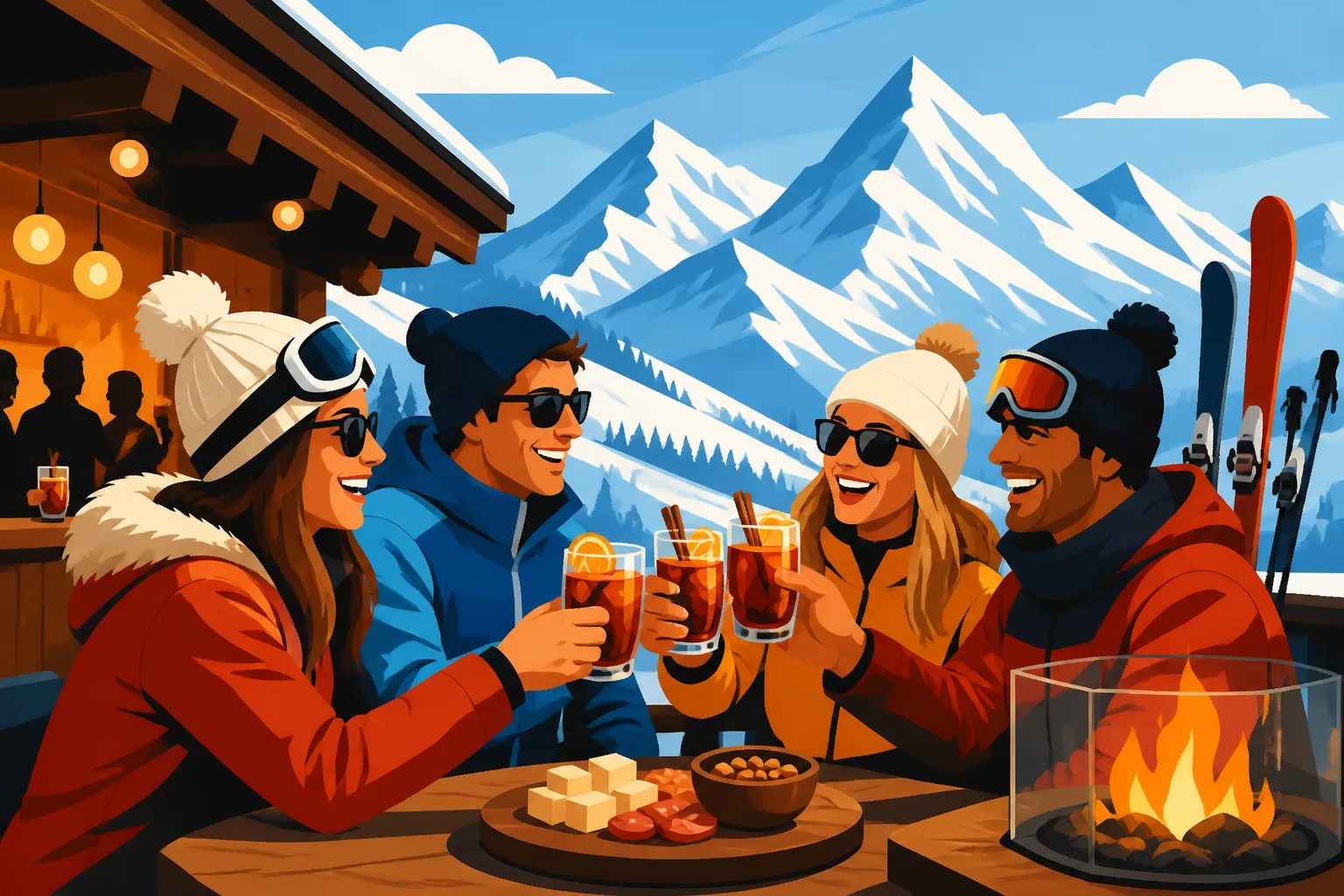
When you hear "après-ski" in places like Austria or parts of France, your mind might conjure images of blaring euro-pop, Jaegerbombs, and people dancing in ski boots on tables. It's a party, and often a boisterous one. Switzerland, true to its nature, tends to take a slightly more reserved, but no less enjoyable, path. Here, après-ski is often about savoring the stunning mountain views, enjoying good company, and relishing a well-earned beverage in a cozy atmosphere. It’s less about a wild rave and more about gemütlichkeit – that untranslatable German word for coziness, comfort, and good cheer.
Contrasting Swiss Après-Ski with Alpine Neighbors
One of the biggest "frustrations" or rather, expectations to manage, for newcomers is realizing that Swiss après-ski isn't typically the high-octane spectacle found elsewhere. You won't often find massive outdoor parties with DJs blasting beats until the early hours. Instead, imagine a sun-drenched terrace, perhaps with some chilled background music, where you're sipping a refreshing drink and sharing stories of your epic (or spectacularly clumsy) runs with friends. The focus here shifts from pure hedonism to a more refined, yet still deeply satisfying, social experience.
The Swiss prioritize quality over quantity, and this extends to their post-ski rituals. The atmosphere is generally more relaxed, allowing for genuine conversations rather than shouting over loud music. This isn't to say there aren't any lively spots – you'll find them, especially in the more international resorts – but even those tend to maintain a certain level of decorum compared to some of the infamous party towns further east. It's an important distinction to grasp early on, as it sets the tone for your expectations.
Common Venues and Their Vibe
So, where does this more subdued, yet equally charming, après-ski magic happen? You'll find a few common settings, each with its own unique flavor:
- Bars Right on the Slopes: These are often the first stop after clicking out of your skis. Many resorts boast fantastic mountain restaurants and huts that have spacious sun decks perfect for an afternoon drink. Think wooden chalets, panoramic views, and sheepskin throws on benches. These spots often start lively, especially on sunny weekends, but rarely escalate to full-blown dance parties. They’re ideal for catching the last rays of sun before heading down to the village. In places like Zermatt, you might find a lively spot like Hennu Stall, known for its atmosphere, but it still maintains a distinctly Swiss charm compared to an Austrian counterpart.
- Village Pubs and Hotel Bars: Once you've descended into the resort village, you'll find a range of traditional pubs and hotel bars. These venues often offer a cozier, more intimate setting. They might feature live folk music or simply provide a warm, inviting space to unwind. The hotel bars, especially in higher-end resorts like St. Moritz, lean towards chic cocktails and quiet conversations, rather than boisterous singalongs. They're perfect for those seeking comfort and a chance to truly relax their weary muscles.
- Mountain Restaurants Blending into Drinks: It's not uncommon for a long, leisurely lunch at a mountain restaurant to simply morph into après-ski. You might order an extra glass of wine with your Rösti, then another, and find yourself lingering for hours, enjoying the company and the stunning scenery. These aren't explicitly "après-ski" bars but serve the same function, demonstrating how seamlessly social enjoyment blends into the dining experience here.
What to Drink and Eat: Fueling the Post-Slope Fun
After a day of carving up Swiss powder (or gracefully falling down it, no judgment here!), your body and soul deserve a treat. The Swiss après-ski menu, both liquid and solid, is designed to warm you up, replenish your energy, and offer a taste of local tradition. Forget the standard cheap lager and lukewarm schnapps; here, it’s about quality and often, a touch of regional flair. You can learn more about general Swiss Food and Drink Culture: Regional Specialties and Dining Etiquette in another one of our guides.
Classic Après-Ski Beverages
When it comes to drinks, Switzerland offers a delightful array, from refreshing to warming, and often with a local twist:
- Beer (Bier): Of course, beer is a staple. You'll find excellent local and national brews, like Eichhof, Feldschlösschen, or local craft beers depending on the region. Draft beer is common and always a welcome sight after a chilly run. Don't expect huge steins of cheap beer; portions are generally standard and prices reflect Swiss living.
- Wine (Wein): Switzerland boasts fantastic, though often locally consumed, wines. The Valais and Vaud regions, in particular, produce exquisite whites (like Fendant or Dézaley) and reds (like Dôle). It's incredibly common to see locals enjoying a glass of white wine on a sunny terrace. It's a more sophisticated choice that perfectly matches the generally calmer Swiss atmosphere. Many resorts, especially in the French-speaking part, are located near or in famous Swiss Wine Regions: Valais, Vaud, Geneva, and Ticino Explained.
- Glühwein (Mulled Wine): Ah, the quintessential winter warmer! In the colder months, a steaming mug of Glühwein is practically mandatory. Made with red wine, cinnamon, cloves, orange peel, and sometimes a dash of schnapps, it's fragrant, sweet, and incredibly comforting. It’s particularly popular when the temperatures drop or when enjoyed at a cozy outdoor stall near the lifts. This is a must-try for anyone experiencing Swiss winter culture. You'll find it not just on the slopes but also at any Glühwein and Winter Market Food in Switzerland during Advent.
- Jägertee: A strong, hot drink originating from Austria but popular in Swiss ski resorts, Jägertee is a potent blend of black tea, rum (often Stroh rum, which is very strong!), and sometimes fruit brandies or spices. It’s perfect for truly thawing out after a particularly cold or strenuous day. Be warned, it's stronger than it tastes!
- Aperol Spritz: On those glorious sunny spring skiing days, an Aperol Spritz makes a surprisingly popular appearance. Its bright orange color and refreshing, bittersweet taste feel perfectly suited to soaking up the sun on a mountain terrace, imagining you're already in Italy.
- Soft Drinks and Hot Chocolates: For those abstaining from alcohol, or simply seeking a non-alcoholic treat, Swiss resorts offer excellent options. Hot chocolate, especially with a generous dollop of Schlagrahm (whipped cream), is always a hit. Various fruit juices (Schorle), local sparkling apple juice, and of course, water (often straight from the tap, which is perfectly safe and delicious in Switzerland), are readily available.
Snacks and Small Bites
While après-ski isn't typically a full meal, you'll definitely want some fuel to soak up those drinks and tide you over until dinner. Swiss offerings are hearty and satisfying:
- Wurst (Sausage) and Pommes Frites (Fries): A simple but incredibly satisfying combination. You'll often find outdoor grills near mountain huts selling various types of Wurst – like a Cervelat (a local favorite) or a Bratwurst – usually served with a bread roll and mustard. Add a side of crispy fries, and you've got the perfect casual refuel.
- Pretzels (Brezel): Soft, salty, and wonderfully chewy, pretzels are an easy-to-eat snack that pairs perfectly with a beer or Glühwein.
- Cheese Platters (Käseplatte) and "Plättli" (Meat & Cheese Boards): Reflecting Switzerland's rich dairy tradition, small platters of local cheeses, or more comprehensive "Plättli" featuring a selection of cured meats and cheeses, are a sophisticated way to snack. They’re excellent for sharing and provide a more substantial bite than just chips. You might even find some smaller portions of Fondue and Raclette Culture: How and When the Swiss Eat Them available, though these are more typically reserved for a full dinner.
- Soup (Suppe): A warm bowl of goulash soup or a hearty vegetable soup is a fantastic way to warm up from the inside out and get some much-needed sustenance.
| Drink/Food Item | Typical Price Range (CHF) | Description |
|---|---|---|
| Beer (0.5L) | 6.00 – 9.00 | Local or national brew, often on tap. |
| Glass of Wine | 7.00 – 12.00 | Local white (Fendant, Chasselas) or red (Dôle). |
| Glühwein (Mug) | 5.00 – 8.00 | Hot mulled wine with spices. |
| Jägertee (Mug) | 8.00 – 12.00 | Hot tea with strong rum. |
| Aperol Spritz | 10.00 – 15.00 | Refreshing, bittersweet cocktail. |
| Hot Chocolate | 5.00 – 7.00 | Creamy chocolate, often with whipped cream. |
| Wurst with Bread | 7.00 – 10.00 | Grilled sausage with a roll and mustard. |
| Pommes Frites | 6.00 – 9.00 | Crispy French fries. |
| Pretzel | 4.00 – 6.00 | Soft, salty baked good. |
| Small Cheese Plate | 15.00 – 25.00 | Selection of local cheeses. |
Prices are approximate and can vary significantly by resort, establishment, and season.
Etiquette and Practicalities: Blending In
Navigating the social landscape of Swiss après-ski is all about understanding the subtle cues and practical realities. It’s less about a strict rulebook and more about respecting the local culture of thoughtful enjoyment.
Dress Code and Social Norms
The great news about après-ski in Switzerland? Your ski gear is your party outfit! Most people simply transition from the slopes directly to the bar. You'll see everyone in their ski jackets, pants, and often still in their ski boots, though many will have swapped them for comfier winter boots if they plan to linger longer. There’s no need to change into fancy clothes; comfort and warmth are key. Just make sure your gear isn't soaking wet if you're going indoors – a dry base layer underneath your jacket is always a good idea.
In terms of social norms, remember that Swiss culture values respect and a certain level of decorum. While laughter and lively conversation are absolutely encouraged, overly boisterous behavior, shouting, or excessive public intoxication might feel out of place and draw some disapproving glances. It's generally a more family-friendly environment than you might find in some other countries, especially in the earlier afternoon hours. Children are often present on terraces, enjoying their hot chocolates while parents relax.
When it comes to paying, remember that Tipping in Switzerland: Is Service Included in Restaurant Bills? is generally not mandatory, as service charges are included. However, rounding up to the nearest franc or leaving a small amount for excellent service is always appreciated. For instance, if your bill is CHF 37.50, leaving CHF 38 or CHF 39 is a nice gesture.
Getting There and Back
Planning your journey to and from your chosen après-ski spot is crucial, especially if you plan to enjoy a few alcoholic beverages. The last thing you want is to be stranded on a dark mountain after the lifts close, or facing a long, cold walk back to your accommodation.
Most popular après-ski venues are strategically located either directly on the slopes with easy access to the final descent, or right in the heart of the village, usually within walking distance of hotels and the main train or bus stations. If you’re at a mountain hut, always, always be mindful of the last lift down. Missing it can lead to a very expensive taxi ride, or worse, a dangerous hike in the dark.
If you’re relying on public transport, Switzerland has an incredibly efficient network. Local PostBuses and resort shuttles often run until later in the evening, connecting different parts of a village or even neighboring towns. However, these services do have a schedule, and they will stick to it. It’s essential to check the times in advance, especially for the last departure. If you’ve indulged, make sure you have a safe way back, whether it’s a short walk, a designated driver, or a taxi. Don't even think about driving yourself if you've had anything to drink; Swiss traffic laws are incredibly strict, and fines are hefty. For general transport tips, our guide on Transport in Switzerland: SBB, GA, Half-Fare Cards, and Commuting can be a lifesaver for planning. If you're going for a day trip to a resort, checking train and bus schedules through platforms like Omio can help you plan your journey and compare options seamlessly, ensuring you don't miss that last connection.
Where to Experience the Best (and Quieter) Après-Ski Spots
Switzerland offers a huge variety of ski resorts, and each has its own distinct personality, which naturally extends to its après-ski scene. From the famously chic to the wonderfully traditional, there's a post-ski experience for everyone. Finding your perfect spot is part of the adventure! Our comprehensive Skiing in Switzerland: Resorts, Passes, and Costs for Residents guide covers many fantastic destinations.
Popular Resorts for a Lively-but-Swiss Vibe
While we've established that Swiss après-ski isn't typically wild, some resorts do offer a livelier atmosphere that still maintains that unique Swiss charm.
- Zermatt: This iconic resort under the Matterhorn manages to strike a fantastic balance. While it won't be Austrian-level wild, places like Papperla Pub in the village or the legendary Hennu Stall on the Furi-Zermatt slope are known for their lively atmosphere, music, and good vibes. Hennu Stall, in particular, gets quite festive in the late afternoon, with people spilling out onto the snow. It's a great experience that feels genuinely celebratory without being excessive. Since Zermatt is car-free, you'll be walking or taking electric taxis, making it easier to enjoy a drink without worrying about driving.
- Verbier: Often considered one of Switzerland's more international and youthful resorts, Verbier leans closer to a traditional après-ski party vibe, particularly at institutions like Pub Mont Fort. You’ll find more foreigners, louder music, and a slightly more boisterous crowd here, especially on weekends. It's a fantastic place for those who want a bit more energy, yet it still retains an underlying Swiss order and hospitality.
- St. Moritz: If you're looking for chic and exclusive, St. Moritz delivers. Après-ski here is more about sophisticated cocktails in elegant hotel bars or champagne on sunny terraces. It’s less about dancing in ski boots and more about people-watching and enjoying high-end ambiance. Don't expect wild parties; expect refined socializing.
- Grindelwald/Wengen: In the Jungfrau Region, you'll find a more traditional, family-oriented après-ski experience. After an incredible day exploring areas like the Eiger or First, you might head to a cozy pub like Grindelwalderhof or find a sunny terrace overlooking the valley. The focus here is on hearty food, local beers, and quiet conversation. It's a truly authentic Swiss experience. Our guide to Getting to Jungfrau Region: Interlaken to Grindelwald and Wengen has more details on this stunning area.
Finding Your Own Perfect Après-Ski Moment
Ultimately, the "best" après-ski spot in Switzerland is the one that resonates with you. It might be the bustling terrace near the base station, but it could just as easily be a quiet, out-of-the-way mountain hut. Many expats quickly realize that the real magic of Swiss après-ski often lies in the simple pleasure of finding a sunny spot with a spectacular view, a warm drink in hand, and good company. That gemütlich feeling I mentioned earlier is often found on a simple wooden bench, absorbing the silence and grandeur of the Alps.
Don't be afraid to ask locals for their favorite spots – they often know the hidden gems that offer the best views or the most authentic vibe. Resort websites and local tourist information offices are also great resources. If you're planning specific activities that lead into this, such as guided snowshoe tours or other winter excursions, platforms like GetYourGuide can help you book experiences that often conclude at a charming mountain restaurant, perfect for your post-activity relaxation.
If you're planning an overnight trip, especially to a resort further afield, securing accommodation close to the action is a smart move. Websites like Booking.com can help you find hotels or chalets right in the village center, meaning you can fully relax and enjoy your evening without worrying about taxis or long walks in the cold. It’s all about creating those perfect moments, whether they're loud and fun, or peaceful and reflective. Just remember to embrace the Swiss way, and you’ll find immense enjoyment in their unique take on après-ski.
Disclaimer
Please note that while this guide offers comprehensive advice based on current information and expat experiences, regulations and specific offerings in Swiss ski resorts can change. Always verify opening hours, transportation schedules, and specific venue details directly with the establishments or local tourist information before making plans. Prices mentioned are estimates and can vary. Responsible alcohol consumption is always encouraged.