Beginner-Friendly Ski Resorts Near Geneva
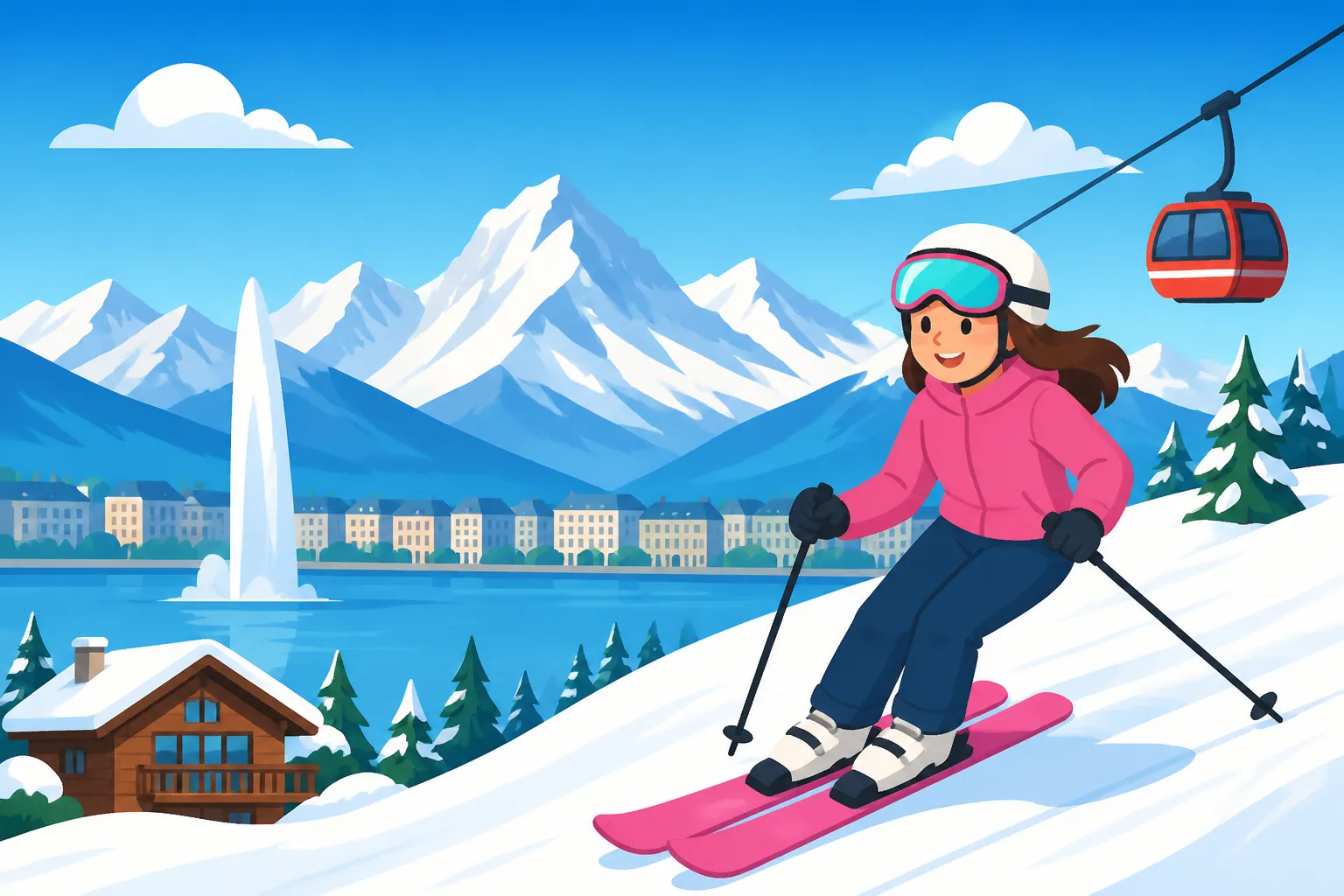
Stepping into the world of skiing for the first time, especially when you've just moved to a place like Geneva, can feel like signing up for an Olympic sport you've never even watched. The mountains loom large, the gear looks complicated, and everyone around you seems to have been born on skis. It’s intimidating, costly, and honestly, a bit confusing to figure out where to even begin. This guide is here to take away that stress, helping you discover truly beginner-friendly ski resorts near Geneva that will welcome you with gentle slopes, excellent instructors, and an atmosphere perfect for finding your snow legs.
Choosing Your First Slopes: What Makes a Ski Resort Beginner-Friendly?
When you’re a complete novice, not all ski resorts are created equal. You might envision sprawling, epic pistes, but what you actually need for your first few days on the snow is something entirely different. It’s not about the altitude or the number of black runs; it’s about a nurturing environment where falling is part of the fun, not a terrifying experience. Trust me, I’ve been there – thinking I could just "figure it out" on a steep slope, only to spend more time on my backside than on my skis. Learn from my bruised ego!
Gentle Green and Blue Runs
The first thing you want to look for are resorts with an abundance of green and easy blue runs. In Europe, especially in France, green runs are the easiest, often wide, very gentle slopes designed specifically for absolute beginners. Blue runs are slightly steeper but still manageable. These aren't just for kids; they are your safe haven for building confidence and mastering the basics.
Imagine this: you're trying to snowplow (the "pizza slice" technique) for the first time. If you're on a narrow, moderately steep slope, you'll be constantly worried about picking up too much speed or crashing into someone. But on a wide, flat green run, you can focus purely on controlling your skis, turning, and stopping without the added pressure. Look for what locals call a "jardin des neiges" (snow garden) or a dedicated beginner area, often equipped with magic carpets (conveyor belt lifts) or very slow, short drag lifts. These areas are priceless for getting comfortable before you even attempt a chairlift.
Excellent Ski Schools and English-Speaking Instructors
A good ski school is non-negotiable for beginners. Seriously, resist the urge to have your well-meaning but impatient friend teach you. They mean well, but a certified instructor knows how to break down complex movements, identify bad habits before they form, and teach you safely. They also have the patience of saints, which your friend might not have after your tenth fall.
When choosing a resort, check for the reputation of its ski school (often ESF – École du Ski Français – in France, or local Swiss ski schools). More importantly, confirm the availability of English-speaking instructors. While many instructors in resorts near Geneva will have some English, you want someone you can communicate with clearly, especially when they're explaining crucial safety tips or technique corrections. Group lessons are a great, cost-effective way to start, offering camaraderie with fellow beginners. Private lessons are faster for progress but naturally come at a higher price. Many resorts near the border cater specifically to English-speaking clientele due to their proximity to Geneva.
Affordable Gear Rental and Lift Passes
Let's be real, skiing is an expensive sport to get into. The initial outlay for gear, lift passes, and lessons can be daunting. As a beginner, you definitely don't want to invest in buying your own equipment right away. Therefore, access to affordable, good-quality rental gear (skis, boots, poles, helmet) directly at the resort or in nearby towns is crucial. Most rental shops offer packages that include everything you need, and they'll help you find the right size boots and skis. Don't be afraid to ask for help; ill-fitting boots can make your first ski experience miserable.
Furthermore, a beginner-friendly resort often has specific, cheaper lift passes for their dedicated beginner zones, rather than forcing you to buy a full-area pass. This can save you a significant chunk of money, as you won't be using the vast majority of the mountain anyway. Look for "beginner passes" or "first-time skier packages" when researching prices. This is a common strategy to make skiing more accessible, and it means you won't feel like you're paying for slopes you're not ready for.
Top Beginner-Friendly Ski Resorts Easily Accessible from Geneva
When you’re based in Geneva, you're spoiled for choice, with access to both Swiss and French Alps. The French side of the border, particularly in the Haute-Savoie region, offers some fantastic options that are often more geared towards family and beginner experiences, and crucially, are typically more budget-friendly than their Swiss counterparts.
Les Gets / Morzine (Portes du Soleil – French Side)
These two charming resorts are part of the massive Portes du Soleil ski area, but they are particularly well-suited for beginners, despite being part of such a huge domain. Les Gets, in particular, has a fantastic reputation for families and first-time skiers. It’s about an hour's drive from Geneva, making it very accessible for day trips or a weekend away. The village itself is picturesque, exuding a traditional alpine feel with plenty of places to grab a warm drink after your lesson.
Les Gets boasts excellent dedicated beginner areas, like the "Front de Neige" and "Mont Chéry" areas, complete with magic carpets and gentle slopes. The ski schools here, including ESF Les Gets and British Ski School, have a strong focus on nurturing new skiers, and finding English-speaking instructors is rarely an issue. For those who progress quickly, there are ample blue runs to explore, and the connection to Morzine offers even more variety without venturing into anything too challenging. If you decide to stay overnight, you can check options on Booking.com.
Crozet / Lélex (Monts Jura – French Side, Closest)
If you're looking for the absolute closest option to Geneva, without crossing into the high Alps, the Monts Jura ski area (specifically the Crozet and Lélex sectors) is an excellent choice. It’s literally just a 20-30 minute drive from Geneva, making it perfect for a spontaneous half-day or a quick lesson without a major time commitment. The views over Lake Geneva from some of the slopes are simply stunning on a clear day, a unique bonus.
Monts Jura is a smaller resort, which actually works in its favour for beginners. It feels less overwhelming than the vast Portes du Soleil. The pistes are generally less crowded, and there are several very gentle green and blue runs, especially around the Crozet sector, ideal for finding your balance. The ski school here is smaller, but often offers more personalized attention. It's a fantastic spot if you want to test the waters of skiing without venturing too far from the city. Rental shops are available at the base of the lifts, and the lift passes are significantly cheaper than in the bigger resorts.
Les Brasses (Small, Family-Friendly, French Side)
Another hidden gem, about a 45-minute drive from Geneva, is Les Brasses. This really is a small, local resort, often overlooked by those heading to the bigger names, and that's precisely why it's so great for beginners. It's unpretentious, incredibly family-friendly, and typically much cheaper than its larger neighbours. If you're looking for a truly relaxed, low-key introduction to skiing, this is it.
Les Brasses has a handful of very gentle green and blue runs, perfect for building confidence without the fear of fast skiers whizzing past. The atmosphere is calm and supportive, making it an ideal environment for kids and adults alike who are new to the sport. The ski school offers individual and group lessons, and while English might be less prevalent than in Les Gets, you'll still find instructors who can communicate the essentials. Think of Les Brasses as your friendly neighbourhood slope, where everyone is there to learn and enjoy the snow at their own pace.
Saint-Cergue (Swiss Side, Very Close, Good for Cross-Country Too)
Venturing slightly into Switzerland, Saint-Cergue in the Jura mountains is another excellent, very close option, especially if you prefer not to cross the French border. It’s about a 40-minute drive from Geneva, and also accessible by train via Nyon, making it a viable car-free option if you plan your journey with Omio. While known more for its cross-country skiing, Saint-Cergue does offer a small downhill ski area that is remarkably beginner-friendly.
The pistes are gentle and short, served by a few drag lifts, making it a very safe and unintimidating place to learn the basics. It's less of a "resort" and more of a local slope, which translates to fewer crowds and lower prices. The ski school focuses on foundational skills, and the quiet environment allows you to really concentrate on your technique. If you're interested in trying cross-country skiing, Saint-Cergue is also a fantastic place to do that, offering a lovely change of pace. Just remember, lift pass prices in Switzerland can be a touch higher than in France, so always check ahead. For more general advice on Driving in Switzerland: Licenses, Buying Cars, and Strict Traffic Laws, you can check out our other guides.
Here's a quick comparison of these beginner-friendly options:
| Resort Name | Distance from Geneva | Approx. Travel Time (Car) | Green/Blue Runs | Lift Pass (Adult Day, approx.) | Ski School Language | Notes |
|---|---|---|---|---|---|---|
| Les Gets / Morzine | 60 km | 1h – 1h 15m | Many | €45-€55 (local/beginner) | English prevalent | Part of Portes du Soleil, family-friendly |
| Crozet / Lélex | 20-30 km | 20-30m | Several | €25-€35 | Some English | Closest option, great views, less crowded |
| Les Brasses | 45 km | 45-50m | Few, very gentle | €20-€30 | Limited English | Small, very local, ideal for total beginners |
| Saint-Cergue | 40 km | 40m | Few, very gentle | CHF 30-CHF 40 | French/Some English | Accessible by train, also cross-country |
Prices are approximate and subject to change based on season, age, and specific pass type. Always check current prices directly with the resort.
Getting There and Getting Started: Logistics for Your First Ski Trip
So, you've picked a potential resort. Now comes the nitty-gritty: how do you actually get there, and what do you do once you arrive? Planning your first ski trip involves a few logistical considerations, but with a bit of foresight, it can be surprisingly smooth.
Transport Options from Geneva
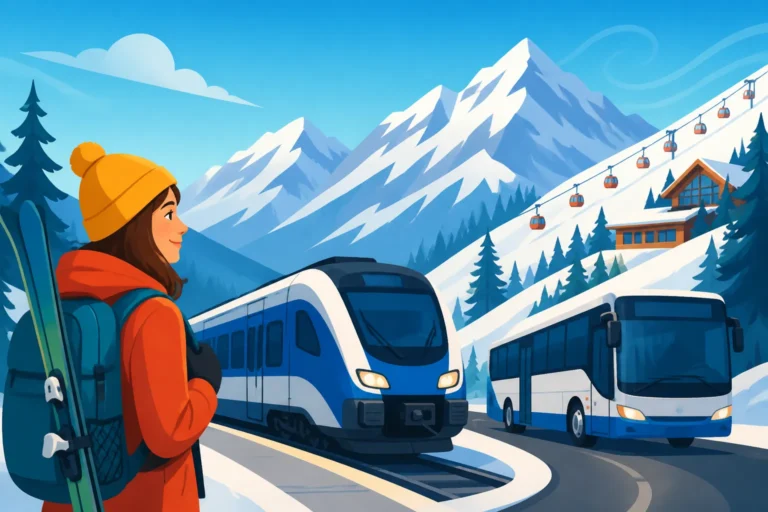
The easiest way to reach most of these resorts from Geneva is often by car. Having your own vehicle gives you the flexibility to leave early, stay late, and transport all your gear. Remember to check if your car needs winter tires or snow chains, especially if there's fresh snowfall – the Swiss and French mountain roads can get tricky quickly. For our friends using public transport, some resorts, like Saint-Cergue, are well-connected by train and bus. You can plan your journey using resources like Omio to find the best routes and schedules. Keep in mind that for the French resorts, a combination of train to a larger town and then a local bus might be required, or booking a shuttle service.
For a hassle-free experience, especially for a day trip, consider booking an organised ski trip or transfer. Many local companies cater to expats in Geneva, offering bus transport directly to certain resorts, often including lift passes and equipment rental. While potentially more expensive, these can be a fantastic way to bypass the stress of driving and parking, allowing you to simply enjoy the journey. Check out services on platforms like GetYourGuide for package deals that might suit your needs.
Booking Lessons and Equipment Ahead of Time
This is a crucial tip: book your ski lessons and equipment rental in advance, especially during peak season (school holidays, weekends in January/February). Ski schools fill up, and rental shops can run out of popular sizes. A quick search online for the resort's official ski school (e.g., ESF Les Gets) will lead you to their booking portal. Many even offer discounts for booking multiple days or a full week of lessons.
When renting equipment, choose a "beginner package." It will include shorter, more forgiving skis that are easier to turn, comfortable boots, poles, and a helmet. Don't be shy about asking for adjustments if your boots feel uncomfortable; the staff are there to help you. Picking up your gear the evening before your first lesson, if possible, can save you precious morning time and stress. This will allow you to get straight to the slopes without fumbling with gear at the last minute. Our guide on Renting Ski Equipment in Switzerland: Costs and Where to Book has more details.
Essential Packing and On-Slope Etiquette
You don't need to look like a pro, but you do need to dress appropriately to stay warm, dry, and comfortable. Layers are your best friend! Start with thermal underwear (base layer), add a fleece or sweater (mid-layer), and finish with a waterproof and windproof ski jacket and trousers (outer layer). Don't forget waterproof gloves or mittens, a warm hat or helmet (essential!), ski socks (avoid cotton), and sunglasses or ski goggles. Sunscreen is also a must, even on cloudy days, as the sun's reflection off the snow is intense. For a comprehensive overview, read our article on What to Pack for a Day Trip to the Swiss Alps.
On the slopes, remember the FIS rules of conduct (the international skiing rules). These cover everything from respecting other skiers, controlling your speed, looking uphill before merging, and stopping in safe places. For beginners, the most important rule is to always be in control and to yield to people in front of you. The beginner slopes will likely have a more relaxed vibe, but it’s good to be aware of basic etiquette from day one. You'll thank yourself later when you're confident enough to venture onto busier pistes.
Budgeting for Your Beginner Ski Adventure
Skiing, while undeniably fun, has a reputation for being expensive. While Switzerland certainly lives up to that reputation in many areas, venturing into the French Alps can offer a more wallet-friendly introduction to the sport. However, even for a day trip, costs can add up, so it pays to plan. Our comprehensive Cost of Living in Switzerland 2026: Budgeting for Singles and Families can give you a broader picture of managing expenses here.
Lift Pass and Rental Costs
As mentioned, beginner lift passes are your friend. A full day beginner pass at a smaller French resort like Crozet or Les Brasses can range from €20-€35, which is a fraction of a full-area pass at a major resort like Verbier or Zermatt (which can easily hit CHF 80-CHF 100+). Equipment rental for skis, boots, poles, and a helmet for a day usually falls in the €25-€40 range in France, slightly more in Switzerland.
When you're comparing resorts, always check their websites for "pack débutant" (beginner pack) or specific prices for children and multi-day passes. Sometimes booking online in advance can offer a small discount. If you're using a company like GetYourGuide for a package deal, ensure it clearly states what's included – lift pass, full equipment, and lessons. This transparency helps avoid nasty surprises at the resort.
Comparing Ski School Prices
Ski lessons are probably the most significant investment for a beginner, but also the most worthwhile. Group lessons, typically 2-3 hours long, can cost anywhere from €30-€60 per session in France, or CHF 50-CHF 80 in Switzerland. Multiple-day packages often work out cheaper per lesson. For example, a 5-day course (2-3 hours/day) in Les Gets might be around €150-€200. Private lessons are much steeper, usually starting from €60-€100 per hour or more, but offer intensive, tailored instruction.
Consider how you learn best. Some thrive in a group setting, enjoying the shared experience and lower cost. Others might prefer a private lesson for faster progress if their budget allows. Remember, even just a few hours with an instructor can make a world of difference in building your confidence and preventing bad habits that are tough to unlearn. For more on this, check out our guide on Ski Lessons in Switzerland: Group vs Private and Prices.
Saving Money on Food and Accommodation
Eating out on the slopes can quickly deplete your budget. A typical "plat du jour" in a mountain restaurant might set you back €18-€25. Pack your own lunch and snacks if you want to save money! A sandwich, some fruit, a chocolate bar, and a thermos of hot tea or coffee can be enjoyed on a scenic bench or picnic area. Most resorts have areas where you can sit and eat your packed lunch, especially in the smaller, more family-oriented ones.
If you’re planning an overnight stay, especially in a popular resort like Les Gets/Morzine, accommodation can be pricey. Look for self-catering apartments or smaller hotels further away from the main lifts. Websites like Booking.com are great for comparing prices and finding deals, but also consider checking local tourism office websites directly for smaller, independent guesthouses. Sometimes, staying in a village 15-20 minutes down the valley and driving up each day can significantly cut accommodation costs, provided you have a car. And remember, sometimes even choosing an Affordable Ski Areas in Switzerland for Locals on a Budget could be a great choice too.
Disclaimer
Please note that while this guide provides comprehensive and up-to-date information, prices, opening times, and specific regulations for ski resorts can change rapidly due to weather conditions, local events, or policy updates. Always verify details directly with the respective ski resorts, ski schools, and transport providers before making any plans or bookings. We do our best to provide accurate advice, but the ultimate responsibility for checking current conditions and booking details lies with the traveler.