What to Wear Skiing in Switzerland: Layering for the Alps
Ah, the Swiss Alps in winter! Absolutely breathtaking, isn't it? But for us expats, figuring out what to wear for a day of skiing or snowboarding can feel like a mission, especially with Switzerland's famously unpredictable mountain weather. One moment it's blue skies and sunshine, the next you're in a whiteout with howling winds. This guide will help you decipher the mysteries of alpine attire, ensuring you stay warm, dry, and comfortable, no matter what the Swiss mountains throw your way.
Understanding the Swiss Alpine Climate: More Than Just Cold
You might think "winter equals cold," but in the Swiss Alps, it's a lot more nuanced than that. The conditions can change drastically within hours, or even minutes, as you ascend or descend the slopes. Ignoring these factors is a surefire way to end up miserable, shivering on a chairlift, or drenched in sweat.
Fluctuating Temperatures: From Valley to Peak
Imagine starting your day in a cozy village like Zermatt or Verbier, where the air is crisp but manageable. You take a gondola up, and suddenly you're above the tree line, where the temperature plummets, and the wind whips with an icy bite. This isn't just a few degrees difference; it can be a staggering 10-15°C shift. Then, if the sun comes out, or you find yourself on a sheltered, south-facing slope, you might even start to feel warm, especially when you’re actively skiing or snowboarding.
This temperature seesaw is why a single, thick jacket simply won't cut it. You need the flexibility to adjust your insulation. I’ve seen countless newcomers in heavy, bulky coats meant for city winters, only to watch them struggle, overheating on sunny runs and then freezing solid when they stop for a break or the clouds roll in. The key here is adaptability. What works for a stroll through a snowy village won't work for a full day on the peaks. Always check the local mountain forecast for the specific elevation you'll be at, not just the valley town. Sites and apps like meteo.ch are your best friends for this. This ties into the general advice on Weather Apps and Webcams for Planning Swiss Mountain Trips, which are truly invaluable here.
Wind Chill and Humidity: The Hidden Factors
It's not just the thermometer reading that matters; wind chill is a massive factor in how cold you feel. A seemingly mild -5°C day can feel like -15°C with a strong gust of wind, easily piercing through inadequate clothing. The Alps are notorious for sudden, strong winds, especially at higher altitudes or on exposed ridges. You'll quickly learn to appreciate the windproof capabilities of a good outer layer.
Then there's humidity. While the air generally feels dry and crisp, especially on clear, cold days, if it starts snowing or raining (yes, rain can happen even in winter, especially at lower elevations), that moisture makes the cold penetrate even faster. Being wet and cold is a recipe for hypothermia, which is something you definitely want to avoid. This is why waterproof and water-resistant materials are non-negotiable for your outer shell. Trust me, I once thought my "water-resistant" jacket would be fine for a light snowfall, only to discover a few hours later that I was soaked to the bone and shivering uncontrollably. Lesson learned the hard way! Proper gear is an investment in your comfort and safety. For more on staying safe, especially for beginners, check out Skiing for Beginners in Switzerland: Lessons, Gear, and Resorts.
The Essential Layering System for Skiing in Switzerland
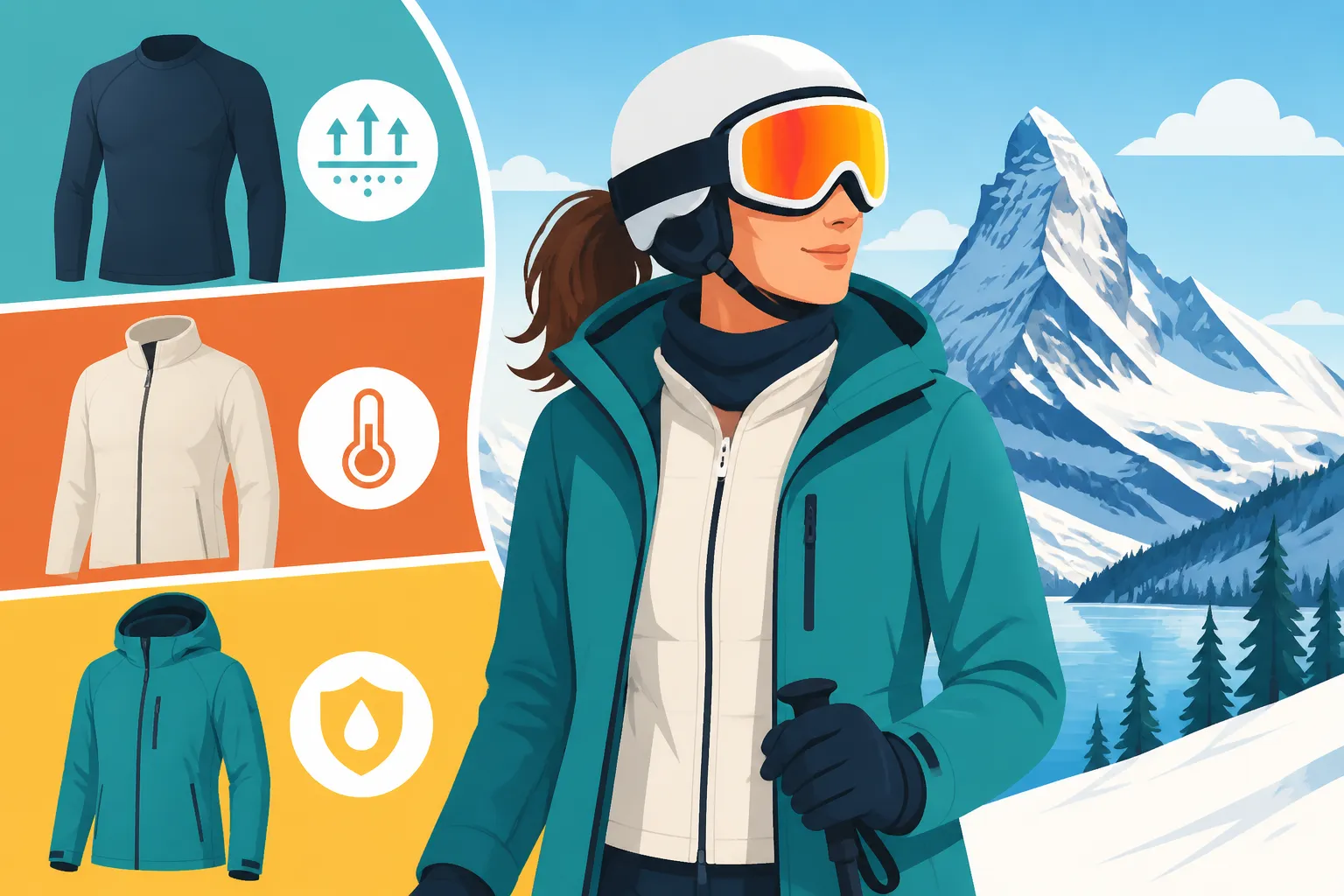
The "layering system" isn't just a buzzword; it's the gospel for anyone venturing into the Swiss Alps. It's a three-tiered approach designed to trap warmth, wick away sweat, and protect you from the elements, all while allowing you to adapt to changing conditions. Forget your cotton hoodies and denim jeans; those are strictly for après-ski after you've changed out of your gear.
Here’s a breakdown of the core layers you absolutely need:
| Layer Type | Purpose | Ideal Materials | Key Features to Look For |
|---|---|---|---|
| Base Layer | Wicks moisture away from your skin, regulates body temperature | Merino wool, synthetic (polyester, polypropylene) | Snug fit, flat seams, quick-drying |
| Mid-Layer | Provides insulation to trap body heat | Fleece (polyester), lightweight down/synthetic puffies | Breathable, zippered for ventilation, packable |
| Outer Layer | Protects from wind, snow, and rain | Gore-Tex, eVent, proprietary waterproof membranes | Waterproof, windproof, breathable, vents (pit zips), helmet-compatible hood |
Base Layer: Moisture-Wicking Wonders
This is the layer right against your skin, and it's perhaps the most critical. Its primary job isn't just to keep you warm, but to manage moisture. When you're skiing, you sweat, even in freezing temperatures. If that sweat stays on your skin, it cools rapidly, making you feel chilled and clammy. This is why cotton is the enemy here; it absorbs moisture and holds it, acting like a cold, wet towel against your skin.
Instead, you want materials that actively "wick" sweat away from your body to the outer layers where it can evaporate.
- Merino Wool: This is the gold standard for many seasoned skiers. It's incredibly soft (not scratchy like traditional wool), naturally breathable, excellent at thermoregulation (it keeps you warm when it's cold and cool when it's warm), and famously odor-resistant. You can wear merino wool for multiple days without it smelling, which is a huge plus, especially if you're on a multi-day trip or trying to pack light. It's fantastic for those chilly mornings and still performs well even if it gets a bit damp.
- Synthetics (Polyester, Polypropylene): More affordable than merino, synthetic base layers are also excellent at wicking moisture and dry very quickly. They are durable and often have anti-odor treatments. However, they can sometimes feel a bit less luxurious than merino and may start to smell quicker after heavy exertion.
Whichever material you choose, ensure your base layer fits snugly but isn't restrictive. You want full coverage, so long-sleeve tops and full-length bottoms are standard. Don't underestimate the comfort a good base layer provides. When planning your trip, consider places like Booking.com for comfortable accommodation where you can properly dry your gear overnight.
Mid-Layer: Insulating for Warmth
The mid-layer is your insulation workhorse. Its job is to trap warm air close to your body, providing the bulk of your warmth. This is where you can easily adjust for temperature fluctuations throughout the day.
- Fleece: Polyester fleece is a popular and versatile choice. It's lightweight, breathable, and provides good warmth for its weight. Fleece jackets come in various thicknesses (100-weight, 200-weight, 300-weight), allowing you to choose based on how cold it's expected to be. A good 200-weight fleece is often perfect for typical Swiss ski days.
- Lightweight Down or Synthetic Puffies: For colder conditions, or if you run particularly cold, a thin down or synthetic insulated jacket can be an excellent mid-layer. These offer superior warmth-to-weight ratios. Down is fantastic in dry cold but loses its insulating properties if it gets wet. Synthetic insulation, on the other hand, continues to insulate even when damp, making it a more versatile choice for mixed conditions. Look for options with zippers so you can easily vent heat if you start to overheat on a challenging run.
Remember, multiple thin layers are better than one thick, bulky layer. You can always add or remove a mid-layer as needed. If you're on a guided tour or a ski lesson booked through a platform like GetYourGuide, your instructor might even suggest removing a layer during intense activity to prevent overheating.
Outer Layer: Protection from the Elements
This is your shield against the harsh alpine environment – the wind, snow, and sometimes even rain. Your outer layer, consisting of a ski jacket and ski pants, needs to be both waterproof and windproof.
- Waterproof and Breathable Membranes: Look for jackets and pants with reputable waterproof/breathable membranes like Gore-Tex, eVent, or other proprietary technologies from brands like Patagonia, North Face, or Mammut. These membranes prevent external moisture from getting in while allowing internal moisture (sweat vapor) to escape, preventing that clammy feeling. A high "waterproof rating" (e.g., 10,000mm or higher) and "breathability rating" (e.g., 10,000g/m²/24hr or higher) are good indicators of performance.
- Shell vs. Insulated:
- Shell Jackets/Pants: These offer no insulation themselves but provide excellent protection from the elements. They are designed to be paired with your mid-layers for warmth. This gives you maximum versatility for layering. You can pack a thick mid-layer for cold days or just a light fleece for warmer spring skiing.
- Insulated Jackets/Pants: These have a layer of synthetic or down insulation built into them. They are convenient for casual skiers who prefer a single piece of outerwear but offer less flexibility in layering. If you choose an insulated option, make sure it’s not too warm, or you'll be shedding layers underneath constantly.
Key features to look for in your outer layer:
- Sealed Seams: Ensure all seams are taped or sealed to prevent water ingress.
- Vents: Pit zips (underarm vents) on jackets and thigh vents on pants are crucial for dumping excess heat quickly.
- Powder Skirt: An elasticized inner skirt on the jacket that snaps to your pants, preventing snow from going up your back if you fall.
- Helmet-Compatible Hood: Essential for keeping your head warm and dry during heavy snow or high winds, especially on chairlifts.
- Plenty of Pockets: Zippered pockets for your lift pass, phone, snacks, and small essentials.
- Adjustable Cuffs and Hem: To seal out wind and snow.
Remember, even the best outer layer needs proper care to maintain its waterproofness, so always follow washing instructions. For more details on budgeting for this gear, check out How Much Does a Day of Skiing Cost in Switzerland in 2026?, as investing in good outer layers can significantly impact your overall experience.
Beyond the Three Layers: Crucial Accessories and What to Avoid
While the three-layer system forms the foundation, neglecting your extremities or essentials like eye protection can quickly lead to discomfort or even injury. These often-overlooked items are just as crucial for a successful day on the slopes in Switzerland.
Head, Hands, and Feet: Non-Negotiables for Comfort
Losing heat through your head, hands, and feet is a real thing, and keeping these areas warm and dry is paramount.
- Head:
- Helmet: This is non-negotiable for safety. Modern helmets are also excellent insulators. Always wear one!
- Beanie or Balaclava/Neck Gaiter: Under your helmet, a thin beanie or balaclava adds extra warmth. A neck gaiter is fantastic for protecting your neck and face from bitter winds and snow, and you can pull it up over your mouth and nose when conditions get really rough. Even on warmer days, a lightweight neck gaiter can prevent sunburn.
- Hands:
- Waterproof Gloves or Mittens: This is where many beginners go wrong. Cheap gloves get soaked and then your hands are useless. Invest in truly waterproof and insulated gloves or mittens. Mittens are generally warmer than gloves because your fingers share warmth. Look for features like wrist leashes (so you don't drop them from the chairlift!) and nose wipes. Some people also opt for thin glove liners for extra warmth or to use when adjusting gear without fully exposing their hands.
- Feet:
- Ski Socks (No Cotton!): Like your base layer, cotton is a huge no-go for socks. It traps moisture, leading to cold, clammy feet and blisters. Choose technical ski socks made from merino wool or synthetics. They are designed with strategic padding to prevent pressure points and are typically knee-high to prevent rubbing from your ski boots. Always wear only one pair of ski socks; doubling up can restrict circulation and make your feet colder.
Think about how much you're touching snow or ice, or how much wind is hitting these exposed areas. Investing in good quality accessories here is just as important as your main layers. If you're renting gear, definitely bring your own socks and consider buying a good pair of gloves or a neck gaiter beforehand. For tips on renting skis and boots, check out Renting Ski Equipment in Switzerland: Costs and Where to Book.
Eye Protection and Sunscreen: Alpine Sun is No Joke
Many people underestimate the intensity of the sun at altitude. The air is thinner, and the snow reflects up to 80% of UV radiation, meaning you're getting hit from above and below.
- Ski Goggles: Essential for vision and protection from wind, snow, and glare. Look for goggles with UV protection and interchangeable lenses for different light conditions (e.g., a low-light lens for cloudy days/whiteouts, a dark lens for bright sun). Make sure they fit comfortably with your helmet, with no gaps.
- Sunglasses: Great for sunny days when you're not actively skiing, especially during lunch breaks or walking around the resort. Again, ensure they offer 100% UV protection.
- High-SPF Sunscreen and Lip Balm: Apply generous amounts of high-SPF (at least SPF 30, preferably 50+) sunscreen to any exposed skin, particularly your face, nose, ears, and neck. Reapply throughout the day. Don't forget a lip balm with SPF to protect your lips from sun and windburn. I've seen some gnarly sunburns on tourists who thought the cold meant no sun exposure – don't be one of them!
Common Mistakes and What Not to Wear
Avoiding these common pitfalls will save you a lot of grief on your Swiss ski adventure:
- Cotton is the Enemy: I cannot stress this enough. Cotton absorbs moisture and takes ages to dry, robbing you of warmth. Leave your cotton t-shirts, sweatpants, and everyday socks at home.
- Denim Jeans: While fashionable, denim is utterly unsuitable for skiing. It offers no insulation, absorbs moisture like a sponge, and becomes stiff and uncomfortable when wet. You'll freeze.
- Bulky, Non-Breathable Layers: Over-layering with too many thick, non-technical items will make you sweat profusely, leading to internal dampness and ultimately, cold. It also restricts movement, making skiing more difficult and uncomfortable.
- Lack of Waterproofing: If your outer layers aren't truly waterproof, you'll be wet, cold, and miserable after a few falls or in snowy conditions. Check the integrity of your gear before you go.
- Forgetting Sun Protection: Sunburn at altitude is severe and sneaky. The cold can mask the sun's intensity. Always protect your skin and eyes.
- Ignoring the Forecast: The mountain weather is a fickle beast. Always check the forecast the night before and again in the morning. Sometimes, a planned sunny day can turn into a blizzard in a flash. Being prepared means adjusting your layers and accessories accordingly. For instance, knowing what to wear can make all the difference in making the most of Skiing in Switzerland: Resorts, Passes, and Costs for Residents, regardless of the weather.
By embracing the layering system and paying attention to these critical accessories, you'll be well-prepared to enjoy the majestic Swiss Alps, no matter if you're hitting the slopes in Zermatt, Verbier, or Flims. Stay warm, stay dry, and have an absolutely fantastic time!
Disclaimer
Please note that while this guide offers comprehensive advice based on general best practices and typical conditions in Switzerland, individual needs may vary. Weather conditions in the Alps can be extreme and change rapidly. Always prioritize your safety, check local weather forecasts, and consult with professionals at ski resorts or rental shops for specific recommendations tailored to current conditions. The author and publisher are not responsible for any adverse outcomes resulting from the use of this information.