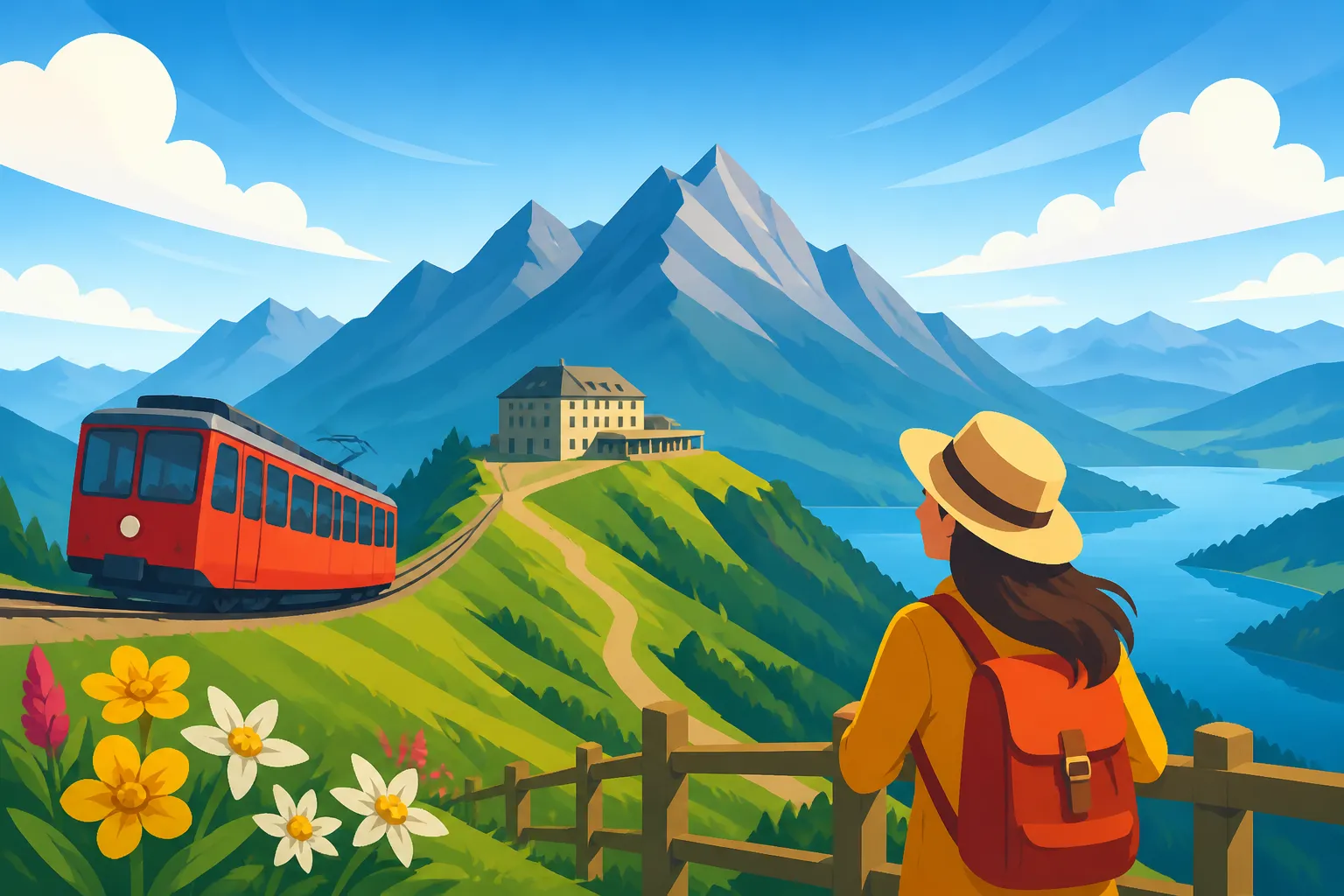
Rigi, Queen of the Mountains: Easy Alpine Access from Lucerne
Oh, the sheer overwhelming beauty of the Swiss Alps! It’s what draws so many of us here, isn’t it? But let's be honest, staring at a map filled with jagged peaks and endless cable car lines can feel less like an adventure and more like a logistical nightmare when you're just trying to pick one mountain to visit. How do you choose? Which one is actually easy to get to, especially if you're traveling with family or just want a relaxed day out without mountaineering gear? Well, my friends, let me introduce you to a beloved classic that consistently delivers on all fronts: Mount Rigi, affectionately known as the "Queen of the Mountains." This guide is going to walk you through exactly why Rigi lives up to its regal name, how incredibly simple it is to access from Lucerne, and how you can make the absolute most of your visit, no matter your fitness level or budget.
Why Rigi Reigns as the "Queen of the Mountains"
When you first arrive in Switzerland, every mountain seems to scream for attention. Jungfraujoch, Matterhorn, Pilatus – they all have their allure. But Rigi? Rigi holds a special place in the hearts of locals and expats alike because it’s not just about the grandeur of one peak; it's about the entire experience, the welcoming accessibility, and views that feel like they've been painted just for you.
A Mountain for Everyone: Accessibility and Views
Rigi truly earned its moniker, "Queen of the Mountains" (Königin der Berge), because it offers such a benevolent and inclusive experience. Unlike some of its more imposing, intimidating siblings that demand serious hiking chops or multiple cable car changes, Rigi extends an open invitation to everyone. You don't need to be a seasoned alpinist to stand atop Rigi Kulm and feel like you're on top of the world. The paths are well-maintained, the railways are historical marvels, and the journey itself is as much a part of the spectacle as the destination.
From its summit, Rigi Kulm, you're treated to an absolutely breathtaking 360-degree panorama. We're talking about views stretching across three shimmering lakes – Lake Lucerne, Lake Zug, and Lake Lauerz – and on a perfectly clear day, you can often count over 13 distinct bodies of water. The Swiss plateau rolls out like a patchwork quilt to the north, while to the south, the majestic, snow-capped peaks of the Alps stand guard, from the Bernese Oberland giants to the Glarus Alps. It's a view that changes with every season, every hour, and honestly, it never gets old. For those of us who appreciate stunning natural beauty without the strenuous effort, Rigi is the ultimate accessible alpine experience. Whether you’re pushing a stroller, using a walking stick, or simply prefer to let the trains do the heavy lifting, the Queen welcomes all her subjects.
Historical Significance and Pioneering Railways
What makes Rigi even more special is its incredible history, particularly as the birthplace of European mountain tourism. Long before Instagram, back in the mid-19th century, Rigi was already drawing in the grandest of visitors – Queen Victoria herself reportedly rode a mule up to the summit in 1868! This mountain wasn't just beautiful; it was a pioneer.
The world's very first mountain railway, the Vitznau-Rigi Railway, began its ascent from Vitznau in 1871. Imagine that! This wasn't just a quaint little train; it was a feat of engineering that completely revolutionized how people experienced the Alps. Suddenly, the previously arduous climb to enjoy those panoramic views became accessible to the masses, not just the hardiest hikers. This railway paved the way for mountain tourism across Switzerland and beyond. Soon after, the Arth-Rigi Railway joined the party, offering another route up from Arth-Goldau. These historic cogwheel trains, many still running with original carriages (albeit modernized internally), offer a charming, nostalgic journey through lush meadows, past traditional chalets, and through rocky tunnels, all while slowly revealing more and more of the stunning landscape below. Riding them isn't just transport; it's a step back in time, allowing you to trace the footsteps of early adventurers who dared to dream of conquering the mountains with ingenuity rather than sheer muscle. The historic Rigi Kulm Hotel, perched at the very summit, is another testament to this enduring legacy, having welcomed guests for over a century, offering a place to rest and take in those incomparable views.
Your Journey to the Summit: Multi-Modal Magic from Lucerne
One of the coolest things about Rigi is the variety of ways you can get to the top. It's not just one path; it's a network of interconnected routes that combine boats, cogwheel trains, and aerial cable cars, making the journey itself a highlight. From Lucerne, you have several excellent options, but the "Golden Round Trip" is by far the most popular and recommended for first-timers.
The Classic "Golden Round Trip" from Lucerne
If you're coming from Lucerne, you absolutely must consider the "Golden Round Trip." It's called "golden" for a reason – it combines several modes of transport into one seamless, incredibly scenic loop, offering a diverse taste of Swiss travel. This classic itinerary usually goes something like this:
- Boat Ride: You start your adventure with a picturesque boat ride across the stunning Lake Lucerne (Vierwaldstättersee). The boats depart directly from Lucerne’s main pier, right in front of the train station. As you glide across the turquoise waters, you'll be treated to views of charming lakeside villages, historic castles, and the ever-present backdrop of the surrounding mountains, slowly growing in prominence. The fresh lake air, the gentle rocking of the boat, and the sheer beauty of the landscape create an idyllic start. You'll typically disembark at either Vitznau or Weggis, both delightful villages nestled on the slopes of Rigi. Many visitors choose to buy a combined ticket that covers all legs of the journey, which makes things incredibly easy. If you prefer a completely hands-off approach, you can even find pre-booked "Golden Round Trip" packages on platforms like GetYourGuide, which sometimes include guided elements or special deals.
- Cogwheel Train Ascent (Vitznau): If you alight at Vitznau, you’ll directly connect to the historic Vitznau-Rigi cogwheel railway. This vibrant red train begins its steady, rhythmic climb up the mountain. It’s an experience in itself, chugging past lush green fields, cows with their iconic bells, and quaint wooden houses, all while the views of Lake Lucerne expand dramatically beneath you.
- Cable Car Descent (Weggis): From Rigi Kaltbad, a popular intermediate station (more on that later!), you can hop on the aerial cable car down to Weggis. This descent offers a different perspective, a faster, more sweeping view of the lake and the surrounding countryside as you float silently down towards the village. The contrast between the slow, steady train and the swift, silent cable car adds to the round trip's charm.
You can, of course, reverse this order, starting with the cable car from Weggis, or even going up and down the same route if you have a specific preference or are short on time. But for a truly comprehensive experience that showcases Rigi's diverse beauty, the Golden Round Trip is unbeatable.
Options for Ascent: Cogwheel Railways and Cable Cars
While the Golden Round Trip is fantastic, Rigi offers multiple individual routes to its summit, each with its own charm and starting point. This flexibility is another reason why it’s so beloved.
- Vitznau-Rigi Bahn (Red Train): As mentioned, this is the original, opened in 1871. It departs from Vitznau, a lovely village on Lake Lucerne, and climbs directly to Rigi Kulm. The journey offers continuous, spectacular views over Lake Lucerne. It's truly a classic and often forms part of the "Golden Round Trip."
- Arth-Rigi Bahn (Blue Train): Starting from Arth-Goldau, this cogwheel railway approaches Rigi from the north, offering views over Lake Zug and the more rugged landscape of the Goldau Valley, famous for its 1806 landslide. This route is particularly convenient if you're coming by train from Zurich or other northern parts of Switzerland, as Arth-Goldau is a major SBB hub. The journey also passes through the Rigi Scheidegg area, which is known for its gentle slopes and family-friendly atmosphere.
- Weggis-Rigi Kaltbad Cable Car: This aerial cable car provides a swift, scenic ride from the charming lakeside village of Weggis up to the popular Rigi Kaltbad station. It's a quick and efficient way to gain elevation, and from Rigi Kaltbad, you can then switch to the Vitznau-Rigi cogwheel train to reach Rigi Kulm, or simply enjoy the amenities at Kaltbad.
- Goldau-Rigi Scheidegg/Krabel Cable Car: From Arth-Goldau, you can also take a smaller cable car to Rigi Scheidegg or Krabel. This offers access to a beautiful, flatter walking area with stunning views, often less crowded than Rigi Kulm, and is a fantastic starting point for some easy hikes.
Choosing your ascent and descent combinations can be part of the fun! Perhaps you want the full historical experience of the Vitznau cogwheel, or maybe the efficiency of the Weggis cable car appeals more. For those looking to explore more of the mountain's accessible trails, you might consider something like the Mountain Railways and Cable Cars: Reaching Switzerland's Peaks guide to help plan your routes.
Here's a quick comparison of the main routes:
| Route Start Point | Mode of Transport | Typical Travel Time (to Rigi Kulm or major station) | Highlights | Best For |
|---|---|---|---|---|
| R | (Approximate) | |||
| Vitznau | Cogwheel (Red) | 30 minutes to Rigi Kaltbad, 45 to Rigi Kulm | Historic railway, direct lake views, connects directly from boat. | Tourists doing the "Golden Round Trip," those appreciating history. |
| Arth-Goldau | Cogwheel (Blue) | 45 minutes to Rigi Kulm | Broader views over Lake Zug and Goldau valley, ideal for combining with a trip from Zug or Zurich. | Visitors approaching from the north, nature lovers interested in the landslide museum at Goldau. |
| Weggis | Cable Car (to Kaltbad) | 10 minutes to Rigi Kaltbad, then 15 minutes by cogwheel to Rigi Kulm | Quick ascent from lakeside, stunning views over Lake Lucerne, convenient stop at Rigi Kaltbad for wellness. | Those prioritizing speed and lake views, families wanting to visit the Rigi Kaltbad Mineral Baths. |
| Rigi Kaltbad | Cable Car (from Weggis), Cogwheel (from Vitznau or Arth-Goldau) | N/A (intermediate station) | Mineral baths, scenic walks to Rigi Scheidegg, tranquil atmosphere. | Wellness seekers, families looking for easy walks, those wanting a quieter mountain experience. |
| Rigi Kulm | Various connections by train/cable car to other Rigi stations. | N/A (summit station) | 360-degree panoramic views, multiple restaurants, various hiking trail starts, sunrise/sunset viewing. | Everyone! Especially those seeking stunning views and easy access to alpine environments. |
| Goldau | Cable Car (to Rigi Scheidegg/Krabel) | 15-20 minutes | Quieter area, starting point for easy hikes to Rigi Kaltbad, good for families. | Hikers, families with children, those seeking a more serene experience away from the main crowds. |
| Goldau | Cable Car (to Rigi Kulm, via Rigi Staffel) | N/A (intermediate station) | Direct connection to the summit from Goldau, traversing varied scenery. | Those wanting to experience the full ascent from the Goldau side to the highest point. |
| Rigi Kulm | 45 minutes by cogwheel from Vitznau, 45 minutes by cogwheel from Arth-Goldau | Breathtaking panoramic views of the Alps and lakes, accessible for all ages, walking paths. | Anyone who wants to experience the quintessential Rigi summit view. |
Experiencing Rigi: Activities at Every Elevation
Rigi isn't just a mountain to look at; it's a mountain to experience. From the sweeping summit views to the gentle trails and relaxing baths, there's something for everyone, making it the perfect family-friendly outing.
Panoramic Views from Rigi Kulm
Once you step off the cogwheel train at Rigi Kulm (1,798 meters above sea level), prepare for that quintessential Swiss mountain "wow" moment. The summit plateau is surprisingly expansive, allowing for comfortable enjoyment of the views without feeling overly crowded. There are paved pathways leading to various viewpoints, ensuring everyone can find their perfect spot to take it all in. You'll want to take your time here, identifying the lakes, spotting the distant cities like Lucerne and Zug, and pointing out famous peaks in the far-off ranges. Sunrise and sunset from Rigi Kulm are legendary, transforming the sky into a canvas of vibrant colors that reflect off the lakes below – truly an unforgettable experience if you opt to stay overnight at the summit hotel. There are several large information boards that help you identify the surrounding peaks, which is always a fun game for the kids (or the kid in all of us).
Hiking and Walking Trails for All Abilities
One of the greatest joys of Rigi is its extensive network of well-maintained trails that cater to every type of walker, from casual strollers to more seasoned hikers. This isn't a mountain where you're restricted to just the summit; there are routes connecting all the major stations, often on gentle, wide paths.
For instance, the panoramic walk from Rigi Kaltbad to Rigi Scheidegg is particularly popular and highly recommended. It’s mostly flat, easy walking, often paved or gravel, and offers continuous stunning views. It’s perfect for families, even with small children or those with limited mobility. You can enjoy the scenery, stop for a picnic, and simply breathe in that crisp mountain air. For those wanting a bit more of a challenge, there are plenty of options branching off, taking you through more rugged terrain or steeper ascents, allowing you to choose your own adventure level. Don't forget to check out resources like Swiss Hiking for Beginners: Trail Grades and the SAC System to understand the local trail markers and plan your route confidently. The trails are clearly signposted with yellow hiking signs, providing estimated walking times to various points, making navigation a breeze.
Wellness and Relaxation at Rigi Kaltbad Mineral Baths
After all that fresh air and stunning scenery, imagine soaking your tired muscles in warm mineral water while still surrounded by those incredible views. That's exactly what awaits you at the Mineral Baths & Spa Rigi Kaltbad. This architectural masterpiece, designed by renowned Swiss architect Mario Botta, is seamlessly integrated into the landscape at Rigi Kaltbad.
The baths offer indoor and outdoor pools filled with natural mineral water, heated to a comfortable temperature. The highlight is undoubtedly the outdoor pool, where you can literally float in warm water while gazing out at the panorama of the Alps and Lake Lucerne. There's also a herbal sauna, steam bath, and a quiet relaxation area. It's the perfect way to combine a mountain excursion with a truly indulgent wellness experience. Many people build a visit to Rigi Kaltbad into their "Golden Round Trip," spending an hour or two soaking before continuing their journey up or down the mountain. Do check their opening hours and prices in advance, as they can vary, but honestly, it's worth every franc for the unique experience. It’s not often you get to combine epic mountain vistas with luxurious thermal relaxation.
Planning Your Rigi Adventure: Practical Tips for Expats
Navigating transport and planning activities in a new country can sometimes feel like a puzzle. But with a bit of insider knowledge, your Rigi trip will be smooth sailing (and train-riding!).
Tickets, Passes, and Cost-Saving Strategies
This is Switzerland, so yes, things can get pricey. But don't despair! There are several ways to make your Rigi trip more affordable, especially if you plan to explore more of Switzerland.
The most straightforward option is to buy a Rigi Day Pass, which typically covers all modes of transport on the mountain for a single day. However, for most expats and many tourists, the real savings come with the SBB (Swiss Federal Railways) passes.
- Half-Fare Travelcard (Halbtax): This is, without a doubt, the single best investment you can make as a resident in Switzerland. If you have a Half-Fare Card, you get 50% off almost all public transport, including the boats, cogwheel trains, and cable cars on Rigi. This reduces the cost of the "Golden Round Trip" or any individual leg significantly. It's why I always tell newcomers to grab their Half-Fare Travelcard (Halbtax): The Must-Have Pass for Swiss Residents right away!
- GA Travelcard (Generalabonnement): If you're a heavy public transport user, the GA Card is your golden ticket, providing unlimited travel on virtually all trains, buses, boats, and many mountain railways in Switzerland. If you already have a GA, your Rigi trip (including the boat from Lucerne) is entirely covered. For a full breakdown of whether this investment is right for you, check out SBB Travelcards: Is the Generalabonnement (GA) Worth the CHF 4000+ Cost?.
- Saver Day Passes (Spartageskarte): Even without a Half-Fare Card, you can sometimes snag deeply discounted train tickets to Lucerne and even combined tickets that include mountain excursions if you book far in advance. Keep an eye on the SBB website or use apps like Omio to compare ticket prices and schedules for your desired travel dates. This is particularly useful if you're traveling from further afield, as you can often combine your main train journey with the Rigi pass for significant savings.
- Children's Passes: The SBB Junior Travelcard (for children aged 6-16) is a fantastic deal, allowing children to travel free when accompanied by a parent who has a valid SBB ticket or pass. For younger children, look into the SBB Children's Co-travelcard. These can make a family trip to Rigi incredibly cost-effective.
- Swiss Travel Pass: For tourists, the Swiss Travel Pass offers similar benefits to the GA, often including full coverage for Rigi.
Remember to factor in the specific legs you want to take. The "Golden Round Trip" usually has a special combined ticket that simplifies pricing. You can often purchase these tickets directly at the Lucerne boat station or any SBB counter. For general tips on how to maximize your savings on day trips, take a peek at Half-Fare and Saver Day Passes for Leisure Travel in Switzerland.
Best Time to Visit and Weather Considerations
Rigi is genuinely a year-round destination, each season painting the landscape with a different kind of magic.
- Spring (April-May): Witness the explosion of wildflowers, especially in the lower and middle sections of the mountain. The air is fresh, and the views are often crystal clear after spring rains. Snow might still linger on the higher slopes, offering a beautiful contrast.
- Summer (June-August): Perfect for hiking and enjoying the lush green meadows. The days are long, and the weather is generally warm, making it ideal for the open-air cable cars and boat trips. However, it's also the busiest season, so expect more crowds, especially on weekends.
- Autumn (September-October): This is a personal favorite! The deciduous trees burst into brilliant hues of red, orange, and gold, creating a stunning backdrop. The air is crisp, and the crowds begin to thin out. It's fantastic for hiking.
- Winter (November-March): Rigi transforms into a winter wonderland, offering opportunities for snowshoeing, winter hiking, and sledding. The mountain is often above the cloud line, providing breathtaking "sea of fog" views where the peaks pierce through the clouds. Do be prepared for cold temperatures and snow.
Crucial Weather Advice: My biggest piece of advice for any mountain trip in Switzerland: always check the weather and webcams before you go! Mountain weather can change rapidly. What might be sunny in Lucerne could be foggy or rainy on Rigi, or vice versa. The Rigi website has live webcams, which are invaluable. You don’t want to invest time and money only to be stuck in a cloud at the summit. Also, be aware of the Föhn wind, a warm, dry down-slope wind that can cause dramatic temperature increases but also headaches for some sensitive individuals. For more detailed tips on staying informed, consult Weather Apps and Webcams for Planning Swiss Mountain Trips.
Where to Eat and Stay on Rigi
You won't go hungry on Rigi! There are several mountain restaurants strategically located at the major stations, offering delicious Swiss fare and, of course, incredible views.
- Rigi Kulm: At the very top, you’ll find the Rigi Kulm Hotel restaurant, offering traditional dishes and panoramic views. There's also a self-service restaurant nearby, perfect for a quicker, more casual meal. Expect hearty Swiss classics like Älplermagronen (Swiss macaroni and cheese), sausages, and rosti.
- Rigi Kaltbad: This hub has several dining options, from the casual café at the Mineral Baths & Spa to the more traditional Hotel Rigi Kaltbad, which serves up excellent regional cuisine.
- Rigi Scheidegg: This area is home to the Berggasthaus Rigi Scheidegg, a charming mountain inn with a fantastic sun terrace and lovely views, particularly popular with hikers coming from Rigi Kaltbad.
- Rigi Staffel: Another intermediate station with traditional eateries like the BärgGnuss restaurant, offering local specialties.
These restaurants are perfect for refueling after a hike or simply enjoying a leisurely meal with a view. Prices, as you might expect on a Swiss mountain, are on the higher side, but the quality and ambiance usually justify it. For those truly wanting to maximize their experience, consider an overnight stay. The Rigi Kulm Hotel offers rooms with unparalleled views for a memorable sunrise or sunset experience. Alternatively, hotels around Rigi Kaltbad offer a more wellness-focused stay. You can easily find and book accommodation using platforms like Booking.com. For a deeper dive into what to expect from mountain dining, check out Mountain Restaurants (Bergrestaurants): Dining With a View.
Beyond the Summit: Combining Rigi with Lake Lucerne Delights
One of the beautiful things about a trip to Rigi is how perfectly it pairs with other local attractions, especially the stunning city of Lucerne and the serene Lake Lucerne itself.
Exploring Lucerne City and its Lakeside Charms
A visit to Rigi from Lucerne naturally begins and ends in this charming city, so it’s only logical to dedicate some time to exploring its wonders. Lucerne is an absolute gem, famous for its picturesque old town, the iconic Chapel Bridge (Kapellbrücke) with its water tower, and the poignant Lion Monument.
You can easily spend a couple of hours wandering the cobbled streets, admiring the frescoed buildings, or enjoying a coffee by the Reuss River. The combination of your alpine adventure with the cultural and historical richness of Lucerne makes for a truly fulfilling day trip. The boat station in Lucerne is right next to the train station, making connections incredibly convenient. You could start your day early with the Rigi trip, returning to Lucerne in the late afternoon for a leisurely stroll and dinner, or reverse it and explore the city first before heading to the mountain. It's a fantastic blend of natural beauty and urban charm. For more ideas on how to explore this delightful city, dive into Exploring Lucerne: Old Town, Lake Cruises, and Mount Excursions.
Other Lake Lucerne Activities: Cruises and Villages
Your boat journey on Lake Lucerne doesn't just have to be a means to an end; it can be an experience in itself. The lake, also known as Vierwaldstättersee (Lake of the Four Forested Cantons), is one of Switzerland's most beautiful, with deep blue waters surrounded by dramatic mountains.
Consider taking a longer cruise, perhaps to other charming lakeside villages like Brunnen, Vitznau, or Weggis, or even further south to Flüelen. Many of the boats are historic paddle steamers, adding an extra layer of nostalgia and romance to your journey. You can sit back on deck, enjoy a drink or a meal, and watch the world go by. Some cruises offer themed experiences or special dinner options, transforming a simple boat ride into a memorable event. You could easily extend your day by stopping at one of these villages for a swim in the summer, a leisurely walk, or just to soak in the peaceful atmosphere. It’s a wonderful way to appreciate the diverse beauty of the region beyond just the mountain peak. For a comprehensive guide to enjoying the lake, don't miss Lake Lucerne: Cruises, Mountains, and the Swiss Path.
Essential Gear and Etiquette
Even for an "easy" mountain like Rigi, a little preparation goes a long way to ensure a comfortable and enjoyable day. Plus, understanding local customs helps you blend in and show respect for the environment.
What to Pack for a Rigi Day Trip
While you don't need full mountaineering gear, being prepared for changing conditions is key, as mountain weather can be notoriously fickle.
- Layered Clothing: This is the golden rule for Swiss mountain excursions. Even on a warm summer day, the summit can be breezy and cool. Think t-shirt, a fleece or sweater, and a light windproof/waterproof jacket. You'll be taking layers on and off throughout the day as you change elevation or activity.
- Sturdy, Comfortable Shoes: Even if you only plan to walk the paved paths at the summit, good walking shoes are essential. If you plan any hiking, proper hiking boots or trail shoes with good grip are a must. There's nothing worse than sore feet cutting your adventure short!
- Water Bottle and Snacks: While there are restaurants, having your own water is always a good idea, and snacks can be a lifesaver, especially if you're hiking.
- Sun Protection: Even on cloudy days, the sun's rays are stronger at higher altitudes. Bring sunscreen, sunglasses, and a hat, especially if you're fair-skinned.
- Camera/Smartphone: To capture those incredible panoramic views!
- Small Backpack: To carry all your essentials comfortably.
For a more general overview of what to bring for any Swiss mountain adventure, check out What to Pack for a Day Trip to the Swiss Alps. It's always better to be slightly over-prepared than under-prepared.
Respecting Nature and Local Customs
Switzerland is pristine, and a big part of that is the collective effort to keep it that way. As visitors, it's our responsibility to contribute.
- Leave No Trace: This is paramount. Whatever you bring up, take it back down with you. Don't litter, and use the provided waste bins.
- Stay on Marked Paths: Especially if you’re hiking. Straying off trails can damage fragile ecosystems and pose safety risks.
- Respect Quiet Hours (Ruhezeiten): While more applicable in residential areas, a general sense of quiet respect for nature and fellow visitors is always appreciated on the mountain. Avoid loud music or shouting.
- Greet Fellow Hikers: It's customary to offer a friendly "Grüezi" (Swiss German), "Bonjour" (French), or "Guten Tag" (German) to people you pass on the trails, even if you don't know them. It's a small gesture that goes a long way in fostering a pleasant atmosphere.
- Cows have the Right of Way: If you encounter cows on the paths (and you likely will!), give them a wide berth. They are usually docile but can be unpredictable, especially if they have calves. Don't pet them or get too close.
By following these simple guidelines, you ensure that Mount Rigi remains the beautiful, accessible Queen for everyone who visits, now and in the future. Enjoy your trip to this truly magical mountain!
Disclaimer
Please note that while I strive to provide accurate and up-to-date information, details such as prices, opening hours, and transport schedules can change. It is always recommended to verify the latest information directly with the service providers (e.g., Rigi Railways, SBB, specific restaurants or hotels) before planning your trip. This guide is for informational purposes only and does not constitute official travel advice.