Ski Lessons in Switzerland: Group vs Private and Prices
So, you’ve arrived in Switzerland, you've seen those majestic Alps, and now you’re thinking, "It’s time to hit the slopes!" But if you're like many expats, the sheer thought of navigating ski lessons, understanding the pricing, and figuring out the Swiss system can feel like trying to ski down a black run with no poles. Don't fret! This guide is here to break down everything you need to know about ski lessons in Switzerland, from deciding between group and private instruction to understanding the real costs involved and making the most of your time on the snow.
Deciphering Ski Lessons: Group vs. Private – Which is Right for You?
One of the first big decisions you'll face when considering ski lessons is whether to go for a group setting or invest in private instruction. Both have their merits, and what's perfect for one person might be a nightmare for another. Let's delve into the nitty-gritty.
The Camaraderie of Group Lessons
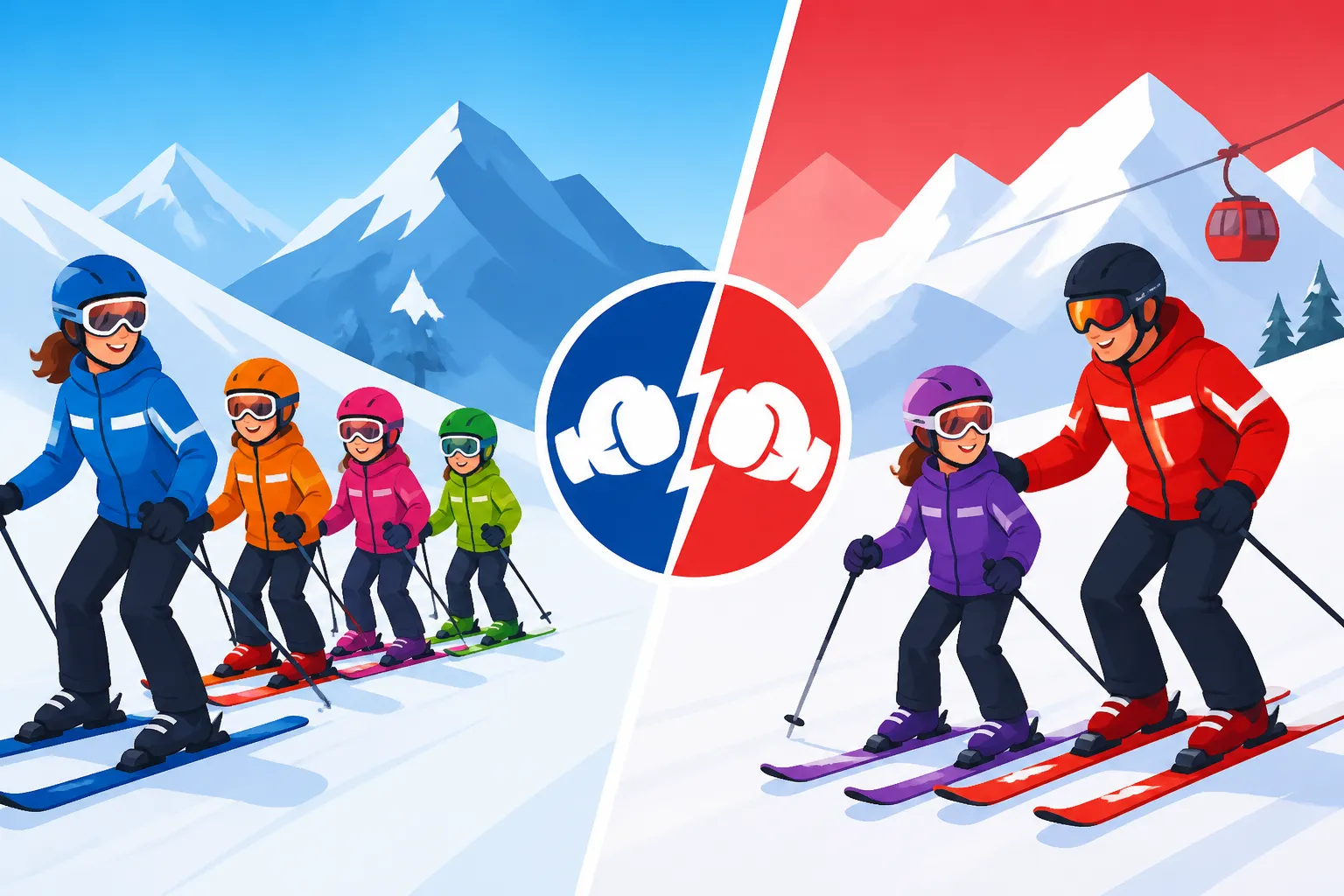
Group lessons are often the default choice, especially for beginners and families, and for good reason. They offer a fantastic blend of instruction and social interaction. Imagine starting your day surrounded by other keen learners, all sharing that slightly nervous but excited energy. You'll often find yourself in a small group of similar skill levels, guided by a certified instructor who works through a structured curriculum. The pace is generally a bit slower, designed to accommodate everyone, which can be a real blessing if you tend to feel rushed or overwhelmed. For children, it's particularly brilliant. Not only do they learn to ski, but they also get to make new friends, practice their German, French, or Italian skills, and generally burn off some serious energy in a supervised setting. Many local Swiss kids grow up in these very groups! It's also a more budget-friendly option, spreading the cost of the instructor among several participants.
However, it's not always sunshine and powder. The downside is that you might not get as much individualized feedback as you'd like. If you're picking up a particular skill faster or slower than the rest, the instructor's attention will be divided. You could find yourself waiting for others, or conversely, feeling a bit out of your depth if the group's general skill level is slightly higher than yours. Group sizes can also vary, from cozy small groups of 4-6 to larger classes, depending on the resort and time of year. While the social aspect is a huge plus for many, if you're someone who prefers focused, intense learning without distractions, you might find yourself wishing for more one-on-one time.
The Tailored Approach of Private Lessons
Now, if you're serious about making rapid progress, have very specific goals, or just prefer learning at your own pace without feeling the pressure of a group, private lessons are your golden ticket. This is where you get an instructor's undivided attention, crafting a lesson plan specifically tailored to your needs, whether that's conquering parallel turns, tackling moguls, or building confidence after a long break. Think of it as a personalized coaching session. Want to work on your technique for five minutes, then try a tricky red run, then go back to fundamentals? No problem. The flexibility is immense. You can choose the meeting point, the duration, and the focus, making it incredibly efficient for learning. I've known expats who, after years of struggling in group lessons, took just a few private sessions and suddenly "got" it – the difference can be truly transformative. It's also an excellent option for a small family or a couple who want to learn together, receiving consistent advice in a private bubble.
The elephant in the room with private lessons, though, is the cost. They are significantly more expensive than group lessons, often priced by the hour or half-day, and those hours add up quickly. This can be a tough pill to swallow, especially when you're already grappling with the general Cost of Living in Switzerland 2026: Budgeting for Singles and Families. While you can split the cost with a few friends or family members, it still typically works out to be a higher per-person investment. Another aspect is the intensity; with constant feedback and no downtime waiting for others, it can be quite physically and mentally demanding. Some people also miss the social aspect of a group, preferring the camaraderie and shared learning experience. It really comes down to what you prioritize: focused, rapid improvement at a higher cost, or a more social, gradual learning curve that's easier on the wallet.
Factors to Consider When Choosing
Making this choice isn't just about money or ego; it’s about understanding your personal learning style and objectives.
- Budget: Be honest with yourself. Can you comfortably afford the higher price of private instruction, or would group lessons allow you to ski more days or save for other Outdoor Switzerland: Lakes, Trails, and Year-Round Adventure?
- Skill Level: True beginners often benefit from the structured environment of a group, where fundamental skills are taught systematically. Advanced skiers looking to refine specific techniques, however, will gain much more from private coaching. If you’re a timid adult, a private instructor might provide the patient, one-on-one encouragement you need.
- Social Preference: Do you thrive on meeting new people and learning alongside others, or do you prefer to keep to yourself and focus intensely? Group lessons are fantastic for Community and Integration: Making Friends and Adapting to Swiss Life with fellow holidaymakers or residents.
- Time Constraints: If you only have a few days and want to maximize improvement, private lessons can accelerate your progress. If you have more flexibility, group lessons spread over several days can be a great way to build stamina and skills gradually.
To help you visualise the trade-offs, here’s a quick comparison:
| Feature | Group Lessons | Private Lessons |
|---|---|---|
| Cost | Lower per person, often cheaper overall | Significantly higher per person (though can be split) |
| Pace | Set by the group, generally slower and steady | Tailored to individual, often much faster progression |
| Personalization | Limited, general feedback for the group | Extensive, focused on your specific needs and challenges |
| Social Aspect | High, opportunity to meet others | Low, one-on-one interaction with instructor |
| Flexibility | Fixed schedule, set curriculum | Highly flexible: time, duration, content, meeting point |
| Ideal For | Beginners, children, social learners, budget-conscious | Rapid improvement, specific skill development, timid adults, families learning together |
Understanding Ski Lesson Pricing in Switzerland
Switzerland is renowned for many things, and its high prices are definitely one of them. Ski lessons are no exception, and the cost can be a bit of a shock if you’re coming from countries with more modest mountain resorts. However, with careful planning, you can navigate these costs without completely breaking the bank.
The Price Tag of Group Lessons
For group lessons, you’re generally looking at costs that vary significantly by resort, season, and the age of the participant. For children, especially in popular resorts, a full-day group lesson might range from CHF 80 to CHF 120 per day. These are often booked in multi-day blocks, say 3-5 days, which usually brings the per-day cost down slightly. So, a 5-day course for a child could easily set you back CHF 350-500. For adults, the prices are typically similar, sometimes slightly higher. Always check what's included: usually, it's just the instruction. You'll almost certainly need to factor in a lift pass and equipment rental separately.
Peak season, like Christmas, New Year, and February school holidays, sees prices at their highest due to demand. Popular, world-renowned resorts such as Zermatt, Verbier, or St. Moritz will inherently have higher prices than smaller, local hills like Flumserberg near Zurich or Villars/Gryon in Vaud. It’s worth exploring some of the Affordable Ski Areas in Switzerland for Locals on a Budget if cost is a primary concern. Don't forget that many resorts offer beginner-friendly packages that might include a shorter lift pass valid only for the nursery slopes, which can save a bit on the expensive full-area passes.
The Investment in Private Instruction
This is where the costs really jump. Private lessons are generally priced by the hour or for half-day (2-3 hours) or full-day (4-6 hours) blocks. You can expect to pay anywhere from CHF 90 to CHF 120 per hour for a private instructor. A half-day session could be around CHF 250-400, and a full-day might easily hit CHF 500-700. Now, here’s a crucial point: these prices are usually per instructor, not per person. So, if you're a family of three all at a similar level, booking a private instructor for a half-day might be more cost-effective than individual group lessons, as you're sharing the instructor's fee. However, it still far exceeds the cost of a single group lesson.
Again, prices fluctuate wildly based on the resort's prestige and the season. Booking a private lesson in Zermatt on December 28th will almost certainly cost you more than in a less-known resort in March. Some instructors also command a premium based on their experience or language skills, particularly if you need a specific language like English. If you’re planning a trip during peak times, it’s advisable to book well in advance, not just for availability but sometimes to lock in a slightly better rate before demand-based pricing kicks in.
Hidden Costs and What to Budget For
Beyond the actual lesson fee, there's a whole array of "hidden" costs that can quickly inflate your overall skiing budget. Expats often underestimate these when first planning their Swiss ski adventure.
- Lift Passes: This is often the biggest extra cost. Unless you're strictly sticking to the very beginner 'magic carpet' areas, you'll need a lift pass. A single-day adult pass can range from CHF 60-90, sometimes more in top resorts. Multi-day passes offer a slight discount but are still a substantial outlay. Remember, without a lift pass, you can't even get to the lesson meeting point on the mountain unless it's literally next to the base station.
- Equipment Rental: Skis, boots, poles, and a helmet are essential. While you can bring your own, renting is common, especially for beginners or those who don't ski often. Renting Ski Equipment in Switzerland: Costs and Where to Book can range from CHF 50-80 per day for a basic package, with multi-day discounts available. Don't cheap out on the helmet – it’s non-negotiable for safety.
- Appropriate Clothing: The Alps get cold, and wet. Proper waterproof jacket and trousers, thermal layers, good gloves, and ski socks are crucial. If you don't own these, borrowing or buying second-hand is an option, but new gear can be expensive. Check out What to Wear Skiing in Switzerland: Layering for the Alps for more details.
- Travel to the Resort: Whether you're driving or taking public transport, this adds up. Our fantastic Transport in Switzerland: SBB, GA, Half-Fare Cards, and Commuting system is efficient but not always cheap. If driving, consider fuel and parking costs. If you have a Half-Fare and Saver Day Passes for Leisure Travel in Switzerland, it helps significantly.
- Food and Drinks: Eating on the mountain can be shockingly expensive. A simple lunch at a mountain restaurant (think soup, sausage, or Rösti) can easily be CHF 25-35, plus drinks. Packing your own snacks, a thermos of tea, and sandwiches can save a fortune, especially for families.
- Insurance: This is often overlooked but critical. Standard basic health insurance (KVG) covers some accident costs, but you ideally want good accident insurance (UVG) and possibly travel insurance with specific winter sports coverage. Furthermore, consider Mandatory and Optional Insurance: Liability, Legal, and Household if you accidentally injure someone on the slopes, as you could be held liable. And for serious mountain emergencies, especially off-piste, REGA Membership: Why Expats Need Air Rescue Insurance in the Alps is highly recommended. You never know when that air ambulance might be needed!
When you tally all these up, a single day of skiing with a lesson in Switzerland, even for a modest beginner, can easily run into several hundred Swiss Francs. It's an investment, but for many, the experience of skiing in such a stunning environment is truly priceless.
Practical Tips for Booking and Making the Most of Your Lessons
Booking your ski lessons in Switzerland doesn’t have to be a confusing ordeal, but a little preparation goes a long way. Having a plan will ensure you get the best experience and value for your money.
Choosing a Ski School and Instructor
Most Swiss ski resorts have their own official ski school (often recognisable by the "Swiss Snowsports" logo), and sometimes a few independent ones. These schools employ certified instructors, many of whom are fluent in multiple languages.
- Look for Certification: Always opt for schools affiliated with Swiss Snowsports. This guarantees a certain standard of instruction and safety.
- Read Reviews and Ask Around: Expat forums are goldmines for recommendations. Ask fellow expats who they've learned with, which schools they prefer, and if they know any particularly good English-speaking instructors. When researching resorts, checking platforms like Booking.com isn't just for accommodation; sometimes, their user reviews for hotels close to ski schools can give you a subtle hint about the quality of local instruction, or you might even find packages that bundle accommodation with lessons.
- Language is Key: Unless you’re fluent in German, French, or Italian, ensure you request an English-speaking instructor. Most schools have them, but availability can be limited, especially for private lessons during busy periods.
- Book in Advance: This is crucial, especially for private lessons or during popular holiday weeks (Christmas, New Year, February school breaks, Easter). Waiting until you arrive could mean limited availability or no English-speaking instructors left. Many ski schools allow online booking through their own websites. If you're looking to book a lesson directly from home, many ski schools list their offerings on platforms like GetYourGuide, where you can often compare options and read reviews from other international visitors.
- Communicate Your Goals: When booking, and especially when meeting your instructor, clearly state what you want to achieve. Are you a total beginner? Do you want to overcome a fear? Refine a specific turn? The more information you provide, the better they can tailor your experience.
Preparing for Your Lesson
Once your lesson is booked, a little pre-lesson prep will make a huge difference to your comfort and learning experience.
- Arrive Early: This cannot be stressed enough. Give yourself ample time to pick up rentals (if needed), buy or activate your lift pass, use the restroom, and find the meeting point. Ski schools are bustling places, especially in the mornings. You don't want to start your lesson stressed and breathless.
- Dress in Layers: Mountain weather is notoriously fickle. You could start the day in bright sunshine and end it in a whiteout. Layers allow you to adjust. Don’t forget waterproof outer layers and appropriate gloves. Remember to consult What to Pack for a Day Trip to the Swiss Alps.
- Sun Protection: Even on cloudy days, the sun's reflection off the snow is intense. Goggles or sunglasses, and high-SPF sunscreen, are vital to protect your eyes and skin.
- Hydrate and Energize: Bring water and a few snacks (a chocolate bar, a muesli bar) in your pockets. Skiing is strenuous, and you'll burn through energy faster than you think. Stay hydrated, even if you don't feel thirsty.
- Have Your Lift Pass Ready: Secure it to your jacket in an easily scannable pocket. Fumbling for your pass at the lift gate disrupts flow and wastes precious lesson time.
- Trust Your Instructor: They are experts. Listen to their advice, even if it feels counterintuitive at first. Don't be afraid to ask questions or tell them if you're struggling or feeling unsafe. Good instructors are adept at reading their students but also appreciate direct communication.
Beyond the Lesson: Practicing and Progressing
A lesson is a fantastic start, but it’s just that – a start. The real progress comes with practice.
- Practice Consistently: Try to get back on the slopes between lessons, or immediately after a session, to reinforce what you've learned. Even a couple of runs can cement new skills.
- Start Easy: Don’t jump onto a steep red or black run immediately after a beginner lesson. Stick to the designated blue (easy) runs. There's no shame in repeating slopes you feel comfortable on; it builds muscle memory and confidence.
- Consider Follow-Up Lessons: If you feel like you've hit a plateau, or have a specific challenge, don't hesitate to book another lesson, even if it's just a private hour to address that one issue.
- Know the Rules: Familiarise yourself with the FIS (International Ski Federation) rules of conduct on the slopes. They're basically common sense, ensuring safety for everyone. Always be aware of your surroundings, control your speed, and respect other skiers.
- Listen to Your Body: Skiing is demanding. Take breaks, drink water, and don't push yourself to exhaustion, especially if you're new to the sport. There's always tomorrow!
Navigating Swiss Ski Resorts as an Expat
As an expat, you have the incredible advantage of being able to explore the Swiss Alps regularly. Make the most of it, whether you're heading for lessons or just for fun.
Top Resorts for Lessons and Beginners
Switzerland boasts an embarrassment of riches when it comes to ski resorts, but some are particularly well-suited for beginners and those looking for lessons.
- Flumserberg (Eastern Switzerland): Easily accessible from Zurich, Flumserberg is a fantastic all-rounder. It has excellent ski schools, dedicated beginner areas, and a good mix of blue and red runs. It's generally less intimidating than the mega-resorts and feels very family-friendly.
- Engelberg-Titlis (Central Switzerland): While known for its extensive, more challenging terrain (and the famous glacier), Engelberg also has good beginner zones, particularly at Brunni, which is on the sunny side of the valley and perfect for learning. The main Titlis area offers intermediate terrain once you've gained confidence.
- Villars-Gryon (Vaud Alps): In the French-speaking part, Villars-Gryon offers a charming atmosphere with a good selection of ski schools. Its interconnected domain provides ample easy slopes to progress on, and it’s relatively accessible from Lausanne or Geneva.
- Crans-Montana (Valais): Another high-altitude option with stunning views, Crans-Montana has wide, sunny pistes that are great for learning and building confidence. Its ski schools are well-regarded, and it has a more upscale feel.
Many of these resorts are easily reached via the efficient Swiss public transport system. For getting to resorts without a car, our excellent public transport system is your friend! You can easily plan and book your train journeys via platforms like Omio, which is fantastic for comparing routes and prices across different modes of transport, whether it's the SBB train to a major hub or a PostBus winding its way up to a mountain village. If you're driving, always check the resort's parking situation and be prepared for mountain roads – sometimes Driving in Switzerland: Licenses, Buying Cars, and Strict Traffic Laws also means being prepared for snow chains.
Saving Money on Skiing Adventures
Skiing in Switzerland doesn't have to bankrupt you, especially once you're a resident. Here are a few expat-tested strategies to keep costs down:
- Consider Season Passes: If you plan to ski frequently, a season pass for a local or regional area, or even a Magic Pass (which covers many smaller resorts), can offer incredible value. Don’t pay per day!
- Explore Affordable Ski Areas in Switzerland for Locals on a Budget: Places like Elm, Amden, or Sattel-Hochstuckli might not have the glamour of Zermatt, but they offer fantastic skiing and significantly lower costs for lessons, lift passes, and food. They are perfect for learning and casual day trips.
- Pack Your Own Lunch: Seriously, this is one of the easiest ways to save. A few sandwiches, fruit, and a thermos of hot chocolate or tea will fuel you perfectly for a fraction of the cost of a mountain restaurant meal.
- Buy Second-Hand Gear: For equipment like skis, boots, and poles, local 'Brockis' (thrift stores), online marketplaces like Tutti.ch, or end-of-season sales can yield excellent deals. You can also often find good quality used children's gear.
- Utilize Half-Fare and Saver Day Passes for Leisure Travel in Switzerland: If you travel by train, the Half-Fare Card is almost mandatory for residents, cutting train fares in half. Coupled with Saver Day Passes booked in advance, your travel costs to the slopes can be significantly reduced.
- Ski Early/Late Season: Skiing in December (pre-Christmas) or late March/April often means fewer crowds, softer snow (in spring), and sometimes slightly lower prices for lessons and accommodation. The conditions can still be fantastic!
- Bring a Group: If you’re booking private lessons, find a few friends or family members at a similar skill level and split the cost. It's often only a small extra charge per person for the instructor, making it much more palatable.
By thinking strategically about where and how you ski, and particularly how you approach lessons, you can transform the daunting Swiss Alps into your personal winter playground without feeling like you're constantly emptying your wallet.
Disclaimer
The information provided in this guide is for general informational purposes only and does not constitute professional advice. Ski lesson prices, availability, and specific resort offerings are subject to change and can vary widely. We strongly recommend verifying all details directly with the ski schools, resorts, and transport providers before making any bookings or financial commitments. Skiing carries inherent risks, and it is your responsibility to ensure you have adequate insurance coverage and adhere to all safety guidelines.