Regional Swiss Cheeses: Gruyère, Emmental, Appenzeller, and More
When you first arrive in Switzerland, the sheer variety of cheese available can be both tantalizing and utterly bewildering. Every supermarket aisle feels like a history lesson in dairy, and trying to decipher which AOP (Appellation d'Origine Protégée) label means what, or why one "Swiss cheese" has holes and another doesn't, can leave even the most seasoned expat scratching their head. This guide is here to cut through the confusion, introducing you to the iconic regional cheeses of Switzerland, their stories, and how to enjoy them like a local.
The Foundation: Understanding Swiss Cheese Designations
Before diving into the delicious specifics, it's really helpful to understand the basic framework that governs Swiss cheeses. Switzerland, much like France and Italy with their wines, takes its food heritage incredibly seriously, especially when it comes to cheese. This dedication ensures quality and protects the traditional methods that have been passed down for generations.
AOP and IGP: Guaranteeing Authenticity
You'll constantly see "AOP" and sometimes "IGP" on cheese labels here, and it’s important to know what they signify. AOP (Appellation d'Origine Protégée), or Protected Designation of Origin, is the strictest category. It means that the entire cheese-making process – from the milk production by cows grazing in a specific geographic region to the processing and aging – must take place within a defined geographical area, adhering to stringent, traditional methods. This isn't just about where the cheese is made; it's about the entire ecosystem that contributes to its unique character. Think of the specific grasses the cows eat, the local climate, and the centuries-old recipes. It’s truly a testament to local terroir.
On the other hand, IGP (Indication Géographique Protégée), or Protected Geographical Indication, is a slightly more flexible designation. For an IGP product, only a part of the production process, preparation, or processing needs to occur within the specified region. While still ensuring high quality and a connection to its origin, it allows a bit more leeway than the rigid AOP rules. For most classic Swiss cheeses, you'll encounter the AOP label, underscoring their deep roots and unwavering authenticity. It’s what makes a Gruyère a Gruyère and not just any hard cheese.
Hard, Semi-Hard, and Soft Cheeses: A Textural Journey
Beyond geographical protection, Swiss cheeses are also classified by their texture, largely determined by their water content and aging period. This isn't just a technical detail; it profoundly impacts their flavor, how they melt, and what culinary uses they excel at.
Hard cheeses, or Hartkäse, like Gruyère and Sbrinz, are typically aged for many months, sometimes even years. This long aging process reduces their moisture content significantly, resulting in a dense, firm texture and concentrated, often nutty or spicy flavors. They are fantastic for grating, shaving, or simply enjoying in small, flavorful chunks. Semi-hard cheeses, or Halbhartkäse, such as Appenzeller and Raclette, have a slightly higher moisture content and a shorter aging period, leading to a more supple, elastic texture. Their flavors are still robust but often creamier and less intense than their harder counterparts, making them ideal for slicing, melting, and cooking. Finally, soft cheeses, or Weichkäse, like Vacherin Mont d'Or, are characteristically creamy, spreadable, and often have a bloomy rind. They are usually aged for a shorter time and are prized for their delicate, sometimes pungent, and melt-in-your-mouth qualities, best enjoyed with a spoon or spread on fresh bread.
The Big Three: Gruyère, Emmental, and Appenzeller
These three titans of Swiss cheese are probably the first that come to mind for many, and for good reason. They are iconic, deeply rooted in Swiss culinary tradition, and represent distinct regions and flavor profiles.
Gruyère: The King of Melting
Hailing from the picturesque canton of Fribourg, Vaud, Neuchâtel, and Jura, and of course, the town of Gruyères itself, Le Gruyère AOP is arguably the most famous and versatile of Swiss cheeses. It's a raw cow's milk, hard cheese, known for its dense, firm texture and complex flavor profile that evolves beautifully with age. Young Gruyère, aged around 5-9 months (often called Gruyère classique), is creamy, slightly nutty, and mild, perfect for everyday enjoyment. As it matures to Gruyère Réserve (10-14 months) or even Gruyère d'Alpage (a summer-only production from alpine pastures, aged over a year), its flavor deepens, becoming more pronounced, earthy, and developing those characteristic savory, almost caramelized notes.
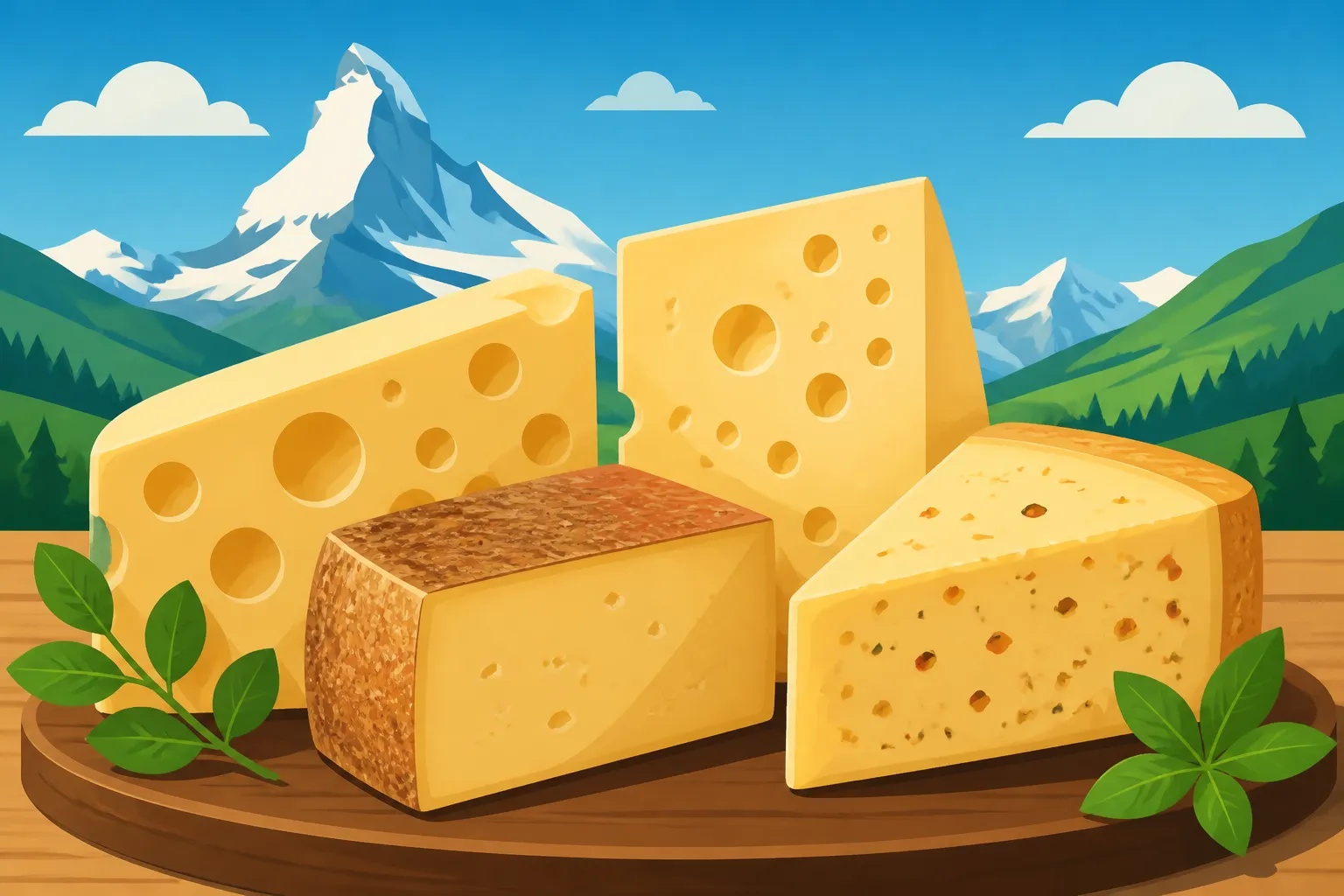
What many newcomers might not realize is that authentic Gruyère doesn't actually have "holes" in the way Emmental does. The occasional small cracks and eyes you might see are natural, but large, cherry-sized holes are not a feature of true Gruyère. This cheese is indispensable in the Swiss kitchen. It's the absolute star of fondue, melting into that glorious, stretchy, savory goodness. You'll also find it grated over gratins, baked into quiches, or simply enjoyed on a cheese platter with a crisp white wine. If you're planning a trip to the region, remember that exploring the medieval town of Gruyères and visiting the Maison du Gruyère cheese factory are fantastic experiences, easily integrated into a Day Trips from Geneva: Montreux, Gruyères, and the Lavaux Vineyards itinerary.
Emmental: The Iconic Holed Cheese
When most people outside Switzerland think of "Swiss cheese," they're probably picturing Emmental AOP. Its distinctive, large, cherry-sized holes (or "eyes") are instantly recognizable, along with its sweet, nutty flavor. Originating from the Emme Valley in the canton of Bern, Emmental is another hard, raw cow's milk cheese, but it differs from Gruyère significantly in its production and flavor development. The formation of those iconic holes is a fascinating natural process caused by specific bacteria that release carbon dioxide gas during ripening, creating bubbles within the cheese.
Emmental's flavor is generally milder and sweeter than Gruyère, with a delightful hazelnut aroma, especially when young. As it ages (typically 4-12 months), it becomes more robust and complex, though it usually retains its characteristic mildness. It's a staple for slicing in sandwiches, often found on breakfast tables, and sometimes used in fondue mixes, though often alongside Gruyère for added depth. The Emmental Valley is a beautiful region to explore, offering picturesque landscapes and traditional farm visits. If you're traveling by train, using something like a The Half-Fare Travelcard (Halbtax): The Must-Have Pass for Swiss Residents can make visiting these regions much more affordable.
Appenzeller: The Secretive Spice
If Gruyère is the king and Emmental the icon, then Appenzeller is the enigmatic character with a secret recipe. Produced exclusively in the Appenzell region of eastern Switzerland, this semi-hard, raw cow's milk cheese is famed for its spicy, aromatic, and distinctly herbal flavor. The secret to its unique taste lies in its meticulous care during aging: for 3 to 6 months, the cheese wheels are regularly washed and brushed with a secret herbal brine. This brine, whose exact composition is known only to a select few, penetrates the rind and imparts Appenzeller's characteristic tang and aroma.
Appenzeller is available in various age categories, each offering a different intensity. Classic (3-4 months) is milder, with a pleasant spiciness. Surchoix (4-6 months) is more aromatic and powerful, while Extra (6+ months) delivers a truly intense, full-bodied experience. Its firm yet creamy texture makes it excellent for slicing, cubing for an Apéro, or melting in gratins. While it's not typically the star of fondue, its strong character can certainly elevate a cheese board. For those who appreciate bold flavors and a cheese with a rich, mysterious history, Appenzeller is an absolute must-try. You'll often find it in the specialized cheese sections of larger supermarkets like Coop and Migros. For wider selection, head to a dedicated Fromagerie or a local market where you can often sample different ages.
Hidden Gems and Regional Specialties
Beyond the household names, Switzerland boasts a treasure trove of regional cheeses that offer incredible diversity in flavor, texture, and tradition. These are the ones that truly let you delve deeper into Switzerland's dairy heart.
Sbrinz: The Alpine Parmesan
When you first encounter Sbrinz AOP, you might mistake it for an Italian Parmesan, and you wouldn't be entirely wrong in your perception of its use. This extra-hard, raw cow's milk cheese, primarily from central Switzerland, is one of the oldest cheeses in the country, with roots dating back centuries. It's aged for a minimum of 18 months, often up to 3 years, giving it an incredibly firm, granular texture and a remarkably intense, full-bodied flavor profile. You'll detect notes of roasted hazelnuts, caramel, and a pronounced spiciness that lingers on the palate.
Sbrinz is designed for grating, shaving, or breaking into brittle splinters, much like Parmigiano Reggiano. It's fantastic over pasta dishes, risottos, or simply drizzled with a little olive oil and enjoyed as an appetizer. The longer aging process means it develops crunchy tyrosine crystals, a sign of its rich umami flavor and maturity. It’s a cheese that demands respect and rewards patience. For an authentic experience, look for it at local markets or specialized cheese shops, where you might even find wheels carved right off the block.
Tête de Moine: The Rosette Flower
Tête de Moine AOP, which literally translates to "monk's head," is perhaps one of Switzerland's most visually distinctive cheeses. Originating from the Jura mountains of Canton Bern, this semi-hard, raw cow's milk cheese isn't cut into slices or chunks; it's scraped into delicate rosettes using a special tool called a Girolle or Pirouette. This method isn't just for show; scraping the cheese exposes more surface area to the air, intensifying its unique, slightly fruity, and spicy aroma.
Legend has it that this scraping tradition dates back to monks who used to scrape the cheese rather than cut it, and it tastes best that way. The cheese is typically aged for 2-4 months, developing a fine, velvety texture once scraped. It's an ideal cheese for an Apéro, served alongside fresh bread, charcuterie, or pickled onions. The act of scraping it yourself at the table is part of the charm and adds a touch of Swiss flair to any gathering. Many visitors find these Girolle scrapers to be a wonderful souvenir, and if you're exploring the Jura region, you'll see this cheese as a proud local specialty.
Vacherin Mont d'Or: The Winter Indulgence
If you're in Switzerland during the cooler months, you absolutely must experience Vacherin Mont d'Or AOP. This is a seasonal, soft, raw cow's milk cheese from the Jura mountains near the French border, available only from September to April. It's famous for being wrapped in a ring of spruce bark (often called épicéa), which imparts a wonderfully earthy, resinous aroma and helps hold its incredibly creamy, almost liquid interior.
Vacherin Mont d'Or is typically eaten with a spoon, often after baking it in its wooden box until the interior is gooey and fragrant. This makes for an unbelievably decadent, rich, and pungent experience, perfect for a cozy winter evening. Pair it with boiled potatoes, gherkins, and a crisp white wine, and you've got a simple yet utterly luxurious meal. Its flavor is milky, woodsy, and subtly sweet, becoming more intense as it ripens. When purchasing, gently press the top; it should yield slightly, indicating ripeness. Many cheese shops will advise on the best way to prepare it. It's one of those special treats that makes the Swiss winter truly magical.
Raclette Cheese: The Melted Delight
While Raclette is also a dish, Raclette cheese itself is a semi-hard, raw cow's milk cheese, typically from Valais, Fribourg, or other cantons like Vaud. It's specifically produced for its superior melting qualities and distinct, creamy, slightly pungent flavor. The name "Raclette" comes from the French word racler, meaning "to scrape," referring to the traditional method of scraping the melted cheese off a half-wheel warmed by a fire.
Today, most homes use small Raclette grills (often available on sites like GetYourGuide for local cooking classes or tours that introduce you to this culinary tradition) where individual slices of cheese are melted in small pans (coupelles). The flavor of Raclette cheese is rich, milky, and has a pleasant elasticity when melted. It pairs wonderfully with boiled potatoes, pickled gherkins, onions, and cured meats. There are different types of Raclette, some plain, some infused with pepper, garlic, or even herbs, allowing for a variety of experiences. This cheese is an absolute staple for social gatherings, especially during winter, and is central to Fondue and Raclette Culture: How and When the Swiss Eat Them.
Navigating Swiss Fromageries and Markets
Buying cheese in Switzerland isn't just a transaction; it's often an experience, especially if you venture beyond the supermarket aisles.
The Charm of Local Fromageries
A dedicated fromagerie (cheese shop) is a haven for any cheese lover. Here, you'll find an incredible selection, often including artisanal and small-batch cheeses that don't make it to the larger retailers. The staff are typically highly knowledgeable, passionate about their products, and more than happy to offer samples and advice. Don't be shy to ask for a taste of something new or to explain what kind of flavors you enjoy. They can guide you through the aging profiles of Gruyère or suggest the perfect pairing for your Swiss Wine Regions: Valais, Vaud, Geneva, and Ticino Explained tasting.
When you go into a fromagerie, remember that quality comes first. While prices might seem higher than in your home country, you're paying for exceptional quality, stringent production standards, and generations of expertise. It's worth it for the experience alone!
Market Finds: Bauernmärkte and Wochenmärkte
Visiting a local farmers' market (Bauernmarkt or Wochenmarkt) is another fantastic way to discover regional cheeses. Here, you might even meet the cheesemakers themselves or their direct representatives, who can tell you firsthand about their production methods and the specifics of their farm. You'll find seasonal specialties, fresh cow's milk cheeses (Frischkäse), and often unique, unpasteurized varieties that showcase the true diversity of Swiss dairy. These markets are not just for shopping; they are vibrant social hubs, offering a glimpse into local life and providing an opportunity to practice your German or French. Checking out a weekly market is part of embracing Swiss Customs and Etiquette: Social Norms Every Newcomer Should Know!
Supermarket Selection: Coop, Migros, and Others
While dedicated shops offer the connoisseur's experience, the major supermarkets like Coop and Migros also have impressive cheese counters. You'll find a wide array of AOP cheeses, pre-packaged slices, and blocks, making it convenient for everyday shopping. They often carry their own branded versions, and while good, the variety and expert advice might be less extensive than in a dedicated fromagerie. However, for staples like Gruyère and Emmental, or for finding your preferred brand of Raclette cheese, they are perfectly adequate. For other options, consult our guide on Grocery Shopping: Coop, Migros, Aldi, Lidl, and Denner Compared to understand where you can find different price points and selections.
Pairing Swiss Cheeses: Beyond the Fondue Pot
Swiss cheese is far more versatile than just fondue and Raclette, though those are certainly glorious ways to enjoy it! Expanding your palate and learning to pair cheeses with different accompaniments can unlock a whole new world of culinary delight.
Wine Pairings: Complementary Flavors
The general rule of thumb for pairing cheese with wine is "what grows together, goes together." This means Swiss cheeses often sing when paired with Swiss wines. For harder, nutty cheeses like Gruyère or Sbrinz, a robust white wine such as a Fendant from Valais, or a Pinot Noir from Graubünden or Ticino, works beautifully. The acidity and fruitiness cut through the richness of the cheese.
Milder, sweeter Emmental pairs well with lighter white wines, perhaps a crisp Chasselas from Lake Geneva region, or even a sparkling wine. For the spicier Appenzeller, you might want something that can stand up to its bold character, like a slightly off-dry Pinot Gris or a light-bodied red. And for that creamy, pungent Vacherin Mont d'Or, a local white from the Jura, with its distinctive nutty notes, is a classic match. Experimentation is key, and many Swiss cheese producers offer specific pairing suggestions on their websites or at their stands.
Beyond Wine: Other Accompaniments
Don't limit yourself to wine! Swiss cheeses pair wonderfully with a variety of other items:
- Bread: Crusty artisanal bread, whole grain bread, or even fruit bread like Birnbrot (pear bread) are excellent canvases for cheese.
- Fruits: Fresh fruits like grapes, apples, pears, figs, and berries offer a refreshing counterpoint to rich cheeses. Dried fruits like apricots and prunes also work well, especially with aged hard cheeses.
- Nuts: Walnuts, hazelnuts, and almonds add a delightful crunch and complement the nutty notes found in many Swiss cheeses.
- Preserves & Honey: Fig jam, quince paste (Quittenbrod), or local honey can enhance the sweetness or spice of a cheese, especially with strong blue or aged varieties.
- Pickles: Gherkins, pickled onions, and other pickled vegetables are traditional accompaniments, providing a tangy contrast, especially important for rich, melted dishes like Raclette.
Remember, the goal is to create balance and enhance the flavors, not overwhelm them. A well-constructed cheese board is a feast for the senses and a truly Swiss way to enjoy an evening.
Cheese-Related Experiences and Tours
To truly appreciate Swiss cheese, it helps to see where and how it's made. Switzerland offers a fantastic array of experiences that go beyond just tasting.
Visiting Cheese Dairies and Showcases
Many of Switzerland's most famous cheese regions offer visitor centers and actual production facilities that welcome guests. The Maison du Gruyère, located right next to the train station in Gruyères, provides an interactive journey through the cheese-making process, from milk to finished wheel. You can watch cheesemakers at work, learn about the different aging stages, and, of course, enjoy a tasting. Similarly, in the Emmental Valley, you can visit the Emmentaler Schaukäserei, where you can peek into the cellars, learn about the history of the "holey" cheese, and even try your hand at making a small cheese yourself. These are great family outings and educational experiences for all ages.
Booking these tours is usually straightforward, either directly through their websites or via experience platforms. Many expats find booking a guided tour through platforms like GetYourGuide a fantastic way to experience these behind-the-scenes glimpses, often with transport and additional activities included, like visiting a chocolate factory nearby.
Culinary Tours and Cheese Routes
Beyond individual dairies, some regions have developed "cheese routes" or culinary tours that highlight their local specialties. These might involve cycling through scenic landscapes, stopping at various farms and shops, or enjoying multi-course meals featuring regional cheeses. For example, some tours combine visits to cheese and wine producers in regions like Lavaux or Valais, giving you a full sensory immersion.
Planning a trip to the Gruyères region from Zurich? You can easily check train and bus connections through Omio to ensure a smooth journey, letting you focus on the culinary delights rather than logistics. For those who want to extend their cheese adventure into a full weekend getaway, considering a cozy hotel or B&B found on Booking.com in the heart of a cheese-making village can truly enhance the experience, allowing for more leisurely exploration of the local food scene.
Cheese Festivals and Events
Throughout the year, Switzerland hosts numerous cheese festivals and markets, particularly in the autumn. These events are fantastic opportunities to sample an even wider variety of cheeses, often directly from small-scale producers. You'll find everything from traditional alpine cheeses (Alpkäse) made only during the summer months in mountain huts, to unique smoked or herb-infused varieties. These festivals are a vibrant part of the Swiss Festivals and Traditions: A Year-Round Cultural Calendar and offer a lively atmosphere, often with local music, crafts, and other regional foods. Keep an eye on local tourism websites for dates and locations.
Disclaimer
The information provided in this guide is for general informational purposes only and does not constitute professional advice. While we strive to provide accurate and up-to-date information, local regulations, prices, and availability of products and services can change. Always verify details with official sources or local experts before making decisions or travel plans.