Day Trips from Basel: The Black Forest, Alsace, and Augusta Raurica
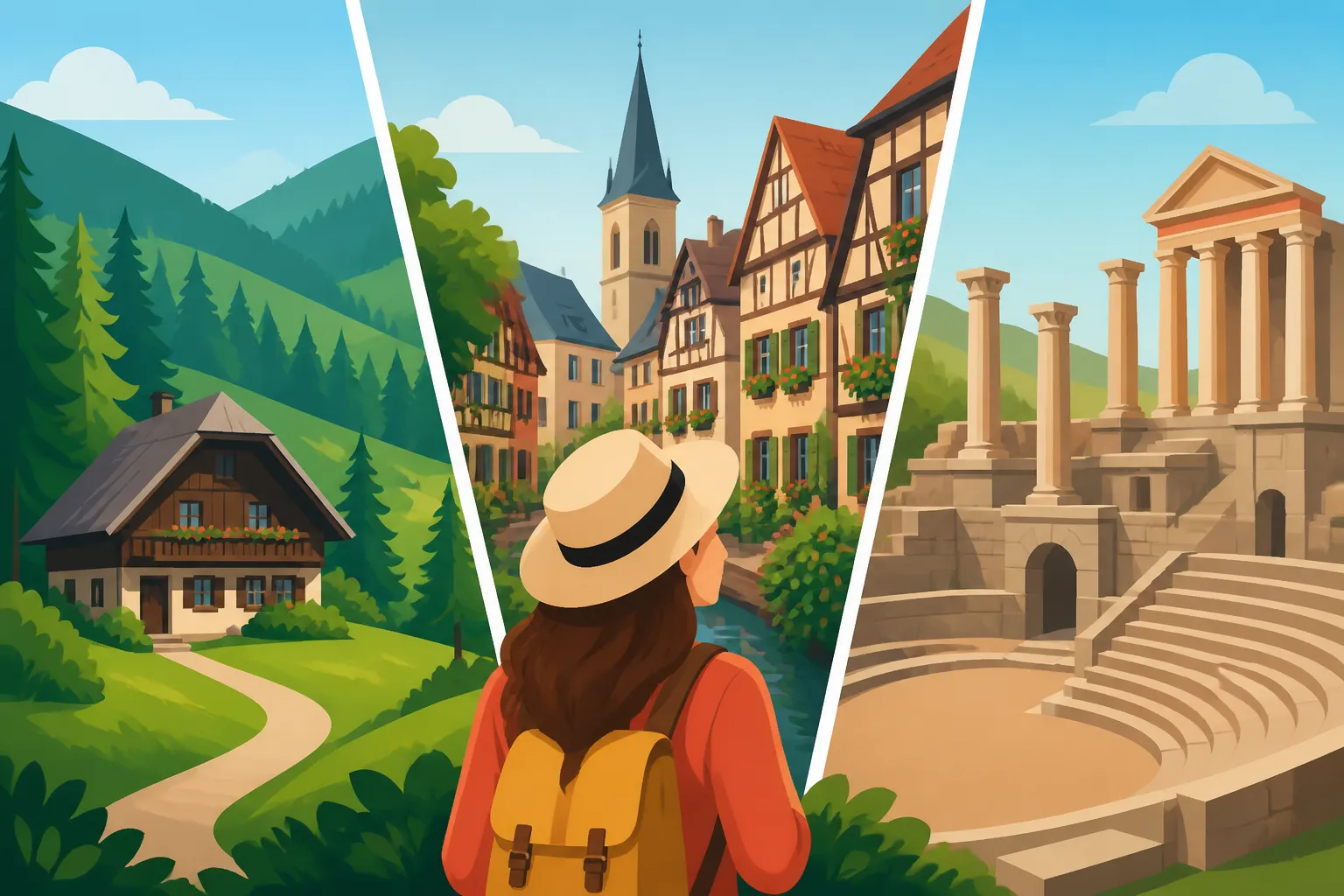
Ah, Basel! Nestled right at the point where Switzerland, Germany, and France meet, it's a city that truly embodies the concept of "cross-border living." But let's be honest, for many of us expats, the initial thrill of being able to pop over to three countries can quickly turn into a logistical headache if you don't know the ropes. You hear friends talking about their weekend jaunts to the Black Forest or Alsace, and while it sounds idyllic, you might be thinking, "But how do I even get there? What about currency? Do I need a special visa just for a day?" Trust me, I've been there. This guide is here to demystify those incredible day trips from Basel, giving you all the nitty-gritty details to make your cross-border adventures seamless and utterly enjoyable, rather than a stress-induced planning session.
Basel's Unique Position: A Gateway to Three Countries
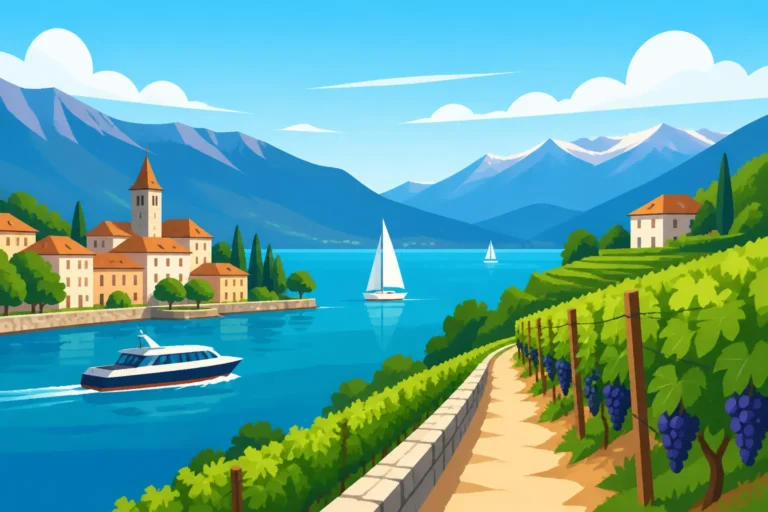
Basel isn't just a Swiss city; it's a geographical marvel, sitting smack-dab in the heart of Europe's "Dreiländereck," or three-country corner. This isn't just a fun fact; it fundamentally shapes daily life here and opens up a world of possibilities for weekend escapes and day trips. You're not just limited to the stunning Swiss landscapes (though those are plentiful!), but you have two entire other countries, with distinct cultures, cuisines, and charm, literally on your doorstep.
Why Basel is the Perfect Base for Cross-Border Adventures
Living in Basel truly gives you a unique advantage for exploring. Imagine being able to grab a croissant in France for breakfast, hike in the German Black Forest by lunchtime, and be back in Switzerland for a traditional Basel Määhdrescher for dinner. This isn't just a fantasy; it's a perfectly achievable day thanks to Basel's incredible connectivity. The city has three main train stations, one specifically for French connections (Basel SNCF), one for German (Basel Badischer Bahnhof, though many long-distance German trains also stop at Basel SBB), and the main Swiss hub (Basel SBB). This means getting out of Switzerland and into another country can sometimes be quicker than traveling to a different Swiss canton!
This easy access to neighboring countries offers a fantastic contrast to Swiss prices and customs. While Switzerland is undeniably gorgeous, it's also famously expensive. A quick hop over the border often means more affordable dining, shopping, and different cultural experiences that enrich your expat life. It’s a chance to immerse yourself in entirely new surroundings without the hassle of long-haul travel, allowing you to experience a broader European culture in bite-sized, manageable chunks. The cultural tapestry here is genuinely fascinating; you're constantly exposed to different nuances, from the German emphasis on efficiency to the French appreciation for leisure and gastronomy.
Navigating Border Crossings and Practicalities
The concept of crossing a border multiple times in a day might feel daunting if you're from a country with strict border controls. However, thanks to the Schengen Area, for most residents (especially EU/EFTA citizens and those with Swiss residence permits), crossing between Switzerland, Germany, and France is remarkably fluid. Often, you won't even notice a border check when driving or taking a local bus or tram. That said, it's absolutely crucial to always carry your passport or valid ID and your Swiss residence permit. While routine checks are rare, they can and do happen, especially on trains or if you're driving. Being caught without your documents can lead to a very long and unpleasant day, potentially causing delays and stress.
One crucial point often overlooked is customs when returning to Switzerland. While it's tempting to stock up on cheaper groceries or a nice bottle of wine in Germany or France, Switzerland is not part of the EU customs union. This means there are strict limits on what you can bring back duty-free, particularly for meat, alcohol, and tobacco. Over the years, I've seen countless expats get caught out by this, resulting in hefty fines at the border. Always check the current limits before you shop, or you'll regret that extra wheel of French cheese! For a detailed look at what you can and can't bring back, you might want to read up on Cross-Border Shopping: Import Duty Limits for Meat, Alcohol, and Cheese. Also, ensure your mobile data plan covers roaming in Germany and France, as Swiss plans often don't include it automatically, or charge exorbitant rates. This is a common expat "oopsie" that can lead to unexpected bills, especially if you're relying on your phone for navigation or last-minute bookings.
Exploring the German Black Forest: Nature, Culture, and Charm
Just a stone's throw from Basel, the Black Forest (Schwarzwald) in Germany is a region of dense pine forests, picturesque villages, and charming traditions. It's a wonderful escape, whether you're looking for serene nature walks, quaint town exploration, or a hearty German meal. The contrast to the Swiss side is immediate: the language shifts subtly, the architecture changes, and the pace feels just a touch different – often a bit more relaxed and, dare I say, slightly less polished than what you might be used to in Switzerland, in a charming way.
Freiburg im Breisgau: A Lively University City
Freiburg is often the first Black Forest destination expats discover from Basel, and for good reason. This vibrant university city is easily accessible, taking just about 35-45 minutes by direct train from Basel Badischer Bahnhof or Basel SBB. It perfectly blends medieval charm with a modern, eco-conscious vibe. As you step out of the train station, you'll immediately notice the city's unique energy, driven by its large student population. The majestic Freiburger Münster, a Gothic cathedral with intricate stonework, dominates the city center and is an absolute must-see. Climb its tower for breathtaking views of the city and the surrounding Black Forest hills, if your legs are up for it!
What truly gives Freiburg its character are the "Bächle" – small, open water-filled gutters that run alongside the streets in the Old Town. Legend has it that if you accidentally step into a Bächle, you'll marry a Freiburger! Beyond the folklore, they're a delightful feature, especially on a warm day, and children absolutely love them. The city is bustling with cafes, restaurants, and shops, offering everything from traditional Black Forest cake (Schwarzwälder Kirschtorte) to modern German cuisine. You can easily spend a full day here just wandering the cobblestone streets, browsing boutiques, and soaking in the relaxed atmosphere. Don't forget to visit the Augustinermuseum for art and history, or simply enjoy a beer in one of the many traditional beer gardens (Biergärten). For planning your train journey, I highly recommend checking out Omio for combined tickets and schedules, it makes life so much easier than navigating multiple national train websites.
Titisee-Neustadt and Lake Titisee: Classic Black Forest Scenery
If your vision of the Black Forest includes shimmering lakes, traditional wooden chalets, and perhaps a giant cuckoo clock or two, then a trip to Titisee-Neustadt and its namesake lake is for you. Located a bit further into the Black Forest, it's about a 1.5 to 2-hour journey from Basel by train, usually involving a change in Freiburg. The journey itself is wonderfully scenic, winding through verdant valleys and dense forests, giving you a real taste of the region. It's a visual treat as you watch the landscape transform.
Lake Titisee is one of the largest natural lakes in the Black Forest and is famous for its crystal-clear water and the dramatic forested hills that surround it. It's a prime spot for leisurely activities: rent a paddleboat or rowboat, take a scenic cruise on the lake, or simply stroll along the bustling promenade. The village itself is openly geared towards tourists, with numerous souvenir shops selling cuckoo clocks, traditional Black Forest crafts, and, of course, more slices of authentic Black Forest cake than you can shake a fork at. While it can feel a bit touristy, the sheer natural beauty of the lake makes it a worthwhile visit, especially on a sunny day. It’s a perfect spot for families, with plenty of ice cream parlors and gentle walking paths that are easy on little legs. You can find tours that combine Titisee with other attractions on platforms like GetYourGuide, which might streamline your visit if you're not keen on navigating public transport multiple times.
Triberg and the Cuckoo Clocks: A Taste of Tradition
For an even deeper dive into Black Forest clichés – in the best possible way! – Triberg is your destination. This charming town is synonymous with cuckoo clocks and is home to the German Cuckoo Clock Museum. Getting there from Basel typically takes around 2 hours by train, often with a change in Freiburg. The train ride up is quite beautiful, offering glimpses of traditional Black Forest houses and stunning landscapes as you ascend into the hills.
Triberg boasts the highest waterfalls in Germany, cascading over seven tiers, which are particularly impressive after heavy rain or during the spring melt. A pleasant walk through the forest paths takes you past these falls, offering various viewpoints and fresh, crisp air. But let's be honest, the real draw here are the cuckoo clocks. You'll find shops galore, showcasing everything from intricate, hand-carved masterpieces that cost a small fortune to smaller, more modern versions that make for lovely souvenirs. Many shops allow you to watch demonstrations of the clock-making process, which is quite fascinating and highlights the incredible craftsmanship. You'll also find the "world's largest cuckoo clock" (or at least, one of them!) here, which is more of a novelty but fun for a photo op. Triberg offers a wonderful glimpse into the traditional craftsmanship and kitsch charm of the Black Forest that is unique to this part of Germany.
Discovering the French Alsace Region: Wine, Villages, and History
Venturing west from Basel, you'll find yourself in the enchanting Alsace region of France. This area has a rich and complex history, having shifted between German and French rule over the centuries, resulting in a truly unique blend of cultures, visible in its architecture, cuisine, and even its dialect. It’s a region of rolling vineyards, picturesque half-timbered houses, and an undeniable fairytale charm that simply captivates. The atmosphere is distinctly French, yet with strong Germanic influences that give it a character found nowhere else.
Colmar: The "Little Venice" of France
Colmar is perhaps the most famous and undeniably picturesque town in Alsace, often referred to as "Little Venice" (Petite Venise) due to its charming canals and colorful houses. From Basel, it's an incredibly easy and scenic train ride, taking just about 30-45 minutes from Basel SNCF or Basel SBB. Stepping into Colmar's Old Town feels like walking onto a movie set – the narrow cobblestone streets, brightly painted half-timbered buildings adorned with vibrant flower boxes, and the gentle canals make it truly magical.
A leisurely boat ride through Petite Venise is a delightful way to see the town from a different perspective and capture some truly stunning photos. Don't miss the Unterlinden Museum, home to the stunning Isenheim Altarpiece, a masterpiece of German Renaissance art, which is much more impressive in person than in any art history book. Colmar also boasts a fantastic culinary scene, offering classic Alsatian dishes like tarte flambée (flammekueche), choucroute (sauerkraut with various meats), and local wines from the surrounding vineyards. If you happen to visit during Christmas, Colmar transforms into one of Europe's most famous and enchanting Christmas markets, a truly unforgettable experience. It’s a place that appeals to romantics, photographers, and anyone looking for a dose of historical beauty.
Eguisheim and Riquewihr: Fairytale Wine Villages
For an even more concentrated dose of Alsatian charm and an immersion into the region's renowned wine culture, a visit to the smaller wine villages like Eguisheim and Riquewihr is highly recommended. These villages are consistently ranked among France's most beautiful and offer a more intimate experience than the larger towns. They are a bit trickier to reach by public transport alone from Basel, often requiring a train to Colmar and then a local bus or taxi. This is where having a car or considering an organized tour (again, GetYourGuide or local tour operators can be very helpful) might be a better option, especially if you want to visit multiple villages in one day and truly explore the wine route at your own pace. If you're planning to drive, remember to review Driving in Switzerland: Licenses, Buying Cars, and Strict Traffic Laws for a quick refresher on Swiss road rules before you cross over into France.
Eguisheim is famous for its concentric, ring-shaped streets that wind around a central castle. It's an incredibly quaint village, perfect for a leisurely stroll and a wine tasting at one of the many local caves (cellars) where you can sample Alsatian Rieslings, Gewürztraminers, and Pinot Gris. Riquewihr is equally stunning, known for its remarkably well-preserved medieval architecture and vibrant floral displays, looking like it's straight out of a storybook. Both villages are surrounded by lush vineyards, offering opportunities for gentle walks and breathtaking views across the Alsatian plain. Visiting these villages feels like stepping back in time, away from the hustle and bustle, allowing you to truly appreciate the winemaking heritage and unique architectural style of Alsace.
Strasbourg: European Capital with Old-World Charm
While a bit further afield, Strasbourg is absolutely doable as a day trip from Basel, though it makes for a longer day and requires an early start. A direct train from Basel SNCF or Basel SBB can get you there in about 1 hour and 15 minutes, whisking you efficiently through the French countryside. Strasbourg serves as the official seat of the European Parliament, giving it a modern political significance that contrasts beautifully with its ancient core. The highlight is undoubtedly the magnificent Cathédrale Notre-Dame de Strasbourg, a Gothic masterpiece with an astronomical clock and stunning stained-glass windows that cast ethereal light into the vast interior. Don't forget to look up at the intricate facade; it's truly a marvel of medieval engineering.
The historic quarter, Petite France, is a UNESCO World Heritage site and a delightful maze of narrow streets, canals, and half-timbered houses that rival Colmar in beauty. It’s an incredibly atmospheric place to explore on foot or by boat, offering endless photo opportunities and charming corners to discover. Beyond the historical sites, Strasbourg offers excellent shopping, a diverse culinary scene with a blend of French and German influences, and numerous museums covering everything from fine arts to Alsatian history. It’s a city that effortlessly blends its Franco-Germanic heritage with its role as a European capital, offering a rich and varied experience for any visitor. If you're considering an overnight stay to truly soak it all in, or even just looking for a good restaurant recommendation, check out Booking.com for options in the city.
Roman History on Your Doorstep: Augusta Raurica
Sometimes, the best adventures are right under your nose, or in this case, just a short tram ride from Basel. Augusta Raurica, nestled in Augst, Switzerland, offers a fascinating journey back to Roman times. Unlike the cross-border trips, this one keeps you firmly in Switzerland, eliminating the need for currency changes or cross-border customs worries, making it a truly stress-free option.
Stepping Back in Time: The Largest Roman Site in Switzerland
Augusta Raurica isn't just a few scattered ruins; it's the most significant and best-preserved Roman archaeological site in Switzerland. Founded around 44 BC, it was once a thriving Roman city with a population of up to 20,000 people. Walking through the open-air museum truly transports you back to ancient times, allowing you to visualize daily life in a Roman provincial town. You'll see the impressive ruins of a Roman theatre, a temple, baths, and the main forum, all incredibly well-preserved and accessible. What makes Augusta Raurica truly special is its accessibility and the way it brings history to life; it's not just a collection of dusty artifacts behind glass, but a sprawling, tangible piece of the past.
The site is meticulously cared for, with information boards in multiple languages (including English, thank goodness!) that provide rich context and historical insights. You can literally walk in the footsteps of Romans, imagining the gladiatorial contests in the amphitheater or the bustling market in the forum. For children and adults alike, it offers a tangible connection to a past that often feels abstract in history books, making history feel much more immediate and real. The sheer scale of the preserved foundations and structures is genuinely impressive, giving you a strong sense of what Roman life was like in this frontier outpost.
What to See and Do at Augusta Raurica
Your visit to Augusta Raurica will likely center around several key areas, each offering a distinct window into Roman life. The Roman House is a meticulously reconstructed Roman villa, complete with period furnishings and tools, offering a vivid insight into domestic life. It’s a fantastic way to see how Romans lived, cooked, and even heated their homes using ingenious underfloor systems. The main museum building houses an extensive collection of archaeological finds from the site, including intricate mosaics, pottery, jewelry, and the spectacular silver treasure of Kaiseraugst, a truly breathtaking hoard of late Roman silver tableware that showcases the wealth and artistry of the era.
Beyond the structured exhibits, simply wandering the expansive grounds is a highlight in itself. The massive Roman theatre is particularly striking and often hosts events and performances, even today, echoing with ancient history. Keep an eye out for the resident animals, like the ancient Roman pig breeds and sheep, which add to the authentic feel of the working farm on site. Depending on the time of year, there are often special events, hands-on workshops (like Roman bread baking or crafting!), or guided tours that further enhance the experience, allowing you to delve deeper into specific aspects of Roman culture. It's a place where history isn't just observed, but actively engaged with, making it a particularly rewarding day trip for all ages.
Practicalities of Visiting the Roman City
Getting to Augusta Raurica from Basel is incredibly straightforward, which makes it a perfect low-effort escape. It's located in Augst, just a short 20-25 minute journey by S-Bahn train (S1 line) from Basel SBB or by tram (Line 3) to the "Augst" stop, followed by a pleasant short walk. This makes it an ideal spontaneous day trip if the weather unexpectedly clears up, or you want a low-stress outing that doesn't involve complex travel planning. Entry fees are quite reasonable, especially compared to many other attractions in Switzerland, and often family discounts are available, making it an accessible cultural experience.
The site is largely open-air, so comfortable walking shoes are a must, and dress appropriately for the weather, be it sunshine or a light drizzle. There are picnic areas available if you want to bring your own lunch and enjoy it amidst ancient ruins, or a small café on site for refreshments and snacks. Allow at least 2-3 hours to explore the main areas thoroughly, and more if you plan to join a tour or have children who love to explore every nook and cranny. It's a fantastic example of Swiss efficiency meeting ancient history, providing a hassle-free and enriching experience right on Basel’s periphery.
Planning Your Cross-Border Day Trips: Logistics and Tips
Venturing across borders for a day trip from Basel is undeniably exciting, but a little preparation goes a long way to ensure a smooth and enjoyable experience. Expats often underestimate the subtle differences in logistics, even within Europe, so let's break down the key planning elements that will make your adventures stress-free.
Transportation Options: Train, Bus, and Car
Choosing your mode of transport is crucial and depends heavily on your destination, budget, and personal preference. Each option has its own set of advantages and considerations.
-
Trains: For many, trains are the most convenient and often fastest option, especially for reaching major cities like Freiburg, Colmar, and Strasbourg. From Basel SBB, you can easily catch Deutsche Bahn (DB) trains to Germany or SNCF trains to France. Basel Badischer Bahnhof primarily serves German routes, acting as a crucial hub for those heading north. The Swiss train system is legendary for its punctuality and efficiency, and these cross-border connections are usually no different, offering comfortable and scenic journeys. If you have a The Half-Fare Travelcard (Halbtax): The Must-Have Pass for Swiss Residents, remember it typically doesn't apply to the German or French portions of your journey, so you'll still pay full price for those segments. However, for the Swiss leg of your trip (e.g., if you're traveling from a Swiss town outside Basel to catch a cross-border train from Basel SBB), it's definitely useful. For bigger, more extensive travel throughout Switzerland, some expats swear by the SBB Travelcards: Is the Generalabonnement (GA) Worth the CHF 4000+ Cost?, but for single day trips across borders, individual tickets or saver tickets purchased in advance are usually more economical. I often use Omio to compare routes and book international train tickets, as it pulls up options from multiple providers, saving a lot of time and hassle.
-
Buses: For certain destinations or if you're looking for a cheaper alternative, long-distance buses (like Flixbus) can be a good option. They depart from Basel Central Station (often near Meret Oppenheim-Strasse) and can take you directly to Freiburg or Strasbourg, though journey times might be slightly longer than trains depending on traffic. Local bus networks, like those mentioned in Public Transport in Basel: BVB, Trams, and the German/French Connections, also connect parts of Basel directly to nearby German or French towns, perfect for quick trips to the immediate border regions for grocery shopping or a local meal without much fuss.
-
Car: Driving offers the most flexibility and independence, especially if you plan to visit multiple smaller villages in Alsace (like Eguisheim and Riquewihr) or explore deeper into the Black Forest, where public transport might be less frequent or require multiple changes. Roads are generally excellent on both sides of the border. However, be mindful of parking availability and costs, especially in city centers, which can add up quickly. Also, remember that different countries have different speed limits, traffic laws, and even road signs. For those bringing their own car, be sure to have all necessary documentation (registration, insurance, valid driver's license). If you're considering renting a car for a specific trip, it’s wise to explore your options with Booking.com or similar platforms, comparing prices and pickup locations to find the best deal. If you are not familiar with driving outside Switzerland, a quick read of Driving in Switzerland: Licenses, Buying Cars, and Strict Traffic Laws might be beneficial before you embark on your cross-border drive.
Currency, Language, and Mobile Data Considerations
These seemingly small details can cause big headaches if not prepared for, often leading to unexpected costs or frustrating communication breakdowns.
- Currency: Both Germany and France use the Euro (€). While many places accept card payments, especially in larger towns and tourist areas, it’s always a good idea to have some cash on hand for smaller shops, market stalls, public toilets, or unexpected situations where card machines might not be available or working. You can easily exchange CHF for EUR at Swiss banks, post offices, or at many SBB train stations, often at much better rates than exchange kiosks at actual border crossings or tourist spots. Don't fall for those last-minute, desperate currency exchanges; plan ahead!
- Language: In the Black Forest, German is spoken. In Alsace, it's French, though you'll often hear Alsatian (a German dialect) and many people, especially those in tourism, speak some English. However, making an effort with a few basic phrases in the local language (Bonjour, Merci, S'il vous plaît in France; Guten Tag, Danke, Bitte in Germany) goes a long way and shows respect for the local culture. It’s a completely different vibe from the Swiss German or Swiss French you might be accustomed to, so don't expect it to be identical! The regional accents and specific vocabulary can sometimes throw you for a loop, but locals appreciate the effort. Check out Swiss Customs and Etiquette: Social Norms Every Newcomer Should Know for some general cross-cultural tips on communication.
- Mobile Data: As mentioned, your Swiss mobile plan likely won't include free roaming in Germany or France (unless it's a specific EU-inclusive plan that you've carefully selected). Verify this before you go! Either purchase a roaming package from your Swiss provider, buy a local SIM card (if you're planning longer or more frequent trips), or rely on Wi-Fi where available. There’s nothing worse than getting lost without GPS or being hit with a huge bill because your phone silently updated apps while you were blissfully unaware. Offline maps are your best friend here!
Seasonal Considerations and Best Times to Visit
Each season offers a different charm for day trips from Basel, fundamentally changing the experience and what you might want to do.
- Spring (March-May): The landscapes burst into bloom, especially the vibrant cherry blossoms around Basel and the rolling vineyards of Alsace. The weather is generally mild and pleasant, perfect for hiking and exploring towns without the intense heat of summer or the large crowds. Easter markets in Germany and France are lovely and offer a unique regional flair.
- Summer (June-August): Long, sunny days are ideal for lake activities in the Black Forest (like swimming or boating on Lake Titisee) or enjoying outdoor dining and café terraces in Alsace. Festivals and outdoor events are common, but so are the tourist crowds, especially in popular spots like Colmar and Titisee. If you're planning to stay overnight or book specific activities, book accommodations or tours in advance if you're using platforms like Booking.com, as popular spots fill up quickly.
- Autumn (September-November): The Black Forest and Alsace turn into a riot of golden and red foliage, creating breathtaking scenery. This is prime harvest season in the wine regions of Alsace, offering unique wine-tasting experiences and fêtes du vin (wine festivals). The weather can be crisp and beautifully clear, perfect for hiking and enjoying the vibrant colors.
- Winter (December-February): Magical Christmas markets are the biggest draw, with Freiburg, Colmar, and Strasbourg offering some of the most famous and enchanting markets in Europe. The Black Forest transforms into a winter wonderland, offering opportunities for snowshoeing, cross-country skiing, or simply enjoying cozy fireside moments. However, some outdoor attractions might have reduced hours or be completely closed due to snow or off-season. This is also a stark contrast to What Shops Are Open on Sundays in Switzerland?, as many places in Germany and France will have special Sunday openings during the festive season, providing a welcome change of pace from quiet Swiss Sundays.
Maximizing Your Basel Day Trip Experience
You’ve got the basics down, now let’s talk about how to make these day trips truly unforgettable. It’s all about smart planning, knowing what you want to get out of your adventure, and embracing the spontaneous moments that always seem to arise when you're exploring new places.
Combining Destinations and Themed Itineraries
One of the great joys of Basel's unique location is the ability to craft highly personalized themed day trips or even combine a couple of nearby spots for a richer experience. This flexibility is truly a gift for expats. For instance, you could envision a "Roman to Medieval" day by visiting Augusta Raurica in the morning, immersing yourself in ancient history, and then heading to Freiburg for the afternoon to explore its Gothic cathedral and vibrant Old Town. Or, perhaps a "Fairytale Villages & Wine" day, pairing the iconic Colmar with a visit to Eguisheim or Riquewihr, perhaps with a pre-booked stop at a vineyard for a delightful wine tasting.
- Black Forest Blend: You could easily combine Freiburg's lively city charm with a picturesque lake experience at Titisee in a single, albeit long, day. Start early in Freiburg, explore the majestic Münster and the charming Bächle, grab a traditional German lunch, then take the scenic train to Titisee for an afternoon boat ride and a well-deserved slice of Black Forest cake. It’s a day of delightful contrasts between urban energy and natural serenity.
- Alsatian Charm Tour: A classic and highly recommended combination is Colmar and one of the quintessential wine villages like Eguisheim. Take an early train to Colmar, soak in the beauty of Petite Venise, then either take a local bus, taxi, or a pre-booked tour to Eguisheim for a more intimate village experience and perhaps a wine tasting directly from a local vintner. This kind of multi-stop trip usually benefits greatly from having a car for maximum flexibility or joining a well-organized tour found on platforms like GetYourGuide for seamless transitions between these enchanting locations.
Remember, trying to cram too much into one day can lead to exhaustion rather than enjoyment. It’s often better to choose one or two key experiences and savor them, allowing for unexpected discoveries, rather than rushing through five different towns just to tick boxes off a list. Pick a theme that genuinely interests you, allow for flexibility, and most importantly, enjoy the journey and the unique cultural immersion!
Essential Packing List for Cross-Border Adventures
Packing smart is key to a comfortable and stress-free day trip. There's nothing worse than being caught unprepared across a border! Here’s a basic list to keep in mind, honed by years of cross-border living:
- Identification & Documents: Absolutely non-negotiable! Always carry your passport/ID, your Swiss residence permit (the actual card, not just a copy), your driver’s license (if driving), train/bus tickets (digital or printed), and crucially, your European Health Insurance Card (EHIC). This last one is vital; while your basic KVG health insurance generally covers emergencies abroad, the EHIC simplifies things and ensures you receive care in the EU/EFTA as if you were a local. For a deeper dive into what your Swiss health insurance covers when you're out of the country, it's really worth understanding Travel Health Insurance for Trips Outside Switzerland: What KVG Covers Abroad and exactly what the European Health Insurance Card (EHIC) Equivalent for Swiss Residents provides.
- Clothing: Layers are your best friend, regardless of the season. Basel’s weather can be notoriously changeable, and temperatures can vary significantly between valley towns and higher elevations in the Black Forest or even between a sunny and a shaded street in Alsace. Comfortable walking shoes are non-negotiable – you’ll be doing a lot of exploring on cobblestones and uneven paths, so leave the fancy footwear for the evenings.
- Money: Euros (cash) for smaller purchases, market stalls, and public transport where cards aren't accepted, plus your credit/debit cards for larger transactions. Always have a bit of both!
- Essentials: A small, comfortable backpack for water, snacks, a reusable shopping bag (especially if you plan to do some cross-border shopping!), a portable power bank for your phone (GPS drains battery fast!), and a camera to capture those stunning moments. Don't forget any necessary medications you might need.
- Navigation: While your phone's GPS is incredibly useful, consider having an offline map downloaded (like Google Maps offline areas), just in case mobile data is spotty or you want to save battery. A small guide book can also be handy for historical context and local tips, providing a screen-free alternative.
A little planning on these fronts will ensure you can relax, feel secure, and truly soak in the unique and diverse experiences that the Black Forest, Alsace, and Augusta Raurica offer right on Basel's doorstep.
Day Trip Comparison: Black Forest vs. Alsace
To help you decide where to head first, here's a quick comparison of the two main cross-border regions accessible from Basel, highlighting their distinct characteristics:
| Feature | Black Forest (Germany) | Alsace (France) |
|---|---|---|
| Typical Travel Time from Basel | 35 mins (Freiburg) to 2 hours (Triberg/Titisee) by train | 30 mins (Colmar) to 1h 15 mins (Strasbourg) by train |
| Primary Vibe | Nature-focused, traditional German charm, hiking, cuckoo clocks, hearty cuisine | Fairytale villages, wine culture, Franco-Germanic blend, canals, gourmet food |
| Main Attractions | Freiburg (cathedral, Bächle, university life), Lake Titisee (scenic lake, watersports), Triberg Waterfalls, numerous cuckoo clock shops | Colmar (Petite Venise, Unterlinden Museum), Eguisheim/Riquewihr (charming wine villages), Strasbourg (cathedral, Petite France, European institutions) |
| Language | German (standard German is spoken, a distinct shift from Swiss German) | French (with Alsatian dialect influences, many in tourist areas also speak English or German) |
| Currency | Euro (€) | Euro (€) |
| Food Highlights | Black Forest Cake (Schwarzwälder Kirschtorte), Maultaschen (dumplings), various sausages, excellent regional beers, hearty German comfort food | Tarte Flambée (Flammekueche, thin-crust pizza-like dish), Choucroute (sauerkraut with various meats), exquisite local wines, patisseries, classic French cuisine |
| Best For | Nature lovers, families seeking outdoor activities, those interested in traditional German culture and crafts, hiking enthusiasts | Romantics, photographers, wine enthusiasts, history buffs, those seeking picturesque village charm and gourmet experiences |
| Public Transport Access | Very good to cities like Freiburg, good to Titisee, decent to Triberg (involving changes) | Very good to major cities like Colmar/Strasbourg, less direct and more challenging to smaller wine villages without multiple connections |
| Driving Advantage | Good for exploring smaller towns, driving scenic routes deeper into the forest, accessing trailheads | Highly recommended for visiting multiple wine villages with ease along the wine route, and exploring hidden gems |
Disclaimer
The information provided in this guide is intended for general informational purposes only and is subject to change. While we strive to ensure accuracy, regulations, opening hours, prices, and travel conditions can vary significantly. It is always recommended to check the latest information with official sources, local authorities, and service providers (e.g., train companies, museums, tour operators) before making any travel plans. Travel rules and restrictions, especially concerning border crossings, health requirements, and customs allowances, can change rapidly, so staying informed via official government websites is crucial. We assume no liability for any reliance on the information provided herein.