Fondue and Raclette Culture: How and When the Swiss Eat Them
Ah, Fondue and Raclette! If you’ve just arrived in Switzerland, or even if you've been here a while but only ever seen them on tourist menus, you might feel a bit overwhelmed by these national dishes. They're far more than just melted cheese; they’re an integral part of Swiss culture, a cornerstone of social gatherings, and a delicious rite of passage for every newcomer. This guide is here to demystify these cheesy delights, explaining not just what they are, but how and when the Swiss truly eat them, so you can join in like a seasoned local.
The Heart of Swiss Culture: What Are Fondue and Raclette?
For many expats, Swiss cuisine can sometimes feel a little… subtle. But when it comes to fondue and raclette, subtlety goes right out the window! These dishes are bold, communal, and undeniably Swiss, embodying a spirit of gathering and shared enjoyment. It’s not just about the food; it's about the experience, the conversations, and the cozy warmth they bring, especially during those long, chilly Swiss winters.
Fondue: The Communal Pot of Gold
Imagine a bubbling pot of liquid gold, right in the middle of your table, inviting everyone to dip in. That, my friends, is fondue. Derived from the French word fondre (to melt), this dish has ancient roots as a way for mountain farmers to use hardened cheese and stale bread during winter months when fresh food was scarce. It’s a genius invention born out of necessity, transformed into a national treasure.
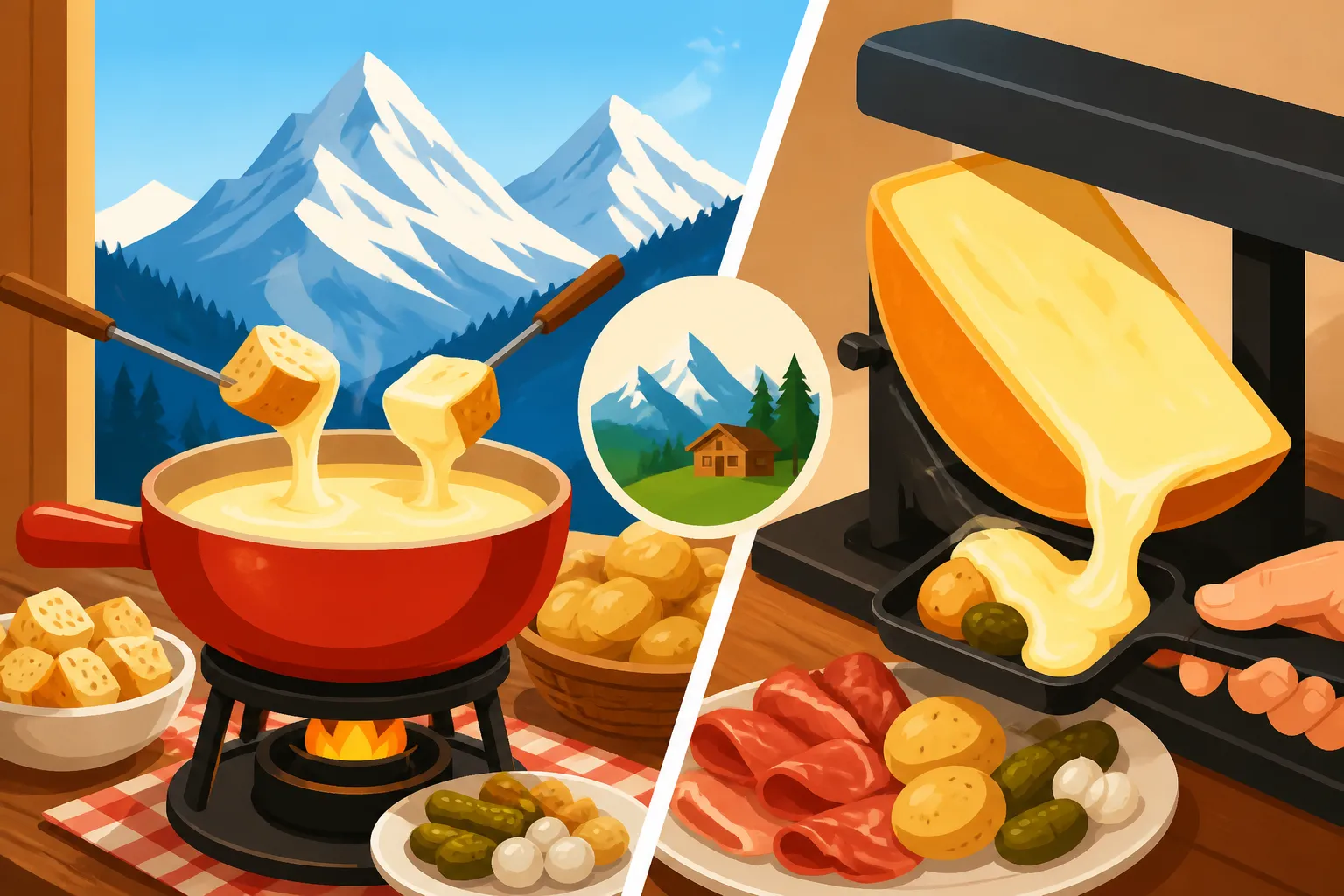
The classic Swiss cheese fondue, Neuchâteloise, Moitié-Moitié (half-and-half), or Fribourgeoise, is typically made from a blend of hard and semi-hard cheeses like Gruyère, Emmental, and Vacherin Fribourgeois, melted with white wine, a touch of kirsch (cherry brandy), and a hint of garlic and cornstarch to thicken. It’s served in a special ceramic pot called a caquelon, kept warm over a small burner. The ritual involves spearing a piece of bread, or sometimes small boiled potatoes, onto a long fork and swirling it into the creamy, aromatic cheese. It’s a dish that demands participation and conversation, making it a perfect social lubricant. Trying to understand the nuances of this quintessential meal will give you a real taste of the local way of life and complements beautifully with an understanding of the broader Swiss Food and Drink Culture: Regional Specialties and Dining Etiquette.
Raclette: The Personal Grilling Extravaganza
If fondue is about sharing one communal pot, raclette is about individual cheesy indulgence. The name "raclette" comes from the French word racler, meaning "to scrape," which perfectly describes how this dish is traditionally eaten. Originally, a half-wheel of raclette cheese was held up to an open fire, and as the surface melted, it was scraped directly onto plates of boiled potatoes, pickles, and pickled onions.
Today, while you can still find traditional setups, the most common raclette experience involves a tabletop raclette grill. Each diner has a small, non-stick pan (a coupelle) to melt their own slice of raclette cheese, while potatoes boil in a separate pot. The grill usually has a top plate for grilling other items like bacon, ham, or vegetables. The beauty of raclette is its customizable nature: you melt your cheese, add your toppings, and build your perfect bite. It’s a relaxed, drawn-out meal, allowing everyone to cook at their own pace and savor the experience. This DIY approach, where everyone engages with their food, is deeply rooted in Swiss communal traditions, much like many aspects of everyday life you might discover through our guide on Swiss Customs and Etiquette: Social Norms Every Newcomer Should Know.
Deciphering the Fondue Experience: Types, Etiquette, and When to Indulge
Stepping into a Swiss restaurant for fondue can feel like entering a secret society with unwritten rules. Don't worry, it’s not as intimidating as it seems, but a little insider knowledge goes a long way in enjoying the experience and avoiding any cultural faux pas.
Navigating the Fondue Menu: Beyond Basic Cheese
While cheese fondue reigns supreme, it’s worth knowing there are other varieties, though less common for expats to encounter first.
- Cheese Fondue (Käsefondue): This is the one you’re probably thinking of. As mentioned, blends vary by region. Moitié-Moitié (half Gruyère, half Vacherin Fribourgeois) is a popular choice, particularly in the French-speaking parts. Fribourg is known for its pure Vacherin fondue, which is creamy and milder. Appenzell offers a stronger, spicier version featuring its eponymous cheese. Don't be afraid to ask your waiter about the specific cheese blend used; they're usually proud to share!
- Fondue Chinoise (Meat Fondue): This isn't cheese at all! Thinly sliced raw meat (beef, chicken, or sometimes venison) is cooked in a simmering broth at the table. Diners dip the cooked meat into various sauces. It's lighter than cheese fondue but still very communal.
- Fondue Bourguignonne (Oil Fondue): Another non-cheese option, this involves cooking cubes of meat in a pot of hot oil. It's richer and less common than Chinoise, often served with fries and sauces.
- Chocolate Fondue: The sweet ending! Pieces of fruit, marshmallows, or pastry are dipped into melted chocolate. Definitely a dessert, not a main course, though I've seen tourists try to make it one.
When looking for an authentic experience, especially during cooler months, many traditional Swiss eateries will prominently feature the classic cheese fondue. If you’re planning a trip to the mountains, remember to consult platforms like Booking.com to find cozy accommodations near these culinary hotspots, ensuring you’re right in the heart of cheesy goodness after a day of exploring.
The Unwritten Rules: Fondue Etiquette
Yes, there are rules. And yes, the Swiss will notice if you break them, often with a good-natured chuckle, but sometimes with a subtle eyebrow raise!
- Stirring is Key: When you dip your bread, give it a little swirl in the pot. This helps keep the cheese from sticking to the bottom and burning, and ensures everyone gets a smooth, creamy dip. Think of it as contributing to the communal good.
- No Double Dipping: This is universal, right? One dip, one bite. Resist the urge to go back for more with the same piece of bread.
- The Lost Bread Penalty: Ah, the most famous fondue rule! If you drop your piece of bread into the pot, tradition dictates a "penalty." This could be anything from buying the next round of drinks, sharing a kiss with the person next to you (if appropriate!), singing a song, or telling a joke. It’s all in good fun, but it keeps everyone a little more careful.
- The Right Fork: You'll typically get two forks: a long, thin fondue fork for dipping and a regular eating fork. Use the fondue fork for dipping and transferring your cheese-laden bread to your plate, then switch to your regular fork to eat it. Never eat directly from the fondue fork – it's been in the communal pot!
- Don't Drink Cold Water: This is an old Swiss wives' tale, but many still believe it. The theory is that cold water will solidify the cheese in your stomach, leading to indigestion. Instead, wine (often the same white wine used in the fondue), tea, or kirsch are the preferred beverages. Kirsch, especially, is believed to aid digestion.
- The Religieuse (or Croûton): Towards the end, when the cheese has caramelized and browned at the bottom of the caquelon, this crispy, savory crust is scraped off and shared. It's called the religieuse (nun) or croûton and is considered a delicacy – a final, delicious reward.
It might sound like a lot, but honestly, it becomes second nature quickly. The key is to relax, enjoy the company, and let the cheesy magic unfold.
When to Dig In: Fondue Seasons and Occasions
While you can technically find fondue year-round, it truly shines when the mercury drops.
- Winter Warmer: Fondue is the quintessential winter dish. It’s perfect after a day of skiing or hiking in the snow, bringing warmth and comfort. Many mountain huts and ski resorts feature fondue prominently on their menus during the Switzerland in Winter: Snow Sports, Markets, and Alpine Towns season.
- Cozy Evenings at Home: It’s a fantastic meal for entertaining friends at home. It’s relatively easy to prepare, and once the pot is on the table, it requires minimal host intervention, allowing for maximum social interaction.
- New Year's Eve/Christmas: Fondue, particularly Fondue Chinoise, is a very popular choice for New Year's Eve, often served as a lighter alternative to heavier holiday meals. Christmas gatherings also see their fair share of cheesy pots.
- Anytime, Really: While winter is prime time, don't let that stop you. I’ve enjoyed fondue on a cool summer evening by a lake, or even as a unique experience in a city restaurant. Just know that traditionally, it's a cold-weather comfort.
Embracing Raclette: The DIY Delight, Its Variations, and Social Charm
Raclette is the other big hitter in the Swiss cheese canon, and it offers a slightly different, perhaps less intimidating, communal dining experience. It's a bit more "come as you are," though no less cherished.
The Raclette Table: What Goes With That Melted Cheese?
The beauty of raclette lies in its simplicity and the endless combinations you can create. The star, of course, is the cheese. Raclette cheese itself is a semi-hard, savory cheese, specifically designed to melt beautifully. You'll often find it as plain raclette, or sometimes smoked, peppered, or with herbs.
Here’s what typically adorns a Swiss raclette table:
- Boiled Potatoes: Small, waxy potatoes are a non-negotiable side. The hot, melted cheese is scraped directly onto them.
- Pickles (Cornichons): The sharp, tangy crunch of pickled gherkins is the perfect counterpoint to the rich cheese.
- Pickled Onions (Silberzwiebeln): Small, sweet, and tangy, these add another layer of flavor and texture.
- Cold Meats (Charcuterie): Thinly sliced air-dried meats like Grison beef (Bündnerfleisch), raw ham, and Salsiz are very common. Some people also enjoy bacon, which can be fried on the top grill.
- Vegetables: While not traditional, it's becoming more popular to include bell peppers, mushrooms, corn, or even pineapple chunks for grilling on the top plate.
- Spices: A small selection of pepper, paprika, or raclette spice blends (often containing paprika, garlic, and herbs) allows diners to season their cheese to taste.
The variety of accompanying items and the freedom to mix and match make raclette a truly interactive meal. You are the chef of your own cheesy destiny!
Raclette Variations: Beyond the Classic Wheel
While the traditional scraping from a half-wheel of cheese is iconic, most home raclette meals utilize electric tabletop grills.
- Tabletop Grill: This is the most common setup. An electric grill with individual coupelles below and a hot plate on top. It’s clean, easy, and allows everyone to participate simultaneously. You simply lay a slice of raclette cheese in your coupelle, slide it under the heating element, and watch it melt.
- Traditional Scraper: If you’re lucky enough to have friends with a proper raclette apparatus, you might experience the more traditional setup where a large piece of cheese is heated by a dedicated raclette machine, and the melted layer is scraped off. This is particularly popular in the Valais region, the spiritual home of raclette.
- Cheese Choices: While pure raclette cheese is the standard, don't be afraid to experiment. Sometimes, you'll find different flavored raclettes (paprika, garlic, truffle), or even mix in a bit of another melting cheese like a softer Gruyère or Tilsiter if you're feeling adventurous. When doing your grocery run for this, you'll find these cheeses readily available in the larger Swiss supermarkets. Check out our guide on Grocery Shopping: Coop, Migros, Aldi, Lidl, and Denner Compared to find the best places to source your ingredients.
The Social Charm of Raclette
Raclette is inherently social. It's not a meal you rush. The slow pace of melting cheese, grilling small portions, and preparing each bite encourages conversation and laughter.
- No Pressure, Just Melt: Unlike fondue, there’s no penalty for dropping your cheese (though it can be a bit messy!). It’s a very forgiving meal, perfect for relaxed gatherings.
- Build Your Own: Everyone gets to choose exactly what they want. Picky eaters, adventurous foodies, vegetarians – raclette caters to all. You can have a different combination with every coupelle.
- Long Evenings: Expect raclette to be a multi-hour affair. It's meant to be savored, with plenty of breaks for chatter and perhaps a round of card games. This makes it ideal for a relaxed weekend evening with friends or family. For those seeking cultural activities after a hearty meal, or even before, a platform like GetYourGuide can help you discover local tours or experiences that perfectly complement a Swiss culinary adventure.
Seasonal Sensations: When to Enjoy These Cheesy Delights
While both fondue and raclette are comforting, hearty meals, their seasonality is often dictated by tradition, weather, and availability. Understanding this can help you appreciate them even more.
Winter is for Warming Up
There's no doubt that cold weather and these melted cheese dishes are a match made in heaven. The chill in the air practically begs for the warmth of a bubbling caquelon or the sizzle of a raclette grill.
- Post-Ski Indulgence: After a long day on the slopes, there’s nothing quite like gathering around a fondue pot or raclette grill. The rich, fatty cheese helps replenish energy and warms you from the inside out. This is a common scene in popular ski resorts throughout the Swiss Alps.
- Holiday Feasts: As mentioned, both are popular for Christmas and New Year's celebrations. They offer a festive, communal meal that feels special without requiring hours in the kitchen for the host (once everything is prepped).
- Market Atmosphere: During the Christmas market season, you'll often find outdoor fondue chalets or raclette stands serving up quick, delicious portions. Imagine a piping hot raclette sandwich on a chilly evening – pure bliss!
You’ll find specialized fondue and raclette restaurants in cities like Zurich, Geneva, and Lucerne, particularly thriving during the winter months. Many mountain restaurants also have a reputation for serving exceptional cheese fondue, making it a great reason to hop on a train and explore the country. If you are looking for easy ways to navigate Switzerland's extensive public transport system for such excursions, checking out Omio for train and bus tickets can simplify your travel planning.
Summer Surprises and Year-Round Availability
While less common, it’s not unheard of to enjoy these dishes outside of winter.
- Cool Summer Evenings: Switzerland's summers can have surprisingly cool evenings, especially in the mountains. A fondue on a patio overlooking a lake as the sun sets can be a unique and delightful experience. Some lakeside restaurants even offer it.
- Tourist Demand: In heavily touristed areas, you’ll find fondue and raclette available all year round, simply because visitors expect to try these iconic dishes. Don't feel pressured to only eat them in winter if you have a craving outside the traditional season.
- Special Occasions: For a special birthday or anniversary, any time of year can be a good time to pull out the fondue pot or raclette grill at home, especially if you have guests who have never tried it.
Fondue vs. Raclette: A Quick Comparison
| Feature | Fondue (Käsefondue) | Raclette |
|---|---|---|
| Preparation | Large communal pot, cheese melted with wine/kirsch. | Individual small pans for melting cheese, tabletop grill. |
| Core Ingredients | Melted cheese (Gruyère, Vacherin, Emmental), white wine, kirsch, garlic. | Raclette cheese, boiled potatoes. |
| Main Accompaniments | Cubed bread (sometimes small potatoes). | Boiled potatoes, pickles, pickled onions, cold meats. |
| Eating Style | Everyone dips into one central pot with long forks. | Individual portions melted and scraped onto plates. |
| Social Aspect | Highly communal, rules (e.g., lost bread penalty). | Relaxed, interactive, customizable, drawn-out. |
| Traditional Season | Primarily winter, colder months. | Primarily winter, colder months. |
| Required Equipment | Caquelon (fondue pot), burner, long fondue forks. | Raclette grill, coupelles (small pans). |
| Cleanup | Easier (one pot, though often requires soaking). | More involved (many small pans, grill plate). |
| Leftovers | Less common, cheese can be solidified into the religieuse. | Cooked potatoes, leftover cheese slices, cold meats. |
Beyond the Basics: Where to Savor Authentic Experiences
Now that you're well-versed in the what and how, let's talk about the where. Finding an authentic fondue or raclette experience can range from a cozy restaurant in the city to a rustic mountain hut.
Iconic Restaurants and Hidden Gems
Many Swiss cities boast fantastic restaurants dedicated to these cheesy delights.
- Zurich: Areas like Niederdorf in the Old Town have several traditional fondue restaurants, often with charming, rustic decor. Look for places that specialize in fondue and raclette, rather than just offering it as one of many tourist dishes. Restaurants like Le Dézaley or Chäsalp are often recommended.
- Geneva: Being in the French-speaking region, Geneva has a strong fondue tradition. Head to the old town for classic spots, or explore some of the more modern interpretations. The Pints of Geneva and Bains des Pâquis offer unique experiences.
- Lucerne: Near the lake and mountains, Lucerne has many options. Some restaurants even offer "fondue cruises" on Lake Lucerne, combining stunning scenery with melted cheese.
- Valais: If you're serious about raclette, a trip to the Valais canton is a must. This is its homeland, and you'll find places where they still scrape the cheese directly from a half-wheel over an open fire. Sion and the smaller villages are great places to seek this out. The Valais is also famous for its Regional Swiss Cheeses: Gruyère, Emmental, Appenzeller, and More, so you're in for a treat.
- Mountain Huts (Berghütten): For the ultimate immersive experience, hike or take a cable car up to a Berghütte. These rustic mountain restaurants often serve incredibly hearty and delicious fondue, sometimes with their own unique regional cheese blends, offering stunning views alongside your meal. Check out our guide on Mountain Railways and Cable Cars: Reaching Switzerland's Peaks for tips on accessing these elevated dining experiences.
When choosing a restaurant, sometimes the best places are the ones recommended by a local. Don't be shy to ask a Swiss colleague or friend where they go for their favorite cheesy fix.
Organised Tours and Experiences
For those who prefer a guided introduction to Swiss culinary traditions, there are many tours available.
- Food Tours: Many cities offer food walking tours that might include a stop for fondue or raclette, or at least explain their history and cultural significance.
- Culinary Workshops: Some regions, particularly Fribourg (known for Vacherin fondue), offer workshops where you learn to make your own cheese fondue from scratch, often followed by a tasting.
- Specialty Events: Keep an eye out for special fondue or raclette events, especially during winter festivals or Christmas markets. These pop-up experiences can be a fantastic way to try the dishes in a festive setting.
For example, a quick search on GetYourGuide will often reveal fondue-focused experiences, from boat cruises with cheese to guided dinners, taking the guesswork out of finding a good spot. This can be particularly helpful if you're a new arrival and still navigating the language and customs.
Bringing the Cheese Home: DIY Tips and Troubleshooting
While eating out is lovely, fondue and raclette are truly household staples in Switzerland. Many families own their own equipment, and hosting a cheesy dinner at home is a popular pastime. It’s also a fantastic way to save a bit of money, as restaurant prices for these dishes can add up quickly.
Essential Equipment and Where to Buy It
If you plan to host your own cheese feast, you'll need the right tools:
- Fondue:
- Caquelon: The fondue pot itself. Ceramic is classic and ideal for cheese fondue as it retains heat well and prevents burning.
- Rechaud: The stand with a burner (usually gel fuel or spirit lamp) that keeps the fondue hot at the table.
- Fondue Forks: Long, thin forks with usually two prongs. Get a set with different colored handles so everyone knows which fork is theirs!
- Raclette:
- Raclette Grill: The electric tabletop unit with individual coupelles and a top grilling plate. You can find these everywhere from electronics stores like Fust to larger supermarkets like Coop City or Migros, and online retailers like Galaxus.
- Small Spatulas: Often included with the grill, these wooden or plastic spatulas help scrape the melted cheese from the coupelle.
You can find all this equipment at most larger department stores (like Manor), electronics retailers, or even larger supermarkets during the autumn and winter months. For second-hand options, which are excellent for saving money, check out Brockenhäuser (thrift stores) or online marketplaces like Tutti.ch.
Sourcing Ingredients and Preparing Your Feast
Getting the right ingredients is half the battle, and luckily, they're abundant in Switzerland.
- Cheese: Your local Coop or Migros will have pre-packaged fondue mixes (often labeled mélange or spécialité fondue) that are perfectly good. You can also ask at the cheese counter for a custom blend; just specify if you want Moitié-Moitié or a specific type of cheese like Vacherin Fribourgeois. For raclette, look for blocks or pre-sliced raclette cheese in the dairy aisle. If you are keen on buying the specific cheeses, make sure you know the difference in price and quality, as highlighted in our guide Regional Swiss Cheeses: Gruyère, Emmental, Appenzeller, and More.
- Wine: For fondue, use a dry white wine, preferably one from Switzerland like a Fendant from Valais or a Chasselas from Vaud. And, most importantly, use the same wine for drinking!
- Bread: Day-old crusty white bread is ideal. Cut it into bite-sized cubes with a good amount of crust on each piece, so it holds up to dipping.
- Kirsch: A splash of cherry brandy added at the end of the fondue preparation (and optionally served alongside for digestion) adds a lovely aroma.
- Sides: Pickles, pickled onions, and small boiled potatoes are easy to find at any supermarket. Don't forget your favorite charcuterie for raclette!
Fondue Recipe (Basic Moitié-Moitié)
- Rub the Caquelon: Cut a garlic clove in half and rub the inside of your caquelon thoroughly.
- Heat the Wine: Pour about 300ml of dry white wine into the pot and gently heat it on the stovetop until simmering, but not boiling.
- Add Cheese: Gradually add 400g of grated Gruyère and 400g of Vacherin Fribourgeois (or your preferred blend) to the wine, stirring continuously in a figure-eight motion with a wooden spoon until all the cheese is melted and smooth.
- Thicken (Optional): If needed, mix a teaspoon of cornstarch with a tablespoon of kirsch and stir into the fondue to thicken.
- Add Kirsch & Pepper: Stir in a shot (about 30-50ml) of kirsch and a generous grind of black pepper.
- Transfer: Move the caquelon to the rechaud on your table, ensuring the flame keeps it at a gentle simmer. Serve with cubed bread.
Troubleshooting Common Cheesy Problems
Even seasoned fondue makers run into issues. Here are a few common ones:
- Fondue is Too Thick: Add a little more warm wine, stirring vigorously, until it reaches the desired consistency.
- Fondue is Too Thin: This usually means you didn't add enough cornstarch or the cheese wasn't the right kind. Mix a bit more cornstarch with kirsch or wine, stir it in, and heat gently.
- Fondue is Lumpy/Separated: This is often due to overheating, using cold cheese in hot wine, or not stirring enough. If it's separated, try removing it from the heat, adding a teaspoon of lemon juice or a pinch of baking soda, and whisking vigorously until it comes back together. Sometimes, a tiny bit of pre-mixed fondue from the supermarket can also act as an emulsifier.
- Raclette Cheese Won't Melt Evenly: Ensure your grill is preheated sufficiently. Some raclette cheeses melt faster than others, so be patient. If your cheese is too thick, try thinner slices next time.
- Cleaning the Caquelon: The cheese crust can be stubborn! Fill the caquelon with cold water and let it soak overnight. The next day, the crust should lift off easily with a wooden or plastic scraper. Avoid harsh abrasives that could damage the ceramic.
With a little practice, hosting a fondue or raclette night at home will become second nature, allowing you to fully immerse yourself in these wonderful Swiss culinary traditions. And when you decide to take your newfound appreciation on the road, exploring Switzerland's beautiful regions, remember that our guide to Day Trips by Train: The Best Swiss Destinations Within Two Hours can help you find your next cheesy adventure.
Disclaimer
The information provided in this guide is for general informational purposes only and does not constitute professional advice. While we strive to ensure the accuracy and timeliness of the content, culinary traditions and regulations can change. Always verify information with official sources or local experts. We cannot be held responsible for any outcomes resulting from the use of this information.