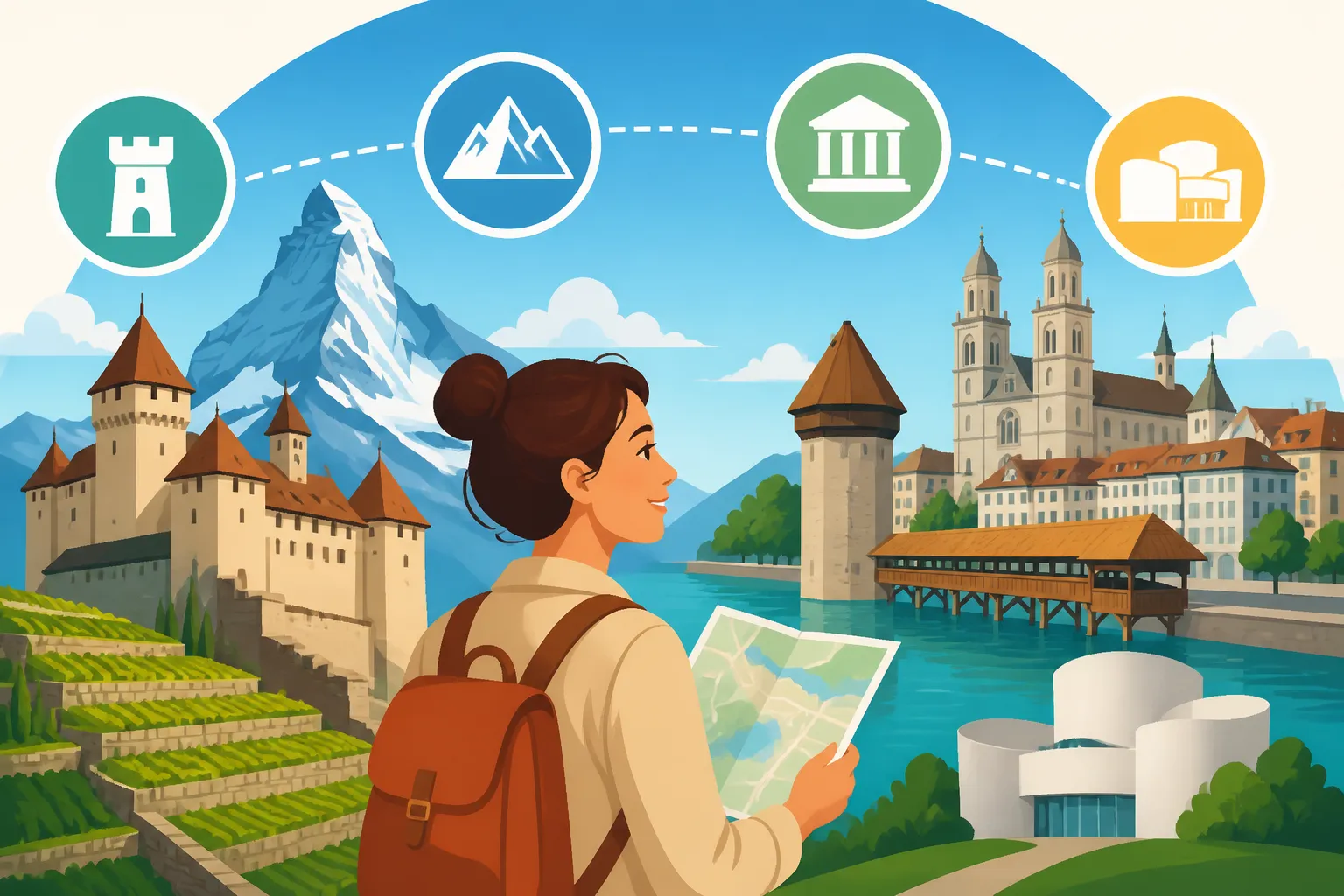
Switzerland’s UNESCO Sites: Planning Visits as a Resident
Living in Switzerland, you're constantly surrounded by breathtaking beauty, but it can feel a bit overwhelming trying to figure out how to genuinely explore it beyond the typical tourist hotspots. Many of us expats want to delve deeper, to really understand the soul of this country, and the 13 UNESCO World Heritage Sites offer just that: a unique gateway to Switzerland's most globally significant natural and cultural treasures, often with a local's perspective in mind. This guide is all about how to plan those visits, not as a fleeting visitor, but as someone who calls this incredible country home.
What Makes a UNESCO Site Special in Switzerland?
When you hear "UNESCO World Heritage Site," it’s easy to just think "another pretty place." But for us residents, it's so much more than that. These aren't just scenic spots; they are places recognized by the United Nations Educational, Scientific and Cultural Organization for their outstanding universal value to humanity. They tell a story, preserve a natural wonder, or embody a significant cultural achievement that resonates across the globe.
The Concept of Universal Value and Swiss Heritage
Switzerland, despite its compact size, boasts an impressive array of these sites, encompassing everything from ancient Roman settlements to modern architectural marvels, from pristine Alpine landscapes to meticulously cultivated vineyards. The "universal value" isn't just a fancy phrase; it means these places are considered so important that their preservation is vital for all of humanity, for future generations. It’s a pretty heavy designation when you think about it.
For us, as expats, exploring these sites offers an unparalleled opportunity to truly connect with Switzerland's multifaceted identity. It’s a chance to peel back the layers of the picture-postcard views and understand the historical, geological, or cultural processes that shaped the very land and people around us. For instance, standing amidst the towering peaks of the Jungfrau-Aletsch region, you're not just seeing mountains; you're witnessing the raw power of glaciology and climate change unfold before your eyes. It’s a living, breathing history lesson.
Beyond the Postcard: Deeper Connections to Swiss Culture
While tourists often rush through these sites, ticking them off a list, as residents, we have the luxury of taking our time, revisiting, and exploring them with a deeper curiosity. We can go beyond the main viewing platforms and seek out the lesser-known trails or local eateries that offer a more authentic experience. This deeper connection fosters a sense of belonging, transforming these global heritage sites into personal landmarks in our own Swiss journey.
Think about it: instead of just snapping a photo of the iconic Lavaux vineyards, you can spend an entire afternoon hiking through them, stopping at a small caveau for a wine tasting, or enjoying a picnic with a view of Lake Geneva. It’s about immersion, not just observation. These sites become anchors to our adopted home, offering stories and experiences that enrich our daily lives here.
Navigating Switzerland's Diverse UNESCO Landscape
Switzerland's UNESCO sites are incredibly diverse, spanning natural wonders, ancient archaeological sites, and impressive feats of engineering. As residents, we have the distinct advantage of being able to explore these at our leisure, allowing us to truly appreciate their unique characteristics without the pressure of a tight travel schedule.
Natural Wonders: From Glaciers to Ancient Beeches
Perhaps the most awe-inspiring category of Swiss UNESCO sites are its natural wonders. The Swiss Alps Jungfrau-Aletsch, for example, is a massive protected area that showcases the stunning beauty of the high Alps, including the largest glacier in the Eurasian continent, the Aletsch Glacier. It’s a dramatic landscape of rock, ice, and snow, vital for scientific research and a humbling experience for any visitor. As residents, we can plan multiple trips, perhaps focusing on different hiking trails or visiting at various times of the year to see the seasonal changes.
Then there are the Ancient and Primeval Beech Forests of the Carpathians and Other Regions of Europe, with Swiss components primarily in canton Ticino and Solothurn. These are remnants of vast primeval forests that once covered Europe, offering a glimpse into untouched nature. While less dramatic than the Alps, they provide a serene escape and a profound connection to the continent's ecological past. Getting to these might require a bit more local knowledge, but that's exactly what makes it a resident's adventure.
Cultural Tapestries: Cities, Vineyards, and Railways
The cultural sites are where Switzerland's human story truly shines. You have the Old City of Bern, a beautifully preserved medieval city centre that feels like stepping back in time, all within easy walking distance. It's not just a collection of old buildings; it's a living, breathing capital city, and wandering its arcaded streets can feel like a daily discovery for those who live nearby or are visiting for the day.
The Lavaux Vineyard Terraces, stretching along the shores of Lake Geneva, are another gem. These terraced vineyards, carved into the hillsides over centuries, are a testament to human ingenuity and a breathtaking landscape. It's a place where you can easily spend a full day, hiking through the vines, enjoying local wines, and soaking in the panoramic views of the lake and mountains. You can find more detailed tips for exploring this region in our guide on Lake Geneva (Lac Léman): Towns, Boats, and Vineyard Walks.
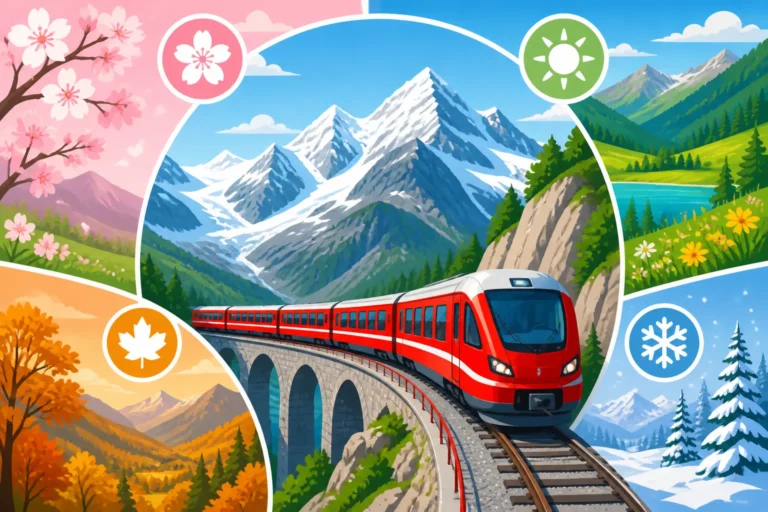
And let's not forget the incredible feats of engineering. The Rhaetian Railway in the Albula / Bernina Landscapes is not just a mode of transport; it's an experience in itself. This narrow-gauge railway weaves through dramatic Alpine scenery, over impressive viaducts and through spiraling tunnels, a marvel of early 20th-century railway construction. For those who enjoy scenic train journeys, consider reading our insights on The Glacier Express: Booking, Routes, and Is It Worth It for Residents and The Bernina Express: Crossing the Alps to Italy by Scenic Train, which traverse parts of this stunning route.
Logistical Considerations: Getting There by Public Transport
One of the greatest joys of living in Switzerland is the unparalleled public transport system. For most UNESCO sites, getting there by train or bus is not just feasible, but often the most enjoyable way to travel. The SBB network is so comprehensive that you rarely need a car, which saves on parking stress and allows you to truly relax and enjoy the journey.
For residents, this means leveraging your The Half-Fare Travelcard (Halbtax): The Must-Have Pass for Swiss Residents or even a SBB Travelcards: Is the Generalabonnement (GA) Worth the CHF 4000+ Cost?. These passes make spontaneous day trips or even weekend excursions much more affordable. You can easily check schedules and plan your route using the SBB Mobile app, which is a lifesaver for any Swiss resident.
When planning, don't just think about getting to the nearest town. Often, the journey itself, winding through valleys or over mountain passes, is part of the UNESCO experience. For example, reaching the Monte San Giorgio fossil site often involves a combination of train and bus, allowing you to soak in the picturesque Ticino landscape. Always check the official site of the UNESCO location for specific directions and public transport links.
Practical Planning for Residents: Making the Most of Your Visits
As residents, we have an insider's edge when it comes to experiencing Switzerland's UNESCO sites. We're not just passing through; we're part of the fabric of this country, which means we can approach our visits with a different mindset, prioritizing depth and authentic immersion over a rushed checklist.
Leveraging Your Half-Fare Card and GA for Savings
This is where being a resident truly pays off. If you've invested in a Half-Fare Travelcard (and if you haven't, what are you waiting for?), you're already saving 50% on virtually all train, bus, and boat tickets, and many mountain railways. This makes exploring even the farthest UNESCO sites significantly more affordable. For those of us with a Generalabonnement (GA), nearly all public transport to these sites is included, opening up endless possibilities for spontaneous adventures.
Even without a GA, consider purchasing a Saver Day Pass (Spartageskarte) if you plan your trip well in advance. These can offer substantial savings on longer journeys. Platforms like Omio can sometimes help you compare different travel options, although for Swiss internal travel, the SBB app usually has the most up-to-date information and best deals directly. The key is flexibility with your travel dates and times to snag the best prices. It’s also worth checking if your specific health insurance provider offers any kind of public transport discounts, although that’s less common.
Timing Your Visits: Avoiding Crowds and Embracing Seasons
One of the biggest advantages of being a resident is avoiding peak tourist times. Want to experience the Old City of Bern without the throngs of summer visitors? Go on a crisp autumn weekday or a quiet winter morning. The beauty of the place, with its unique covered arcades, is arguably even more charming under a dusting of snow. Similarly, if you're eyeing the dramatic landscapes of the Jungfrau-Aletsch region, consider visiting during the shoulder seasons (late spring or early autumn) for fewer crowds and potentially more comfortable hiking weather.
Each season offers a different perspective on these sites. The Lavaux vineyards are stunning in late summer when the grapes are ripening, or in autumn with the rich fall foliage. The Rhaetian Railway is breathtaking year-round, but a journey through snow-covered landscapes in winter is a magical experience. Check local weather forecasts using the excellent Swiss weather apps like MeteoSwiss, especially when heading to the mountains, as conditions can change rapidly. Our guide on Weather and Geography: Föhn Winds, Winter Readiness, and Alpine Living can help you prepare.
Integrating Local Experiences into Your Itinerary
Don't just visit the UNESCO site; integrate it into a broader local experience. If you're exploring the Lavaux vineyards, make sure to visit a local winery for a tasting, or seek out a traditional restaurant in one of the charming lakeside villages. For a trip to the Old City of Bern, beyond the clock tower and bear park, pop into a local bakery for some Züpfe (braided bread) or explore the quirky shops hidden in the Lauben.
Think about what activities you enjoy most as a resident. Do you like hiking? Many UNESCO sites, especially the natural ones like Jungfrau-Aletsch or the Monte San Giorgio region, offer fantastic trails. Check out our guide on Swiss Hiking for Beginners: Trail Grades and the SAC System for tips. Are you a foodie? Explore the regional specialties near the site. The cultural experience is often intertwined with the local gastronomy and customs. This is where sites like GetYourGuide could be useful if you're looking for a specific, curated local experience like a walking food tour in Bern, but for independent exploration, simply asking locals or doing a bit of research on local festivals (check our Swiss Festivals and Traditions: A Year-Round Cultural Calendar) will often yield more authentic results.
Deep Dive into Key Swiss UNESCO Sites for Resident Exploration
Let's pick a few standout UNESCO sites and explore how a resident might experience them, going beyond the typical tourist itinerary.
The Lavaux Vineyard Terraces: A Resident's Stroll
The Lavaux Vineyard Terraces, recognized for their cultural landscape, are an absolute must-see for anyone living in Switzerland. Unlike many natural wonders that require intense physical activity, Lavaux invites a leisurely pace. Instead of just driving through, choose one of the many well-marked walking trails that wind through the vineyards. The "Terrasses de Lavaux" trail from Lutry to St. Saphorin is particularly popular, offering stunning views and charming villages along the way.
As a resident, you can make this a recurring pilgrimage. Visit in spring when the vines are just budding, in summer for vibrant green, or in autumn for the golden hues of harvest season. Stop at a local caveau (small wine cellar) for a tasting directly from the vintner. Many of these are family-run and offer insights into the unique "three suns" effect (direct sun, sun reflected off the lake, and sun absorbed by the stone walls). For accommodation if you want to make it a weekend, Booking.com offers a range of quaint B&Bs and hotels in villages like Epesses or Chexbres, allowing you to fully immerse yourself in the tranquil atmosphere. This isn’t a rush-through kind of place; it’s an experience to savour.
Old City of Bern: Uncovering Hidden Gems
Bern's Old City is a beautifully preserved medieval marvel, a UNESCO site that doubles as Switzerland's capital. While tourists flock to the Zytglogge (Clock Tower) and the Bear Park, as a resident, you can truly get lost in its charm. Spend time exploring the hidden cellars that now house quirky boutiques, bars, and galleries. Wander through the Bundeshaus (Federal Palace) courtyard, or simply relax by one of the city's famous fountains, each with its own story.
The beauty of Bern is its walkability. You can easily spend an entire day crisscrossing the Aare River, visiting the Rose Garden for panoramic views, or enjoying a traditional Zibelechueche (onion tart) at a local market stall. Consider timing your visit with one of Bern's many vibrant markets or cultural events – for instance, the famous Zibelemärit (Onion Market) in November. For a deeper understanding of Swiss governance, take a free tour of the Parliament Building, a fascinating insight into the country's direct democracy. Our article on Day Trips from Bern: Thun, Interlaken, and the Emmental can help you plan extended explorations around the capital.
Jungfrau-Aletsch: Conquering the Alpine Giant
The Swiss Alps Jungfrau-Aletsch region is a natural UNESCO site of immense scale, encompassing some of Switzerland's most iconic peaks and the colossal Aletsch Glacier. While many tourists head straight to the Jungfraujoch "Top of Europe" (and you can find tips on Jungfraujoch 'Top of Europe': Planning the Trip and Saving Money), as a resident, you have the flexibility to explore beyond that single viewpoint.
Instead of just the peak, focus on the incredible hiking opportunities that proliferate throughout the region. From Grindelwald, Wengen, or Lauterbrunnen, countless trails cater to all fitness levels, offering different perspectives of the Eiger, Mönch, and Jungfrau. Consider a multi-day hike, staying in a mountain hut, or focus on exploring the Aletsch Glacier itself from viewpoints like Bettmerhorn or Eggishorn. This region is a paradise for serious hikers and casual strollers alike. Remember to pack appropriate gear, especially for higher altitudes, and always check trail conditions, as they can vary greatly depending on the season and recent weather. This is truly a place where you can feel the raw power of nature.
The Rhaetian Railway: More Than Just a Scenic Ride
The Rhaetian Railway in the Albula / Bernina Landscapes is more than just a means of transportation; it's a journey through a UNESCO-recognized feat of engineering and stunning alpine scenery. As a resident, you can approach this not as a one-off tourist attraction, but as a practical and breathtaking way to reach some of Graubünden's most beautiful destinations, or even as a jumping-off point for cross-border adventures.
Take the Bernina Express, for example. While popular with tourists, residents can appreciate it as a stress-free way to travel from St. Moritz or Chur all the way down to Tirano in Italy. From there, you can easily connect to other Italian cities like Milan, making it a fantastic two-country adventure. You can book individual tickets or check for multi-day passes that cover this route. These journeys offer unparalleled views from the comfort of a panoramic train car, passing over the famous Landwasser Viaduct and through the dramatic Bernina Pass. It’s an ideal experience for those who love leisurely travel and want to appreciate the engineering genius behind connecting these high mountain valleys.
Disclaimer
Please remember that while I strive to provide accurate and up-to-date information, details such as opening hours, prices, and public transport schedules can change. Always check the official websites of the UNESCO sites and transport providers (like SBB) before planning your visit. This guide is for informational purposes only and does not constitute official travel advice.