Free Things to Do in Swiss Cities on a Budget
When you first arrive in Switzerland, it’s easy to feel like every breath costs a franc. The reputation for high prices precedes it, and frankly, sometimes it lives up to the hype! But here’s a little secret from an expat who’s learned to navigate these pristine, yet pricey, landscapes: Swiss cities are brimming with incredible experiences that won’t cost you a single rappen. This guide is your insider look at how to soak up the best of urban Switzerland, connect with its beauty, history, and vibrant life, all without reaching for your wallet.
Embracing the Outdoors: Parks, Lakeshores, and Urban Nature
One of the most beautiful things about Switzerland, even in its bustling cities, is the ever-present connection to nature. You don't need a hiking permit or a mountain railway ticket to enjoy breathtaking scenery; it's right there, woven into the urban fabric, waiting for you to discover it for free.
Lakeside Strolls and Riverbanks
The lakes and rivers flowing through Swiss cities aren't just pretty backdrops; they're the heartbeats of urban life, offering endless free entertainment and serene escapes. In Zurich, the promenades along Lake Zurich are a dream. You can walk for miles, from Bürkliplatz to Seefeld, watching the elegant swans glide by, feeling the fresh breeze, and admiring the views of the Alps in the distance on a clear day. Families gather, friends chat, and solo wanderers find peace. It’s perfect for a picnic – just grab some bread and cheese from a Migros or Coop and find a bench. For something a little different, the Limmat River, which flows through the old town, also offers charming walks, particularly around the Lindenhof hill where you get fantastic panoramic views over the city's historic rooftops.
Head to Geneva, and Lac Léman takes center stage. The Jet d'Eau, Geneva’s iconic water jet, is a spectacular free show, and you can stroll all along the English Garden, past the Flower Clock, and across the Mont Blanc Bridge. There are numerous parks directly on the lake, like Parc La Grange, where you can just sit, read, and watch the boats. The Rhône River, as it flows out of the lake, also provides lovely, less crowded pathways. In Lucerne, the picturesque Reuss River, spanned by the famous Chapel Bridge (Kapellbrücke), offers a postcard-perfect walk. You can cross the bridge, explore the old town's quaint alleys, and then continue along the river to watch the needle dam (Nadelwehr) in action. And don't forget Basel, where the Rhine River is not just a dividing line but a vibrant meeting point. In summer, you'll see people swimming down the river with their Wickelfisch bags, and year-round, the banks offer wonderful spots for a leisurely walk, enjoying the city's unique blend of medieval charm and modern architecture. You can easily spend an entire afternoon just soaking in the atmosphere without spending a cent. For more ideas on cooling off, check out our guide on Best Lakes for Swimming Near Zurich in Summer.
Green Oases and Botanical Gardens
Swiss cities are masters at integrating green spaces, offering residents and visitors pockets of tranquility and natural beauty. Zurich boasts several impressive, free-to-enter botanical gardens. The Botanischer Garten der Universität Zürich (University of Zurich Botanical Garden) near Bahnhof Enge is a stunning collection of plants from around the world, with three iconic geodesic dome greenhouses that are a joy to explore, regardless of the weather. It's a peaceful escape where you can learn about flora or simply relax on a bench. While Zurich's famous Chinese Garden does have an entrance fee for the main pavilion, the surrounding park area is often accessible for free, offering a glimpse of its serene beauty.
In Geneva, the Parc des Bastions is a sprawling urban park with a giant chessboard and the Reformation Wall, a monumental sculpture commemorating the key figures of the Protestant Reformation. It's a fantastic spot for a walk or a quiet afternoon. The Conservatoire et Jardin botaniques de la Ville de Genève (Botanical Conservatory and Garden) is another gem, offering meticulously maintained gardens, themed sections, and impressive greenhouses, all free of charge. Bern offers the beloved Rosengarten (Rose Garden), perched on a hill above the city. It's not just about the thousands of roses and irises; the panoramic views of Bern’s UNESCO-listed Old Town and the Aare River loop are absolutely unparalleled, especially at sunset. Down by the river, don't miss the Bear Park (BärenPark), which is completely free to visit. You can watch the bears frolic in their spacious, natural habitat and learn about these iconic Bernese symbols. These green spaces are not just parks; they're community hubs, places of quiet contemplation, and natural museums all rolled into one, allowing you to connect with nature right in the urban core. When planning your daily explorations, consider what else you might explore around these cities, especially with public transport; our post on Public Transport in Zurich: ZVV Zones, Tickets, and Night Service offers valuable insights.
Diving into Culture and History Without Spending a Franc
Switzerland's cities are steeped in history and culture, from medieval alleyways to modern art. While many world-class museums come with a ticket price, there are countless ways to absorb the rich heritage and vibrant artistic scene for free.
Exploring Historic Old Towns (Altstadt/Vieille Ville)
Wandering through the "Altstadt" or "Vieille Ville" is perhaps the most authentic and rewarding free activity in any Swiss city. These historic centers are living museums, each with its own unique charm and stories to tell. Zurich’s Niederdorf district, with its narrow, winding lanes, ancient guild houses, and hidden courtyards, feels like stepping back in time. You can spend hours just getting lost, admiring the architecture, window shopping in independent boutiques, or simply people-watching from a café terrace (even if you only buy a cheap coffee, the experience is free). The Grossmünster and Fraumünster churches, while having a small entrance fee for certain areas or tower climbs, are stunning to view from the outside, and their immediate surroundings offer plenty of free exploration.
Bern’s UNESCO World Heritage Old Town is truly unique with its six kilometers of covered arcades, offering shelter from sun or rain. It’s an absolute delight to explore, from the Zytglogge (clock tower) with its hourly mechanical show to the Parliament Building (Bundeshaus), whose Bundesplatz is often alive with activity, including a fantastic water feature in summer. The fountains throughout the old town, adorned with colorful figures, are also a charming feature. In Lucerne, beyond the iconic Chapel Bridge, the old town's painted buildings and historic squares invite leisurely exploration. The Museggmauer, a well-preserved medieval city wall, offers sections that are free to walk along, providing superb views over the city and lake. For Geneva, the Vieille Ville around St. Pierre Cathedral is a labyrinth of cobblestone streets, antique shops, and hidden passageways. Climb the hundreds of steps up the "secret" Traboule passages, and you'll find incredible viewpoints. You might even stumble upon some fascinating street art or historical plaques that tell tales of Geneva's past. Understanding local customs can enhance your experience; our Swiss Customs and Etiquette: Social Norms Every Newcomer Should Know article is a great resource.
Free Museum Days and Public Art
While admission fees can sometimes sting, many Swiss cities offer opportunities to experience culture for free, either through specific free entry days, accessible public art, or by strategically planning your visit. For instance, several federal museums sometimes have free entry for specific exhibitions or at certain times. It's always worth checking the individual museum websites for places like the National Museum Zurich or the Musée d'art et d'histoire Genève for special offers or free permanent collection access. While I won't dive into paid tours, if you do decide to splurge on a guided cultural experience, platforms like GetYourGuide offer a plethora of options, but remember, we're focusing on free today!
Public art is a fantastic way to engage with a city's creative side without spending a franc. In Basel, the vibrant Tinguely Fountain (Fasnachts-Brunnen) is a playful, self-propelling water sculpture by Jean Tinguely, a must-see. The city is also known for its numerous contemporary art installations scattered throughout its public spaces. Take a walk along the Rhine, and you'll find sculptures and murals. Many cities also have university art galleries or smaller cultural centers that offer free entry to their exhibitions. For example, the Helmhaus in Zurich, located near Grossmünster, frequently hosts free contemporary art exhibitions.
Another way to enjoy the cultural landscape is to simply soak in the atmosphere of grand buildings from the outside. The Federal Palace in Bern, the seat of the Swiss government, is an imposing and architecturally significant building that is free to admire, and its square often hosts events. Similarly, many cantonal parliament buildings or historic administrative centers are architectural marvels that can be appreciated from the street.
Enjoying Local Life and Events on a Shoestring
To truly feel like a local, you need to immerse yourself in the everyday rhythm and special occasions of Swiss city life. And guess what? Most of these authentic experiences are completely free!
Farmers' Markets and Window Shopping
Swiss farmers' markets are more than just places to buy fresh produce; they're vibrant social hubs, bursting with local flavors, smells, and sounds. Even if your budget doesn't allow for a full basket of artisanal cheeses or organic vegetables, simply wandering through these markets is a rich cultural experience. You can see how the locals shop, discover regional specialties, and soak in the bustling atmosphere. In Zurich, the Bürkliplatz Market on Tuesdays and Fridays is a classic, offering flowers, fresh food, and handmade goods by the lake. In Geneva, the Plainpalais Market is one of the largest and most diverse, featuring everything from fresh produce to second-hand treasures on certain days. These markets offer a fantastic glimpse into Farmers' Markets in Switzerland: Where and When to Shop Local – a great read if you want to identify specific times and locations.
Window shopping in Switzerland is an art form, especially in the more exclusive areas. Stroll down Bahnhofstrasse in Zurich or Rue du Rhône in Geneva, and you'll encounter a dazzling display of luxury watches, haute couture, and exquisite chocolates. Even if these items are far out of your budget, the sheer artistry of the window displays and the energy of these high-end shopping streets are captivating and cost absolutely nothing to admire. Beyond the luxury, exploring the smaller, independent shops in old town areas, like the Niederdorf or Bern's arcades, offers a more intimate window-shopping experience, showcasing local crafts and unique finds. These districts are also perfect for discovering charming cafes, as detailed in Swiss Coffee Culture and the Best Cafés in Major Cities, where you can enjoy the ambiance without necessarily buying anything.
Festivals, Parades, and Open-Air Concerts
Switzerland might be known for its punctuality and order, but when it comes to festivals, it knows how to let loose! Many Swiss cities host fantastic public events throughout the year, especially in spring and summer, which are completely free to attend. Keep an eye on local city calendars or websites – they're usually excellent at listing upcoming events.
One of the most famous is Zurich's Street Parade, Europe's largest techno street party, which transforms the city's lakeside promenade into a massive dance floor every August. It's an incredible spectacle of music, creativity, and exuberant energy, and it's entirely free to join the revelry. While attending the Montreux Jazz Festival often means paying for main stage concerts, many of the smaller, outdoor stages along the lakefront (known as "free stages") offer fantastic live music performances for free throughout the festival. It's a brilliant way to experience world-class jazz and blues artists in a stunning setting without the ticket price.
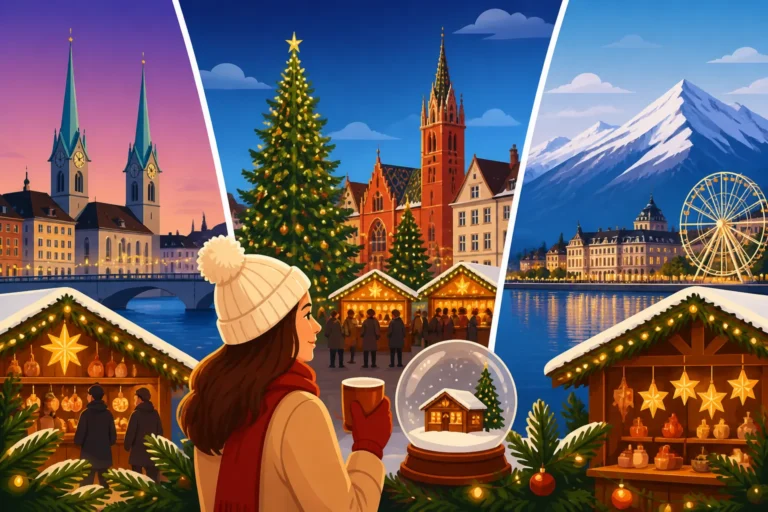
Many cities also host "Fête de la Musique" (Music Festival) events in June, where stages pop up across the city and local bands, choirs, and musicians perform for free. Bern's "Busker Festival" is another highlight, bringing street performers from around the globe to entertain crowds. During winter, many cities light up with beautiful Christmas Markets, like those in Zurich, Basel, or Montreux. While buying Glühwein and gifts will cost you, simply soaking in the festive atmosphere, admiring the decorations, and listening to carolers is a magical and free experience. If you're planning to visit during one of these vibrant times, consider booking your accommodation in advance through sites like Booking.com, even if the events themselves are free. For a deeper dive into the annual calendar, our guide to Swiss Festivals and Traditions: A Year-Round Cultural Calendar is invaluable.
Practical Tips for Maximizing Your Free Urban Exploration
Exploring Swiss cities on a budget requires a little planning and a savvy approach. It’s not just about what you do, but how you navigate the urban landscape.
Leveraging Public Transport as a Sightseeing Tool
While Swiss public transport is undeniably efficient, it can also be expensive if you're buying single tickets constantly. However, there are smart ways to minimize costs and even use it to your advantage for free sightseeing. Many hotels in popular tourist cities like Basel or Geneva offer guests a free public transport pass for the duration of their stay. This is a massive perk, allowing you unlimited rides on trams, buses, and sometimes even local trains, turning your daily commute into a scenic tour. Always check if your accommodation provides such a pass upon check-in.
Even without a free pass, sometimes the best way to see a city's core is on foot. Swiss city centers are often compact and highly walkable, and you'll discover so much more by simply strolling around. However, for longer distances or to reach certain parks or viewpoints, a public transport day pass or multi-journey card can be more economical than single tickets, especially if you plan to use it a few times. For longer trips between cities, especially if you have a The Half-Fare Travelcard (Halbtax): The Must-Have Pass for Swiss Residents, you can significantly cut down travel costs, allowing you to explore more cities for free. If you're looking to compare options for longer routes, Omio can be a useful tool to check train and bus schedules, helping you plan your movements efficiently, even if you ultimately choose to walk once you arrive.
Free Walking Tours and Self-Guided Discoveries
Sometimes, having a guide enriches an experience, but paid guided tours aren't always in the budget. Luckily, many cities offer free walking tours, often run by enthusiastic locals. These tours typically operate on a tip-based system, meaning you pay what you think the tour was worth at the end. It's a fantastic way to learn about the city's history, hear local anecdotes, and get insider tips, all while maintaining budget flexibility. Search online for "free walking tours [City Name]" before you arrive, and you'll likely find several options.
Alternatively, you can become your own tour guide! The internet is full of free resources like self-guided walking tour maps and audio guides. Just download a map, mark down the key landmarks and points of interest, and set off. Many city tourism websites also offer free brochures with suggested walking routes. For example, a self-guided tour of Bern’s arcades or Geneva’s Old Town can be incredibly rewarding. Focus on key historical areas, picturesque squares, and public art installations. You can create a theme for your walk, such as "fountain hunting" in Bern, or "discovering hidden alleys" in Zurich’s Niederdorf. This approach allows you to explore at your own pace, linger where you wish, and truly connect with the city's unique atmosphere without any financial pressure. If you're looking for indoor activities on a rainy day, consider researching free entry days for specific attractions, or consult a guide like Museums Worth Visiting in Zurich for a Rainy Day.
| City | Free Outdoor Activities | Free Cultural & Historical Activities | Free Local Experiences |
|---|---|---|---|
| Zurich | Lake Zurich promenades, Limmat River walks, Botanical Garden, Lindenhof Hill | Niederdorf Old Town, Grossmünster/Fraumünster exteriors, Helmhaus exhibitions, Street Parade (seasonal) | Bürkliplatz Market, Bahnhofstrasse window shopping, free open-air concerts (seasonal) |
| Geneva | Lac Léman promenades, Jet d'Eau, Parc des Bastions, Botanical Conservatory | Vieille Ville, St. Pierre Cathedral exteriors, Reformation Wall, public art installations | Plainpalais Market (flea/farmers), Rue du Rhône window shopping, Fête de la Musique (seasonal) |
| Bern | Rosengarten (Rose Garden), Bear Park, Aare River walks | UNESCO Old Town, Zytglogge (exterior show), Federal Palace, historic fountains, Busker Festival (seasonal) | Bundesplatz events, weekly markets, local folk festivals (seasonal) |
| Lucerne | Chapel Bridge (Kapellbrücke) & Spreuer Bridge, Reuss River, Museggmauer (city wall) | Old Town painted buildings, Jesuitenkirche exteriors, public art along river | Weekly markets, lakeside events (seasonal) |
| Basel | Rhine River walks, Kannenfeldpark, Tinguely Fountain, St. Johanns-Park | Altstadt, Basel Minster exteriors, public art installations, Fasnacht Carnival (seasonal) | Weekly markets, cross-border border region exploration |
Disclaimer
The information provided in this guide is intended for general informational purposes only and is subject to change. While we strive to ensure accuracy, free entry offers, specific events, and public transport conditions can vary. We recommend verifying details with official city tourism websites or specific venues before making plans. We are not liable for any discrepancies or changes.