Cantonal Premium Reductions (Prämienverbilligung) for Low-Income Households
Staring at your first Swiss health insurance bill is a rite of passage every expat remembers vividly. I still recall the sinking feeling in my stomach when I realized my premium was nearly as high as my grocery budget. The system is world-class, but the costs can be crushing if you aren't prepared. This guide provides the definitive roadmap to Cantonal Premium Reductions, ensuring you never pay more than your fair share for mandatory coverage.
Understanding the Swiss Healthcare Subsidy System
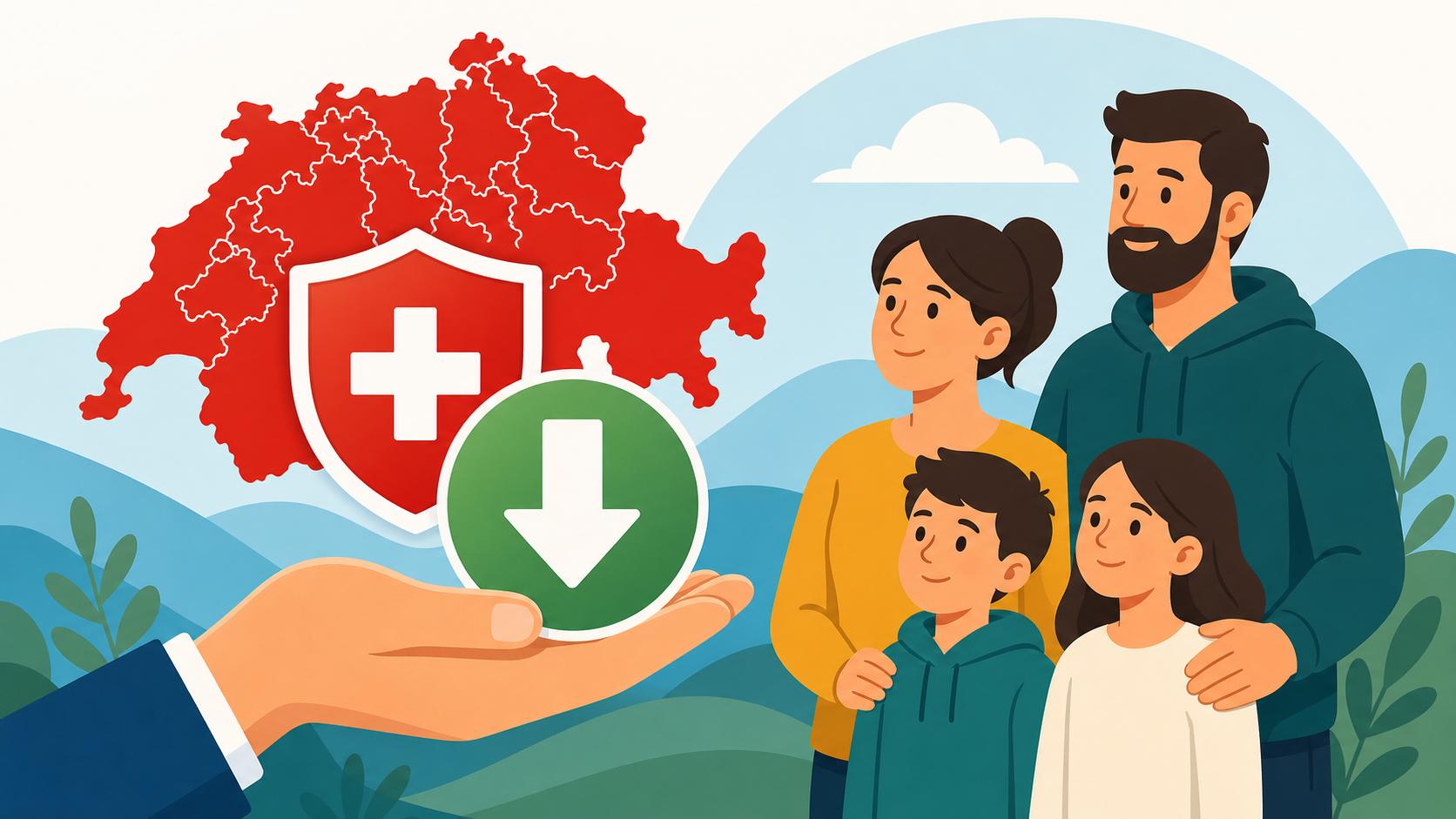
The Swiss healthcare system is unique because it is mandatory but private. However, the government recognizes that for many households, the monthly premiums for the basic KVG/LAMal insurance are a significant financial burden. This is where the Cantonal Premium Reductions, or Prämienverbilligung, come into play. It is a social security measure designed to ensure that health insurance costs do not exceed a certain percentage of a household's income.
The Legal Basis of Prämienverbilligung
The federal law on health insurance (KVG) mandates that cantons must grant premium reductions to insured persons in modest economic circumstances. While the mandate is federal, the execution is purely cantonal. This means that the Swiss Confederation provides some funding, but each of the 26 cantons decides how that money is distributed and who qualifies. I have lived in three different cantons, and I can tell you from experience: the rules that apply in Zurich will not help you in Vaud or Geneva.
This system is essentially a wealth redistribution tool. It ensures that the Healthcare in Switzerland for Expats: The Complete System Overview (2027) remains accessible to everyone, regardless of their paycheck. If your income falls below a specific threshold set by your canton of residence, the canton will pay a portion of your insurance premium directly to your insurance provider. You then only pay the remaining balance.
Why the System Varies by Canton
Because each canton has its own budget and demographic challenges, the "poverty line" or eligibility threshold varies wildly. For example, a canton with a high cost of living like Geneva might have a higher income threshold than a more rural canton like Appenzell Innerrhoden. Furthermore, the way the subsidy is calculated can change every year. One year you might receive a significant reduction, and the next, a small raise in your salary might disqualify you entirely.
It is also important to note that some cantons are much more proactive than others. In some regions, the tax office automatically notifies the social insurance office of your eligibility. In others, if you don't file the paperwork yourself, you will simply keep paying the full price. I learned this the hard way during my second year in Basel when I missed a deadline and left hundreds of francs on the table.
How the Subsidy is Calculated
The calculation is typically based on your "taxable income" and "taxable wealth" from your most recent tax assessment. However, for expats who are taxed at source (Quellensteuer), the process is slightly different. The authorities will look at your gross income and apply standard deductions to estimate your financial standing.
The subsidy isn't a flat rate. It is a sliding scale. The lower your income, the higher the percentage of the premium the canton covers. In some cases, for very low-income households or those on social assistance, the canton may cover the premium for a standard model with the highest deductible. If you want a more expensive model or a lower deductible, you might have to pay the difference yourself. This makes Understanding KVG/LAMal: Mandatory Basic Health Insurance Explained even more critical, as you need to know which base model the canton is willing to subsidize.
Who is Eligible for Premium Reductions
Eligibility is the most confusing part of the process for most newcomers. Many expats assume that because they have a "good" job by international standards, they won't qualify. However, Swiss costs are high, and the thresholds are often more generous than you might expect, especially for families with multiple children.
Income and Wealth Thresholds
Each canton publishes its own tables every year. Generally, they look at your "determined income," which is your gross income minus certain social deductions, such as contributions to The Three-Pillar Pension System: AHV, BVG, and Private Savings. If you have children, the threshold increases significantly for each child.
Wealth also plays a role. If you have a modest income but significant savings or property abroad, you might be disqualified. The cantons apply a "wealth tax" logic here; they expect you to use a portion of your assets to cover your living expenses before they step in with subsidies. When you are Filing a Swiss Tax Return (C Permit or High Earners on B Permit), ensure you are accurate about your global assets, as the health insurance office will eventually see these figures.
Residency Requirements and Permit Types
Generally, anyone who is subject to mandatory health insurance in Switzerland and is a legal resident can apply. This includes holders of L, B, and C permits. Even Health Insurance for International Students: KVG Exemptions and Private Options users may sometimes find themselves in a grey area if they are required to take out a standard Swiss KVG policy due to their age or length of stay.
For B-permit holders who are taxed at source, the canton usually performs a preliminary check based on the income reported by your employer. However, do not rely on this. If you haven't heard from the cantonal social insurance office (SVA or SAM) by the middle of the year, you should check your eligibility manually. I've seen many cases where a change in permit status or a move between cantons caused an expat to drop out of the system's "automatic" radar.
Special Cases for Students and Retirees
Students often live on very tight budgets, and many are eligible for nearly 100% premium coverage. If you are under 25 and your parents live in Switzerland, their income will usually be factored into your eligibility. If your parents are abroad, the canton will look at your individual financial situation.
Retirees also have specific considerations. If you are living on a foreign pension, the canton will need to convert your income into Swiss Francs (CHF) using their specific exchange rates to determine eligibility. If your healthcare needs are high, you might also be looking into Supplementary Health Insurance (VVG): What It Covers and When to Buy It, but keep in mind that the cantonal reduction only applies to the basic KVG portion of your bill, never the supplementary "nice-to-have" add-ons.
How to Apply for Reductions A Step-by-Step Guide
The application process is the administrative hurdle where most people stumble. It requires precision and attention to deadlines. Since 2024, many cantons have moved to a "digital first" approach, which is great for those of us who hate paper forms but requires you to have your SwissID or cantonal login ready.
The Automatic vs. Manual Application Process
In cantons like Zurich (SVA Zürich) or Bern, the process is partially automated. Based on your tax data, the canton sends out a pre-filled form or a letter with a code to log in online. If you receive this, you are lucky—it means they’ve already identified you as a potential candidate. You simply need to verify the data, sign, and return it.
However, in many other cantons, or if you are a new arrival, you must initiate the request. This is particularly true for Mandatory Registration: How to Sign Up for Health Insurance Within 90 Days newcomers. If you arrive in July, the tax office won't have a record for you yet. You will need to submit a manual application along with your employment contract and salary slips to prove your income for the current year.
Required Documentation and Deadlines
The most important date to remember is December 31st. In many cantons, if you haven't applied for the current year by the end of December, you lose the right to that year’s subsidy forever. Some cantons have even earlier deadlines, such as October or November for the following year.
You will typically need to provide:
- Your current health insurance policy (Versicherungspolice).
- Your residence permit (Ausländerausweis).
- Your salary certificates (Lohnausweis) for the past year.
- If you are a freelancer, your latest profit and loss statement.
- Proof of any other income (dividends, rental income, etc.).
| Canton | Administrative Office | Application Deadline | Automatic Process? |
|---|---|---|---|
| Zurich | SVA Zürich | Dec 31st (Current Year) | Yes, for residents |
| Geneva | SAM (Service de l'assurance-maladie) | Nov 30th (Following Year) | Limited / Manual |
| Vaud | OVAM (Office vaudois de l'assurance-maladie) | Dec 31st (Current Year) | Manual for most |
| Basel-Stadt | Amt für Sozialbeiträge | Dec 31st (Current Year) | Yes, for residents |
| Bern | SVA Bern | Dec 31st (Current Year) | Yes, for residents |
| Zug | Ausgleichskasse Zug | Dec 31st (Current Year) | Manual |
Navigating the Online Portals
Every canton has its own portal. In Vaud, you will use the "E-Ovam" portal. In Zurich, it’s the SVA online services. These portals often require you to upload scans of your documents. If you find the German or French too difficult, I highly recommend using a browser-based translator.
Be prepared for a wait. After submitting your application, it can take anywhere from three to six months for the canton to process your request and coordinate with your insurance provider. During this time, you must continue to pay your full premiums. Once approved, you will receive a credit on your next bill or a refund for the overpaid months. This can be a huge relief when you're trying to figure out How to Pay Medical Bills: Tiers Garant vs. Tiers Payant Billing Systems and managing your cash flow.
Managing Your Healthcare Costs Beyond Subsidies
Even with a reduction, health insurance in Switzerland is expensive. To truly manage your budget, you need a holistic approach to your health-related spending. Subsidies are just one piece of the puzzle.
Choosing the Right Deductible
The "Franchise" or deductible is the amount you pay out of pocket before the insurance kicks in. In Switzerland, this ranges from CHF 300 to CHF 2,500. If you are healthy and rarely see a doctor, choosing the CHF 2,500 deductible can lower your monthly premium by over CHF 100. This is a common strategy among expats.
However, you must be careful. If you have the high deductible and get sick, you need to have that CHF 2,500 ready in a savings account. To understand the math, read The Swiss Franchise System: How Deductibles and Copays Work. If your cantonal reduction is based on a "standard" premium, you might find that combining a high deductible with the subsidy brings your monthly bill down to a very manageable level.
Utilizing Generic Medications and Supplements
Swiss pharmacies are notoriously expensive. If you have a chronic condition, the costs of prescriptions can add up, and the 10% or 20% copay still hurts. I always ask my doctor for generic versions of medications, which are much cheaper in Switzerland. For vitamins, minerals, and over-the-counter wellness products, many expats turn to international providers like iHerb.
Ordering your daily supplements through iHerb can save you a significant amount compared to local prices at a Swiss Apotheke. Just be mindful of Bringing Prescription Medication into Switzerland: Customs and Legal Limits and the VAT thresholds for imports. Using these savings can offset the parts of your healthcare that the basic KVG and the cantonal reductions don't cover.
When to Consider International or Private Insurance
If you are a high-earner or a digital nomad who doesn't qualify for cantonal reductions, you might feel the sting even more. Some expats, especially those who travel frequently or want access to private hospital suites, look into providers like Cigna Global. While Cigna Global offers excellent international coverage and can be a great choice for supplementary needs, remember that it usually doesn't replace the mandatory Swiss KVG unless you fall under very specific exemption categories.
However, for those not eligible for subsidies and who want a more "VIP" experience with Finding Medical Care in Switzerland: Doctors, Specialists, and Referrals, having a policy from Cigna Global alongside your basic KVG can provide peace of mind and faster access to specialists. It’s about balancing the "must-haves" of the Swiss system with the "want-to-haves" of international expat life.
Common Pitfalls and Frequently Asked Questions
After helping dozens of fellow expats navigate this, I’ve noticed a few recurring themes that lead to rejected applications or missed payments. Swiss bureaucracy is fair, but it is also inflexible.
Retroactive Claims and Late Applications
A common question is: "Can I get money back for the years I didn't know about this?" The answer is almost always no. In Switzerland, the principle of "self-responsibility" is king. If you didn't apply by the deadline, the canton assumes you didn't need the help. There are very few exceptions, such as a severe illness that prevented you from filing, but don't count on it.
If you are just discovering this now, focus on getting your application in for the current year immediately. Even if the deadline is technically passed, some cantons allow for a "late filing" if your tax assessment was delayed, though the subsidy might only be granted from the month of the application onwards.
Changes in Personal Circumstances
If you get married, have a child, or lose your job, your eligibility will change. A common mistake is not informing the social insurance office of a drop in income. If you lose your job and move to RAV and Unemployment Benefits: How to Register and What You Get, you are likely suddenly eligible for a much higher reduction.
Conversely, if you get a big promotion and a significant raise, you are legally obligated to inform them. If you don't, and they find out later via your tax return, they will send you a bill for the "overpaid" subsidies. Trust me, receiving a bill for CHF 2,000 in back-dated health insurance premiums is a nightmare you want to avoid.
The Impact on Your Residency Permit
There is a lot of fear among expats that receiving a premium reduction counts as "social assistance" (Sozialhilfe) and will hurt their chances of getting a The Swiss C Permit (Permanent Residency): Fast-Track and Standard Routes or naturalization.
Let me be very clear: Cantonal premium reductions are NOT considered social assistance. They are a social insurance benefit. Receiving them does not count against your "integration" record and will not lead to your permit being revoked. Thousands of middle-class Swiss families receive these reductions every year. It is a standard part of the Swiss social fabric, and you should not hesitate to claim what you are legally entitled to. However, if you are unsure about other forms of support, you can read Social Welfare (Sozialhilfe) and Its Impact on C Permit Revocation to understand the distinction.
Final Thoughts for the Budget Conscious Expat
Navigating the Swiss healthcare system is a marathon, not a sprint. The Cantonal Premium Reductions are a vital tool for maintaining your financial health while living in one of the world's most expensive countries. Don't let the paperwork intimidate you. Whether you are using iHerb to keep your medicine cabinet stocked affordably or considering Cigna Global for that extra layer of international protection, staying informed is your best defense against high costs.
Take an hour this weekend to visit your canton’s SVA or SAM website. Check the income tables. Even if you think you earn too much, you might be surprised—especially if you have kids in childcare or high commuting costs. Switzerland is a country that rewards those who follow the rules and meet the deadlines. Be one of them.
Disclaimer
This guide is for informational purposes only and does not constitute legal or financial advice. Swiss laws and cantonal regulations regarding health insurance premium reductions are subject to frequent changes. Always consult the official website of your cantonal social insurance office or a qualified legal professional for the most current information relevant to your specific situation. Decisions regarding health insurance models and deductibles should be made based on your individual health needs and financial capacity.