STI Testing in Switzerland: Anonymous Clinics and Costs
Moving to Switzerland brings with it a whirlwind of new experiences, from navigating public transport to deciphering grocery store aisles, but one aspect that often goes unaddressed until it's needed is sexual health. The thought of needing an STI test in a foreign country can be incredibly daunting, conjuring up fears of language barriers, privacy concerns, and confusing healthcare costs. This guide aims to strip away that anxiety, providing a clear, empathetic, and realistic roadmap for expats seeking STI testing in Switzerland.
Understanding STI Testing in Switzerland: Why It Matters for Expats
When you first arrive in Switzerland, your head is probably buzzing with apartment hunting, permit applications, and trying to figure out which cheese is which. The last thing on your mind might be STI testing. However, navigating a new social scene and potentially new relationships in a country with a different healthcare system can be a source of significant stress, especially when it comes to personal health matters.
The Initial Shock: Navigating a New Healthcare System
It's completely normal to feel overwhelmed when faced with the prospect of accessing medical care here, especially for something as sensitive as STI testing. Many expats come from countries where healthcare access is entirely different, perhaps with universal healthcare or entirely private systems that function in a distinct way. Here, you're looking at a mandatory, privatized insurance system, and the sheer volume of information can be paralysing. Add to that the concern about language – will you be able to explain your symptoms adequately in German, French, or Italian? Will your concerns be understood, and will your privacy be respected? Rest assured, the Swiss system is highly professional, and your privacy is taken very seriously, but understanding the steps is key to feeling empowered.
The importance of regular sexual health checks cannot be overstated, regardless of where you are in the world. STIs often present without obvious symptoms, meaning you could be unknowingly carrying an infection and potentially transmitting it to others. Early detection is crucial not only for your own health and peace of mind but also for preventing further spread and more serious long-term complications. Taking control of your sexual health is a fundamental part of a healthy, integrated life in Switzerland, just as it would be anywhere else.
The Swiss approach to privacy in healthcare is generally very strict, adhering to professional secrecy (Arztgeheimnis). This means your medical information, including any STI test results, is confidential and cannot be shared without your explicit consent. This can offer a huge relief to expats who might worry about their sensitive health information being disclosed, particularly if they're still feeling unsettled in their new environment. Knowing this framework is in place can help alleviate some of the initial apprehension about seeking care.
Common STIs in Switzerland and How They're Tested
Switzerland, like any other country, sees a prevalence of common sexually transmitted infections. These include Chlamydia, Gonorrhea, Syphilis, HIV, Herpes simplex virus (HSV), and Human Papillomavirus (HPV). While these might sound alarming, the good news is that most are easily detectable and treatable, especially when caught early. Understanding which tests are relevant to you depends on your sexual history, symptoms (if any), and specific concerns.
Testing methods are generally straightforward and minimally invasive. For example, Chlamydia and Gonorrhea are typically diagnosed with a simple urine test or a swab from the affected area (genital, anal, or throat). HIV and Syphilis are usually detected through a blood test. Herpes diagnosis often involves a visual examination of sores and, if present, a swab test. HPV, which can cause genital warts and certain cancers, might be detected through visual examination or, in women, as part of a routine Women’s Health: Gynecologists, Screenings, and Contraception Access where abnormal cervical cells (often caused by high-risk HPV types) are screened via a Pap test.
It’s vital to remember that each STI has a different "window period" – the time between potential exposure and when a test can accurately detect the infection. For instance, HIV tests are most accurate several weeks after exposure, while Chlamydia and Gonorrhea can often be detected sooner. Always discuss your recent sexual activity with the healthcare professional so they can advise on the most appropriate tests and timing. Early detection means faster treatment, reducing the risk of complications and transmission. Don't wait until symptoms are severe; if you have any concerns at all, it's always best to get checked.
Where to Get Tested: Anonymous Clinics and Other Options
Finding a place to get tested is often the first hurdle for expats. Thankfully, Switzerland offers several reliable avenues, each with its own benefits. From highly discreet specialized centers to your trusted family doctor, you have choices depending on your comfort level and privacy needs.
Dedicated Anonymous Testing Centers
For many expats, the idea of complete anonymity is paramount when it comes to STI testing. This is where dedicated anonymous testing centers truly shine. Organizations such as Aids-Hilfe Schweiz and various local "Checkpoints" (e.g., Checkpoint Zurich, Checkpoint Geneva) offer confidential and often low-cost or free testing for STIs, particularly HIV, Syphilis, Chlamydia, and Gonorrhea. These centers are often run by NGOs and are specifically designed to provide a safe, non-judgmental, and discreet environment, which can be a huge relief if you're feeling vulnerable.
The process at these centers is typically very streamlined. You often don't need an appointment, though it's always wise to check their specific opening hours and policies online. Many operate on a walk-in basis, and counseling is usually offered alongside the testing. Staff are accustomed to dealing with diverse populations, including expats, and often speak multiple languages. You can usually choose whether to provide your name or use a pseudonym, ensuring maximum privacy. This makes them an excellent choice, especially if you're concerned about your tests appearing on your official insurance records or just prefer a completely anonymous experience.
Costs at these anonymous centers can vary. Some tests, especially for HIV, might be free or heavily subsidized, thanks to public health initiatives. Other tests might have a fixed, affordable fee that you pay directly, completely bypassing your health insurance. This direct payment option means no deductible or co-pay applies, and crucially, no record is sent to your insurance provider. While this type of temporary care would not be covered by travel insurance like SafetyWing (which is geared towards emergency medical situations rather than routine health screenings), it's specifically designed to be accessible and affordable for everyone residing in Switzerland, including those without traditional local health insurance coverage, although as an expat resident, you are legally required to have Mandatory Registration: How to Sign Up for Health Insurance Within 90 Days.
Going Through Your Family Doctor (Hausarzt)
The most traditional route for healthcare in Switzerland is through your family doctor, or Hausarzt. If you've already settled in and registered with a GP, this can be a very comfortable and convenient option. Many expats find great comfort in having a familiar face and a doctor who already knows their medical history. You can find comprehensive advice on Finding an English-Speaking Family Doctor (Hausarzt) in Major Cantons if you're still looking for one.
The primary benefit of going to your Hausarzt is the continuity of care. They can discuss your concerns in detail, advise on appropriate tests, and if any STI is detected, they can also handle the treatment and follow-up. This integrated approach means all your health records are in one place, and your doctor has a holistic view of your well-being. It can feel less isolating than navigating different clinics for different issues.
However, the main drawback for some is the perceived lack of anonymity. While your medical information is strictly confidential under Swiss law, your doctor will, of course, know your identity, and the tests will be billed through your mandatory basic health insurance. This means they will contribute to your deductible and co-pay for the year, and an record of the service will be on your insurance statements (though the specific diagnosis is usually coded, not explicitly spelled out in plain language on the statement). For those who prioritize absolute discretion above all else, an anonymous center might be preferred.
Specialized Clinics and Hospitals
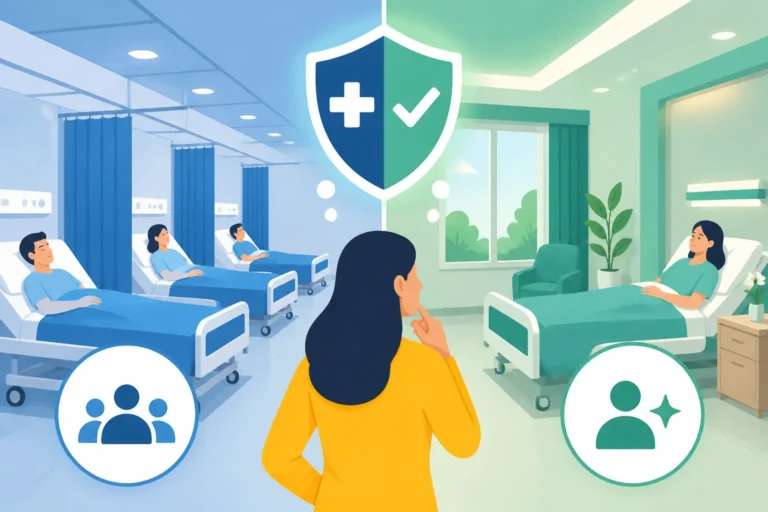
Beyond your general practitioner, you can also access STI testing through specialized clinics or departments within hospitals, particularly those focusing on dermatology or gynecology. If you have specific symptoms, for instance, a rash or lesion, a dermatologist would be the appropriate specialist. For female sexual health concerns, a gynecologist is a common choice, and they regularly conduct STI screenings alongside routine check-ups. You can learn more about Women’s Health: Gynecologists, Screenings, and Contraception Access in Switzerland, which often includes discussions around STI prevention and testing.
These specialized options might be preferred if you already have a diagnosed condition, have persistent symptoms, or require more in-depth consultations or treatment that goes beyond basic testing. Hospital outpatient clinics, often referred to as Polikliniken, can also offer testing. They provide access to a broader range of specialists and diagnostic tools, which can be reassuring if your situation feels complex.
The cost implications for specialized clinics and hospitals are similar to those for your family doctor. Your basic health insurance (KVG) will cover medically necessary tests, but they will be subject to your chosen deductible and annual co-pay. Depending on your insurance model, you might need a referral from your family doctor to see a specialist without incurring higher costs or direct billing issues. It’s always a good idea to check your specific health insurance policy (e.g., Telmed, HMO, or standard models as explained in Comparing Health Insurance Models: Telmed, HMO, Family Doctor, and Standard) before making an appointment with a specialist to understand any referral requirements.
The Costs of STI Testing and Insurance Coverage
Understanding the financial side of healthcare in Switzerland can be one of the biggest headaches for expats. STI testing is no exception. While basic health insurance covers a lot, how it covers STI testing isn't always immediately clear, and there are definite trade-offs between using your insurance and paying out-of-pocket for privacy.
Basic Health Insurance (KVG/LAMal) and What It Covers
Let's get one thing straight: Understanding KVG/LAMal: Mandatory Basic Health Insurance Explained is designed to cover medically necessary treatments and diagnostics. This includes STI testing. However, the term "medically necessary" is key here. If you present with symptoms, have had known exposure to an STI, or your doctor recommends screening based on risk factors, then the tests are typically considered medically necessary and will be covered by your basic health insurance.
This means that if you go to your Hausarzt or a specialist because you suspect you have an STI or you've been informed by a partner you might have been exposed, your insurance will generally cover the costs. The Swiss healthcare system is proactive about public health, and preventing the spread of STIs falls squarely within this mandate. Therefore, you shouldn't hesitate to seek testing through your insured medical providers if you have a valid medical reason.
The catch, of course, is that these costs will count towards your annual deductible (Franchise) and co-pay (Selbstbehalt). Switzerland operates on a system where you first pay an agreed-upon amount (your deductible, which can range from CHF 300 to CHF 2,500 for adults) out of your own pocket before your insurance starts contributing. After that, you'll still pay 10% of the remaining costs (your co-pay) up to an annual maximum of CHF 700. This is a crucial aspect of The Swiss Franchise System: How Deductibles and Copays Work. So, while the tests are "covered," you won't necessarily pay nothing, depending on how much of your deductible you've already used.
Out-of-Pocket Costs and Anonymous Testing Fees
If you choose to use an anonymous testing center or simply prefer not to involve your insurance for privacy reasons, you'll be paying out-of-pocket. This can sometimes be a more appealing option for expats who are concerned about having a record on their insurance statements or simply haven't hit their deductible yet and prefer a clear, upfront cost.
The costs for individual STI tests at anonymous clinics or if paying privately can vary, but here's a rough idea (these are estimates and can change):
| STI Test Type | Estimated Anonymous Clinic Cost (CHF) | Estimated GP/Specialist Cost (via KVG, subject to deductible/co-pay) |
|---|---|---|
| HIV (rapid test) | 20 – 50 | Covered if medically necessary |
| HIV (lab test) | 50 – 100 | Covered if medically necessary |
| Chlamydia & Gonorrhea | 50 – 120 | Covered if medically necessary |
| Syphilis | 30 – 80 | Covered if medically necessary |
| Hepatitis B/C | 40 – 100 | Covered if medically necessary |
| General STI Panel | 150 – 300+ | Covered if medically necessary |
As you can see from the table, paying out-of-pocket for a single, targeted test can sometimes be comparable to, or even less than, what you'd pay towards your deductible for a GP visit and lab work. For a general panel, it can be a bit more. The key difference is the transparency and the assurance of no insurance record. This direct payment route means you avoid waiting for bills, understanding complex billing statements (like How to Read a Swiss Medical Bill (Rückforderungsbeleg) and Claim Refunds), and dealing with deductibles.
Unexpected Costs and Travel Insurance Limitations
Beyond the initial testing, there's always the possibility of needing follow-up consultations, further diagnostic tests, or actual treatment if an STI is detected. These subsequent steps would also be covered by your basic Swiss health insurance (KVG) but would continue to contribute to your deductible and co-pay. Depending on the complexity of the treatment, this could include prescription medications (see Pharmacies and Medication: Prescriptions, Costs, and OTC Regulations), specialist visits, or even minor procedures. It's important to factor these potential costs into your understanding of the Swiss healthcare system.
It's also crucial to understand the limitations of travel insurance. While policies from providers like SafetyWing are fantastic for temporary visits, unexpected accidents, or sudden illnesses when you're abroad, they are not a substitute for mandatory Swiss basic health insurance for residents. Travel insurance typically does not cover routine check-ups, diagnostic tests without acute symptoms, or pre-existing conditions. If you've just moved to Switzerland, you are legally obligated to sign up for KVG within 90 days of your arrival. A travel insurance policy like SafetyWing might provide peace of mind for those initial weeks before your KVG policy kicks in, covering acute emergencies, but it absolutely will not cover routine STI screening or ongoing care once you're a resident. Is Basic Health Insurance (KVG) Mandatory for Expats? A Plain-English Guide explains this legal requirement in detail. For comprehensive Healthcare in Switzerland for Expats: The Complete System Overview (2027), you need a local policy.
Practical Tips for Expats Seeking STI Testing
Getting tested can feel intimidating, but with a few practical tips, you can make the process much smoother and less stressful. As a veteran expat, I've learned that preparation and knowing what to expect can significantly reduce anxiety.
Overcoming Language Barriers and Communication
One of the most significant concerns for expats in a medical setting is the language barrier. Switzerland has four national languages, and while English is widely spoken, especially in urban centers and international clinics, it's not always guaranteed, particularly if you're venturing into smaller practices or anonymous clinics. Don't let this deter you. Many clinics, particularly in cities like Zurich, Geneva, and Basel, have English-speaking staff. You can often check their websites or call ahead to confirm. Finding an English-speaking doctor might be your first step, and a good resource for this is What to Do If Your Doctor Refuses to Speak English During a Consultation.
If you find yourself in a situation where English isn't available, consider bringing a trusted friend who can translate, or utilize translation apps on your phone. However, for sensitive medical discussions, a professional translator is always ideal if available. The most important thing is to be as clear and honest as possible about your sexual history, any symptoms you're experiencing, and your concerns. Doctors here are professionals; they've heard it all before, and they are focused on your health.
Remember that medical confidentiality (Arztgeheimnis) is a cornerstone of the Swiss healthcare system. Your personal health information is strictly protected, regardless of the language you communicate in or how you access care. This professional secrecy is a legal obligation for all healthcare providers and their staff, ensuring your privacy is maintained throughout the testing and treatment process.
Preparing for Your Appointment
A little preparation can go a long way in making your STI testing appointment feel less daunting. Firstly, ensure you have your official identification (passport or residence permit) and your Swiss health insurance card if you plan to use it. If you're going to an anonymous clinic and paying out-of-pocket, sometimes only your ID is needed, or no ID at all, depending on their specific policy.
Secondly, think about any questions you might have beforehand and jot them down. This could include questions about specific STIs, the testing process itself, how long results will take, or potential treatments. Being prepared with questions helps ensure you get all the information you need and leaves less room for lingering doubts after your appointment. In some cases, for urine tests, you might be asked to avoid urinating for a certain period before the test to ensure a concentrated sample. For blood tests, fasting is generally not required for STI screening but always check if advised otherwise.
Lastly, try to relax. Healthcare professionals here are there to help you, not to judge. They understand that sexual health is a sensitive topic. By seeking testing, you're taking a responsible and proactive step for your well-being. The environment in most clinics is designed to be as reassuring as possible, from the waiting areas to the consultation rooms.
Receiving Results and Follow-Up Care
The waiting period for results can often be the most anxious part of the process. Typically, your doctor or clinic will inform you how and when you can expect your results. This might be via a phone call, a secure online patient portal, or by scheduling a follow-up in-person appointment. For rapid tests (like some HIV tests at anonymous clinics), you might even get results within minutes or hours. For lab tests, it usually takes a few days to a week.
If your results come back positive for an STI, it's important to remember that it's not the end of the world. Many STIs are highly treatable, and early detection means you can start treatment promptly. Your healthcare provider will discuss the diagnosis with you in detail, explain the treatment options, and create a follow-up plan. This might involve prescription medication, further tests, or referrals to specialists. Following the treatment plan diligently is crucial for your health and to prevent further transmission. For prescriptions, you'll need to visit a local pharmacy, which you can learn more about in Pharmacies and Medication: Prescriptions, Costs, and OTC Regulations.
Beyond treatment, safe sex practices remain paramount. This includes consistent and correct use of condoms, open communication with sexual partners, and regular testing, especially if you have multiple partners or are starting a new relationship. Your doctor or the anonymous testing center can also provide guidance on partner notification, which is a vital step in preventing the further spread of STIs and ensuring your partners can also get tested and treated. Remember, taking care of your Mental Health in Switzerland: Accessing Therapists and Psychiatric Care is also important during this time, as stress and anxiety about sexual health can take a toll.
Disclaimer
Please note that this guide provides general information and does not constitute medical advice. Healthcare regulations, costs, and specific clinic offerings in Switzerland can change. Always consult with a qualified healthcare professional for personalized medical advice, diagnosis, or treatment. It is your responsibility to ensure you have valid and adequate health insurance coverage as mandated by Swiss law.