Emergency Numbers 144 vs 112: Which to Call in a Swiss Medical Crisis
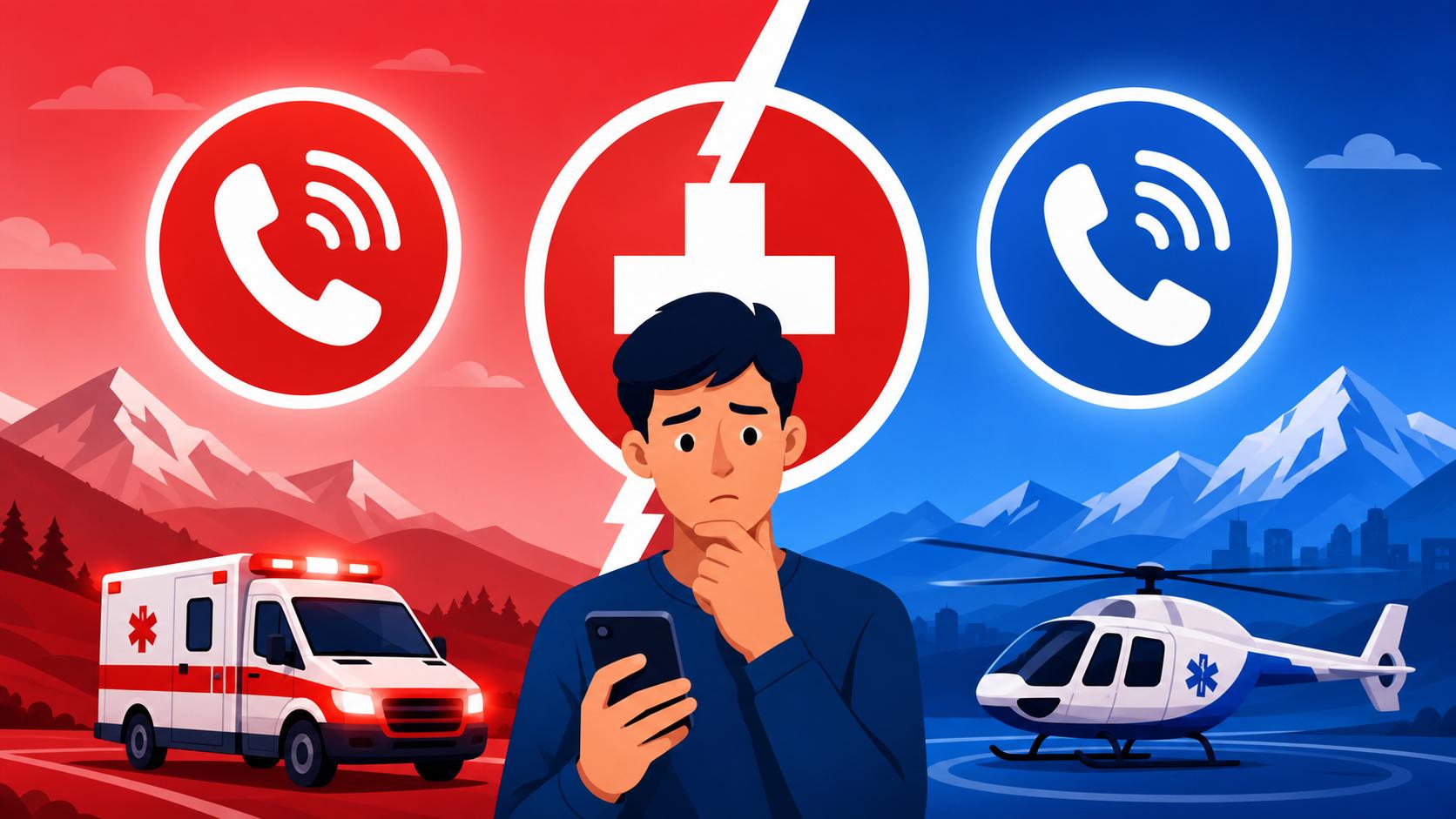
One of the most terrifying moments of my first year in Zurich was watching a friend collapse during a hike and realizing I had no idea which three-digit number to dial. I froze for five seconds—five seconds that felt like an eternity—wondering if I should use the number from my home country or something uniquely Swiss. This guide clears that paralyzing confusion, ensuring you know exactly when to call 144 versus 112 during a medical crisis.
Understanding the Primary Swiss Emergency Numbers
When you are in the heat of a medical crisis, your brain often reverts to what it knows best. For many of us, that is 911 or 999. However, in Switzerland, the system is segmented to ensure the right specialists reach you as quickly as possible. While you can technically reach help through several channels, the distinction between 144 and 112 is the most critical piece of knowledge for any resident or tourist.
The number 144 is the direct line for the Sanitätsnotruf, or the medical emergency services. This is the number you dial when you need an ambulance immediately. It is staffed by professional dispatchers who are trained to give life-saving instructions over the phone while the paramedics are en route. If someone is having a heart attack, a stroke, or has suffered a major traumatic injury, 144 is your fastest route to professional medical intervention.
On the other hand, 112 is the European emergency number. It is a universal gateway. If you dial 112, you will be connected to a general dispatcher who can then route you to the police, the fire department, or the medical services. The primary advantage of 112 is that it works on any mobile phone, even if the phone is locked, has no SIM card, or has no credit. It is the "safety net" number. However, if you are certain the situation is medical, calling 144 directly bypasses the extra step of being transferred, which can save precious seconds.
In my experience, the dispatchers in major hubs like Geneva, Zurich, and Basel are quite proficient in English, but this isn't always a guarantee in more rural cantons. If you are struggling with the local language, starting with 112 can sometimes be beneficial as these dispatchers are often specifically trained to handle international calls and multiple languages. For those who travel frequently, having a reliable international health plan like Cigna Global can provide an extra layer of peace of mind, as they often provide 24/7 helplines that can help navigate the local system after the initial emergency call has been made.
What to Expect When You Dial for Help
Once you dial 144, the dispatcher will follow a very specific protocol. They will ask "Where is the emergency?" before anything else. This is vital because if the call drops, they at least know where to send the crew. You should be prepared to give the exact address, including the floor number and the name on the doorbell. In Switzerland, buildings can be confusingly labeled, and every second spent looking for the right entrance is a second lost for the patient.
The dispatcher will then ask "What happened?" and "Who is involved?" Be prepared to describe the symptoms clearly. Are they breathing? Are they conscious? Is there heavy bleeding? While you wait for the ambulance, the dispatcher may stay on the line with you. They might guide you through CPR or tell you how to place the person in the recovery position. It is intense, but the Swiss emergency system is one of the most efficient in the world.
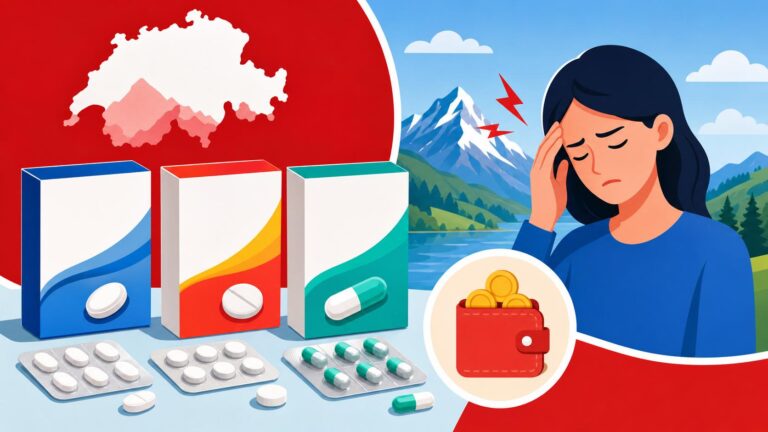
One thing that catches many expats off guard is the cost. Unlike some countries where the ambulance is a public service covered entirely by taxes, in Switzerland, it is a premium service. You will likely receive a bill that can range from CHF 700 to over CHF 1,500 depending on the canton and the level of care provided. Understanding how your Health Insurance in Switzerland for Expats: The Complete System Overview (2026) handles these costs is essential. Most basic insurance plans only cover 50% of the cost of an ambulance, up to a relatively low annual limit.
To avoid a massive financial shock after a health scare, many veterans of the Swiss system look into Understanding KVG/LAMal: Mandatory Basic Health Insurance Explained to see where their gaps are. Some choose to supplement their local plan with international options like Cigna Global, which can offer more robust coverage for emergency transportation. It is also a good idea to keep your home medicine cabinet stocked with basics from iHerb for minor issues that don't require an emergency call, such as high-quality bandages, antiseptic, and fever reducers.
Secondary Emergency Resources Every Expat Needs
While 144 and 112 are the "big two," the Swiss emergency landscape has several other specialized numbers that can be lifesavers. One of the most important for those of us who love the mountains is 1414. This is the number for REGA, the Swiss air rescue service. If you are hiking in the Alps and someone breaks a leg or gets stuck in a dangerous position, a standard ambulance cannot reach you. You need a helicopter.
REGA is a non-profit foundation, and while they are incredibly professional, their services are expensive. I highly recommend looking into REGA Membership: Why Expats Need Air Rescue Insurance in the Alps because becoming a "patron" for a small annual fee can often lead to the foundation waiving the costs of a rescue that isn't covered by your insurance. It is one of those small Swiss "must-dos" that you hope you never have to use.
Another vital number is 145, which is Tox Info Suisse. This is the national poison emergency center. If a child swallows a household cleaner or if you suspect you've eaten a poisonous mushroom, call 145 before doing anything else. They are available 24/7 and can provide immediate advice on whether you need to induce vomiting (usually not recommended) or get to a hospital. For minor burns or scrapes resulting from such incidents, you can often find specialized soothing creams and treatments on iHerb that are delivered right to your door.
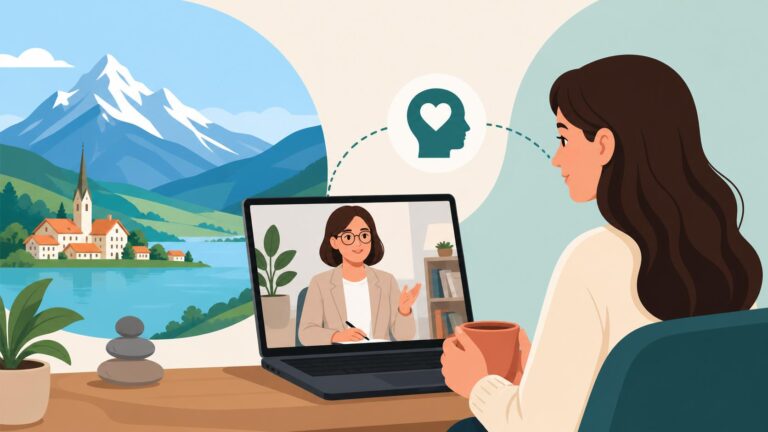
For mental health crises, the number to remember is 143, known as "The Offered Hand" (Die Dargebotene Hand). Living abroad can be incredibly isolating, and the administrative pressure of moving to Switzerland can take a toll. If you find yourself in a dark place, 143 offers confidential emotional support. You can find more details on finding long-term support in our guide on Mental Health in Switzerland: Accessing Therapists and Psychiatric Care.
| Emergency Service | Phone Number | When to Call |
|---|---|---|
| Medical Emergency (Ambulance) | 144 | Life-threatening medical issues, accidents, strokes |
| General European Emergency | 112 | Any emergency, works on locked phones/no SIM |
| REGA (Air Rescue) | 1414 | Mountain rescues, remote areas inaccessible by road |
| Poison Control | 145 | Ingestion of toxins, chemical burns, or suspicious plants |
| Police | 117 | Crimes in progress, immediate danger, serious accidents |
| Fire Department | 118 | Fires, chemical spills, extractions |
| The Offered Hand | 143 | Mental health crises, emotional distress, loneliness |
Practical Steps for Emergency Preparedness
Knowing the numbers is the first step, but being prepared involves a few more "boots-on-the-ground" actions. First, I always tell new arrivals to program these numbers into their phones immediately under an "Emergency" contact group. But don't stop there. You should also set up the "Medical ID" feature on your smartphone. This allows paramedics to see your blood type, allergies, and emergency contacts without needing your passcode.
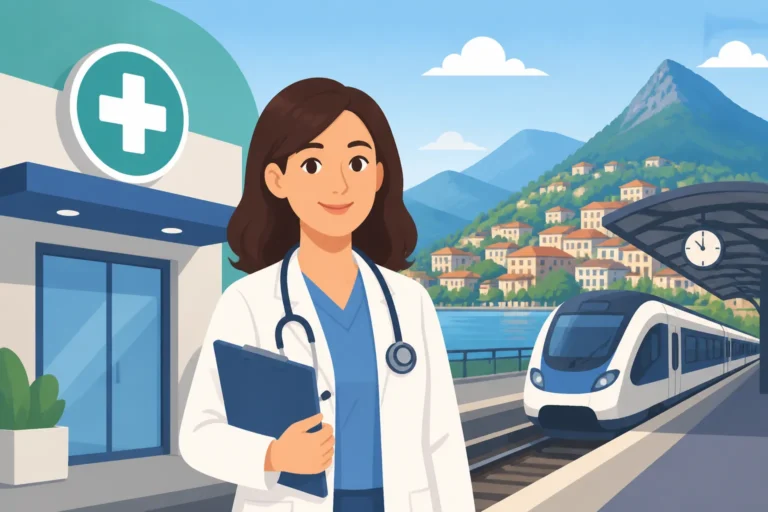
Secondly, you should find your local "Hausarzt" or family doctor before you actually need one. In a non-life-threatening situation—like a high fever or a deep but non-arterial cut—calling 144 is overkill and expensive. Instead, you should call your doctor or the "on-call" medical service for your canton. You can find tips on this in our article on Finding Medical Care in Switzerland: Doctors, Specialists, and Referrals. If it is after hours, you might need to visit a Pharmacies (Apotheken) After Hours: Finding Emergency Medication or a walk-in clinic at a train station.
Thirdly, keep a physical list of your medications and your Swiss health insurance card in your wallet. When the paramedics arrive, they will ask for your "Versicherungskarte." Having this ready speeds up the administrative part of the triage process. If you use a premium international insurer like Cigna Global, make sure you have their digital app downloaded so you can authorize treatments quickly.
Lastly, don't forget the basics. A well-stocked first aid kit can prevent a minor injury from becoming an emergency. I personally use iHerb to get international brands of wound care and supplements that are sometimes hard to find in the local Apotheke or are significantly more expensive here. Having a stash of electrolyte powders and high-grade bandages can be a lifesaver during the flu season or after a minor tumble on the ski slopes.
Navigating the Financial Aftermath of an Emergency
Once the crisis has passed and you are back home, the Swiss "paperwork machine" will begin. A few weeks after an emergency call, you will receive a bill. It is important to know that in Switzerland, there are two billing systems: Tiers Garant and Tiers Payant. Under Tiers Garant, you pay the bill first and then ask your insurance for a refund. Under Tiers Payant, the hospital or ambulance service bills the insurance company directly.
If you are confused by the lines of German or French on your invoice, check out our guide on How to Read a Swiss Medical Bill (Rückforderungsbeleg) and Claim Refunds. It breaks down the codes and the "tax points" that determine the final cost. Remember that your "Franchise" (deductible) applies to emergency services just like it does to a regular check-up.
For those who are concerned about the high out-of-pocket costs associated with Swiss healthcare, it may be worth investigating Emergency Medical Services: Ambulances, REGA, and Crisis Protocols for a deeper dive into cantonal differences. Some cantons have slightly different subsidies for their ambulance services, though the general rule of the "50% copay" usually holds true for basic insurance. This is why many expats find that having a secondary insurance layer via Cigna Global is a strategic move to cap their potential financial exposure during a bad year.
Ultimately, the Swiss emergency system is a marvel of precision, but it requires the user to be informed. By knowing whether to dial 144 or 112 and keeping your Does Basic Swiss Insurance Cover Ambulance Rides? The 50% Rule Explained knowledge up to date, you can focus on what matters most in a crisis: staying calm and getting help.
Medical Disclaimer
This article is for informational purposes only and does not constitute professional medical or legal advice. Always consult with a qualified healthcare provider or insurance specialist regarding your specific situation. In a life-threatening emergency, always dial 144 or 112 immediately.