Social Welfare (Sozialhilfe) and Its Impact on C Permit Revocation
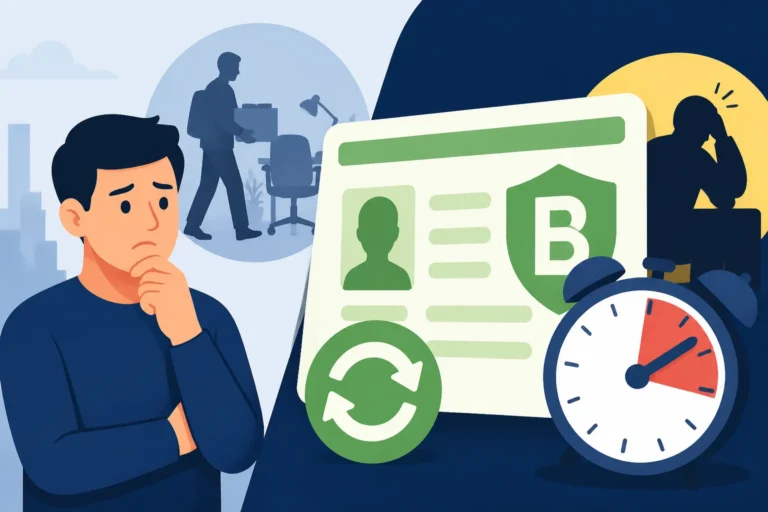
One of the most terrifying moments for any expat is realizing that the financial safety net you might need could actually jeopardize your right to stay in the country. I remember the cold sweat I felt when my first contract ended and the bills didn't stop. This guide explains how social welfare impacts your C Permit and how to navigate these waters safely.
Understanding the Difference Between Social Benefits
In Switzerland, not all forms of financial assistance are viewed the same way by the Migration Office (Migrationsamt). It is a common misconception among newcomers that any money received from the state is a "black mark" on your record. This simply isn't true, but you must understand exactly which bucket of money you are dipping into.
Unemployment Insurance is an Earned Right
If you have been working in Switzerland and contributing to the system through your monthly payroll deductions, you are entitled to unemployment benefits (ALV). These are managed by the Regional Employment Centers, and you can learn more about how they work in our guide on RAV and Unemployment Benefits: How to Register and What You Get. Because these benefits are considered insurance—something you paid for—they generally do not count as social welfare. Receiving RAV payments while you look for a new job will not typically trigger a revocation of your C Permit.
Supplementary Benefits and Disability Insurance
There are other types of support, such as Disability Insurance (IV) or Supplementary Benefits (Ergänzungsleistungen), which are often intended for pensioners or those with long-term health issues. While these are closer to the "welfare" category than unemployment insurance, they are often treated with more leniency because they are tied to specific life circumstances rather than a general inability to support oneself. However, if you are relying on these, it is always wise to keep your health coverage robust through providers like Cigna Global to ensure that unexpected medical costs don't push you further into a state of financial dependency.
Defining Sozialhilfe as a Last Resort
Social welfare, or Sozialhilfe (Aide Sociale), is the final safety net. It is intended for people who have exhausted all other options: they have no savings, no unemployment eligibility left, and no family to support them. In the eyes of the Swiss government, relying on this specific fund is a signal that your integration has failed or that you have become a "burden" on the public purse. This is the specific type of assistance that triggers the legal mechanisms for permit review.
| Feature | Unemployment (RAV/ALV) | Social Welfare (Sozialhilfe) |
|---|---|---|
| Funding Source | Insurance premiums from your salary | General cantonal/communal taxes |
| Impact on C Permit | Generally none; it is an entitlement | High risk of revocation or downgrade |
| Prerequisites | Must have worked 12 months in last 2 years | Must have no assets or other income |
| Repayment | Never required | Often required if you become wealthy later |
Why the C Permit is Not Truly Permanent
We often refer to the C Permit as "permanent residency," which gives us a false sense of absolute security. In reality, the Swiss Federal Act on Foreign Nationals and Integration (AIG) explicitly states that a permit can be revoked if the holder or a person they are responsible for is dependent on social assistance. I have seen many friends assume that once they reached the C Permit milestone, the "integration police" stopped watching. They didn't.
The Integration Requirement and AIG Article 63
The law was tightened significantly in 2019. Article 63 of the AIG allows the authorities to revoke a C Permit if the integration criteria are no longer met. One of the primary pillars of integration in Switzerland is the ability to support yourself and your family financially. If you stop doing this and turn to social welfare, the Migration Office can argue that the "public interest" in keeping you in Switzerland has diminished. This is why understanding Residence Permits in Switzerland: L, B, C, and G Permits Explained is so vital; the C Permit carries more weight than a B Permit, but it isn't an untouchable shield.
Public Interest vs Personal Circumstances
When the authorities consider revoking a permit due to welfare, they are supposed to weigh the public interest against your individual situation. They look at how long you have lived in Switzerland, your age, your health, and your family ties. If you have been here for 20 years and have a temporary lapse in income, you are treated differently than someone who has just received their C Permit and immediately goes on welfare. However, the trend in recent years has shifted toward a stricter interpretation of these rules.
The Myth of the 15 Year Rule
There is an old "rule of thumb" that if you have lived in Switzerland for more than 15 years, you cannot be deported for being on welfare. While it is true that long-term residents have higher protections, the 2019 law changes made it possible for the authorities to downgrade a C Permit to a B Permit (a process called Zurückstufung) even for long-term residents. This downgrade puts you back on a one-year renewal cycle, where every financial hiccup is scrutinized.
The Specific Thresholds for Revocation or Downgrade
So, at what point does the Migration Office actually step in? It usually isn't the first day you receive a welfare check. There is a "proportionality" check involved. The authorities generally look for "significant and long-term" dependency.
What Counts as Significant Dependency?
While there is no hard "franc-for-franc" limit written into federal law, many cantons use internal guidelines. In some regions, receiving more than CHF 30,000 to CHF 50,000 in total welfare over a few years is seen as significant. However, it’s not just the total amount; it’s the duration. If you are on and off welfare for five years, the Migration Office will likely view you as "structurally" dependent, which is a major red flag for your residency status.
The Difference Between Short-Term and Long-Term Help
If you lose your job and your RAV runs out, but you find a new job within three months, the brief period of social welfare might be overlooked, especially if you show a proactive effort to pay it back. The danger lies in "long-term" reliance without a clear path back to employment. This is where Financial Independence Checks: Why Betreibungen (Debt) Stops Permit Renewals come into play; even if you aren't on welfare, having significant debt can trigger a similar review.
Third-Country Nationals vs EU/EFTA Citizens
It is essential to note that if you are from a "Third Country" (like the USA, India, or the UK post-Brexit), you are under much higher scrutiny than EU/EFTA citizens. EU citizens are protected by the Agreement on the Free Movement of Persons (AFMP), which makes it significantly harder to revoke a permit purely based on financial need, provided they have worked in Switzerland previously. Third-country nationals, however, must prove their integration and financial stability constantly. For these expats, keeping all documents in order is crucial. If you need to translate foreign bank statements or proof of assets to show the authorities you aren't broke, I highly recommend using RushTranslate for certified, Swiss-accepted versions.
The Downgrading Process: From C Permit to B Permit
If the authorities decide that your reliance on social welfare is problematic but not quite enough to kick you out of the country entirely, they may use the "downgrade" option. This is a relatively new tool in the Swiss administrative kit, and it is being used more frequently in cantons like Zurich and Bern.
What is Zurückstufung?
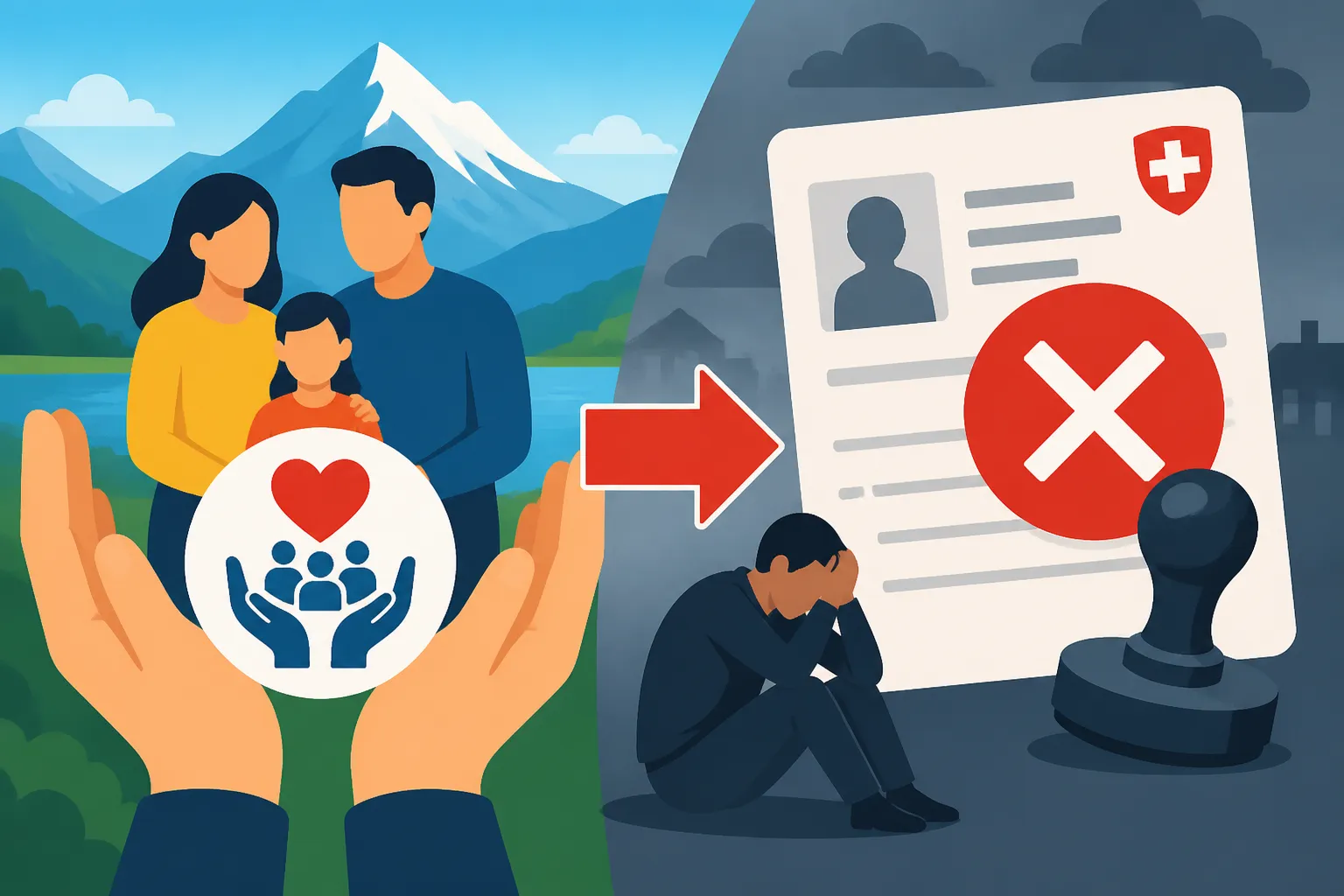
Zurückstufung is the process of taking away your permanent residency (C) and giving you a residence permit (B) instead. This usually happens when a person is heavily dependent on welfare or has failed to integrate (for example, failing to meet the C Permit Language Requirements: Do I Need A2 Written and B1 Oral?). Once you are downgraded to a B Permit, your residency is much more precarious. You will have to prove every year that you are working toward financial independence and better integration.
The Right to Be Heard (Rechtliches Gehör)
The Migration Office cannot just send you a letter saying your permit is gone. They must first send you a "notice of intent" and give you the "right to be heard." This is your chance to explain why you are on welfare. Was it a freak medical accident? Did a company go bankrupt? If you can show that your situation is temporary and that you are taking steps to resolve it—such as applying for dozens of jobs or taking language courses—they may show leniency.
The Role of Warning Letters
In many cases, the authorities will first issue a formal warning (Verwarnung). This is a legal document stating that if your financial situation does not improve within a certain timeframe (usually 6 to 12 months), they will begin the revocation or downgrade process. If you receive one of these, do not ignore it. This is the time to seek help from local associations like the Mieterverband, especially if your housing costs are what's driving you into debt. You can read more about how they help in The ASLOCA / Mieterverband: Why Every Swiss Tenant Must Join.
Strategies to Protect Your Residency Status
If you find yourself in a financial pinch, there are ways to handle it that minimize the risk to your C Permit. The goal is to stay off the Sozialhilfe rolls as much as possible and maintain the appearance and reality of an integrated, contributing resident.
Exhausting All Other Avenues First
Before approaching the social office, look into cantonal subsidies. For example, many people don't realize they qualify for help with health insurance costs. This is not considered "social welfare" in the negative sense that impacts your permit. Check out our guide on Cantonal Premium Reductions (Prämienverbilligung) for Low-Income Households to see if you can lower your monthly outgoings without triggering a residency review. Every franc saved on insurance is a franc you don't have to ask for from welfare.
The Importance of Continuous Integration
If you are struggling financially, double down on your other integration efforts. If the Migration Office sees that you have achieved a B1 or B2 level in the local language, they are much more likely to view your financial struggles as a temporary setback for a "well-integrated" person. You can find the specific requirements in Language Requirements for Swiss Permits: A1 to B2 Standards Explained. A person who speaks the language and is active in local clubs (Vereine) is much harder to deport than someone who stays in an expat bubble.
Documentation is Your Best Defense
Keep a meticulous "job hunt" diary. Save every rejection letter, every interview invitation, and every certificate from a training course. If you have health issues preventing you from working, ensure your medical records are translated and clear. Using a professional service like RushTranslate ensures that your explanations aren't lost in translation. Furthermore, if your medical situation is complex, having a global plan like Cigna Global can sometimes provide access to specialists faster, helping you get back into the workforce sooner.
What to Do If You Receive a Revocation Notice
If the worst happens and you receive a letter stating that your C Permit is being revoked, do not panic, but do act immediately. The Swiss legal system provides multiple layers of appeal, and many "notices of intent" are successfully challenged.
Seeking Legal Counsel
This is not the time for DIY law. You need an immigration lawyer who understands the specific nuances of your canton’s migration office. They will help you build a case based on "proportionality." They might argue that your children are settled in school, that you have a long history of employment, or that your financial dependency is due to factors beyond your control (like a global pandemic or a niche industry collapse).
The Power of Repayment
If you do go on social welfare and your situation improves later, you can often "buy back" your security by repaying the assistance you received. In many cantons, once you have repaid your social welfare debt, the grounds for revoking or downgrading your permit disappear. It shows the authorities that you are a responsible resident who treats the safety net as a temporary loan rather than a lifestyle.
Health Insurance Obligations During the Crisis
Even when you are struggling, you cannot stop paying for your basic Swiss health insurance (KVG). The system is mandatory, and falling behind on premiums will lead to a Betreibung (debt enforcement), which is the second fastest way to lose your permit. If the costs are too high, follow the steps in How to Apply for Cantonal Premium Reductions if You Have a Low Income immediately. For those who travel frequently or have family abroad, supplementary options from Cigna Global can offer a layer of protection that the basic system doesn't, though they don't replace the mandatory Is Basic Health Insurance (KVG) Mandatory for Expats? A Plain-English Guide.
Disclaimer
The information provided in this article is for informational purposes only and does not constitute legal or financial advice. Swiss immigration laws and cantonal practices are subject to frequent changes. Always consult with a qualified legal professional or your local cantonal migration office regarding your specific residency status and any concerns about social welfare. High-stakes decisions regarding permits should never be made based solely on online resources.