Mandatory Registration: How to Sign Up for Health Insurance Within 90 Days
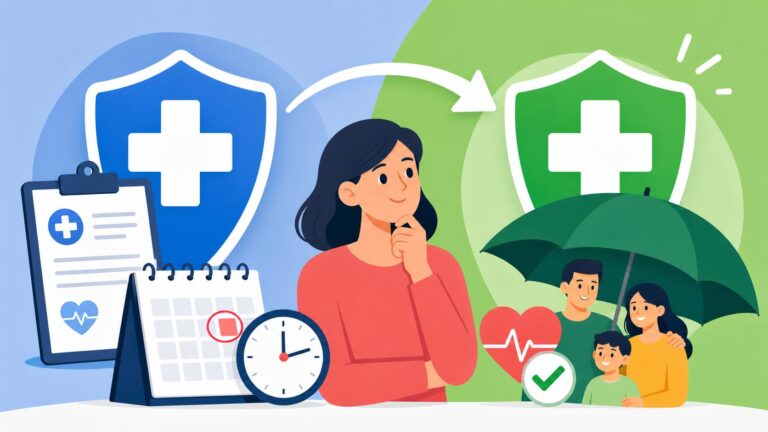
The 90-day countdown for Swiss health insurance starts the exact moment you register your arrival at the local Gemeinde, but trying to navigate insurance portals while still unpacking boxes is a recipe for burnout. I remember sitting in my empty Zurich apartment, staring at a German-language insurance policy and feeling the walls close in as that deadline loomed. This guide demystifies the mandatory registration process so you can secure coverage without the administrative headache.
The 90-Day Rule and Why the Swiss Authorities Do Not Mess Around
When you move to Switzerland, the government grants you a three-month grace period to secure health insurance. This sounds generous, but the clock is ticking faster than you think. This requirement is universal; it doesn’t matter if you are a student, a high-earning CEO, or a retiree. The Swiss system is built on the principle of solidarity, meaning everyone must contribute to the pool to keep the system functioning.
The Legal Requirement under KVG LAMal
The Federal Health Insurance Act, known as KVG in German or LAMal in French, dictates that every resident must have basic medical coverage. This is a non-negotiable part of living here. While you have 90 days to pick a provider, your coverage is always retroactive to your first day of residency. I’ve seen many expats get caught off guard by this. If you wait until day 89 to sign up, you will receive a bill for the three months you already "lived" in the country without a policy. This can result in a massive initial invoice that can easily top 1,200 CHF depending on your age and canton. For a deep dive into the legalities, you should read about Understanding KVG/LAMal: Mandatory Basic Health Insurance Explained.
What Happens if You Miss the Deadline
If you ignore the notices from your cantonal health office, they will eventually take matters into their own hands. This is called "forced registration." The authorities will pick a random insurance provider for you—usually not the cheapest one—and assign you a plan with the lowest deductible (300 CHF), which carries the highest possible monthly premium. You lose your right to choose your model or your provider. It is an administrative nightmare to undo, and the local authorities have very little patience for "I forgot" as an excuse.
Retroactive Premiums and the Pain of Backpaying
The financial sting of the retroactive payment is the most common complaint I hear from new arrivals. Because the system is mandatory, there is no "gap" in coverage. Even if you didn't see a doctor during your first two months, you still owe the premiums for that time. It’s essential to budget for this "double" or "triple" first payment. While most providers will allow you to pay this in installments if you ask nicely, it’s much better to have the cash set aside. If you are coming from a country with socialized medicine, this shift to a private-pay-mandatory-model is a significant cultural hurdle to overcome.
Choosing the Right Insurance Model for Your Lifestyle
One of the most confusing parts of the 90-day window is realizing that "basic insurance" isn't just one thing. There are several different models that change how you interact with the medical system and how much you pay each month. Choosing the wrong one can lead to higher costs or restricted access to the doctors you prefer.
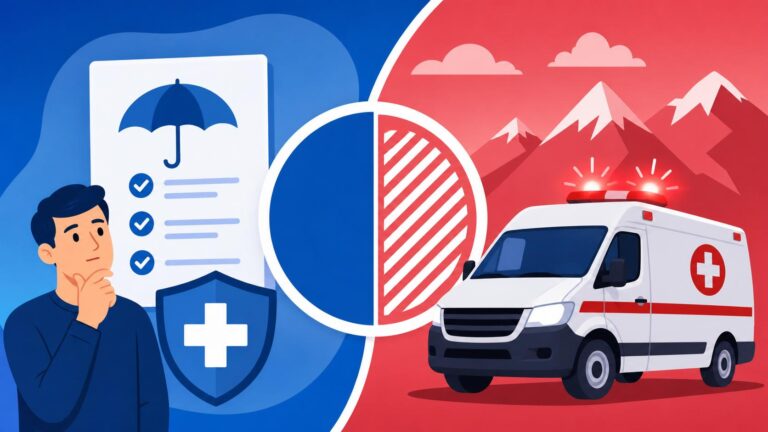
Comparing Health Insurance Models: Telmed, HMO, Family Doctor, and Standard
Most expats default to the "Standard" model because it sounds safe, but it is actually the most expensive. In the Standard model, you have a "free choice of doctors," meaning you can go to any specialist without a referral. However, most savvy residents opt for alternative models to save 10% to 25% on their premiums.
The HMO model requires you to visit a specific health center first, while the Family Doctor model (Hausarzt) requires you to see your designated GP before being referred elsewhere. For those who are tech-savvy and rarely get sick, Telmed Insurance Explained: How Calling First Saves You Premium Costs covers a model where you must call a medical hotline for a consultation before seeking in-person care. This is a fantastic way to lower your monthly overhead if you don't mind a quick phone triage session. You can explore a full breakdown in our guide on Comparing Health Insurance Models: Telmed, HMO, Family Doctor, and Standard.
How to Choose the Right Deductible Franchise for Your First Year
The "Franchise" (deductible) is the amount you pay out of pocket before the insurance kicks in. In Switzerland, these range from 300 CHF to 2,500 CHF for adults. The math is relatively simple: if you expect to have medical expenses under 2,000 CHF for the year, choose the 2,500 CHF deductible to get the lowest monthly premium. If you expect to see a doctor frequently, go for the 300 CHF option.
When I first arrived, I chose a middle-ground deductible, which was a mistake. In the Swiss system, the "ends" of the spectrum (300 or 2,500) almost always make the most financial sense. For more on how to calculate this, check out How to Choose the Right Deductible (Franchise) for Your First Year.
The Role of Supplementary Insurance
Basic insurance (KVG) is robust, but it doesn't cover everything. It won't cover a private room in the hospital, and it is quite stingy with dental work and glasses. This is where Supplementary Health Insurance (VVG): What It Covers and When to Buy It comes into play. Unlike basic insurance, providers can reject you for supplementary coverage based on your medical history. My advice? Apply for supplementary insurance the moment you arrive, while you are still "healthy" in the eyes of their underwriters. If you wait until you have a chronic back issue, you’ll never get it.
| Feature | Basic Insurance (KVG/LAMal) | Supplementary Insurance (VVG) | International Plans (e.g., Cigna Global) |
|---|---|---|---|
| Mandatory? | Yes, for all residents | No, completely optional | Often used by globetrotters |
| Acceptance | Guaranteed by law | Can be rejected for health reasons | Medical underwriting required |
| Dental | Only for serious accidents/illness | Often included as an add-on | Depends on the plan tier |
| Hospital Room | General ward (multi-bed) | Semi-private or Private | Private usually included |
| Maternity | Covered after 13th week | Upgraded suite/midwife choice | Varies by waiting period |
The Step-by-Step Registration Process
Once you’ve decided on a model and a deductible, the actual act of signing up involves a bit of paperwork. Switzerland is still surprisingly fond of physical mail and "wet" signatures, so don't expect the entire process to be 100% digital.
Gathering Your Documentation
To apply, you will need your residence permit (or the "Meldebestätigung" document from the Gemeinde if your permit card hasn't arrived yet). You will also need a copy of your passport. If you are moving with a family, you will need these documents for every member, including children. While children have no "90-day grace period" in the same sense as adults (they must be insured from birth or arrival), their premiums are significantly lower and they don't pay a franchise.
Requesting Quotes and Navigating Comparison Portals
The most popular site for comparing rates is Priminfo (the government-run portal) or private comparison sites like Comparis. Be careful with private sites, as they often receive commissions for certain providers. I always recommend checking at least three different companies.
If you are a high-net-worth individual or a digital nomad who travels frequently outside of Switzerland, you might also look into specialized international providers like Cigna Global. While Cigna Global is often used by those who aren't yet registered as residents, once you are officially a resident, you must ensure any international plan you have meets the strict KVG equivalence standards, or you will still be forced to buy a local Swiss plan. Most expats find that a local KVG plan plus a supplementary VVG plan is the sweet spot for total coverage.
Finalizing the Contract and Receiving Your Health Card
After you send in your signed application, it takes about two to four weeks to receive your insurance card, known as the VeKa (Versichertenkarte). This card is your golden ticket. It contains your insurance number and is used by doctors and pharmacies to bill your provider directly or to verify your coverage. Once you have it, you should read our guide on How to Use Your Swiss Health Card (VeKa) at the Clinic to understand the difference between the Tiers Payant and Tiers Garant billing systems.
Financial Considerations and Reducing Your Monthly Burden
Swiss health insurance is expensive. There is no way to sugarcoat it. In some cantons, premiums are rising by 6-10% annually. However, there are mechanisms in place to ensure that these costs don't bankrupt families.
Cantonal Premium Reductions for Low-Income Households
If your income falls below a certain threshold (which varies significantly between a canton like Zug and a canton like Geneva), you may be entitled to a "Prämienverbilligung" or premium reduction. This is a subsidy paid by the canton directly to your insurance company to lower your monthly bill. Many expats assume they don't qualify because they have "decent" jobs, but with the high cost of living, you might be surprised. It is always worth checking the application process in our detailed post on Cantonal Premium Reductions (Prämienverbilligung) for Low-Income Households.
Out-of-Pocket Maximums: Calculating Your True Annual Healthcare Costs
Your financial exposure isn't just your monthly premium. You also have your franchise and a 10% "retention" (Selbstbehalt) fee for every bill until you hit a cap (usually 700 CHF for adults). Understanding your Out-of-Pocket Maximums: Calculating Your True Annual Healthcare Costs is the only way to truly budget for the year. I tell every new expat to keep at least 3,200 CHF in a "medical emergency fund" (2,500 franchise + 700 retention). This ensures that even in a worst-case scenario, like a sudden appendectomy, you won't be scrambling for cash.
Managing Daily Health Costs
Aside from the insurance premiums, the cost of over-the-counter (OTC) medication in Switzerland is eye-watering. A simple box of ibuprofen can cost four times what it does in the US or UK. To manage these smaller daily health costs, many expats turn to online retailers like iHerb for vitamins, supplements, and basic wellness products that don't require a Swiss prescription. Using iHerb can save you a significant amount over the course of a year, especially if you have a regular supplement routine. Just be mindful of Swiss customs limits when ordering from abroad!
Specialized Care and Finding Your Medical Network
The Swiss system is world-class, but it functions differently than many other healthcare infrastructures. It is highly decentralized, and "finding your way in" is often the hardest part for foreigners.
Finding an English-Speaking Family Doctor
In major cities like Zurich, Geneva, and Basel, finding a doctor who speaks English is relatively easy. However, finding one who is taking new patients is the real challenge. I recommend looking for a "Hausarzt" immediately after you get your insurance card. Don't wait until you have a 40-degree fever to start your search. Many people find success by looking for specialists in our guide on Finding an English-Speaking Family Doctor (Hausarzt) in Major Cantons.
When you do visit a doctor, don't be surprised if they don't do a full panel of blood tests automatically. Swiss medicine is very "evidence-based" and conservative; they only test for what is necessary. If you want a specific supplement check, you might find it cheaper to buy your own tests or simply order your maintenance vitamins through iHerb rather than paying for a specialized consultation for a minor deficiency.
Maternity and Child Healthcare
If you are moving to Switzerland while pregnant, or planning to start a family, you are in excellent hands. The Swiss maternity system is exceptional. Basic insurance covers all check-ups, the birth itself, and several sessions with a midwife after you return home. However, there are nuances about when coverage starts and what "extras" you might want. For example, many parents-to-be choose to add supplementary insurance early to ensure a private room during delivery. Read more about the journey from Maternity and Child Healthcare in Switzerland: From Pregnancy to Pediatrics.
Dental Care: The Great Swiss Expat Shock
Here is the "I've-been-there" truth: the mandatory health insurance in Switzerland covers almost zero dental work. Unless you have a horrific accident or a life-threatening jaw disease, you are on your own. Most Swiss residents pay out of pocket for cleanings and fillings. This is why you will see many expats "commuting" to Germany or France for dental work. We've written a realistic look at this in Dental Care in Switzerland: Costs, Insurance Reality, and Alternative Options. If you have children, I highly recommend getting them dental insurance before they turn three, as it’s much cheaper and easier to get approved at that age.
Practical Tips for Your First Visit to the Pharmacy
The pharmacy (Apotheke) in Switzerland is more than just a place to pick up pills; it’s a frontline medical resource. Pharmacists here are highly trained and can offer consultations for minor ailments, which can save you a 100 CHF trip to the doctor.
- Bring Your Card: Always present your VeKa card. Some pharmacies use the "Tiers Payant" system where they bill the insurance directly, and you only pay your 10% share (if you’ve met your deductible).
- Generic vs. Brand Name: Always ask for the generic (Generika) version. Swiss doctors often prescribe expensive brand names by default, but the insurance will often charge you a higher "retention" fee (20% instead of 10%) if a cheaper generic version was available and you chose the brand name.
- Emergency Pharmacies: Every city has a "Notfallapotheke" that is open 24/7. Be aware that they charge a "small hours" fee for prescriptions filled late at night or on Sundays.
- Stocking Up: For non-prescription items like Vitamin C, Zinc, or Magnesium, I still stand by my recommendation to use iHerb. The local pharmacy prices for these items are treated almost like luxury goods. Using iHerb ensures you get the brands you recognize from home at a fraction of the price.
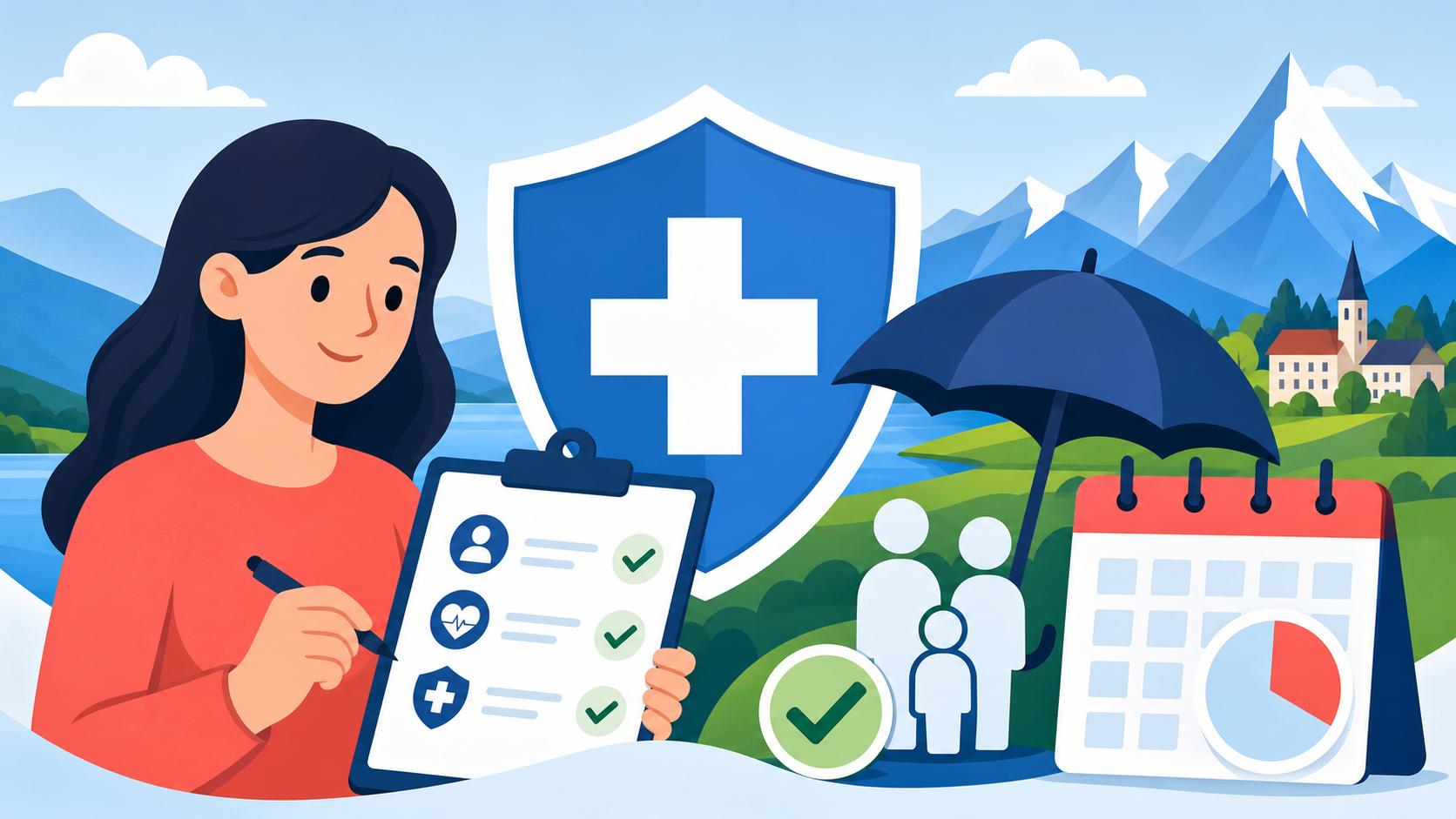
Final Checklist for Your First 90 Days
To wrap this up, your transition into the Swiss healthcare system doesn't have to be a nightmare if you follow a logical order. Don't let the 90 days lull you into a false sense of security.
- Register at your local Gemeinde/Commune immediately upon arrival.
- Set aside a "buffer" of at least 1,500 CHF for the retroactive premium bill.
- Compare models (HMO, Telmed, etc.) and choose based on your health needs.
- Submit your application for basic insurance (KVG).
- Simultaneously apply for supplementary insurance (VVG) while you are new and "low-risk."
- Find an English-speaking "Hausarzt" and have a "get to know you" appointment.
- Bookmark iHerb for your supplement needs to avoid the high Swiss OTC markups.
- Keep your VeKa card in your wallet at all times.
Switzerland’s healthcare is a "pay-to-play" system, but the quality of care you receive in return is arguably the best in the world. Once you get past the initial paperwork mountain, you’ll find it to be an incredibly efficient and reliable part of your new life in the Alps.
Disclaimer
This guide is for informational purposes only and does not constitute legal or professional insurance advice. Insurance laws and cantonal regulations in Switzerland change frequently. Always consult with an official insurance advisor or the Federal Office of Public Health (FOPH) to verify current requirements and coverage options for your specific situation.