Winter Depression (SAD): Light Therapy and Vitamin D Prescriptions
The gray, heavy blanket of the Swiss "Hochnebel" can turn a dream relocation into a psychological marathon within weeks. I remember my first November in Zurich, staring at a leaden sky that didn't break for twenty days, wondering why I felt so utterly drained and irritable. This guide explains how to navigate Seasonal Affective Disorder (SAD) using the Swiss medical system, from securing light therapy to understanding Vitamin D prescriptions.
Understanding the Swiss Winter and the Onset of SAD
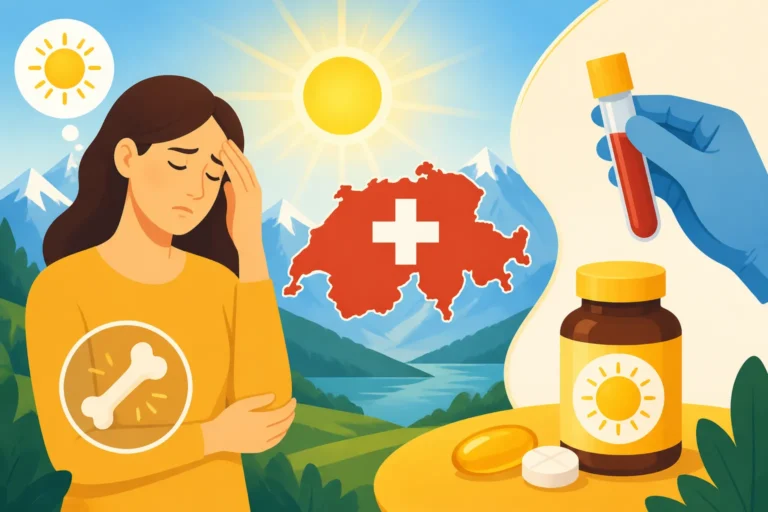
Living in Switzerland offers incredible alpine views, but for those residing in the Plateau—including cities like Zurich, Bern, and Geneva—winter often means the "Hochnebel." This is a persistent high-fog layer that sits around 800 meters, trapping the cold and blocking the sun while the mountain peaks bask in blue skies. For many expats, this lack of sunlight triggers Seasonal Affective Disorder (SAD), a type of depression that comes and goes with the seasons.
The symptoms often start subtly in late October. You might find yourself craving heavy carbohydrates, struggling to wake up despite eight hours of sleep, or feeling a persistent "brain fog" that makes your professional life challenging. In the Swiss context, it’s easy to dismiss this as mere fatigue from a busy job or the stress of Working in Switzerland as an Expat: Jobs, Culture, and Employment Laws, but when it interferes with your daily functioning, it’s time to look at medical interventions.
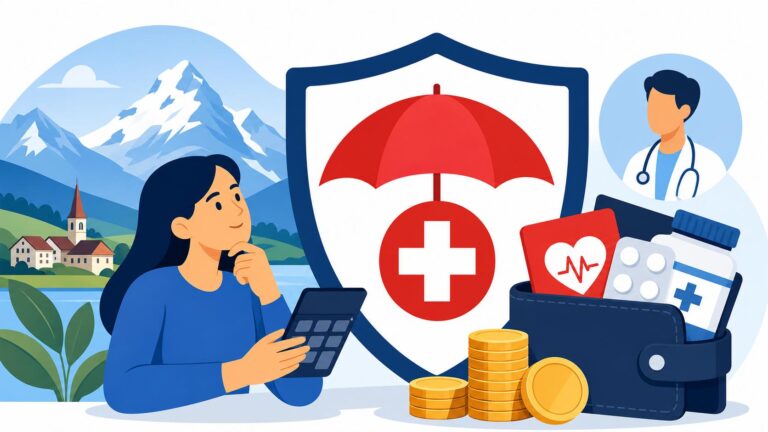
Culturally, the Swiss are very aware of SAD. You will see light therapy lamps displayed in the windows of your local Apotheke (pharmacy) as soon as the clocks turn back. However, treating it effectively involves more than just buying a random lamp. You need to understand how Healthcare in Switzerland for Expats: The Complete System Overview (2027) handles mental wellness and preventative care.
For many internationals, the transition is harder because we lack the "winter resilience" built into the local lifestyle. While a Swiss colleague might immediately head to the mountains at the weekend to "get above the fog," an expat might stay in the city, sinking deeper into the winter blues. Recognizing that this is a physiological response to a specific geographical phenomenon is the first step toward recovery.
Light Therapy: The Swiss Gold Standard for SAD
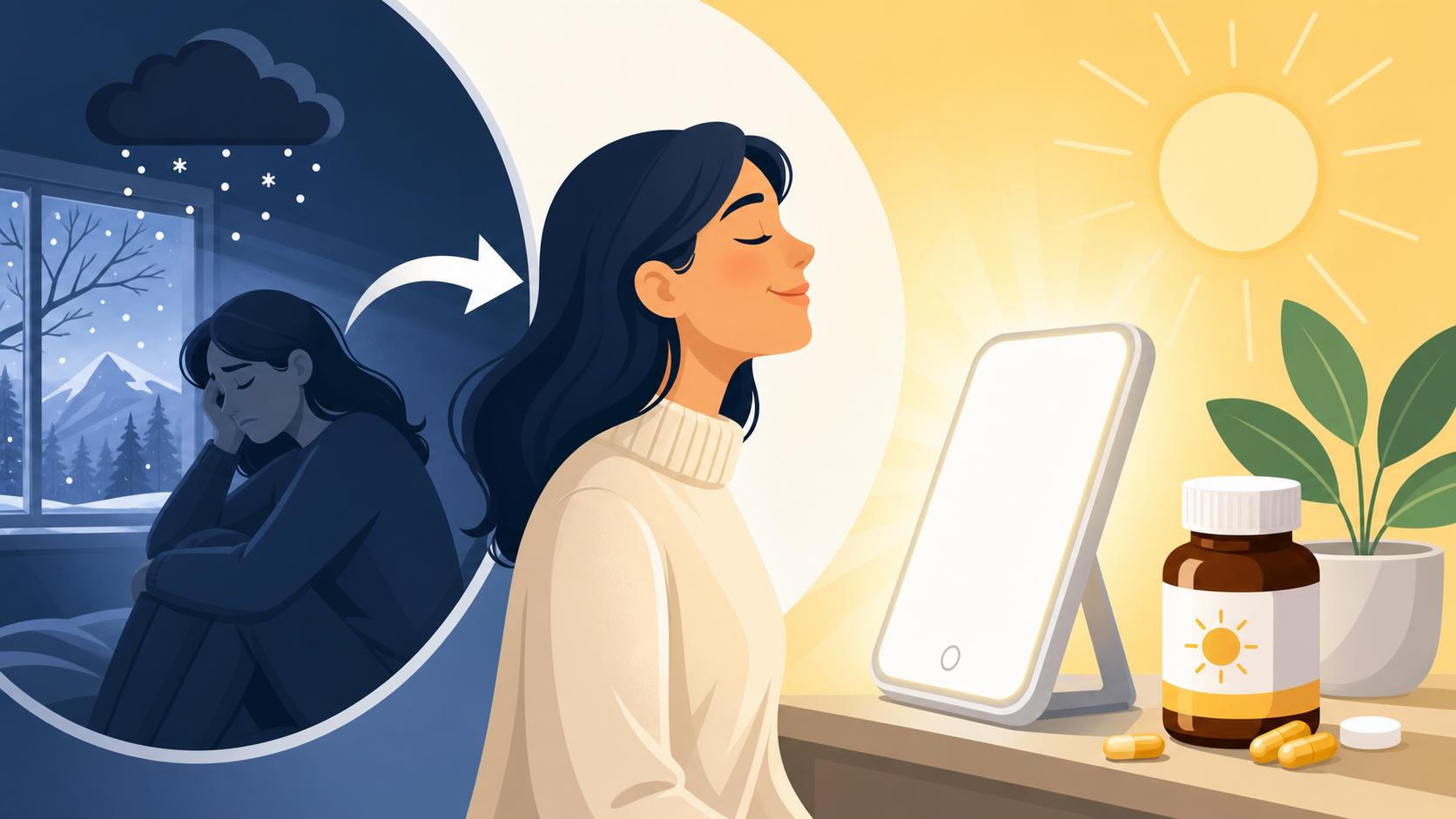
Light therapy, or phototherapy, is the most common and effective treatment for SAD in Switzerland. It involves sitting in front of a specialized lamp that mimics outdoor light. To be effective, the lamp must provide 10,000 lux of light and filter out harmful UV rays. In Switzerland, this isn't just a wellness trend; it is a recognized medical treatment that can be covered by insurance under certain conditions.
If you are struggling, your first point of contact should be your Hausarzt. If you are living in the Limmat Valley, for instance, you might be Finding an English-Speaking Family Doctor in Zurich Oerlikon to discuss your symptoms. They can write a prescription for a light therapy lamp. This is crucial because, under the basic KVG/LAMal insurance, the purchase or rental of a medical-grade light lamp is often reimbursable, provided it is prescribed by a physician to treat a diagnosed case of SAD.
When using a lamp, Swiss doctors typically recommend 30 minutes of exposure every morning, ideally before 9:00 AM. You don't stare directly into the light; instead, you place it on your desk or dining table while you eat breakfast or read the news. The light hits the retina and signals the brain to stop producing melatonin (the sleep hormone) and start producing serotonin (the mood-regulating hormone).
For those with a high The Swiss Franchise System: How Deductibles and Copays Work, you might find that buying a lamp yourself is cheaper than going through the insurance reimbursement process if you haven't met your deductible. You can find high-quality lamps at retailers like Galaxus or specialized stores like Fust. If you have international coverage through a provider like Cigna Global, check your policy, as they often have more flexible terms for mental health equipment and wellness benefits than the local mandatory providers.
| Feature | Standard Light Lamp | Medical-Grade SAD Lamp |
|---|---|---|
| Brightness | 300 – 500 lux | 10,000 lux |
| UV Filter | Not guaranteed | Mandatory |
| Usage Time | Constant | 20-60 minutes daily |
| Insurance Coverage | No | Yes (with prescription) |
| Primary Goal | Illumination | Hormonal regulation |
Vitamin D Prescriptions and Blood Work in Switzerland
Vitamin D deficiency is nearly universal in Switzerland during the winter months. Because the sun sits too low in the sky from November to March for the skin to synthesize Vitamin D, almost everyone—expats and locals alike—experiences a drop in levels. This deficiency is a major contributor to the lethargy associated with SAD.
Unlike some countries where doctors might suggest a supplement based on symptoms alone, Swiss physicians prefer data. However, be aware that Routine Blood Tests: Why Swiss Doctors Don't Order Them Automatically is a standard rule. You usually have to specifically mention your low mood and request a Vitamin D (25-hydroxyvitamin D) test.
Once a deficiency is confirmed, your doctor will likely prescribe a high-dose supplement. In Switzerland, the most common prescription is Vi-De 3, which comes in concentrated oily drops. The dosage in Switzerland can be quite high compared to other countries, often involving a "loading dose" to quickly bring your levels back to a healthy range.
If you prefer capsules or specific vegan formulations that aren't always stocked in a traditional Swiss Pharmacies and Medication: Prescriptions, Costs, and OTC Regulations, you might look into ordering via iHerb. They carry a wide range of D3 and K2 combinations that are popular in the expat community. Just remember that while iHerb is convenient for specific brands, a prescription from a Swiss doctor allows you to claim the cost of the supplement against your insurance, provided you have reached your franchise.
It is also worth noting that the Swiss approach to Vitamin D is increasingly sophisticated. Many doctors now suggest taking Vitamin D in conjunction with Magnesium and Vitamin K2 to ensure proper absorption and calcium distribution. If you find the local pharmacy options limited or overpriced, iHerb is a reliable alternative for these supplementary "cofactors" that help the Vitamin D work more effectively.
Navigating Mental Health Support and Supplementary Insurance
If light therapy and Vitamin D aren't enough, it is important to realize that SAD can sometimes mask or trigger deeper depressive episodes. Switzerland has an excellent network of specialists, but the system can be daunting. You may need to look into Mental Health in Switzerland: Accessing Therapists and Psychiatric Care to find a professional who can provide cognitive behavioral therapy (CBT), which is highly effective for seasonal patterns.
Under the "Anordnungsmodell" introduced recently in Switzerland, psychological psychotherapy is covered by basic insurance if it is prescribed by a doctor. This has made it much easier for expats to access support. However, waitlists can be long, especially for English-speaking providers. If you are in the capital, you might start by Finding an English-Speaking Therapist in Bern to see who has availability during the peak winter months.
This is where having the right insurance mix becomes vital. While the basic KVG covers the essentials, Supplementary Health Insurance (VVG): What It Covers and When to Buy It often provides quicker access to private clinics and a wider range of alternative therapies, such as acupuncture or specialized sleep clinics, which can be life-changing for SAD sufferers.
For those who move frequently or prefer an international doctor network, Cigna Global offers plans that bridge the gap between Swiss requirements and the need for global mental health support. This is particularly useful if you want to continue seeing a therapist from your home country via telehealth, which isn't always easily billed through local Swiss providers.
Don't wait until February to seek help. The peak of the "Swiss blues" usually hits in January after the holiday lights are taken down and the reality of several more months of gray weather sets in. If you are feeling the "Föhn" winds—those warm, dry winds that can cause headaches and irritability—you might also be experiencing Swiss Föhn Sickness: Why the Mountain Wind Causes Headaches, which can exacerbate the feelings of seasonal depression.
Practical Steps to Combat SAD in Your Swiss Apartment
Beyond the doctor's office, your lifestyle in your Swiss home plays a huge role. The way Renting in Switzerland: The Complete 2027 Guide for Expats works, many apartments have "Minergie" standards, which are great for insulation but can sometimes feel "sealed off" from the outside world.
To maximize the light in your home:
- Open the Shutters Fully: Swiss "Lamellenstoren" (slats) are often kept half-closed for privacy. In winter, pull them all the way up the second you wake up.
- Thermal Regulation: Keep your living space warm but not stuffy. The dry air from Swiss heating systems can contribute to the "heavy head" feeling.
- Morning Routine: Use your 10,000 lux lamp while drinking your coffee. Consistency is more important than duration.
- Alpine Escapes: Check the webcams on the SBB app. If it’s gray in Zurich, it’s often sunny in Flumserberg or Rigi. A "day above the clouds" can provide enough natural UV to reset your system for a few days.
If you find that the cost of living is adding to your stress, look into Cantonal Premium Reductions (Prämienverbilligung) for Low-Income Households to ensure you aren't overpaying for your mandatory coverage, leaving you more budget for wellness and mountain trips. Remember, your health is a priority, and the Swiss system is designed to support you, provided you know which buttons to push and which prescriptions to ask for.
If you are new to the country and still in your first 90 days, make sure you understand the Mandatory Registration: How to Sign Up for Health Insurance Within 90 Days so you can get your Vitamin D levels checked as soon as possible. Winter in the Alps can be magical, but only if you have the biological energy to enjoy it.
Disclaimer
This article is for informational purposes only and does not constitute medical advice. Healthcare regulations and insurance coverages in Switzerland are subject to change. Always consult with a qualified medical professional or your insurance provider regarding symptoms of depression or before starting new supplements and treatments.