Vitamin D Deficiency in Switzerland: Testing and Supplement Recommendations
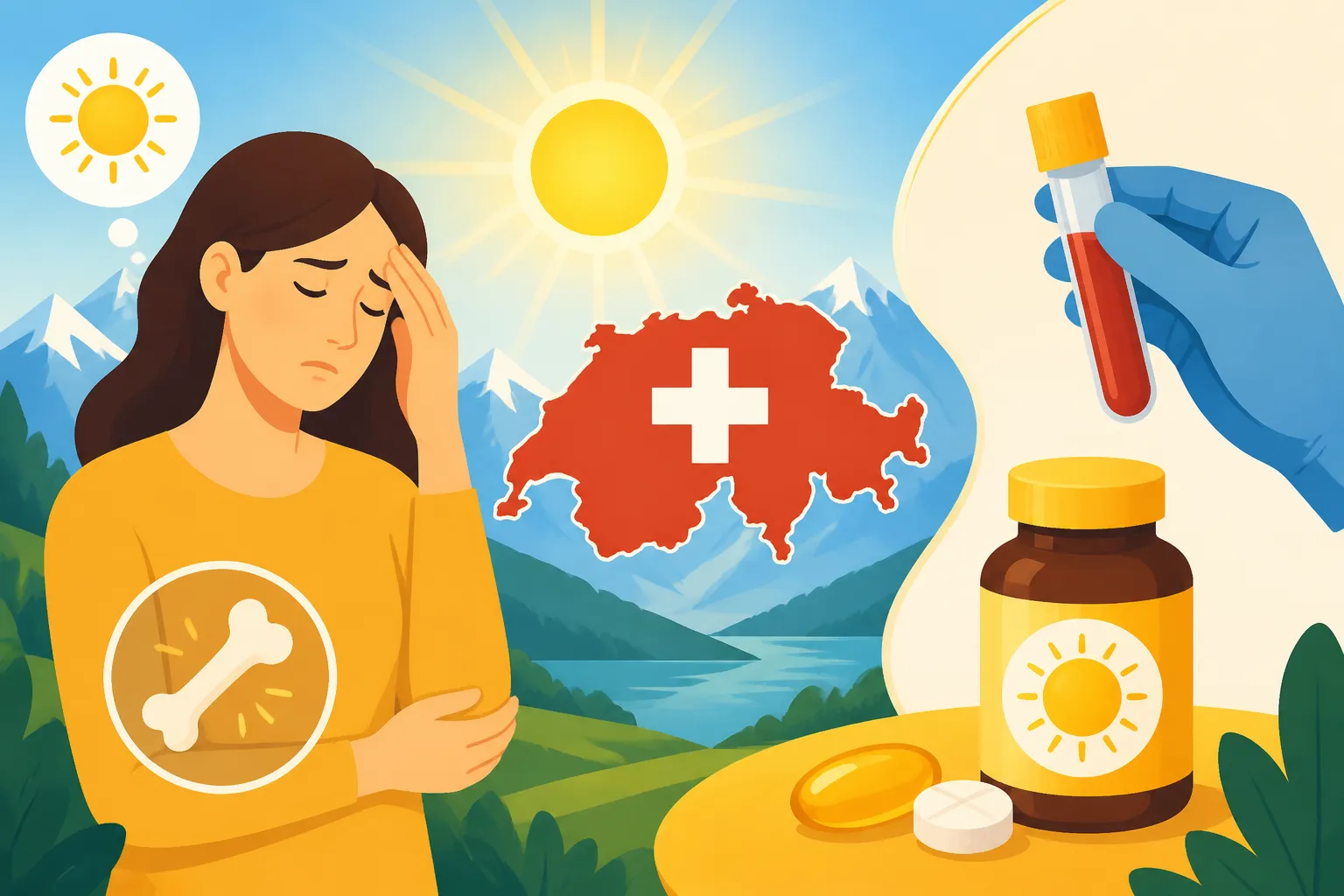
It’s a common paradox: you move to Switzerland, surrounded by breathtaking mountains and often glorious sunshine, only to find yourself feeling sluggish and perhaps even prone to illness. Many expats discover, sometimes years into their Swiss adventure, that they’re actually experiencing a vitamin D deficiency. This guide will help you understand why this "sun vitamin" issue is so prevalent here, how to get tested, and what steps you can take to keep your levels optimal for a healthier life in the Alps.
Understanding Vitamin D Deficiency in Switzerland
Moving to Switzerland can be incredibly exciting, but it also brings a whole host of new environmental factors that might just be impacting your health in ways you didn't expect. One of the sneakiest culprits? Vitamin D deficiency. You might think "sunshine, mountains, what's the problem?" But it's not quite that simple.
The "Sun Vitamin" Paradox in the Alps
Switzerland, despite its stunning natural beauty and often clear, sunny skies, presents a unique challenge when it comes to vitamin D synthesis. Our bodies primarily produce vitamin D when our skin is exposed to UVB rays from the sun. However, for a significant portion of the year, particularly from October to March, the sun's angle in Switzerland is simply too low for effective vitamin D production, even on a perfectly clear day. This geographical reality means that during these long winter months, we're relying on stores built up during summer or external sources.
Add to that our outdoor lifestyle – often bundled up in warm clothing for skiing, hiking, or simply navigating city streets – and the use of sunscreen (which is fantastic for skin health but blocks UVB rays), and you start to see why even sun-loving expats can find themselves short. Factor in the prevalence of modern indoor jobs, and it becomes clear that relying solely on sunshine here is often not enough. It's a real bummer, especially when you're trying to soak up every moment of your new life here, only to feel perpetually drained.
Common Symptoms and Long-Term Risks
The tricky thing about vitamin D deficiency is that its symptoms can be quite subtle and easily mistaken for general expat fatigue or the "winter blues." You might experience a persistent feeling of tiredness, muscle weakness or aches, bone pain, or a general sense of malaise. Some people report mood changes, increased susceptibility to infections, or even hair loss. It’s easy to dismiss these as stress from moving or adjusting, but they could be your body signaling something more specific.
Beyond these immediate, often frustrating symptoms, long-term vitamin D deficiency carries more serious health risks. Vitamin D plays a crucial role in bone health, calcium absorption, immune system function, and even mood regulation. Chronic deficiency can lead to osteoporosis, increasing the risk of fractures, and has been linked to a higher risk of autoimmune diseases, certain cancers, cardiovascular disease, and even type 2 diabetes. So, while it might start with just feeling a bit "off," maintaining adequate vitamin D levels is genuinely important for your overall well-being and long-term health here in Switzerland.
Getting Tested for Vitamin D in Switzerland
If you're experiencing any of the symptoms we just talked about, or if you simply want to proactively check your health in your new Swiss environment, getting your vitamin D levels tested is a sensible next step. Navigating the Swiss healthcare system can feel like a labyrinth at times, but this particular test is relatively straightforward once you know the process.
When and Why Your Doctor Might Recommend a Test
Generally, your family doctor (Hausarzt in German-speaking Switzerland, médecin de famille in Romandie) is the first point of contact for any health concerns. If you explain your symptoms – persistent fatigue, muscle weakness, frequent colds, or general low mood – they might suggest a vitamin D blood test. They might also recommend it if you have certain risk factors, such as darker skin (which synthesizes less vitamin D from sun), a diet low in vitamin D-rich foods, limited sun exposure due to lifestyle or medical reasons, or conditions that affect nutrient absorption.
It's important to understand that in Switzerland, routine preventative screenings like a general vitamin D test without a clear medical indication can sometimes be a gray area for basic health insurance coverage. Your doctor will assess whether there's a clinical need, and if so, they'll write a prescription for the lab work. If you're wondering how to find a good doctor who speaks your language, check out our guide on Finding an English-Speaking Family Doctor (Hausarzt) in Major Cantons – it’s a lifesaver for many newcomers.
The Testing Process and What the Results Mean
Getting the test done is quite simple. Your doctor will provide you with a lab request form, and you'll then go to a local blood analysis lab (many doctors have one in their practice, or they’ll direct you to an independent lab). They'll take a small blood sample, usually from your arm, and you'll typically receive the results within a few days to a week. The test measures the amount of 25-hydroxyvitamin D (25(OH)D) in your blood, which is the best indicator of your body's vitamin D stores.
Once the results are in, your doctor will interpret them with you. While specific ranges can vary slightly between labs, here's a general overview of what the numbers mean:
| 25(OH)D Level (ng/mL or nmol/L) | Interpretation | Swiss Norm (Approx.) |
|---|---|---|
| < 20 ng/mL (< 50 nmol/L) | Severe Deficiency | Highly deficient |
| 20-29 ng/mL (50-74 nmol/L) | Insufficiency | Low |
| 30-100 ng/mL (75-250 nmol/L) | Sufficient/Optimal | Optimal |
| > 100 ng/mL (> 250 nmol/L) | Potentially Excessive (Toxic) | Rare, potentially toxic |
Note: Some labs use nmol/L (nanomoles per liter), while others use ng/mL (nanograms per milliliter). To convert ng/mL to nmol/L, multiply by 2.5.
If your levels are low, don't fret! It's a common issue, and your doctor will work with you to create a plan to bring them up to a healthy range. This often involves supplementation, which we'll delve into next.
Costs and Insurance Coverage for Vitamin D Tests
Ah, the eternal question in Switzerland: "Will my insurance cover this?" When it comes to vitamin D testing, it can be a bit nuanced. Your mandatory basic health insurance (KVG/LAMal) will generally cover the cost of a vitamin D test if it's deemed medically necessary by your doctor due to symptoms or specific risk factors. This means your doctor needs to explicitly state a reason for the test that justifies it beyond just "general wellness check." If it's considered a preventative screening without such justification, you might find yourself footing the bill. This is a crucial distinction, and one that often catches expats off guard.
A typical vitamin D test can cost anywhere from CHF 40 to CHF 80, depending on the lab and specific services. If it's covered by KVG, it will first go towards your chosen deductible (Franchise) and then be subject to the 10% co-pay (Selbstbehalt). It's always a good idea to discuss the potential costs with your doctor beforehand, especially if you're close to your deductible limit or unsure about coverage. For a deeper dive into how your insurance works, you might want to read Understanding KVG/LAMal: Mandatory Basic Health Insurance Explained. Knowing your way around your policy can save you headaches and unexpected bills in the long run.
Supplementing Vitamin D: Recommendations and Considerations
Once you've identified a deficiency or insufficiency, the good news is that it's relatively easy to correct with supplementation. This isn't about popping random pills; it's about a targeted approach to support your health.
Dosage Guidelines and Prescription vs. Over-the-Counter Options
For adults, the typical recommendation for maintaining sufficient vitamin D levels is around 800 to 2000 International Units (IU) per day, particularly during the darker months or if sun exposure is limited. However, if you are actively deficient, your doctor will likely prescribe a much higher initial dose to quickly raise your levels. These prescription-strength supplements can be anywhere from 10,000 IU daily to 20,000 IU once a week, or even a mega-dose once a month, depending on the severity of your deficiency. It's really important to follow your doctor's specific instructions here, as excessive vitamin D intake can also be harmful, though it's rare from supplements alone unless taken in extremely high doses over prolonged periods.
Over-the-counter (OTC) vitamin D supplements are readily available in Swiss pharmacies (Apotheken) and drugstores (Drogerien), as well as some supermarkets like Migros and Coop. These typically come in doses ranging from 400 IU to 2000 IU. If your doctor has diagnosed a deficiency, they might advise you on specific brands or dosages to look for, or they might prefer you get a higher-dose prescription that they can monitor. Always consult your healthcare provider to ensure you're taking the right amount for your individual needs. Remember, a visit to the pharmacy is not just for picking up medication; pharmacists in Switzerland are highly knowledgeable and can offer valuable advice. Check out our guide on Pharmacies and Medication: Prescriptions, Costs, and OTC Regulations for more insights into this vital resource.
Choosing the Right Supplement Form and Brand
When you're standing in front of the vitamin D aisle, it can feel a bit overwhelming with all the options. Here's what to look for:
- Form: Vitamin D3 (cholecalciferol) is generally considered the most effective form as it's what your body naturally produces from sun exposure. D2 (ergocalciferol) is also available but is less efficient.
- Delivery Method:
- Drops: Often preferred for ease of dosing, especially for children, and for those who have difficulty swallowing pills. They are absorbed quickly.
- Capsules/Tablets: The most common form, available in various strengths.
- Sprays: Another convenient option, absorbed through the mucous membranes in the mouth.
- Brand: Look for reputable brands that clearly state the IU dosage. Many Swiss pharmacies carry their own house brands (e.g., from Amavita or Coop Vitality), which are usually reliable. Your doctor might recommend specific brands based on their experience. Do a quick search online for reviews, but trust your doctor's or pharmacist's advice first.
When browsing, don't forget to consider combination supplements if your doctor also recommends other vitamins, like magnesium or vitamin K2, which can work synergistically with vitamin D.
Dietary Sources and Lifestyle Changes
While supplementation is often necessary to correct a deficiency, don't underestimate the power of diet and lifestyle to support your vitamin D levels. Think of it as a holistic approach to maintaining your health in this beautiful country.
Here are some dietary sources that contain vitamin D:
- Fatty Fish: Salmon, mackerel, tuna, and sardines are excellent sources. Try incorporating them into your meals a few times a week.
- Fortified Foods: In Switzerland, you'll find some dairy products, plant-based milks, cereals, and even orange juice fortified with vitamin D. Always check the labels!
- Egg Yolks: A modest amount of vitamin D can be found here.
- Mushrooms: Some mushrooms, especially those exposed to UV light, contain vitamin D2.
Beyond food, embrace the Swiss outdoors as much as possible, especially during the sunnier months. Even if the sun isn't strong enough for optimal vitamin D synthesis in winter, getting fresh air and natural light has numerous other health benefits. Head to the mountains, take walks by the lake, or simply enjoy a coffee on a sunny terrace. Small consistent efforts can make a big difference.
Living Your Best Swiss Life with Optimal Vitamin D
Adjusting to life in Switzerland, with its distinct seasons and different approach to healthcare, can be a journey. Understanding and managing your vitamin D levels is just one piece of that puzzle, but it's an important one that can significantly impact your energy and overall well-being.
Seasonal Strategies for Expats
As an expat, you're not just adapting to a new culture but also a new climate and its effects on your body. Here’s a pragmatic strategy for dealing with vitamin D in Switzerland:
- Summer is for Storing: Make the most of every sunny day between April and September. Spend time outdoors, perhaps without sunscreen for a short period (10-15 minutes, depending on your skin type and sun intensity) on exposed skin like arms and legs, before applying protection. This helps build up your body’s natural stores.
- Winter is for Supplementing: Assume that from October to March, your body isn't producing enough vitamin D. This is the prime time to consistently take your prescribed or recommended OTC supplement. Don't wait until you're feeling sluggish; be proactive.
- Regular Check-ups: Incorporate a vitamin D level check into your annual health routine, especially if you have a history of deficiency or experience symptoms. This can be part of a broader discussion with your doctor about your Healthcare in Switzerland for Expats: The Complete System Overview (2027).
By being mindful of the seasonal changes and proactively managing your vitamin D intake, you can avoid the common slump many expats experience. It's about empowering yourself with knowledge and simple actions to thrive, not just survive, in your Swiss home.
Disclaimer
The information provided in this guide is for general informational purposes only and does not constitute medical advice. Always consult with a qualified healthcare professional, such as your doctor or pharmacist in Switzerland, before making any decisions about your health, testing, or starting any new supplements. Individual needs and medical conditions vary.