Best Sunrise and Sunset Viewpoints in the Swiss Alps
Living in Switzerland, you eventually hit that point where the stunning daytime views just aren't enough anymore. You start craving something more, something truly ephemeral – that fleeting moment when the sun paints the Alps in hues you didn't even know existed. Chasing alpine sunrises and sunsets can be a challenging endeavor, demanding early starts, careful planning, and a bit of luck with the weather. But trust me, the reward is an unparalleled, soul-stirring experience. This guide is all about sharing the best spots and the practical tips to help you capture those magical moments yourself.
Why Chasing Alpine Sunrises and Sunsets is an Unforgettable Experience
Let's be real, life as an expat in Switzerland can be a whirlwind of administrative tasks, deciphering local customs, and trying to navigate the notorious cost of living. Amidst all that, it's easy to forget why we came here in the first place: the sheer, jaw-dropping beauty of this country. And there's truly no better way to reconnect with that magic, to feel utterly dwarfed and yet entirely at peace, than by witnessing the sun's grand entrance or dramatic exit over the Alps.
The Mystique of Early Morning Light
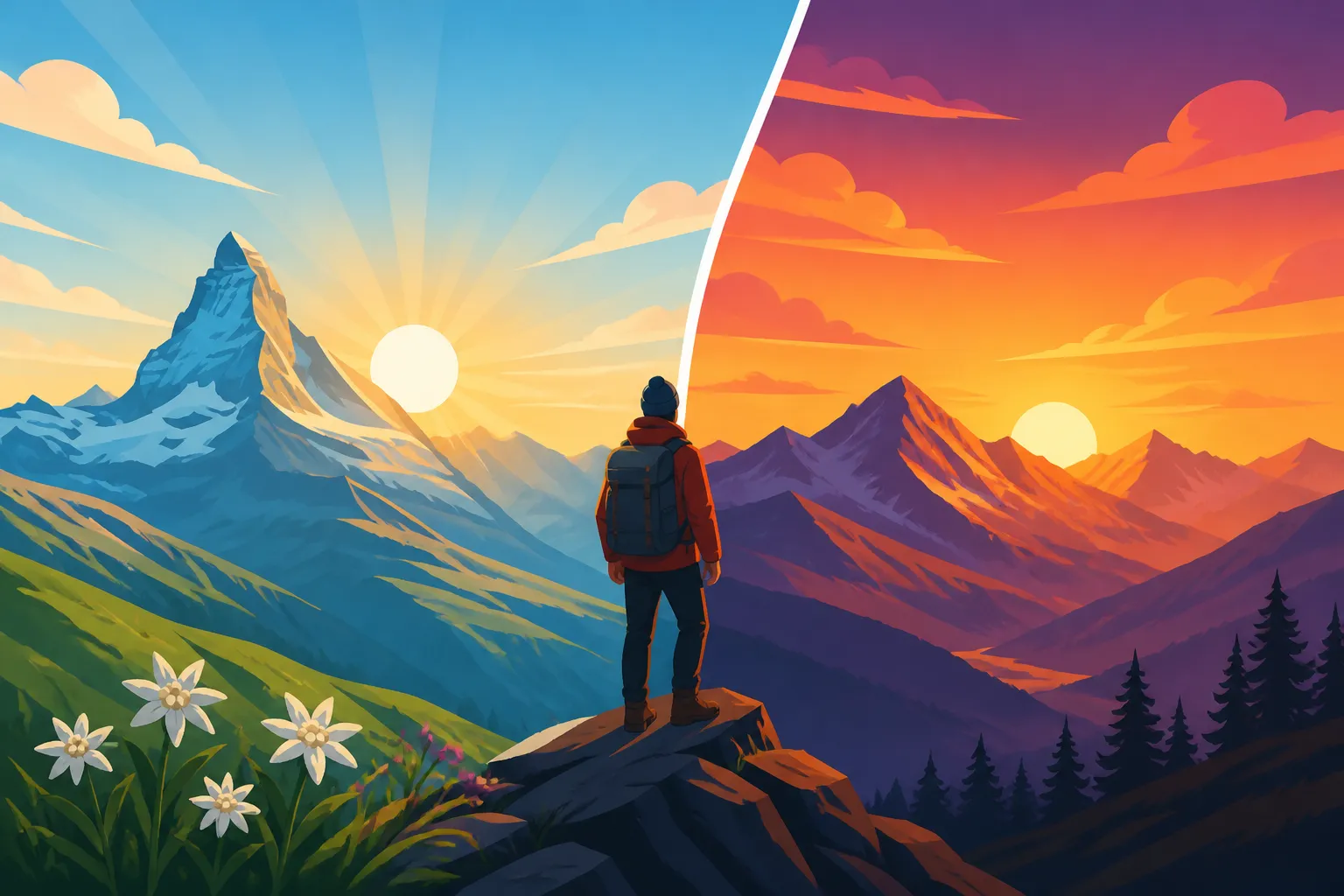
Imagine this: it's still dark, the air is crisp, almost biting, and the only sounds are your footsteps on the path and the occasional distant cowbell. You've dragged yourself out of bed long before the birds, perhaps even before your first coffee has truly kicked in. But then, as you reach your vantage point, the eastern horizon begins to blush. First faint pink, then fiery orange, gradually illuminating the jagged peaks one by one. The mountains, which just moments ago were dark, imposing silhouettes, slowly reveal their craggy faces, their snowcaps turning a brilliant gold. It's an intimate, almost spiritual experience. There are usually fewer people around at sunrise, creating a profound sense of solitude and wonder that daytime crowds can never offer. It's the mountain waking up with you, a private show just for those willing to make the effort.
The Drama of Alpine Dusk
Sunsets in the Alps, on the other hand, are often a more communal celebration, though no less spectacular. After a day of hiking or exploring, finding a spot to watch the sun dip below the western peaks feels like the perfect culmination. The light changes rapidly, casting long, dramatic shadows that play across valleys and ridges. The sky explodes in a riot of color, reflected in glassy alpine lakes or illuminating the white expanse of glaciers. It's a different kind of magic – a vibrant, dynamic show that invites reflection and appreciation for the day's adventures. There's something deeply satisfying about watching the day close out from a high perch, the fading light encouraging quiet contemplation before the stars begin to emerge in a truly dark sky. It's a reminder of how vast and beautiful the world is, and how privileged we are to be living in this incredible corner of it.
Top Sunrise Viewpoints in the Swiss Alps
Catching an alpine sunrise often means being proactive. We're talking about very early starts, sometimes even staying overnight in a mountain hut or a hotel near the peak. But believe me, the spectacle that unfolds as the first rays hit the granite and ice is worth every bleary-eyed step.
Gornergrat, Zermatt (Valais)
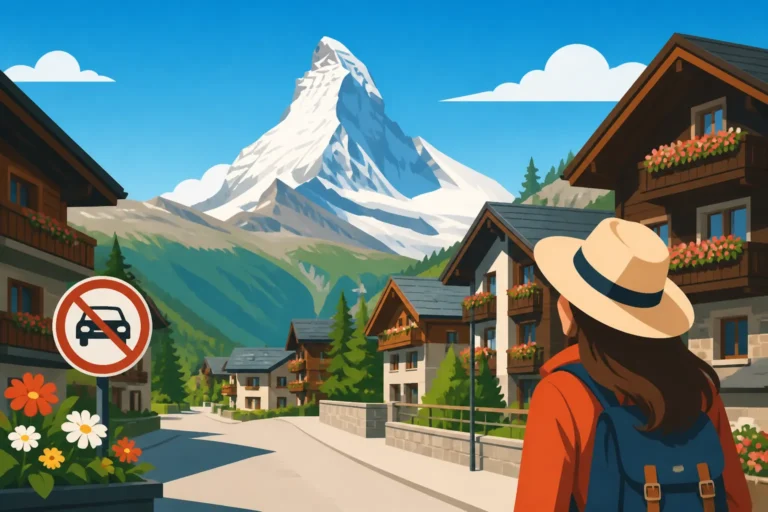
If you're looking for that iconic Matterhorn sunrise, look no further than Gornergrat. This isn't just any viewpoint; it's a masterpiece. The journey itself is an experience, taking the Gornergrat Railway: Matterhorn Views from Zermatt up from car-free Zermatt. You'll want to take one of the very first trains up, or better yet, stay overnight at the 3100 Kulmhotel Gornergrat right at the summit. Waking up above the clouds, stepping out onto the platform, and seeing the Matterhorn slowly ignite with the morning sun is pure magic. The hotel offers unparalleled access, allowing you to bypass the early morning rush and simply walk out to the viewing platforms.
From here, you get a 360-degree panorama of 29 peaks above 4,000 meters, including the mighty Matterhorn, the Monte Rosa massif, and the Gorner Glacier. The trick is to check the weather meticulously. There's nothing worse than waking at 4 AM for a sunrise only to find yourself enveloped in a thick cloud bank. I always check multiple weather apps and the Gornergrat webcams before committing to such an early start. For your accommodation, I'd highly recommend looking on Booking.com for options in Zermatt or directly at the Kulmhotel to make sure you're perfectly positioned.
Harder Kulm, Interlaken (Bernese Oberland)
For a slightly more accessible, yet equally stunning, sunrise experience, Harder Kulm above Interlaken is a fantastic choice. You can take the Harderbahn funicular almost to the top, but be aware that the funicular typically doesn't start running early enough for a true summer sunrise. This means a pre-dawn hike is often necessary, which adds to the adventure! The hike from Interlaken Ost is steep but manageable for those with a decent fitness level, taking about 2-3 hours. Remember to bring a headlamp for the ascent!
The "Two Lakes Bridge" viewing platform offers breathtaking views over Lake Thun and Lake Brienz, with the Eiger, Mönch, and Jungfrau trio standing majestically in the background. As the sun rises, it paints the eastern face of the Eiger in fiery orange, slowly revealing the entire Jungfrau region. The benefit here is that after the sunrise, you can grab breakfast at the Panorama Restaurant at the top before taking the funicular down. It’s a great option for those who want a dramatic alpine sunrise without venturing too deep into the high mountains overnight, especially if you're Exploring Interlaken: Gateway to the Jungfrau Region.
Piz Nair, St. Moritz (Graubünden)
If you find yourself in the Engadine region, Piz Nair, towering above St. Moritz, offers a sunrise experience that feels both luxurious and wild. This peak, accessible by funicular and cable car from St. Moritz Dorf, is known for its incredible panoramic views of the Upper Engadine lakes and the surrounding glaciers. Similar to Gornergrat, the key for sunrise is either staying very close by or taking one of the earliest lifts. In winter, special "Sunrise Breakfast" events are sometimes offered, allowing you to take an early gondola up specifically for the view and a meal.
From Piz Nair, you witness the vastness of the Engadine valley slowly come alive with light, the sun cresting over distant peaks and illuminating the chain of lakes below like scattered jewels. It's a truly expansive vista that captures the unique blend of rugged alpine beauty and serene valley landscapes. The air up here, at over 3,000 meters, is incredibly clear, making for vibrant colors. It’s a fantastic spot if you're combining your sunrise quest with a visit to Exploring St. Moritz and the Engadine Valley.
Top Sunset Viewpoints in the Swiss Alps
Catching an alpine sunset is a slightly different game. Often, you can enjoy a leisurely afternoon hike or a scenic cable car ride, find a good spot, and then soak in the evening colors. The challenge then becomes getting down safely after dark, which often means factoring in the last lift times or planning an overnight stay.
Schynige Platte, Interlaken (Bernese Oberland)
For one of the most romantic and easily accessible sunset views, Schynige Platte, also near Interlaken, is a gem. The historic cogwheel railway, which often runs later in the summer season, makes it relatively easy to ascend for sunset. Once at the top, there are several gentle paths offering stunning perspectives. The panorama from Schynige Platte encompasses the iconic Eiger, Mönch, and Jungfrau, as well as the deep blue waters of Lake Thun and Lake Brienz.
As the sun begins its descent, the entire western sky often lights up, casting a warm glow over the mountains to the east. The peaks turn from brilliant white to a soft pink (the famous "Alpenglow"), then a deep orange, finally settling into dark, mysterious silhouettes against a canvas of fiery reds and purples. You can even enjoy dinner at the mountain hotel's restaurant while watching the spectacle unfold. Just remember to check the last train down or be prepared to stay overnight at the Berghotel Schynige Platte. Booking a room in advance, perhaps through Booking.com, is always a good idea during peak season.
Oeschinensee, Kandersteg (Bernese Oberland)
Oeschinensee is already a paradise during the day, a UNESCO World Heritage site with its vibrant turquoise lake nestled among towering cliffs. But at sunset, it truly transforms into something out of a dream. You take a gondola from Kandersteg up to a point, then it's a short, easy walk to the lake. The trick for sunset is that the gondola stops running in the late afternoon/early evening, meaning if you want to see the full color show, you'll need to hike back down in the dark or stay overnight.
The hike down is about 1.5-2 hours and requires a good headlamp and sturdy shoes. Alternatively, you can book a stay at the Berghaus am Oeschinensee right by the lake. Imagine watching the last rays of sun hit the peaks surrounding the lake, turning the water into a mirror reflecting the fiery sky. The quiet, peaceful atmosphere as the day fades is truly magical. For those interested in extended stays in alpine settings, you might also find the guide on Mountain Huts vs Hotels: Where to Stay in the Swiss Alps useful.
Uetliberg, Zurich (Canton Zurich)
Okay, Uetliberg might not be as "deep Alps" as the others, but it's Zurich's own mountain and offers an incredibly accessible and surprisingly vast panorama, making it perfect for an impromptu sunset. You can reach the summit easily by train from Zurich HB, with the last trains typically running quite late, allowing you to fully enjoy the show. From the observation tower (a small fee applies, usually CHF 2 for adults), you get expansive views over Zurich city, Lake Zurich, and beyond to the Glärnisch and Säntis peaks on a clear day.
While you won't get the dramatic Matterhorn-esque Alpenglow, the cityscape twinkling as the sun dips behind the western hills, painting the sky in soft pastels, is truly beautiful. It's a fantastic option for an after-work escape, a romantic evening, or when you just don't have the time or energy for a full-blown alpine expedition. Plus, there are restaurants at the top for dinner with a view. It's an excellent way to experience a Swiss sunset without needing to invest in a multi-day trip.
Planning Your Alpine Sunrise or Sunset Adventure
Successfully chasing these ethereal moments requires more than just showing up. The mountains, while beautiful, demand respect and thorough preparation. As an expat who's learned a few lessons the hard way (like getting caught in a sudden downpour without a proper jacket), I can't stress preparedness enough.
Logistics and Transportation
First things first, getting there. Switzerland's public transport system is legendary, but you need to know its limitations, especially for pre-dawn or post-dusk excursions. Switzerland by Train: The SBB Network, Scenic Routes, and Day Trips are usually frequent during the day, but early morning and late evening schedules are much more restricted.
- Train/Bus: For places like Zermatt (car-free) or Kandersteg, you'll rely heavily on trains. Use the SBB app or Omio to check schedules well in advance. Sometimes, the only way to catch a true sunrise is to stay overnight, as the first train simply won't get you there in time.
- Mountain Railways & Cable Cars: Many of the best viewpoints are accessed by mountain transport. These have strict operating hours. Always, always check the last descent time. Missing it means an unplanned, potentially dangerous, hike down in the dark or an unexpected overnight stay (if accommodation is available). Consult Mountain Railways and Cable Cars: Reaching Switzerland's Peaks for more details on these vital links.
- Driving: If you're driving, remember that roads to some mountain areas close at night or during winter. Parking can also be a challenge and expensive. For spots like Zermatt, you'll still need to park in Täsch and take a shuttle train.
Essential Gear and Safety
The mountains are beautiful but unforgiving. Even in summer, temperatures can drop significantly after sunset, and conditions can change rapidly.
- Layered Clothing: This is non-negotiable. Think technical base layers, a fleece, and a waterproof/windproof outer shell. Even in August, a down jacket can be a lifesaver at 3,000 meters before dawn.
- Headlamp: Absolutely critical for any pre-dawn hike or post-sunset descent. Don't rely on your phone's flashlight – its battery won't last, and it's not bright enough for uneven terrain. Carry spare batteries!
- Sturdy Footwear: Proper hiking boots with good ankle support are a must, even for seemingly easy walks on mountain paths.
- Food and Drink: Bring water, snacks, and perhaps a thermos with hot tea or coffee for those chilly mornings.
- Weather Check: I cannot overemphasize this. Use multiple sources. The Swiss weather can be incredibly localized and unpredictable. Check Weather Apps and Webcams for Planning Swiss Mountain Trips right up until you leave. A spectacular view becomes miserable (and dangerous) in dense fog or a sudden storm.
- Navigation: While many paths are well-marked, carrying a map, compass, or a reliable offline GPS app (like SwitzerlandMobility) is wise.
- Emergency Numbers: Know 1414 (REGA, Swiss air rescue) or 144 (ambulance). Hopefully, you'll never need them, but it's vital information. For a deeper dive into preparation, consider reading What to Pack for a Day Trip to the Swiss Alps.
| Viewpoint | Location | Best for | Accessibility (Daytime) | Sunset/Sunrise Specifics | Overnight Recommended | Typical Cost (Transport) |
|---|---|---|---|---|---|---|
| Gornergrat | Zermatt (VS) | Sunrise | High (Cogwheel train) | Iconic Matterhorn glow, 29+ peaks, glaciers | Yes (Kulmhotel) | High |
| Harder Kulm | Interlaken (BE) | Sunrise | Medium (Funicular/Hike) | Eiger/Mönch/Jungfrau trio, 2 lakes | No (Hotel at summit) | Medium |
| Piz Nair | St. Moritz (GR) | Sunrise | High (Funicular/Cable) | Engadine lakes & glaciers, vast panorama | Yes (Special events) | High |
| Schynige Platte | Interlaken (BE) | Sunset | High (Cogwheel train) | Eiger/Mönch/Jungfrau, Lake Thun/Brienz | Yes (Berghotel) | Medium |
| Oeschinensee | Kandersteg (BE) | Sunset | Medium (Gondola/Walk) | Lake reflections, dramatic cliffs | Yes (Berghaus) | Medium |
| Uetliberg | Zurich (ZH) | Sunset | High (Train) | Cityscape, Lake Zurich, distant Alps | No | Low |
Booking and Cost Considerations
Switzerland is expensive, and these magical moments are no exception.
- Transport: Mountain railway tickets can be surprisingly pricey, often CHF 50-100 round trip for an adult. If you have a The Half-Fare Travelcard (Halbtax): The Must-Have Pass for Swiss Residents or a GA, these costs are significantly reduced.
- Accommodation: Staying overnight in a mountain hut or hotel, while a fantastic experience, adds to the budget. Use platforms like Booking.com to find and compare prices, and always book in advance, especially for popular spots during peak season. You can sometimes find deals or more budget-friendly options by looking slightly further afield, as covered in Booking Hotels in Switzerland: Best Times and Platforms.
- Guided Tours: If you're not confident venturing out alone, especially for a pre-dawn hike, consider a guided tour. Platforms like GetYourGuide offer various sunrise and sunset hiking experiences, sometimes including breakfast or dinner, which can be a safer and more convenient option. This can take away some of the stress of planning and navigation.
Ultimately, witnessing an alpine sunrise or sunset is an investment – an investment of time, effort, and money. But the returns, in terms of sheer awe, breathtaking beauty, and memories that will last a lifetime, are truly priceless.
Embracing the Unexpected and Practicing Patience
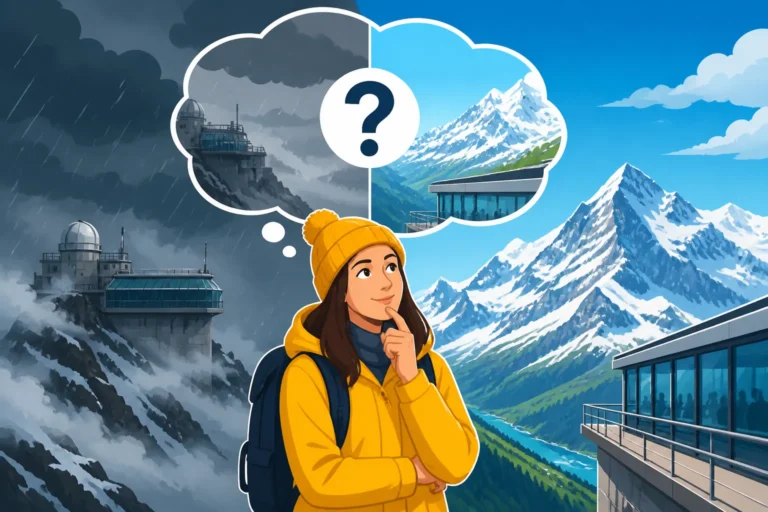
The Swiss Alps are majestic, but they also have a mind of their own. You can plan everything perfectly, check all the webcams, set your alarm for the crack of dawn, and still wake up to a thick blanket of fog or a sudden snowstorm. And honestly, that's part of the adventure.
When the Weather Doesn't Cooperate
I've been there. Woke up at 3 AM, hiked for an hour in the dark, only to find myself completely enveloped in cloud at the summit. It's frustrating, disheartening even, especially when you've invested so much into the experience. But this is the realistic side of alpine adventures. The mountains dictate the terms, not us.
When this happens, don't despair. Sometimes, the fog itself can create its own ethereal beauty, turning the landscape into a mysterious, monochromatic world. Other times, you just have to laugh it off, grab a coffee, and promise yourself you'll try again another day. Switzerland has so many incredible sights that even a "failed" sunrise mission can often be salvaged by exploring a charming village or enjoying a hearty Swiss breakfast.
The Art of Waiting and Being Present
True alpine photographers will tell you that patience is key. Sometimes, the most spectacular colors emerge after the sun has fully risen or after it has dipped below the horizon, as the light continues to evolve. Don't pack up your camera and head down the moment the main event seems over. Linger a little. Watch the subtle changes in light and shadow. Observe how the colors shift from fiery reds to soft purples and deep blues.
More importantly, take a moment to put your phone or camera down. Just be there. Breathe in the cold, fresh air. Listen to the silence. Feel the immensity of the mountains around you. These moments, uncaptured by a lens, are often the ones that truly embed themselves in your memory. The goal isn't just a perfect photo (though that's a nice bonus), but a profound connection with nature, a reminder of the raw, untamed beauty that exists just outside our expat bubbles. These are the moments that make all the moving, all the paperwork, all the "Swiss rules" worth it. So, go chase those sunsets, and embrace every moment, planned or unexpected.
Disclaimer
Please note that while this guide provides general advice and information, conditions in the Swiss Alps can change rapidly. Always check local weather forecasts, trail conditions, and mountain transport operating hours before embarking on any adventure. Safety should always be your top priority. The author and publisher are not responsible for any incidents or inconveniences that may arise from using this information.