Where to Try Authentic Fondue in Switzerland
Oh, the quest for truly authentic fondue in Switzerland! It’s a journey many of us expats embark on with eager anticipation, only to sometimes stumble into a tourist trap offering a rather bland, overpriced version of this national treasure. Trust me, I’ve been there, staring at a lukewarm pot wondering where the magic went. This guide is here to ensure your fondue experience is nothing short of genuine, cheesy bliss, steering you towards the real deal.
Understanding Authentic Fondue and What to Avoid
When you first arrive in Switzerland, the word "fondue" conjures up images of cozy alpine nights and gooey, melted cheese. And while that's part of it, discovering true authentic fondue is an art form, one that many newcomers often misunderstand. It's not just any melted cheese; it's a specific culinary tradition steeped in Swiss history and regional pride.
The True Fondue Experience: More Than Just Melted Cheese
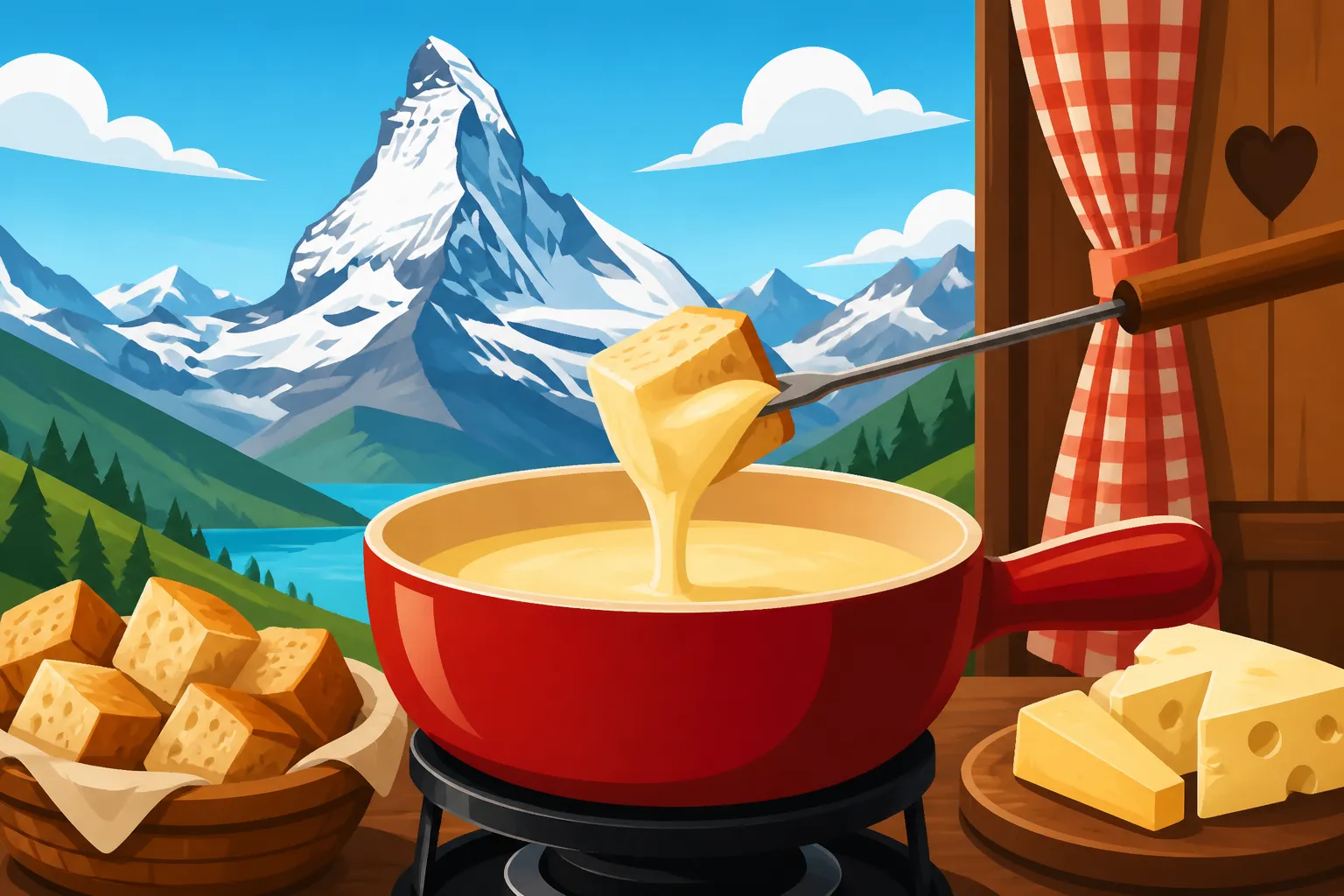
Authentic Swiss fondue is a hearty, communal dish, typically enjoyed during the colder months, though you'll find it year-round in tourist areas. At its core, it's a blend of high-quality Swiss cheeses, dry white wine, a hint of garlic, and a splash of Kirsch (cherry brandy). The magic happens in a special pot called a caquelon, kept warm over a small flame. The beauty of fondue lies in its simplicity and the ritual of dipping small pieces of bread, often stale, into the bubbling pot.
The choice of cheese is paramount. In many parts of French-speaking Switzerland (Romandie), the most classic fondue is the "Moitié-Moitié" (half-half), a divine blend of Vacherin Fribourgeois and Gruyère. These two cheeses offer a perfect balance of creaminess and robust flavor. You might also encounter fondue made solely with Vacherin Fribourgeois, known for its extra smooth texture, or variations using Appenzeller for a sharper kick. The wine is usually a local Fendant or Chasselas, complementing the cheese without overpowering it.
Tourist Traps vs. Hidden Gems: Spotting the Difference
This is where many expats (and tourists!) can get tripped up. Imagine walking down a bustling street in Zurich or Geneva, and you see a restaurant advertising "Authentic Swiss Fondue!" with a huge picture of a cheese pot. While tempting, these are often the places to approach with caution.
Signs of a potential tourist trap:
- Multilingual Menus: If the menu is available in five different languages before you even step inside, it's a red flag. Real local spots usually stick to German/French/Italian, perhaps with an English version upon request.
- Overly Themed Decor: Think excessive cowbells, plastic edelweiss, or waiters in lederhosen in a city setting. While charming, it often signals a place designed for novelty rather than genuine culinary tradition.
- Generic Cheese Offering: If the menu simply says "Cheese Fondue" without specifying the cheese types (e.g., "Moitié-Moitié," "Gruyère," "Vacherin Fribourgeois"), it might be a generic, lower-quality blend.
- High Prices for Basic Fondue: Fondue can be expensive, but disproportionately high prices for a simple fondue could indicate you're paying for the "tourist experience" rather than quality ingredients.
What to look for in a hidden gem:
- Local Clientele: This is the most telling sign. If the place is packed with Swiss families or groups of friends speaking the local dialect, you're likely onto something good.
- Simple, Rustic Decor: Often, the most authentic places are unpretentious. Think wooden tables, cozy ambiance, and perhaps a slightly worn-in feel.
- Specific Cheese Offerings: A menu detailing the types of cheese used, or even offering regional variations, is a good indicator of quality and authenticity.
- Specialty Fondue Restaurants (Chässtuben): Many towns and cities have dedicated "Chässtuben" or "Fromageries" that specialize in cheese dishes, including fondue. These are usually excellent bets.
Regional Fondue Varieties Beyond the Classic
While Moitié-Moitié reigns supreme for many, Switzerland boasts fascinating regional fondue variations that are worth seeking out. Don't be afraid to venture beyond the classic; it's a wonderful way to delve deeper into Swiss culinary culture.
- Vacherin Fribourgeois Fondue: This is a delicacy, often made without wine, using only water and a dash of Kirsch (or sometimes even champagne!). The Vacherin Fribourgeois cheese is heated slowly, resulting in an incredibly smooth, creamy, and mild fondue. It's often served with small potatoes rather than just bread. You'll find this most authentically in the canton of Fribourg.
- Appenzeller Fondue: For those who like a bit more punch, Appenzeller cheese brings a delightful sharpness to the fondue. Often combined with Gruyère or Emmentaler, it offers a more robust flavor profile.
- Tomato Fondue (Fondue à la Tomate): Popular in Valais, this vibrant fondue adds diced tomatoes or tomato concentrate to the cheese mixture, giving it a tangier, fruitier dimension. It's a fantastic option for a change of pace.
- Mushroom Fondue (Fondue aux Bolets/Champignons): Especially delightful in autumn, this variation incorporates local wild mushrooms, adding an earthy depth to the classic cheese blend. You might find this in more rustic, seasonal restaurants or mountain huts.
Remember, each region prides itself on its local cheeses, so the "authentic" fondue might taste slightly different depending on whether you're in the French, German, or even Italian-speaking parts of the country. This regionality is part of the charm! If you're keen to understand more about Swiss food traditions, I highly recommend checking out "Swiss Food and Drink Culture: Regional Specialties and Dining Etiquette" for a deeper dive.
Top Regions and Cities for Fondue Pilgrimages
Now that you know what to look for, let’s talk about where to go. Switzerland is a relatively small country, and its excellent public transport system, managed by the SBB, makes it easy to embark on a fondue adventure. You can easily travel between regions using a SBB Travelcards: Is the Generalabonnement (GA) Worth the CHF 4000+ Cost? if you're planning extensive travel.
The Heart of Cheese: Fribourg and Gruyères
If you're serious about your fondue, a pilgrimage to the canton of Fribourg is non-negotiable. This is the birthplace of Moitié-Moitié and Vacherin Fribourgeois.
- Gruyères: The charming medieval town of Gruyères is famous for its cheese – Le Gruyère AOP. While you can visit the cheese factory (La Maison du Gruyère) to see how it's made, the real experience is savouring a fondue in one of the town's traditional restaurants. Places like Le Chalet de Gruyères offer an incredibly rustic and authentic setting, often with staff in traditional attire, serving hearty fondue. Pair it with a local white wine, and you're set for an evening of pure Swiss delight. Getting there is straightforward, with a scenic train ride from larger cities like Montreux or Fribourg.
- Fribourg City: The capital city of Fribourg offers many Chässtuben where you can experience fondue at its finest. Look for establishments in the Old Town. Café du Gothard (often simply called Gothard) is a local institution, famous for its Vacherin Fribourgeois fondue served with potatoes. It's unpretentious, lively, and consistently delicious. This is where you'll rub shoulders with locals enjoying their evening meal.
Fondue in the Alps: Valais and the Bernese Oberland
After a day of epic The Swiss Alps for Expats: Hiking, Skiing, and Mountain Access, nothing beats a warm, bubbling pot of fondue. The alpine regions are prime fondue territory, offering stunning views alongside your cheesy feast.
- Zermatt, Valais: Under the watchful eye of the Matterhorn, Zermatt offers some fantastic fondue spots. Given its popularity, you'll find a range of options, but keep an eye out for places that emphasize local Valaisanne ingredients. The Walliser Kanne (part of Hotel Astoria) is renowned for its traditional Swiss cuisine, including excellent fondue. Another gem is Saycheese! in the Hotel Alex, which offers a dedicated fondue and raclette menu. It's pricier, but the quality and ambiance are superb. If you're visiting this car-free village, "Exploring Zermatt: Car-Free Living Under the Matterhorn" has some great tips.
- Grindelwald, Bernese Oberland: Surrounded by dramatic peaks like the Eiger, Grindelwald is another fantastic alpine destination. Many mountain restaurants (like those you might visit via a GetYourGuide excursion) will offer fondue. For a truly authentic experience, try to find a smaller Berghaus (mountain guesthouse) or a traditional restaurant in the village centre. Look for places that cater to returning skiers and hikers, as these often maintain higher standards for their traditional dishes. You might also find unique experiences like fondue gondolas or "fondue in the forest" events.
City Fondue: Zurich, Geneva, and Basel
Even in the bigger cities, you can find authentic fondue, though you might need to search a little harder and sometimes pay a premium. These cities attract many visitors, so the temptation for generic offerings is higher.
- Zurich: This bustling city has several well-regarded fondue institutions.
- Chäsalp: Tucked away from the city centre, Chäsalp is beloved by locals for its cozy, rustic atmosphere (it's housed in an old farmhouse) and extensive fondue menu, including truffle fondue and various cheese blends. It's highly recommended to book a table, especially on weekends.
- Restaurant Zeughauskeller: While famous for its massive portions of traditional Swiss-German dishes, Zeughauskeller also serves a solid, classic cheese fondue. It's lively and popular, great for a group, but can feel a bit like a tourist destination during peak hours.
- Fribourger Fondue Stübli (in Hotel Zic Zac): This spot focuses purely on fondue and raclette, offering a more intimate setting. They pride themselves on using traditional Fribourgeois recipes.
For broader exploration of the city, "Swiss Cities Guide: Zurich, Geneva, Basel, Bern, and Beyond" can provide helpful context.
- Geneva: In French-speaking Geneva, fondue is a staple.
- Café du Soleil: Located in the charming Old Town of Petit-Saconnex, this legendary spot is often cited as having the best fondue in Geneva. It’s unpretentious, bustling, and truly serves the local Genevois. Again, reservations are a must.
- Les Armures: A more upmarket option located right in Geneva’s Old Town, Les Armures offers a refined take on traditional Swiss cuisine, including a fantastic fondue. It's a bit of a splurge but delivers on quality and atmosphere.
Booking.com can be a great way to find accommodations close to these fantastic culinary experiences in cities like Zurich or Geneva.
- Basel: Situated at the crossroads of Switzerland, France, and Germany, Basel also has its fondue offerings.
- Walliser Kanne (Basel): Not to be confused with the Zermatt one, this Basel establishment offers traditional Valaisanne fondue and raclette. It's popular with locals and known for its hearty portions.
- Löwenzorn: A traditional Basel restaurant that offers fondue, particularly during the colder months. It’s known for its historic ambiance.
Finding Your Perfect Fondue Spot: Tips and Tricks
The quest for the perfect fondue is a personal one, but there are definitely strategies you can employ to increase your chances of a truly memorable (and authentic) meal.
Researching Local Eateries: Going Beyond the Mainstream
Don't just walk into the first place you see advertising fondue. A little research goes a long way.
- Google Maps & Local Reviews: Dive into Google Maps reviews, but pay special attention to reviews written in the local language (German, French, Italian). Locals are often the best judges of authenticity. Look for recurring mentions of quality, specific cheese types, and atmosphere.
- Local Blogs & Guides: Seek out blogs or articles from local expats or Swiss foodies. They often share their favourite hidden gems that might not show up on generic tourist lists.
- Ask a Local: If you know any Swiss people or long-term expats, ask them! Word-of-mouth recommendations are invaluable. They can point you towards the "Chässtube" they grew up going to.
- Gault&Millau or Michelin Guides: For a more refined, gourmet fondue experience, these guides sometimes list restaurants that offer high-quality fondue alongside their other culinary delights. While not always "rustic," the cheese quality will be top-notch.
Booking and Etiquette: Don't Lose Your Bread!
Fondue is a social meal, and there's a certain etiquette that comes with it.
- Reservations are Crucial: Especially for dinner, and even more so on weekends or during peak seasons (winter, holidays), make a reservation. Many authentic fondue places are small and fill up fast. You can often book directly on the restaurant's website or via platforms like TheFork.
- The Bread Rule: The most famous (and sometimes feared) rule: don't lose your piece of bread in the pot! Tradition dictates various "punishments" if you do, ranging from buying a round of Kirsch shots for the table, singing a song, or even kissing the person next to you. It's usually all in good fun, but it adds to the convivial atmosphere.
- Stirring the Pot: Each person should stir the fondue with their bread to prevent it from sticking to the bottom and to keep the mixture smooth. Towards the end, as the cheese on the bottom caramelizes, it forms a delicious crust called the "religieuse" or "Grossmutter" (grandmother). Don't be shy; scrape it off and enjoy!
- Drink Wisely: The traditional accompaniment is dry white wine (the same one used in the fondue) or herbal tea. Avoid cold drinks like water or soda, as folklore suggests they can cause the cheese to congeal in your stomach (though scientifically debatable, it's part of the tradition!). A shot of Kirsch or schnapps (a "coup du milieu" or "Zwetschgenwasser") is often enjoyed mid-meal to aid digestion. You can learn more about dining norms in "Dining Out in Switzerland: Reservations, Tipping, and Mealtimes."
Beyond the Restaurant: Fondue at Home or in an Igloo
You don't always have to go to a restaurant to enjoy fantastic fondue. Many expats embrace the tradition at home, and some unique experiences pop up too.
- DIY Fondue: Most Swiss supermarkets like Coop and Migros sell excellent pre-packaged fondue mixes, often from local dairies. You can buy the caquelon and rechaud (burner) easily. This is a fantastic, budget-friendly way to enjoy fondue with friends at home. Just add your own wine and Kirsch! For essentials, "Grocery Shopping: Coop, Migros, Aldi, Lidl, and Denner Compared" can guide you to the best stores.
- Outdoor Fondue: During winter, some resorts offer unique outdoor fondue experiences, like in an igloo, a heated gondola, or even a fondue boat ride on a lake. These are often more expensive but offer an unforgettable experience. Websites like GetYourGuide frequently list such unique activities, combining a meal with an adventure.
- Fondue Trains: The SBB, sometimes in partnership with regional tourism boards, occasionally offers special fondue trains, where you enjoy the meal while travelling through scenic landscapes. Keep an eye on local tourism websites and Omio for such special event tickets.
Recommended Authentic Fondue Restaurants and Unique Experiences
To give you a head start, here are a few more specific recommendations across Switzerland that consistently deliver an authentic fondue experience. These are places where locals go and where the tradition is truly respected.
Across Switzerland: Tried and True Spots
Finding a spot that combines great taste with a genuine atmosphere can be challenging, but these places often hit the mark:
- Chalet Suisse (Lausanne/Cully, Vaud): If you're exploring the Lavaux vineyards, the Chalet Suisse offers a quintessential Swiss experience. Overlooking Lake Geneva, it provides a stunning backdrop to enjoy your fondue. Their Moitié-Moitié is legendary.
- Restaurant Adler (Gstaad, Bernese Oberland): In the chic alpine village of Gstaad, the Adler provides a rustic yet refined setting for fondue. It's known for its commitment to local produce and classic recipes. After a day on the slopes, this is a perfect treat. Consider a stay using Booking.com for nearby chalets.
- Le Grütli (Geneva): Another top choice in Geneva, this classic bistro offers excellent fondue and other Swiss specialties. It's centrally located and has a lively atmosphere, often busy with locals.
- Restaurant de l'Hôtel de Ville (Fribourg): Known for its specific Vacherin Fribourgeois fondue and its "fondue au porto" (port wine fondue) which is a local specialty. It’s located in the heart of Fribourg and is highly regarded.
Seasonal and Unique Fondue Experiences
For something a little different, these options elevate the fondue experience beyond just a meal:
- Fondue-Iglu (various locations): In winter, several resorts across Switzerland (like in Gstaad, Engstligenalp, Stockhorn, or Zermatt) offer "Igloo Fondue." You dine in a real igloo, wrapped in blankets, sharing a fondue pot. It's a truly magical and memorable experience. These are often bookable through platforms like GetYourGuide or directly with the igloo village operator.
- La Poya (Fribourg region): This is a more rustic, farm-to-table experience, often found a bit off the beaten path. Look for "Poya" restaurants or fermes auberges (farm inns) in the Fribourg countryside, where the cheese is often sourced directly from the cows grazing nearby.
- Fondue Tram (Zurich): A novel way to see Zurich while enjoying fondue! During winter, the "Fondue Tram" runs through the city, offering a unique dining experience. Tickets sell out quickly, so check the Zurich Public Transport (VBZ) website or other local event listings well in advance. This is more about the experience than pure, rustic authenticity, but it's great fun.
- Mountain Huts (Berghaus/Refuge): For hikers, many alpine huts offer fondue. Imagine reaching a remote hut after a long hike and being rewarded with a bubbling pot of cheese. These are often the most rustic and memorable settings. Always check their menu and opening times in advance. "REGA Membership: Why Expats Need Air Rescue Insurance in the Alps" is an important read if you plan on venturing deep into the mountains.
Table: Regional Fondue Varieties and Key Characteristics
| Fondue Name | Main Cheeses Used | Key Characteristics | Traditional Region | Best Paired With |
|---|---|---|---|---|
| Moitié-Moitié | Vacherin Fribourgeois AOP & Gruyère AOP (50/50) | Creamy, balanced, savory, mild tang | Fribourg (French-speaking) | Dry white wine (Fendant), herbal tea, Kirsch |
| Vacherin Fribourgeois | Vacherin Fribourgeois AOP (100%) | Extra creamy, melt-in-your-mouth, mild | Fribourg (French-speaking) | Small boiled potatoes, dry white wine, Kirsch |
| Appenzeller Fondue | Appenzeller & Gruyère (or Emmentaler) | Sharper, more piquant, robust flavour | Appenzell (Eastern Swiss) | Medium-bodied white wine, Kirsch |
| Fondue à la Tomate | Gruyère, Emmentaler, and diced/concentrated tomatoes | Tangy, fruity, less heavy, vibrant | Valais (French-speaking) | Light red wine, herbal tea, Kirsch |
| Fondue aux Bolets | Classic cheese blend with dried porcini mushrooms | Earthy, rich, umami flavour, seasonal | Jura, Valais, Alpine regions | Dry white wine, slightly more robust reds (Pinot Noir) |
Hopefully, this guide empowers you to navigate the wonderful world of Swiss fondue with confidence. There’s nothing quite like gathering around a bubbling pot of melted cheese, sharing stories, and enjoying one of Switzerland's most beloved culinary traditions. Enjoy the cheesy journey!
Disclaimer
The information provided in this article is intended for general guidance and informational purposes only. While every effort has been made to ensure accuracy and up-to-date content, circumstances, regulations, and prices in Switzerland can change rapidly. We are not responsible for any inaccuracies or for consequences arising from the use of this information. Always verify details with official sources, local authorities, and service providers.