Best Time of Year to Ride the Bernina Express
Figuring out the 'best' time to do anything in Switzerland can feel like a high-stakes decision, especially when it comes to an iconic journey like the Bernina Express. You've seen the stunning photos, but should you go when everything's blanketed in snow or when the alpine meadows are bursting with color? This guide is here to cut through the guesswork and help you pinpoint the ideal season for your unforgettable ride through the Swiss and Italian Alps. Trust me, as someone who’s traversed these tracks multiple times, there’s magic in every season, but each offers a distinctly different vibe.
The Bernina Express: A Journey Like No Other
Before we dive into the seasonal specifics, let's take a moment to appreciate what makes the Bernina Express so utterly captivating. This isn't just a train ride; it's a testament to incredible engineering weaving through some of Europe's most dramatic landscapes. It’s no wonder it’s often lauded as one of the most beautiful train journeys in the world.
A UNESCO World Heritage Route
The Bernina Express connects Chur or St. Moritz in Switzerland to Tirano in Italy, traversing the Albula and Bernina lines of the Rhaetian Railway. What truly sets this route apart is its UNESCO World Heritage status, a recognition of its seamless integration into the high alpine landscape. You'll pass over the iconic Landwasser Viaduct, a curving, five-arch marvel, and navigate the incredible Brusio Circular Viaduct, a spiraling bridge designed to help the train gain or lose altitude efficiently in a tight space. It's a journey that takes you from glaciers to palm trees, or at least from the high Alps down into the warmer, Italian-speaking Valposchiavo valley.
The panoramic carriages are specifically designed to offer unobstructed views, allowing you to immerse yourself fully in the passing scenery. For expats, it’s often a bucket-list item, a reminder that even after living here for years, Switzerland can still drop your jaw with its sheer natural beauty and the ingenuity of its infrastructure. It embodies that uniquely Swiss blend of precise engineering and breathtaking nature. It's truly a "slow travel" experience, allowing you to absorb every detail as you climb and descend through valleys, past glistening lakes, and alongside towering peaks.
Winter's Embrace: Bernina Express in the Colder Months
If you dream of a true winter wonderland straight out of a postcard, then riding the Bernina Express when snow blankets the Alps is an absolute must. The landscape undergoes a dramatic transformation, offering an entirely different, yet equally spectacular, experience.
The Magic of Snow-Covered Landscapes
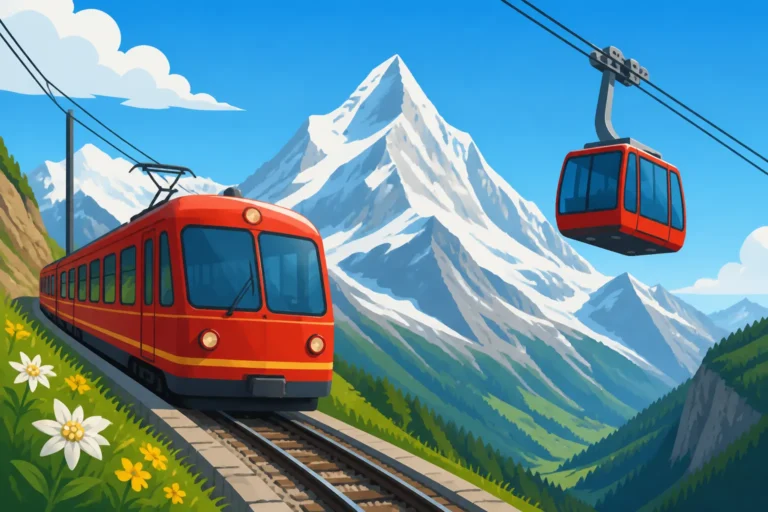
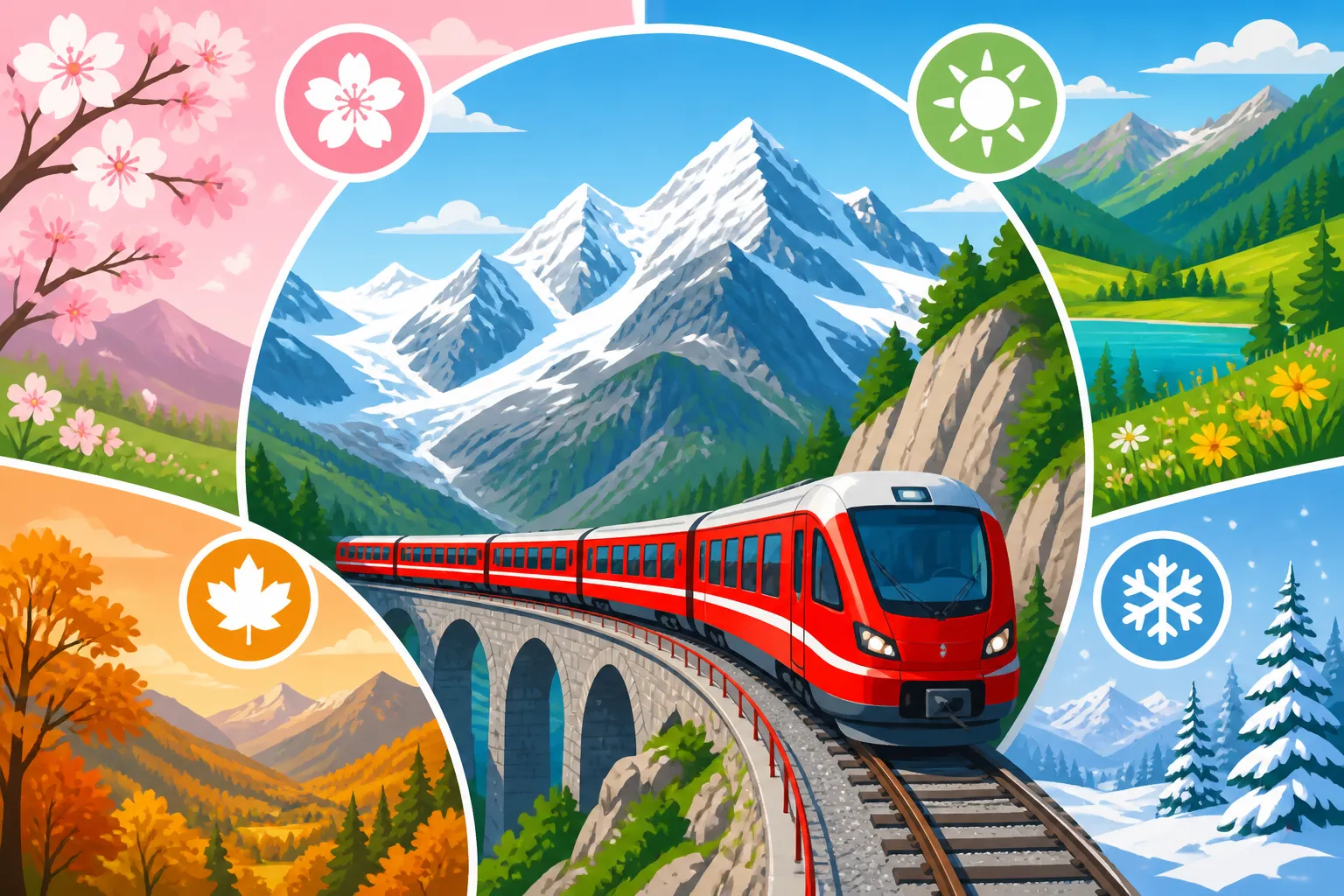
Imagine this: you're nestled in a warm, panoramic carriage, perhaps with a hot chocolate in hand, and outside, the world is hushed and pristine, covered in a thick layer of snow. The fir trees sag under their white burden, frozen waterfalls cling to rock faces, and the alpine lakes – particularly Lago Bianco and Lej Nair – take on an ethereal, icy sheen. The vibrant red of the Bernina Express train cars creates a stunning contrast against the dazzling white backdrop, making for truly iconic photographs. At higher elevations like Ospizio Bernina and Alp Grüm, the views are expansive, often stretching across vast, untouched snowfields.
The air itself feels different in winter – crisp, clean, and carrying that distinct scent of fresh snow. It’s an atmosphere of cozy wonder, where you feel completely immersed in the raw power and beauty of the alpine winter. I still remember one December trip where the snow was falling softly as we crossed the Bernina Pass; it felt like being inside a real-life snow globe. It’s an unforgettable experience that makes the colder Swiss days feel truly magical.
Winter Activities and Connections
Traveling in winter also opens up a host of other activities you can combine with your Bernina Express adventure. Many expats come to Switzerland specifically for its world-class winter sports, and the Engadin region, accessible from St. Moritz, is a prime destination. You can easily integrate a ski trip into your itinerary, enjoying the slopes around St. Moritz before or after your panoramic train ride. If you're looking for tips on hitting the slopes, you might find our guide on Skiing in Switzerland: Resorts, Passes, and Costs for Residents quite helpful.
Beyond skiing, winter offers opportunities for snowshoeing, cross-country skiing, or simply enjoying the festive atmosphere in charming alpine towns. If you plan your trip earlier in December, you might even be able to combine your Bernina Express journey with a visit to one of the beautiful Swiss Christmas Markets: The Best in Zurich, Basel, and Montreux, adding an extra layer of seasonal charm to your Swiss adventure. Just remember that some connecting PostBus routes or smaller cable cars might operate on reduced schedules or be closed during the deepest winter months, so always check ahead.
Booking Tips for the High Season
While truly breathtaking, winter can also be a popular time for the Bernina Express, particularly around Christmas, New Year's, and during February school holidays. This means that if you're set on a winter journey, advanced booking is not just recommended, it's essential. The panoramic carriages, especially, tend to fill up quickly.
You can book your tickets directly through the Rhaetian Railway website. However, if you're coming from further afield or want to compare integrated travel plans, platforms like Omio can be quite useful for checking schedules and securing your seats well in advance. Consider your starting point carefully: Chur is the traditional starting point, but St. Moritz also offers connections. Sometimes, starting from St. Moritz can offer better seat availability for certain dates, depending on demand. Flexibility with your travel dates, if possible, can also help you snag those coveted panoramic seats. Don’t underestimate how quickly these spots can disappear, especially if you have a specific date in mind for your winter escape.
Spring, Summer & Autumn Splendor: Bernina Express in Warmer Seasons
While winter casts a spell of its own, the warmer months from spring to autumn unveil an entirely different palette of colors and experiences along the Bernina Express route. Each season offers unique advantages, catering to different preferences for scenery and activities.
Vibrant Greenery and Alpine Flowers of Spring/Summer
As the snow recedes, usually starting in April and giving way fully by May, the valleys awaken with a vibrant emerald green. The alpine meadows burst into life with an incredible array of wildflowers, turning the slopes into a natural tapestry. The sounds of cowbells echo through the valleys, adding to the idyllic Swiss charm. The longer daylight hours of summer mean you have more time to simply sit back and soak in the expansive views, which now include roaring glacial rivers and waterfalls in full flow, fed by the melting snow. The lakes, from the large Lago Bianco to smaller, hidden gems, shimmer in brilliant shades of turquoise and blue under the summer sun.
Early spring, while beautiful with the first signs of green, can still be a bit unpredictable, with snow lingering at higher altitudes even as the valleys warm up. But by peak summer (July and August), everything is in full bloom, offering a classic vision of the Swiss Alps at their most welcoming and alive. It's a feast for the eyes, perfect for those who prefer lush landscapes to stark white.
The Fiery Hues of Autumn
For many, myself included, autumn is perhaps the most visually stunning time to ride the Bernina Express. Typically from late September through mid-October, the larch forests that pepper the alpine slopes turn a breathtaking golden, orange, and fiery red. It’s a spectacular show of color that makes the entire journey feel like something out of a fairy tale. The air during autumn is often crisp and clear, leading to incredibly sharp visibility and vibrant blue skies, which perfectly complement the warm tones of the foliage.
Crowds tend to be a bit thinner than in the peak summer months, making for a more relaxed experience. The comfortable temperatures are ideal if you plan to combine your train ride with some outdoor exploration, like hiking. I remember one October trip when the colors were so vivid it felt like the mountains themselves were on fire – it’s an experience that stays with you long after the journey ends. Photographers, in particular, will find this season irresistible.
Summer Activities and Hiking Opportunities
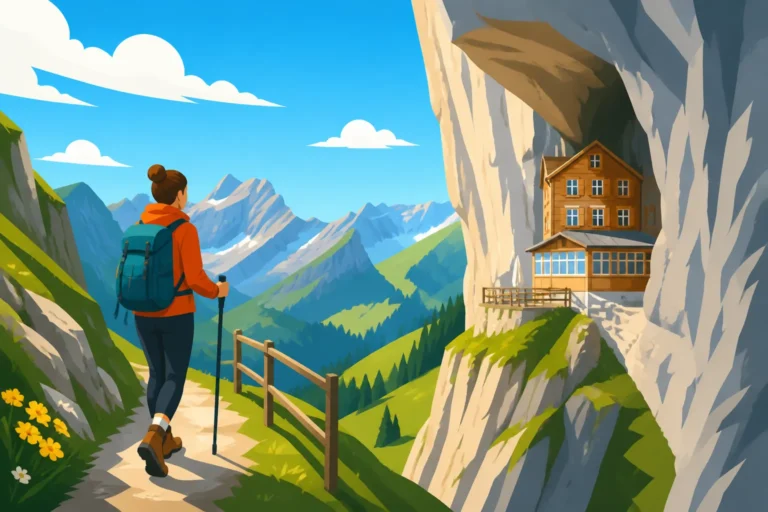
One of the biggest advantages of riding the Bernina Express in summer or autumn is the opportunity to combine the train journey with hiking. You can hop off at picturesque stops like Alp Grüm or Ospizio Bernina, stretch your legs on a beautiful alpine trail, and then catch a later train to continue your journey. There are trails suitable for all levels, from gentle strolls around lakes to more challenging mountain paths. If you're keen on exploring the trails, our guide on Swiss Hiking for Beginners: Trail Grades and the SAC System offers some great starting points.
Cycling is another fantastic option, with designated routes following much of the Bernina line. If you're thinking of bringing your bike, remember to check out Taking Bicycles on Swiss Trains: Mandatory Reservations and Velo Tickets for important details. At the southern end of the line, Tirano, Italy, offers a charming stop for a delicious Italian lunch, making for a delightful cross-border mini-adventure. It can feel like a brief Weekend Getaways from Switzerland: Easy Cross-Border Escapes. If you prefer a guided experience that includes stops and activities, you might want to look for tours on GetYourGuide, which often bundles train tickets with local excursions.
To help you visualize the differences, here’s a handy table comparing the key aspects of each season:
| Feature | Winter (Dec-Feb) | Spring (Mar-May) | Summer (Jun-Aug) | Autumn (Sep-Nov) |
|---|---|---|---|---|
| Scenery | Pristine snow, frozen lakes, stark beauty | Thawing, budding trees, some snow at high alt. | Lush green, wildflowers, turquoise lakes | Golden larches, fiery reds, crisp air |
| Crowds | Moderate to High (Christmas/New Year, Feb holidays) | Low to Moderate | High | Moderate (peak for autumn colors) |
| Photo Ops | Dramatic red train against white, magical | Freshness, snow melt, emerging life | Vibrant colors, clear views, water reflections | Rich, warm palette, stunning contrasts |
| Activities | Skiing, snowshoeing, cozy villages | Gentle hikes, early blooms, less crowded towns | Extensive hiking, cycling, lake activities | Hiking, photography, harvest festivals |
| Weather | Cold, often clear, chance of heavy snow | Variable, mild in valleys, cold higher up | Warm, sunny, afternoon thunderstorms possible | Cool, crisp, clear skies common, turning cold |
| PostBus/Cable Cars | Some reduced schedules/closures | Mostly open by May | Fully operational | Mostly operational, some closures late Oct/Nov |
| Recommendation | Unique, magical experience | Transitional beauty, fewer crowds | Classic alpine experience, active holidays | Most visually stunning, comfortable temps |
Maximizing Your Bernina Express Experience: Practical Considerations
Regardless of which season you choose, a little practical planning can go a long way in ensuring your Bernina Express journey is as smooth and enjoyable as possible. This isn't just about picking a date; it's about making the most of a truly special trip.
Choosing Your Route and Seat
The main Bernina Express route runs from Chur or St. Moritz down to Tirano. For the full panoramic experience, you'll want to reserve seats in one of the dedicated Bernina Express carriages. These feature large, curved windows that extend into the roof, giving you unparalleled views. However, don’t discount the regular regional trains that run on the same tracks – often with older, charming rolling stock and, crucially, windows that you can open for unobstructed photos without glass glare!
When traveling from Chur or St. Moritz towards Tirano, the general consensus is that the right side of the train offers the most spectacular views, including the Landwasser Viaduct and the Brusio Circular Viaduct. If you're concerned about getting confused with other famous Swiss trains, remember the Bernina Express is distinct from its counterpart, The Glacier Express: Booking, Routes, and Is It Worth It for Residents, though both offer incredible alpine journeys.
Essential Booking and Planning Tips
First things first: seat reservations are mandatory for the actual red panoramic Bernina Express train. You can purchase your tickets and make these reservations directly on the Rhaetian Railway (RhB) website. As mentioned earlier, during peak seasons (winter holidays, summer, autumn foliage), these seats sell out far in advance.
If you’re looking for a user-friendly platform to book your tickets and potentially combine them with other train segments across Switzerland or even from neighboring countries, Omio is a great resource. They often provide clear schedules and help you integrate your journey seamlessly. If your Bernina Express adventure is part of a longer trip, perhaps including an overnight stay in St. Moritz, Tirano, or Chur, Booking.com is an excellent tool for securing accommodation.
For Swiss residents, remember that standard Swiss travel passes like the Half-Fare Travelcard (Halbtax): The Must-Have Pass for Swiss Residents or the Generalabonnement (GA) often cover the base fare of the train ticket, but you'll still need to purchase the mandatory seat reservation for the panoramic carriages separately. It's always a good idea to check for Supersaver Tickets on SBB: How to Find the Cheapest Train Fares if you're flexible with your travel times, as these can offer significant savings on the base ticket price.
Weather Preparedness and Packing
The weather in the Alps, even on a single train journey, can be incredibly varied. You might start in a mild valley and end up at a high mountain pass (Ospizio Bernina is at 2,253 meters or 7,392 feet) where it feels significantly colder, even in summer. Layering is key, no matter the season! A good waterproof jacket, even in summer, is advisable for unexpected showers or higher-altitude chill.
In winter, obviously, bundle up. In summer, don't forget sunscreen and sunglasses; the alpine sun at high altitudes is incredibly strong. While there are catering services on board, it's always a good idea to bring your own snacks and drinks, as prices on the train can be steep. And for general advice on dressing for elevation changes, our guide on What to Pack for a Day Trip to the Swiss Alps has you covered.
The Local Trains: A Flexible Alternative
Here's a little expat secret: you don't have to ride the official Bernina Express panoramic train to experience the route. Regular regional trains operated by the Rhaetian Railway travel on the very same tracks, offering the same stunning scenery.
The advantages? No mandatory seat reservation fee, and often, the windows can be opened! This is a huge bonus for photographers who want to avoid glare. These trains are usually fully covered by a GA or Half-Fare card. The main "downside" is that they might require one or two transfers (e.g., in Pontresina), and the rolling stock might not be as modern or have the large panoramic windows. However, for a more authentic, less touristy, and flexible journey where you can hop off spontaneously for a quick photo or a short walk before catching the next train, the local trains are often the preferred choice for those in the know. They offer the true spirit of alpine train travel without the fanfare.
Conclusion: Your Perfect Bernina Express Moment Awaits
Ultimately, the "best" time to ride the Bernina Express is genuinely subjective and depends on what kind of experience you're hoping for. Do you dream of a frosty, snow-laden adventure straight out of a Christmas movie? Then winter is calling your name. Are you picturing vibrant green meadows, challenging hikes, and long, sunny days? Summer is your season. Or perhaps you're a connoisseur of color, yearning for the dramatic golden and crimson hues of autumn? Then plan for late September or early October.
Each season offers a unique, unforgettable perspective on this incredible journey through the Swiss and Italian Alps. Rest assured, no matter when you choose to embark, the Bernina Express will deliver an experience that will stay with you long after you've stepped off the train.
Disclaimer
The information provided in this guide is for general informational purposes only and does not constitute professional advice. While we strive to ensure accuracy and provide up-to-date content, circumstances in Switzerland can change rapidly (especially regarding public transport schedules and weather conditions). Readers are encouraged to verify all details, especially concerning bookings, schedules, and specific requirements, with the official Rhaetian Railway (RhB) and relevant local authorities before making any travel arrangements.