Skiing in Switzerland: Resorts, Passes, and Costs for Residents
Moving to Switzerland, you're quickly struck by the sheer beauty of the Alps, and with that comes the undeniable pull of skiing. But let's be honest, for us expats, jumping into the Swiss ski scene can feel like trying to decipher a cryptic financial statement written in Swiss German – expensive, overwhelming, and full of unspoken rules. This guide is here to cut through the jargon, break down the costs, and show you how to embrace skiing as a true resident, turning that mountain mystique into pure alpine joy without emptying your bank account.
The Allure and Reality of Swiss Skiing for Expats
When you first arrive, the postcard images of pristine slopes and majestic peaks are everywhere. Skiing isn't just a sport here; it's a way of life, a national pastime that shapes the rhythm of winter. For many of us, it seems daunting – an activity reserved for the ultra-wealthy or those who were practically born with skis on their feet. But I'm here to tell you, it's far more accessible than it appears, and diving in is one of the best ways to truly feel at home in this stunning country.
Why Skiing is More Than a Sport Here
Beyond the thrill of gliding down a mountain, skiing in Switzerland is a social glue, a cultural touchstone that helps integrate you into the local fabric. Imagine joining colleagues for a "Ski-Tag" (ski day) or making new friends on the chairlift – these are authentic Swiss experiences you won't get just by admiring the mountains from afar. It’s an opportunity to see Switzerland’s iconic landscapes up close, breathe in that crisp alpine air, and witness the incredible infrastructure that makes these snowy playgrounds so safe and enjoyable. It’s not just about shredding powder; it’s about the whole experience, from the morning train ride through snowy valleys to the warm Glühwein at the end of the day.
The quality of the resorts here is simply unparalleled. From the perfectly groomed pistes to the state-of-the-art lifts, everything is designed for efficiency and enjoyment. You’ll find slopes catering to every level, from gentle nursery slopes for first-timers to challenging black runs and off-piste areas for the experts. This high standard, while contributing to the overall cost, also means a safer and more consistently enjoyable experience. Embracing skiing here is embracing a fundamental part of Swiss identity, and it’s a wonderful way to connect with your new home and its people.
Common Misconceptions About Swiss Skiing
One of the biggest myths that deters expats is the idea that skiing in Switzerland is exclusively for the rich and famous. While it's true that luxury resorts and high-end experiences exist, there are countless fantastic resorts that cater to a more modest budget, especially for residents who can take advantage of season passes and local deals. You don't need designer ski gear or a private chalet to hit the slopes; practical, functional equipment and smart planning can make it perfectly affordable. The perception of it being an elitist sport quickly fades once you discover the local, down-to-earth ski areas popular with Swiss families.
Another common misconception is that Swiss slopes are only for expert skiers. This couldn’t be further from the truth! Every resort, no matter how famous, has dedicated beginner areas with gentle slopes (often marked blue) and excellent ski schools. Many smaller, family-friendly resorts actually specialize in teaching newcomers. I’ve seen plenty of adults pick up skiing from scratch here, and the clear signage and well-maintained runs make the learning curve much smoother than in some other countries. Don't let fear of being a novice hold you back; the Swiss system is designed to get everyone on skis, regardless of their starting point.
Finally, some expats assume that getting started is too complicated – figuring out passes, transport, equipment, and lessons. This is where a little planning goes a long way. While the initial research might seem like a lot, once you understand the basic system, it becomes second nature. Many resorts have English-speaking staff, and online resources are abundant. Think of it as another administrative hurdle to overcome, much like setting up your Swiss Taxes Explained: Federal, Cantonal, and Municipal Rates or navigating Mandatory Registration: How to Sign Up for Health Insurance Within 90 Days – once you've cracked it, it's smooth sailing. This guide aims to simplify that "getting started" phase so you can focus on the fun.
Understanding Ski Passes: Your Gateway to the Slopes
The ski pass system in Switzerland can feel like a labyrinth at first glance. There are so many options, so many resorts, and what seems like a hundred different prices depending on the day, the time, and whether you’ve sacrificed a small goat to the mountain gods for a discount. But fear not, once you understand the categories, it becomes much clearer. Choosing the right pass is crucial for maximizing your time and money on the snow.
Local Day and Multi-Day Passes
For casual skiers or those just exploring different resorts, day passes are the simplest option. These passes grant you access to all lifts within a single resort for one day. Prices vary wildly depending on the resort, the day of the week (weekends and holidays are always pricier), and whether you buy in advance online. Buying online is almost always cheaper than at the ticket counter, so make it a habit to check the resort's website the night before. Many resorts also offer half-day passes for afternoon skiing, which can be a great budget option if you're not planning a full day.
Multi-day passes, on the other hand, are ideal if you plan to stay in one resort for a weekend or a longer holiday. These usually offer a slight discount compared to buying individual day passes consecutively. For example, a 3-day pass might cost less per day than three separate day passes. Again, booking these online in advance is often the best strategy to secure the lowest prices. Just be aware of the flexibility – some multi-day passes must be used on consecutive days, while others offer a bit more wiggle room. Always double-check the terms before committing.
These local passes are perfect if you live relatively close to a specific mountain or if you're keen to thoroughly explore one particular ski area without the commitment of a season-long investment. They’re also a good way to test the waters if you're unsure how much you'll actually ski, or if you plan to mix and match between various regions.
Regional and Multi-Resort Passes
This is where things get interesting for residents who plan to ski more frequently but perhaps not always in the same place. Switzerland boasts some excellent regional passes that cover multiple resorts within a specific area, offering fantastic value. The Magic Pass is a prime example, covering over 50 resorts primarily in Western Switzerland (Valais, Vaud, Fribourg, Neuchâtel, Jura, Bern). It’s an annual pass, usually purchased in spring for the following winter season, and the early bird prices are significantly lower. For anyone living in these cantons, or even those willing to travel a bit, the Magic Pass can pay for itself in just 4-5 days of skiing.
Similarly, in the Bernese Oberland, you have the Top4 Ski Pass, which covers the iconic resorts of Adelboden-Lenk, Gstaad, Jungfrau Ski Region (Grindelwald, Wengen, Mürren), and Meiringen-Hasliberg. This pass is brilliant for those based in or near Bern and offers access to some of Switzerland's most stunning scenery. These passes usually go on sale in late spring or early summer at heavily discounted rates, with prices gradually increasing until the start of the winter season. Missing the early bird window can mean paying significantly more, so if you're serious about skiing, keep an eye on these deadlines! You can often find great comparative analysis on Best Value Ski Passes for Residents in Switzerland.
Deciding between a regional pass and individual day passes really comes down to how much you expect to ski and where. If you think you'll hit the slopes more than 5-7 times in a season, a regional pass is almost always a smarter financial move. They encourage exploration within a specific region and remove the mental hurdle of "is this day worth the cost of a single pass?" because you've already paid for unlimited access. It transforms skiing from a costly outing into a spontaneous activity, much like using your The Half-Fare Travelcard (Halbtax): The Must-Have Pass for Swiss Residents for train travel.
The Holy Grail: Season Passes for Dedicated Skiers
For the truly dedicated, or those living right at the base of a major resort, a full season pass for a single large resort or region can be the ultimate ticket to freedom. Think passes for areas like Zermatt, Verbier’s 4 Vallées, or Engadin St. Moritz. These passes offer unlimited access to all lifts within that specific ski domain for the entire winter season. The upfront cost is substantial, often well over CHF 1,000, but for those who ski 10-15 days or more, the per-day cost drops dramatically. It transforms your weekends and free days into instant mountain escapes.
Beyond the major individual resort passes, Switzerland also offers some integration with international passes. For instance, the Ikon Pass (which typically grants access to resorts worldwide) includes Zermatt, offering a fantastic benefit for those who frequently travel to ski. Similarly, the Epic Pass has had various European partners, so it's worth checking if any Swiss resorts are included if you already own one. These international passes, while a big investment, can be a game-changer for globe-trotting skiers, but for most residents, a local or regional pass offers more practical value.
The decision to invest in a season pass isn't just financial; it's a lifestyle choice. It encourages you to ski more, to explore every nook and cranny of your chosen resort, and to make the most of the short Swiss winter. It also eliminates the stress of daily ticket queues and ensures you always have the best deal if you ski often. To help you decide, here’s a quick overview of ski pass types:
| Pass Type | Best For | Pros | Cons | Cost Range (Approx. 2026) |
|---|---|---|---|---|
| Day Pass | Occasional skier, trying new resorts | Flexible, no commitment | Most expensive per day | CHF 60-100+ |
| Multi-Day Pass | Weekend trips, short ski holidays | Slight discount over single day passes | Less flexibility than day passes if plans change | CHF 150-300+ (3 days) |
| Regional Pass | Frequent skier in a specific region (e.g., Magic Pass, Top4) | Excellent value if skiing 5+ times, explores multiple resorts | Large upfront cost, limited to specific region | CHF 399-900 (early bird) |
| Season Pass | Dedicated skier at one major resort or international traveler | Best value for high-frequency use, ultimate freedom | Highest upfront cost, tied to one resort/region typically | CHF 800-2000+ |
Remember, prices are illustrative and vary greatly by season, resort, and purchase timing. Always check the official resort websites or pass provider sites like Magic Pass for the most current information.
Top Ski Resorts for Residents: Balancing Cost, Access, and Experience
Switzerland is absolutely packed with incredible ski resorts, each with its own character, charm, and price tag. For residents, the key is finding a balance between accessibility, the kind of experience you're looking for, and, of course, what won't break the bank every weekend. Forget the notion that only the most famous (and often priciest) resorts are worth visiting; some of the real gems are the local favorites.
Family-Friendly and Beginner Havens
If you're new to skiing, or have children learning, resorts that prioritize gentle slopes, excellent ski schools, and a relaxed atmosphere are paramount. Flumserberg, easily reachable from Zurich by train and bus, is a fantastic example. It offers a good mix of blue and red runs, dedicated children's areas like "Snowli Kids Village," and stunning views over Lake Walensee. The ski school here is highly regarded, making it a stress-free environment for first-timers. The journey is made even easier with the SBB's "Snow'n'Rail" offers, often providing discounted train travel and ski pass bundles.
Another excellent choice is Engelberg-Titlis. While it boasts challenging terrain on the Titlis glacier, the lower areas, particularly around Brunni and the valley, are perfect for families and beginners. Brunni is known for its sunny, gentle slopes and a dedicated "Globi's Winterland" for kids. It's also very accessible by public transport from Lucerne. Family Ski Resorts in Switzerland: Best Areas for Children often highlight places like Lenzerheide and Arosa (now connected as Arosa Lenzerheide), which are known for their modern infrastructure, extensive gentle slopes, and innovative children's programs, including free ski passes for kids under a certain age with a paying adult. These resorts understand that happy children mean happy parents, making the whole experience more enjoyable.
These types of resorts are fantastic because they combine quality skiing with a welcoming, non-intimidating atmosphere. They typically have clear signage, well-groomed pistes, and numerous spots for a comfortable break. Look for resorts that emphasize ski schools and designated learning areas, as these are indicators of a place designed to nurture new skiers and offer a safe environment for families.
The Big Names: Iconic Resorts and Their Realities
Then there are the giants, the resorts that instantly come to mind when you think of Swiss skiing: Zermatt, Verbier, and St. Moritz. These places are undeniably breathtaking, offering vast ski domains, incredible scenery, and often, a vibrant après-ski scene. Zermatt, with the iconic Matterhorn looming large, offers access to the highest ski area in Europe and even connects to Cervinia in Italy. It’s a car-free village, adding to its charm, but also requiring a train journey to Täsch before a final shuttle. The views are unparalleled, but the day pass prices reflect its premium status.
Verbier, part of the vast 4 Vallées ski area, is renowned for its challenging off-piste terrain and lively atmosphere, attracting serious skiers and snowboarders from around the globe. It's chic, happening, and can be quite expensive, particularly during peak season. St. Moritz, in the Engadine Valley, epitomizes luxury and glamour, boasting world-class slopes, gourmet dining, and often celebrity sightings. While all these resorts offer fantastic skiing, they come with a higher price tag for everything from lift tickets to food. As a resident, you might consider them for a special trip, perhaps taking advantage of a multi-day pass during the shoulder season or using a season pass if you live nearby and plan to ski there extensively.
While these resorts might seem out of reach, don't write them off entirely. They offer an experience that is truly unique. You can still visit them as a day-tripper, pack your own lunch, and enjoy the phenomenal slopes without necessarily splurging on all the extras. Consider using the SBB Travelcards: Is the Generalabonnement (GA) Worth the CHF 4000+ Cost? or the Half-Fare Card to reduce your travel costs, which can make a significant difference to the overall expense of a day trip. Even just experiencing the breathtaking landscapes and seeing the legendary mountains up close is worth it.
Hidden Gems and Budget-Friendly Options
For regular weekend trips or when you want to save a few francs, exploring Switzerland's lesser-known, smaller resorts is a smart move. These "hidden gems" often offer excellent skiing at a fraction of the cost, with shorter lift queues and a more relaxed, local feel. Stoos, for instance, accessible via the world's steepest funicular from Schwyz, is a car-free village with well-maintained slopes, stunning views over Lake Lucerne, and very reasonable day pass prices. It's perfect for a spontaneous day trip.
Similarly, Hoch-Ybrig, near Einsiedeln, offers varied slopes and is a popular choice for families and locals from the Central Switzerland area. It's easily reachable by car or public transport and provides great value. In the Italian-speaking canton of Ticino, Airolo-Pesciüm offers sunny slopes, often with great snow, and is very popular with residents looking for a southern escape. These resorts might not have the extensive terrain of the big names, but they offer enough variety for a full day of skiing and a much more authentic Swiss experience.
Many of these smaller resorts have fantastic ski schools, friendly staff, and a charm that the bigger, more commercialized spots sometimes lack. They are often nestled in picturesque valleys, offering a more intimate connection with the alpine landscape. Keep an eye on local cantonal tourism websites or ask Swiss colleagues for their personal recommendations – you might discover your new favorite spot! These places prove that you don't need to spend a fortune to enjoy the incredible skiing Switzerland has to offer.
The True Cost of a Swiss Ski Day: Breaking Down the Expenses
Let's face it, Switzerland has a reputation for being expensive, and skiing is no exception. However, with some careful planning and smart choices, you can significantly reduce the sting. Understanding where your money goes is the first step to budgeting effectively and ensuring you get the most bang for your franc.
Lift Tickets and Rental Equipment
The lift ticket is usually your biggest single expense for a day on the slopes. As mentioned, day passes can range from CHF 60 to over CHF 100, especially in major resorts on peak weekends. Buying online and watching for dynamic pricing models (where prices fluctuate based on demand and weather) can save you a chunk of change. For example, some resorts offer significant discounts if you book weeks in advance for a mid-week slot.
Next up is equipment. If you don't own your own gear, renting is necessary. A full ski or snowboard package (skis/board, boots, poles, helmet) typically costs between CHF 45-75 per day for adults, and less for children. Renting for multiple days usually results in a lower daily rate. For instance, a 3-day rental might be CHF 100-150. Many local sports shops offer seasonal rentals for children, where you rent a full set for the entire winter at a fixed price – an excellent option for growing kids. For adults, if you find yourself skiing more than 5-7 days a year, you might start to consider buying your own equipment, especially boots, which are crucial for comfort and performance. Websites like SportXX or Intersport offer rental services and seasonal deals.
Consider looking for second-hand gear as well. Swiss "Brockenhaus" (thrift stores) and online marketplaces like Tutti.ch or Ricardo.ch are treasure troves for good quality used skis, boots, and clothing, significantly reducing your initial outlay. This approach can be a great way to try out skiing without a massive financial commitment to brand-new equipment.
Lessons, Food, and Transportation
Ski lessons are highly recommended for beginners, and they represent another significant cost. A private lesson can easily cost CHF 90-120 per hour or more, while group lessons are more affordable, typically ranging from CHF 250-400 for a 3-5 day course (half-day sessions). For children, group lessons are not only more economical but also a fantastic way for them to socialize and learn with peers. Make sure to book ski schools well in advance, especially during school holidays, as spots fill up quickly. You can often book lessons directly through resort websites or via platforms like GetYourGuide which sometimes bundle lessons with lift tickets.
Food on the mountain can quickly inflate your budget. A main course at a self-service mountain restaurant often costs CHF 20-30, and a drink another CHF 5-8. Multiply that by a family, and you're looking at a substantial bill. The easiest way to save here is to pack your own lunch and snacks. Most resorts have picnic areas or benches where you can enjoy your packed meal with a stunning view. Bring a thermos with hot tea or soup, and some chocolate, and you'll feel like a true Swiss local. If you do opt for a mountain restaurant, look for daily specials or grab a simple sausage (Bratwurst) from a kiosk, which is usually a more budget-friendly option.
Transportation costs depend heavily on how you travel. If you drive, factor in fuel, motorway vignette (CHF 40 annually), and often expensive parking at the resort (CHF 5-20+ per day). Public transport, particularly the train, is an excellent option for many Swiss resorts. An SBB Travelcards: Is the Generalabonnement (GA) Worth the CHF 4000+ Cost? or The Half-Fare Travelcard (Halbtax): The Must-Have Pass for Swiss Residents can drastically cut train ticket prices. For instance, a Half-Fare Card reduces all public transport tickets by 50%, making train travel to even distant resorts much more affordable. Many resorts even have train stations right at the base of the lifts, making the journey seamless. Using Omio can help you find the best train connections and compare prices for your journey.
Smart Budgeting and Cost-Saving Tips
To really make skiing a sustainable hobby in Switzerland, you need a strategy. One of the best tips is to ski in the shoulder seasons (early December, mid-January, or late March/April) when prices are lower, and crowds are thinner. Many resorts offer special "Magic Weeks" or package deals during these times. Some resorts also offer cheaper morning-only or afternoon-only passes, perfect if you only want a few hours on the slopes.
Embrace the Swiss tradition of packing your own food and drinks. A backpack with sandwiches, fruit, snacks, and a thermos will save you upwards of CHF 30-50 per person per day. If you plan to stay overnight, consider booking accommodation well in advance, especially using platforms like Booking.com which often have early bird deals. Look for apartments with kitchenettes so you can cook your own meals, further reducing costs.
As mentioned, public transport is your friend. If you don't have a GA or Half-Fare card, look for SBB RailAway offers, which often combine train travel and a ski pass at a discounted rate. These are fantastic for day trips and remove the hassle of driving and parking. For equipment, buying second-hand is a game-changer. Check local Facebook groups for expats, or visit seasonal ski markets (Skibörse) in autumn where people sell their used gear. Don't be afraid to mix and match – buy a good pair of boots new, and find used skis or clothing. These small adjustments can add up to significant savings over a winter season.
Getting Started: Lessons, Gear, and Safety
So, you're ready to hit the slopes! This is where the real fun begins, but also where it's crucial to prepare properly. Don't skimp on lessons or safety; these investments will pay dividends in enjoyment and confidence.
Choosing a Ski School and Instructor
For anyone new to skiing or looking to brush up on rusty skills, lessons are non-negotiable. Swiss ski schools are excellent, with highly trained and certified instructors. You'll typically choose between group lessons and private lessons. Group lessons are more economical and great for children, fostering a sense of camaraderie. They usually run for several mornings over a few days. Private lessons, while more expensive, offer personalized attention and can accelerate your learning curve. This can be a great option if you're a quick learner or if you have specific areas you want to improve on.
When choosing a ski school, consider the language options. Most major resorts will have English-speaking instructors, but it's always good to confirm when booking. It's often best to book lessons in advance, particularly during peak holiday periods (Christmas, February school holidays) to ensure availability. Some ski schools, especially in larger resorts, also offer specialized courses, such as off-piste guiding, freestyle, or carving clinics, once you've mastered the basics. Remember, learning properly from the start builds good habits and makes the sport far more enjoyable. You can find more details on how to select the right lessons in Skiing for Beginners in Switzerland: Lessons, Gear, and Resorts.
Essential Gear: What to Rent vs. Buy
Before you even step foot on the snow, you need the right gear. For your first few trips, renting is definitely the way to go. A typical rental package includes skis, boots, poles, and a helmet. While helmets are only legally mandatory for children in some cantons, they are highly recommended for everyone – no exceptions. Safety first! Goggles and gloves are also essential for protection against sun, wind, and cold. Layering is key for clothing: base layers (thermal underwear), mid-layers (fleece), and an outer waterproof and windproof jacket and trousers. Check out What to Wear Skiing in Switzerland: Layering for the Alps for a more in-depth packing list.
As you gain experience and decide skiing is for you, you might consider purchasing certain items. Boots are often the first thing people buy, as a well-fitting pair makes a huge difference in comfort and control. Buying your own ski jacket and trousers, goggles, and gloves is also a good investment. Skis can be bought later, or you can continue to rent, as rental shops offer a good range of modern equipment. Many ski shops, and platforms like GetYourGuide, offer convenient online booking for rentals, allowing you to pick up your gear directly at the resort and avoid long queues.
Don't forget the little things: sunscreen (even on cloudy days, the alpine sun is intense!), lip balm with SPF, and a small backpack for water, snacks, and extra layers. Being prepared makes the difference between a miserable day and a fantastic one.
Safety on the Slopes and Accident Insurance
Safety on the slopes is paramount, and Switzerland takes it very seriously. The international FIS (International Ski Federation) rules of conduct are widely promoted, emphasizing respect for others, control of speed, and helping injured skiers. Always respect signage, follow instructions from resort staff, and stay within marked pistes unless you are an experienced off-piste skier with appropriate safety gear and a guide. Know your limits and ski within them.
From an insurance perspective, this is crucial for expats. Your mandatory Accident Insurance (UVG): Occupational vs. Non-Occupational Coverage through your employer generally covers medical expenses for ski accidents, whether occupational (if you're skiing for work, highly unlikely!) or non-occupational. However, this primarily covers medical treatment within Switzerland. For serious injuries requiring mountain rescue or repatriation, it's highly advisable to have supplementary insurance. Membership with REGA (Swiss Air-Rescue) is almost a given for anyone living here and engaging in mountain sports. A REGA Membership: Why Expats Need Air Rescue Insurance in the Alps (which is technically a patronage/donation but acts like insurance) ensures that helicopter rescue costs are covered if you get into trouble in the mountains. This is a small annual fee for immense peace of mind.
Additionally, if you plan to ski outside of Switzerland or engage in more extreme activities, check your private liability and travel insurance policies. Some policies exclude "dangerous sports," so ensure your coverage is adequate for skiing and other alpine activities. It's a small expense that can save you from astronomical bills in case of an unfortunate incident.
Navigating Swiss Ski Culture and Etiquette
Skiing in Switzerland isn't just about the sport; it's about immersing yourself in a culture that truly reveres its mountains. Understanding the unwritten rules and traditions will make your experience much more enjoyable and help you blend in like a seasoned local.
The Unwritten Rules of the Mountain
Like many aspects of Swiss life, there are specific codes of conduct on the slopes. Punctuality and order are expected, even when queuing for lifts. Don't push or cut in line; wait patiently for your turn. When you get off a lift, move quickly out of the way to clear space for others. This might seem obvious, but crowded slopes can sometimes lead to chaos elsewhere, whereas the Swiss tend to maintain a calm, orderly flow.
Understanding the piste markings is fundamental: blue runs are easy, red are intermediate, and black are difficult. Always choose runs appropriate for your skill level. Never ski faster than you can control, and always be aware of skiers around you. If you stop, do so at the edge of the piste where you won't obstruct others. Littering is an absolute no-go; take all your waste with you. Finally, the "après-ski" tradition is an integral part of the experience. After a day on the slopes, many people gather for a celebratory drink, often Glühwein (mulled wine) or beer, at the base of the mountain or in a cozy hut. It's a wonderful social opportunity and a chance to unwind.
Embracing these small nuances will not only make your time on the mountain smoother but also show respect for the local customs. The Swiss are proud of their mountains and their ski culture, and demonstrating that you appreciate and respect it goes a long way.
Family Traditions and Ski Holidays
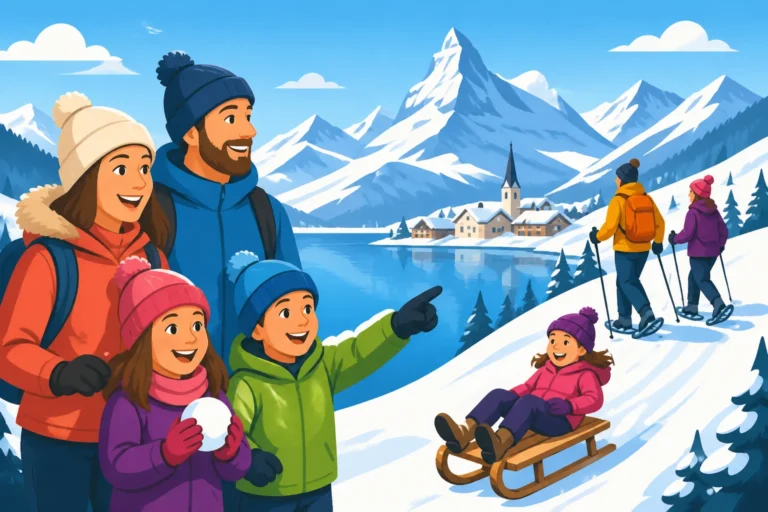
For many Swiss families, skiing is a cherished winter tradition, starting from a very young age. You'll see tiny tots in ski schools, often before they've even mastered walking! During "Sportferien" (sports holidays, typically in February/March), entire families flock to the mountains. It's a time for bonding, learning, and enjoying the winter wonderland together. Making skiing a part of your family's expat life is an incredible way to create lasting memories and fully embrace the Swiss lifestyle.
Many families invest in children's seasonal rentals for equipment, making it easier and more affordable to get kids on the slopes frequently. The focus is often less on extreme performance and more on enjoying the outdoors, perfecting technique, and appreciating the alpine environment. This emphasis on lifelong engagement rather than intense competition is a lovely aspect of Swiss ski culture. Even if you don't have children, observing this family-centric approach gives you insight into the values here.
Beyond Downhill: Cross-Country, Snowshoeing, and Sledding
If downhill skiing isn't quite your cup of tea, or if you simply want to try something different, Switzerland offers a plethora of other winter activities. Cross-country skiing (Langlauf) is a fantastic full-body workout and a serene way to explore snowy landscapes. Many resorts have dedicated cross-country trails (Loipen) that wind through forests and open fields. It’s significantly cheaper than downhill skiing, often requiring just a trail pass and rental equipment.
Snowshoeing is another wonderful option for non-skiers or those looking for a quieter, more meditative experience. You can rent snowshoes easily and explore marked trails, reaching viewpoints that are inaccessible in winter without specialized equipment. It's a great way to enjoy the pristine beauty of the mountains at your own pace.
And for pure, unadulterated fun, especially with kids (or your inner child!), sledding (Schlitteln) is a must. Many resorts have dedicated sledding runs, some several kilometers long, often accessed by chairlifts or gondolas. It's exhilarating and relatively inexpensive. You can find excellent suggestions for runs in Sledding (Schlitteln) Runs in Switzerland: Family Winter Fun. These alternative activities offer a different perspective on the Swiss winter and ensure that everyone, regardless of their skiing prowess, can enjoy the magic of the Alps.
Planning Your Ski Trip: Logistics and Practicalities
Once you've got your head around passes, costs, and culture, it's time to nail down the practicalities of actually getting to the mountain. A well-planned trip can make all the difference to your enjoyment.
Best Time to Go: Snow Conditions, Crowds, and Prices
Choosing the right time to ski can dramatically impact your experience. The season typically runs from early December to late April, with variations depending on altitude and snow conditions. Early season (December before Christmas) can offer good deals and fewer crowds, but snow cover might be less consistent at lower altitudes. Peak season (Christmas-New Year, and the February/March school holidays) guarantees the best snow but also brings higher prices, longer lift queues, and crowded pistes.
For many residents, mid-January or late March/early April offer the best balance. Mid-January usually has excellent snow, colder temperatures, and fewer crowds than the holiday periods. Late season, or "spring skiing," in March and April can be glorious, with warmer temperatures, sunny days, and often softer, forgiving snow. It’s also often cheaper, and you can enjoy extended hours with sunny après-ski. Always check snow reports and resort webcams before you go. Platforms like Snow-Online.com or the resort's official website provide up-to-date information on snow depth, weather forecasts, and open lifts.
Getting There: Car vs. Public Transport
Switzerland's public transport system is legendary, and it makes accessing many ski resorts incredibly easy. Traveling by train to a ski resort is often less stressful than driving, especially on snowy winter roads. The SBB network reaches surprisingly close to many mountains, and often a short bus connection takes you directly to the lift station. Not having to worry about finding or paying for parking (which can be expensive at popular resorts) is a huge bonus. You can use Switzerland by Train: The SBB Network, Scenic Routes, and Day Trips for general information.
For finding the best train connections and comparing journey times, Omio is a fantastic tool that integrates train, bus, and sometimes even flight options. For residents, combining your public transport journey with an SBB Travelcards: Is the Generalabonnement (GA) Worth the CHF 4000+ Cost? or Half-Fare Card makes it incredibly economical. Many resorts also partner with SBB for "Snow'n'Rail" packages, offering discounted train travel and lift tickets, which are usually the best deal going.
If you do drive, ensure your car is equipped with winter tires, and consider carrying snow chains, especially if heading to higher-altitude resorts. Roads can be steep and icy, and some mountain passes might require chains in heavy snow. Check road conditions before you depart. While driving offers flexibility, the stress of winter driving and parking often outweighs the convenience for many expat skiers.
Accommodation Options and Booking Tips
If you're planning an overnight stay, booking accommodation early is crucial, especially for weekends and holiday periods. Options range from luxurious hotels to cozy chalets, self-catering apartments, and budget-friendly hostels. For families or groups, a self-catering apartment can be a very cost-effective choice, allowing you to cook your own meals and save on restaurant expenses. Platforms like Booking.com are excellent for finding a wide range of accommodation options, from a room in a basic mountain guesthouse to a five-star hotel.
Look for places that offer "ski-in/ski-out" access or are very close to ski lifts and public transport connections. This convenience is worth a lot after a long day on the slopes. Many resorts also have specific tourist offices (e.g., Zermatt Tourism, Verbier Tourism) that list available accommodation and sometimes special packages. Don't be afraid to consider villages just outside the main resort area; they often offer cheaper lodging with good bus connections to the lifts. For example, staying in Täsch and taking the shuttle to Zermatt is a common and more affordable strategy. The sooner you book, especially for popular periods, the better your chances of securing a good deal and suitable lodging.
Disclaimer
Please note that while I strive to provide accurate and up-to-date information, rules, regulations, and prices in Switzerland can change rapidly. This guide offers general advice for expats and residents. Always verify specific details, prices, and regulations with official sources, resort websites, and relevant authorities before making plans or purchases. Skiing and mountain activities carry inherent risks; always prioritize your safety and ensure you have appropriate insurance coverage.