The Glacier Express: Booking, Routes, and Is It Worth It for Residents
Oh, the Glacier Express! It sounds like the ultimate Swiss dream, doesn't it? Visions of panoramic windows, majestic mountains, and leisurely glides through some of the most stunning scenery on Earth. For many of us who've moved here or visited, this "slowest express train in the world" quickly gets added to the bucket list. But once you start looking into it, the reality of booking, navigating the routes, and especially the cost can feel a bit overwhelming, leaving you wondering if it's truly worth the splurge. This guide is going to walk you through everything you need to know, from booking insights to whether it makes sense for your Swiss experience.
What Exactly Is the Glacier Express?
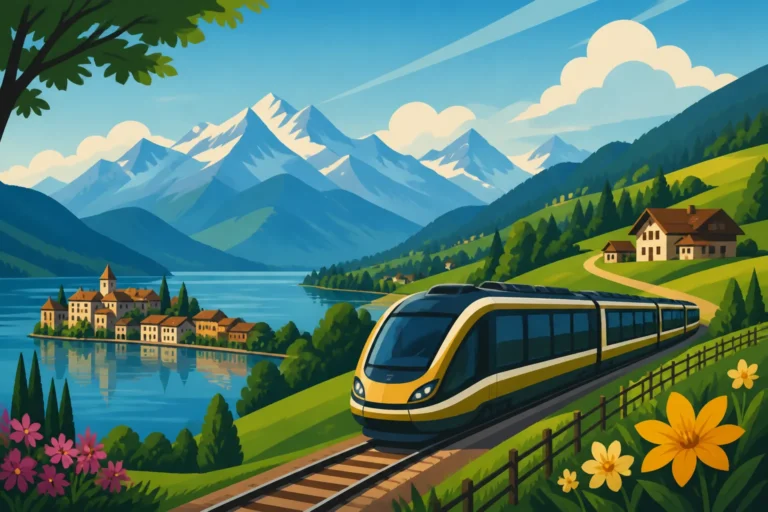
Let's clear up the mystique around this famous train. The Glacier Express isn't just any train; it's an institution, a rolling testament to Swiss engineering and a masterclass in showcasing natural beauty. It connects two iconic mountain resorts, Zermatt and St. Moritz, weaving through the heart of the Swiss Alps in an unforgettable, albeit lengthy, journey.
A Brief History of Alpine Rail Travel
The story of the Glacier Express is deeply intertwined with the development of tourism and rail infrastructure in the Swiss Alps. Conceived in the early 20th century, the vision was to connect the glamorous Engadine Valley (home to St. Moritz) with the picturesque Matterhorn region (Zermatt). This was no small feat, requiring the construction of intricate narrow-gauge railway lines, including cogwheel sections to conquer steep gradients, and countless bridges and tunnels. The first Glacier Express journey departed in 1930, linking the Matterhorn Gotthard Bahn and the Rhätische Bahn. It was a pioneering effort, designed to offer a luxurious and comfortable way for visitors to experience the unparalleled alpine landscape without the arduous travel of previous eras. Over the decades, it evolved, upgrading to the now-iconic panoramic carriages that truly set it apart, allowing passengers to immerse themselves fully in the passing scenery. It’s a true celebration of human ingenuity working in harmony with nature.
The "Slowest Express Train" Paradox
This name, "the slowest express train in the world," often leaves newcomers scratching their heads. How can it be an "express" train if it's so slow? The "express" part comes from its direct route between Zermatt and St. Moritz, connecting these two major destinations without requiring multiple changes, unlike many regional trains. It's express in terms of destination, not speed.
The "slowest" part is absolutely intentional and entirely the point. This train is designed for sightseeing, not speed. Over its approximately 8-hour journey, it traverses 291 bridges, plunges through 91 tunnels, and climbs over the 2,033-meter high Oberalp Pass. The engineers didn't just lay tracks; they created a ballet of rails and mountainsides. Imagine climbing a steep pass, hearing the gentle hum of the cogwheel system engaging, and looking out at snow-capped peaks or lush valleys. The pace forces you to slow down, to truly observe and appreciate every detail, from tiny mountain villages nestled in remote valleys to dramatic gorges carved by ancient rivers. It's a journey where the experience is the destination, allowing for unhurried photography and deep immersion in the grandeur of the Swiss Alps. You’re not just going somewhere; you’re experiencing the going.
Glacier Express Routes and Key Stops
The full Glacier Express route is a long one, stretching from the foot of the Matterhorn all the way to the chic resort town of St. Moritz. It’s a linear journey that offers different perspectives depending on your direction, but the beauty is constant.
The Full Zermatt to St. Moritz Journey
The classic route covers approximately 290 kilometers (180 miles) and typically takes around 8 hours. Starting from the car-free village of Zermatt, you're immediately greeted with views of the majestic Matterhorn, provided the weather cooperates, of course. (Don't worry if it doesn't, Zermatt itself is stunning, and there are plenty of options for Exploring Zermatt: Car-Free Living Under the Matterhorn beyond the train). As the train departs, it winds through the Mattertal valley, gradually ascending towards the Canton of Valais.
One of the first major highlights is the ascent to the Oberalp Pass, the highest point of the journey at 2,033 meters above sea level. Here, the landscape transforms dramatically, especially in winter, into a pristine wonderland. In summer, you'll see hikers and cyclists enjoying the mountain air. After descending from Oberalp, you pass through Andermatt, a rapidly developing ski resort town, and then roll into Disentis/Mustér, where a locomotive change often takes place, and you might see the train split if it's operating in sections.
The journey then takes you through the "Swiss Grand Canyon," the Rhine Gorge (Ruinaulta), between Ilanz and Reichenau. This is truly spectacular, with white cliffs, emerald-green water, and dense forests – a moment where everyone on the train collectively gasps and grabs their cameras. Finally, the train navigates the picturesque Albula Line, a UNESCO World Heritage site renowned for its spiral tunnels and impressive viaducts, most notably the Landwasser Viaduct and the famous curved Solis Viaduct. You'll pass through charming villages and, after snaking through the Engadine Valley, arrive in the glitzy resort of St. Moritz. Exploring St. Moritz and the Engadine Valley offers a completely different vibe from Zermatt, making the endpoint as fascinating as the journey itself.
Shorter Sections and Highlights
While the full 8-hour journey is the iconic experience, it's a long day, even with all that scenery! Many residents and visitors opt to ride only the most scenic sections. This is a smart move if you're on a tighter schedule, looking to save some money, or simply want to integrate the experience into a broader trip without committing an entire day.
Here are a few popular sections that offer incredible highlights:
- Chur to St. Moritz (or vice-versa): This section covers the Albula Line, arguably the most photogenic part of the journey. It's shorter, around 2-2.5 hours, and includes the spiral tunnels and viaducts that are a marvel of engineering. You get a taste of the UNESCO World Heritage route without the full commitment. If you're staying in or around Zurich, Chur is easily accessible for a day trip.
- Andermatt to Disentis/Mustér: This segment takes you over the Oberalp Pass, offering dramatic high-alpine views. It's perfect for those who want to experience the highest point of the route and its stark beauty, especially in winter.
- Brig to Chur: This is a longer segment (around 4 hours) that encompasses the Rhine Gorge, the Oberalp Pass, and some stunning mountain scenery. It's a great option if you want a substantial portion of the experience, including a geological wonder, without starting all the way in Zermatt.
Remember, you don't have to book the Glacier Express specifically to see these views. Many of these tracks are shared with regular Switzerland by Train: The SBB Network, Scenic Routes, and Day Trips services. While you won't get the panoramic windows or the onboard service, you'll still see the exact same mountains, valleys, and engineering marvels. It’s a trade-off many of us make for flexibility and budget.
Booking Your Glacier Express Journey
Navigating the booking process can be a little confusing, especially for first-timers. It's not as straightforward as just buying a train ticket, because the Glacier Express operates slightly differently from standard SBB (Swiss Federal Railways) services.
Understanding Ticket Types and Seat Reservations
This is the most critical distinction to grasp: you need two things to ride the Glacier Express: a valid train ticket AND a mandatory seat reservation.
- The Train Ticket: This is what gets you onto the rails. If you have a SBB Travelcards: Is the Generalabonnement (GA) Worth the CHF 4000+ Cost? or a The Half-Fare Travelcard (Halbtax): The Must-Have Pass for Swiss Residents pass, this part of the journey is covered (or discounted significantly) just like any other train in Switzerland. If you don't have a pass, you'll need to purchase a full-price point-to-point ticket for your chosen route (e.g., Zermatt to St. Moritz, or Chur to Andermatt). You can buy these tickets through the SBB website, the SBB mobile app, or at any train station.
- The Seat Reservation (and Surcharge): This is where the "express" part comes in and where the Glacier Express experience truly differs. Every single seat on the Glacier Express must be reserved, and there's a mandatory supplement or surcharge on top of your regular train ticket. This surcharge covers the premium service, the panoramic carriages, and the exclusivity of the journey. The cost of this reservation varies depending on the season (high season being pricier) and the length of your journey. For the full Zermatt-St. Moritz route, it can range from CHF 39 to CHF 49 per person, per direction. You must secure this reservation in advance, as the train often sells out, especially during peak travel times like summer and winter holidays. Without a reservation, even with a valid GA or Half-Fare ticket, you won't be allowed on board the panoramic carriages.
Official Channels vs. Third-Party Platforms
When it comes to actually making your reservation, you have a few options:
-
Official Glacier Express Website: This is often the most direct and clearest way to book your seat reservation and, if needed, your full ticket. Their website is specifically designed for the Glacier Express, detailing available seats, different travel classes (First and Second Class), and any special packages. You can reserve your specific seat, which is a nice touch if you have a preference for which side of the train you want to sit on (though views are great from both, some prefer one side for certain stretches).
-
SBB Website/App/Counter: You can also purchase your point-to-point ticket and sometimes even the seat reservation through the standard SBB channels. If you already have a GA or Half-Fare, this is a convenient way to just add the reservation. Be aware that the SBB interface might not be as granular in terms of seat selection as the dedicated Glacier Express site.
-
Third-Party Booking Platforms: Reputable online travel agencies (OTAs) can also facilitate bookings. Platforms like Omio are excellent for comparing train, bus, and flight options across Europe, and they often list Glacier Express tickets and reservations as part of broader travel plans. Similarly, sites like GetYourGuide might offer Glacier Express packages that combine the train journey with other activities or hotel stays, which can be convenient for tourists planning a more comprehensive trip. When using third-party sites, always double-check that both the ticket and the mandatory seat reservation are included in the price, and verify their cancellation policies. These platforms can sometimes simplify the process by bundling everything, but they might also add a small service fee.
It's highly recommended to book your seat reservation several weeks, or even months, in advance, especially if you're traveling during popular seasons or holidays. Spontaneity is charming, but it won't get you a seat on this particular train!
Cost Analysis and Value for Residents
Alright, let's talk about the elephant in the panoramic carriage: the cost. For residents, the price tag can be a sticking point. We're used to the incredible value of our GA and Half-Fare cards for everyday travel, and the Glacier Express adds a premium on top that can feel, well, very Swiss.
Breaking Down the Price Tag
Let's do a hypothetical example for a full Zermatt-St. Moritz journey (one way, per person) in Second Class, which is already a fantastic experience with panoramic windows.
- Full-price Ticket: Without any discount card, a point-to-point ticket for the full route can cost around CHF 150-160.
- Half-Fare Card Ticket: With a The Half-Fare Travelcard (Halbtax): The Must-Have Pass for Swiss Residents, this drops to about CHF 75-80.
- GA Travelcard: With a SBB Travelcards: Is the Generalabonnement (GA) Worth the CHF 4000+ Cost?, your ticket cost is CHF 0. You're effectively already "paying" for it through your annual pass.
- Mandatory Seat Reservation & Surcharge: This is the non-negotiable extra. As mentioned, expect to pay CHF 39-49, depending on the season. This applies to everyone, regardless of GA or Half-Fare.
- Optional Extras:
- Onboard Lunch: The Glacier Express offers a set 3-course menu (and usually a daily special) served right at your seat. This is a big part of the experience for many, adding to the luxury feel. Expect to pay around CHF 45-50 for this. It's not cheap, but it's convenient and adds to the special occasion.
- Drinks/Snacks: Other beverages and snacks are available for purchase, at typical Swiss train prices.
So, let's sum it up:
| Scenario | Ticket Cost (2nd Class) | Seat Reservation | Lunch (Optional) | Total Estimated Cost (one-way) |
|---|---|---|---|---|
| No Discount Card | CHF 150-160 | CHF 39-49 | CHF 45-50 | CHF 234-259 |
| Half-Fare Card | CHF 75-80 | CHF 39-49 | CHF 45-50 | CHF 159-179 |
| GA Travelcard | CHF 0 | CHF 39-49 | CHF 45-50 | CHF 84-99 |
Note: Prices are estimates for 2026 and subject to change.
As you can see, even with a GA, you're looking at nearly CHF 100 for a one-way trip if you opt for lunch. For a couple, that's CHF 200, or closer to CHF 500 without any passes and including lunch. This is why many residents question the value.
Glacier Express vs. Regular SBB Trains
Here's the critical comparison that many expats discover and leverage. The Glacier Express runs on the same tracks as regular SBB regional and interregional trains for the vast majority of its route. This means you can often replicate the journey, or at least its most scenic parts, for significantly less money.
What you gain with the Glacier Express:
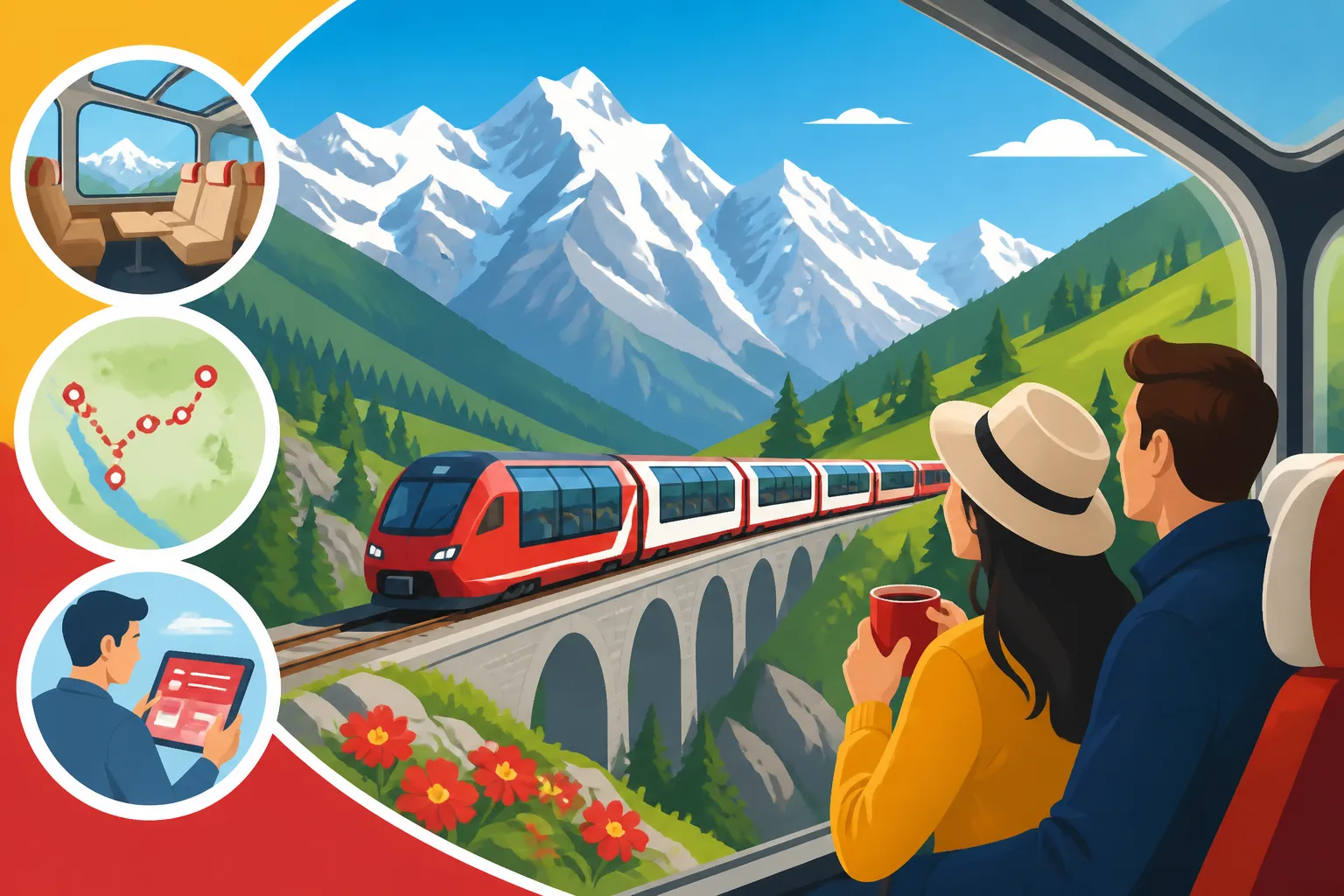
- Panoramic Windows: These are floor-to-ceiling and curve into the roof, offering an unparalleled, immersive view. Regular trains have large windows, but not this expansive.
- Guaranteed Seat: Your reservation ensures you have a seat for the entire journey.
- Onboard Service: Attentive staff, food served at your seat, and a bar car for drinks.
- Commentary: Headphones provide information about the sights in multiple languages.
- Exclusivity/Atmosphere: It's a special, dedicated tourist experience, often quieter and less crowded than regional trains (though still popular!).
What you save by taking regular trains:
- Cost: No mandatory seat reservation fee, no panoramic surcharge. Your GA or Half-Fare covers the fare entirely or at a 50% discount, just like any other train.
- Flexibility: You can hop on and off wherever you like. Want to stop in Disentis for an hour, or take a quick detour to a charming village? No problem. With the Glacier Express, you're committed to the entire segment.
- Packed Food: Bring your own picnic, snacks, and drinks without any judgment. This alone can save you CHF 50 per person on lunch.
How to "DIY" the Glacier Express route:
You can plan a journey using the SBB app by looking for connections between Zermatt and St. Moritz. You'll likely have to make a few changes (e.g., in Brig, Disentis, or Chur), but the scenic sections remain the same. For example, to experience the UNESCO Albula Line, simply book a regular SBB train from Chur to St. Moritz. You'll pass over the famous viaducts and through the spiral tunnels. You can even find trains with larger windows, though they won't be panoramic.
Many seasoned Swiss residents swear by this "DIY" approach. They'll take regular trains, pack a fantastic picnic from a local Coop or Migros, grab a seat by the window, and enjoy the same views for a fraction of the cost. The money saved could be put towards a fancier dinner in Zermatt or a night at a lovely hotel found on Booking.com!
The Resident's Dilemma: Is It Truly Worth It?
This is the million-franc question, isn't it? As an expat who's been here a while, you learn to weigh experiences against the typically high Swiss price tags. The Glacier Express is no exception.
Weighing the Experiential Value Against the Cost
For some, the Glacier Express is absolutely worth every franc, especially for a special occasion or when hosting visitors. Imagine this: you've got friends or family visiting from abroad, and they've always dreamed of the Swiss Alps. Taking them on the Glacier Express, with the dedicated service, comfortable seats, and continuous narration, offers a truly curated and stress-free way to experience the scenery. For someone who doesn't have a Half-Fare or GA, the perceived value of the premium experience is higher.
For residents, however, who might regularly hike in the Alps or take regional trains through stunning landscapes, the "wow" factor of the scenery itself might be slightly diminished. We've seen a lot of it! What the Glacier Express does offer is a different kind of relaxation. You don't have to worry about changing trains, finding seats, or navigating. You simply sit back, relax, and let the panorama unfold. It's a luxury experience, not just a mode of transport.
Consider these scenarios:
- Special Occasion: Anniversary, milestone birthday, or a treat for yourself after a tough year.
- Hosting Visitors: Especially those who are less mobile, or who want a very comfortable, iconic Swiss experience.
- Winter Wonderland: The journey through snow-covered landscapes is particularly magical, and the warmth of the panoramic carriage is a huge plus.
- First-Timer: If you've never done it and have a deep desire for the full, classic experience.
Ultimately, the value is subjective. Is it objectively "worth it" compared to a regular train? Probably not for the purely practical purpose of getting from A to B. But for the experience, the service, the comfort, and the ability to truly switch off and immerse yourself in a curated journey, it absolutely can be.
Managing Expectations and Alternatives
One common piece of feedback from people who've ridden the Glacier Express is that while it's beautiful, it's still "just a train." Don't expect a theme park ride or constant, jaw-dropping drama. There are stretches of lovely scenery, but also some sections that are less spectacular. The food, while convenient, is good but probably won't be the culinary highlight of your trip. Manage your expectations, and you'll enjoy it more.
If you decide the Glacier Express is too rich for your blood, or you simply prefer a more adventurous approach, here are some fantastic alternatives that offer similar, if not identical, views:
- The Bernina Express: Often considered the Glacier Express's little (and slightly wilder) sister, The Bernina Express: Crossing the Alps to Italy by Scenic Train also offers panoramic cars and runs on a UNESCO World Heritage route. It's shorter (around 4 hours from Chur to Tirano, Italy), often cheaper, and includes incredibly dramatic scenery, including open-air carriages in summer. Many residents actually prefer this route for its intense beauty and compact nature.
- Regular Trains on the Glacier Express Route: As discussed, you can take regional trains on the same tracks. For example, the train from Chur to St. Moritz on the Albula Line. You might have to change trains, and you won't get the panoramic windows or commentary, but the views are identical. You can also explore options like Getting to Jungfrau Region: Interlaken to Grindelwald and Wengen for other stunning mountain rail experiences that are more integrated with regular public transport.
- Day Trips by Train: The Best Swiss Destinations Within Two Hours: Many regular train lines offer incredible views. Consider routes through the Valais, around Lake Geneva, or towards the Ticino. You might find a regional train offers more than enough visual splendor.
- Hiking and Mountain Excursions: For truly immersive experiences, nothing beats getting out there. Take a cable car up a mountain, and hike a scenic trail. This is often far more affordable and physically engaging. Don't forget to check What to Pack for a Day Trip to the Swiss Alps before heading out!
Tips for a Memorable Glacier Express Experience
If you decide to take the plunge and book your journey on the Glacier Express, here are some tips to make sure it's as wonderful as you imagine.
Practical Advice for Your Ride
- Book Early, Especially the Reservation: I can't stress this enough. Seats sell out, particularly during peak season (summer, Christmas, Easter, etc.). As soon as you know your dates, secure that reservation.
- Consider First Class (if you want more space): While Second Class is perfectly comfortable and offers the same views, First Class provides more spacious seating (2-1 configuration instead of 2-2) and a slightly quieter atmosphere. If you're celebrating, it can be a nice upgrade.
- Pick Your Side (with a grain of salt): Some people obsess over which side of the train has the "best" views. The truth is, the train snakes and curves so much that you'll get fantastic views from both sides at different points. However, generally, for the Rhine Gorge (traveling east), the right side offers slightly better views. From Andermatt climbing to Oberalp Pass (traveling east), the left side can be good. Honestly, just enjoy the ride and rotate with your travel companions if you're with someone!
- Food Strategy:
- Onboard Lunch: If you want the full experience, pre-order the set menu with your reservation. It adds to the sense of occasion. It's served efficiently right at your seat.
- Packed Picnic: If the onboard menu is too pricey, or you have dietary restrictions, pack your own! Grab some local cheese, bread, fruit, and even a small bottle of wine from Coop or Migros before you board. There's no rule against enjoying your own provisions.
- Snacks and Drinks: Bring plenty of water and some snacks. While you can buy them on board, they'll be expensive. A reusable water bottle is a must in Switzerland anyway, as the tap water is excellent.
- Power Bank: Eight hours is a long time, and you'll likely be taking a lot of photos and videos. Bring a fully charged power bank for your phone and camera. Some carriages have power sockets, but not all or always conveniently located.
- Headphones: Make use of the onboard commentary! It's informative and adds context to the landscapes you're passing through.
- Be Prepared for Weather: The Alps are famously unpredictable. You might start in sunshine and end in clouds, or vice-versa. Embrace it. Each weather condition offers a unique perspective. Don't let a cloudy forecast ruin your excitement – the mist can add a dramatic, mystical element!
Enhancing Your Trip with Stays and Activities
The Glacier Express is a long journey, so many people choose to break it up or combine it with overnight stays at the start or end points.
- Zermatt: If you're starting or ending in Zermatt, dedicate at least a day or two to explore this incredible car-free village and its surroundings. Take the Gornergrat Bahn for unforgettable views of the Matterhorn, or simply wander through the charming streets. There are plenty of fantastic hotels and chalets in Zermatt, and you can find great options on sites like Booking.com.
- St. Moritz: At the other end, St. Moritz offers a very different, glamorous alpine experience. Enjoy the lake, indulge in some high-end shopping, or explore the hiking trails. It's a great base for further exploration of the Engadine Valley. Again, Booking.com can help you find accommodations ranging from luxury hotels to more modest guesthouses.
- Chur: If you're doing a shorter segment, Chur is a great base. It's Switzerland's oldest city, with a charming Old Town to explore. It's also well-connected by train, making it a convenient hub for day trips, whether on the Glacier Express route or other scenic lines.
- Combine with Other Activities: Think about integrating the Glacier Express into a larger Swiss adventure. Perhaps a few days of Skiing in Switzerland: Resorts, Passes, and Costs for Residents in Zermatt, followed by the scenic train ride to St. Moritz, and then some Swiss Food and Drink Culture: Regional Specialties and Dining Etiquette experiences in the Engadine. Or, enjoy some leisurely walks and visits to Alpine and Mountain Gardens Worth Visiting in Switzerland along your journey.
No matter how you choose to experience it, the Glacier Express is a truly iconic part of Switzerland. With a little planning and realistic expectations, it can certainly be a memorable highlight of your time here!
Disclaimer
Please note that all information provided in this guide, especially regarding prices and schedules, is subject to change. While we strive for accuracy based on current knowledge and typical operations in Switzerland, it's essential to verify details with official sources (Glacier Express, SBB, relevant cantonal offices) before making any travel plans. This guide is for informational purposes only and does not constitute official advice.