Weekend Getaways from Switzerland: Easy Cross-Border Escapes
Living in Switzerland is undeniably wonderful, with its pristine landscapes, efficient infrastructure, and unparalleled quality of life. But let's be honest, after a while, the bills can start to stack up, and even the most ardent admirer of fondue might crave a different kind of pastry. If you're feeling the itch for a change of scenery without breaking the bank or dedicating a week to travel, you've landed in the right spot. This comprehensive guide is all about those delightful, easy cross-border weekend getaways from Switzerland, offering a taste of new cultures, different price tags, and adventures just a stone's throw away.
Why Cross-Border Getaways are a Swiss Expat's Best Friend
As an expat, you’ve likely settled into the rhythm of Swiss life, appreciating the mountains, the lakes, and the general orderliness of things. But there comes a point when the desire for something different becomes overwhelming. Perhaps it’s the thought of a cheaper coffee, a bustling market, or simply a new language spoken all around you. That’s where Switzerland’s incredibly fortunate geography comes into play.
The Call of a Different Culture and Price Tag
Let’s talk about the elephant in the room: Switzerland is expensive. There, I said it. While we cherish the quality that comes with those prices, the reality is that sometimes, your wallet (and your soul) craves a break. Venturing just over the border into France, Germany, Italy, or Austria isn't just about escaping for a few days; it’s about a complete reset. Suddenly, that €3 espresso doesn't feel like a small fortune, and a three-course meal won't necessarily require taking out a second mortgage.
It's more than just the money, though. It’s the vibrant tapestry of cultures that surrounds Switzerland. One weekend you could be in a quaint Alsatian village that feels like a gingerbread house illustration, and the next you could be navigating the chic streets of Milan, all within a few hours’ travel. This cultural immersion is a huge part of the expat experience, and these quick escapes allow you to feel like you’re truly making the most of your central European base. The sheer diversity available right on your doorstep is truly one of the biggest perks of living in this small, mighty country.
You might also find yourself craving a bit of that delightful chaos that Swiss efficiency sometimes smooths over. A bustling Italian piazza, a boisterous German beer garden, or a lively French market can be a wonderful antidote to the sometimes serene (dare I say, too serene?) tranquility of Swiss Sundays. It validates that natural human desire for variety and novelty, and believe me, after a few months or years here, you’ll understand exactly what I mean when I talk about the need for a 'change of pace'.
Logistics Made Easy: Border Proximity and Transport
One of the absolute best things about Switzerland's location is how incredibly well-connected it is. You're nestled right in the heart of Europe, which means you have quick and easy access to five different countries, plus the tiny principality of Liechtenstein. This isn't just about theoretical proximity; it’s about genuinely convenient travel options that make weekend trips feasible, even with limited time.
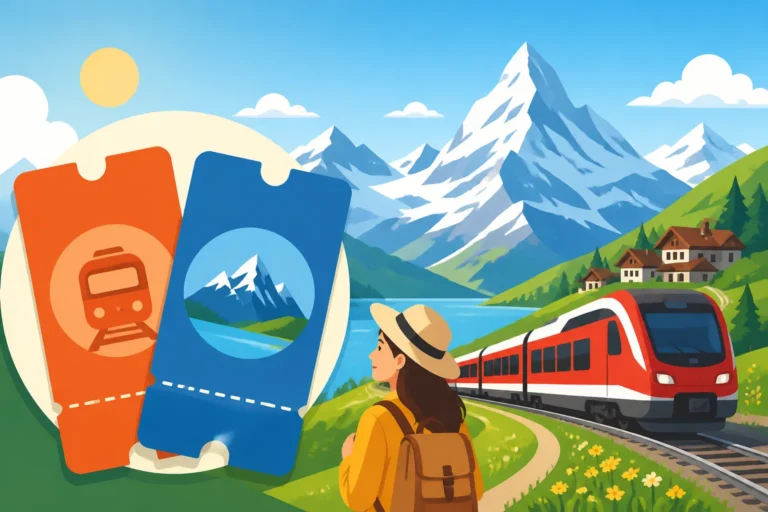
Our public transport system, the SBB, is a marvel, and it seamlessly connects to the European rail network. You can hop on a train in Zurich and be in Milan or Freiburg within a few hours, often with direct services. The convenience of these train journeys cannot be overstated – no airport hassles, no lengthy check-ins, just sit back, enjoy the scenery (which is often breathtaking as you cross mountain ranges), and arrive directly in the heart of another city. Even if you're traveling further within Switzerland to catch your international connection, remember that handy The Half-Fare Travelcard (Halbtax): The Must-Have Pass for Swiss Residents that cuts most of your domestic train fares in half. For those considering even more extensive travel within Switzerland or across borders, understanding whether SBB Travelcards: Is the Generalabonnement (GA) Worth the CHF 4000+ Cost? is right for you can make a huge difference in overall travel expenses.
Driving is also a fantastic option, offering unparalleled flexibility, especially if you’re exploring more rural areas or prefer to pack a bit more. Crossing borders by car is typically smooth sailing within the Schengen Area, though you’ll want to be mindful of things like national speed limits, local driving laws (like winter tire requirements), and whether you need an autobahn vignette, particularly if heading into Austria. Just make sure your car insurance covers you abroad – it usually does, but a quick check won't hurt. For longer drives, it’s worth brushing up on Driving in Switzerland: Licenses, Buying Cars, and Strict Traffic Laws as many of the general road safety principles apply throughout Europe, even if the specific rules vary.
Italy: La Dolce Vita Just Over the Alps
Ah, Italy! Just thinking about it conjures images of delicious food, stunning art, and a passionate way of life. For Swiss expats, Italy offers an incredibly accessible escape, especially for those in Ticino or the German-speaking cantons, where the journey can be surprisingly quick. It's truly a world away, offering that sensory overload we sometimes crave.
Milan: Fashion, Food, and Renaissance Art
Milan, Italy's vibrant economic and fashion capital, is an ideal cross-border escape. It’s a city that effortlessly blends high-end style with incredible history and a bustling, authentic Italian atmosphere. From the moment you step off the train, you’re greeted by a different energy, a more expressive hum than you might be used to back home.
Getting there is a breeze. From Zurich, direct trains can get you to Milano Centrale in about 3.5 to 4 hours, offering a scenic journey through the Gotthard Base Tunnel. From Geneva, it's a bit longer, but still manageable for a weekend. If you're starting from Lugano in Ticino, you'll be there in under an hour – practically a day trip! Once you arrive, the iconic Duomo di Milano, a truly breathtaking Gothic cathedral, demands your immediate attention. Climbing to the rooftop offers incredible city views, and wandering through the grand Galleria Vittorio Emanuele II, one of the world's oldest shopping malls, is an experience in itself, even if you’re just window shopping. Remember to book tickets well in advance if you want to see Leonardo da Vinci's "The Last Supper" at Santa Maria delle Grazie – it's a once-in-a-lifetime experience.
The food scene in Milan is, as expected, phenomenal and a welcome relief for the wallet. Indulge in authentic risotto alla milanese, cotoletta, and, of course, plenty of pizza and pasta. The aperitivo tradition, where you buy a drink and get a complimentary buffet of snacks, is a fantastic way to enjoy a pre-dinner bite without splurging too much. The sheer joy of having a proper Italian meal at a fraction of Swiss prices is enough to make the trip worthwhile! When it comes to finding a place to rest your head, platforms like Booking.com offer a wide array of options, from chic city hotels to charming boutique stays right in the heart of the action.
Lake Como: Lakeside Charm and Elegant Villas
If city life isn't quite your weekend vibe, or if you want to pair it with something more serene, Lake Como offers a postcard-perfect escape. It's a place where dramatic alpine peaks plunge into deep blue waters, dotted with picturesque towns and opulent villas. It truly feels like stepping into a movie set (and indeed, many films have been shot here!).
Getting to Lake Como is just as easy as getting to Milan. You can drive from Zurich in about 3.5 hours, or take a direct train to Como San Giovanni station. Once you're on the lake, the best way to explore is by ferry, which connects the main towns like Como, Bellagio, Varenna, and Menaggio. Each town has its own distinct personality, from the bustling elegance of Como to the charming, winding streets of Bellagio and the pastel-colored houses of Varenna. The views from the lake are simply unparalleled, giving you a fresh perspective on the incredible natural beauty of the region.
Activities abound, from leisurely boat tours that give you glimpses of celebrity villas, to exploring the lush gardens of Villa Carlotta or the stunning architecture of Villa del Balbianello. You can hike some of the lakeside trails, enjoy a delicious gelato by the water, or simply find a sunny spot at a café and watch the world go by. The pace of life here is wonderfully relaxed, a stark contrast to the often-frenetic energy of Swiss work weeks. It’s the kind of place where you can truly unwind and let the Italian charm wash over you.
Turin: Royal History and Culinary Delights
Often overshadowed by its more famous neighbors, Turin (Torino) is an elegant, sophisticated city that offers a slightly different, yet equally rewarding, Italian experience. As the former capital of the Kingdom of Savoy and then the first capital of unified Italy, Turin boasts a grand, regal history reflected in its wide boulevards, Baroque architecture, and stunning palaces.
While a bit further from Zurich (around a 4-5 hour train ride with a change), Turin is very accessible from Geneva or Lausanne, with train journeys taking around 3-4 hours. Driving is also a viable option, taking roughly the same amount of time. The journey often takes you through picturesque Italian countryside, setting the scene for a relaxing escape.
Once there, you'll find plenty to explore. The Royal Palace of Turin, a UNESCO World Heritage site, is a magnificent testament to its royal past. The Mole Antonelliana, an iconic landmark, houses the National Cinema Museum, a fascinating and interactive experience. Don't miss the Egyptian Museum, which boasts one of the largest collections of ancient Egyptian artifacts outside of Cairo. Turin is also famous for its culinary contributions: it's the birthplace of vermouth, the Bicerin coffee drink, and has a rich chocolate-making tradition. Spend an afternoon exploring its beautiful arcaded streets, sampling local pastries, or enjoying a traditional meal in one of its many excellent restaurants. Turin offers a quieter, more refined Italian getaway, perfect for those seeking history and gastronomic excellence.
France: From Alpine Peaks to Riviera Breezes
France, just like Italy, offers a multifaceted escape right next to Switzerland. Whether you're in the French-speaking cantons or elsewhere, the border is never far, and the transition into French culture, with its distinct language, gastronomy, and art de vivre, is always a delight.
Annecy: The "Venice of the Alps"
Nestled at the northern tip of its namesake lake, Annecy is often called the "Venice of the Alps" – and for good reason. Its enchanting Old Town, with its canals, flower-bedecked bridges, and pastel-colored houses, looks like it's been plucked straight from a fairytale. This is an absolutely perfect cross-border weekend getaway, especially if you're based in the Geneva region.
From Geneva, Annecy is astonishingly close – just a 45-minute drive or a quick bus journey. This makes it an ideal spot for even a day trip, though a weekend allows you to truly soak in its charm. From other parts of Switzerland, it’s a manageable 3 to 4-hour drive. Once there, you'll find the stunning Lake Annecy, often hailed as one of Europe's cleanest lakes, inviting you for a stroll, a boat trip, or even a swim in warmer months.
The Palais de l'Isle, a former prison and courthouse situated dramatically in the middle of a canal, is one of Annecy's most recognizable landmarks and a fantastic photo opportunity. Wander through the medieval streets, discover hidden courtyards, and visit the Château d'Annecy, which offers splendid views over the town and lake. And, of course, no trip to France is complete without indulging in the local gastronomy – from delicious crepes and pastries to hearty Savoyard dishes. The atmosphere is relaxed, romantic, and distinctly French, offering a delightful change from the Swiss pace.
Colmar & Alsace Wine Route: Fairytale Villages and Fine Wines
If you're closer to Basel, the Alsace region of France is an absolute must-visit. It's a region with a unique character, boasting a fascinating blend of French and German influences that manifest in its architecture, cuisine, and even its language. The most charming gem here is undoubtedly Colmar, a town so picturesque it feels like a living, breathing storybook.
Colmar is easily accessible from Basel, typically just an hour's drive or a direct train ride of about 30-45 minutes. This makes it incredibly convenient for a weekend escape. Its "Little Venice" quarter, with its colorful half-timbered houses lining the Lauch river, is instantly recognizable and utterly charming. Beyond Colmar, the Alsace Wine Route winds through numerous equally delightful villages like Riquewihr, Eguisheim, and Kaysersberg, each boasting their own charm and, of course, exquisite wineries.
A weekend here is best spent exploring these villages, perhaps taking a wine-tasting tour (the local Riesling and Gewürztraminer are not to be missed!), and sampling Alsatian specialties like tarte flambée (flammekueche) and choucroute garnie. The markets are bustling with local produce and crafts, and there’s a distinct warmth to the hospitality that feels wonderfully authentic. To make the most of your explorations, especially if you're keen on guided tours or specific wine experiences, you can often find great options and book ahead via platforms like GetYourGuide. It's a truly different cultural experience from anything you'll find in Switzerland, despite the close proximity.
Lyon: Culinary Capital and Roman History
For those willing to venture a little further, Lyon offers a rich, urban French experience that is less about glitz and glamour and more about authentic history, culture, and, most famously, gastronomy. Widely considered France's culinary capital, Lyon is a city that takes its food very seriously, making it a dream destination for any foodie.
From Geneva, you can catch a direct TGV train to Lyon in about 2 hours, making it a very viable weekend trip. From Zurich, it's a bit longer, around 4.5 to 5 hours by train with a change in Geneva, or a similar duration by car. The journey itself offers a glimpse into different facets of French and Swiss landscapes.
Once in Lyon, you'll be spoiled for choice. Explore the ancient Roman ruins at Fourvière Hill, where the Basilica of Notre-Dame de Fourvière also offers breathtaking panoramic views of the city. Wander through the Traboules, hidden passageways primarily found in the Croix-Rousse and Vieux Lyon (Old Lyon) districts, which were historically used by silk workers. And then, there’s the food. Lyon is famous for its bouchons, traditional restaurants serving hearty Lyonnaise cuisine. Think quenelles de brochet, saucisson de Lyon, and pralines roses. Make sure to try a full, multi-course meal in a true bouchon for an unforgettable culinary journey. Lyon is a deeper dive into French culture, perfect for those seeking a more substantial urban escape.
Germany: Efficient Escapes and Historic Cities
Germany provides a distinctly different flavor for cross-border weekend getaways. Known for its efficiency, rich history, and vibrant cities, it's particularly convenient for those in the German-speaking cantons of Switzerland. From charming university towns to thrilling theme parks, Germany has a lot to offer right on our doorstep.
Freiburg im Breisgau: University Charm and Black Forest Gateway
Just a short hop from the Swiss border, Freiburg im Breisgau is a delightful German city, often lauded for its sunny climate, vibrant university atmosphere, and strong commitment to sustainability. It’s a perfect escape for a relaxed weekend, offering a charming mix of history and modern liveliness.
Getting to Freiburg couldn't be easier, especially from Basel. You can drive there in just over an hour, or take a direct train that gets you there in about 40 minutes. Even from Zurich, it’s a manageable 2 to 2.5-hour train ride. Its proximity to the Black Forest also makes it an excellent base if you want to combine city exploration with nature.
The city's centerpiece is the Freiburg Minster (Münster), a magnificent Gothic cathedral with a stunning spire that dominates the skyline. Wander through the Altstadt (Old Town), marvel at the Bächle – tiny water channels that run alongside the pavements (be careful not to step in them, local legend says you'll marry a Freiburger!). Enjoy the lively squares, street cafes, and, of course, the hearty German food and excellent local wines. A visit to a traditional German beer garden for a refreshing local brew is a must. From Freiburg, you can easily take a scenic drive or train trip into the Black Forest, perhaps visiting a cuckoo clock workshop or enjoying a slice of Black Forest gateau in its homeland.
Europa-Park (Rust): Thrills and Family Fun
Sometimes, what you really need is pure, unadulterated fun, and for that, Europa-Park in Rust, Germany, is an unbeatable option. As Germany's largest theme park and one of the best in Europe, it offers an incredible array of rides, shows, and attractions spread across multiple European-themed areas. It’s an ideal family-friendly getaway, or even a fun escape for adults who love a good thrill.
Europa-Park is incredibly accessible from Switzerland, particularly the northern cantons. From Basel, it's roughly an hour's drive north. From Zurich, it takes about 2 to 2.5 hours by car. If you prefer public transport, take a train to Ringsheim/Europa-Park station, then a shuttle bus to the park entrance. To truly enjoy everything Europa-Park has to offer, especially with its water park Rulantica and various themed hotels, a full weekend trip is highly recommended.
The park is meticulously designed, with each themed area, from France and Italy to Scandinavia and Russia, featuring authentic architecture, food, and rides that match the respective country. You'll find everything from thrilling rollercoasters to gentle carousels, spectacular live shows, and parades. It's a place where you can completely let go of your Swiss sensibilities for a couple of days and embrace a world of fantasy and excitement. It’s a guaranteed way to inject some high-octane joy into your weekend and create lasting memories.
Stuttgart: Automotive History and Green Spaces
A bit further into Germany, Stuttgart offers a fascinating weekend getaway for those interested in automotive history, grand palaces, and beautiful green spaces. Nestled in a valley surrounded by hills and vineyards, Stuttgart defies the typical industrial city stereotype, offering plenty to explore and enjoy.
You can reach Stuttgart by direct train from Zurich in about 3.5 hours, or by car in a similar timeframe. The journey takes you through charming German landscapes. Once there, car enthusiasts will be in heaven: Stuttgart is home to the Mercedes-Benz Museum and the Porsche Museum. Both are architectural marvels in their own right and offer incredibly well-curated exhibitions showcasing the history and innovation of these iconic German brands. It’s a deep dive into engineering and design that’s truly captivating. To plan your train travel efficiently and check schedules, using platforms like Omio can be quite helpful, as they aggregate different train operators.
Beyond cars, Stuttgart boasts a rich cultural scene. Explore the opulent New Palace (Neues Schloss) and the Old Castle (Altes Schloss) in the city center. The Schlossplatz, a grand public square, is perfect for people-watching. For nature lovers, the Wilhelma, a unique zoological and botanical garden, offers a beautiful escape. And don't forget the surrounding vineyards – take a walk through them and enjoy a glass of local wine, experiencing a different side of German culture.
Austria and Liechtenstein: Alpine Beauty with a Twist
Venturing east from Switzerland, you'll discover Austria and the tiny, intriguing principality of Liechtenstein. These destinations offer a blend of familiar alpine scenery but with distinct cultural nuances, whether it's the imperial grandeur of Austria or the charming quirks of a microstate.
Bregenz (Austria): Lake Constance and Festival Culture
For those living in Eastern Switzerland, Bregenz, an Austrian town nestled on the eastern shore of Lake Constance (Bodensee), offers an incredibly easy and rewarding cross-border escape. It combines lakeside charm with cultural vibrancy, especially during the summer months.
Bregenz is a mere stone's throw away from St. Gallen, accessible by train or car in under an hour. From Zurich, it’s a beautiful 1.5-hour train ride or a similar drive. The journey itself, often hugging the lake, is a pleasant start to your weekend.
The town is famous for its annual Bregenzer Festspiele, an opera festival renowned for its spectacular floating stage on Lake Constance. Even if you're not there for the festival, the stage itself is an impressive sight. Take the Pfänderbahn cable car up to the Pfänder mountain for breathtaking panoramic views of the lake, the city, and the surrounding Austrian, German, and Swiss Alps. Explore the charming old town (Oberstadt), visit the contemporary art museum (Kunsthaus Bregenz), or simply enjoy a leisurely stroll along the lakeside promenade. The Austrian hospitality is warm, and you’ll find the prices a pleasant surprise compared to Switzerland. It’s a wonderful spot to relax and soak in the multi-country beauty of Lake Constance.
Innsbruck (Austria): Tyrolean Capital and Mountain Adventures
If you crave more deep-seated alpine culture with an imperial twist, Innsbruck, the capital of Tyrol, is an excellent choice. It’s a city where a picturesque medieval old town is dramatically framed by towering mountains, offering immediate access to both urban delights and outdoor adventures.
From Zurich, a direct train can get you to Innsbruck in about 3.5 to 4 hours, taking you through some spectacular Swiss and Austrian scenery. Driving takes a similar amount of time, but be sure to purchase a vignette for Austrian motorways. While a bit further than Bregenz, Innsbruck offers a richer, more substantial urban experience for a weekend.
The heart of Innsbruck is its charming Altstadt (Old Town), famous for the Goldenes Dachl (Golden Roof), a glittering imperial balcony. Explore the Imperial Palace (Hofburg), stroll along Maria-Theresien-Strasse with its grand buildings, and visit the Bergisel Ski Jump, an architectural marvel offering great views. What truly sets Innsbruck apart is its immediate access to the Nordkette mountains. Within minutes, you can take a series of cable cars directly from the city center up to over 2,000 meters, where you can hike in summer or ski in winter, all with stunning vistas. It’s the perfect blend of city break and mountain adventure, offering that distinct Austrian flair that differentiates it from our Swiss Alps.
Vaduz (Liechtenstein): Royal Charm and Microstate Quirks
For a truly unique, albeit compact, cross-border experience, the tiny Principality of Liechtenstein is an absolute gem, and its capital, Vaduz, makes for a quirky and memorable weekend (or even day) trip. It’s literally right on Switzerland's doorstep, offering a glimpse into a sovereign microstate still ruled by a prince.
Vaduz is incredibly easy to reach from Eastern Switzerland. From Zurich, it's about a 1.5-hour drive or a 1.5 to 2-hour train and bus journey (usually via Sargans). From St. Gallen, it’s even closer, often less than an hour. It’s perfect for those who enjoy ticking off unusual destinations.
While Vaduz is small, it has a surprising amount to offer. Dominating the skyline is Vaduz Castle, the official residence of the Princely Family – you can't go inside, but it makes for a fantastic photo op and a pleasant hike up the hill for closer views. The main street in Vaduz is home to a cluster of interesting museums, including the Kunstmuseum Liechtenstein (art museum), which has an impressive collection of modern and contemporary art, and the Postmuseum (postal museum), which celebrates Liechtenstein’s philatelic history. Don't forget to stop by the tourist information center to get your passport officially stamped with the Liechtenstein crown – a fun souvenir! It’s a serene, charming place surrounded by stunning alpine scenery, offering a distinct cultural curiosity that makes for a truly memorable escape.
Planning Your Cross-Border Adventure: Practical Tips
Now that your wanderlust is officially ignited, let's talk practicalities. Planning a cross-border weekend getaway from Switzerland requires a bit of foresight, but with a few tips, you'll be zipping across Europe like a seasoned pro.
Transport and Booking: Trains, Cars, and Flights
When it comes to getting around, trains are often your best friend for these short European jaunts. The convenience of city-center to city-center travel, without the faff of airports, is hard to beat for a weekend. You can use the SBB website or app for your Swiss leg, and for international connections, sites like Omio are fantastic. Omio allows you to compare and book tickets across various train and bus operators in Europe, which can be incredibly helpful for finding the best routes and prices. Remember that your The Half-Fare Travelcard (Halbtax): The Must-Have Pass for Swiss Residents generally applies only to the Swiss portion of your international journey, so don't expect it to magically halve your Milan-Venice ticket!
If you're driving, as mentioned before, check your insurance and research parking options in your destination city – historical European city centers aren't always car-friendly, and parking can be expensive or limited. For Austria, remember the Vignette! This sticky little sticker (or e-Vignette) is mandatory for using their motorways. While Germany and France generally don't require them for regular roads, always double-check if you're venturing onto specific toll roads. Planning your route on Google Maps or a similar app can give you a good overview of tolls and travel times.
As for flights, while tempting for budget airline deals, for weekend getaways, they often eat up too much precious time. The journey to and from the airport, security, and potential delays can easily turn a quick trip into a logistical nightmare. For destinations that are further afield, like Berlin or Rome, flying might be unavoidable, but for anything within a 4-5 hour train or car ride, ground transport usually wins on convenience.
Money Matters: Currency, Budgeting, and Shopping
Almost all of Switzerland's neighboring countries use the Euro (€), with the exception of Liechtenstein which uses the Swiss Franc (CHF) – how convenient! It’s always a good idea to have a small amount of local currency cash for smaller purchases, markets, or in case a particular establishment doesn't accept cards. However, card payments are widely accepted throughout most of Western Europe.
Budgeting for these trips is where you'll really see the difference. While cities like Paris or Munich can still be pricey, generally, you'll find food, drinks, and even accommodation to be more affordable than in Switzerland. Set a realistic daily budget for food and activities, bearing in mind that while a meal out might be cheaper, if you’re doing several activities a day, costs can still add up. One of the joys of crossing the border is often the grocery shopping! Filling your basket with familiar brands or local delights that are significantly cheaper can be a small but satisfying victory. However, be mindful of customs limits when bringing goods back into Switzerland. There are strict rules on quantities of meat, alcohol, and certain other items, and going over these limits can lead to hefty fines. For detailed guidance, definitely check out Cross-Border Shopping: Import Duty Limits for Meat, Alcohol, and Cheese.
Language and Cultural Nuances
Switzerland is already a melting pot of languages, but crossing the border means a shift in the primary tongue. German is spoken in Germany, Austria, and Liechtenstein; French in France; and Italian in Italy. While English is widely understood in tourist areas, especially by younger generations and in major cities, making an effort with a few basic phrases in the local language (hello, please, thank you, excuse me) goes a long way. It's a sign of respect and can genuinely enhance your interactions.
Beyond language, embrace the cultural differences. The dining pace in Italy might be more relaxed, with meals stretching longer. Germans are known for their directness and efficiency, while French service can sometimes feel more formal. These aren’t criticisms, just observations that create that wonderful sense of being "somewhere else." You might find the opening hours of shops or even restaurants different from what you're used to in Switzerland, especially on Sundays. Speaking of Sundays, remember that these days are often very quiet in Switzerland, but in many other European countries, shops might be open, markets might be bustling, and cities more lively, offering a different vibe than our own Public Holidays in Switzerland: National and Cantonal Days Off or peaceful Swiss weekends. To get a sense of just how varied Europe is, compare it to the nuances you've already learned about Switzerland's Four Language Regions: Culture, Customs, and Travel.
Accommodation and Activities
When it comes to finding a place to stay, Booking.com is an incredibly useful platform, offering everything from luxury hotels to budget-friendly hostels and charming apartments across all these destinations. Make sure to book well in advance, especially if you’re traveling during peak season, school holidays, or local festivals – prices can skyrocket, and availability can plummet. Always check the location carefully to ensure it's convenient for the sights you want to see and accessible via public transport.
For activities, while spontaneous wandering is wonderful, sometimes booking ahead for popular attractions or tours is a smart move. Websites like GetYourGuide are excellent for finding and pre-booking skip-the-line tickets for museums, guided city tours, cooking classes, or unique experiences like wine tastings in Alsace. This can save you valuable time, especially on a short weekend trip. However, don't feel the need to schedule every single minute. Leave some room for discovery, for getting lost down a charming side street, or for simply sitting at a café and soaking in the atmosphere. The most memorable moments are often the unplanned ones.
Top Tips for a Seamless Cross-Border Experience
To ensure your cross-border escape is as smooth as freshly grated Swiss cheese (sorry, couldn't resist!), here are some final essential tips to keep in mind.
Documentation and Entry Requirements
For most EU/EFTA citizens residing in Switzerland, traveling within the Schengen Area is generally straightforward, requiring only a valid national ID card or passport. However, this is critical for third-country nationals (those from outside the EU/EFTA): your Swiss residence permit (B, C, or L Permit) does not automatically grant you visa-free entry to all other Schengen countries. While it allows you to travel within the Schengen Area without a separate Schengen visa for up to 90 days in any 180-day period, always double-check the specific visa requirements for your nationality for each country you plan to visit, just to be absolutely safe. You might still need a visa for specific countries if your passport doesn't have a visa waiver agreement with them, even within Schengen.
Always carry your valid passport and your Swiss residence permit (Ausländerausweis) with you. While border checks are infrequent within the Schengen zone, they can happen, and you'll need both to prove your identity and your right to re-enter Switzerland. Think of your Swiss permit as your golden ticket back home. If you're unsure about any requirements, a quick check of the relevant embassy websites or a review of Swiss Visas and Work Permits: The Complete 2027 Guide for Expats can offer peace of mind.
Packing Smart and Staying Connected
For a weekend getaway, packing light is key. A small rolling suitcase or a comfortable backpack is usually all you need. Think versatile layers, comfortable walking shoes (you'll do a lot of walking!), and essentials. Don't forget a universal travel adapter if you have devices with non-European plugs, although most of Europe uses the same two-pin types. A reusable water bottle is always a good idea, and many European cities have public fountains.
Staying connected is crucial. For EU citizens, roaming in other EU countries is typically included in your Swiss mobile plan, so you can use your data, calls, and texts as if you were at home. For non-EU citizens, however, Swiss roaming charges can be eye-watering. In this case, consider purchasing an eSIM for your destination country. Services like those mentioned in eSIM Options for Newcomers Before Getting a Swiss Number offer flexible data plans that you can activate before you even leave Switzerland, ensuring you have maps, translation apps, and communication covered without a huge bill shock upon your return. A portable power bank for your phone is also a lifesaver, as you’ll likely be using it constantly for navigation, photos, and quick searches.
Safety and Emergency Preparedness
While Europe is generally safe, it's always wise to practice common-sense travel safety. Keep an eye on your belongings, especially in crowded tourist areas or on public transport, where pickpocketing can occur. Consider using a cross-body bag or a money belt. Be aware of your surroundings, especially at night.
Regarding health, your mandatory Swiss basic health insurance (KVG) generally provides limited coverage for emergency medical treatment abroad, usually up to double the cost that the same treatment would incur in your canton of residence. This is often insufficient for serious incidents. For this reason, it is highly recommended to have supplementary travel insurance, or to check if your credit card offers comprehensive travel and medical coverage. For a deeper dive into what your KVG covers and why you might need additional insurance, check out Travel Health Insurance for Trips Outside Switzerland: What KVG Covers Abroad. Finally, know the local emergency number for your destination – in most of Europe, 112 is the universal emergency number for police, fire, and ambulance services.
By keeping these tips in mind, your cross-border weekend getaways from Switzerland will not only be incredibly enriching but also smooth, safe, and stress-free. Happy travels!
| Destination | Country | Main Language(s) | Travel Time from Zurich (Train/Car) | Typical Cost Level (vs. CH) | Highlight |
|---|---|---|---|---|---|
| Milan | Italy | Italian | ~3.5-4h / ~3.5h | Medium-Low | Fashion, Duomo, Aperitivo |
| Annecy | France | French | ~4.5-5h / ~3.5h | Medium-Low | Canals, Lake, Old Town Charm |
| Freiburg | Germany | German | ~2-2.5h / ~1.5h | Low | University Vibe, Black Forest Gateway |
| Innsbruck | Austria | German | ~3.5-4h / ~3.5h | Medium | Tyrolean Alps, Imperial History |
| Vaduz | Liechtenstein | German | ~1-1.5h / ~1h | Medium-High | Microstate Capital, Royal Castle |
| Colmar | France | French, Alsatian | ~1.5-2h / ~1h | Medium-Low | Fairytale Villages, Wine Route |
| Lyon | France | French | ~4.5-5h / ~4h | Medium-Low | Gastronomy, Roman History |
| Stuttgart | Germany | German | ~3.5h / ~3.5h | Medium | Automotive Museums, Green Spaces |
| Bregenz | Austria | German | ~1.5h / ~1.5h | Medium-Low | Lake Constance, Floating Stage |
Disclaimer
Please remember that travel regulations, entry requirements, and local conditions can change rapidly. Always consult official government and embassy websites for the most up-to-date information before planning your trip. The advice provided here is for general informational purposes only and does not constitute legal or professional guidance.