Switzerland’s Four Language Regions: Culture, Customs, and Travel
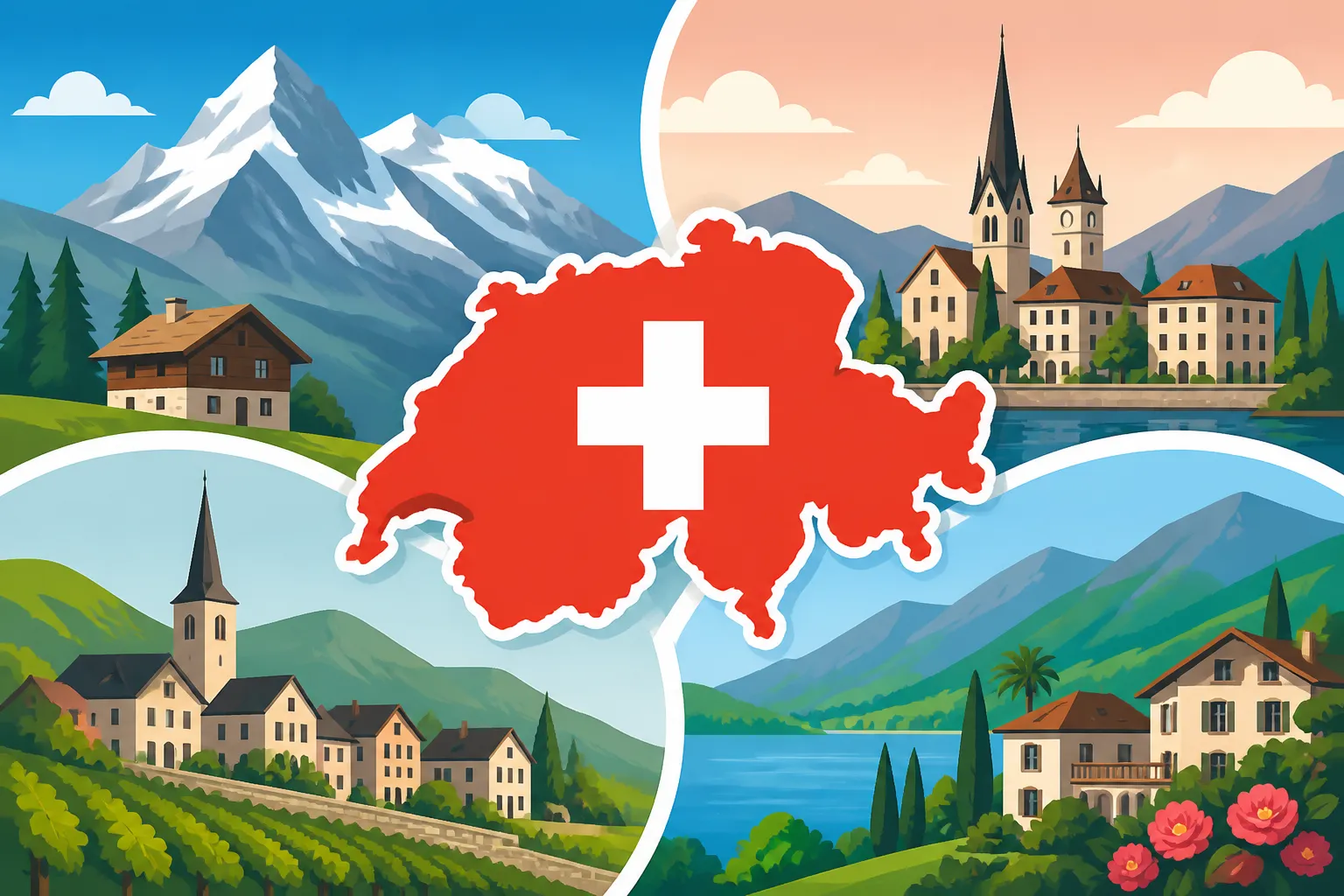
Switzerland might seem compact on a map, but the minute you arrive, you quickly realize it's a vibrant tapestry of cultures and languages, each with its own quirks and customs. It can feel a bit disorienting to navigate, especially when you expect a homogenous "Swiss" experience and instead encounter distinct German, French, Italian, and even Romansh influences. This guide is here to unravel that linguistic and cultural complexity, helping you understand each region's unique charm, common frustrations, and how to make the most of your travels and life here.
The Linguistic Patchwork of Switzerland: More Than Just Four Languages
Moving to or visiting Switzerland, you’ll quickly learn that while it’s a single country, it certainly doesn’t operate as one monocultural entity. This isn't like moving from, say, Texas to New York, where English is still English. Here, you're genuinely crossing linguistic and deeply ingrained cultural borders, often within a few hours on a train. It's beautiful, frustrating, and endlessly fascinating all at once. For us expats, it’s one of the biggest hurdles and also one of the richest rewards of living in this incredible place.
A Brief History of Swiss Multilingualism
Switzerland’s linguistic diversity isn't some modern phenomenon; it’s deeply rooted in its history and geography. For centuries, the rugged Alpine terrain and independent valleys meant communities developed in relative isolation. When the Swiss Confederation slowly formed from the 13th century onwards, it did so by bringing together disparate communities, not by imposing a single culture or language. The French-speaking regions joined later, often through alliances or conquests, while Ticino was acquired as a subject territory, absorbing Italian influences. Romansh, on the other hand, is a direct descendant of Vulgar Latin, spoken in the isolated valleys of Graubünden long before modern Swiss identity even existed. This historical patchwork meant that when modern Switzerland was established in 1848, multilingualism was already an inherent part of its DNA, enshrined in its constitution as a fundamental principle of national unity. It was a pragmatic decision: rather than trying to force everyone to speak one language, which would have surely led to civil strife, they embraced the diversity, seeing it as a strength that fostered a unique Swiss identity transcending linguistic lines.
Why the Language Divide Matters for Expats
For us newcomers, this linguistic mosaic isn’t just a fun fact; it’s a daily reality that impacts everything from grocery shopping to navigating bureaucracy. You might master High German, only to find yourself completely lost in the fast-paced, guttural rhythms of Swiss German (Schwiizerdütsch) in Zurich or Basel. Then, you head to Lausanne, thinking your French skills from school will save you, and you discover the local accent and cultural nuances are subtly, yet significantly, different from what you learned. The administrative language changes by canton, which means forms, websites, and even street signs vary wildly. It’s not uncommon to hear expats express genuine exasperation when their finely tuned German isn't understood in a Bernese bakery, or their polite French is met with an impatient sigh in a Geneva office. Beyond the practicalities, understanding these linguistic regions is crucial for social integration. The cultural norms, humor, and even the pace of life can shift dramatically as you cross a linguistic border, making it essential to adapt your expectations and approach depending on where you are.
German-Speaking Switzerland (Deutschschweiz): The Dominant Voice
The Deutschschweiz, stretching across the north, east, and central parts of the country, is the largest and most populous linguistic region. It’s where you'll find major cities like Zurich, Bern, Basel, and Lucerne. If you're coming from abroad, especially from an English-speaking country, you might assume that learning High German (Hochdeutsch) will get you by, and for formal interactions and written communication, it often does. But the true cultural immersion, and certainly local conversations, revolve around the various Swiss German dialects.
The Realm of Swiss German Dialects
This is where many expats hit their first real linguistic wall. Swiss German isn't just an accent; it's a collection of distinct Alemannic dialects, often mutually unintelligible with High German, and sometimes even with each other. For example, the Zurich dialect (Züritüütsch) sounds quite different from the Bernese dialect (Bärndütsch), which in turn is distinct from the Basel dialect (Baseldütsch). Many Swiss people will politely switch to High German (or English, if they sense you're struggling) when they realize you're an expat, which is a blessing and a curse. It’s wonderful to be understood, but it also means you get less practice in the local dialect, making it harder to truly understand local conversations, jokes, or even political discussions among Swiss colleagues. You'll often hear us commiserate about trying to parse a conversation in a restaurant or on the train, feeling like we’re listening to a completely different language even after years of German lessons. Don't be too hard on yourself; it takes time, patience, and a thick skin!
Key Cultural Traits and Etiquette
Culturally, German-speaking Switzerland is often perceived as being more reserved, punctual, and organized. Rules are important, and adherence to them is generally expected. Punctuality, for instance, is practically a national sport. Being five minutes early is on time; being on time is late. This isn't just a stereotype; it's a deeply ingrained cultural value that applies to everything from business meetings to social gatherings. Directness in communication is also common, which can sometimes be mistaken for rudeness by those from more indirect cultures. When a Swiss German speaker says "no," they usually mean "no," without much softening. This can be jarring at first, but once you understand it, it's actually quite refreshing and efficient. There's also a strong emphasis on community and local clubs, known as Vereine. Joining one of these, whether it's a hiking club, a choir, or a sports team, is often the single best way for expats to meet locals and truly integrate. You can find more insights on this by looking into topics like Swiss Customs and Etiquette: Social Norms Every Newcomer Should Know.
Top Travel Destinations and Experiences
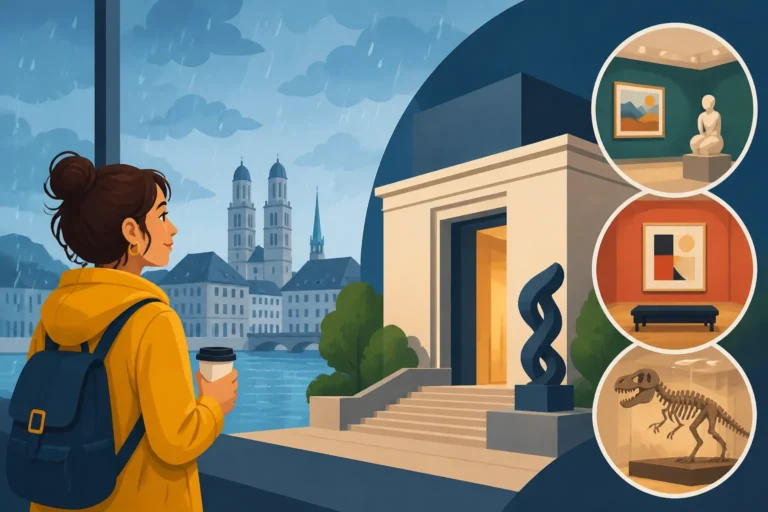
From the bustling streets of Zurich to the medieval charm of Bern, the Deutschschweiz offers a vast array of experiences. Zurich, a global financial hub, combines its business prowess with a vibrant cultural scene, beautiful lake, and charming Old Town. You can spend a day exploring its museums, strolling along the Limmat, or enjoying a boat trip on Lake Zurich: Swimming Spots, Boat Trips, and Lakeside Towns. Bern, the capital, captivates with its UNESCO-listed Old Town, arcaded shopping streets, and the iconic Bear Park. Basel, nestled on the Rhine, is a cultural powerhouse known for its art scene, historic architecture, and the annual Fasnacht carnival. Lucerne, with its iconic Chapel Bridge and stunning lake and mountain backdrop, feels like a postcard brought to life. Beyond the cities, you have the dramatic landscapes of the Bernese Oberland for hiking and skiing, the picturesque Appenzell region, and the serene beauty of the Emmental valley. Many popular Day Trips from Zurich: Rhine Falls, Rapperswil, and Lucerne fall within this region. For mountain adventures, Interlaken serves as a gateway to the Jungfrau region, offering unparalleled hiking, paragliding, and skiing opportunities. When planning your travels, public transport is your best friend. Services like Omio can help you compare and book train tickets across these regions, making multi-city trips incredibly smooth.
French-Speaking Switzerland (Romandie): Elegance and International Flair
Moving west, you enter the Romandie, where French is the dominant language. This region encompasses cantons like Geneva, Vaud, Neuchâtel, Fribourg, and Valais. Here, the atmosphere often feels a little more relaxed, perhaps a touch more savoir-vivre, with a distinct cultural flavor that sets it apart from its German-speaking counterpart. It’s also often the landing pad for many international organizations and multinational corporations, particularly in Geneva, making it a truly global crossroads.
French in Switzerland: Not Quite Paris
While the language spoken here is indeed French, it’s worth noting that Swiss French has its own specific vocabulary, expressions, and a slightly different cadence than what you might be used to from France. For example, "déjeuner" means lunch (not breakfast), and "dîner" means dinner. Numbers are also a common differentiator: instead of soixante-dix (sixty-ten) for 70, the Swiss (and Belgians) say septante. For 90, it's nonante instead of quatre-vingt-dix (four-twenty-ten). These subtle differences can be a source of amusement and occasional confusion. Again, locals are generally understanding if you speak standard French, but integrating fully often means picking up on these regionalisms. You’ll find that the Swiss French are often perceived as slightly less direct than their German-speaking counterparts, with conversations sometimes taking a more nuanced, polite, or even indirect route.
Romandie's Distinctive Lifestyle and Customs
The pace of life in Romandie can feel a tad more leisurely than in the Deutschschweiz. There's a greater emphasis on social interaction, food, and wine, especially in regions like Vaud and Valais. The famous Lavaux vineyards, a UNESCO World Heritage site, are a testament to this, with their stunning terraces overlooking Lake Geneva (Lac Léman): Towns, Boats, and Vineyard Walks. Meal times are often a more drawn-out affair, and there's a strong café culture. Social gatherings might be more spontaneous, and while punctuality is still valued, it might not be observed with the same rigidity as in the German-speaking cantons. Geneva, being a global city, has a unique blend of Swiss politeness and international open-mindedness, making it a relatively easy place for expats to land. However, even within Romandie, there are distinct cantonal identities. The mountainous Valais, for example, has its own strong traditions and a very proud, independent spirit. For a true sense of local life, embracing activities related to Swiss Food and Drink Culture: Regional Specialties and Dining Etiquette will go a long way.
Must-Visit Cities and Natural Wonders
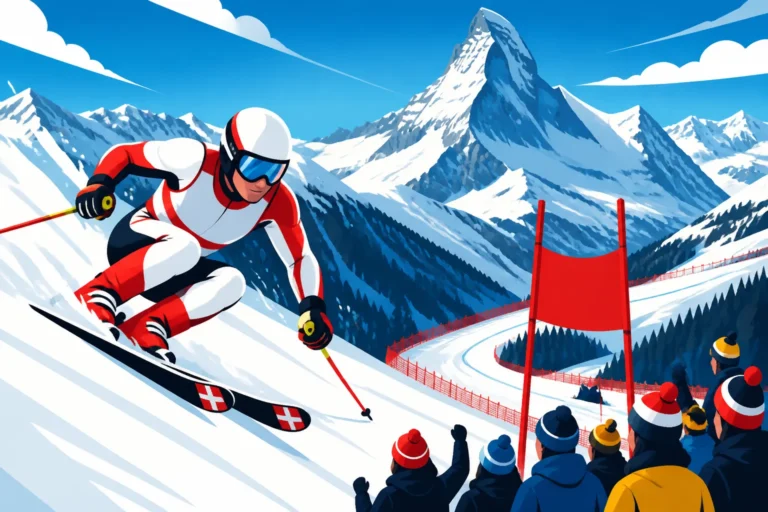
Geneva, an international hub for diplomacy and banking, is famous for its jet d'eau, stunning lakeside promenades, and diverse culinary scene. Lausanne, the Olympic Capital, is a vibrant university city with a lively nightlife and steep, charming streets. Montreux, known for its annual Jazz Festival, exudes old-world glamour on the shores of Lake Geneva. In terms of natural beauty, the Romandie boasts the majestic Alps of Valais, home to iconic peaks like the Matterhorn and world-class ski resorts. Gruyères, a charming medieval village, is famous for its cheese and castle, making it a fantastic destination for a Day Trips from Geneva: Montreux, Gruyères, and the Lavaux Vineyards. Lake Geneva itself offers countless opportunities for cruises, swimming, and exploring picturesque towns. Many of these locations are easily accessible by Switzerland’s excellent public transport system, and you can even find unique experiences like walking tours or fondue tastings on platforms like GetYourGuide when you're planning your visits.
Italian-Speaking Switzerland (Ticino & Part of Graubünden): Mediterranean Charm
Head south through the Gotthard Tunnel, and you’ll find yourself in a completely different world: Ticino. This canton, along with a small part of Graubünden (Val Mesolcina, Val Bregaglia, and Val Poschiavo), forms the Italian-speaking part of Switzerland. It feels distinctly Mediterranean, a little slice of Italy nestled in the heart of the Alps, with palm trees, terracotta roofs, and a more vibrant, expressive culture.
Italian Beyond the Alps: The Ticinese Dialect
Here, Italian is the official language. While standard Italian will get you by, just like in the other regions, there's a local Ticinese dialect (or rather, a collection of Lombard dialects) spoken among locals. The accents are a bit softer, and some vocabulary differs from standard Italian, but for the most part, if you speak Italian, you’ll be much better understood here than a High German speaker might be in the Deutschschweiz when confronting local dialects. Many expats find the warmth and openness of the Ticinese people a welcome change, and the communication style often feels more expressive and passionate, mirroring the Italian temperament. You’ll hear more hand gestures, more enthusiastic conversations, and perhaps a bit more noise – a charming contrast to the quiet reserve often found elsewhere in Switzerland.
Mediterranean Influence on Culture and Cuisine
Ticino truly embraces its southern heritage. The architecture is distinctly Italian, with pastel-colored houses, arcaded piazzas, and charming bell towers. The cuisine is heavenly, focusing on fresh pasta, risottos, delicious polenta, and exquisite local wines. You'll find a lively passeggiata (evening stroll) culture in the towns, people lingering over espressos in sunny squares, and a general air of dolce vita. Unlike the often brisk service you might find in German-speaking areas, dining in Ticino tends to be a more relaxed and extended affair, truly savoring the food and company. Festivals, too, have a distinctly Mediterranean feel, often celebrating local produce, wine, and traditional crafts. The contrast with the regions just north is striking, making Ticino a favorite for many Swiss looking for a sunny getaway without leaving the country.
Sunshine, Lakes, and Palm Trees: Ticino's Allure
Ticino is blessed with a warmer climate than the rest of Switzerland, boasting more sunshine hours and a lush, almost subtropical landscape. Lake Lugano and Lake Maggiore dominate the scenery, offering opportunities for boat trips, swimming, and watersports. Lugano and Locarno are the main cities, both charming and vibrant, with beautiful lakeside promenades, lively markets, and a relaxed ambiance. Locarno is also famous for its international film festival. For nature lovers, there are countless hiking trails in the surrounding mountains, offering breathtaking views of the lakes and valleys. Even within Switzerland, a trip to Ticino feels like a true escape, offering stunning scenery, delicious food, and a wonderfully different cultural experience. Whether you’re looking for a relaxing lakeside retreat or an adventure in the sunny mountains, Ticino delivers a unique blend of Swiss efficiency and Italian flair. You can easily find hotel deals on Booking.com for your stay in this lovely region.
Romansh-Speaking Switzerland (Rumantschia): The Hidden Gem
Finally, we come to Switzerland's smallest and least-known linguistic region: Rumantschia. Tucked away primarily in the canton of Graubünden (Grisons), Romansh is Switzerland’s fourth national language, spoken by only about 0.5% of the population. It's a true hidden gem, a testament to Switzerland's commitment to preserving its diverse heritage.
The Rarity of Romansh: Surviving Against the Odds
Romansh is a Romance language, meaning it evolved from Vulgar Latin, much like French, Italian, and Spanish. However, due to its isolation in the Alpine valleys, it developed independently, preserving ancient linguistic features. What makes Romansh particularly complex is that it's not a single, unified language but rather a collection of five distinct dialects (Sursilvan, Sutsilvan, Surmiran, Puter, and Vallader), each with its own written form. This internal diversity, coupled with pressure from German, has historically made its survival challenging. However, the Swiss federal and cantonal governments actively support its preservation through education, media, and cultural initiatives. It's a language that truly embodies the spirit of cultural preservation, a point of deep pride for those who speak it. For an expat, encountering Romansh is a truly unique experience, a peek into a linguistic world most people don't even know exists.
Cultural Preservation in the Grisons
The culture in the Romansh-speaking valleys of Graubünden is deeply tied to its Alpine environment and agricultural traditions. It's a rugged, independent spirit, shaped by centuries of living in isolated mountain communities. You’ll find traditional stone houses, ancient churches, and a strong sense of community. Local customs, songs, and folklore are carefully preserved, often passed down through generations. While German is widely understood and spoken (especially in tourist areas), the heart of these communities still beats in Romansh. The canton of Graubünden itself is the only trilingual canton in Switzerland, officially recognizing German, Romansh, and Italian, adding another layer of fascinating complexity to its identity. This blend of languages and cultures creates a unique atmosphere, where tradition and modernity coexist in the stunning Alpine landscape.
Discovering the Romansh Heartland
The Romansh heartland is primarily found in the canton of Graubünden, encompassing picturesque valleys and famous resort towns. St. Moritz, Davos, and Flims are well-known international destinations, but to experience the Romansh culture, you'll need to venture into smaller, more traditional villages like those in the Surselva or Engadin regions. Here, you might find street signs in Romansh, hear the language spoken in local shops, or come across cultural events celebrating Romansh traditions. It's a region perfect for hiking, skiing, and simply enjoying the majestic Alpine scenery away from the major urban centers. Traveling here often involves scenic train rides, perhaps even parts of the famed Glacier Express or Bernina Express routes, which wind through these stunning valleys. The focus here isn't on bustling city life, but on tranquil nature, preserved traditions, and a quiet, resilient culture.
Navigating Cultural Nuances Across Regions
Understanding the linguistic divisions is just the first step. The subtle (and sometimes not-so-subtle) cultural differences between these regions can be just as significant for expats. It’s like learning to read between the lines, picking up on cues that locals intuitively understand. These nuances impact everything from how you socialize to how you interact professionally. It's a constant learning curve, but one that enriches your experience here immeasurably.
Communication Styles and Directness
The stereotype of the "reserved Swiss" often applies most strongly to the German-speaking regions, where directness is common, but small talk might be minimal, especially with strangers. They might get straight to the point, which can feel abrupt if you're not used to it. In Romandie, you might find a slightly more formal politeness, with more emphasis on pleasantries and indirect communication, perhaps similar to what you'd expect in France. In Ticino, expect more Italian-style warmth and expressive communication, where emotions might be more openly displayed. These differences can lead to misunderstandings: a German-Swiss might find a French-Swiss colleague's indirectness inefficient, while the French-Swiss might find the German-Swiss's directness impolite. As an expat, recognizing these variations and adapting your style can greatly improve your interactions. It's a continuous balancing act of observing, learning, and sometimes, just shrugging your shoulders and laughing it off.
Regional Differences in Public Services
Navigating bureaucracy is a rite of passage for every expat in Switzerland, and it's made even more interesting by regional differences. While core federal laws apply everywhere, the implementation and customer service approach can vary significantly at the cantonal and communal levels. In German-speaking cantons, you might find processes to be highly structured and efficient, with clear rules, but possibly less flexibility for individual circumstances. In French-speaking cantons, especially Geneva, things might feel a little more relaxed, but potentially also a bit slower or less digitally advanced in some areas. Ticino might offer a warmer, more personal touch, but perhaps with a similar slower pace compared to the efficient German-speaking hubs. Even simple things like public holiday schedules or recycling rules can differ by canton and commune. Always double-check information specific to your location. For example, understanding how to apply for Cantonal Premium Reductions (Prämienverbilligung) for Low-Income Households will require you to understand your specific canton's process, as these are often administered locally.
Integrating into Local Vereine (Clubs)
Joining a local club, or Verein, is probably the single best piece of advice any long-term expat will give you for integrating into Swiss life, regardless of the language region. The Swiss, in general, are very community-oriented, and these clubs are the backbone of social life. However, the type of club, and the ease of joining, might vary. In German-speaking areas, there are clubs for almost everything imaginable – hiking, singing, shooting, even cheese-making. They tend to be well-organized and a bit more formal. In Romandie, you might find more sports clubs or cultural associations. In Ticino, village festivals and culinary groups might be more prevalent. The key is to find something you're genuinely interested in, show up consistently, and be patient. It takes time for Swiss people to open up, but once they do, you'll have some of the most loyal friends and a true sense of belonging. Don't underestimate the power of showing genuine interest in local traditions and making an effort with the local language, even if it’s just a few phrases.
Practical Travel Tips for Crossing Linguistic Borders
Traveling within Switzerland is an absolute joy, thanks to its incredibly efficient public transport system. But even with a seamless network, knowing a few tricks for navigating the linguistic shifts can make your journey smoother and more enjoyable. From understanding announcements to booking your stay, being prepared for the language changes is key.
Seamless Travel by Public Transport
Switzerland's public transport system, primarily run by SBB (Swiss Federal Railways), is legendary. It’s punctual, clean, and covers virtually every corner of the country. This is where your Half-Fare Travelcard (The Half-Fare Travelcard (Halbtax): The Must-Have Pass for Swiss Residents) or even a Generalabonnement (GA) (SBB Travelcards: Is the Generalabonnement (GA) Worth the CHF 4000+ Cost?) truly shines. Train announcements are usually made in the local language first, followed by High German, French, and often English on major routes. Station names change, of course, but the consistency of the system means you rarely get lost. You can use the SBB Mobile app, which is fantastic and offers information in English, German, French, and Italian, providing real-time updates and helping you purchase tickets. For bus travel, which is often crucial for reaching smaller villages, PostBus (PostAuto) is the main provider, and their services are equally reliable.
Here’s a quick overview of key terms you might encounter:
| Language Region | Train Station (Hauptbahnhof) | Canton | Hello / Goodbye | Thank you | Yes / No |
|---|---|---|---|---|---|
| German | Zürich Hauptbahnhof | Zürich | Grüezi / Uf Widerluege | Danke | Ja / Nei |
| French | Gare de Genève | Genève | Bonjour / Au Revoir | Merci | Oui / Non |
| Italian | Stazione di Lugano | Ticino | Buongiorno / Arrivederci | Grazie | Sì / No |
| Romansh | Staziun da Scuol-Tarasp | Graubünden | Allegra / A revair | Grazia | Gea / Na |
Language Apps and Translation Tools
While many Swiss people, especially younger generations and those in tourist areas, speak excellent English, don't rely solely on it. Making an effort in the local language, even if it's just a few key phrases, is always appreciated. Download offline translation apps like Google Translate or DeepL before you travel, as mobile data might be spotty in some mountainous regions. Picture translation features can be incredibly helpful for deciphering menus or signs. Moreover, learning basic greetings and polite phrases in all four national languages is a nice touch and shows respect for the country's diversity. Even just "Grüezi" (Swiss German), "Bonjour" (French), "Buongiorno" (Italian), and "Allegra" (Romansh) will make a positive impression.
Booking Accommodation and Activities
When planning your travels, major platforms like Booking.com are your best friend for finding hotels, apartments, and guesthouses across all regions. They offer filters for language spoken by staff, which can be useful. For specific activities or guided tours, especially those off the beaten path, GetYourGuide offers a wide range of options, often with multilingual guides. If you're looking to book train tickets or compare various travel options (trains, buses), Omio is an excellent resource that simplifies the booking process, especially for cross-country journeys where you might be changing language regions. Always remember to check the specific cantonal rules for tourist taxes, which are usually a small fee per person per night and are added to your accommodation bill.
Bridging the Divide: Learning and Adapting
For expats, the linguistic and cultural divide can initially feel like a formidable barrier. It’s easy to stick to English-speaking bubbles or the comfort of a single language region. However, the true richness of the Swiss experience lies in embracing this diversity, making an effort to connect with all facets of its identity. It's a journey of continuous learning, adaptation, and a good dose of humor.
Embracing Local Languages: A Path to Deeper Integration
While you don't need to become fluent in all four national languages, making an effort to learn the primary language of your chosen region, and perhaps a few phrases from the others, will unlock so much more of Switzerland. For example, if you're in Zurich, dedicating yourself to Learning German for Work: Which Level (B1/B2) Employers Expect will not only boost your career but also open doors to local friendships and cultural events. The Swiss truly appreciate it when foreigners try to speak their language, even if your grammar is imperfect or your accent is thick. It shows respect and a genuine desire to integrate. Attending local language classes, finding tandem partners, or simply watching local TV shows can all help. Don't be afraid to make mistakes; it's part of the process, and most Swiss will be patient and helpful.
The Expat Experience: Celebrating Diversity
Ultimately, living in Switzerland means learning to appreciate and navigate its incredible linguistic and cultural diversity. It’s about recognizing that there isn’t one single "Swiss way" but rather a fascinating mosaic of traditions, customs, and communication styles. For example, celebrating Swiss Festivals and Traditions: A Year-Round Cultural Calendar might look very different in Zurich than it does in Geneva or Lugano. As expats, we have the unique privilege of experiencing these different worlds firsthand. It teaches you adaptability, empathy, and broadens your perspective in ways few other countries can. So, embrace the Grüezi, Bonjour, Buongiorno, and Allegra – each one is a gateway to a distinct and wonderful part of your Swiss adventure!
Disclaimer
The information provided in this guide is for general informational purposes only and does not constitute professional advice. While we strive to provide accurate and up-to-date content, circumstances in Switzerland can change rapidly. Always consult official sources, local authorities, or qualified professionals for specific guidance tailored to your individual situation.