Family Travel in Switzerland: Kid-Friendly Destinations and Tips
Oh, Switzerland with kids! It sounds like a fairy tale, doesn't it? Majestic mountains, sparkling lakes, chocolate everywhere… but let's be real, the thought of navigating a new country, especially one known for its precision and price tag, with little ones in tow, can feel more like an alpine avalanche than a gentle hike. The endless questions about transport, child-friendly activities, and how to avoid financial ruin are very real. But don't you worry, my fellow expat parent, because this comprehensive guide is here to walk you through everything you need to know to make your family trip to Switzerland truly unforgettable, for all the right reasons.
Why Switzerland is a Dream (and a Challenge) for Family Travel
When you first consider bringing your family to Switzerland, visions of Heidi frolicking in alpine meadows and kids mesmerized by cogwheel trains likely dance in your head. And honestly, those visions aren't far from the truth! Switzerland offers an incredible backdrop for family adventures. But it's also a country with its own unique set of quirks and, let's be frank, a price tag that can make even the most seasoned traveler wince. Understanding both the undeniable appeal and the practical hurdles is the first step to a successful trip.
The Unbeatable Nature vs. The Unbelievable Price Tag
Let's start with the good stuff: Switzerland's natural beauty is simply unparalleled, and it’s arguably the best playground on earth for kids. Imagine sweeping vistas of snow-capped peaks, pristine turquoise lakes perfect for a refreshing dip, and endless trails winding through lush forests or alpine pastures. Children thrive here because they have space to run, fresh air to breathe, and an inherent sense of adventure at every turn. From spotting marmots on a hike to skimming stones across an emerald lake, the opportunities for simple, joyful outdoor experiences are boundless. This connection with nature is often what draws families here, seeking a healthy, active holiday away from screens and urban bustle.
However, we need to talk about the elephant in the room: the cost. Switzerland is famously expensive, and that reality hits home particularly hard when you're traveling as a family. Everything from a simple meal out to a day pass for a mountain excursion, and especially accommodation, can feel like it's designed to drain your bank account faster than a mountain stream. I've seen countless expat families, initially thrilled by the prospect of a Swiss holiday, get a shock when they see the bill for a round of drinks and a few kids' meals. It's a valid frustration, one that many of us who live here still grapple with regularly.
But here's the nuance: while the sticker shock is real, the quality and experience often go hand-in-hand with the price. You're paying for impeccably maintained infrastructure, spotless public spaces, unparalleled safety, and a level of cleanliness that is truly commendable. What this means for families is less stress. You're not constantly worrying about dodgy tap water, questionable hygiene, or safety issues. This peace of mind, especially with young children, can be invaluable. The challenge then becomes how to enjoy this high quality without completely breaking the bank, which is exactly what we'll explore.
Public Transport Perfection and Practicalities
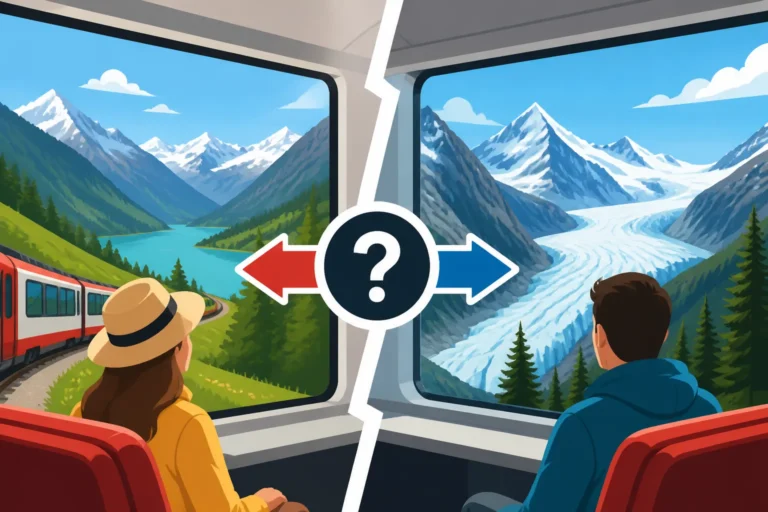
If there's one thing Switzerland excels at, it's public transport. The interconnected network of SBB trains, bright yellow PostBuses, serene lake boats, and efficient urban trams is nothing short of miraculous. For families, this is a huge advantage. You can genuinely explore the entire country without the stress of renting a car, navigating unfamiliar roads, finding expensive parking, or wrestling with car seats. Imagine simply hopping on a train, sitting back, and watching the stunning scenery unfold outside your window while your kids are entertained by the views or a book.
The Swiss public transport system is designed with practicality in mind, which translates to a smooth experience for families. Trains are typically clean, punctual to the minute, and often have dedicated family coaches or ample space for strollers. Many stations have clean restrooms and clear signage in multiple languages. It’s a stark contrast to many countries where public transport can be a bewildering or chaotic experience. This efficiency means less time waiting and more time enjoying your destination, which is gold when you have impatient little ones.
Of course, even with perfect public transport, traveling with kids and luggage is always a juggle. You might still find yourself making connections with a stroller in tow, or navigating busy main stations like Zurich Hauptbahnhof or Geneva Cornavin during peak hours. However, the system is so well-organized that these moments are rarely overwhelming. The key is to pack smart and plan your connections using the excellent SBB Mobile app, which provides real-time updates and platform information. You'll quickly find your rhythm, and the sheer joy of watching a child's face light up as a train zips past a mountain or a boat glides across a pristine lake makes any logistical effort worthwhile.
Kid-Friendly Culture: What to Expect from the Swiss
Swiss societal values inherently lend themselves to a family-friendly environment. Cleanliness, safety, efficiency, and a deep respect for rules and nature create a high quality of life that benefits everyone, especially children. You'll notice that kids are generally well-behaved, and their integration into public life is seamless, often accompanying parents to restaurants, cultural events, and on hikes. This means you won't feel out of place bringing your children along to most places.
One of the most heartwarming aspects for traveling families is the sheer prevalence of playgrounds. Seriously, they're everywhere! From meticulously maintained urban parks to rustic wooden structures tucked away in tiny mountain villages, you're never far from a place for kids to burn off energy. These playgrounds are almost universally clean, safe, and thoughtfully designed, often incorporating natural elements. This respect for nature extends to accessibility, with many outdoor spaces and trails being surprisingly well-suited for families with strollers or younger children.
However, there's a flip side to this orderliness. Swiss culture values peace and quiet, particularly during designated "Ruhezeiten" (quiet hours), which typically include lunchtimes, evenings (after 10 PM), and especially Sundays. While children are welcome, loud or unruly behavior, particularly indoors or in quiet public spaces like libraries or residential areas, might earn you a polite but firm glance, or even a direct request to quiet down. It’s not meant to be rude, but rather a reflection of a cultural emphasis on respecting communal harmony. Being mindful of these nuances can help avoid awkward situations.
Despite their sometimes-reserved reputation, most Swiss people are incredibly kind and helpful, especially when they see you with children. Don't hesitate to ask for directions, assistance with a stroller on stairs, or recommendations. They might not always initiate conversation, but if you approach them politely, you'll often find a warm and genuinely helpful response. Embracing these small cultural differences can enrich your family's experience and open doors to lovely interactions.
Planning Your Family Swiss Adventure: Key Considerations
Successfully navigating Switzerland with kids starts long before you even board a plane. A bit of upfront planning, particularly around budgeting, timing, and packing, can make all the difference between a stressful scramble and a serene, memorable holiday. Trust me, I’ve learned these lessons the hard way, juggling kids and luggage through various seasons and situations.
Budgeting for Little Ones: Food, Activities, and Accommodation
Let's address the elephant in the room again: the cost. Budgeting is paramount when planning a family trip to Switzerland. It’s not just about the big-ticket items; the daily expenses for food, unexpected snacks, and smaller activities can quickly add up. A good strategy is to break down your budget into key categories: food, transport, activities, and accommodation.
For food, your biggest money-saving trick will be to embrace the self-catering lifestyle. While Swiss restaurants offer delicious food, even a simple family meal can be surprisingly expensive. Instead, make friends with the local grocery stores like Coop and Migros, which are ubiquitous and well-stocked. For even better value, look for Denner, Lidl, or Aldi, especially in larger towns. Plan picnic lunches for your hikes and sightseeing days – a baguette, some local cheese, cold cuts, and fresh fruit bought from a supermarket or a local market makes for a delightful and significantly cheaper meal amidst stunning scenery. Cooking some of your dinners in an apartment or hostel kitchen will further reduce costs.
Activities are another area where costs can balloon. Many of Switzerland's greatest attractions are free: hiking picturesque trails, playing at one of the countless beautiful playgrounds, or swimming in the crystal-clear lakes in summer. Prioritize these experiences. When it comes to paid activities, like mountain excursions, choose wisely. A trip up the Jungfraujoch 'Top of Europe': Planning the Trip and Saving Money is spectacular but pricey; perhaps balance it with a more affordable ride up a smaller, local peak. Always check for family packages or regional visitor cards that might offer discounts on attractions and local transport.
Finally, accommodation is often the single largest expense. High-end hotels are abundant but quickly become unaffordable for families. Consider alternatives like self-catering apartments, which provide more space, separate sleeping areas (a godsend for parents!), and the ability to cook. Websites like Booking.com, local tourism platforms, and even Airbnb can offer a good range. Farm stays (Agritourism in Switzerland) offer a unique and often more budget-friendly experience, providing a glimpse into rural life with animals and fresh produce. Youth hostels in Switzerland are often very modern and offer private family rooms with shared kitchens, making them another excellent budget option.
The Best Time to Visit Switzerland with Kids
Choosing the right time of year can significantly impact your family's experience in Switzerland. Each season offers something unique, but also comes with its own set of pros and cons, especially when traveling with children.
Summer (June to August) is the most popular time for family travel, and for good reason. The weather is generally warm and pleasant, perfect for enjoying Switzerland's stunning lakes, hiking easy trails, and making the most of the long daylight hours. Most mountain transport and attractions are fully operational, offering a wide array of activities. Kids can swim, paddle, and splash to their hearts' content. However, this popularity means larger crowds at major attractions, higher prices for flights and accommodation, and cities can get quite hot. If you're planning a summer trip, book well in advance and prepare for bustling tourist spots.
Winter (December to March) transforms Switzerland into a magical, snow-covered wonderland. If your family loves skiing, snowboarding, or simply playing in the snow, this is the season for you. Christmas markets add a festive, cozy atmosphere. However, winter travel requires specific gear (warm clothes, waterproofs), daylight hours are short, and not all activities are available (e.g., lake swimming or certain hiking trails). Ski holidays are also notoriously expensive, from lift passes to equipment rentals. Consider if your children are old enough to enjoy the snow sports or if the cold will be too much.
The shoulder seasons (April-May and September-October) are often the best-kept secret for family travel. You'll typically encounter fewer crowds, lower prices for accommodation, and more pleasant temperatures for hiking and exploring, especially with younger children. Spring brings blooming flowers in the valleys and still-snowy peaks, while autumn showcases spectacular foliage. The downside is that the weather can be unpredictable, with sudden changes from sunny to rainy, and some mountain transport and higher-altitude attractions might be closed for maintenance between seasons. Flexibility in your itinerary is key during these months, but the rewards are often worth it.
Ultimately, the "best" time depends on your family's interests and the age of your children. For active families who love hiking and swimming, summer or late spring/early autumn are ideal. For a magical, snow-filled experience, winter delivers, but comes with higher costs and more logistical planning.
Packing Smart for All Seasons and Ages
Packing for Switzerland, especially with children, is less about volume and more about strategy. The key phrase to remember is: layering is king! Swiss weather is famously variable. You can experience all four seasons in a single day, particularly when venturing into the mountains. What’s warm and sunny in the valley can be chilly and windy on a mountain peak, even in August.
Start with breathable base layers, add insulating mid-layers (fleeces or lightweight sweaters), and top it off with a waterproof and windproof jacket. Sturdy, comfortable walking shoes are non-negotiable for everyone, even little ones, as you'll be doing a lot of walking, often on uneven terrain. Don't forget a sun hat, sunglasses, and sunscreen – the alpine sun can be surprisingly strong, both in summer and winter. A small backpack for each child for their water bottle and snacks can also be a good idea.
For children's essentials, pack plenty of practical clothing. While Swiss pharmacies and supermarkets are well-stocked, diapers and specific formulas can be pricier than you're used to, so bringing a decent supply for the first few days is smart. Consider bringing a favorite comfort item, a few small toys, and books for quiet moments on trains or in restaurants. For entertainment, a fully charged tablet with pre-downloaded movies or games can be a lifesaver on longer journeys, along with portable chargers and Swiss-specific adapters (Type J, three round pins). A basic first-aid kit with plasters, antiseptic wipes, and child-friendly pain relief is also prudent.
When it comes to special equipment, decide whether to bring or rent. A good all-terrain stroller or a baby carrier is highly recommended if you have very young children, as many paths are not perfectly paved. If you plan to drive, remember Swiss car seat laws (children up to 12 years old or 150cm must be in an appropriate car seat). Many rental car companies offer car seats, but it's crucial to pre-book them. For winter sports, renting ski gear locally is often more convenient than hauling it from home, saving you space and hassle.
Navigating Switzerland with Children: Transportation Made Easy (Mostly)
Switzerland's reputation for exceptional transport is well-earned, and it becomes a truly empowering asset when traveling with a family. While it’s certainly expensive, the sheer ease and reliability often make it worth every franc. Getting around can be one of the biggest stressors with kids, but here, it often becomes part of the adventure.
Mastering the SBB with Kids: Junior Cards and Saver Passes
Let's be clear: the Swiss public transport system – SBB trains, PostBus, boats, and urban transit networks – is probably the best in the world. It’s integrated, efficient, and almost always on time, which is a huge relief for parents trying to keep a schedule (or at least a semblance of one). You can get from almost anywhere to anywhere else, often with breathtaking scenery along the way.
For families, the absolute game-changer is the Junior Travelcard (Junior-Karte). For a ridiculously low annual fee of CHF 30 per child (ages 6 to 16), your child travels for free when accompanied by a parent who holds a valid ticket. This means if you buy an adult ticket, your child essentially rides free for a whole year! If other adults (like grandparents or aunts/uncles) are traveling with your child, they can purchase a "Children's Co-Travelcard" for the same price. Children under 6 always travel free. This card quickly pays for itself after just one or two trips. You can buy it at any SBB train station counter.
For adults, the Half-Fare Travelcard (Halbtax): The Must-Have Pass for Swiss Residents is almost essential for saving money. It costs CHF 185 for one month or CHF 199 for one year and gives you 50% off virtually all public transport, including trains, buses, boats, and most mountain railways. For example, if you're planning a trip from Zurich to Lucerne, a return ticket for an adult costs around CHF 50, but with the Half-Fare Card, it's CHF 25. Couple this with your kids riding free on their Junior Travelcards, and the savings are significant. For more extensive travel, especially if staying for several weeks or making multiple long-distance trips, the SBB Travelcards: Is the Generalabonnement (GA) Worth the CHF 4000+ Cost? might even be an option, offering unlimited travel.
Beyond these core cards, keep an eye out for Saver Day Pass (Spartageskarte): How Residents Save on Day Trips. These are heavily discounted day tickets valid on a specific day for the entire SBB network, but they must be bought well in advance and are tied to a specific date. They don't offer the flexibility of the Half-Fare Card but can lead to huge savings on individual days. For instance, a family with a Half-Fare Card for adults and Junior Cards for kids could combine these with a Saver Day Pass for a big day trip, dramatically cutting costs. The Omio platform, while not purely focused on Switzerland, can sometimes be useful for comparing general travel options including trains and buses for longer journeys or cross-border trips if you're integrating Switzerland into a broader European adventure.
Table: SBB Family Travelcards Overview (2026)
| Card Name | Target Age | Price (approx.) | Benefits | Where to Buy |
|---|---|---|---|---|
| Children under 6 | 0-5 years | Free | Always travels free with an accompanying adult with a valid ticket. | No card needed |
| Junior Travelcard | 6-16 years | CHF 30 / year | Travels free when accompanied by a parent with a valid ticket. | SBB train station counter |
| Children's Co-Travelcard | 6-16 years | CHF 30 / year | Travels free when accompanied by a non-parent adult (e.g., grandparent) with a valid ticket. | SBB train station counter |
| Half-Fare Travelcard | 16+ years | CHF 185 / month or CHF 199 / year | 50% discount on almost all public transport (trains, buses, boats, most mountain transport). | SBB train station counter, online |
Driving with Children: Car Seats, Vignettes, and Mountain Roads
While public transport is stellar, some families prefer the autonomy of driving, especially with very young children or bulky luggage. Switzerland has excellent roads, but there are important rules and considerations for families.
First and foremost, car seat laws are strict. Children up to 12 years old or 150 cm (whichever comes first) must be secured in an appropriate child restraint system. If you're renting a car, make sure to pre-book the correct car seats for your children. Trying to fit your own car seats from home can be a hassle, so weigh the cost and convenience carefully.
Next, if you plan to drive on Swiss highways (Autobahn), you'll need a vignette – a sticker that costs CHF 40 and is valid for a calendar year. If you rent a car within Switzerland, it will almost certainly already have one. If you're driving in from a neighboring country, you'll need to purchase it at the border, at gas stations, or post offices. Remember the Swiss Autobahn Vignette: E-Vignette vs Physical Sticker for 2026 is now also available digitally.
Driving in Switzerland also presents unique challenges. Many mountain roads are narrow, winding, and can be intimidating for drivers unfamiliar with alpine conditions. These roads often feature hairpin turns and steep inclines, which can also trigger car sickness in sensitive children. Speed limits are strictly enforced, and fines are hefty, so be diligent about staying within limits. Parking in cities can be expensive and hard to find, another reason why public transport is often preferred for urban exploration. However, the advantage of a car is undeniable flexibility – spontaneous detours, reaching remote trailheads not served by public transport, and the ability to time travel around nap schedules.
If you're traveling in winter, keep in mind the requirements for Winter Tires in Switzerland: Are They Legally Mandatory in 2027?. While not always legally mandatory in every situation, they are highly recommended for safety in snowy or icy conditions. Always check road conditions, especially for mountain passes, before setting out, as some may be closed due to snow or adverse weather.
Mountain Transport: Cable Cars, Cogwheels, and Gondolas with Strollers
The iconic Swiss mountain experiences often involve a thrilling ride on a cable car, a charming cogwheel train, or a panoramic gondola. These modes of transport are usually well-equipped for families, but it’s wise to go in with a few expectations.
Most modern cable cars and gondolas can easily accommodate strollers, making access to stunning viewpoints feasible even with babies and toddlers. However, some older funiculars or cogwheel trains might require you to fold a larger stroller, or it might be a tight squeeze. If you have a particularly bulky stroller, it's always a good idea to check with the specific mountain railway company beforehand. Many adventurous families opt for baby carriers for mountain hikes, giving them more flexibility on narrow or uneven paths.
Be prepared for the cost. While the Half-Fare Card typically offers a 50% discount on these mountain railways, they are still a significant expense, especially for a family. For example, a trip up the Mount Pilatus from Lucerne: The World's Steepest Cogwheel Railway is a fantastic experience, but the ticket price for a family can quickly add up even with discounts. Factor these costs into your budget and look for family packages or regional passes if you plan to stay in one area and visit multiple peaks. For example, the Tell-Pass in Central Switzerland covers many mountain railways and public transport in the region.
Finally, always prioritize safety in the mountains. Even on well-maintained paths near viewing platforms, keep children supervised closely, especially near edges. Dress in layers, bring sufficient water and snacks, and be aware of rapid weather changes that can occur at altitude. Familiarize yourself with Mountain Safety in Switzerland: Weather, Gear, and Emergency Numbers to ensure you're prepared for any eventuality. The alpine environment is breathtaking, but it demands respect.
Top Kid-Friendly Destinations and Activities Across Switzerland
Now for the fun part: where to go and what to do! Switzerland is brimming with opportunities for family fun, from towering alpine peaks to tranquil lakes and engaging museums. The challenge isn't finding something to do, but rather choosing from the abundance of options.
Alpine Wonders for All Ages: Jungfraujoch, Pilatus, and More
Switzerland’s majestic mountains are its most iconic feature, and they offer experiences that will leave both children and adults spellbound. Standing atop a snowy peak, gazing at glaciers, is truly a "pinch me" moment.
The Jungfraujoch, often called the "Top of Europe," is a bucket-list destination. The journey itself, via cogwheel train through the Eiger mountain, is an engineering marvel. Once at the summit, kids will be amazed by the Ice Palace, the chance to play in perpetual snow, and the breathtaking views from the Sphinx Observatory. It's a high-altitude experience, so prepare for cooler temperatures, even in summer. While undoubtedly expensive, especially for a family, it's an experience unlike any other. Booking your tickets in advance, possibly through a platform like GetYourGuide for ease, is highly recommended during peak season.
Near Lucerne, Mount Pilatus offers a fantastic "Golden Round Trip" experience that combines a boat ride on Lake Lucerne, the world's steepest cogwheel railway, and a panoramic gondola. At the top, there are gentle trails and a stunning viewing platform. Down at Fräkmüntegg, kids will absolutely love the adventure playground and toboggan run, making it a full day of excitement. It truly lives up to its nickname, the "Dragon Mountain," with plenty of legends to spark young imaginations.
Another fantastic option for year-round snow fun is Mount Titlis near Engelberg. Here, you take a series of cable cars, including the world's first rotating gondola, the Rotair, to reach the summit. Kids can explore the Glacier Cave, brave the Cliff Walk (Europe's highest suspension bridge), and even enjoy snow tubing in the summer. For a slightly less intense but equally beautiful mountain experience, consider Rigi, often called the "Queen of the Mountains," also accessible from Lucerne. It offers stunning 360-degree views and easier, family-friendly hiking trails.
Lake Fun and City Explorations: Zurich, Lucerne, Geneva, and Beyond
Beyond the towering peaks, Switzerland's pristine lakes and charming cities offer a different kind of adventure, especially during the warmer months.
Lucerne is a postcard-perfect city that perfectly blends history with family appeal. A gentle boat trip on Lake Lucerne: Cruises, Mountains, and the Swiss Path provides stunning views, while walking across the iconic Chapel Bridge and exploring the old town feels like stepping into a fairy tale. The absolute must-do for families here is the Swiss Museum of Transport (Verkehrshaus der Schweiz). It’s not just for train enthusiasts; it's a massive, interactive museum with planes, cars, space exhibits, and a fantastic area for younger kids to explore. It’s easily a full day’s entertainment.
Zurich, while known as a financial hub, is surprisingly kid-friendly. The city sits on the beautiful Lake Zurich: Swimming Spots, Boat Trips, and Lakeside Towns, offering numerous public swimming areas (Badis) and opportunities for boat trips. The Limmat river, which flows through the city, even has designated swimming spots. The Zurich Zoo is consistently ranked among Europe's best, with expansive, naturalistic habitats like the Masoala Rainforest. For younger kids, there are countless playgrounds throughout the city, often tucked into green spaces.
Geneva, with its international flair, offers beautiful parks like the Parc des Bastions, a stunning botanical garden, and of course, the iconic Jet d'Eau. Renting a pedalo on Lake Geneva is a fun family activity, and the Bains des Pâquis is a popular public bathing spot with views of the city. Just a short train or boat ride away, the majestic Chillon Castle on the shores of Lake Geneva near Montreux is a fantastic historical adventure, allowing kids to explore ancient dungeons, battlements, and grand halls.
Theme Parks, Zoos, and Educational Fun
Sometimes, kids need a more structured, high-energy activity. Switzerland delivers with a range of theme parks, excellent zoos, and interactive museums that are perfect for keeping little minds (and bodies) engaged.
When it comes to zoos, the Zurich Zoo is truly world-class. Its commitment to creating natural habitats means a vast and varied experience, from the Masoala Rainforest with its free-roaming animals to the vast Savanna enclosure. Basel Zoo is another excellent choice, known for its strong conservation efforts and beautiful grounds. For a smaller, more local experience, Bern's Tierpark Dählhölzli offers a chance to see the city's famous bears.
For classic theme park fun, Conny-Land near Konstanz (just over the border, but easily accessible from Eastern Switzerland) is a popular choice, offering a mix of rides, animal shows, and water attractions. For older kids and thrill-seekers, many adventure parks (Seilparks) with ropes courses and ziplines, like those found around Interlaken or near Lucerne, are a huge hit. A uniquely Swiss way to explore cities is "Foxtrail," an urban scavenger hunt that guides families through various towns, solving riddles and discovering hidden gems, turning sightseeing into an active, engaging game.
For a dose of educational and interactive fun, the Technorama in Winterthur is an absolute winner. This "Science Center" is packed with hands-on exhibits that captivate children and adults alike, making complex scientific principles understandable and fun. And of course, no trip to Switzerland is complete without indulging in its most famous export: chocolate! The Chocolate Factory Tours in Switzerland: Lindt, Cailler, and More are incredibly popular. The Lindt Home of Chocolate near Zurich, in particular, offers an immersive, interactive museum experience that culminates in endless chocolate tasting – a guaranteed hit with any child (or adult!).
Accommodation and Dining: Making Family Life Easier on the Go
After a day of exhilarating mountain air or city exploration, a comfortable place to rest and a satisfying meal are non-negotiable, especially with children. Navigating accommodation and dining in Switzerland requires a bit of strategy to keep everyone happy and your budget intact.
Finding Family-Friendly Stays: Hotels, Apartments, and Farm Stays
Finding the right accommodation can make or break a family trip, and in Switzerland, it's often the largest chunk of your budget. Traditional hotels, while convenient, can feel cramped and quickly become expensive when booking multiple rooms or larger family suites. This is where exploring alternatives really pays off.
Self-catering apartments are often the top recommendation for families. They offer significantly more space, with separate bedrooms (a sanity saver for parents!), and crucially, a fully equipped kitchen. Having a kitchen allows you to prepare breakfasts, pack lunches, and even cook some dinners, which are massive cost-savers in Switzerland. Websites like Booking.com, Airbnb, and various local tourism sites (many cantons have their own apartment rental directories) offer a wide range of options, from cozy studios to multi-bedroom flats. Make sure to filter for "family-friendly" or "kitchen facilities." Booking.com is particularly good for showing overall family ratings and nearby amenities.
For a truly unique and memorable experience, consider a farm stay (Agrotourismus). These are fantastic for children, offering a glimpse into rural Swiss life, the chance to interact with farm animals, and often, delicious farm-fresh produce. Some even offer the quirky "Schlaf im Stroh" (sleep in straw) experience, which is exactly what it sounds like: sleeping on a mattress in a barn, usually with shared facilities. It's rustic, but unforgettable! You can find listings for these experiences on specialized websites or through local tourism boards focused on Agritourism in Switzerland: Sleeping on a Farm (Schlaf im Stroh).
Don't overlook youth hostels. The Swiss Youth Hostels (Jugendherbergen) network is far from the stereotypical rundown backpacker dorms. Many are incredibly modern, clean, and well-maintained, often in stunning locations. They frequently offer private family rooms, complete with en-suite bathrooms, and almost always have communal kitchens and dining areas, making them a very budget-friendly choice. Locations in cities like Zurich, Lucerne, or Interlaken are popular choices for families looking for affordability without sacrificing quality.
Eating Out with Kids: Navigating Swiss Restaurants and Grocery Stores
Dining in Switzerland can be a delightful experience, but with children, it requires a certain approach to manage expectations and costs. Let's be honest, the price of a typical Swiss restaurant meal can be eye-watering for families.
Many Swiss restaurants do offer "Kindermenü" (kids' menus) or "Menu enfant," usually featuring crowd-pleasers like pasta, chicken nuggets, or small portions of local dishes. Prices for these kids' meals, however, are still relatively high compared to many other countries. Tipping is generally not expected beyond rounding up to the nearest franc, as service charges are included in the price, though a small token for exceptional service is appreciated. Look for restaurants with outdoor seating or near playgrounds, which can help keep kids entertained while waiting for food.
Your best strategy for managing food costs, as mentioned, is becoming intimately familiar with Swiss grocery stores. Coop and Migros are the two dominant chains, offering a vast array of fresh produce, baked goods, dairy products, and convenience foods. For significantly cheaper options, seek out Denner, Lidl, and Aldi, which are gaining popularity. Imagine packing a delicious picnic with fresh bread, local cheeses like Gruyère or Emmental, regional meats, and Swiss chocolate (of course!) – it’s a quintessential Swiss experience that saves a fortune. You'll find the quality of fresh ingredients, especially dairy and produce, to be exceptional.
Always carry water bottles and plenty of snacks. Tap water in Switzerland is absolutely safe and delicious to drink, so refill often. Buying drinks and snacks on the go adds up quickly. Swiss bakeries (Bäckerei/Boulangerie) are another excellent resource for a relatively affordable and quick lunch or snack. Grab a fresh Gipfeli (croissant), a sandwich, or a pastry – they’re delicious and a cultural experience in themselves.
Dealing with Everyday Needs: Pharmacies, Playgrounds, and Public Facilities
Even on the most idyllic family holiday, everyday necessities crop up. Knowing where to find essentials like medication, a place for kids to play, or a clean restroom can alleviate unexpected stress.
Pharmacies (Apotheke/Pharmacie) are ubiquitous in Swiss towns and cities. They are clearly marked with a green cross. For minor ailments, the staff are highly trained and can offer excellent advice, recommending suitable over-the-counter medications. Many speak English, especially in larger towns. For more urgent needs outside regular hours, every region has an "Notfallapotheke" (emergency pharmacy) on duty, details of which are usually posted on the doors of all local pharmacies. Remember, medical care is top-notch but expensive, so having good travel insurance is essential.
You'll be delighted by the sheer number and quality of playgrounds (Spielplätze/Aires de jeux) across Switzerland. Seriously, they are everywhere! From simple swings and slides in quiet village parks to elaborate, imaginative structures in city centers, they provide crucial outlets for children to burn off energy. They are almost universally clean, well-maintained, and often situated in beautiful surroundings, making them a welcome break for parents too. Keep an eye out for playgrounds marked "adventure playground" or "Naturspielplatz" for particularly engaging options.
Finally, public restrooms are generally plentiful and of a very high standard of cleanliness. You'll find them at all major train stations, larger supermarkets, department stores, and most tourist attractions. Be aware that at some train stations, there might be a small fee (typically CHF 1-2) to use the facilities, so it’s always handy to have some small coins (or even a payment card) on hand. You can also often find clean restrooms in cafes or restaurants if you're a patron.
Essential Tips for a Smooth Swiss Family Trip
Traveling with children is always an adventure, full of unpredictable moments and delightful surprises. While planning helps immensely, sometimes it's the mindset and simple everyday tips that truly make the difference between a good trip and a great one.
Language Barriers and Cultural Nuances with Kids
Switzerland, with its four official languages (German, French, Italian, and Romansh), can seem daunting on the language front. However, don't let this discourage you. In major tourist areas, hotels, and larger cities, English is widely spoken, especially by younger generations. Most people working in the service industry will be able to assist you in English.
While you don't need to be fluent, teaching your children a few simple phrases in the local language of the region you're visiting can be a lovely way to engage with the culture. A "Grüezi" (Swiss German), "Bonjour" (French), or "Ciao" (Italian) for "hello," and a "Danke" or "Merci" for "thank you" goes a long way. Locals generally appreciate the effort. Don't worry about trying to master Swiss German dialects; High German is perfectly understood.
One significant cultural nuance to be mindful of, particularly with kids, is the Swiss appreciation for quiet and order. While children are cherished and welcome, boisterous behavior, loud voices, or running around wildly might be frowned upon, especially in indoor settings like restaurants, churches, or public transport. Remember those "Ruhezeiten" (quiet hours) we talked about earlier. It's a subtle but important aspect of Swiss etiquette. It’s not about stifling childhood joy, but rather about teaching respect for shared spaces.
Despite the reserved reputation, Swiss people are often quite delighted when children try to interact or show curiosity. Encourage your kids to say hello, ask a simple question, or just observe. These small, authentic interactions can be some of the most memorable parts of your trip, offering a genuine connection to the local culture that goes beyond sightseeing.
Safety First: Alpine Risks, Water Safety, and Emergency Preparedness
Switzerland is consistently ranked as one of the safest countries in the world, which is a huge comfort for families. Violent crime is rare, and pickpocketing, while always a possibility in crowded tourist areas, is not a widespread concern. However, safety in nature, particularly in the alpine environment, requires a different kind of vigilance.
Alpine safety is paramount. If you're hiking with kids, always stick to marked trails. The Swiss hiking trail system is incredibly well-signposted, with yellow signs for walking paths and white-red-white markings for mountain trails. Always check weather forecasts before heading out, as conditions can change rapidly in the mountains. Dress in layers and wear appropriate footwear. Don't underestimate the mountains; even seemingly easy paths can become challenging in poor weather. Familiarize yourself with Mountain Safety in Switzerland: Weather, Gear, and Emergency Numbers before any alpine excursions.
Water safety is also important. Switzerland's lakes and rivers are stunningly beautiful and clean, but the water can be surprisingly cold, even in summer. Many swimming spots are unsupervised, so always keep a close eye on children. Be aware of currents in rivers, which can be strong.
In terms of emergency preparedness, it’s always wise to know the essential numbers: 144 for ambulance (the primary medical emergency number), 117 for police, 118 for fire, and 112 for general European emergencies. While we hope you'll never need them, having these numbers committed to memory or saved in your phone is crucial. It’s also highly recommended to have comprehensive travel insurance that covers medical emergencies, including potential repatriation, as medical costs in Switzerland can be very high. This is where Emergency Medical Services: Ambulances, REGA, and Crisis Protocols can give you more specific guidance.
Managing Expectations and Embracing the Swiss Pace
Traveling with kids rarely goes according to the meticulously planned itinerary. There will be meltdowns, unexpected detours, and moments when all you want to do is sit down with a strong coffee. The key to a truly enjoyable family trip to Switzerland is flexibility and managing expectations.
Don't overschedule your days. While Switzerland offers an incredible array of attractions, cramming too much into one day will only lead to exhausted, cranky children (and parents!). Allow for plenty of downtime, spontaneous stops at a charming playground, or leisurely breaks for ice cream. Children need unstructured time to play and simply be. Give them space to absorb the incredible surroundings at their own pace.
Embrace the journey itself as part of the adventure. The train rides through valleys, the panoramic views from a cable car, the gentle sway of a boat on a lake – these are not just means of transport, but experiences in themselves. Encourage your kids to look out the window, spot cows in fields, count tunnels, or simply enjoy the quiet beauty. Sometimes, the most cherished memories are made during these unplanned moments. Consider using Omio if you are trying to map out a multi-country trip to easily compare how you might travel between larger hubs across Europe into Switzerland.
Ultimately, Switzerland can be expensive and sometimes a bit formal, but its unparalleled natural beauty, safety, and high quality of life offer an incredible foundation for family memories. Focus on being present, enjoying the unique Swiss charm, and creating shared experiences, even if it means adjusting your pace. Let the mountains awe you, the lakes refresh you, and the chocolate sweeten your journey.
Disclaimer
Please note that while I strive to provide accurate and up-to-date information, circumstances in Switzerland, including regulations, prices, and available services, can change. This guide is intended for informational purposes only and does not constitute professional advice. Always verify critical information, such as visa requirements, specific costs, and health regulations, with official sources before making travel arrangements.