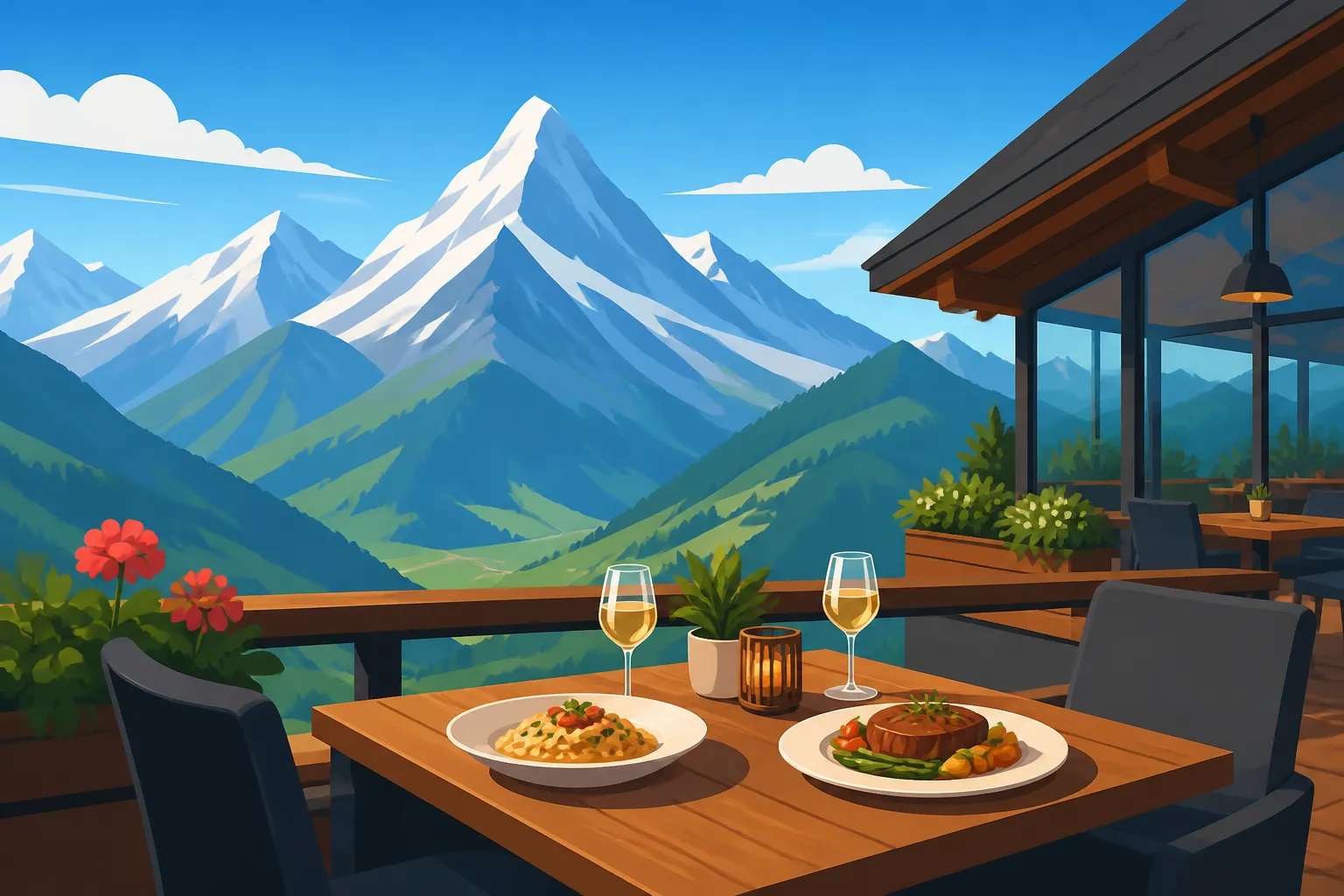
Mountain Restaurants (Bergrestaurants): Dining With a View
Ah, the Bergrestaurant! If you've spent any time living here in Switzerland, you'll quickly realize that dining with a view isn't just a pleasant add-on; it's practically a national pastime. But let's be honest, for us expats, figuring out how to get to these idyllic spots, what to expect when you arrive, and how to navigate the (often eye-watering) prices can feel like another one of those uniquely Swiss administrative hurdles, just with more cowbells and better scenery. This guide is going to walk you through everything you need to know about experiencing the truly magnificent mountain restaurants that dot the Swiss landscape, from iconic viewpoints to those rustic, hidden gems.
The Magic and Reality of Swiss Bergrestaurants
Let me tell you, there’s nothing quite like the feeling of reaching a mountain restaurant after a strenuous hike, or gliding up to one on skis, the crisp mountain air filling your lungs, and then settling down to a hearty meal with a panorama that stretches for miles. This isn't just about eating; it's about soaking in the very essence of Switzerland. However, it's not always sunshine and Heidi-esque charm. It can be crowded, expensive, and sometimes a little confusing if you don't know the ropes.
More Than Just a Meal: The Cultural Experience
A Bergrestaurant, or Alprestaurant (Alpine restaurant) or Alpwirtschaft (Alpine economy, often a working farm with food service), is more than just a place to refuel. It's an integral part of Swiss mountain culture. Imagine a cozy chalet with wooden interiors, often with a roaring fire in winter, or a sun-drenched terrace in summer. The views are usually the main draw, whether it's the jagged peaks of the Eiger, Mönch, and Jungfrau, the serene expanse of a high-altitude lake, or simply rolling green pastures dotted with contented cows.
When you step inside, you’re not just a customer; you're often part of a community of hikers, skiers, and local families. You'll hear the clinking of glasses, hearty laughter, and a mix of Swiss German, French, or Italian, depending on the region. The atmosphere is typically relaxed, unpretentious, and often bustling with energy. It’s a place where you can truly feel the Swiss love for the outdoors, good company, and traditional, wholesome food. Forget your city manners; here, it’s about appreciating the simple things, even if those simple things come with a premium price tag. For a broader understanding of Swiss dining norms, you might want to check out our guide on Swiss Food and Drink Culture: Regional Specialties and Dining Etiquette.
Navigating the Price Tag and Practicalities
Now, let's address the elephant in the chalet: the cost. Yes, dining in a Swiss mountain restaurant can be significantly more expensive than eating in a town or city. This isn't just about the stunning view (though that certainly plays a part!). It's about logistics. Think about it: every ingredient, every bottle of water, every piece of firewood, has to be transported up that mountain. Sometimes by cable car, sometimes by special off-road vehicle, and occasionally even by helicopter! This logistical feat adds to the operational costs, which, naturally, get passed on to the consumer.
A simple Rösti or a bowl of Älplermagronen might set you back CHF 25-35, and a soft drink can be CHF 6-8. If you're planning a day out, especially with a family, budgeting is crucial. Don't be surprised, just be prepared.
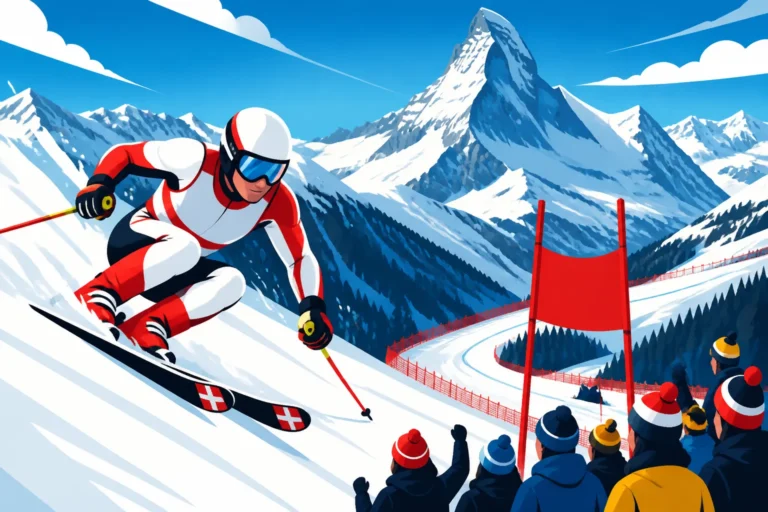
In terms of practicalities, accessibility varies wildly. Some Bergrestaurants are literally ski-in/ski-out, right on the piste, making them incredibly convenient for a mid-day break. Others require a substantial hike or multiple cable car rides to reach. Many are only open seasonally – typically during the summer hiking season (June to October) and the winter ski season (December to April). Always, and I mean always, check their specific opening hours and accessibility before you set off. There’s nothing more deflating than a long trek to find a closed sign!
Finding Your Perfect Mountain Dining Spot
The Swiss Alps are vast, and so are the options for mountain dining. From bustling self-service establishments at major ski hubs to tiny, family-run Alpwirtschaften tucked away on a quiet trail, there's a place for every taste and effort level. But how do you sift through them all to find your perfect spot?
Researching Before You Go: Websites and Apps
Before you even think about lacing up your hiking boots or clicking into your skis, a little digital legwork goes a long way. My absolute go-to for planning any mountain adventure is SchweizMobil. This fantastic platform (also available as an app) maps out hiking, cycling, and mountain biking routes across the entire country. Crucially, it often highlights points of interest, including Bergrestaurants, along these routes. You can click on them to find basic info, sometimes even a link to their website.
Beyond that, the local tourism websites for specific regions (like Zermatt, Interlaken, Grindelwald, Appenzell, Engelberg, etc.) are invaluable. They usually have dedicated sections for mountain huts and restaurants, often with menus, opening times, and contact details. Apps like Bergfex or even general mapping apps like Google Maps or Apple Maps can also be surprisingly helpful, especially if you're looking for photos and reviews from other visitors. If you're considering a guided tour that might include a stop at a mountain restaurant, or even just looking for general activities, platforms like GetYourGuide can sometimes point you in the right direction or offer integrated experiences.
Accessibility and Transportation Considerations
This is where planning really comes into play. The sheer joy of a mountain meal can be amplified or utterly ruined by how easily (or difficultly) you can get there.
Most of the easily accessible mountain restaurants are reached by Switzerland's incredible network of Mountain Railways and Cable Cars: Reaching Switzerland's Peaks. Think funiculars, gondolas, chairlifts, and cogwheel trains. These often whisk you up to incredible heights with minimal effort, depositing you right at the doorstep of a restaurant. Major resorts like Zermatt, Grindelwald, Verbier, and Engelberg are brimming with such options. When planning your journey by public transport, Omio is a great tool to find train and bus connections to the base stations of these mountain transport systems. From there, you purchase your mountain ascent ticket.
For the more adventurous, many Bergrestaurants are nestled along hiking trails. These require a good pair of boots and a willingness to put in some effort. The reward, however, is often a more authentic experience, fewer crowds, and a meal that tastes even better after a few hours of exertion. Consider the elevation gain, distance, and your own fitness levels. Always check the trail conditions, especially in spring (snowmelt) or autumn (mud, early snow).
Here’s a quick overview of how you might reach different types of mountain restaurants:
| Accessibility Type | Typical Effort Level | Example | Best For |
|---|---|---|---|
| Cable Car / Gondola | Very Low | Harder Kulm (Interlaken) | Families, limited mobility, quick views |
| Funicular / Cogwheel | Low | Mount Pilatus (Lucerne region) | Iconic views, multi-transport experiences |
| Chairlift (summer) | Low to Medium | Many ski resorts during summer operation | Accessing higher hiking trails, biking |
| Hiking Trail (easy) | Medium | Along lake paths, valley walks | Gentle walks, enjoying nature at a slow pace |
| Hiking Trail (strenuous) | High | Remote Alpwirtschaften | Adventurers, authentic experiences, solitude |
| Ski-in/Ski-out | Low | Many restaurants in ski resorts | Skiers, quick break on the slopes |
For serious planning of your entire Swiss trip, from lowland trains to mountain ascents, our Switzerland by Train: The SBB Network, Scenic Routes, and Day Trips guide can be a lifesaver.
Hidden Gems vs. Popular Spots: What to Expect
Switzerland has a dual personality when it comes to mountain restaurants: the grand, iconic establishments at major tourist hotspots, and the humble, often family-run places that feel like stepping back in time.
Popular Spots: These are usually found at the top of famous peaks or at major cable car stations. Think Restaurant Piz Gloria on the Schilthorn (yes, the James Bond one!), or the various restaurants at Jungfraujoch. They boast unparalleled panoramic views and often offer a variety of dining options from self-service cafeterias to more formal à la carte menus. They are fantastic for ticking off those bucket-list views, but be prepared for crowds, especially during peak season, and prices that reflect their prime location. The service can sometimes feel a bit rushed, as they churn through high volumes of tourists.
Hidden Gems & Alpwirtschaften: These are the ones I often seek out. Tucked away on a lesser-known hiking path, or requiring a slightly longer walk from a smaller cable car station, these places offer a different kind of magic. Often, they are actual working Alpine farms (Alpwirtschaften) that serve food, meaning you might see cows grazing nearby, or even goats. The menus are typically smaller, focusing on regional specialties made with local produce – think fresh cheese from their own cows, homemade sausages, or hearty stews. The atmosphere is generally more intimate, the pace slower, and you might even find yourself chatting with the farmer-owner. These spots require a bit more effort to find and reach, but they often provide a more authentic and memorable experience. You might not get the iconic Matterhorn view, but you’ll get a slice of genuine Swiss rural life.
Making the Most of Your Alpine Meal
So, you've found your mountain restaurant, planned your journey, and you're ready to indulge. But a few insider tips can make the experience even more enjoyable.
The Menu: What to Order and Local Delicacies
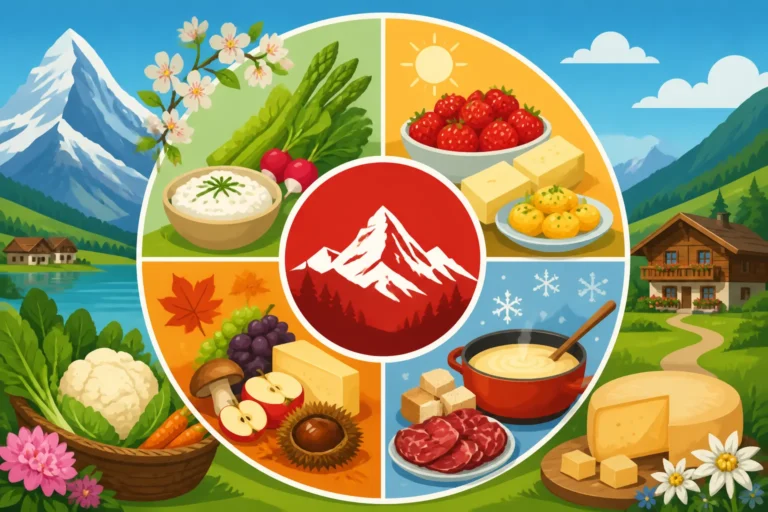
This is where the real fun begins! Swiss mountain cuisine is hearty, comforting, and designed to replenish energy after a day in the elements. While menus vary by region and establishment, some staples are almost universally available:
- Älplermagronen (Alpine Macaroni): This is a must-try! It's essentially macaroni pasta baked with potatoes, cream, cheese (often Gruyère or Appenzeller), and sometimes fried onions and bacon. Crucially, it's almost always served with a side of apple sauce, which might sound odd but is an absolute game-changer. Don’t knock it till you’ve tried it!
- Rösti: A classic Swiss dish made from grated potatoes, pan-fried until crispy. It can be served plain as a side, or topped with cheese, bacon, a fried egg, or even sausages. It’s comforting and deeply satisfying.
- Sausages: You'll find a variety, often grilled. Bratwurst (veal sausage) and Cervelat (a smoked sausage) are common. They usually come with bread, fries, or sometimes a simple potato salad.
- Wurstkäsesalat (Sausage and Cheese Salad): A lighter, yet still substantial, option, especially popular in summer. It’s a simple salad of sliced sausages and cheese, often with onions and a vinaigrette dressing.
- Suppe (Soup): Especially in winter, a warm soup (often barley soup, Gerstensuppe, or a vegetable soup) is a perfect starter or light meal.
- Käseschnitte (Cheese Slice): Imagine a fancy, open-faced grilled cheese on a thick slice of bread, soaked in white wine, baked with cheese, and often topped with an egg. Deliciously rich!
- Fondue and Raclette: While more commonly evening or winter dishes, some mountain restaurants, especially those offering accommodation, will serve these iconic cheese dishes. If you're looking for a dedicated cheese experience, a specific Swiss Wine and Cheese Regions: A Resident's Tasting Guide might also be of interest.
- Desserts: Don't forget the sweets! Think homemade fruit tarts (like Apfelkuchen or Zwetschgenkuchen), Meringues with Nusstorte (nut tart), or simply a scoop of local ice cream.
To wash it all down, you'll find local beers, wines (especially in French and Italian-speaking regions), mineral water, and the omnipresent Rivella (a Swiss soft drink made from milk whey). A hot Kaffee Luz (coffee with fruit schnapps) or Glühwein (mulled wine) in winter is also a treat.
Essential Tips for a Smooth Experience
Even with the stunning backdrop, a little preparation helps ensure your Bergrestaurant visit goes off without a hitch.
- Reservations Are Your Friend: For popular restaurants, especially during peak lunch hours, on weekends, or during ski season, making a reservation is highly recommended. For larger groups or if you're planning a special celebration, it's non-negotiable. Don't just show up expecting a table, especially at places like Chez Vrony in Zermatt or Äscher in Appenzell. A quick phone call or email can save you a lot of disappointment.
- Dress for the Mountains: This isn't fine dining. Your hiking gear, ski clothes, or comfortable outdoor attire is perfectly acceptable. Layers are always key, as mountain weather can change rapidly. Even on a sunny day, the terrace can get chilly, or the sun might disappear behind a cloud.
- Payment Methods: Most larger Bergrestaurants accept major credit cards (Visa, Mastercard, Maestro). However, some smaller, more rustic Alpwirtschaften might prefer cash, or even only accept cash. It's always a good idea to carry some Swiss Francs, especially smaller denominations, just in case.
- Check the Weather: This might sound obvious, but an outdoor terrace with an incredible view becomes a miserable experience in a sudden downpour or gale-force winds. Use local weather apps (MeteoSwiss is excellent) and check webcams if available. Our guide on Weather and Geography: Föhn Winds, Winter Readiness, and Alpine Living can offer more comprehensive advice on understanding Swiss mountain weather.
- Pace Yourself (Especially with Alcohol): Altitude can intensify the effects of alcohol. Be mindful if you're planning to hike or ski afterwards.
- Don't Forget Water (for hiking): If you're hiking to your restaurant, carry enough water for the journey. While you can always buy drinks at the restaurant, staying hydrated en route is crucial.
- Enjoy the Moment: Seriously, put away your phone after snapping a few photos, and just soak it all in. The effort to get there, the fresh air, the hearty food, and that unparalleled view – it's all part of the unique Swiss experience.
My Personal Picks and Recommendations
Having lived here for a while, I’ve had my fair share of amazing (and sometimes comically expensive) mountain meals. Here are a few spots that stand out, offering a range of experiences from iconic views to rustic charm.
Iconic Views and Unforgettable Experiences
These are the places that often make it onto postcards and Instagram feeds, and for good reason!
- Berggasthaus Aescher-Wildkirchli (Appenzell): Okay, this one is practically stapled to the side of a cliff face! It's famous, unique, and requires a hike (or combination of cable car and hike) to reach. Getting there is half the adventure. You take a cable car from Wasserauen to Ebenalp, then hike down a fairly steep path, passing through caves. The restaurant itself is rustic, with basic but delicious food, and a view into the valley that is simply breathtaking. It's a genuine Alpwirtschaft experience. Be prepared for crowds, especially on sunny weekends.
- Chez Vrony (Zermatt): If you're in Zermatt, chasing the Matterhorn views, Chez Vrony is a must-visit. Accessible by ski during winter or a scenic hike in summer, it’s known for its gourmet, organic cuisine, fantastic wine list, and a sun terrace with arguably one of the best Matterhorn vistas. It’s definitely on the pricier side, but the quality of food and the ambiance are exceptional. It’s the kind of place you book for a celebratory lunch.
- Restaurant Harder Kulm (Interlaken): Overlooking Interlaken and the sparkling lakes of Thun and Brienz, with the Jungfrau massif in the distance, Harder Kulm offers a truly majestic panorama. You reach it by a historic funicular from Interlaken Ost. The restaurant has a spacious terrace and a lovely indoor area. The menu is classic Swiss, and the views from the "Two Lakes Bridge" viewing platform are spectacular. It’s very family-friendly and accessible for almost everyone. This is a great starting point if you're exploring the Bernese Oberland; you might even combine it with other Day Trips from Zurich: Rhine Falls, Rapperswil, and Lucerne or other major cities.
- Fluhalp (Zermatt): Another Zermatt gem, located slightly above the more famous Chez Vrony. Fluhalp has a more traditional, cozy chalet feel with live music on many winter afternoons. The food is excellent, with a focus on local produce, and the views of the surrounding peaks (including partial Matterhorn views) are stunning. It’s perfect for a lively après-ski stop or a leisurely summer lunch.
Planning a Trip Around a Mountain Restaurant
Often, the mountain restaurant isn't just a stop; it's the destination itself. Here’s how to plan a trip centered around one of these culinary viewpoints:
- Hiking Focus: Choose a restaurant along a hiking trail that suits your fitness level. Use SwitzerlandMobility (or apps like Komoot) to map your route, noting the elevation gain and estimated time. Plan to arrive at the restaurant around lunchtime. For instance, many hikers love the trails around Engelberg and Mount Titlis, where several charming Alpwirtschaften await. Remember to wear appropriate footwear and check the weather. For more detailed hiking information, our guide on The Swiss Alps for Expats: Hiking, Skiing, and Mountain Access is a great resource.
- Skiing Adventure: In winter, plan your ski day to end (or pause) at a specific Bergrestaurant. Many resorts have dozens of options. Look for ones slightly off the main thoroughfare for a quieter experience, or embrace the lively atmosphere of a piste-side spot. Many resorts, like those covered in our Skiing in Switzerland: Resorts, Passes, and Costs for Residents guide, have fantastic dining options.
- Overnight Stay: For a truly immersive experience, consider booking accommodation in a mountain hotel that has its own restaurant, or near a Bergrestaurant that offers rooms. This allows you to enjoy dinner with the view, watch the sunset, and experience the tranquility of the mountains after the day-trippers have left. Websites like Booking.com are invaluable for finding these unique mountain accommodations. Imagine waking up to that view!
- Combination Trips: Combine your mountain meal with other activities. Perhaps a scenic train ride up, a short hike to the restaurant, and then a thrilling descent on a mountain scooter or a leisurely walk down. Many regions offer fantastic combos; for example, in summer, you might hike to a restaurant and then cool off in one of the beautiful lakes mentioned in our Switzerland in Summer: Lake Swimming, Hiking, and Open-Air Events article. In winter, after a snowy lunch, perhaps some snowshoeing or sledding, as detailed in Switzerland in Winter: Snow Sports, Markets, and Alpine Towns.
No matter how you choose to approach them, Swiss mountain restaurants are an experience. They are a reflection of the country's unparalleled natural beauty and its enduring appreciation for good food, prepared simply, and served with a view that will stay with you long after the last bite of Rösti.
Disclaimer
The information provided in this guide is for general informational purposes only and is subject to change. While we strive to keep the information up-to-date and accurate, opening hours, prices, and accessibility of mountain restaurants can vary due to seasonal changes, weather conditions, or management decisions. We highly recommend checking directly with the specific restaurant or local tourism office before making any concrete plans. Always prioritize your safety when traveling in the mountains and be prepared for changing weather conditions.