Accessible Nature Trails for Wheelchairs and Prams in Switzerland
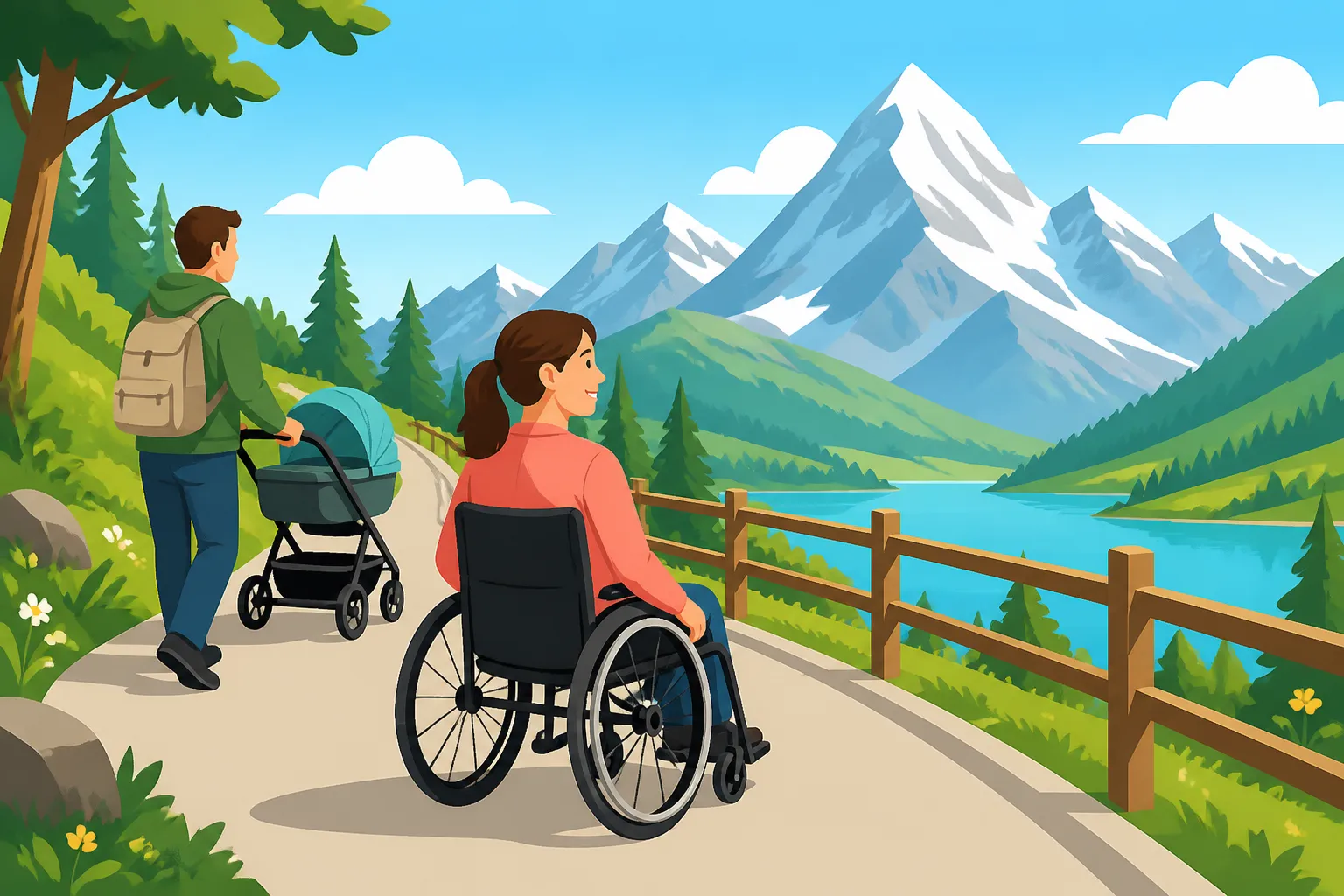
Oh, the romantic notion of Switzerland – jagged peaks, crystal-clear lakes, and endless hiking trails! But let's be real, if you or a loved one navigate the world with a wheelchair, or if you're pushing a pram with a little one, the thought of those steep Alpine paths can feel utterly daunting. It’s easy to feel like some of the most stunning Swiss landscapes are simply off-limits. But I’m here to tell you that’s far from the truth. This guide will walk you through discovering some truly breathtaking, genuinely accessible nature trails across Switzerland, ensuring everyone can soak in the beauty.
Dispelling the Myth: Switzerland's Commitment to Accessibility
When you think of Switzerland, you probably picture postcard-perfect chalets clinging to impossibly steep mountainsides, right? It’s a natural assumption that accessibility might take a backseat to rugged beauty. However, over my years living here, I’ve been pleasantly surprised by the strides Switzerland has made in ensuring its natural wonders are enjoyed by as many people as possible. It’s not always perfectly flat or entirely barrier-free in every nook and cranny, but there’s a genuine effort to provide "barrierefrei" (barrier-free) options, especially in popular tourist areas and along major transport routes.
The Swiss love their outdoor activities, and that love extends to making paths, viewpoints, and even some mountain transport accessible. You see it in the meticulously paved lakeside promenades, the specially adapted buses, and the incredible foresight of the Swiss Federal Railways (SBB), which offers assisted boarding and specific accessible carriages on many routes. Don't let the initial impression of a mountainous country deter you; a little research and planning can unlock incredible experiences. The commitment is there, driven by both societal values and a recognition of inclusive tourism. Many cantons and municipalities are actively working to map and improve accessible routes, often in collaboration with organizations like Procap, which advocates for people with disabilities. So, while you might not be scaling the Matterhorn with a pram, you certainly won’t be confined to the cities either.
Where Wheels Can Roam: Top Accessible Trails
Now for the exciting part! Let’s talk about some specific places where you can truly immerse yourself in Swiss nature without worrying about impassable terrain. These aren't just paved urban paths (though those are lovely too!); these are places where you can feel a sense of wildness, forest, or majestic mountain air, all while maintaining accessibility.
Lakeside Tranquility: Lake Lucerne and Lake Geneva Promenades
Switzerland's lakes are its sparkling jewels, and thankfully, many of them offer wonderfully accessible promenades that stretch for miles. The promenade along Lake Lucerne (Vierwaldstättersee) is a prime example. From the heart of Lucerne city, you can roll or stroll along the flat, paved paths, taking in the iconic Chapel Bridge and the stunning mountain backdrop. You can go for as long or as short a distance as you like, stopping at one of the many benches or lakeside cafes. The views are simply breathtaking, with boats gliding across the water and the peaks of Pilatus and Rigi looming majestically. It’s a sensory delight, often accompanied by the gentle lapping of waves and the distant clanging of cowbells. Many sections are smooth enough for even sensitive wheelchairs and offer plenty of space for families with prams. You can even combine a stroll with a boat trip on the lake, as many of the boats are also wheelchair-accessible.
Similarly, the promenades around Lake Geneva (Lac Léman), especially in towns like Montreux and Vevey, are a dream. Imagine a wide, beautifully maintained path winding past palm trees, vibrant flowerbeds, and grand Belle Époque hotels, all with the dramatic backdrop of the French Alps across the lake. The Montreux promenade is famously flat and long, perfect for a leisurely outing. You can even find charming lakeside restaurants with accessible seating to enjoy a meal with a view. These lakeside paths offer not just accessibility but also an incredible sense of space and freedom, allowing you to connect with nature on your own terms.
Alpine Valleys and Car-Free Havens: Lauterbrunnen and Braunwald
If you're dreaming of true Alpine scenery, don't despair! The Lauterbrunnen Valley in the Bernese Oberland is often called the "Valley of 72 Waterfalls," and much of its enchanting floor is remarkably flat and accessible. Once you arrive in Lauterbrunnen village, the main valley road has paved sections and wide shoulders, making it feasible to travel for miles between thundering waterfalls like Staubbach Falls and Trümmelbach Falls (though access into Trümmelbach Falls itself is limited). You can take a leisurely roll, breathing in the crisp mountain air, surrounded by colossal rock faces and lush green pastures. It's truly an awe-inspiring place, and being able to experience that scale from an accessible path is something special. Remember to check local maps or ask at the tourist office for the most suitable sections, but generally, the main valley floor offers a fantastic experience. For more on navigating the amazing Swiss transport system to get here, check out Switzerland by Train: The SBB Network, Scenic Routes, and Day Trips.
Another hidden gem is Braunwald, a car-free village nestled in the Glarner Alps. To get there, you take a funicular from Linthal. Once at the top, you'll find several easy, mostly flat circular walking paths that are well-maintained and suitable for wheelchairs and prams. The "Zwerg Bartli-Erlebnisweg" (Dwarf Bartli Adventure Trail) is a particularly charming option for families with younger children in prams, offering delightful themed stops along the way. The views of the surrounding mountains are spectacular, and the tranquility of a car-free environment adds to the magic. It’s a wonderful example of how Switzerland makes its Alpine landscapes approachable.
Panoramic Heights: Rigi and Stoos
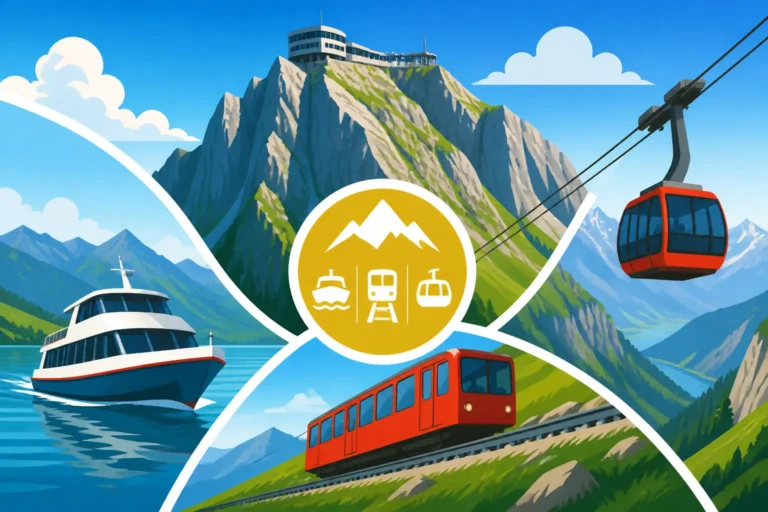
You might think mountain summits are entirely out of the question, but think again! Some Swiss peaks have invested heavily in accessible infrastructure. Mount Rigi, often called the "Queen of the Mountains," is a fantastic example. You can reach the summit (Rigi Kulm) by cogwheel train from Vitznau or Arth-Goldau, or by cable car from Weggis – all of which are designed to be accessible. Once at Rigi Kulm, there's a relatively flat, paved path leading to the very summit viewpoint, offering a breathtaking 360-degree panorama of the Alps, lakes, and surrounding valleys. It’s an unforgettable experience, seeing such grandeur from an accessible vantage point. Imagine a sunny afternoon, a gentle breeze, and views stretching for miles, all reachable with ease.
Similarly, the car-free mountain village of Stoos, accessible by the steepest funicular in the world (which is surprisingly accessible!), offers some stunning accessible paths at the top. While not every path is flat, there are circular routes that are specifically designated as suitable for prams and wheelchairs, allowing you to enjoy the high Alpine pastures and incredible views over Lake Lucerne and the Axenstrasse. These trails are often well-signposted with accessibility information. It's a testament to the Swiss vision that such spectacular, high-altitude experiences are made available to a wider audience. For more insights on reaching such peaks, have a look at our guide on Mountain Railways and Cable Cars: Reaching Switzerland's Peaks.
| Accessible Nature Trail | Location | Accessibility Highlights | Scenery Type | Best For |
|---|---|---|---|---|
| Lake Lucerne Promenade | Lucerne | Flat, paved, wide paths; accessible boats | Lake, City, Mountains | Relaxed strolls, boat trips |
| Montreux Promenade | Lake Geneva | Long, flat, paved; accessible cafes | Lake, Riviera, Mountains | Leisurely outings, scenic views |
| Lauterbrunnen Valley Floor | Bernese Oberland | Flat valley road, paved sections | Waterfalls, Cliffs, Alpine Valley | Dramatic Alpine vistas |
| Braunwald Circular Paths | Glarner Alps | Car-free village, easy circular trails | Mountains, Forests, Pastures | Families, tranquil retreats |
| Rigi Kulm Summit Path | Central Switzerland | Accessible trains/cable cars, paved summit path | 360° Panorama, Lakes, Alps | Iconic views, mountain experience |
| Stoos Village Paths | Schwyz | Steeppest funicular, designated accessible routes | Alpine Pastures, Lakes, Mountains | High-altitude nature, unique travel |
Planning Your Accessible Adventure
Okay, you’ve got some inspiration, now let’s talk practicalities. Planning is key to a smooth and enjoyable accessible trip in Switzerland.
Transportation Triumphs with SBB
Switzerland's public transport network, primarily the SBB (Swiss Federal Railways), is incredibly well-equipped for accessibility. They've made huge strides, which is a massive relief for anyone with mobility challenges. Most main train stations have step-free access to platforms, and many trains have dedicated wheelchair spaces and accessible toilets. If you need assistance with boarding or disembarking, SBB offers a free service called "Handicap-Service" – but you absolutely must book it in advance, ideally at least an hour before your journey, or even longer for complex routes. Don't just show up and expect help, that's a recipe for frustration.
When you're looking at train tickets, platforms like Omio can be handy for checking schedules, connections, and even sometimes filtering for accessibility options, though I always cross-reference directly with the SBB website or app for the most up-to-date accessibility details. For frequent travelers, consider investing in a The Half-Fare Travelcard (Halbtax): The Must-Have Pass for Swiss Residents, which slashes ticket prices by half and pays for itself quickly. If you're planning extensive travel, a SBB Travelcards: Is the Generalabonnement (GA) Worth the CHF 4000+ Cost? might even be worthwhile, offering unlimited travel. Buses and PostBuses (the iconic yellow buses) are also increasingly equipped with ramps and low-floor access, making connecting from train stations to trailheads much simpler. Always check the specific route beforehand, as smaller, older buses on very remote routes might still pose a challenge.
Accommodation and Amenities
Finding accessible accommodation can sometimes be a bit of a treasure hunt, but it’s getting easier. Websites like Booking.com are invaluable because they often have specific filters for "wheelchair accessible" rooms and facilities. Don't just rely on the filter though; always, always read reviews and, if possible, contact the hotel directly to confirm specific needs. Ask about room dimensions, bathroom layouts (roll-in showers versus tubs with grab bars), and pathway accessibility within the hotel. Some smaller, traditional Swiss hotels might have stairs and limited elevator access, so larger, more modern establishments or international chains tend to be safer bets.
For families with prams, most hotels are very accommodating. They can usually provide cots or extra space. Many public toilets, particularly in larger towns, train stations, and newer tourist facilities, are also wheelchair accessible. Look for the international symbol of accessibility. However, out on more remote trails, don't expect perfectly accessible facilities everywhere – always plan accordingly and use facilities before heading out.
Essential Gear and Resources
Packing smart makes a huge difference. Even on accessible trails, the weather in Switzerland can change rapidly. Layers are your best friend! Bring waterproofs, comfortable shoes (even if you're in a wheelchair, if you plan to transfer, good grip is key), and sun protection – yes, even in the mountains, the sun can be intense. For prams, an all-terrain model will serve you better than a flimsy city stroller, even on paved paths, as some surfaces can still be uneven or gravelly.
Always carry water and some snacks. While many popular trails might have restaurants or picnic spots, it's always good to be prepared. Speaking of picnicking, check out our guide on Picnicking in Switzerland: Where to Buy Supplies and Sit for some great ideas to make your outdoor meals delightful.
For finding more trails, local tourist information offices are goldmines of information. They often have detailed maps and can advise on specific trail conditions. Websites like Switzerland Tourism (myswitzerland.com) also have dedicated sections for "barrier-free travel." If you're interested in curated experiences or perhaps a guided tour that explicitly caters to accessibility needs, GetYourGuide can be a fantastic resource. They offer a range of tours and activities, and you might find something tailored to your specific mobility requirements. Always double-check the details with the tour provider directly, of course.
Finally, always check the weather forecast before you head out. Weather and Geography: Föhn Winds, Winter Readiness, and Alpine Living is a great resource to understand the local conditions better. Muddy paths after rain, or unexpected snow even in spring or autumn at higher elevations, can quickly turn an accessible path into a challenge.
Overcoming Common Hurdles and Finding More Trails
Even with the best planning, traveling with a wheelchair or pram in a mountainous country like Switzerland can present unique challenges. But don't let these deter you; with a bit of foresight and flexibility, you can navigate them successfully.
Navigating Gradients and Surfaces
While many paths are designated "accessible," this doesn't always mean perfectly flat. You might encounter gentle inclines or slightly uneven surfaces, especially on natural trails where tree roots or gravel are present. For manual wheelchair users, this might mean needing assistance on certain sections. For electric wheelchairs, ensure your battery is fully charged, as uphill pushes drain power quickly. Pram pushers should be prepared for some workout, especially with heavier prams or tired toddlers. When in doubt, call the local tourist office or refer to detailed trail maps that often indicate gradients. Websites like SwitzerlandMobility also provide detailed trail information, including surface types and elevation profiles, which can be invaluable.
Finding Accessible Toilets and Rest Stops
This is often a top concern, and rightly so. As mentioned, major train stations, modern tourist centers, and larger restaurants will generally have accessible toilets. However, in more remote areas or on longer trails, these can be sparse. It’s always a good idea to identify accessible facilities before you start your journey and plan your stops accordingly. Some regions are better than others, so a quick search or call to the local tourist information can save you a lot of stress. Look for the "WC rollstuhlgängig" (wheelchair accessible toilet) signs.
Community and Support Networks
You're certainly not alone in seeking accessible adventures. There are several organizations and online communities dedicated to accessible travel in Switzerland. Procap Reisen, for example, specializes in barrier-free holidays and can offer tailored advice and even organized trips. Online forums and expat groups can also be a fantastic source of real-world recommendations and tips from people who have personally navigated these trails with wheelchairs or prams. Connecting with others can provide invaluable insights that you won't find in official brochures. Consider joining local groups in cities like Zurich, Geneva, or Basel; our Swiss Cities Guide: Zurich, Geneva, Basel, Bern, and Beyond can give you a starting point.
Always Have a Backup Plan
Things can go wrong – the weather can turn, a path might be unexpectedly closed, or you might find a section more challenging than anticipated. Having a flexible attitude and a backup plan is always a good idea. Know alternative routes, or have a nearby town or indoor attraction in mind if outdoor plans fall through. This can be as simple as knowing where the nearest accessible train station is, or having a list of accessible cafes where you can take shelter. And please, for your peace of mind, make sure you have good Travel Insurance for Domestic Trips Within Switzerland – it’s always wise to be covered, just in case.
Embrace the stunning nature Switzerland offers. With a bit of research and a proactive approach, these breathtaking landscapes are absolutely within reach for everyone.
Disclaimer
Please remember that while I strive to provide accurate and up-to-date information, accessibility infrastructure and trail conditions can change. It is always recommended to verify specific details, opening hours, and current accessibility status directly with local tourist offices, transport providers, or specific venues before planning your trip. Personal needs and mobility levels vary, so what is "accessible" for one individual might present challenges for another.