Mountain Passes Open in Summer: Furka, Susten, and Grimsel
You’ve battled through the Swiss winter, perhaps even braved some spring snow, and now your soul is yearning for those breathtaking alpine roads that lead to postcard-perfect views. But if you're anything like me, a long-time expat who’s experienced the frustration of planning a perfect mountain drive only to find a "Pass Geschlossen" sign, you know that timing is everything. This guide is designed to cut through the confusion and give you the insider scoop on Switzerland’s most iconic mountain passes – like the majestic Furka, the winding Susten, and the rugged Grimsel – and precisely when you can expect them to throw open their gates for summer adventures.
The Grand Alpine Awakening: Understanding Switzerland's Summer Pass Openings
After months of being buried under meters of snow, Swiss mountain passes undergo a truly impressive transformation. For locals and long-term expats, the annual opening of these high-alpine routes isn't just about road access; it's a symbolic declaration of summer's arrival. These aren't just minor roads; they are vital arteries connecting valleys and cantons, and historically, they were the only way to traverse the country's formidable central massif. The closing of passes in late autumn and their reopening in late spring or early summer depends entirely on snowfall, avalanche risk, and the immense effort of snow-clearing crews.
Imagine the sheer scale of it: massive snow blowers and plows slowly carving their way through walls of snow sometimes several meters high. It’s a Herculean task that local authorities, often the cantonal road departments (Tiefbauamt), meticulously manage. They monitor weather patterns, snow depth, and stability constantly. There's no fixed date written in stone; it's a dynamic process influenced by nature. A late heavy snowfall in May can push back an anticipated opening by weeks, leading to collective groans across the country. Conversely, a mild winter can mean some passes open surprisingly early. This unpredictability is a common source of planning headaches for new arrivals and seasoned expats alike, especially if you're eager to explore the diverse landscapes of Switzerland.
Why Winter Closures are Essential
While it might seem inconvenient, the winter closure of these passes is absolutely non-negotiable for safety. The sheer volume of snow, coupled with the steep, exposed terrain, makes most high-alpine roads impassable and incredibly dangerous during the colder months. Avalanches are a constant threat, and even without them, ice, white-out conditions, and rapidly changing weather can turn a scenic drive into a life-threatening ordeal. The risk extends beyond just drivers; maintenance crews clearing snow or performing repairs would also be at significant hazard.
Moreover, these closures allow nature to reclaim its space, providing undisturbed habitats for wildlife and allowing snowpack to stabilize, which is crucial for water reserves and preventing erosion. For those living in the valleys, these passes are often replaced by train tunnels, like the Furka Base Tunnel, ensuring year-round connectivity. So, while you might be itching to hit the roads, remember that the long wait ensures your safety and preserves the stunning, rugged beauty of these pristine environments for everyone to enjoy come summer.
The Tell-Tale Signs of Summer Approach
So, how do you know when to start getting excited? Keep an eye on local news, especially cantonal websites like those for Uri, Valais, and Bern, which often provide updates on "Strassenzustand" (road conditions). Websites like www.alpen-paesse.ch are also invaluable resources, offering real-time status updates and historical opening dates. You'll start to see photos emerge of the snow-clearing operations, often depicting machines dwarfed by colossal snow walls – that's your cue!
Generally, the lower passes open first, typically in late April or early May, while the highest passes, like Nufenen or Furka, usually don't open until late May or early June. It's truly a celebrated event when those barriers finally lift, allowing cars, motorcycles, and cyclists to once again traverse these incredible routes. Many people make it a point to be among the first to drive or cycle over a newly opened pass, a little personal victory marking the start of warmer adventures.
Unveiling the Giants: Furka, Susten, and Grimsel Passes
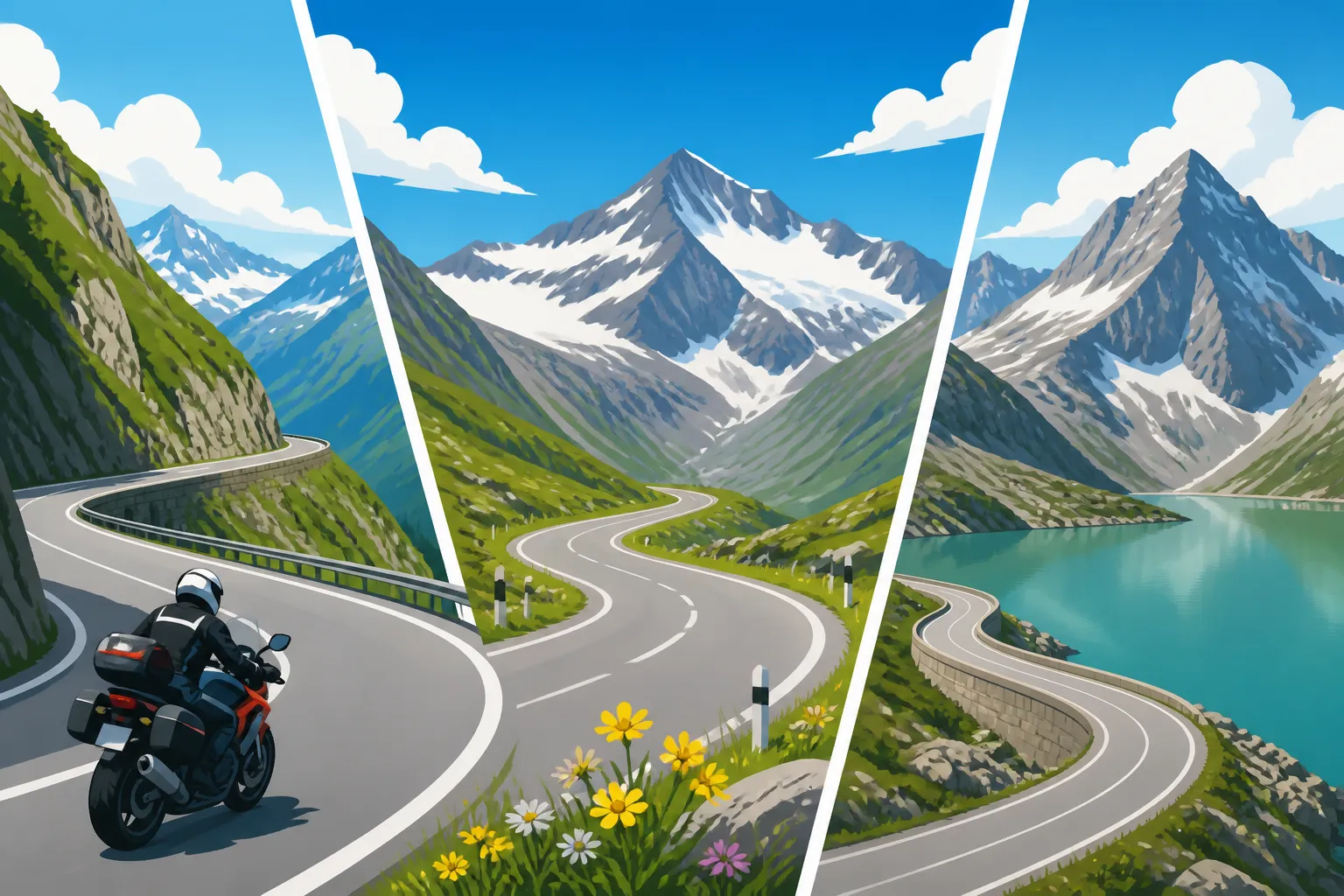
These three passes, often tackled in a single, magnificent loop known as the "Three Pass Ride," are quintessential Swiss alpine experiences. Each offers a unique character, breathtaking vistas, and a truly exhilarating journey. Whether you're behind the wheel, on a motorcycle, or pushing pedals up a grueling ascent, these roads promise unforgettable memories.
Furka Pass (2,429m)
The Furka Pass, connecting the Valais canton with Uri, is perhaps the most famous of the trio, partly thanks to its appearance in the James Bond film Goldfinger. It’s a road that screams "epic adventure" with its dramatic hairpin bends, challenging gradients, and unparalleled views.
- What Makes it Special: The Furka is most renowned for the Rhone Glacier, which you can visit at its base in the Valais side. For a small fee, you can walk into a man-made ice grotto carved directly into the glacier – a humbling experience, though the glacier itself has visibly receded over the years, a stark reminder of climate change. The iconic Hotel Belvédère, perched precariously on a bend, offers a stunning photo opportunity, looking out over the winding road and the glacier’s remnants. For steam train enthusiasts, the Furka Cogwheel Steam Railway (Dampfbahn Furka-Bergstrecke) offers a nostalgic journey on a narrow-gauge track along the historic route, a fantastic alternative to driving if you want to soak in the views without focusing on the road.
- Typical Opening: Expect the Furka to open anywhere from late May to mid-June. Being one of the higher passes, it often takes a bit longer to clear. I’ve personally been caught out trying to cross it in late May, only to find the barrier still down, leading to a long detour – always check!
- Driving Experience: The road is well-maintained but narrow in parts. The turns are sharp, demanding your full attention, especially with oncoming PostBuses. It’s a driver’s dream for those who enjoy challenging mountain roads, but if you’re prone to car sickness, be prepared.
Susten Pass (2,260m)
Connecting the Bernese Oberland with Central Switzerland (Uri), the Susten Pass is a masterpiece of road engineering, known for its sweeping curves, long tunnels, and glacial landscapes. It feels grander, perhaps a bit less "nail-biting" than the Furka, but equally stunning.
- What Makes it Special: The Susten is characterized by its numerous galleries and tunnels, including the Susten Tunnel near the summit, which actually bypasses the very highest point. On the Bernese side, you’ll encounter the Steingletscher (Stein Glacier), a visible and active glacier right by the road, with hiking trails leading up to it. The landscape is rugged, with granite cliffs and alpine meadows bursting with wildflowers in summer. It’s an ideal pass for those who appreciate smooth, flowing drives with incredible scenery.
- Typical Opening: The Susten Pass typically opens in early to mid-June, often a little after the Grimsel due to its higher sections.
- Driving Experience: The road is wider and generally feels more forgiving than the Furka, making it a favorite for those who want a thrilling drive without the extreme hairpins. The views are expansive, and there are plenty of pull-offs to stop and admire the scenery, particularly near the glacier. It’s also a cycling paradise, with a dedicated annual event (Alpenbrevet) featuring the pass.
Grimsel Pass (2,164m)
The Grimsel Pass connects the Bernese Oberland to the Valais canton, traversing a landscape dominated by granite, dark blue reservoirs, and hydro-electric power stations. It feels ancient and powerful, a testament to humanity's ability to harness nature.
- What Makes it Special: This pass is famous for its almost lunar landscape, studded with deep blue artificial lakes like the Grimselsee and Totensee, fed by glacial meltwater. These lakes are integral to Switzerland's vast hydropower network, and you can even take tours of the massive power plants in the Grimselwelt region. Marmots are frequently spotted here, adding a touch of charm to the stark beauty. For families, the Gelmerbahn, one of the steepest funiculars in Europe, is a fantastic side trip near the Grimsel Pass, offering thrills and access to a stunning lake.
- Typical Opening: The Grimsel Pass often opens slightly earlier than the Furka and Susten, usually in late May or early June, depending on snow conditions.
- Driving Experience: The Grimsel offers a more exposed feeling, with less tree cover and more direct views of the granite rock faces and reservoirs. The road surface is excellent, and while there are plenty of curves, they are generally less acute than on the Furka. It's a fantastic ride, offering diverse visual interest from engineering marvels to raw nature.
Other Notable Summer Passes
While Furka, Susten, and Grimsel form the iconic loop, other passes are equally worthy of your summer itinerary:
- Gotthard Pass (2,106m): One of the most historically significant passes, the old Gotthard road, known as the "Tremola," is an incredible cobbled serpentine route that will transport you back in time. It typically opens earlier than the higher passes, often by early to mid-May. You can drive the modern road through the pass or take the challenging, scenic Tremola.
- Nufenen Pass (2,478m): The highest road pass entirely within Switzerland, connecting Valais with Ticino. It's known for its wild, barren beauty and often opens a little later, usually in early June. If you're looking for fewer crowds and a raw alpine experience, Nufenen is a fantastic choice, and its views down towards Ticino are spectacular.
- San Bernardino Pass (2,065m): A beautiful alternative to the Gotthard for reaching Ticino from Graubünden. It's also typically open earlier, in mid-May, offering stunning views, particularly of the charming old hospice and the small lake at its summit.
| Pass Name | Canton(s) | Peak Elevation (m) | Typical Opening (approx.) | Key Features / Why Visit |
|---|---|---|---|---|
| Furka | Uri, Valais | 2429 | Late May – Early June | Rhone Glacier, Hotel Belvédère, James Bond road, steam train |
| Susten | Bern, Uri | 2260 | Early June – Mid-June | Steingletscher, sweeping curves, tunnels, hiking trails |
| Grimsel | Bern, Valais | 2164 | Late May – Early June | Hydropower reservoirs, granite landscape, marmots, Gelmerbahn |
| Gotthard (Old) | Uri, Ticino | 2106 | Early May – Mid-May | Historic Tremola cobbled road, hospice, museum |
| Nufenen | Valais, Ticino | 2478 | Early June – Mid-June | Highest pass in Switzerland, wild and pristine landscape, panoramic views |
| San Bernardino | Graubünden, Ticino | 2065 | Mid-May | Scenic old road, lake at summit, hospice |
Planning Your Epic Pass Adventure: Practical Tips & Safety
Driving or cycling over these passes is an experience, not just a journey from A to B. It requires preparation, respect for the environment, and an understanding of Swiss mountain conditions. Don't underestimate the mountains; they are beautiful but can be unforgiving.
Checking Road Conditions and Weather
This is perhaps the single most crucial piece of advice. Before you even set off, especially in the shoulder seasons (late spring, early autumn), always check the current status of the passes. Websites like www.alpen-paesse.ch or official cantonal road reports are your best friends. These will tell you if a pass is "offen" (open), "geschlossen" (closed), or has any restrictions like "Schneeketten obligatorisch" (snow chains mandatory), which can happen even in summer after an unexpected snowfall.
Weather in the mountains is notoriously fickle. You can start your journey in glorious sunshine in the valley and find yourself in fog, rain, or even snow at the summit, especially above 2000 meters. Always check a reliable mountain weather forecast. My go-to is often MeteoSwiss, as it's quite accurate for specific locations and elevations. Being prepared for varying conditions, even on a summer's day, is vital. You should also consider checking webcams along the routes to get a real-time visual of the conditions at altitude. This kind of diligent pre-trip check is a standard practice for those of us who have lived here for a while, and it saves a lot of disappointment! For more detailed planning, consider checking out this guide on Weather Apps and Webcams for Planning Swiss Mountain Trips.
What to Pack and Wear
Even in July and August, temperatures at 2,000+ meters can be surprisingly chilly, especially if it's windy or cloudy. Always pack layers! A good windproof and waterproof jacket is essential, even if the forecast looks sunny. Bring a hat, gloves, and sturdy shoes if you plan to get out of the car for any walking. Sun protection (sunscreen, sunglasses) is also critical, as the UV index is much higher at altitude.
For your vehicle, ensure it's in good condition, especially brakes and tires. While summer tires are fine, ensure they have sufficient tread. A full tank of fuel is always a good idea, as petrol stations are sparse on the passes themselves. And, of course, a camera with plenty of battery life! If you're thinking about a full day trip to the Alps, this article on What to Pack for a Day Trip to the Swiss Alps offers more comprehensive advice.
Driving Etiquette and Safety
Swiss roads are generally excellent, but mountain passes demand respect. Drive defensively, especially on narrow sections and blind corners. Always expect oncoming traffic, including large PostBuses, which often have right-of-way on specific sections, indicated by signs and their distinctive three-tone horn. Pay attention to speed limits, which are strictly enforced, and give cyclists ample space. Many sections have steep drop-offs with only small barriers, so focus is key.
If you’re driving in Switzerland for the first time, make sure you're familiar with the local rules. Getting acquainted with Driving in Switzerland: Licenses, Buying Cars, and Strict Traffic Laws is a must before you venture into the mountains. In the event of an emergency, familiarize yourself with Mountain Safety in Switzerland: Weather, Gear, and Emergency Numbers for crucial information.
Cycling the Passes
For many, the ultimate challenge and reward is to cycle these passes. They are incredibly popular with road cyclists, who often tackle the "Three Pass Ride" in a single grueling day. If you’re planning to cycle, ensure you have appropriate gear, a well-maintained bike, and are physically prepared. Always wear a helmet, bright clothing, and use front and rear lights. Descending these passes can be exhilarating but also dangerous; watch your speed and be aware of traffic. You'll find a lot of information about routes and local groups if you look into Cycling Routes in Switzerland: The National Bike Network.
Public Transport Options
Don't have a car or prefer to let someone else do the driving? No problem! Switzerland's public transport system is legendary, and PostBuses (PostAuto) serve many of these mountain passes. The yellow buses are a common sight, navigating the tight bends with skill. You can book tickets directly through the SBB website or app, or via platforms like Omio if you’re coordinating a larger multi-country trip. A ride on a PostBus over a high alpine pass is an experience in itself, offering spectacular views without the stress of driving. If you're a frequent traveler, consider investing in an SBB Travelcards: Is the Generalabonnement (GA) Worth the CHF 4000+ Cost? or a Half-Fare card to make these trips more economical.
Accommodation and Experiences
If you plan to make a multi-day trip out of your pass adventure, there are plenty of charming towns and villages in the valleys below or even smaller guesthouses right on the passes themselves. Andermatt, Meiringen, Gletsch, and Innertkirchen are popular bases for exploring the Furka, Susten, and Grimsel region. You can find excellent options on platforms like Booking.com, ranging from cozy mountain inns to more luxurious hotels. Many of these places are incredibly popular in summer, so booking well in advance is highly recommended.
Beyond just driving, consider incorporating hikes, visiting local attractions like the Gelmerbahn or the Rhone Glacier ice grotto, or even joining a guided tour. GetYourGuide often lists fantastic local experiences that can enhance your trip, such as guided hikes or specific adventure activities like canyoning near Interlaken. For overnight stays in truly authentic settings, looking into Mountain Huts vs Hotels: Where to Stay in the Swiss Alps might give you some unique ideas.
The Iconic Three-Pass Loop: A Day Trip Itinerary
If you want to experience the Furka, Susten, and Grimsel in one epic day, here's a suggested route starting from Meiringen in the Bernese Oberland, a popular gateway town known for its Reichenbach Falls (Sherlock Holmes fans, unite!).
- Meiringen to Grimsel Pass: Start your day early from Meiringen and head up the Grimsel Pass. The ascent is gradual at first, becoming more dramatic as you climb past the hydropower lakes. Take your time, stop at the Totensee, and admire the stark granite landscape. This leg is about 30-45 minutes of pure driving.
- Grimsel Pass to Furka Pass: Descend the Valais side of the Grimsel Pass, dropping into the picturesque hamlet of Gletsch. From Gletsch, you immediately begin the climb up the Furka Pass. This section offers incredible views back towards the Grimsel. Stop at the Hotel Belvédère for that iconic shot and consider a visit to the Rhone Glacier grotto if it's open. The drive between the summits is relatively short, maybe 20-30 minutes, but the stops add significant time.
- Furka Pass to Susten Pass: From the Uri side of the Furka Pass, you'll descend towards Andermatt. You then follow the valley through Wassen and go directly into the ascent for the Susten Pass. This leg is fantastic, with the road feeling a bit smoother and wider. Take in the views of the Steingletscher and enjoy the galleries and tunnels. This section from Furka to Susten summit takes about 45-60 minutes driving.
- Susten Pass back to Meiringen: The descent from Susten Pass down to Innertkirchen and then back to Meiringen is glorious, with stunning views of the Bernese Oberland. You'll complete the loop feeling exhilarated and a little tired from all the visual stimulation.
This loop can easily take a full day, especially with stops for photos, short walks, and perhaps lunch at a mountain restaurant. Pack snacks and drinks, as options can be limited on the passes themselves, especially outside peak hours. Remember, it's not a race; it's about soaking in the unparalleled beauty of the Swiss Alps.
Disclaimer
The information provided in this guide is for general informational purposes only and does not constitute professional advice. Mountain pass opening dates are subject to change based on weather conditions, snowmelt, and road maintenance. Always consult official, real-time road condition reports from cantonal authorities (e.g., Tiefbauamt) and reliable sources before planning your journey. Road conditions, safety requirements, and local regulations can vary. We accept no liability for any reliance placed on this information.