Hosting Visitors in Switzerland: A Week-Long Itinerary
Oh, the joy, and let's be honest, the slight trepidation, of hosting friends and family here in Switzerland! As an expat who’s been through it more times than I can count, I completely get the unique blend of excitement and sheer panic that washes over you. Your loved ones are finally coming to experience your amazing life in this postcard-perfect country, but you're also acutely aware that every single cup of coffee, train ticket, and mountain excursion feels like a small mortgage payment. The pressure to make their visit memorable without accidentally bankrupting everyone is real, believe me. This guide is here to walk you through crafting a fantastic week-long itinerary that balances iconic sights with practicalities, ensuring both you and your guests have a genuinely wonderful, rather than wallet-draining, time.
Setting Expectations: The Swiss Reality Check
Before you even start dreaming of Matterhorn views and lakeside strolls, it's crucial to have a frank conversation with your guests, and yourself, about the realities of travel in Switzerland. It’s breathtakingly beautiful, impeccably efficient, and, yes, notoriously expensive. Many visitors arrive with grand visions of seeing everything from Geneva to St. Moritz in seven short days, and they often underestimate how much that whirlwind tour will cost and how exhausting it will be.
As the seasoned expat, it's your job to manage those expectations gently. Explain that while you could visit five cities, they'd spend more time on trains than actually experiencing the places. Encourage them to embrace a slower pace and truly soak in a few key regions. Talk about the costs of everything from a simple sandwich to a ski lift ticket. This upfront honesty can prevent disappointment and financial strain later on. Remember, your guests are here to see you too, so don't let the pressure of being a tour guide overshadow your time together.
The Financial Elephant in the Room
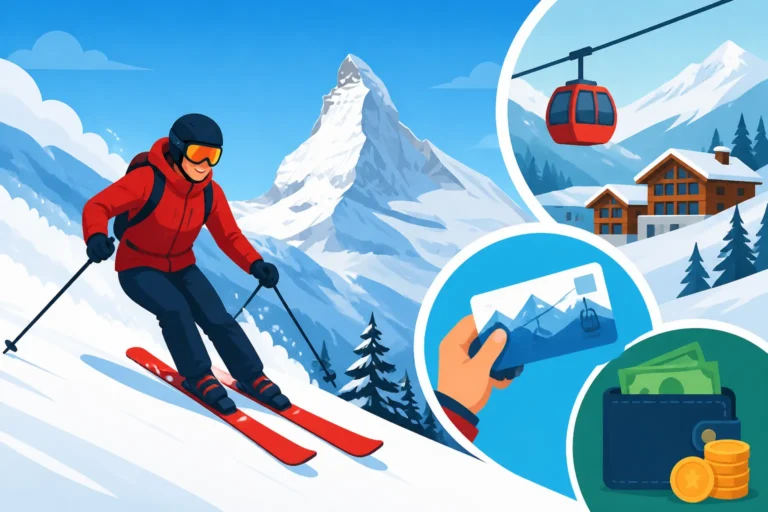
Let's address the elephant wearing a Rolex and carrying a designer handbag: money. Switzerland consistently ranks among the most expensive countries in the world, and that extends to tourism. A simple meal out in Zurich or Geneva can easily run you CHF 30-50 per person, and that's before drinks. Mountain excursions, while absolutely worth it for the views, often involve multiple cable cars and trains, adding up to CHF 100-200+ per person for a single day trip.
This isn't to scare you or your guests, but to prepare. One of the best ways to manage this is through smart planning, especially regarding transportation. Discussing who pays for what ahead of time can save awkward moments. Perhaps you cover some local transport, and they cover their own excursions. Or you take turns treating. For larger groups, cooking at home or having picnics from a Coop or Migros can significantly cut down food costs, which is something I always recommend to friends visiting. Embrace the "do-it-yourself" Swiss mentality! If you want to delve deeper into overall expenses, our guide on the Cost of Living in Switzerland 2026: Budgeting for Singles and Families might offer useful context for your visitors.
Navigating Swiss Public Transport with Guests
Switzerland's public transport system, primarily run by the SBB, is legendary – punctual, clean, and connects virtually every corner of the country. For visitors, it's the ideal way to get around, especially if they're not used to driving on mountain roads or dealing with city parking.
The key to making it affordable for your guests is The Half-Fare Travelcard (Halbtax): The Must-Have Pass for Swiss Residents. It offers 50% off all train, bus, boat, and most mountain railway tickets for a year. While your guests might not need it for a full year, there are tourist versions or they can simply buy individual tickets at half price if you have one. For shorter, intensive travel periods, a Swiss Travel Pass might be considered, but for a single week with a Half-Fare card, individual point-to-point tickets or Saver Day Passes often work out cheaper for non-residents. When planning train journeys for your guests, platforms like Omio can be useful for comparing routes and prices, though the SBB app is usually king for domestic Swiss travel. If they're coming from nearby countries, Omio might also help them find good cross-border connections.
Crafting Your Week-Long Swiss Itinerary: A Sample Plan
Okay, let's get down to the fun part: mapping out a memorable week. This sample itinerary aims to hit some of Switzerland's highlights while being realistic about travel times and costs. It assumes a base in or near Zurich or Bern for easier logistics, but it’s flexible.
Day 1: Arrival and Lakeside Charm in Zurich (or Geneva/Basel)
Your guests have arrived, likely tired but buzzing with anticipation. The first day should be gentle, allowing them to settle in and get a taste of Swiss life without feeling rushed.
Settling In and Local Exploration
If you're based in Zurich, start with a leisurely stroll through the charming Old Town (Niederdorf), perhaps grab a coffee by the Limmat river. Head down to Lake Zurich for some fresh air and stunning views of the Alps in the distance. A short boat trip on the lake (which often falls under the SBB network and can be half-price) is a perfect, relaxing introduction. Show them the ropes of public transport – how to buy tickets, validate them, and appreciate the Swiss punctuality.
If you're in Geneva, a walk along Lake Geneva to see the Jet d'Eau, the English Garden with its Flower Clock, and a wander through the charming Old Town is ideal. For those in Basel, explore the beautiful Altstadt, walk across the Mittlere Brücke, and perhaps visit a museum or two like the Kunstmuseum. No matter where you are, the goal is to ease them in and give them a sense of your local life.
Dinner and Quiet Hours
For dinner, cooking a simple but delicious meal at home is often the best option for the first night. It's cost-effective and allows for genuine connection. If you do venture out, pick a cozy local spot rather than a fancy one. Remind your guests (subtly, of course!) about the Swiss Everyday Rules: Recycling, Quiet Hours, and Neighborhood Etiquette, especially if they’re staying with you. No loud showers or laundry after 10 PM, folks!
Day 2: Culture, Chocolate, and Alpine Vistas (Central Switzerland)
Now that they're rested, it's time for some iconic Swiss experiences. Central Switzerland, particularly Lucerne and its surrounding mountains, offers a perfect blend.
Lucerne City Exploration
Take a morning train to Lucerne, one of Switzerland's most picturesque cities. Walk across the Chapel Bridge (Kapellbrücke), explore the Old Town, and visit the Lion Monument. You can do a scenic lake cruise on Lake Lucerne – a fantastic way to see the landscape and enjoy the fresh air.
For lunch, grab some sandwiches from a bakery or a supermarket and find a scenic spot by the lake for a picnic. It saves a lot of money compared to restaurant meals and provides a truly Swiss experience. If your guests are keen on Swiss chocolate, consider visiting a local chocolatier for some delectable treats or even looking for a small workshop via GetYourGuide, though many smaller ones exist without formal booking. Our guide on Swiss Chocolate: Factory Tours, Tastings, and the Best Brands has more ideas.
Mountain Views: Pilatus or Rigi
In the afternoon, ascend Mount Pilatus or Mount Rigi. Both offer stunning panoramic views and unique experiences. Pilatus boasts the world's steepest cogwheel railway, while Rigi is known as the "Queen of the Mountains" with incredible vistas of multiple lakes. Check the weather carefully before you go; clear skies are essential for these excursions to be truly worthwhile. The Half-Fare card will cover a significant portion of the cost.
Day 3: The Majestic Jungfrau Region: A Taste of the High Alps
This is often the highlight for first-time visitors – the dramatic, iconic Jungfrau Region. It’s a full-day commitment but delivers unforgettable scenery.
Interlaken and Lauterbrunnen Valley
Start your journey early, heading towards Interlaken, the gateway to the Jungfrau region. From there, take the train further into the Lauterbrunnen Valley, often called the "Valley of 72 Waterfalls." This place is pure magic. Wander through Lauterbrunnen village, marvel at the Staubbach Falls, and perhaps even visit Trümmelbach Falls (cascading glacial waterfalls inside a mountain).
For lunch, pack a picnic again. There are plenty of stunning spots in Lauterbrunnen or Grindelwald to enjoy your meal with a view.
Grindelwald First Adventure or Kleine Scheidegg
From Lauterbrunnen, you can ascend to Kleine Scheidegg for classic views of the Eiger, Mönch, and Jungfrau peaks. Or, for a more active experience, head to Grindelwald and take the gondola up to First. From First, your guests can enjoy activities like the First Cliff Walk, the First Flyer zipline, or simply hike to Bachalpsee lake (seasonal). For the ultimate expense and highest point, consider the Jungfraujoch 'Top of Europe': Planning the Trip and Saving Money, but be prepared for the price tag and the crowds. It's breathtaking, but it is an entire day and a significant investment.
Day 4: Bern or Gruyères: History, Cheese, and Charm
After a big mountain day, something a little less intense but equally captivating. You have a choice between the charming capital city or a delve into Swiss culinary heritage.
Option A: Bern, the Capital City
Take a train to Bern, Switzerland's capital and a UNESCO World Heritage site. Its medieval Old Town, built on a peninsula in the Aare River, is incredibly charming. Visit the Zytglogge (clock tower) for its hourly show, see the Bear Park, and enjoy panoramic views from the Rose Garden. Bern offers a relaxed atmosphere compared to Zurich or Geneva, making it perfect for a leisurely day of exploration.
Option B: Gruyères, Cheese and Castle
Alternatively, head to Gruyères, a medieval hilltop village famous for its cheese. Tour the Château de Gruyères and then visit La Maison du Gruyère, where you can watch cheese being made and sample some of the freshest Gruyère straight from the source. Nearby, there’s also the Maison Cailler chocolate factory in Broc, a perfect combination with the cheese for a full day of Swiss culinary delights. This can be combined with a scenic drive or train through the Fribourg countryside.
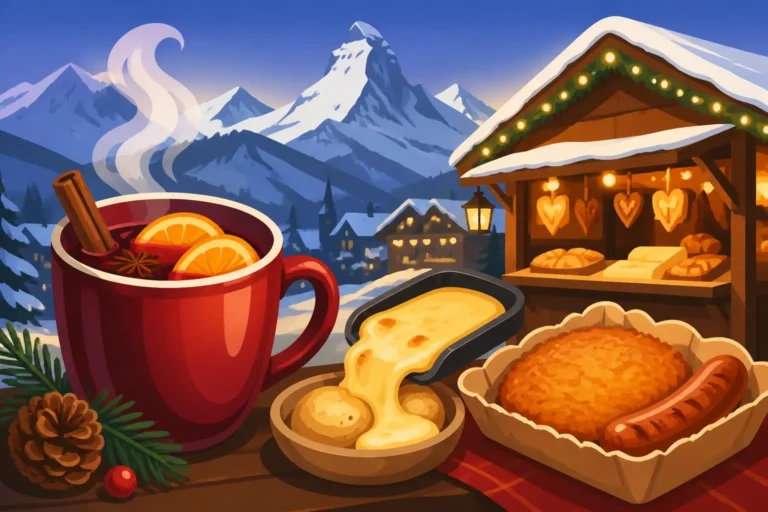
For dinner, if you chose Gruyères, a traditional Fondue and Raclette Culture: How and When the Swiss Eat Them is almost mandatory.
Day 5: Scenic Train Journey or Lake Relaxation
This day can be tailored to your guests' preferences: more iconic travel or some tranquil downtime.
Option A: The Bernina Express (Partial Journey) or Glacier Express (Short Segment)
If your guests are keen on a famous scenic train, you could do a shorter segment of the Glacier Express or Bernina Express. For example, a partial journey on the Bernina Express towards Tirano (Italy) offers incredible Alpine views and then a return. This is a big day trip but offers a truly "Swiss" train experience. Our guide on Glacier Express vs Regular Trains on the Same Route: The Cost Difference is useful here to manage expectations about the "panorama" surcharge.
Option B: Lake Maggiore or Lake Geneva Relaxation
For a more relaxed pace, consider a day trip to one of the stunning lakes. If you're in German-speaking Switzerland, a trip down to Lugano or Ascona on Lake Maggiore (Ticino) offers a completely different, Italian-influenced vibe. Enjoy palm trees, gelato, and a boat trip. If you're in the French-speaking part, the Lavaux Vineyard Terraces on Lake Geneva (another UNESCO site) offer breathtaking views, wine tasting opportunities, and charming lakeside towns like Montreux or Vevey. You could also visit Chillon Castle near Montreux, a truly picturesque medieval fortress.
Day 6: Local Favorites, Shopping, and Farewell Dinner
As the week winds down, bring them back to your local area for some last-minute souvenirs, relaxed activities, and a special farewell.
Your Personal Highlights
This is your chance to show them your Switzerland – your favorite local café, a hidden gem of a park, or a market you love. Perhaps a short hike near your home if you're in a more rural area. If your guests are looking for souvenirs, guide them to local shops for Swiss chocolate, watches (even Swatch watches are a fun souvenir), or artisan crafts.
Shopping and Last Bites
Help them pick up any last-minute gifts. Swiss knives, wooden toys, or local cheeses are always a hit. For lunch, maybe a traditional Swiss Rösti at a local restaurant or a simple, delicious bakery item.
Farewell Dinner
For the farewell dinner, splurge a little! Whether it's a traditional fondue experience or a restaurant with a view, make it special. If your guests prefer their own space for accommodation, don't forget that browsing Booking.com for hotels or serviced apartments well in advance is a smart move, particularly in popular cities like Lucerne or Interlaken, and it will be time to confirm their final night's arrangements.
Day 7: Departure Day
Keep the last day stress-free. A leisurely breakfast, packing, and making sure they have ample time to get to the airport. Depending on their flight schedule, you might have time for one last quick activity, like a visit to a local museum or a final coffee by the lake. Confirm their SBB connections to the airport and help with any last-minute questions.
Alternative Activities and Considerations
This itinerary is just a suggestion, and Switzerland has so much more to offer!
Hiking and Outdoor Adventures
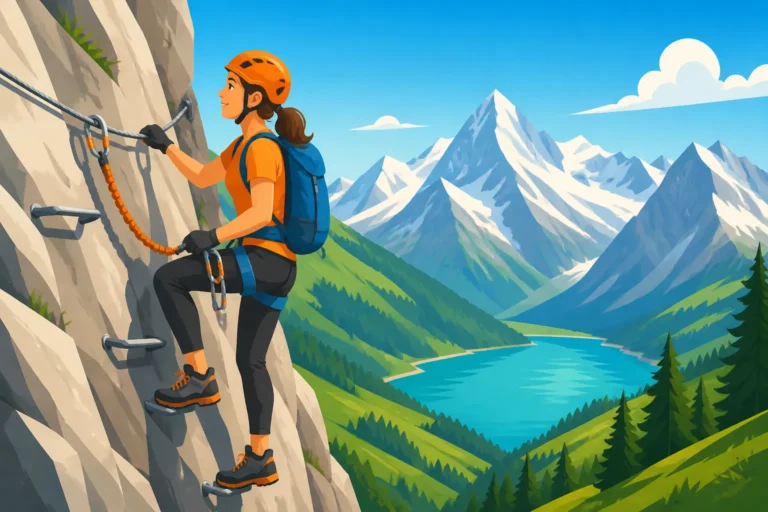
For outdoorsy guests, swap a city day for a dedicated hike. The Swiss Alps are crisscrossed with incredible trails. Even easy ones offer spectacular views. You can find inspiration from posts like Best Easy Day Hikes Near Zurich and Geneva or Stroller-Friendly Walks in the Swiss Mountains if you have younger visitors. Always check weather forecasts and trail conditions.
Museums and Arts
Switzerland boasts world-class museums, particularly in Zurich (Kunsthaus), Basel (Fondation Beyeler, Kunstmuseum), and Geneva (Art and History Museum). If your guests are art or history buffs, dedicating an afternoon to a museum could be a great choice, especially on a rainy day.
Rainy Day Backup Plans
Let's face it, even in Switzerland, the weather doesn't always cooperate. Have a few indoor backup plans:
- Thermal Baths: Switzerland has fantastic thermal spas like Leukerbad or Bad Ragaz for ultimate relaxation.
- Chocolate or Cheese Factories: These are mostly indoors and offer a fun, tasty experience.
- Museums or Galleries: As mentioned, plenty of cultural options.
- Shopping Arcades: Zurich's Bahnhofstrasse or Geneva's Rue du Rhône offer indoor retail therapy.
Logistics and Practical Tips
- Currency: Switzerland uses Swiss Francs (CHF). While cards are widely accepted, having some cash for smaller purchases or remote mountain huts is advisable.
- Power Adapters: Remind your guests that Switzerland uses Type J power sockets, different from most of Europe (Type C/F).
- Emergency Contacts: Make sure they know the emergency numbers: 144 for ambulance, 117 for police, 118 for fire. It's also good to know about Emergency Medical Services: Ambulances, REGA, and Crisis Protocols and REGA for mountain emergencies.
- Staying Connected: Buying a local SIM card (eSIMs are increasingly popular) or ensuring their international roaming plan is sufficient will help them navigate and share photos.
The Expat Host's Secret Weapon: Flexibility
Ultimately, your greatest asset as a host is flexibility. This isn't a forced march; it's a visit with loved ones. Be prepared to adjust the itinerary based on their energy levels, interests, and the weather. Some days might be more relaxed, some more ambitious. The best part of hosting is sharing your life here, not just the tourist traps. Enjoy those quiet moments, the shared meals, and the simple joy of experiencing Switzerland through their fresh eyes. And don't forget to take a breather yourself!
Disclaimer
The information provided in this article is for general guidance only and based on current knowledge and research. While we strive to offer accurate and up-to-date advice for expats, regulations, prices, and services in Switzerland can change. Always verify information with official sources or relevant service providers before making any decisions, especially concerning financial, legal, or health matters. We cannot be held responsible for any errors or omissions.