Stand-Up Paddleboarding on Swiss Lakes: Where to Start
When you first move to Switzerland, the sheer beauty of the lakes is often one of the first things that takes your breath away. But many of us get stuck admiring them from the shore, or maybe a crowded passenger ferry. If you're looking for a genuinely immersive, peaceful, and utterly Swiss experience that gets you on the water, stand-up paddleboarding (SUP) is where it's at. This guide will walk you through everything you need to know to get started, from gear to prime locations, so you can stop just looking at those stunning blue waters and start paddling across them.
Why Stand-Up Paddleboarding is a Must-Try in Switzerland
Let's be real, life in Switzerland can be, well, intense. The efficiency, the cost of living, the administrative hurdles – it all adds up. Sometimes you just need an escape, a way to clear your head and connect with the incredible natural beauty around you. That's precisely where stand-up paddleboarding comes in. It’s not just a sport; it’s a form of active meditation that offers a unique perspective on this gorgeous country.
The Allure of Swiss Lakes for SUP
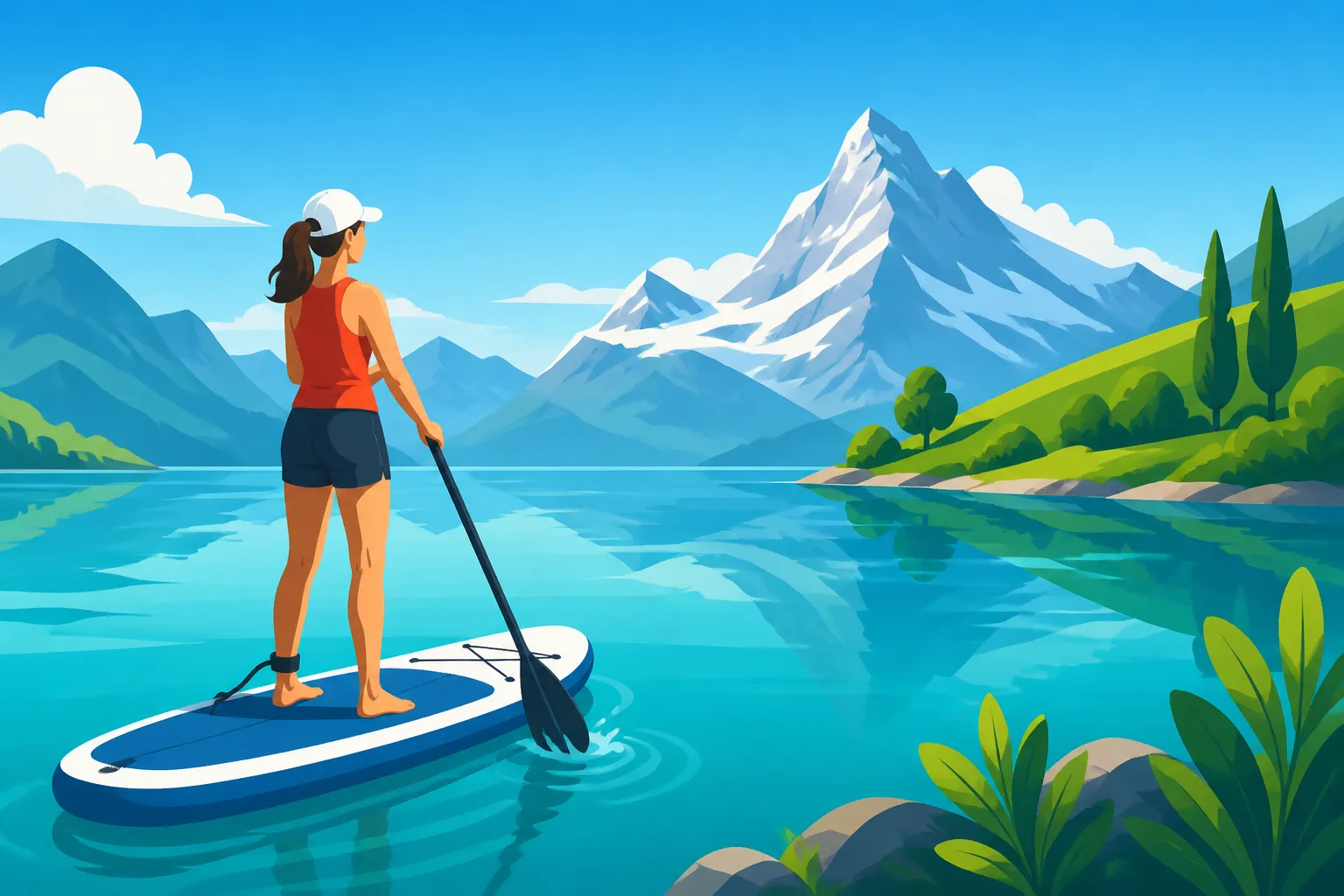
Switzerland's lakes are not just pretty; they are often remarkably clean, almost impossibly blue, and surrounded by landscapes that look straight out of a postcard. From the bustling shores of Lake Zurich to the serene, fjord-like stretches of Lake Lucerne, or the majestic expanse of Lake Geneva with the Alps as your backdrop, each body of water offers its own distinct charm for SUP. Imagine gliding silently over crystal-clear water, spotting fish below, with snow-capped peaks rising in the distance. It’s an experience that truly puts you in the scenery, not just observing it.
What makes these lakes so perfect for paddleboarding is their sheer diversity and the quality of the water. Many are glacier-fed, resulting in incredibly clear, refreshing water. You're not battling murky depths here; you're often paddling over visibility that allows you to see the lakebed or playful ducks beneath you. The peace and quiet you find, especially if you go out early in the morning or later in the evening, is unparalleled. It's a fantastic antidote to the often-structured and fast-paced Swiss lifestyle, offering a moment of true calm and connection with nature.
Accessibility and Health Benefits
One of the greatest things about SUP, especially for those of us who perhaps aren't Olympic-level athletes, is how accessible it is. You don’t need any prior experience beyond being comfortable in the water, and most people can pick up the basics of balancing and paddling within an hour or two. It’s a full-body workout without feeling like one. Your core is constantly engaged as you maintain balance, your arms and shoulders get a fantastic workout from paddling, and your legs get a subtle but effective workout as you stabilize yourself.
Beyond the physical, the mental health benefits are immense. There’s something profoundly therapeutic about being out on the open water, surrounded by nature, with only the gentle splash of your paddle and the occasional bird call for company. It’s a wonderful way to de-stress, clear your mind, and soak in some much-needed Vitamin D. For many expats, it becomes a crucial ritual for unwinding after a long week or escaping the feeling of being perpetually "on." Plus, it's a fantastic activity to enjoy solo, with a partner, or even with the whole family, as kids often take to it like little ducks to water.
Getting Started with SUP: Gear, Lessons, and Safety
Alright, you're convinced. You want to ditch the lakeside café for the open water. But where do you even begin? The world of stand-up paddleboarding might seem a bit daunting at first glance, but I promise you, it's easier to jump into than navigating Swiss bureaucracy.
Essential Gear: What You Need (or Can Rent)
First things first, let's talk gear. You'll need a paddleboard, a paddle, a leash (which tethers the board to you), and a personal flotation device (PFD), often called a life vest. Now, don't rush out and buy everything right away – especially not a fancy rigid board that's impossible to transport. For beginners, renting is absolutely the way to go.
Most major Swiss lakes, especially around popular swimming spots and boat rental areas, have SUP rental stations. You can usually rent a board and all the necessary accessories by the hour or for half a day. This is perfect for trying out different types of boards and seeing if you even enjoy it before committing financially. Many stations are found in bustling areas like the Zurichhorn at Lake Zurich: Swimming Spots, Boat Trips, and Lakeside Towns or along the waterfront in Geneva. If you're looking for an adventure that bundles equipment with local knowledge, sometimes platforms like GetYourGuide offer guided SUP tours that include all the gear you need, making it a super convenient option for a first try. If you fall in love with it and want to buy, inflatable paddleboards (iSUPs) are fantastic for expats as they pack down into a large backpack, making them easy to store in smaller Swiss apartments and transport by car or even public transport to your chosen lake. Decathlon, Ochsner Sport, and Transa are good places to start looking for purchases once you're ready.
Where to Find Lessons and Beginner Spots
While SUP is generally easy to pick up, I highly recommend taking a beginner lesson. Seriously, don't be a hero. A proper instructor will teach you the correct paddling technique, how to stand up safely, how to fall without fear (because you will fall, and it's part of the fun!), and essential safety practices. This makes your initial experiences much more enjoyable and prevents you from developing bad habits that could lead to discomfort or injury later on.
Look for dedicated SUP schools or even larger watersports centers. In Zurich, the SUP Station at Zürichhorn or those near Wollishofen are great spots. Around Lake Geneva, you'll find places like Aloha Surf & Paddle offering lessons and rentals. These locations often have calm, sheltered areas that are ideal for beginners, away from the main boat traffic. The calmer the water, the easier it will be to find your balance. Aim for spots where the water is shallow enough to stand in initially, which helps build confidence. Don’t be afraid to start on your knees, paddle for a bit, and then gradually work your way up to standing when you feel stable. It's not a race; it's about enjoying the moment and the beautiful surroundings.
Safety First: Rules and Regulations on Swiss Waters
Now, this is Switzerland, so naturally, there are rules. And unlike some rules you might encounter here, these are genuinely important for your safety and the safety of others.
- Personal Flotation Devices (PFDs): It is mandatory to wear a PFD (life vest) when you are more than 300 meters from the shore on any Swiss lake or river. If you're within 300 meters, it's not compulsory to wear it, but you must have it on your board and within reach. For children, it's always mandatory. Trust me, even if you’re a strong swimmer, a PFD is a wise choice, especially if you venture further out or if the weather turns. The water in Swiss lakes can be surprisingly cold, even in summer, and hypothermia can set in quickly.
- Shipping Lanes and Motorboats: Be acutely aware of designated shipping lanes and areas with motorboat traffic. Large passenger boats and private motorboats travel much faster than you think, and they have limited maneuverability. Always give them a wide berth. Stick to the quieter bays and areas closer to shore, especially as a beginner.
- Weather Conditions: Swiss weather, particularly in the mountains and around the lakes, can change rapidly. The infamous Föhn wind can whip up perfectly calm waters into dangerously choppy conditions in a matter of minutes. Always check the forecast before you go out. If you see dark clouds gathering or hear the distant rumble of thunder, get off the water immediately. Learning about the local weather patterns, like the Föhn, is crucial for any outdoor activity here. If you ever find yourself in a real bind, remember the emergency number 144 for an ambulance, or consider a REGA Membership: Why Expats Need Air Rescue Insurance in the Alps if you're venturing into more remote areas, although for lakes, local rescue services are usually faster.
- Leash: Always use a leash to attach your board to your ankle or calf. If you fall off, your board acts as a giant sail in the wind and can quickly drift away, leaving you stranded.
- Respecting Wildlife and Nature: Swiss lakes are home to various birds and other wildlife. Maintain a respectful distance and avoid disturbing nesting areas or sensitive ecosystems. Also, make sure to leave no trace – pack out everything you pack in.
Top Swiss Lakes for Stand-Up Paddleboarding
Switzerland is blessed with an abundance of stunning lakes, each offering a unique SUP experience. Choosing where to go can feel overwhelming, so let me break down some of the best spots, highlighting what makes them special.
Popular Spots for Every Skill Level
Whether you're just dipping your toes into SUP or you're ready for an epic paddle adventure, Switzerland has a lake for you.
-
Lake Zurich (Zürichsee): This is often the go-to for expats in the German-speaking part of Switzerland due to its incredible accessibility. Along its shores, particularly from Zurichhorn down to Wollishofen and beyond, you’ll find numerous rental stations and easy launch points. The lake offers fantastic city views, especially at sunset, and the water is generally calm, making it ideal for beginners. You can explore the city-side promenades or paddle over to one of the many lakeside towns. Public transport is excellent, so you can easily take your iSUP on a tram or bus. You can even find quieter spots further south if you fancy a longer day trip by train. For getting around, an SBB Half-Fare Travelcard or even a Public Transport in Zurich: ZVV Zones, Tickets, and Night Service day pass makes reaching these spots hassle-free.
-
Lake Geneva (Lac Léman): As one of Europe's largest freshwater lakes, Lake Geneva offers immense possibilities. From the lively shores of Geneva with its Jet d'Eau to the picturesque vineyards of Lavaux and the majestic Chillon Castle near Montreux, the scenery is diverse and breathtaking. For beginners, stick to the sheltered bays around Lausanne or Montreux. The sheer size of this lake means it can get choppy, especially with boat traffic, so choosing a calm day and a sheltered spot is key. While in the area, why not combine your paddleboarding with a visit to the charming towns? Check out Day Trips from Geneva: Montreux, Gruyères, and the Lavaux Vineyards for more ideas.
-
Lake Lucerne (Vierwaldstättersee): This lake is nothing short of spectacular, famed for its fjord-like arms and dramatic mountain backdrop, including Mount Pilatus and Rigi. It's probably the most iconic Swiss lake for scenery. There are plenty of rental places in Lucerne itself, allowing you to paddle around the historic city before venturing further. While the main body can get busy with steamboats, there are countless hidden coves and quieter sections to explore. A paddle on Lake Lucerne is truly an unforgettable experience. Combine it with a day of exploring the city; read more in Exploring Lucerne: Old Town, Lake Cruises, and Mount Excursions.
-
Lake Thun (Thunersee) & Lake Brienz (Brienzersee): Nestled in the heart of the Bernese Oberland, these two lakes are famous for their stunning turquoise waters and dramatic mountain backdrops. Lake Brienz, in particular, is less developed, offering a more pristine and wild paddling experience. You can rent boards in Interlaken or the surrounding towns. Be prepared for colder water due to the glacial runoff, but the views are absolutely worth it. This region is a paradise for outdoor enthusiasts; learn more about the gateway to these lakes in Exploring Interlaken: Gateway to the Jungfrau Region.
-
Lake Neuchâtel (Lac de Neuchâtel): For a slightly quieter, less touristy experience, Lake Neuchâtel is a fantastic choice. It’s the largest lake entirely within Switzerland and offers vast stretches of calm water, charming lakeside towns, and beautiful nature reserves, like the Grande Cariçaie. It’s perfect for long, peaceful paddles where you can truly switch off.
-
Lake Zug (Zugersee): Easily accessible from Zurich or Lucerne, Lake Zug is known for its incredible sunsets. The waters are often calm, making it a pleasant spot for a relaxed paddle. There are several beach areas (Badis) around the lake where you can launch and rent boards.
Choosing a spot often depends on where you live or where your weekend adventures take you. Don't be afraid to branch out! To explore different regions, booking train tickets through Omio can make planning your lakeside escape much simpler, especially if you're hopping between cantons. If you're making a full weekend of it, look for accommodation near your chosen lake on Booking.com to truly soak in the lakeside atmosphere.
Planning Your SUP Adventure: Logistics and Etiquette
A successful SUP outing in Switzerland is all about a little planning and respecting the local way of doing things.
- Best Times to Paddle: Hands down, early mornings are the best. The water is usually glass-smooth, boat traffic is minimal, and the light is often magical. Late afternoons, especially on weekdays, can also be lovely, offering stunning sunset views. Avoid midday on weekends if you prefer peace, as that’s when lakes get busiest with swimmers, rowboats, and larger vessels.
- Accessibility: Most major lakes are well-served by public transport. The SBB network is legendary, and many smaller towns have excellent bus connections right to the waterfront. Consider investing in a SBB Travelcards: Is the Generalabonnement (GA) Worth the CHF 4000+ Cost? or a Half-Fare card if you plan on frequent excursions, as the costs can add up. If driving, research parking ahead of time; lakeside parking can be limited and expensive.
- Lakeside Etiquette: Just like with Wild Swimming and Lake Swimming Etiquette in Switzerland, remember that many parts of the shoreline are private property or nature reserves. Stick to designated public access points for launching and landing. Be mindful of swimmers, always giving them space. Keep your voice down, and avoid playing loud music. The Swiss value peace and quiet, especially in natural settings. Always pack out anything you bring, and leave the area cleaner than you found it. Respecting these small but significant details ensures everyone can enjoy the beauty of Swiss lakes.
| Lake Name | Pros for SUP | Cons for SUP | Accessibility from Major Cities | Vibe |
|---|---|---|---|---|
| Lake Zurich (Zürichsee) | Easy city access, many rentals, great for beginners, city views | Can get crowded, main areas have boat traffic, less "wild" | Excellent (Zurich) | Lively, urban-adjacent, social |
| Lake Geneva (Lac Léman) | Huge, diverse scenery (city, vineyards, Alps), international vibe | Can be very choppy, heavy boat traffic, large area to navigate | Good (Geneva, Lausanne, Montreux) | Grand, majestic, can be bustling or serene |
| Lake Lucerne (Vierwaldstättersee) | Iconic mountain views, dramatic fjord-like arms, stunning beauty | Heavy steamboat traffic, can be wind-affected, some areas less accessible | Good (Lucerne) | Postcard-perfect, serene, majestic |
| Lake Thun (Thunersee) / Brienz (Brienzersee) | Crystal-clear turquoise water, dramatic Alps backdrop, serene (Brienz) | Water is colder, limited infrastructure on Brienz, can be windy | Good (Interlaken, Thun) | Alpine, refreshing, natural |
| Lake Neuchâtel (Lac de Neuchâtel) | Quieter, less crowded, nature reserves, vast open water | Fewer rental options, can feel isolated, limited mountain views | Moderate (Neuchâtel) | Peaceful, sprawling, natural |
| Lake Zug (Zugersee) | Beautiful sunsets, generally calm, close to Zug/Lucerne | Can have residential areas, not as "wild" as others | Good (Zug) | Tranquil, local, picturesque |
Beyond the Basics: Advanced Tips and Community
Once you've mastered the basics and feel confident on your board, the world of Swiss SUP really opens up. You might find yourself wanting to explore further, connect with fellow paddlers, or even try new challenges.
Exploring Further: Overnight Trips and SUP Yoga
For the more adventurous, a multi-day SUP trip can be an incredible way to see a different side of Switzerland. Imagine paddling along the shores of Lake Lugano and Lake Maggiore: The Southern Lakes Explained, stopping at quaint Italian-speaking villages, or exploring hidden beaches accessible only by water. Some seasoned paddlers even do "SUP camping," finding secluded spots to pitch a small tent by the water, offering an unparalleled connection with nature. This requires careful planning, of course, regarding permissions and gear, but the rewards are immense.
If pure exploration isn't enough, consider trying SUP yoga. Many lakeside towns offer classes where you perform yoga poses on your paddleboard. It's a fantastic way to challenge your balance, engage your core even more deeply, and add an extra layer of tranquility to your practice. Doing sun salutations as the actual sun rises over a glassy lake? Pure magic. Look for local yoga studios or watersports centers that offer these specialized classes.
Joining the SUP Community and Events
One of the best ways to truly integrate into a new hobby in Switzerland is to find a community. While the Swiss can sometimes seem reserved, they are incredibly passionate about their sports and outdoor activities. Look for local SUP clubs (often called "Vereine" in German-speaking regions or "associations" in Romandie). These clubs organize regular group paddles, social events, and sometimes even local races. It’s a fantastic way to meet like-minded people, learn about lesser-known spots, and even find carpooling buddies for trips further afield.
Many expat groups on social media also organize informal SUP meetups, which can be a great, low-pressure way to connect. Keep an eye out for larger organized events or festivals, like those that sometimes happen during summer on Lake Geneva (Lac Léman): Towns, Boats, and Vineyard Walks or Lake Zurich. Participating in these events, whether as a spectator or a participant, can give you a real sense of belonging and make your experience here even richer. It's about more than just the sport; it's about the shared experience and camaraderie.
The Joy of the Swiss Lakeside Lifestyle
Ultimately, paddleboarding on Swiss lakes offers more than just exercise or a pretty view. It’s an invitation to embrace a fundamental aspect of Swiss life: cherishing and engaging with nature. For many of us expats, life here can feel structured, sometimes even a little isolating despite being surrounded by people. Moments spent out on the water, with the sun on your face and the gentle sway of the lake beneath you, can be incredibly grounding.
It’s about discovering those peaceful coves, watching the swans glide by, hearing the distant sound of cowbells from the hills, and simply being present. It’s about making these stunning landscapes your own playground, not just a backdrop for Instagram photos. So, grab a board, embrace the inevitable wobbly start, and get ready to experience the tranquil beauty of Switzerland from a whole new, invigorating perspective. You might just find it's the perfect antidote to the demands of expat life.
Disclaimer
The information provided in this guide is for general informational purposes only and does not constitute professional advice. While we strive to provide accurate and up-to-date information, rules and regulations (especially regarding safety, permits, and rentals) can change. Always verify current local regulations with official sources, rental providers, or local authorities before engaging in stand-up paddleboarding. Always prioritize your safety, check weather conditions, and be aware of your surroundings on the water.