Swiss Chocolate: Factory Tours, Tastings, and the Best Brands
When you first arrive in Switzerland, the sheer abundance of chocolate can be overwhelming. Every supermarket aisle, every train station, every village has it, seemingly in endless varieties. It's a delightful problem to have, but for newcomers, figuring out where to start, which brands truly embody Swiss excellence, and how to dive deeper than just a supermarket bar can be a real head-scratcher. This guide is here to melt away that confusion, taking you on a delicious journey through the world of Swiss chocolate, from its rich history to unforgettable factory tours and the secrets of a truly sublime tasting experience.
The Allure of Swiss Chocolate: History and Cultural Significance
Swiss chocolate isn't just a sweet treat; it's a deeply ingrained part of the national identity, a testament to innovation, quality, and a profound appreciation for life's finer pleasures. For expats, understanding this goes a long way in appreciating why it's such a big deal here. It’s not just marketing; it's heritage.
A Rich History of Innovation and Sweetness
The story of Swiss chocolate begins not with cocoa beans grown in the Alps – because, well, that's impossible – but with ingenuity and a relentless pursuit of perfection. While chocolate itself originated in Mesoamerica, it was the Swiss who truly revolutionized its production and texture. In the early 19th century, chocolate was often coarse and bitter. Then came the pioneers. François-Louis Cailler opened one of the first mechanized chocolate factories in Vevey in 1819, laying a cornerstone. Jean-Jacques Suchard followed in 1826 with his factory in Neuchâtel.
But the real game-changers arrived later that century. In 1879, Rodolphe Lindt developed the conching process, a revolutionary technique of continuous mixing and aerating chocolate mass for hours, sometimes even days. This transformed chocolate from a grainy, brittle substance into the smooth, melt-in-your-mouth delight we know today. Think about that for a second: before Lindt, chocolate wasn't smooth. Can you imagine? It was a culinary Everest scaled right here. And then, Daniel Peter, in 1875, found a way to incorporate condensed milk into chocolate, creating the world's first milk chocolate. Yes, Swiss milk chocolate. These innovations weren't just about making better chocolate; they were about creating an entirely new sensory experience that captivated the world.
More Than Just a Treat: Cultural Importance
Chocolate here isn't merely a dessert; it’s a symbol of hospitality, a beloved gift, and an everyday luxury. When you visit someone’s home, a nice box of pralines is often a welcome offering. At Christmas, Easter, or birthdays, beautifully crafted chocolate figures are everywhere. It’s a comfort food, a pick-me-up, and a source of national pride all rolled into one. You'll see locals buying fancy chocolate bars for their afternoon snack, not just tourists.
For instance, consider the traditional Swiss "Schoggistängeli," a simple chocolate stick often tucked into a bread roll for a child's snack. It’s a small detail, but it speaks volumes about how integrated chocolate is into daily life from a young age. Or how many companies offer chocolate as a small token of appreciation to employees or clients. It’s a subtle yet constant presence, weaving itself into celebrations, commiserations, and the quiet moments in between. It represents a certain standard of quality and enjoyment that the Swiss hold dear, a tangible manifestation of "Swiss made" excellence.
Behind the Scenes: Visiting Swiss Chocolate Factories
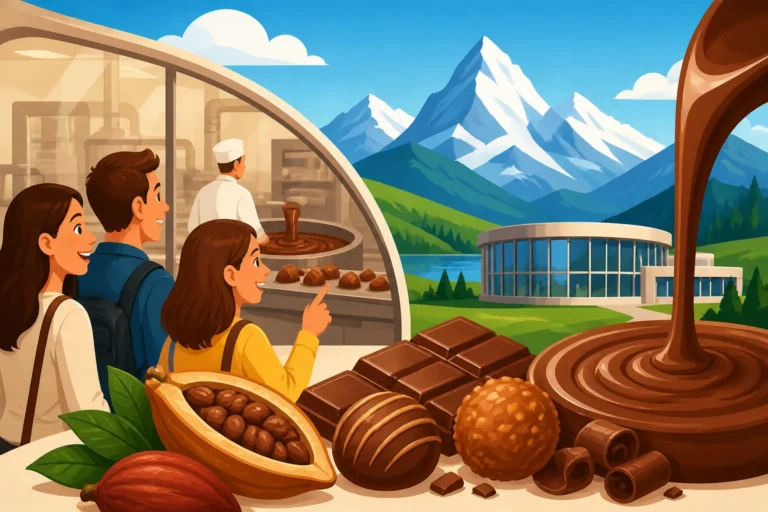
Experiencing Swiss chocolate isn't complete without seeing where the magic happens. Factory tours are a fantastic way to understand the process, smell the incredible aromas, and, most importantly, sample liberally! Just be prepared for potential crowds, especially during peak tourist season.
The Iconic Big Players: Immersive Experiences
Switzerland is home to several world-renowned chocolate brands that offer incredible, often interactive, factory tours. These are generally well-organized, accessible by public transport, and designed to cater to a global audience, often with multilingual exhibits.
One of the most popular is the Lindt Home of Chocolate in Kilchberg, just outside Zurich. This isn't really a "factory" in the traditional sense where you see production lines (though some research and development happens there), but it's an expansive museum and experience center. You’ll walk through the history of chocolate, learn about its journey from bean to bar, and even see the world's largest free-standing chocolate fountain, a true spectacle. The tasting rooms at the end are legendary – you can literally taste as much as you like from various dispensers. It's a fantastic, slightly overwhelming, but ultimately delightful experience, perfect for a rainy afternoon. To get there, you'd typically take a short train ride from Zurich Main Station to Kilchberg, which is easily managed with your standard SBB Travelcards.
Then there's Maison Cailler in Broc, nestled in the picturesque Gruyère region of Fribourg. This is a true factory tour where you journey through a highly theatrical and immersive exhibit, tracing the history of Cailler and Swiss chocolate back to its roots. You’ll witness the actual production process through windows, learning about the ingredients and the careful steps involved. And, of course, the grand finale is an extensive tasting session of Cailler's fresh, creamy chocolates. The location itself is stunning, and it pairs beautifully with a visit to the Gruyères castle and cheese factory nearby for a full day trip. You can often find integrated tour packages on platforms like GetYourGuide that include transport and multiple attractions.
Another notable mention is Chocolat Frey near Aarau, which also offers an interactive museum. It provides insights into the chocolate-making process, allows you to try your hand at being a chocolatier, and has a tasting opportunity. While perhaps less internationally famous than Lindt or Cailler, Frey is a major player in the Swiss market, known for its diverse range of products found in every Migros supermarket.
Smaller, Artisan Factories: Intimate Delights
While the big names offer grand experiences, Switzerland also boasts a wealth of smaller, artisan chocolatiers that often provide a more intimate look at the craft. These aren’t usually "tours" in the same vein as the big factories but rather workshops, demonstrations, or simply exquisite shops where you can see the chocolatiers at work.
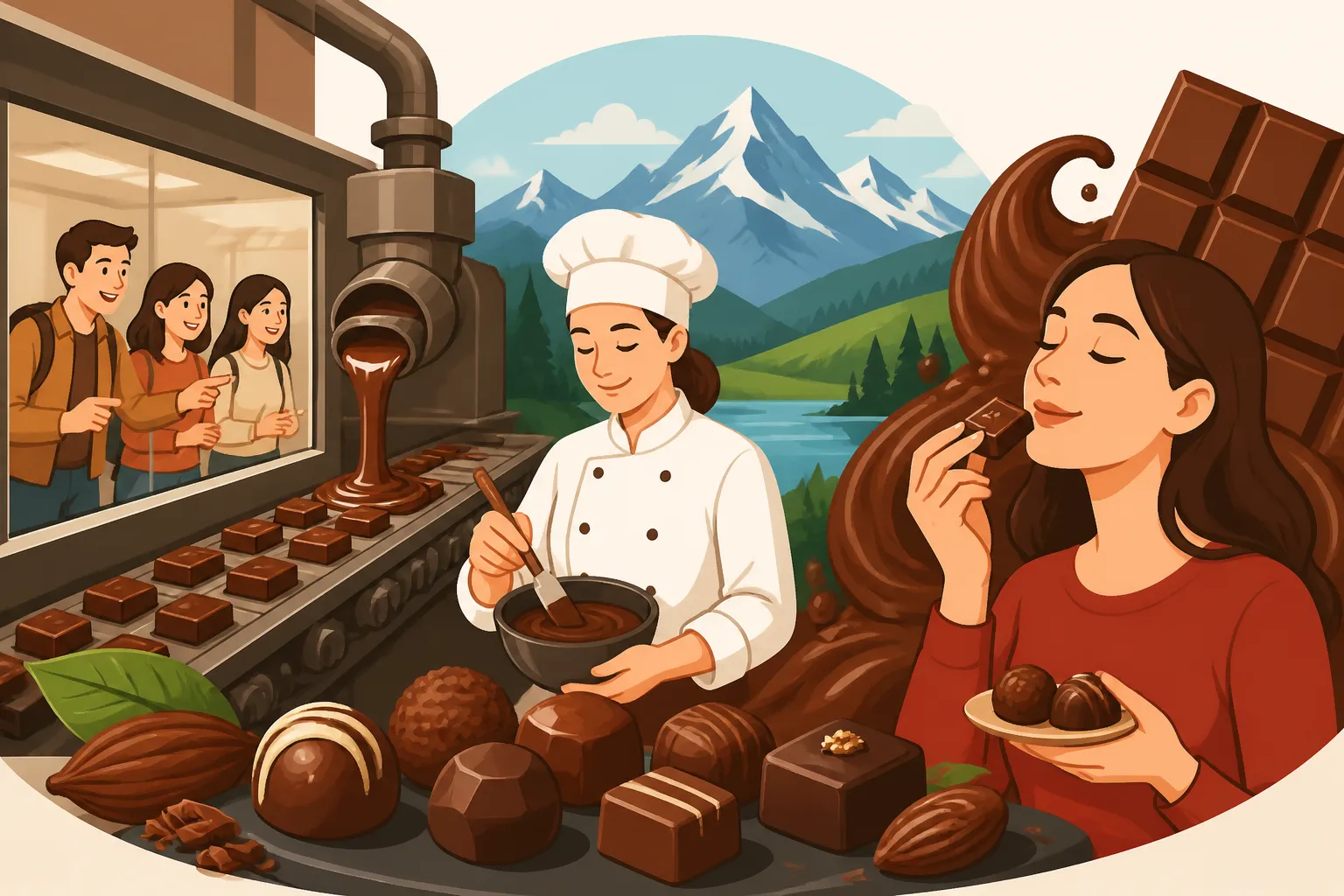
Läderach, for example, famous for its fresh "FrischSchoggi" (fresh chocolate slabs broken into pieces), has a visitor center in Bilten, Glarus. Here, you can watch through glass panels as their skilled chocolatiers create their masterpieces, often incorporating nuts, fruits, and other delectable toppings right before your eyes. It’s less about history and more about appreciating the artistry and freshness. They also offer workshops where you can create your own chocolate.
In urban centers like Zurich or Geneva, you'll find numerous high-end chocolatiers such as Confiserie Sprüngli on Bahnhofstrasse, where you can watch pastry chefs put the finishing touches on their exquisite Luxemburgerli macarons and pralines. While not a "factory tour," observing the precision and dedication in these open kitchens is a mini-masterclass in itself. These places offer a glimpse into the meticulous world of Swiss confectionery that the larger tours can sometimes miss.
If you're looking for something truly hands-on, consider a chocolate-making workshop. Many smaller chocolatiers, particularly in tourist-heavy areas, offer these experiences. You get to learn techniques, pipe your own pralines, and take home your creations. It's an unforgettable way to connect with the craft and a unique souvenir. You might find listings for these workshops through Omio or GetYourGuide if you're planning your trip.
Planning Your Visit: Booking, Logistics, and What to Expect
Planning your chocolate pilgrimage requires a bit of foresight, especially during peak seasons like summer, Christmas, or school holidays.
- Booking is Essential: For popular factory tours like Lindt Home of Chocolate and Maison Cailler, booking your tickets online well in advance is highly recommended. Slots, especially for English tours, can fill up quickly. Many tours are timed entry, so showing up without a reservation can lead to long waits or disappointment.
- Location and Transport: Most major chocolate factories are accessible via public transport. Use the SBB website or app to plan your journey. For example, to visit Maison Cailler, you'd typically take a train to Broc-Fabrique station. If you’re planning a day trip that combines a factory with other attractions, such as the cheese factory in Gruyères, checking comprehensive travel options on Omio can be very helpful for planning your train connections. Remember that Switzerland has excellent public transport, but some of the smaller, more rural locations might require a bit more planning.
- Duration and Cost: Expect to spend anywhere from 1.5 to 3 hours at a major chocolate factory experience. Ticket prices vary but generally range from CHF 15-30 for adults. Workshops at artisan chocolatiers can be significantly more expensive, often starting from CHF 50-100 per person, but they offer a much more personalized and hands-on experience.
- What to Expect:
- Immersion: Prepare for interactive exhibits, multimedia presentations, and sometimes even short films.
- Aromas: The smell of chocolate will hit you the moment you step inside. It's glorious.
- Tasting: This is the highlight for many! Don't be shy; try everything offered. Most places provide water to cleanse your palate. My advice: pace yourself. It’s easy to get carried away and end up with a sugar rush (or worse, a sugar crash) halfway through.
- Gift Shops: Be warned – the gift shops at the end are expertly designed to tempt you with exclusive products, freshly made chocolates, and souvenirs. Set a budget if you're prone to impulse buys!
Here's a quick comparison of some popular factory tours:
| Factory Name | Location | Typical Duration | Focus | Approximate Adult Price (CHF) | Booking Recommendation |
|---|---|---|---|---|---|
| Lindt Home of Chocolate | Kilchberg (ZH) | 1.5 – 2 hours | History, Bean-to-Bar Process, World's Largest Fountain | 15 – 20 | Essential, especially for specific time slots. Consider combination tickets via GetYourGuide. |
| Maison Cailler | Broc (FR) | 2 – 2.5 hours | Historical Storytelling, Live Production, Regional Ties | 15 – 20 | Highly recommended, particularly in peak season. Often combined with Gruyères Castle/Cheese. |
| Chocolat Frey | Buchs (AG) | 2 – 3 hours | Interactive Museum, DIY Chocolate Workshop | 12 – 18 (tour) / 50+ (workshop) | Advised for workshops. Check their website for specific availability. |
| Läderach Chocolaterie | Bilten (GL) | 1 – 1.5 hours | Live Chocolatier Demonstrations, FrischSchoggi | Free (shop/viewing) / 50+ (workshop) | Workshops require booking. Entry to viewing area/shop is usually free. |
Prices are approximate and subject to change.
Mastering the Art of Swiss Chocolate Tasting
You might think tasting chocolate is simple: you eat it, you like it. But like a fine wine, Swiss chocolate offers a spectrum of flavors and textures that can be truly appreciated with a little mindfulness. As an expat, this is a fun way to dive deeper into a cultural staple.
Understanding Chocolate Varieties and Their Nuances
Before you even take a bite, it helps to understand the fundamental types of chocolate. This isn't just about personal preference; it's about appreciating the craft and the ingredients.
- Milk Chocolate (Milchschokolade): This is arguably the most famous Swiss contribution to the chocolate world. Thanks to Daniel Peter's innovation with condensed milk, Swiss milk chocolate is renowned for its creamy texture and distinct, often caramelly sweetness. It typically has a higher sugar and milk content, making it incredibly smooth and comforting. Brands like Cailler and Milka are classic examples, offering that familiar, melt-in-your-mouth experience.
- Dark Chocolate (Dunkle Schokolade/Chocolat Noir): For the serious connoisseur, dark chocolate is where the true flavor of the cocoa bean shines. Swiss dark chocolates range from 50% cocoa up to 90% or even 100%. The higher the cocoa percentage, the less sugar and milk, resulting in a more intense, complex flavor profile. You'll find notes of fruit, nuts, earth, and even spice. Brands like Lindt's Excellence range offer a fantastic journey through different cocoa percentages and origins. If you're used to very sweet chocolate, gradually increase your cocoa percentage to train your palate.
- White Chocolate (Weisse Schokolade/Chocolat Blanc): Often overlooked, white chocolate technically isn't "chocolate" as it contains no cocoa solids, only cocoa butter, milk, and sugar. However, good quality Swiss white chocolate is rich, creamy, and undeniably delicious. Its purity allows other flavors, like vanilla or berries, to truly stand out. Think of it as a luxurious confection in its own right.
- Grand Cru Chocolate: This term, borrowed from wine, indicates that the cocoa beans for the chocolate come from a specific, high-quality region or single estate, much like a single-origin coffee. Grand Cru chocolates offer unique flavor profiles reflecting their terroir. For example, a Grand Cru from Ecuador might have fruity notes, while one from Madagascar could be more acidic or citrusy. Exploring Grand Cru bars is a fantastic way to deepen your appreciation for cocoa diversity. Many artisanal chocolatiers, and even larger brands like Felchlin, specialize in these sophisticated offerings.
The Tasting Ritual: A Sensory Journey
To truly savor Swiss chocolate, turn it into a deliberate, multi-sensensory experience. It's not about wolfing it down; it's about appreciating every nuance.
- See: Look at the chocolate. Is it glossy? Smooth? Does it have an even color? A well-tempered chocolate will have a beautiful sheen. Any dullness or streaks might indicate improper storage or tempering issues.
- Smell: Break off a piece and bring it close to your nose. Inhale deeply. What aromas do you detect? Is it sweet, fruity, nutty, earthy, smoky? This pre-tasting sniff prepares your palate.
- Snap: Break a piece again. Good quality dark chocolate should snap crisply with a clean break. Milk chocolate will be a bit softer but should still have some resistance. This tactile experience adds to the enjoyment.
- Melt: Place the piece of chocolate in your mouth and let it slowly melt on your tongue. Don't chew it right away! This allows the cocoa butter to release its full range of flavors. Notice the texture – is it smooth, velvety, gritty? As it melts, new flavors will emerge.
- Savor: Pay attention to the "finish" – how long do the flavors linger after the chocolate has melted? A long, pleasant finish is a sign of high-quality chocolate. Reflect on the journey of flavors you just experienced. Did it start sweet and end bitter? Were there different notes at the beginning, middle, and end?
Pairing Swiss Chocolate with Drinks
Just like wine and cheese, chocolate can be expertly paired with beverages to enhance its flavors. This is where you can truly impress your Swiss friends!
- Coffee: A classic pairing. Darker chocolates (70% cocoa and above) can stand up to the robust flavors of a strong espresso or a rich filter coffee. The bitterness of the chocolate and coffee can complement each other, with the coffee bringing out deeper, earthier notes in the chocolate. For milk chocolate, a lighter roast coffee or a creamy latte can be a delightful match.
- Wine: This might surprise some, but wine and chocolate can be a sublime combination. The key is to match the intensity.
- Dark chocolate: Pairs well with bold, fruit-forward red wines like Syrah, Zinfandel, or even a rich Port. The dark fruit notes in the wine can highlight similar undertones in the chocolate.
- Milk chocolate: Sweeter wines are generally better here. Think about a late-harvest Riesling, a Muscat, or even a lighter Pinot Noir.
- White chocolate: Often best with sparkling wines, Moscato d'Asti, or even a fruity rosé.
- Avoid dry red wines with very dark chocolate, as the tannins can clash and create an unpleasant metallic taste.
- Whisky or Rum: For a truly decadent experience, a good single malt Scotch or a rich, aged rum can be an incredible partner for a high-quality dark chocolate. The warmth of the spirit and the complex flavors of the chocolate can create a sophisticated symphony on the palate.
- Water: Don't forget the simplest cleanser! Still water is essential to refresh your palate between different chocolate varieties, allowing you to fully appreciate each one. Many tasting experiences will provide this naturally.
Beyond the Big Names: Discovering Boutique Chocolatiers
While the large factories provide a fantastic overview, Switzerland's true chocolate heart often beats in its smaller, independent chocolatiers. These are the places where innovation meets tradition, and where you'll find truly unique and handcrafted masterpieces.
Local Gems and Artisanal Creations
Every major Swiss city, and indeed many smaller towns, boasts incredible local chocolatiers who often create seasonal, artistic, and unique treats. These aren't typically places you "tour," but rather boutiques where you can marvel at the display, chat with the staff, and select individual pralines or exquisite bars.
In Zurich, beyond the famous Sprüngli, you have places like Teuscher, known for its champagne truffles (a truly decadent experience, but be prepared for the price tag!). Or Honold, another venerable institution with an incredible selection of cakes, pastries, and, of course, chocolates. Walking into these shops, especially around Christmas or Easter, is like stepping into a confectionery wonderland. The attention to detail in their window displays alone is often breathtaking. These are the kind of places where you go when you want to buy a really special gift, or simply treat yourself to something extraordinary.
In Geneva, Du Rhône Chocolatier is a historic establishment that has been crafting fine chocolates since 1875, famous for its "Mocca Glacé" and a wide array of exquisite pralines. And in Lausanne, Blondel is another gem, known for its creative flavor combinations and beautifully packaged products. Visiting these places is a different experience from a factory tour; it's about the retail artistry, the scent of fresh chocolate, and the careful selection of a few perfect pieces.
Don't be afraid to ask for recommendations from locals or explore the lesser-known streets in the old town centers. You might stumble upon a small, family-run business that has been perfecting its recipes for generations. These are often the places where you'll find the most authentic and memorable chocolate experiences. Many small towns also have their own local bakeries (Bäckerei/Boulangerie) that often sell their own artisanal chocolates and pralines, which are often excellent quality and a lovely regional touch.
Seasonal Specialties and Limited Editions
One of the delights of discovering boutique chocolatiers is their responsiveness to the seasons and local events. This is where you’ll find truly unique and ephemeral creations.
- Seasonal Flavors: As autumn turns to winter, you might find chocolates infused with cinnamon, gingerbread spices, or roasted chestnuts. Spring often brings lighter, fruitier notes – think raspberry ganache or lemon-infused pralines. Around Easter, shops are filled with intricately decorated chocolate bunnies and eggs of all sizes, and at Christmas, you’ll see chocolate Santas, stars, and even entire chocolate nativity scenes. These seasonal offerings are a fantastic way to experience the local culture through taste.
- Limited Edition Creations: Many artisan chocolatiers love to experiment, releasing limited edition bars or pralines with unusual flavor combinations or special bean origins. This could be anything from a unique Grand Cru single-origin bar to a praline with an unexpected herb infusion. Keep an eye out for these; they are often a testament to the chocolatier’s skill and creativity, offering a tasting experience you won't find anywhere else. These are also often the perfect excuse to pop into a shop and try something new each month, especially if you're living here long-term.
- Local Ingredients: Some chocolatiers pride themselves on incorporating local Swiss ingredients beyond just milk. You might find bars with Alpine herbs, local fruit brandies, or even honey from specific Swiss regions. This connection to local terroir makes the chocolate even more special and distinctive.
When shopping at these smaller establishments, don't hesitate to ask questions. Most chocolatiers or their staff are passionate about their craft and happy to share details about ingredients, origins, and their creative process. This interaction is part of the charm and adds a deeper layer of appreciation to your chocolate purchase. It's a great way to practice your German or French too!
Bringing Home the Sweetness: Buying and Gifting Swiss Chocolate
After all that exploring and tasting, you’ll undoubtedly want to take some of that Swiss deliciousness home, whether for yourself or as gifts. But where’s the best place to buy it, and what do you need to know about getting it across borders?
Where to Buy Authentic Swiss Chocolate
The good news is that Swiss chocolate is ubiquitous, but the best place to buy depends on your priorities: price, selection, or exclusivity.
- Supermarkets (Coop, Migros, Denner, Aldi, Lidl): For everyday consumption and budget-friendly options, Swiss supermarkets are your best friend. Coop and Migros, the two largest chains, have extensive chocolate aisles featuring brands like Cailler, Lindt, Frey, Ragusa, and Toblerone. You'll find a huge variety of bars, small boxes of pralines, and seasonal items. Denner, Aldi, and Lidl offer even more economical choices, sometimes including their own private label Swiss chocolate, which can be surprisingly good. This is where most locals buy their chocolate for home.
- Chocolate Boutiques and Specialty Stores: For high-end gifts, artisanal creations, or specific luxury brands, head to dedicated chocolate shops like Sprüngli, Teuscher, or Du Rhône. These are often pricier but offer unparalleled quality, exquisite packaging, and a level of artistry you won't find elsewhere. You can pick and choose individual pralines, ensuring a perfectly customized box. These stores are typically located in city centers or upscale shopping districts.
- Duty-Free at Airports/Train Stations: If you’re flying out of Switzerland, duty-free shops at Zurich or Geneva airports often have a decent selection of popular Swiss chocolate brands, including some larger-format bars or gift sets not always available in regular stores. Prices can sometimes be competitive, especially for bulk purchases, but always compare with supermarket prices if you have time. Major train stations also have shops that carry popular brands.
- Factory Shops: As mentioned earlier, the factory shops at places like Lindt Home of Chocolate or Maison Cailler offer the freshest products, often with exclusive items or bulk discounts. If you’ve visited a factory, it’s a natural place to stock up.
When buying, remember that Swiss chocolate is fresh. It’s not meant to sit on a shelf forever, especially the artisanal kinds with fresh cream ganaches. Look for "best before" dates, though for high-quality chocolate, usually the fresher, the better.
Navigating Customs and Travel Restrictions for Chocolate
Generally, bringing chocolate across borders, especially within the EU, is not a problem. However, there are a few things to keep in mind, particularly for larger quantities or travel outside Europe.
- Quantity Limits: Most countries have duty-free limits on goods, often based on value. For personal consumption and gifts, a reasonable amount of chocolate (a few kilograms) should be fine without attracting customs attention. If you're buying truly massive quantities (e.g., for resale), you might run into issues and be subject to duties. Always check the customs regulations of your destination country, especially if you're traveling outside the Schengen area.
- Temperature: Chocolate, especially milk and white chocolate, is sensitive to heat. If you're traveling in summer, consider how you’ll transport it. A well-insulated bag (perhaps with a small ice pack, though this can introduce moisture) is advisable for longer journeys to prevent it from melting into an unappetizing block. Nobody wants sad, melted chocolate.
- Packaging: Good quality chocolate is usually well-packaged, but for delicate pralines or artisanal pieces, ensure they are securely boxed to prevent crushing during transit. You don't want your beautifully crafted treats arriving as a pile of crumbs.
Storing Your Swiss Chocolate Treasures
To keep your Swiss chocolate tasting its best, proper storage is key. Treat it with the respect it deserves!
- Cool, Dark Place: The ideal storage temperature for chocolate is between 15-18°C (59-64°F). It should be kept in a cool, dark place, away from direct sunlight or strong odors. A pantry or a cool cupboard is usually perfect.
- Avoid the Fridge (Mostly): While tempting, the refrigerator is generally not ideal for storing chocolate. The humidity can cause "sugar bloom" (a white, powdery film on the surface, harmless but affects texture and appearance), and chocolate can absorb odors from other foods. If you absolutely must refrigerate it (e.g., during a heatwave), wrap it tightly in foil or an airtight container, and let it come to room temperature slowly before eating to prevent condensation.
- Airtight is Best: Chocolate can absorb ambient odors, which can spoil its delicate flavor. Always keep it in its original packaging, or transfer it to an airtight container or zip-top bag if opened.
- Shelf Life: High-quality dark chocolate can last for a year or even longer if stored correctly. Milk and white chocolates, due to their higher milk and sugar content, have a shorter shelf life, usually around six to nine months. Artisanal chocolates with fresh cream or fruit fillings are highly perishable and should be consumed within a few days or weeks, as indicated by the chocolatier. These are often best eaten within a few days, so don’t hoard them!
DIY Swiss Chocolate Experiences and Classes
Beyond simply visiting factories and buying bars, you can get truly hands-on with Swiss chocolate. These experiences are particularly memorable, offering a deeper connection to the craft and a unique souvenir: your own delicious creations!
Hands-On Chocolate Workshops and Courses
If you've ever dreamed of becoming a chocolatier, even just for a day, Switzerland offers plenty of opportunities. These workshops are a fantastic way to understand the process, get messy, and really appreciate the skill involved.
- What to Expect: Chocolate workshops typically involve learning basic tempering techniques (getting the chocolate to that perfect glossy snap), making your own chocolate bars with various inclusions, or piping and decorating pralines and truffles. You’ll usually be guided by an experienced chocolatier who shares tips and tricks.
- Popular Options:
- Funky Chocolate Club in Interlaken: This is a very popular, lively option, especially with tourists and younger crowds. They offer "Chocolate Show" workshops where you learn about chocolate, get to make your own creations, and, of course, taste a lot. It’s a great activity if you're in the Jungfrau Region, perhaps combining it with a day exploring the mountains.
- Chocolate Museums/Factories: Many of the larger visitor centers, like Chocolat Frey, offer workshops alongside their museum tours. These often focus on more structured lessons in chocolate making.
- Local Chocolatiers: Look for smaller, independent chocolatiers in cities like Zurich, Geneva, or Basel. They might offer more intimate, personalized classes, sometimes even teaching specific techniques like working with ganache or creating filled chocolates. Searching for "Chocolatier Kurs Zürich" or "atelier chocolat Genève" can yield excellent results.
- Booking and Cost: Workshops usually require advance booking, especially for weekend slots. Prices can vary significantly based on duration, class size, and what you get to make and take home, but expect to pay anywhere from CHF 50 to CHF 150+ per person. It’s a bit of an investment, but the experience and the resulting treats are well worth it. You might find listings and booking options for these unique activities on platforms like GetYourGuide, which often curates local experiences.
These classes are not just for kids; many adults find them incredibly rewarding. It's also a fantastic group activity for friends, families, or even corporate team-building. Plus, you get to take home all your handmade goodies, which make for very personal and delicious gifts (if you don't eat them all first!).
The Joy of DIY Chocolate Fondue and Hot Chocolate
Even if a formal workshop isn't in the cards, you can still bring the Swiss chocolate experience home with some delightful DIY projects, perfect for a cozy evening or a gathering with friends.
- Chocolate Fondue: A social and delicious dessert! All you need is a fondue pot, high-quality Swiss chocolate (milk or dark work best), and a splash of cream or milk to get the right consistency. Melt the chocolate slowly over a low heat, stirring constantly, until smooth and luscious. Then, gather your dippables: fresh fruit (strawberries, banana, apple slices), marshmallows, small pieces of cake, or even savory pretzels for a sweet and salty kick. It's interactive, fun, and creates a wonderfully indulgent atmosphere. You can easily find high-quality chocolate bars suitable for fondue in any Coop or Migros.
- Gourmet Hot Chocolate (Heisse Schokolade/Chocolat Chaud): Forget the powdered stuff! Making proper Swiss hot chocolate is a simple luxury.
- Start with good quality chocolate: Roughly chop a good milk or dark chocolate bar (around 30-50g per cup).
- Heat milk: Gently heat a cup of full-fat milk in a saucepan until simmering, but not boiling.
- Melt in chocolate: Remove from heat and stir in the chopped chocolate until completely melted and smooth. For an extra rich touch, add a dollop of cream.
- Serve: Pour into a mug and top with whipped cream, cocoa powder, or a sprinkle of cinnamon. Some people even like to add a shot of Kirsch (cherry brandy) for an adult version.
This homemade hot chocolate is miles apart from any instant mix and truly highlights the creaminess and quality of Swiss chocolate. It’s a wonderful way to warm up after a day of exploring, perhaps after a winter hike.
Pairing with Other Swiss Delights
Swiss chocolate, while incredible on its own, also shines when paired with other iconic Swiss products.
- Cheese: Yes, you read that right! While it sounds unconventional, certain cheese and chocolate pairings can be sublime. A sharp, aged Gruyère or Appenzeller can be surprisingly good with a rich, dark chocolate. The saltiness and nutty notes of the cheese often complement the bitterness and complexity of the cocoa. Don't knock it 'til you try it!
- Swiss Wine: As mentioned in the tasting section, certain Swiss wines can be excellent partners. For instance, a sweet white Fendant from Valais can be lovely with a fruity milk chocolate, while a robust Pinot Noir from the Bündner Herrschaft could stand up to a higher-percentage dark chocolate. Exploring Swiss wines can be an adventure in itself, and finding the perfect chocolate pairing is a delicious bonus. You can learn more about this in our guide to Swiss Wine Regions: Valais, Vaud, Geneva, and Ticino Explained.
- Coffee and Bread: A warm cup of good Swiss coffee and a slice of Zopf (braided bread) with a piece of dark chocolate is a simple yet perfect Swiss "Znüni" (mid-morning snack) or "Zvieri" (mid-afternoon snack). The freshness of the bread and the bitterness of the coffee beautifully balance the richness of the chocolate.
These pairings offer a holistic Swiss culinary experience, showing how different elements of Swiss gastronomy can come together to create something truly memorable. Whether you're making your own treats or enjoying professionally crafted pairings, it's all part of the sweet journey of living in Switzerland.
Frequently Asked Questions About Swiss Chocolate
As an expat, you’re bound to have a few questions about this national obsession. Let's tackle some common queries that often pop up.
Is Swiss Chocolate Really the Best?
This is a hotly debated topic among chocolate aficionados! While "best" is subjective, there's no denying that Swiss chocolate holds a truly revered place globally, and for very good reasons rooted in its history and production methods.
- Quality of Ingredients: Swiss chocolatiers are renowned for using high-quality ingredients. This means carefully selected cocoa beans, often from specific origins, and critically, excellent Swiss milk. The pristine Alpine environment provides high-quality milk that contributes to the exceptionally creamy texture and distinct flavor profile of Swiss milk chocolate.
- Refinement Process: The Swiss perfected key chocolate-making processes. Rodolphe Lindt's invention of conching, for example, transformed chocolate from a coarse, gritty paste into the smooth, melt-in-your-mouth delight we all cherish. This extensive grinding and mixing process ensures an unparalleled texture.
- Tradition and Expertise: Switzerland has a long-standing tradition of chocolate making, with generations of chocolatiers passing down their expertise. This commitment to craft and continuous innovation has maintained their reputation for excellence.
- Variety and Innovation: Beyond the traditional milk chocolate, Swiss chocolatiers excel in producing a vast array of dark chocolates, pralines, truffles, and innovative flavor combinations. From the classic Ragusa bar with its whole hazelnuts and praline filling (a favorite among many locals) to the refined artistry of Confiserie Sprüngli, there's something for every palate.
So, while "best" might be a personal call, Swiss chocolate undoubtedly sets a very high benchmark for quality, creaminess, and innovation in the global chocolate industry. It’s not just hype; it’s a tangible culinary achievement.
How Can I Spot Fake Swiss Chocolate or Tourist Traps?
Unfortunately, with such a strong reputation, some less-than-authentic products can try to cash in on the "Swiss chocolate" name. As an expat, it's helpful to know what to look for.
- Check the Label: "Made in Switzerland" vs. "Swiss Recipe": The most important thing to look for is "Made in Switzerland" or "Fabriqué en Suisse" (French), "Hergestellt in der Schweiz" (German), or "Prodotto in Svizzera" (Italian). This guarantees that the chocolate was actually produced here. Some cheaper brands might say "Swiss recipe" or "Swiss style," implying a connection but meaning it could have been made anywhere.
- Ingredients List: Genuine Swiss chocolate, especially milk chocolate, will prominently feature milk. Look for cocoa butter, cocoa mass, sugar, and milk (or milk powder) as primary ingredients. Avoid products with excessive fillers, artificial flavors, or vegetable fats other than cocoa butter, especially if they are trying to pass themselves off as premium.
- Price Point: While you can find good value chocolate in Swiss supermarkets, genuinely high-quality, artisanal Swiss chocolate is not cheap. Be wary of extremely low prices for what purports to be gourmet Swiss chocolate; it's often too good to be true. Expect to pay a bit more for quality.
- Appearance: As discussed in the tasting section, good quality chocolate should have a glossy sheen and a clean snap. If it looks dull, streaky, or has a crumbly texture before you even break it, it might not be the best quality.
- Tourist Shops vs. Local Stores: While many souvenir shops sell Swiss chocolate, they often focus on popular, mass-produced brands at inflated prices. For better value and more authentic options, stick to supermarkets, specialized chocolate boutiques, or factory shops. If you're looking for genuine regional specialties, check out a Swiss Farmers' Market.
Can I find Vegan or Specialty Diet Swiss Chocolate?
Absolutely! As dietary preferences evolve, so does the Swiss chocolate industry. You’ll find an increasing array of options for various needs.
- Vegan Chocolate: Many brands now offer delicious vegan chocolate, often using oat milk or almond milk as a dairy alternative, or simply focusing on high-quality dark chocolate (which is naturally vegan if it doesn't contain milk solids). Look for labels like "vegan" or "plant-based" on packaging. Large supermarkets (Coop, Migros) have dedicated sections, and many smaller, health-conscious stores will also stock them. Brands like Lindt and Minor (another Swiss classic) have introduced popular vegan lines.
- Gluten-Free: Most plain chocolate (dark, milk, white) is naturally gluten-free. However, be cautious with chocolates that contain additives like cookies, wafers, or certain fillings. Always check the ingredient list for explicit gluten-free certification if you have a severe allergy. The vast majority of standard Swiss chocolate bars are typically gluten-free, but cross-contamination is always a possibility in facilities that process other products.
- Sugar-Free / Low-Sugar: For those managing sugar intake, sugar-free or low-sugar chocolate options are also available. These often use sugar substitutes like maltitol or stevia. Again, check the labels carefully. Brands like Chocolat Villars and Minor offer good quality sugar-free options.
- Nut-Free / Allergen-Free: This is a trickier area. While some chocolates may be made without nuts as an ingredient, cross-contamination warnings are common due to shared production lines. If you have a severe nut allergy, always look for explicit "nut-free" certification or consult the manufacturer's website for allergen information. For mild sensitivities, many Swiss brands are very transparent about potential allergens.
The demand for these specialty chocolates is growing, so if you don't immediately find what you're looking for, ask in a larger supermarket or a specialty food store. The Swiss take their food quality seriously, and this extends to catering to diverse dietary needs.
Disclaimer
Please remember that information regarding opening hours, ticket prices, and specific tour availability for chocolate factories and shops can change. We always recommend checking the official websites of the establishments and booking platforms like Omio, GetYourGuide, and Booking.com directly for the most up-to-date details before planning your visit. This guide provides general advice and recommendations based on common expat experiences in Switzerland.