Public Holiday Closures in Switzerland: What to Expect
Ah, the Swiss public holiday. It sounds simple, doesn't it? A day off, perhaps a long weekend, time to explore this beautiful country. But for us expats, it quickly becomes a frustrating dance of deciphering cantonal calendars, figuring out what's actually open, and desperately trying to remember to stock up on groceries before everything shuts down. This guide is here to shed some light on the often-confusing world of public holiday closures in Switzerland, so you can plan your days off with confidence, or at least, without an empty fridge.
The Swiss Public Holiday Landscape: A Cantonal Jigsaw Puzzle
One of the first things you learn when you move to Switzerland is that "Switzerland" isn't one monolithic entity; it's a confederation of 26 fiercely independent cantons, each with its own quirks, rules, and yes, its own set of public holidays. What might be a bustling Monday in Geneva could be a ghost town Tuesday in Zurich, and a quiet Wednesday in Ticino. This patchwork system means that understanding public holidays requires a bit more effort than simply looking at a national calendar. You're not just moving to Switzerland; you're moving to a specific canton, and that canton’s rules dictate your days off.
For newcomers, this can be incredibly disorienting. You might assume, like I did, that a public holiday is a public holiday everywhere. Oh, how naive! I once planned a lovely day trip only to find that half the shops were open because I'd crossed a cantonal border, and what was a holiday where I lived wasn't one just an hour away. It’s a classic expat lesson learned the hard way – always check your local canton’s calendar, and then double-check the canton you’re visiting.
National Holidays: The Few, The Proud, The Universally Observed
While much of the Swiss holiday schedule is fragmented, there are a handful of days that the entire country (or at least, the vast majority of cantons) universally observes as non-working days. These are your true "everything closes" days, and they are precious. Knowing these national staples is your first step to navigating the Swiss holiday calendar.
The really big ones that almost everyone gets off are New Year's Day (January 1st), Swiss National Day (August 1st), and Christmas Day (December 25th). These are the days when you can pretty much guarantee that government offices, banks, post offices, and the vast majority of shops will be firmly shut. It's akin to Christmas Day or New Year's Day in many other countries – a time for quiet reflection, family, or perhaps a brisk walk in nature. On these days, even public transport might run on a reduced schedule, so if you’re planning any travel, checking the SBB timetable well in advance is essential. For more details on these days and others, our guide on Public Holidays in Switzerland: National and Cantonal Days Off provides a comprehensive overview.
Cantonal and Regional Holidays: The Local Labyrinth
Beyond the few national holidays, each canton and even some municipalities have their own additional days off, often rooted in historical, religious, or local traditions. This is where the real "jigsaw puzzle" comes into play and where expats often get caught out. For example, if you're in a German-speaking canton like Bern, you might observe Berchtoldstag on January 2nd, a day unknown to many in the French-speaking parts. Conversely, if you reside in Geneva, the Jeûne Genevois (Genevan Fast) in September is a distinct local holiday, deeply ingrained in its Protestant history, and practically unheard of elsewhere.
These regional holidays profoundly impact daily life. Businesses in that specific canton or region will close, meaning local shops are shut, and administrative offices are locked. If your workplace is in a canton observing a holiday, but you commute from one that doesn't, you get the day off! If it's the other way around, well, tough luck, you're likely working while your neighbours are enjoying a leisurely morning. It pays to truly understand your local calendar, as well as those of neighboring cantons if you frequently cross borders for work or leisure. It's worth noting that even within a canton, a particular commune might observe a local saint's day, adding yet another layer of complexity. This hyper-local nature really underscores the unique federal structure of Switzerland and impacts everything from your commute to when you can buy groceries.
What Actually Closes? Your Guide to Shops, Services, and Transport
The Swiss generally take their public holidays very seriously. Unlike some countries where a public holiday might mean slightly reduced hours or just government offices closing, in Switzerland, it often translates to a widespread shutdown of commercial activity. This commitment to 'Ruhe' (peace/quiet) on holidays, particularly Sundays, extends to public holidays, making planning essential. Expect the general rule of thumb to be: if it's not absolutely necessary, it's probably closed.
I've learned this the hard way more times than I care to admit. Once, I had a sudden craving for a specific ingredient for dinner, completely forgot it was a public holiday, and found myself staring at closed supermarket doors across the entire city. It felt like a scene out of a post-apocalyptic movie, just with beautifully clean streets and chirping birds. This is not a country where you can rely on last-minute convenience on a public holiday, so prepare yourself mentally and logistically.
Retail and Groceries: The Sunday Shopping Rules on Steroids
On public holidays, virtually all regular retail shops and supermarkets are closed. Think of it like a Sunday, but even more so. This means no spontaneous trips to Migros or Coop for fresh bread, no running to the hardware store for that DIY project, and certainly no browsing the boutiques. The major chains like Migros, Coop, Denner, Aldi, and Lidl will all have their doors firmly shut. This is one of the biggest adjustments for expats coming from countries with 24/7 shopping habits.
However, there are a few lifelines, thankfully! Shops located in major train stations (like Zurich Hauptbahnhof, Geneva Cornavin, or Basel SBB) often remain open, albeit with slightly reduced hours. These usually include smaller versions of Coop or Migros, bakeries, and kiosks, which are a true godsend for emergency purchases. Airport shops also tend to operate on holidays, and you might find a sparse selection of essentials at gas station mini-marts. But don't expect a full grocery run from these options; they're for true emergencies. If you need to plan your meals, make sure you've done your big shop the day before the holiday. To help you plan your shopping sprees, check out our detailed guide on Grocery Shopping: Coop, Migros, Aldi, Lidl, and Denner Compared. Knowing these exceptions is crucial, especially if you suddenly remember you're out of milk for your morning coffee on a quiet holiday.
Banks, Post Offices, and Public Services: Don't Even Try
When it comes to essential services like banking, postal services, and government administrative offices, public holidays mean a complete shutdown. Banks will be closed, so don't plan on visiting a branch or expecting transactions to clear on these days. Post offices, much like banks, are universally shut. If you need to send a package, pick up mail, or deal with any postal service, you'll need to do it before the holiday or wait until the next business day. This is particularly important if you're expecting important documents or need to send anything time-sensitive. Our guide on the Swiss Postal Service (Die Post): Delivery Rules and Forwarding Addresses can help you understand these services better.
Similarly, all levels of government administration – from your local Gemeinde or commune office to cantonal and federal agencies – will be closed. This includes immigration offices, tax offices, and driving license authorities. Essentially, if it's a bureaucracy, it's not working. This really drives home the need to plan ahead for any administrative tasks you might have, especially when you're navigating the initial setup phase as an expat. You cannot walk into a Kreisbüro on a holiday to register your address, no matter how urgent it feels!
Restaurants, Cafes, and Tourist Attractions: A Mixed Bag
Unlike shops and administrative services, the hospitality and tourism sectors tend to be more active on public holidays. After all, people have time off and want to enjoy themselves! Most restaurants and cafes will be open, and many will even be busier than usual. However, it’s always a good idea to check opening hours in advance and, for popular spots, making a reservation is almost certainly a must. I've had many a pleasant holiday meal out, but only after carefully securing a table days before. This sector, especially in tourist hubs, usually sees public holidays as an opportunity, not a reason to close. For tips on dining out, our guide on Dining Out in Switzerland: Reservations, Tipping, and Mealtimes is a useful resource.
Tourist attractions like museums, art galleries, mountain railways, cable cars, and popular natural sights (like the Rhine Falls or local gorges) are generally open. These places thrive on leisure visitors, so they usually operate on their regular weekend schedules or even extend hours to accommodate the influx of people with free time. This makes public holidays perfect for exploring. If you're looking for ideas, you might find inspiration in our comprehensive guide to Exploring Switzerland: The Complete Travel Guide for Residents (2027). Just double-check their specific websites before heading out, especially for smaller, privately run attractions. For booking these activities or finding unique experiences, platforms like GetYourGuide can be very helpful for checking availability and securing your spots in advance.
Navigating the Closures: Tips for Expats
Living through the initial shock of public holiday closures is a rite of passage for every expat in Switzerland. But once you've adjusted, you'll find that these days can become some of your favorite times here, offering a unique opportunity to slow down and truly enjoy the Swiss way of life. It’s all about preparation and a shift in mindset.
I remember my first year, scrambling every single time a holiday rolled around. Now, it's just part of the rhythm. I mark the cantonal holidays on my kitchen calendar, set reminders for grocery runs, and start dreaming up car-free adventures. It takes a bit of rewiring of your brain, especially if you're used to the convenience of stores being open every day, but it's entirely doable, and frankly, a bit liberating once you get the hang of it.
Planning Ahead: Stocking Up and Checking Schedules
The golden rule for surviving Swiss public holidays: plan, plan, plan! This means doing your grocery shopping a day or two before the holiday. Don't underestimate how quickly the supermarkets fill up on the day before a long weekend. You'll want to avoid the last-minute rush, which can be surprisingly intense. Think about meals for the entire holiday period, as you won't be able to pop out for a forgotten ingredient.
Beyond food, if you rely on public transport for your adventures, always check the SBB website or app for revised schedules. Buses, trams, and trains often run on a Sunday or reduced timetable on public holidays, which can affect your travel times or connections. While trains are incredibly reliable, fewer services mean busier trains, especially if you're heading to popular hiking or skiing destinations. Consider investing in a Half-Fare Travelcard (The Half-Fare Travelcard (Halbtax): The Must-Have Pass for Swiss Residents) or even a Generalabonnement (SBB Travelcards: Is the Generalabonnement (GA) Worth the CHF 4000+ Cost?) if you plan frequent excursions, as these can make travel much more flexible and cost-effective, regardless of the schedule. This forward thinking will save you a lot of stress and hunger pangs!
Embracing the Swiss Pace: What to Do on a Public Holiday
Instead of lamenting the closures, embrace the Swiss philosophy of using public holidays for rest, relaxation, and nature. This is a country designed for outdoor living, and a public holiday is the perfect excuse to explore it.
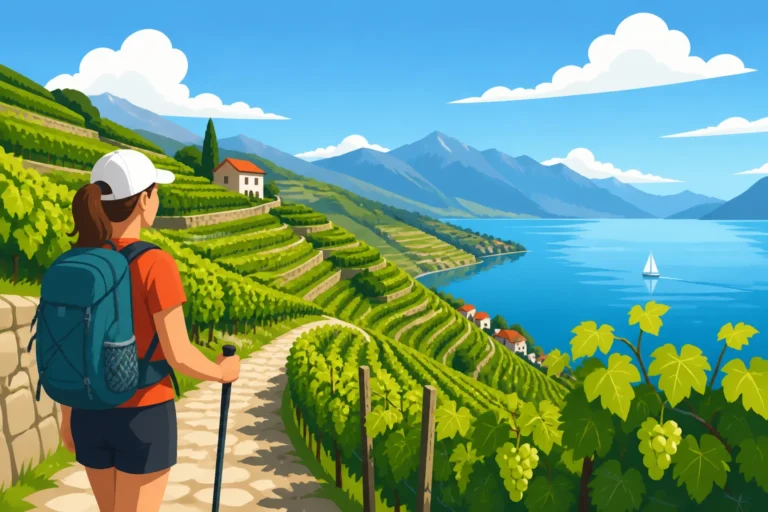
- Hit the Trails: Switzerland boasts an incredible network of hiking trails. Whether you prefer a gentle lakeside stroll or a challenging alpine trek, there's something for everyone. Public holidays are ideal for these excursions, as the fresh air and stunning scenery are always open and free. Many Swiss families head to the mountains or lakes for picnics, walks, or cycling.
- Explore a City (or two!): While shops are closed, the architecture, museums, and historical sites in cities like Bern, Lucerne, or Geneva are often open and can be less crowded. Use Omio to find train tickets for a spontaneous day trip to a new city or an old favorite.
- Indulge in Culture: Many museums and galleries operate on holiday schedules. Check out local listings for special exhibitions.
- Relax at Home: Sometimes, the best way to embrace the quiet is to truly embrace it. Enjoy a quiet morning, cook a nice meal with your pre-shopped ingredients, read a book, or catch up on hobbies. The enforced quiet can be a welcome break from the usual hustle. If you're looking for a change of scenery for a longer break, Booking.com can help you find a cozy spot for a weekend getaway from Switzerland.
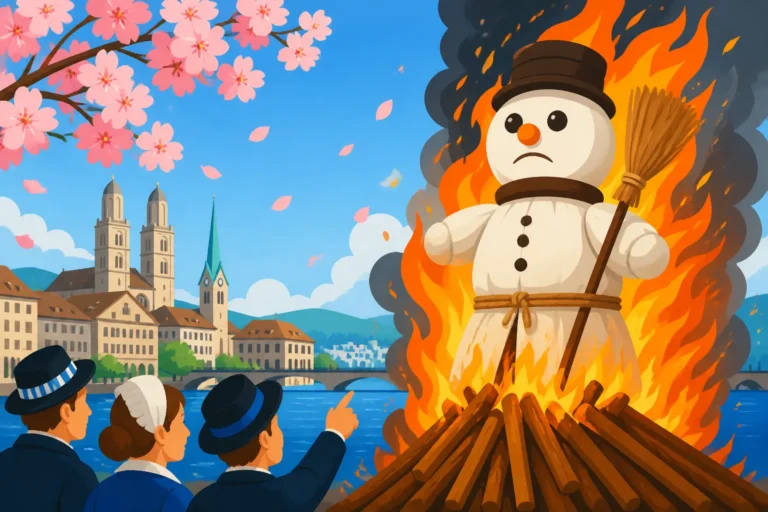
- Discover Local Traditions: Depending on the canton, a public holiday might align with a local festival or tradition. Our guide on Swiss Festivals and Traditions: A Year-Round Cultural Calendar can provide insights into what might be happening near you.
These days are not just about closures; they're an invitation to step away from consumerism and reconnect with what Switzerland does best: beautiful landscapes and a calm, orderly pace of life. Just be mindful of the Swiss Everyday Rules: Recycling, Quiet Hours, and Neighborhood Etiquette to ensure you're a good neighbor.
Work-Life Balance and Your Employment Contract
The way public holidays impact your work life is an important consideration for expats. In Switzerland, public holidays that fall on a weekday are typically paid days off. However, if a public holiday falls on a weekend (Saturday or Sunday), it is generally "lost" – meaning you don't get an extra day off in lieu. This can be a bit of a bummer, especially for expats used to different systems where weekend holidays roll over to a weekday. This is enshrined in most employment contracts and collective bargaining agreements (GAVs).
It's crucial to understand your specific cantonal public holidays, as your employer is usually bound by the holidays observed in the canton where your workplace is located. This means if you live in Canton A but work in Canton B, your paid public holidays will be dictated by Canton B’s calendar. Your employer should clearly communicate which holidays apply to you. Some companies, particularly international ones, might offer a slightly different holiday schedule, but this is less common for Swiss-based roles. For a deeper dive into your entitlements, our post on Paid Leave (Ferien): Minimum Days and Corporate Standards will be very helpful in understanding your employment rights regarding time off. Always check your contract and, if unsure, clarify with your HR department.
Key Public Holidays to Watch Out For (and Their Typical Closures)
To make things a bit easier, here’s a table summarising some of the most common public holidays and what you can generally expect in terms of closures. Keep in mind, this is a general overview, and regional variations are significant. Always verify for your specific canton and destination!
| Holiday Name | Date (approx.) | Observed By | Shops/Groceries | Banks/Offices | Restaurants/Attractions | Key Considerations |
|---|---|---|---|---|---|---|
| New Year's Day | Jan 1 | National (mostly) | All closed | All closed | Many open, reservations key | Very quiet, reduced transport. |
| Berchtoldstag | Jan 2 | Many German-speaking | Closed | Closed | Many open | Regional holiday, check local canton. |
| Good Friday | Variable (Apr) | Many cantons | Closed | Closed | Many open | Religious holiday, not universally observed in all cantons. |
| Easter Monday | Variable (Apr) | Many cantons | Closed | Closed | Many open | Often a long weekend, busy transport. |
| Ascension Day | Variable (May) | National (mostly) | All closed | All closed | Many open, popular for trips | Always a Thursday, often creates a "bridge day" (Brückentag). |
| Whit Monday (Pentecost) | Variable (May/Jun) | National (mostly) | All closed | All closed | Many open | Religious holiday, often a long weekend. |
| Corpus Christi | Variable (Jun) | Catholic cantons | Closed | Closed | Many open | Primarily Catholic cantons (e.g., Lucerne, Ticino, Valais). |
| Swiss National Day | Aug 1 | National | All closed | All closed | Many open | Big celebrations, fireworks! Stock up. |
| Jeûne Genevois | Variable (Sep) | Geneva | Closed | Closed | Many open | Exclusively Geneva, can be confusing for cross-border commuters. |
| Christmas Day | Dec 25 | National | All closed | All closed | Many open, reservations key | Universal closure, very quiet. |
| St. Stephen's Day | Dec 26 | Some cantons | Closed | Closed | Many open | Regional holiday, often observed in German-speaking cantons. |
Winter Holidays: Festive Closures and Cozy Days
The winter months, particularly around Christmas and New Year, bring some of the most universally observed closures. New Year's Day on January 1st is always a complete shutdown, a truly quiet start to the year. In many German-speaking cantons, you'll also find Berchtoldstag on January 2nd, which extends the New Year's break into a second day. This can be wonderful for relaxing at home or hitting the ski slopes, but remember that shops will still be closed.
Christmas Day on December 25th is another big one, where nearly everything grinds to a halt. Families gather, homes are cozy, and the streets are wonderfully silent. Again, train station shops are your only hope for essentials. December 26th, St. Stephen's Day (or Stephanstag), is another regionally observed holiday, particularly in cantons like Zurich and Bern. For expats, this means another day of quiet, another day to enjoy the crisp winter air or simply stay warm indoors. Make sure your fridge is overflowing with festive delights beforehand.
The Spring holidays, particularly Good Friday and Easter Monday, are also widely observed, creating a much-anticipated long weekend for many. These are variable dates, linked to the Easter calendar, so always check the specific year. On these days, you’ll find shops closed across most of the country, while restaurants and tourist attractions generally remain open, especially with the influx of people traveling for the long weekend.
Spring & Summer Holidays: Alpine Adventures and Regional Celebrations
As spring blossoms into summer, Switzerland sees a scattering of holidays that offer great opportunities for outdoor adventures. Ascension Day (always a Thursday in May or early June) is a nationwide holiday. This often creates a "bridge day" (Brückentag) on Friday, which many Swiss take off, turning it into a fantastic four-day weekend perfect for hiking or a Weekend Getaways from Switzerland: Easy Cross-Border Escapes. Whit Monday, also known as Pentecost Monday, follows a similar pattern in late May or early June, being a widely observed day off across most of the country.
Swiss National Day on August 1st is perhaps the quintessential summer holiday. It's universally observed and marked by fireworks, bonfires, and celebrations across the country. It's a day to truly experience Swiss patriotism and community. Shops will be closed, but the festive atmosphere is palpable, especially in smaller towns and villages. Don't forget to stock up on groceries the day before if you're planning a barbecue or picnic to enjoy the festivities.
Finally, you have holidays like Corpus Christi, observed primarily in the historically Catholic cantons such as Lucerne, Uri, and Ticino, offering another day of closures in those specific regions. And, of course, the Jeûne Genevois, an August or September holiday exclusive to Canton Geneva, is a prime example of Switzerland's cantonal diversity. These regional holidays highlight the ongoing need for expats to be hyper-aware of their local calendar.
Understanding these public holiday nuances, with their cantonal variations and predictable closures, is a key step to truly settling into Swiss life. It allows you to plan your time, your shopping, and your leisure activities effectively, transforming potential frustrations into cherished moments of rest and exploration.
Disclaimer
The information provided in this guide is for general informational purposes only and is subject to change. While we strive to ensure accuracy, public holiday dates and specific opening/closing hours can vary by canton, municipality, and individual business. Always consult official cantonal calendars, specific business websites, and public transport schedules (e.g., SBB) for the most up-to-date and precise information. We cannot be held responsible for any inconvenience caused by relying solely on the information presented here.