Renting Ski Equipment in Switzerland: Costs and Where to Book
Alright, my fellow expats and soon-to-be mountain enthusiasts! If you're anything like I was when I first arrived in this stunning, yet sometimes bewildering, country, you're probably dreaming of hitting those pristine Swiss slopes. But then reality sets in, often with a thud louder than a clumsy fall on fresh powder: the cost of everything, especially sports gear. Buying ski equipment here can feel like signing up for a second mortgage, and even renting can seem opaque. Fear not! This comprehensive guide is here to demystify renting ski equipment in Switzerland, breaking down the costs, telling you where to go, and ensuring your first (or fifth) time on the skis is filled with joy, not financial dread.
Why Renting Ski Equipment in Switzerland Makes Sense
Let's be honest, Switzerland isn't exactly known for its bargain basement prices. For those of us who have moved here, we've had to learn to adapt our budgeting skills and often recalibrate our expectations. When it comes to skiing, this holds especially true. While the dream of owning your own top-of-the-line skis might be appealing, for many expats, and even seasoned locals, renting is simply the smarter, more practical choice.
The High Cost of Ownership vs. Rental Flexibility
The initial outlay for a full ski setup – skis, boots, bindings, poles, helmet, goggles, and appropriate clothing – can easily run into thousands of Swiss Francs, even for mid-range equipment. And that's before you factor in things like regular servicing, waxing, and binding checks, which are essential for safety and performance. Then there's the storage dilemma, especially if you're living in a typical Swiss apartment where space is often at a premium. Do you really want bulky ski bags cluttering your small cellar compartment or hallway for nine months of the year?
Renting completely sidesteps these headaches. You pay for what you use, when you use it. This flexibility is a godsend, particularly if you're new to skiing, aren't sure how often you'll go, or if your children are growing faster than a Swiss chalet in springtime. It allows you to try out different types of equipment – maybe carving skis one weekend, freeride skis the next – without committing to a hefty purchase. This way, you can gradually figure out what suits your style and the conditions, making your time on the slopes far more enjoyable and adaptable. Plus, no maintenance worries, no storage issues, just pick up and go!
Trying Different Equipment and Adapting to Conditions
One of the often-overlooked benefits of renting is the sheer variety of equipment at your fingertips. Picture this: you've planned a weekend trip to Zermatt, hoping for fresh powder, but instead, you get hard-packed, icy conditions. If you owned a pair of powder skis, you'd be struggling. But with rental, you can easily swap them out for something more suitable, like a pair of responsive carving skis. This ability to match your gear to the daily snow conditions or your evolving skill level is invaluable.
For beginners, renting is even more crucial. You don't want to invest in expensive beginner skis only to outgrow them halfway through your first season. Rental shops offer specific "beginner" packages with forgiving skis that make learning easier and more enjoyable. As you improve, you can upgrade to "intermediate" or "advanced" sets, gradually progressing without the financial burden of buying new gear every time you level up. It truly allows for a more dynamic and less restrictive skiing journey, letting you explore different facets of the sport at your own pace.
Where to Rent Your Gear: Online, In-Resort, or City Shops?
Now that we've established why renting is often the way to go, let's tackle the where. You've got a few options, each with its own perks and pitfalls, and as someone who's tried them all, I can tell you there's no single "best" choice – it really depends on your plans and priorities.
Dedicated Online Rental Platforms
The digital age has brought ski rental right to your fingertips. Several online platforms allow you to book your equipment in advance, often for pick-up directly at your chosen resort or even in major cities. This can be incredibly convenient, especially during peak season when rental shops can get swamped. You can browse options, compare prices, and pre-select your gear from the comfort of your home, usually benefitting from online discounts.
Some services will even have your gear prepped and ready for you, saving precious time you'd rather spend on the slopes than in a queue. Major players include Intersport Rent and SportXX (part of the Migros group), which have numerous locations across Switzerland. These platforms often integrate well with other travel planning, so once you've sorted your gear, you might use sites like Omio to book your train journey to the Alps, or perhaps GetYourGuide to find a specific ski lesson to go with your rental. Just make sure to read the fine print regarding pick-up locations and return policies, as these can vary.
Local Sports Shops in Cities
You might not think of renting skis in, say, downtown Zurich or Geneva, but many larger sports shops in major cities offer rental services. This option is fantastic for those who live in urban areas and want to pick up their equipment before heading to the mountains. It allows you to get properly fitted without the rush of a busy resort shop and means you can often transport the gear at your leisure, perhaps over a Friday evening.
Stores like SportXX, Ochsner Sport, and smaller independent outfits in cities like Bern or Basel often have a rental fleet. The advantage here is the often less-stressed environment for fittings and sometimes more competitive pricing than in-resort. However, you do then have the responsibility of transporting the skis, boots, and poles to and from the mountain, which can be a bit of a trek on crowded SBB Travelcards: Is the Generalabonnement (GA) Worth the CHF 4000+ Cost? during peak weekends. If you're car-free, this might not be your top choice unless you're confident managing extra luggage.
Ski Rental Shops Directly in Resorts
This is perhaps the most traditional and often the most convenient option once you're already in the mountains. Every major ski resort, from Zermatt to Verbier, Grindelwald to Flims Laax, will have multiple rental shops right at the base of the slopes, often directly in the village or at major cable car stations. The primary advantage here is unparalleled convenience: you can pick up your gear just steps away from the lift, and if anything needs adjusting, a quick visit to the shop is usually all it takes.
Many of these shops offer ski depots, where you can leave your boots and skis overnight, warm and dry, ready for the next morning. This is especially useful if you're staying for a few days; no hauling wet gear back to your Booking.com hotel or chalet! However, this convenience often comes at a slightly higher price, and queues can be notoriously long, especially on Saturday mornings or during school holidays. Always try to pick up your gear the afternoon before you plan to ski, if possible, to beat the morning rush.
Understanding Ski Rental Costs and Packages in Switzerland
The financial aspect is always a big one in Switzerland, and ski rental is no exception. It's crucial to understand what you're paying for and how to get the best value, especially if you're budgeting for a Budget Travel in Switzerland: Seeing the Country Without Overspending trip. Prices can vary significantly based on the shop, the resort, the duration, and the quality of the equipment.
What's Included: Skis, Boots, Poles, Helmets
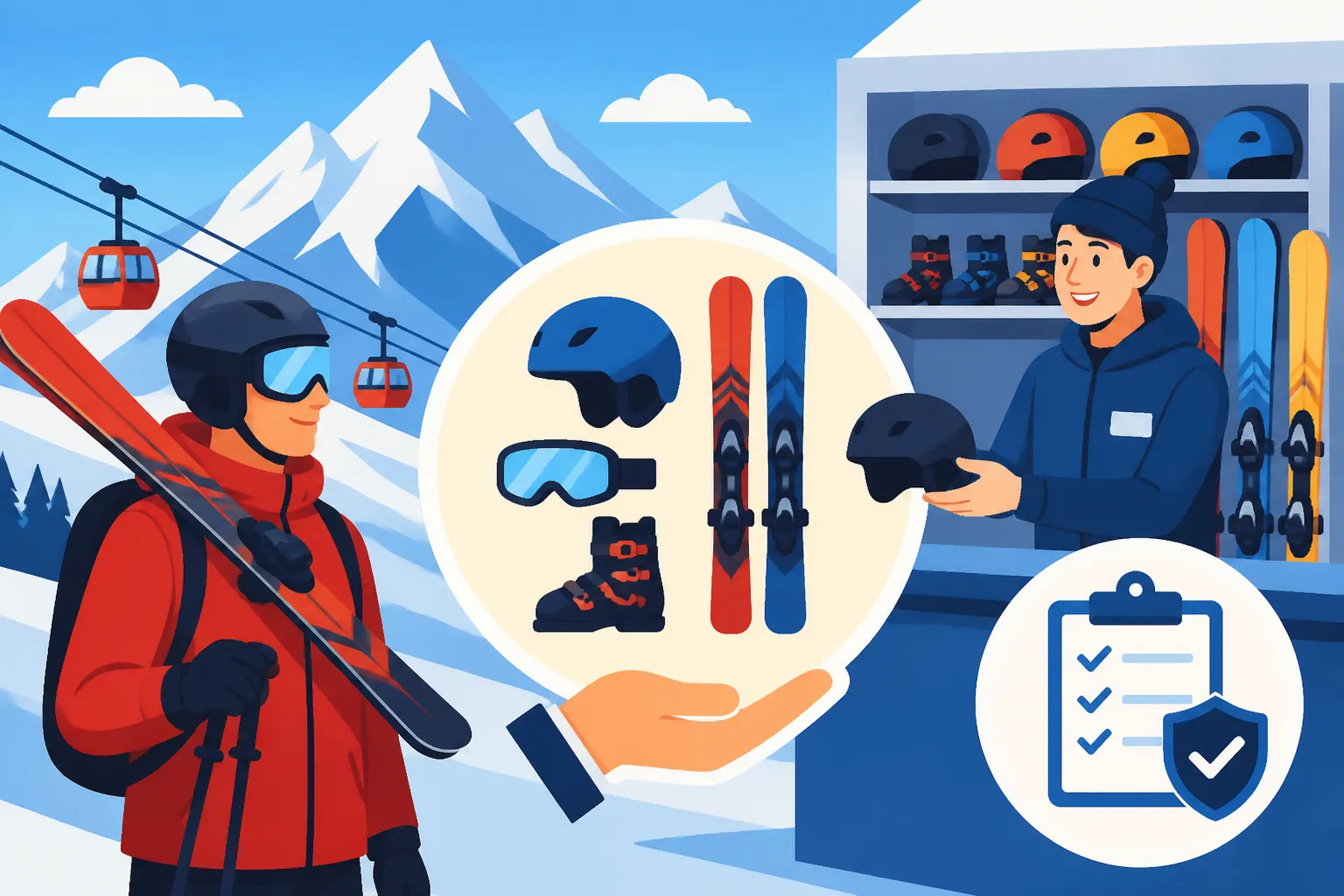
A basic ski rental package will almost always include skis, boots, and poles. These three are the absolute essentials for hitting the slopes. However, a helmet is often an optional add-on, sometimes for a small daily fee. I strongly recommend renting a helmet if you don't own one. Safety first, folks, those Swiss mountains are majestic but unforgiving! Goggles are almost always purchased separately, though some premium packages might include them.
When comparing prices, make sure to check exactly what the listed price covers. Is the helmet included? What about an insurance waiver for damage? Are there separate child rates? Don't assume everything is bundled. A good rental shop will clearly outline these components, and you can usually find these details on their websites or price lists. For families, look for specific "kids' packages" which often include helmets as standard and sometimes offer better rates if parents also rent. Many shops also offer deals for longer rental periods, so a week-long rental usually works out cheaper per day than a single day rental.
Different Categories: Beginner, Intermediate, Advanced, Premium
Just like cars, ski equipment comes in different classes. Rental shops typically categorise their gear to match various skill levels and preferences, and naturally, the price increases with the performance level.
- Beginner/Economy: These skis are shorter, softer, and more forgiving, designed to make turning easier and build confidence. They're perfect for absolute novices or those who only hit the slopes once a year on easy runs.
- Intermediate/Allround: A step up, these offer more stability and responsiveness, suitable for skiers comfortable on blue and red runs. They provide a good balance of performance and ease of use.
- Advanced/Performance: For experienced skiers tackling all types of terrain, including steeper red and black runs. These skis are stiffer and offer better edge grip at higher speeds.
- Premium/High Performance: The crème de la crème, often featuring the latest models, lightweight materials, and specific designs for carving, freeride, or racing. These are for expert skiers who demand top performance.
Here's a rough idea of daily rental costs for a full adult set (skis, boots, poles) in Switzerland, keeping in mind prices can fluctuate by resort and season:
| Equipment Category | 1 Day (approx. CHF) | 3 Days (approx. CHF) | 6 Days (approx. CHF) |
|---|---|---|---|
| Kids | 25-40 | 60-90 | 100-150 |
| Beginner/Economy | 40-60 | 100-150 | 180-250 |
| Intermediate/Allround | 50-70 | 130-180 | 220-300 |
| Advanced/Performance | 60-90 | 160-230 | 280-380 |
| Premium/High Perf. | 80-120 | 200-300 | 350-500 |
Note: These are indicative prices for ski, boots, and poles. Helmets often cost an additional CHF 5-10 per day.
Insurance Options and Damage Waivers
Ah, insurance, the Swiss national pastime! Just like with everything else here, from your mandatory Healthcare in Switzerland for Expats: The Complete System Overview (2027) to your Private Liability Insurance Privathaftpflicht: Why Expats Need It, ski rental often comes with the option for insurance or a damage waiver. This is usually a small daily fee (think CHF 5-10) that protects you from having to pay the full cost of repairs or replacement if you damage or lose the equipment.
Is it worth it? Honestly, it depends on your skiing style and how clumsy you (or your kids!) tend to be. If you're a cautious beginner sticking to gentle slopes, you might skip it. However, if you're venturing off-piste, tend to be a bit more adventurous, or if you're renting expensive premium gear, it can offer peace of mind. A snapped ski or a lost pole can be surprisingly costly to replace, often hundreds of francs. Always clarify what the waiver covers – usually, it's accidental damage, but rarely theft unless explicitly stated.
Tips for a Smooth Ski Rental Experience as an Expat
Navigating any new system as an expat can be a bit like skiing down an unfamiliar slope in whiteout conditions – a bit disorienting. But with a few insider tips, your ski rental experience can be as smooth as a perfectly groomed piste.
Booking in Advance and Sizing Tips
This is perhaps my biggest piece of advice, especially if you're planning a trip during peak season (Christmas, New Year's, February school holidays, or even just busy weekends). Book your equipment online in advance! Not only can you often secure better prices through early booking discounts, but you also guarantee that your preferred equipment category and sizes will be available. Imagine showing up at a busy shop at 9 AM on a Saturday, only to find they're out of boots in your size or only have advanced skis left when you're a beginner. Not fun.
When it comes to sizing, be prepared with accurate information. For skis, your height and weight are crucial. For boots, your regular shoe size is a starting point, but a good fitter will also measure your foot length and width to ensure a snug, comfortable fit. Don't be shy about communicating any discomfort during the fitting process; ill-fitting boots can ruin your entire day faster than a sudden snowstorm. Children's sizes will usually be based on their height, weight, and shoe size. If you're renting for kids, remember that they might grow quite a bit between seasons, so don't just assume last year's size will do!
Essential Documents and Payment
While you generally don't need a passport or residence permit just to rent skis, it's always a good idea to have some form of official ID with you, especially if you're opting for a longer rental period or if the shop requires a deposit. Most shops will simply ask for your name, address, and contact number.
Payment is straightforward; credit cards (Visa, Mastercard, American Express) are universally accepted, as are Swiss debit cards (Maestro/Postcard). Cash is also fine, though less common for larger transactions. Some rental shops might require a deposit, either a fixed amount or a credit card pre-authorization, which is then released upon the safe return of the equipment. Always confirm this beforehand, particularly if you're on a tight budget.
Returns and Extending Your Rental
Returning your equipment is usually hassle-free. Just bring everything back to the designated return point at the shop by the agreed-upon time. Many shops allow you to return gear the morning after your last ski day, giving you some flexibility. For example, if you finish skiing on Sunday afternoon, you might be able to return the gear Monday morning without an extra charge. Always confirm the return window.
What if you're having such a blast that you want to extend your rental? Most shops are happy to accommodate this, provided they have availability and you notify them in advance. You'll simply pay the difference for the additional days. However, if you fail to return the equipment on time without prior arrangement, you might incur late fees or even be charged for an extra day's rental, so it's always best to communicate with the shop. If you're considering a Skiing in Switzerland: Resorts, Passes, and Costs for Residents weekend, think about the full rental period from Friday afternoon to Sunday evening for maximum value.
Don't forget that many resorts also offer facilities for Luggage and Ski Transport on Swiss Public Transport, which can be a lifesaver if you're managing gear for a whole family. Sometimes, your chosen Affordable Ski Areas in Switzerland for Locals on a Budget will also have great rental deals if you're looking to stretch your budget further.
Disclaimer
The information provided in this guide is intended for general informational purposes only and does not constitute professional advice. While we strive to keep the content up-to-date and accurate, rental prices, policies, and availability can change rapidly, especially in Switzerland. We recommend contacting specific rental shops or checking their official websites for the most current information before making any bookings. Always verify details directly with the service provider.